

Industry Briefing
A single destination for timely, editor-curated robotics news from around the world.

Amazon Announces $100 Million Investment in New Robotics Manufacturing Facility in Indiana
Amazon has revealed plans to invest $100 million in a new robotics manufacturing plant located in Indiana. This strategic move aims to enhance Amazon's capabilities in robotics and automation, aligning with the company's ongoing commitment to innovation in supply chain management. The establishment of this facility is significant as it underscores Amazon's dedication to advancing its robotics technology, which is crucial for improving operational efficiency and meeting growing consumer demands. The investment reflects a broader trend in the industry where major companies are increasingly focusing on automation to streamline processes and reduce costs. Looking ahead, industry observers will be keen to see how this new plant will impact Amazon's supply chain operations and its overall competitiveness in the market. No further timeline was disclosed at the time of publication.
Robotics Automation AI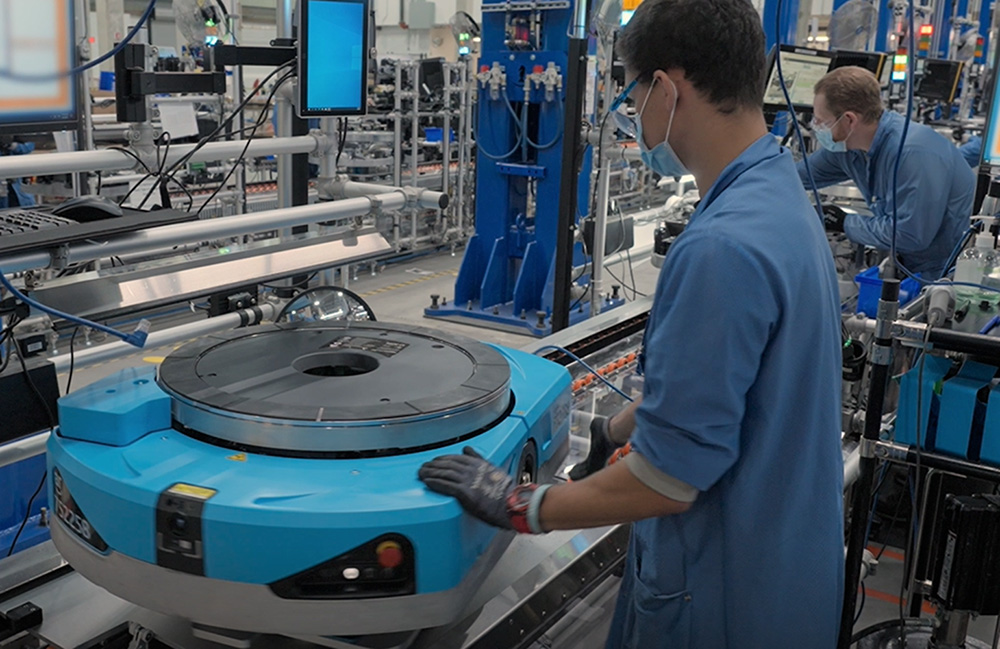
Amazon Plans $100 Million Investment in New Advanced Manufacturing Facility in Indiana
Amazon has announced a significant investment exceeding $100 million to establish a new 585,000-square-foot advanced manufacturing facility in Greenwood, Indiana. This facility is expected to create 300 skilled manufacturing and engineering jobs, producing products that will enhance Amazon’s fulfillment and robotics network across North America. The establishment of this facility is crucial as it aligns with Amazon's ongoing efforts to expand its domestic manufacturing capabilities. With over one million robots already manufactured in the U.S. and deployed across more than 300 facilities globally, this new site will further support the company's logistics and operational efficiency, assisting with 75% of customer orders worldwide. Looking ahead, Amazon aims to launch the Greenwood facility by 2028. This investment follows a recent announcement regarding a robotics manufacturing initiative in Texas, highlighting Amazon's commitment to enhancing its manufacturing footprint and integrating advanced technologies in its operations. No further timeline was disclosed at the time of publication.
Autonomous Mobile Robots (AMRs) Collaborative Robots Manufacturing Markets / Industries News Robots / Platforms
Amazon to Invest Over $100 Million in Indiana Manufacturing Plant for Robotics Network
Amazon has announced plans to invest more than $100 million in a new advanced manufacturing facility in Greenwood, Indiana, aimed at supporting its North American fulfillment and robotics network. The 585,000-square-foot facility is expected to open by 2028 and will create approximately 300 jobs, with average salaries nearing $100,000 annually. This investment is significant as it expands Amazon's domestic robotics manufacturing capabilities, building on its history of producing over 1 million robots in the U.S. These robots currently assist in delivering 75% of customer orders worldwide. The new facility will incorporate advanced technologies such as robotic welding, automated coating, and AI-powered manufacturing systems, enhancing operational efficiency. Looking ahead, the Indiana plant will serve as a key component of Amazon's broader logistics and manufacturing network, which includes fulfillment centers and robotic facilities. No further timeline was disclosed at the time of publication.
AI AI Funding & Investment Robotics AI-driven fulfillment automation Amazon AWS
Eureka Robotics and Shelley Automation Collaborate to Enhance North American Manufacturing with AI Solutions
Eureka Robotics and Shelley Automation have formed a partnership to integrate Eureka's AI Vision System into Shelley's automation solutions. This collaboration aims to introduce AI-powered bin picking capabilities to North American manufacturers, enhancing the efficiency and reliability of automation on the shop floor. The integration of Eureka's AI Vision System with Shelley's expertise in automation systems signifies a significant advancement in the application of physical AI in manufacturing. This partnership is expected to streamline operations, reduce downtime, and improve overall productivity for manufacturers adopting these innovative solutions. As the manufacturing sector increasingly embraces automation, the focus will be on the effectiveness of AI-powered solutions in real-world applications. No further timeline was disclosed at the time of publication.
Helicon Advances Automation in High-Volume Carbon Fiber Composites Manufacturing
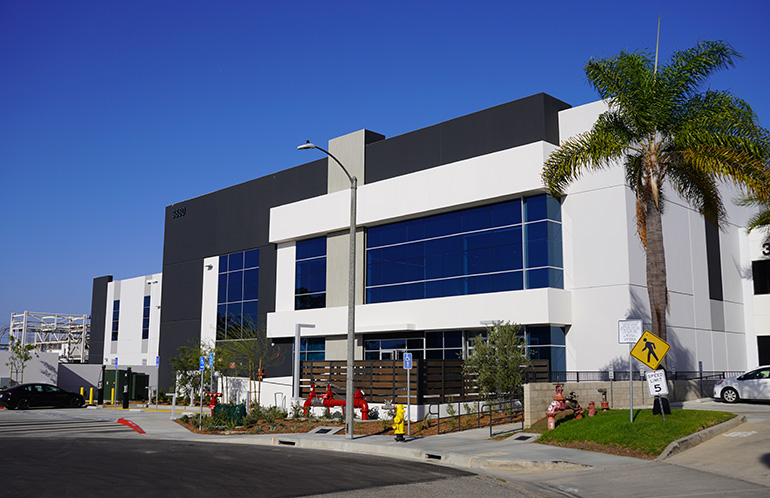
Helicon Industries is pioneering automated manufacturing systems for carbon fiber parts, aiming to revolutionize high-volume composites production. The Los Angeles-based startup has emerged from stealth mode with $16 million in seed funding, led by AlleyCorp, and plans to reduce manufacturing lead times from over six months to just two weeks. The significance of Helicon's initiative lies in addressing the challenges of composite manufacturing, which has traditionally been slow and labor-intensive. Co-founder Edmundo Sanz-Gadea emphasized the difficulties in automating the manipulation of flexible materials like carbon-fiber textiles, particularly within the heavily regulated aerospace and defense sectors. Looking ahead, Helicon's focus on carbon fiber manufacturing could set a new standard in the industry. The startup's innovative approach to automation may not only streamline production processes but also enhance efficiency in composite manufacturing. No further timeline was disclosed at the time of publication.
Aerospace Arms / Manipulators Defense / Security Industrial Robots Investments Manufacturing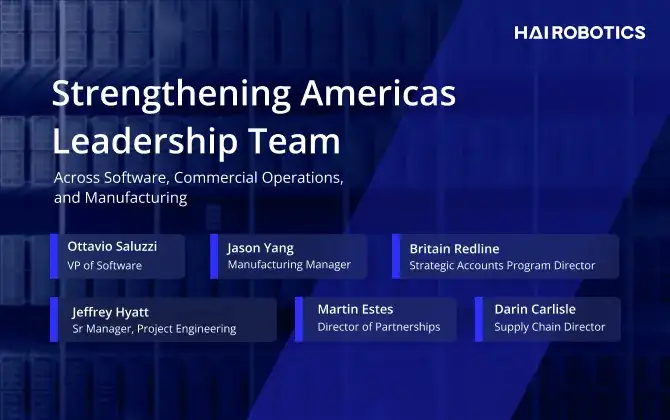
Hai Robotics Expands Leadership Team in Americas for Enhanced Operations and Manufacturing
Hai Robotics has enhanced its leadership team in the Americas with key appointments across various sectors including software, supply chain, and manufacturing. This strategic move aims to bolster the company's capabilities in supporting the entire customer journey, from solution development to U.S.-based manufacturing. The expansion is significant as it aligns with Hai Robotics' commitment to improving local service and operational responsiveness in the Americas, particularly in Alpharetta, Georgia. The new leadership will enable the company to better meet evolving customer needs and sustain regional growth, reinforcing its position in the competitive warehouse automation market. Looking ahead, Hai Robotics plans to continue investing in infrastructure and operational expertise to adapt to the changing demands of its customers. No further timeline was disclosed at the time of publication.
Warehouse Automation Supply Chain Management Logistics Manufacturing Customer Support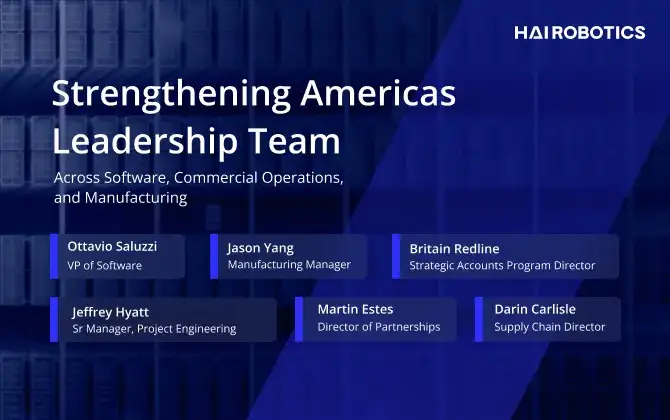
Hai Robotics Expands Leadership Team in Americas for Enhanced Operations and Manufacturing
Hai Robotics has bolstered its leadership team in the Americas with key appointments across various sectors, including software and manufacturing. This strategic move aims to enhance the customer journey by improving solution development, software integration, and supply chain execution. The expansion is significant as it aligns with Hai Robotics' commitment to providing responsive, locally supported services in the Americas, particularly with its growing presence in Alpharetta, Georgia. The new leadership will enable the company to better meet evolving customer needs and sustain regional growth. Looking ahead, Hai Robotics is focused on building an organization that anticipates future customer requirements. CEO Adrian Stoch emphasized the importance of having the right capabilities and infrastructure in place to adapt to the complexities of customer operations as they evolve. No further timeline was disclosed at the time of publication.
Warehouse Automation Supply Chain Management Logistics Manufacturing Customer Support
MES Inc. Advises Robotics OEMs to Prioritize Manufacturing Strategy Amid Record Robot Demand
MES Inc., a sourcing and supply chain firm based in Ohio, has reported that industrial robot installations have exceeded 500,000 units for the fourth consecutive year. The company emphasizes the importance of structural aluminum components in determining the scalability of humanoid, mobile, and collaborative robots as the industry transitions from prototypes to mass production. This guidance is crucial as robotics companies face increasing demand for their products. By treating structural aluminum components as a fundamental system decision rather than a mere sourcing task, developers can enhance their manufacturing strategies and better meet the growing market needs. The focus on these components could significantly impact production efficiency and speed. Looking ahead, robotics OEMs are encouraged to lock in their manufacturing strategies before design freezes occur. No further timeline was disclosed at the time of publication.

IonQ Partners with SDT to Establish Quantum Manufacturing Hub in South Korea
IonQ, a US quantum computing company, has entered a multi-year partnership with SDT to deploy its Superion 256 quantum computer and silicon-vacancy quantum memory technology in South Korea. This agreement enhances IonQ's presence in the Asia-Pacific region and includes hardware production, system assembly, and the establishment of a hybrid quantum-classical data center for medical research. The significance of this partnership lies in the growing global demand for IonQ's Superion 256 system, as highlighted by CEO Niccolo de Masi. The collaboration not only expands IonQ's commercial footprint in South Korea but also aims to advance quantum cancer and biomedical research. The new facility in Gumi will focus on the production and integration of quantum systems, marking a shift from cloud-based software to physical hardware. Looking ahead, SDT plans to open a dedicated quantum manufacturing facility in Gumi, which will play a crucial role in IonQ's global supply chain and regional deployment. The partnership also includes the development of hybrid quantum-classical infrastructure for medical research, indicating a strategic move towards integrating quantum technology into healthcare applications. No further timeline was disclosed at the time of publication.
AI and Robotics
Boston Dynamics Launches Robotics Metaplant Center to Train Atlas Robots for Manufacturing
Boston Dynamics has inaugurated a new facility within Hyundai Motor Group's Metaplant America campus located near Savannah, Georgia. This center focuses on training Atlas® robots, which are pivotal for advancing AI robotics commercialization and enhancing operations across the Group's extensive network. The establishment of this training center is significant as it marks a strategic move towards integrating humanoid robots into manufacturing tasks. By laying the groundwork for AI robotics, Boston Dynamics aims to facilitate the adoption of advanced robotic solutions within the automotive sector and beyond. Looking ahead, Boston Dynamics has plans to broaden the training capabilities for Atlas robots and is already preparing to transition to a larger facility by 2027. This expansion indicates a commitment to furthering the development of humanoid robotics in manufacturing applications.

Qingyan Precision's Chen Chao Discusses Vocational Training for Embodied Intelligence in Manufacturing
From September 17 to 20, the 22nd China Automotive Industry Development (Teda) International Forum took place in Tianjin Binhai New Area. On September 18, Chen Chao, co-founder and Chief Ecosystem Officer of Qingyan Precision, delivered a speech titled 'Bringing Robots into Automotive Factories: From Testing Validation to Scalable Delivery of Embodied Intelligence.' Qingyan Precision focuses on leveraging its automotive testing validation capabilities to assist embodied intelligence companies in achieving rapid industrial deployment. Chen emphasized that autonomous driving represents a significant application of physical AI, successfully closing commercial and technical loops in various scenarios. However, embodied intelligence and robotics face unique challenges, particularly in how agents interact with real environments. Unlike autonomous vehicles, which can define safety boundaries through collision risk metrics, robots often require close contact with objects, raising questions about the appropriate force to apply during interactions. Chen proposed that industrial settings are currently the most suitable environments for embodied intelligence, as they meet the prerequisites for mass delivery and commercialization of robots. He outlined the need for financial willingness from clients, the capability of robot companies to meet client demands, and the recognition that some tasks are better suited for human workers. Qingyan Precision aims to create a vocational training framework that bridges the gap between robot companies and industrial clients, facilitating skill training, algorithm validation, and employment solutions for robots.
Embodied Intelligence Industrial Robotics Automotive Manufacturing Robot Training Systems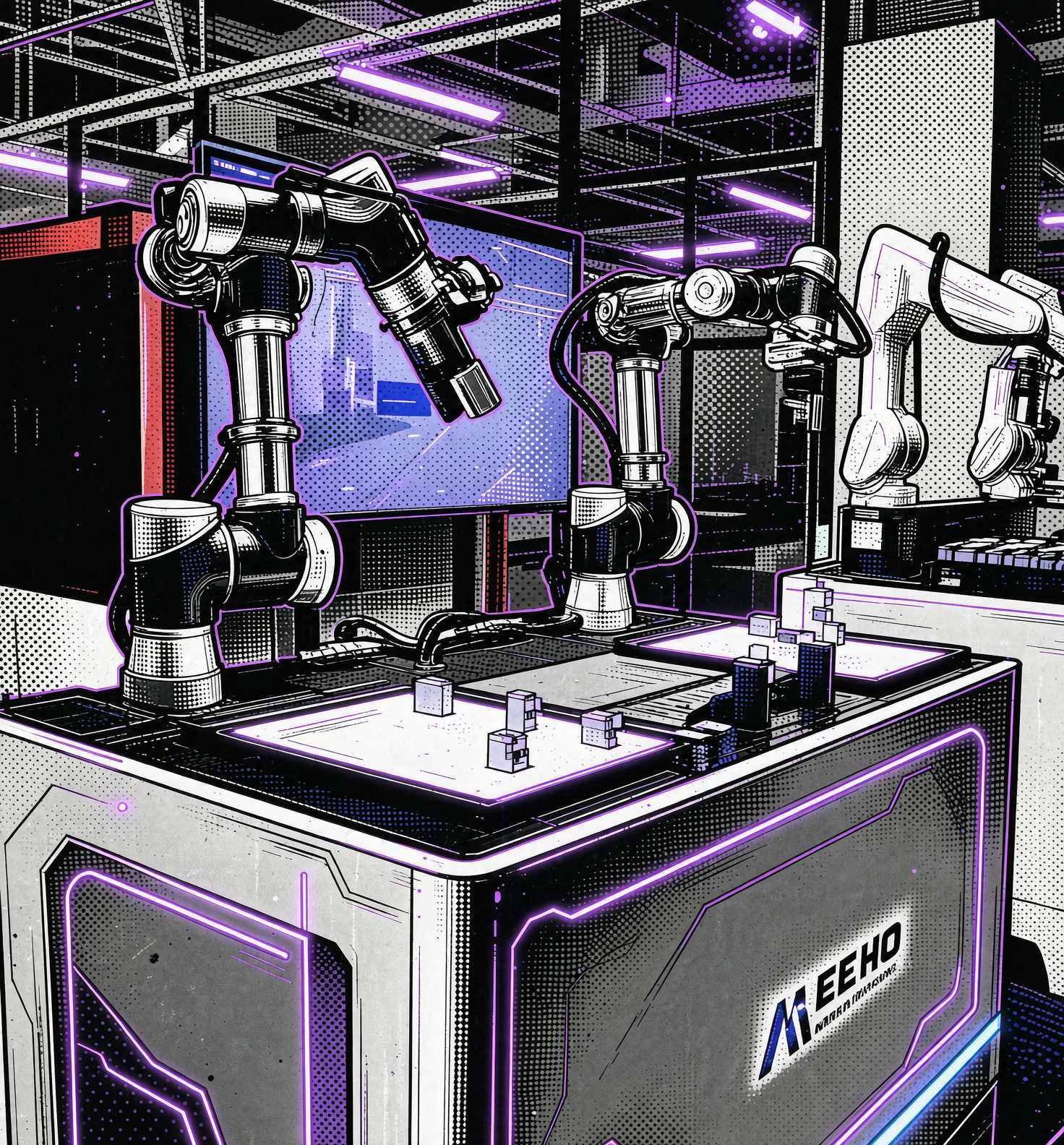
Micro Yi Intelligent Manufacturing Secures CSRC Approval for Overseas Listing with 31% Market Share
Micro Yi Intelligent Manufacturing has received approval from the China Securities Regulatory Commission (CSRC) for its overseas listing. This move is significant as it positions the company to expand its reach in the global market, particularly in the field of intelligent manufacturing. The company currently holds a 31% market share in the domestic industrial embodied intelligent robots sector, highlighting its strong presence and competitive edge in this rapidly evolving industry. This approval is expected to enhance its capabilities and attract further investment. Looking ahead, stakeholders will be keen to observe how Micro Yi leverages this approval to enhance its international operations and whether it can maintain its market share amidst growing competition. No further timeline was disclosed at the time of publication.
Robotics Automation AI
AMC Robotics Secures $50 Million Equity Facility for New Manufacturing Plant
AMC Robotics has announced a $50 million standby equity purchase agreement to finance the construction of its robotic manufacturing facility, expected to be completed by November 2026. This funding is crucial for AMC Robotics, which specializes in AI-driven industrial robotics systems, as it will support the buildout and commissioning of the production line. The agreement also includes a $3.88 million loan through convertible promissory notes, which will mature in one year. Investors will have the option to require AMC Robotics to issue shares up to the outstanding balance of the notes. No further timeline was disclosed at the time of publication.
AI AI Funding & Investment Robotics AMC Robotics funding industrial robotics
Embodied AI Introduces Robotic Solutions to Address Europe's Manufacturing Challenges
Embodied AI, a start-up based in Lausanne, has launched to tackle the pressing automation challenges facing European manufacturing. As high-volume production shifts to Asia, Europe risks losing its competitive edge in manufacturing, leading to a decline in industrial capacity. Embodied AI aims to develop intelligent robots capable of performing complex tasks in real-world environments, moving beyond traditional automation methods. The significance of this initiative lies in its potential to enhance productivity and quality in European manufacturing. With global competitive pressures and evolving supply chains, the need for effective automation solutions is urgent. Embodied AI's approach focuses on creating a European Embodied AI ecosystem that connects academic research with industrial expertise, reinforcing Europe's technological leadership in next-generation robotics. Looking ahead, Embodied AI is collaborating with global industrial players to implement its solutions in critical applications such as electronics production and flexible cable handling. The company is developing a platform for training custom AI models that ensure operational efficiency and adaptability. No further timeline was disclosed at the time of publication.
Artificial Intelligence Features Manufacturing artificial intelligence embodied ai european manufacturing
Rapta Secures $8 Million Funding to Enhance AI Quality Assurance in Defense Manufacturing
Rapta has successfully raised $8 million to further develop its AI-driven quality assurance and manufacturing intelligence platform tailored for defense and aerospace sectors. The funding round was co-led by Voyager Capital and Access Venture Partners, with contributions from several other investors. This financial boost will enable Rapta to expand the deployment of its Manufacturing Intelligence Platform, which integrates computer vision and production data to enhance quality tracking and process performance. The significance of this funding lies in Rapta's technology, which is already utilized by five of the ten largest U.S. defense contractors. By addressing challenges such as quality issues and fragmented data in production environments, Rapta's platform aims to streamline operations without necessitating a complete overhaul of existing technology infrastructures. This approach is particularly crucial in industries with stringent compliance requirements, where accurate documentation and traceability are vital. Looking ahead, Rapta's focus will be on leveraging the new funding to enhance its platform's capabilities and expand its market presence. The addition of Voyager and Access Venture Partners' representatives to its board is expected to provide valuable guidance during this critical phase. No further timeline was disclosed at the time of publication.
AI AI Funding & Investment Robotics Access Venture Partners BVC DeepWork Capital
ABZ Innovation Launches Major Civilian Drone Manufacturing Facility in Hungary
ABZ Innovation has inaugurated a new manufacturing facility in Szentendre, Hungary, which is recognized as one of the largest civilian drone production sites in Europe. This facility will enhance the manufacturing capabilities for agricultural and industrial drone technology in the region. The establishment of this facility is significant as it strengthens Europe's position in the drone manufacturing sector, particularly for heavy-duty civilian applications. ABZ Innovation aims to meet the growing demand for advanced drone solutions in agriculture and industry, contributing to technological advancements in these fields. Looking ahead, the impact of this facility on the local economy and the broader European drone market will be noteworthy. No further timeline was disclosed at the time of publication.

Closed-Loop Automation Enhances Decision-Making in Manufacturing Operations
Manufacturers are increasingly leveraging data from automated equipment to enhance operational performance. However, the mere accumulation of data does not guarantee improved decision-making. Organizations must ensure that insights from recurring issues are communicated across teams to prevent repeated failures and to track the effectiveness of process changes. The significance of effective data feedback loops is highlighted by NIST's definition of smart manufacturing decision systems, which emphasizes the importance of context provided by knowledgeable personnel. Schneider Electric's smart factory in Lexington, Kentucky, exemplifies this approach by integrating equipment data and operator insights through its EcoStruxure platform, resulting in a 20% reduction in mean time to repair critical equipment. Looking ahead, the focus will be on how manufacturers can further utilize technology to bridge the gap between data collection and actionable insights. For instance, Sachsenmilch's implementation of Siemens Senseye Predictive Maintenance software demonstrates the potential of predictive analytics in preemptively addressing equipment failures, thus optimizing maintenance schedules and minimizing production disruptions. No further timeline was disclosed at the time of publication.
Process / Design
Schneider Electric's Andre Marino Warns Humanoids Distract from Core Manufacturing Challenges
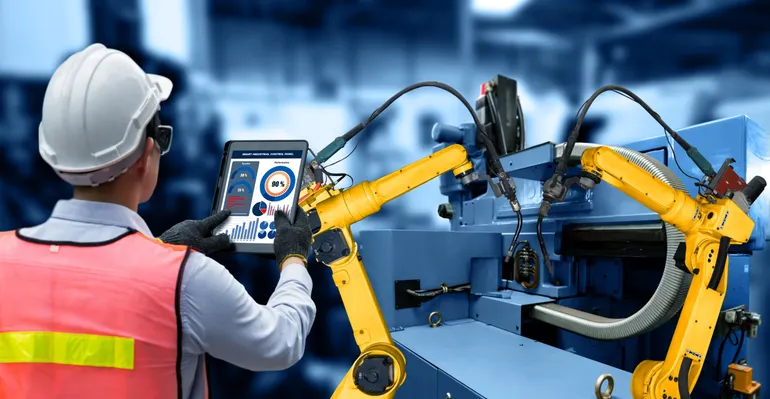
Andre Marino, senior vice president of industrial automation for North America at Schneider Electric, cautions that humanoid robots are diverting attention from essential manufacturing issues. He emphasizes the need for manufacturers to focus on the appropriate robotic forms for specific tasks rather than being captivated by humanoid technology. Marino advocates for a broader transformation in the manufacturing sector, highlighting the importance of small and mid-sized companies in driving innovation and attracting talent. Marino's insights come as humanoids advance through AI breakthroughs, yet he notes that their widespread use in production settings remains years away. He points out that while humanoids may mimic human actions, they are not yet capable of performing many tasks effectively. The focus should shift from the allure of humanoid robots to addressing the actual problems manufacturers face and determining the right solutions for those challenges. Looking ahead, Marino suggests that companies must prepare for the next generation of manufacturing by laying the groundwork for greater autonomy. He believes that the transformation of the industry should not be limited to the top 10% of companies, as a strong base of small and mid-sized manufacturers is crucial for attracting new talent to the field. No further timeline was disclosed at the time of publication.
NIST Allocates Over $30 Million to 12 Manufacturing Extension Partnership Sites
The National Institute of Standards and Technology (NIST) has awarded over $30 million to 12 Manufacturing Extension Partnership (MEP) sites. These awards will initiate cooperative agreements for evaluations lasting up to five years, focusing on protocol development, data collection, and analysis. The funding will support the first year of projects, with future funding contingent on performance and alignment with MEP priorities. This initiative is significant as it aims to enhance the industrial competitiveness of small and medium-sized manufacturers through advanced technology adoption. NIST Director Arvind Raman emphasized the importance of these MEP centers in fostering successful technology adoption and strengthening domestic supply chains within key industry sectors. The awards are expected to facilitate collaboration with flagship manufacturers identified by each site. Looking ahead, NIST plans to accept applications from Alaska and California in the next competition set for early 2027, as these states were not selected in this round. The agency's commitment to developing metrics for technology adoption across the MEP network will be crucial for future evaluations and support of manufacturing competitiveness.
Exploring the Importance of Laser Marking in Automated Manufacturing Processes
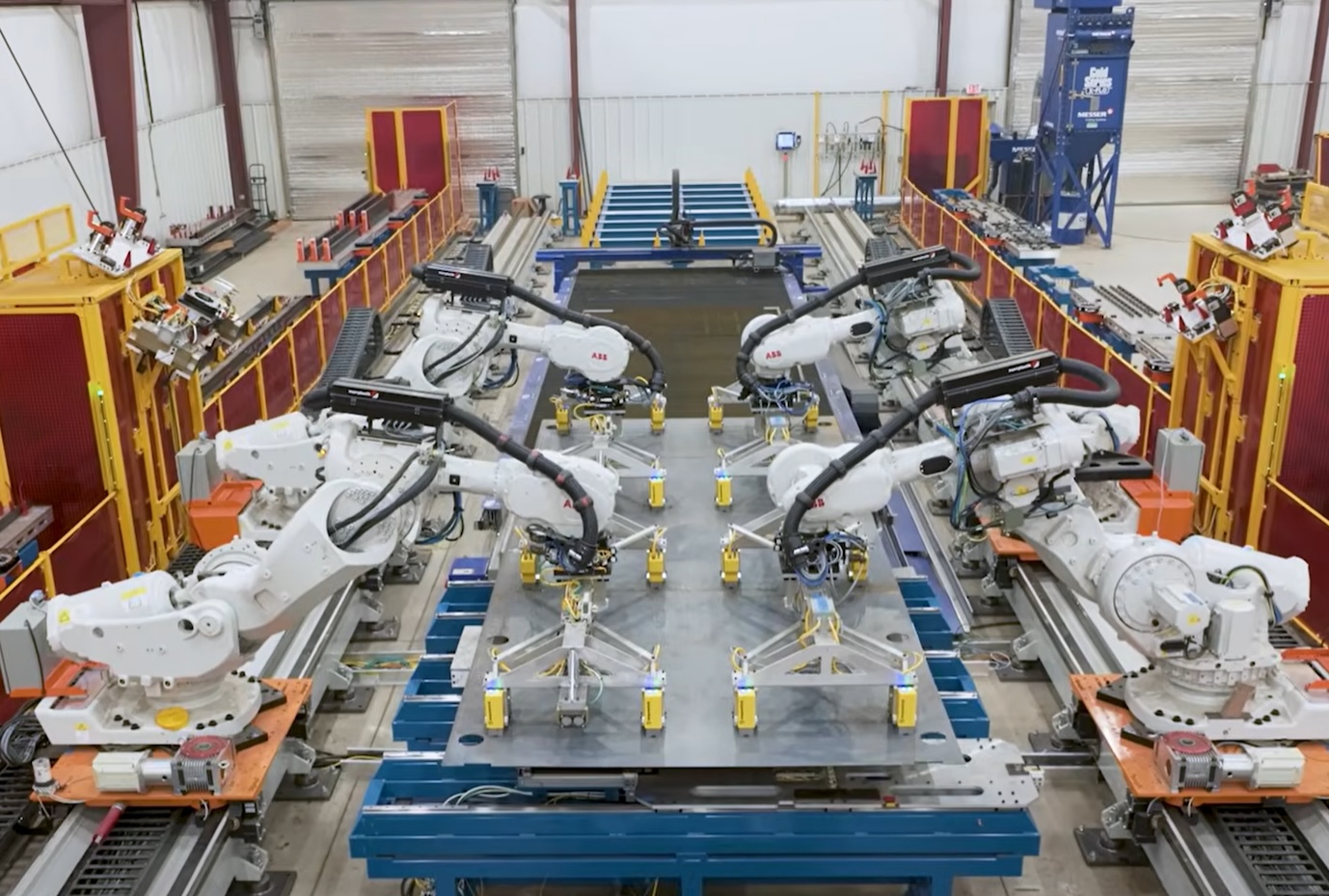
Manufacturing is increasingly embracing automation and connectivity, necessitating efficient processes that align with automated production lines. A significant advancement in this area is the shift towards laser marking for product identification. Unlike traditional labeling or engraving, laser marking provides a permanent solution for marking components, enhancing durability and traceability. The transition to laser marking is crucial as it meets the demands of modern manufacturing, where speed and precision are paramount. This technology not only improves the efficiency of production lines but also ensures that products are easily identifiable throughout their lifecycle. As manufacturers seek to optimize their operations, laser marking stands out as a reliable method for maintaining quality and compliance. Looking ahead, the adoption of laser marking technology is expected to grow as more manufacturers recognize its benefits. Companies will likely continue to invest in this technology to enhance their production capabilities. No further timeline was disclosed at the time of publication.
Design Engineering Manufacturing automated manufacturing digital manufacturing factory automation
VulcanForms and Specter Aerospace Collaborate to Enhance U.S. Hypersonic Manufacturing with 3D Printing
VulcanForms and Specter Aerospace have announced a partnership to establish a dedicated manufacturing operation in the U.S. for airbreathing hypersonic weapons. This collaboration aims to address the significant challenge of scaling production for hypersonic systems, which include munitions, interceptors, and cruise missiles. The partnership combines Specter's expertise in hypersonic vehicle development with VulcanForms' advanced metal additive manufacturing capabilities. As demand for hypersonic weapons increases, the companies are leveraging existing production-ready facilities while assessing potential locations for a new dedicated manufacturing site. The planned operation will focus on comprehensive manufacturing and integration processes, essential for producing complete hypersonic weapon systems. The complexity of hypersonic technology necessitates precise manufacturing tolerances and specialized materials, making additive manufacturing a valuable approach. No further timeline was disclosed at the time of publication.
Military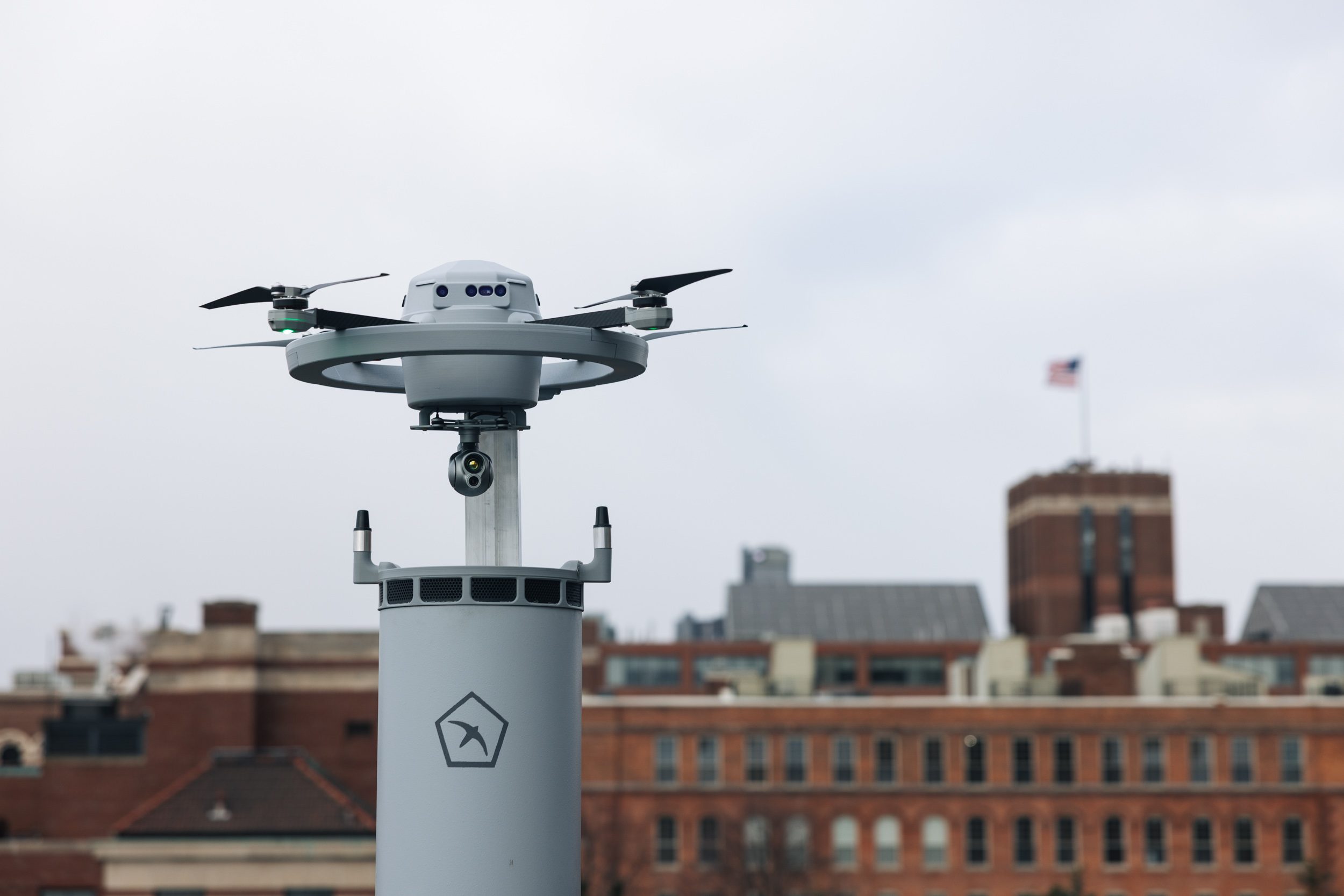
Birdstop Leverages Detroit's Auto Supply Chain to Enhance U.S. Drone Manufacturing
Birdstop, an autonomous security drone manufacturer, has relocated from Silicon Valley to Detroit to capitalize on the city's automotive supply chain. CEO Keith Miao emphasized that Detroit offers significant opportunities for scaling drone production, particularly due to the region's robust electronics manufacturing capabilities tied to the auto industry. The move is significant as it highlights the potential for cross-industry collaboration, where components used in automotive manufacturing can also be applied to drone technology. Miao noted that the overlap in specifications and testing requirements between automotive parts and drone components allows Birdstop to leverage existing resources effectively. Looking ahead, Birdstop has introduced its new flagship product, the Fealty system, which began deployment in May for monitoring truck parking sites in Detroit. This innovative drone system is designed for persistent coverage and features advanced AI capabilities, setting a new standard in the drone industry. No further timeline was disclosed at the time of publication.
DL Exclusive Drone Manufacturing Drone News Drone News Feeds Drones in the News Feature 1
IMTS 2026 Showcases Industrial AI and Automation Transforming Manufacturing
IMTS 2026 is set to highlight the advancements in industrial AI, automation, additive manufacturing, and digital technologies that are transforming the manufacturing landscape. As U.S. manufacturing orders, output, and productivity continue to rise, this event will provide manufacturers with a unique opportunity to explore these innovations firsthand. The significance of IMTS 2026 lies in its role as a platform for manufacturers to engage with cutting-edge technologies that are reshaping production processes. The event will feature a range of solutions aimed at enhancing efficiency and productivity in manufacturing, reflecting the current upward trend in the sector. Looking ahead, attendees can expect to see a variety of demonstrations and discussions focused on the latest advancements in industrial technologies. No further timeline was disclosed at the time of publication.

Robotics Teams Are Reevaluating Their Manufacturing Roadmaps for Better Outcomes
Robotics teams are increasingly recognizing that the journey from prototype to market-ready robot is rarely linear. Various manufacturing methods can be employed throughout the development process, requiring teams to adapt and rethink their strategies at multiple stages. This reevaluation is crucial as it allows teams to optimize their designs and production techniques, ultimately leading to more efficient and effective robots. By embracing a flexible approach, robotics teams can better respond to challenges and improve the overall quality of their products. Looking ahead, it will be important to monitor how these teams implement new manufacturing strategies and the impact on their timelines. No further timeline was disclosed at the time of publication.
Manufacturing Robotics 3d printing additive manufacturing hybrid manufacturing injection molding
U.S. Departments of Energy and Defense Showcase Automated Manufacturing at IMTS 2026
Leaders from the U.S. Departments of Energy and Defense will showcase live production and flight demonstrations of quadcopter drones and the 11-foot-tall Aires Tide test flight vehicle at The International Manufacturing Technology Show 2026. This event will highlight how advanced manufacturing technologies can enhance the speed and flexibility of U.S. defense production. The demonstration, taking place at the AMT Emerging Technology Center, will feature a full-scale manufacturing cell developed by the DOE’s Manufacturing Demonstration Facility at Oak Ridge National Laboratory. This cell integrates automation with both subtractive and additive manufacturing to produce quadcopter airframes, which will be flown in a secured area, showcasing the potential of these technologies in national security applications. Looking ahead, the project exemplifies the Genesis Mission, a DOE initiative aimed at leveraging AI and advanced computing for rapid scientific discovery and national security solutions. No further timeline was disclosed at the time of publication.
Factory / Design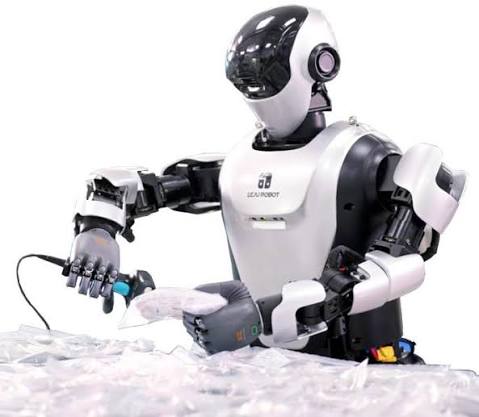
Robot Manufacturing Landscape Shifts as 150 Companies Enter Market Amid Declining Value
As of 2026, funding in the embodied intelligence sector has approached 15 billion yuan, with seven domestic companies now valued over 10 billion yuan, a significant increase from none a year prior. However, over 77% of robotics firms remain in early funding stages, indicating a highly competitive environment where most players lack access to the market. The rapid growth in funding, from 2.8 billion yuan in 2021 to an expected 23.6 billion yuan in 2025, paints a picture of a booming industry. Yet, analysts warn that more than 50% of commercial orders are primarily for public relations rather than productivity. Efficiency remains a critical issue, with leading robots only achieving about 45% of human worker efficiency. Looking ahead, the Ministry of Industry and Information Technology plans to deploy over 10,000 humanoid robots in commercial settings by the end of 2026. This initiative reflects a shift towards practical applications in factories rather than theoretical advancements, as companies like Tesla and XPeng aim for mass production of robots with clear timelines.
Humanoid Robots Robotics Industry AI Technology Manufacturing Automation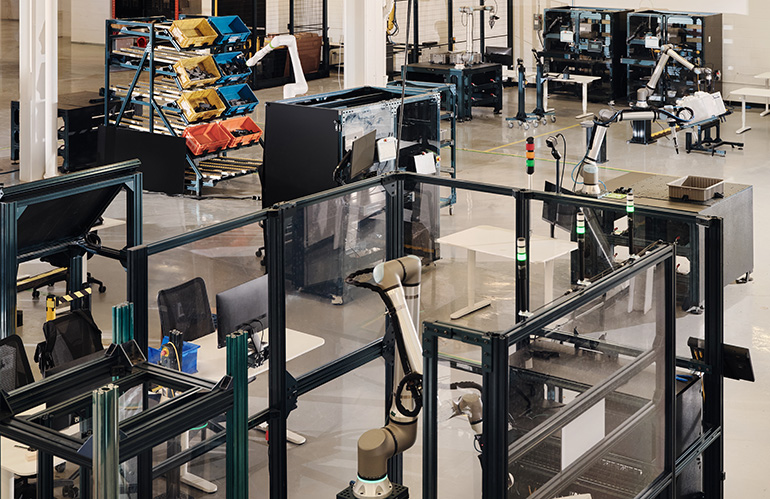
Vention Launches New Physical AI Lab in Montreal to Enhance Manufacturing Robotics
Vention Inc. has inaugurated its Physical AI Lab in Montreal, focusing on robotic manipulation in manufacturing. This facility aims to generate high-quality data essential for training AI models that control next-generation robots. According to CEO Etienne Lacroix, the lab leverages Vention's extensive experience with hundreds of robot cells to enhance the capabilities of physical AI. The establishment of the lab is significant as it addresses the growing demand for reliable and economical automation solutions in manufacturing. Vention's technology stack, which includes hardware, software, and physical AI, has already been deployed in over 28,000 machines globally, including in 90 of the Fortune 500 companies. The lab's unique approach combines academic research with real-world production challenges, allowing for rapid advancements in AI capabilities. Looking ahead, Vention aims to validate new AI capabilities against the practical requirements of production lines, with a focus on complex manufacturing tasks. No further timeline was disclosed at the time of publication. The integration of industry feedback into the research process is expected to accelerate the development of effective automation solutions.
Arms / Manipulators Artificial Intelligence Artificial Intelligence / Cognition Assembly Automotive Cameras / Imaging / Vision
OnLogic to Showcase Physical AI Hardware and Manufacturing Solutions at IMTS 2026
At IMTS 2026, OnLogic will present live demonstrations of its hardware designed for physical AI applications. This event will feature collaborations with notable companies including Microsoft, Nokia, and Inductive Automation, showcasing automated control and private wireless solutions tailored for factory environments. The significance of this demonstration lies in its potential to enhance manufacturing efficiency and automation through advanced technology. By integrating OnLogic's purpose-built hardware with contributions from industry leaders, the event aims to highlight innovative solutions that can transform factory operations and improve productivity. Looking ahead, attendees should watch for the specific applications and use cases presented during the demonstrations. The collaboration with major tech companies suggests a strong emphasis on cutting-edge solutions that could redefine manufacturing processes. No further timeline was disclosed at the time of publication.

Shenyang Manufacturing's Shift: Lightweight Robotics Transform Heavy Machinery Sector
On September 6, 2026, the third Shenyang Manufacturing Trade and Economic Activity Week concluded, showcasing a shift in focus from heavy machinery to agile local robotics. These robots, capable of carrying heavy loads across complex terrains and tailored for small to medium enterprises, have moved beyond mere exhibits to real-world applications. This transformation is significant as it reflects Shenyang's deep industrial shift from heavy to lightweight manufacturing. Notable innovations include a smart quadruped robot from Huogou Xihe Intelligent Technology, which can carry loads of 60 to 100 kg and has been deployed in practical scenarios like tunnel blasting. Additionally, Shenyang Huawi Laser's collaborative welding robots address the needs of small manufacturers, while Tianren He Yi Technology's smart moxibustion device has entered clinical use in hospitals. Looking ahead, Shenyang's manufacturing sector is poised for further evolution, with a focus on fostering industry connections rather than just immediate sales at trade shows. The region's robust industrial ecosystem and ongoing digital transformation efforts are expected to attract more enterprises, enhancing the local market's appeal. No further timeline was disclosed at the time of publication.
Robotics Manufacturing Innovation Automation Smart Technology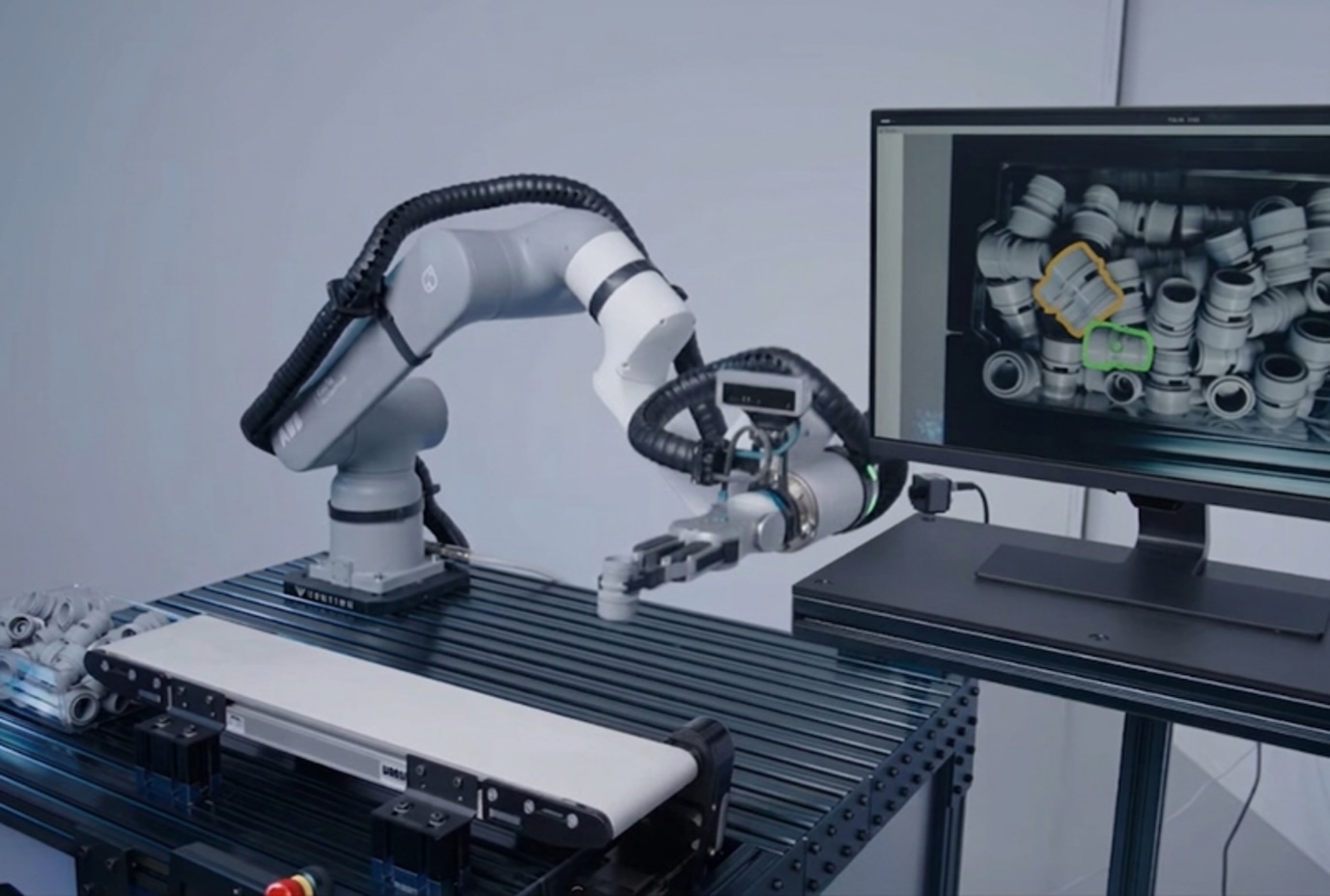
Integrated Lightweight Design of Tubeless Hydraulic Quadruped Robot Utilizing Additive Manufacturing
A new quadruped robot featuring a lightweight and integrated design has been developed, utilizing tubeless hydraulic systems and additive manufacturing techniques. This innovation aims to enhance the robot's mobility and efficiency in various terrains, making it suitable for field applications. The significance of this development lies in its potential to improve robotic performance in challenging environments. By employing additive manufacturing, the design allows for more complex geometries and reduced weight, which can lead to better energy efficiency and operational capabilities in the field. Looking ahead, the focus will be on testing the robot's performance in real-world scenarios to validate its design and functionality. No further timeline was disclosed at the time of publication.
RESEARCH ARTICLE
Huayan Robotics to Showcase Intelligent Manufacturing Solutions at IMTS 2026
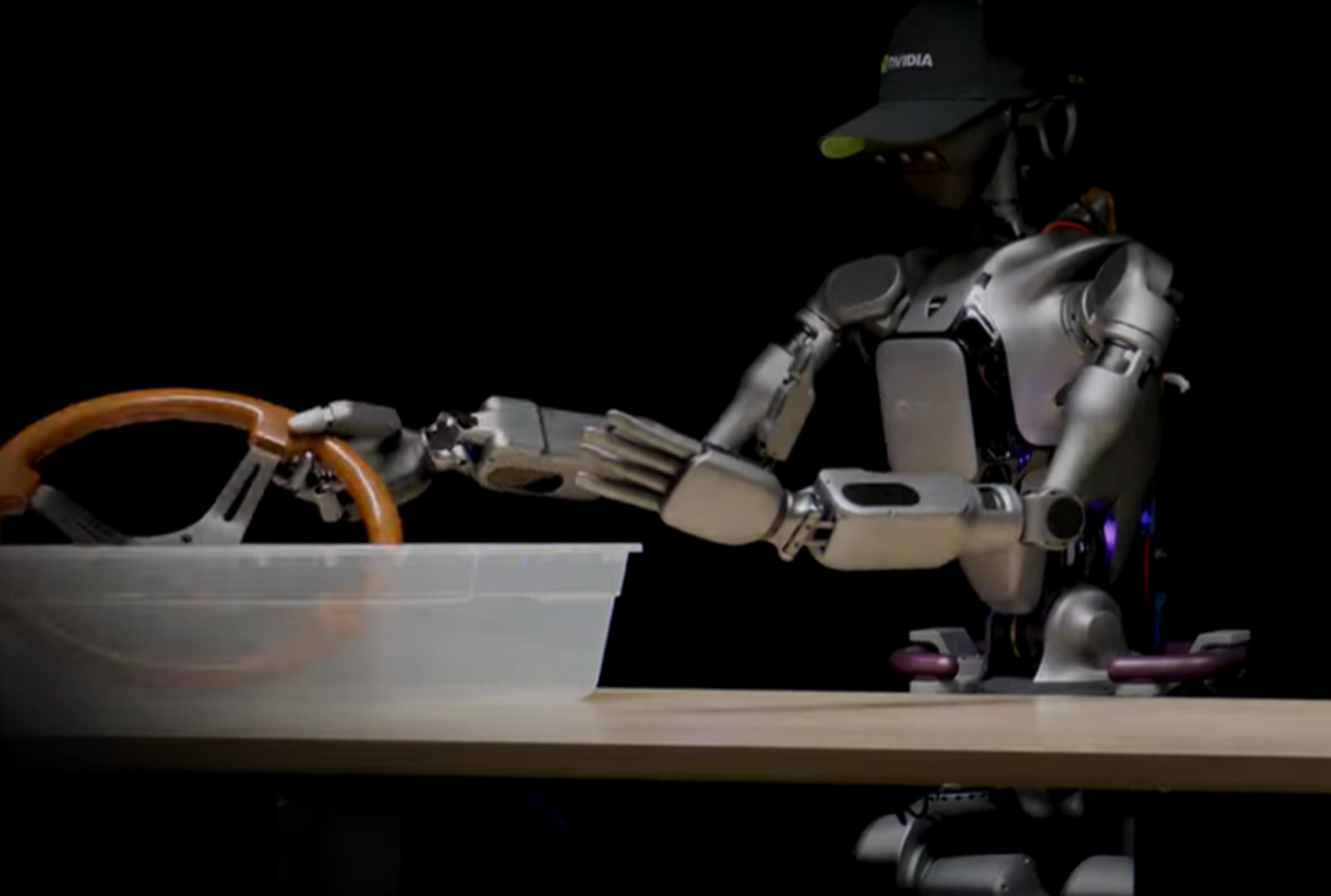
Huayan Robotics is set to present its advanced intelligent manufacturing solutions at IMTS 2026, taking place from September 14 to 19 at McCormick Place in Chicago. The company will demonstrate its capabilities in various applications, including welding, palletizing, CNC machine tending, vision inspection, and force-controlled grinding. The significance of Huayan Robotics' participation lies in the opportunity to engage with over 2,000 exhibitors and 90,000 professional visitors, showcasing the latest trends in global manufacturing technologies. This event, which has been held biennially since 1927, serves as a vital platform for industry leaders to exchange insights and innovations. As IMTS 2026 approaches, stakeholders should monitor Huayan Robotics' presentations and product demonstrations, which may influence future developments in intelligent manufacturing. No further timeline was disclosed at the time of publication.
Jinan's Three-Year Action Plan for AI Integration in Manufacturing
In September 2026, Jinan's Bureau of Industry and Information Technology, along with 13 other departments, released the 'Action Plan for Implementing AI + Manufacturing (2026-2028)'. This plan aims to address the critical transition from AI as a concept to its practical application in manufacturing, particularly focusing on overcoming data fragmentation and inaccessibility in factories. The plan is significant for Jinan, a major industrial city projected to achieve over 1 trillion yuan in industrial revenue by 2025. It emphasizes the need for a comprehensive data resource inventory and the development of ready-to-use data products, establishing an integrated mechanism for data collaboration, model training, application development, and security assurance. Jinan's AI core industry is expected to grow from 640 billion yuan in 2025 to over 800 billion yuan in 2026, with nearly 600 AI companies contributing to this growth. Looking ahead, the plan sets ambitious goals, including the creation of over 40 specialized industrial models and intelligent systems by 2028, and the promotion of more than 30 typical application scenarios. Jinan aims to leverage its strategic advantages to spread AI empowerment from leading enterprises to small and medium-sized businesses, fundamentally transforming the future of this industrial city.
AI in Manufacturing Industrial Automation Data Integration Smart Manufacturing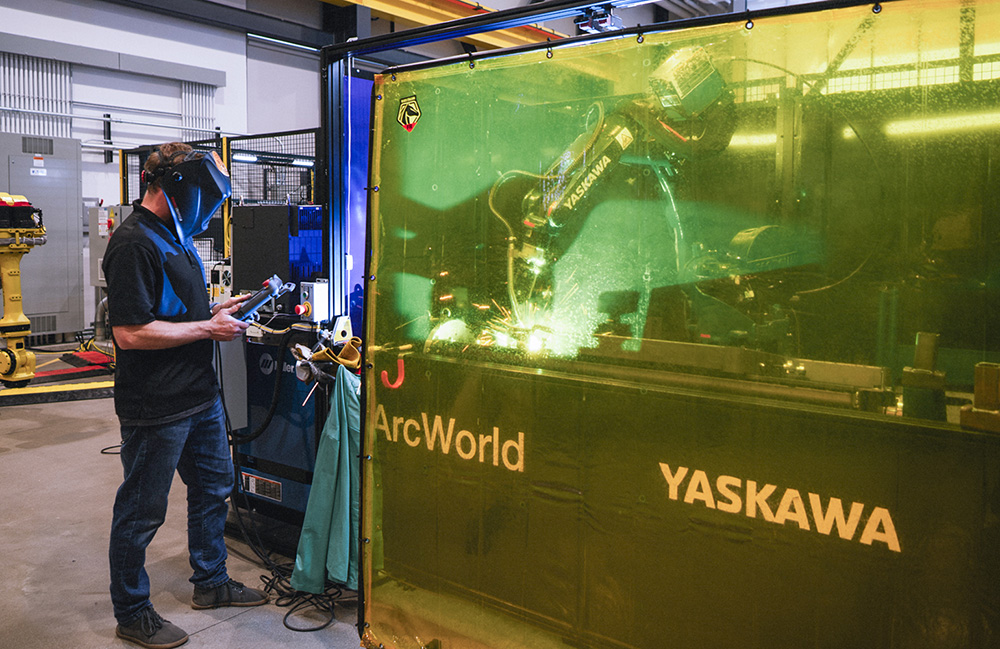
ARM Institute Secures $90 Million for Ten Military Manufacturing Modernization Projects
The ARM Institute has been awarded nearly $90 million for ten projects aimed at modernizing military manufacturing. This funding comes from the Organic Industrial Base (OIB) Modernization Challenge initiated by the Office of the Undersecretary of War Manufacturing Technology Office, supporting the U.S. Department of War's efforts to enhance defense manufacturing through innovative technologies and workforce development. This initiative is significant as it involves fifteen member organizations working to address complex automation challenges at twelve military manufacturing sites across the U.S. The ARM Institute emphasizes the importance of a skilled workforce in implementing these technological advancements, ensuring that workers are prepared to operate alongside new systems and processes. Looking ahead, the ARM Institute will focus on workforce readiness as a critical component of each project, identifying necessary skills and potential upskilling opportunities. No further timeline was disclosed at the time of publication.
Defense / Security Financial Investments Manufacturing Markets / Industries News
Mitsubishi Electric Showcases Integrated Manufacturing and Educational Solutions at IMTS 2026
At IMTS 2026, Mitsubishi Electric US, Industrial Automation will showcase the synergy of integrated CNC, robotics, automation, and digital technologies. This demonstration aims to illustrate how these technologies can enhance manufacturing performance, boost flexibility, and establish a robust foundation for future growth. The significance of this demonstration lies in its potential to transform manufacturing processes. By highlighting the integration of various technologies, Mitsubishi Electric emphasizes the importance of adopting advanced solutions to remain competitive in the evolving industrial landscape. Looking ahead, industry stakeholders should monitor the advancements in connected manufacturing solutions presented by Mitsubishi Electric. These innovations could play a crucial role in shaping the future of manufacturing and automation. No further timeline was disclosed at the time of publication.

Top Payroll Software Solutions for Mid-Sized Manufacturing Companies
Manufacturing payroll presents unique challenges, particularly for mid-sized companies managing diverse workforces. This guide evaluates five payroll software options specifically designed to meet the complexities of manufacturing payroll, including compliance with FLSA rules, state tax codes, and union agreements. The significance of selecting the right payroll software cannot be overstated, as errors in payroll processing can lead to costly penalties and compliance risks. Platforms that cater to manufacturing needs can streamline payroll processing, reduce error rates, and ensure adherence to labor laws across multiple facilities, ultimately saving time and resources. As manufacturers continue to navigate evolving labor regulations and complex pay structures, the demand for tailored payroll solutions will grow. No further timeline was disclosed at the time of publication.
Business Manufacturing Software BambooHR gusto hr software
Hyundai Mobis Unveils 40 Advanced Smart Manufacturing Technologies at M-Sphere 2026
Hyundai Mobis showcased approximately 40 smart manufacturing technologies at the M-Sphere 2026 exhibition, highlighting the integration of artificial intelligence, robotics, and digital twins in automotive parts production. The event, held at the Quantum Center in Uiwang, Gyeonggi Province, attracted around 1,000 industry officials, including partners, under the theme 'Beyond Challenge, Into Reality.' The significance of this exhibition lies in Hyundai Mobis's commitment to enhancing manufacturing efficiency and safety through innovative technologies. Among the featured technologies was an autonomous transport robot currently being tested at the Ulsan chassis module plant, capable of independently locating and transporting components weighing up to 20 kilograms. This advancement aims to improve parts delivery accuracy while minimizing safety risks for workers. Looking ahead, Hyundai Mobis plans to further implement AI and digital twin technologies in production environments to bolster its manufacturing competitiveness. No further timeline was disclosed at the time of publication.
All News
Firestorm Labs Demonstrates Onboard UAV Manufacturing for U.S. Navy at Sea
Firestorm Labs, based in San Diego, showcased its ability to manufacture UAV parts using 3D printing technology aboard the USS Essex during a two-week voyage to the Rim of the Pacific 2026 military exercise. The company produced over 1,000 drone components, which were assembled into Squall UAVs for target practice exercises. This demonstration is significant as it addresses the U.S. Navy's concerns regarding traditional logistics for drone manufacturing and repair, particularly in contested environments. Firestorm's CEO, Dan Magy, emphasized the importance of their solution in overcoming logistical challenges faced by the Navy, especially in areas like the Strait of Hormuz. Looking ahead, Firestorm Labs aims to enhance its mobile additive-manufacturing equipment for deployment on smaller ships. The company has already sold several xCell units to various military branches and government agencies, indicating a growing interest in this technology across multiple sectors, including oil and gas.
Applications Defense defense Drone Manufacturing Drone News Drone News Feeds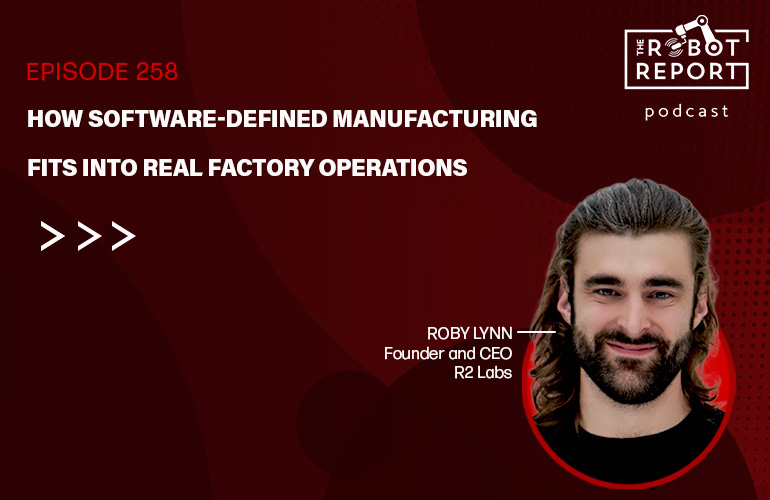
Exploring Software-Defined Manufacturing and Its Impact on Factory Operations
In Episode 258 of The Robot Report Podcast, Dr. Roby Lynn, founder and CEO of R2 Labs, discusses the concept of software-defined manufacturing. This approach leverages automation to enhance production flexibility, allowing companies to adapt more readily to changing demands. R2 Labs, based in Peachtree Corners, Georgia, offers the RAC (R2 Autonomy Controller), a product designed to modernize legacy equipment. By integrating advanced technologies such as AI vision and robotics, the RAC enables manufacturers to access cutting-edge industrial capabilities, which is crucial for maintaining competitiveness in the evolving market. Listeners should keep an eye on the developments in software-defined manufacturing as it continues to reshape factory operations. The integration of smart technologies like the RAC could lead to significant improvements in efficiency and productivity. No further timeline was disclosed at the time of publication.
Artificial Intelligence Controllers Design / Development Manufacturing News Opinion
The Impact of Talent Gaps and Skill Shortages on Manufacturing Innovation
Manufacturing industries, including fashion, automotive, and furniture, are facing significant challenges due to talent gaps and skill shortages. As younger generations enter the workforce, they struggle to assimilate existing knowledge without proper training, leading to a disconnect in shared understanding. This situation is exacerbated by the rapid pace of modern operations, where new hires must navigate complex systems and shifting demands from the outset. The reliance on specialized human experience in manufacturing is critical, as skills such as pattern-making and material usage are honed over years. With experienced professionals retiring, brands risk losing vital knowledge, resulting in inconsistent decision-making and execution. Younger employees often lack guidance on best practices, leading to overreliance on a few key individuals and a failure to establish resilient systems for knowledge continuity. To address these challenges, manufacturers must adopt technology intentionally, integrating digital tools that facilitate collaboration between junior and senior team members. This approach can enhance productivity without replacing skilled professionals. As roles evolve across industries, the urgency to close the talent gap is increasing, with research indicating that by 2030, up to 40% of workers in developed economies will need to reskill or transition roles due to advancing technologies.
Data-Driven Quality Control Enhances Manufacturing by Preventing Costly Defects
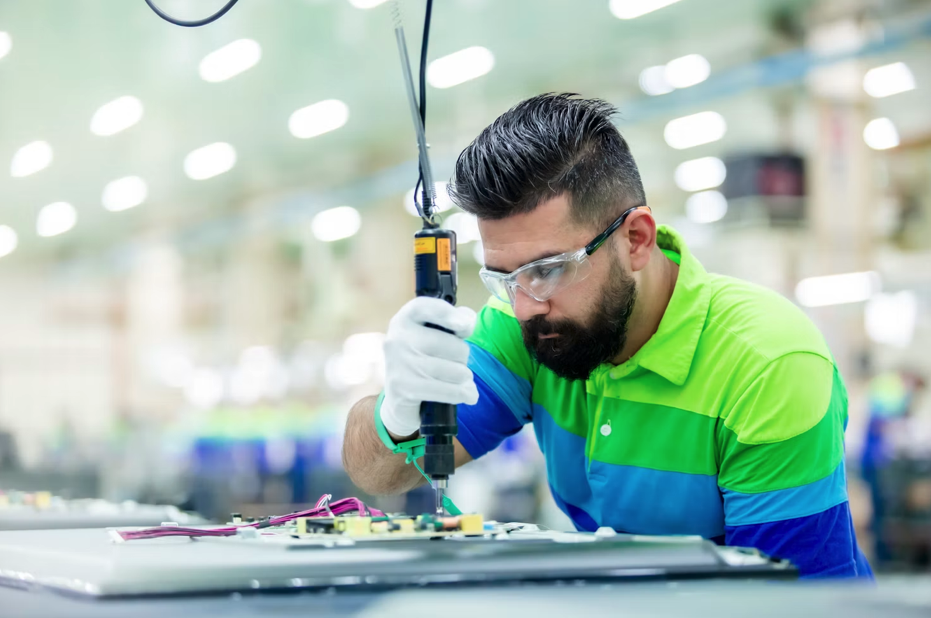
Data-driven quality control is transforming modern manufacturing by identifying variations in processes before defects occur. This proactive approach allows teams to monitor conditions that lead to nonconforming parts, reducing scrap, rework, and delivery pressures while maintaining quality costs. The significance of this method lies in its ability to shift from reactive to proactive quality control. By focusing on process changes rather than merely sorting defective products, manufacturers can prevent issues before they escalate, ultimately protecting production capacity and minimizing hidden costs associated with defects. Looking ahead, the integration of statistical process control (SPC) will be crucial for operators and engineers. By training teams to read control charts and understand process capability, manufacturers can ensure stable processes that meet specifications, thus avoiding the costly errors of mismanaging process variations.
Computing Digital Automation Manufacturing Software continuous improvement data-driven quality control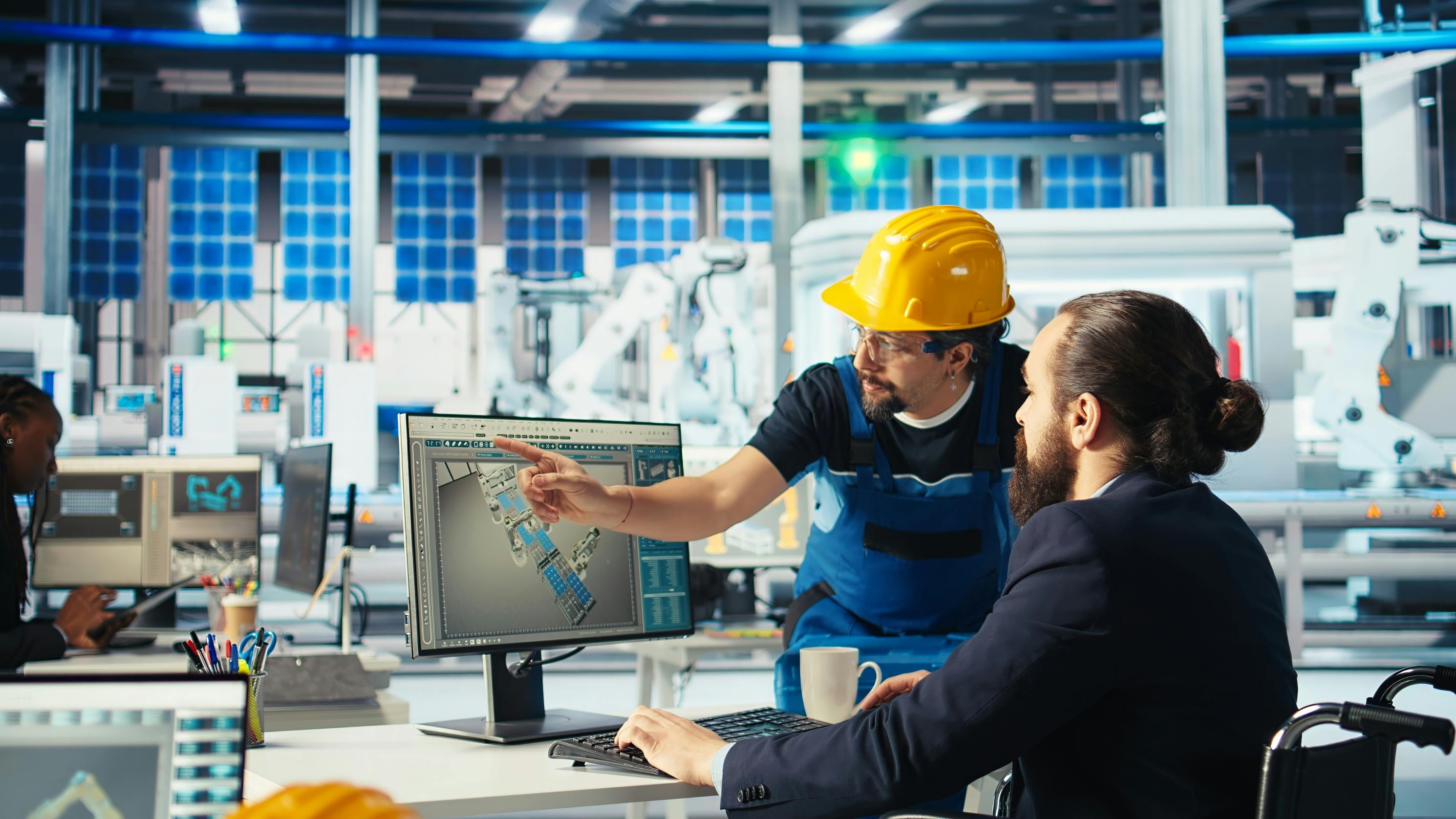
Systemic AI Enhances Scalable Industrial Automation in Manufacturing Plants
Manufacturers are increasingly frustrated with AI's limited scalability, as pilots often fail to replicate success across different sites. Accenture's research indicates that leading firms are adopting 'systemic AI,' which integrates intelligence directly into production systems, linking decision-making with physical execution across various operational levels. This approach contrasts with previous Industry 4.0 initiatives that focused on isolated automation. The significance of systemic AI lies in its ability to optimize the entire production lifecycle, from design to execution, thereby preventing errors before they occur. By applying AI early in asset and product development, manufacturers can secure cost and performance efficiencies prior to capital investment. Reports indicate that companies utilizing systemic AI experience substantial efficiency improvements, including a US aerospace manufacturer that eliminated traceability errors during the engineering-to-manufacturing transition. Looking ahead, manufacturers are encouraged to integrate their systems and data to facilitate real-time decision-making across all functions. This involves overcoming the challenges of connecting enterprise, operational, and engineering systems. A shared semantic layer can enhance AI's reasoning capabilities across these systems, allowing for more consistent actions and improved outcomes in manufacturing processes.
Factory / Digital Transformation
U.S. Humanoid Robot Manufacturing Faces Challenges Due to China's Supply Chain Dominance
For the past four years, Hagerty has been the primary distributor for Utree Technology in North America, witnessing the dominance of Chinese companies in the robotics industry. He acknowledges that manufacturing a humanoid robot without Chinese components is unrealistic, as U.S. companies attempting to exclude China end up with more expensive products. The stark reality is highlighted by the fact that 63% of the global humanoid robot component supply chain is controlled by China. Utree Technology's flagship humanoid robot retails for under $14,000, while Agility Robotics' Digit is priced at $250,000, showcasing the significant cost disparity driven by supply chain efficiencies. As the U.S. humanoid robot sector remains in its infancy, analysts estimate that leading American companies produced only a few hundred units last year, compared to approximately 10,000 units from Utree Technology and ZhiYuan Robotics in China. Despite a recent U.S. FCC ban on importing foreign-made humanoid robots, U.S. companies continue to seek Chinese components, with demand from firms like Amazon and OpenAI exceeding import capabilities.
Humanoid Robots Supply Chain Robotics Manufacturing AI Technology
Fao Launches ART Series to Enhance Intelligent Manufacturing Systems
Fao Robotics has introduced the ART series of industrial-grade humanoid force control arms, addressing key engineering challenges in intelligent manufacturing. As robots transition from laboratories to real production lines, issues such as core component costs, supply chain stability, and assembly efficiency become critical. This shift signifies a competitive focus on manufacturing systems that determine the capabilities of robots in practical applications. The ART series leverages Fao's expertise in collaborative robotics, incorporating standardized humanoid joint modules and reference designs for dual-arm and upper body platforms. Starting in 2024, Fao will offer customized humanoid force control arm services tailored to specific industrial scenarios, aiming to explore the application of embodied intelligence in real-world settings. This move reflects a broader trend where companies are integrating advanced robotics into various sectors, including flexible manufacturing and intelligent sewing. As the humanoid robotics industry evolves, the focus is shifting from technological advancements to practical implementation in manufacturing. Key questions regarding component supply, product consistency, and assembly efficiency will determine the pace of industrial adoption. Fao's initiative to connect more intelligent agents with the physical world could redefine how industrial-grade robots are manufactured and deployed, paving the way for successful real-world applications.
Humanoid Robots Industrial Automation Robotics Manufacturing Cost Reduction Standardization
HP Additive Manufacturing Enables EIVIE to Create NDAA-Compliant Drone with Unique Design
EIVIE, a US drone manufacturer, has successfully developed an NDAA-compliant drone using HP's additive manufacturing technology. This innovative approach allowed EIVIE to overcome the challenges of conventional manufacturing, which often requires extensive tooling and engineering for even minor design changes. The significance of this achievement lies in EIVIE's commitment to maintaining an aerodynamic design while adhering to regulatory requirements. Co-founder and CEO Damjan Zabovnik emphasized that the flexibility of additive manufacturing enables continuous design improvements without the delays associated with traditional manufacturing processes. Looking ahead, EIVIE plans to leverage this adaptability as regulations and technology evolve. Zabovnik noted that the ability to quickly update designs will enhance their competitiveness in the market. No further timeline was disclosed at the time of publication.
DL Exclusive Drone Manufacturing Drone News Drone News Feeds News additive manufacturing
ARM Institute Issues Project Call for U.S. Defense Manufacturing Technology Innovations
The ARM Institute has launched Project Call 27-01, inviting proposals for technologies aimed at enhancing U.S. defense manufacturing capabilities. This initiative seeks innovations in areas such as metalwork, drones, munitions, and shipbuilding, with a focus on dual-use technologies that can benefit both military and civilian sectors. This project call is significant as it aligns with the U.S. Department of War's (DoW) objectives to improve defense manufacturing efficiency and reduce costs. The ARM Institute emphasizes the importance of validated transition plans that include government stakeholders, which can facilitate smoother integration into the DoW's commercial industrial base and organic industrial base. Looking ahead, concept papers must be submitted by September 16, 2026, with a series of deadlines leading up to the final project execution beginning February 1, 2027. The ARM Institute aims to foster collaboration and innovation within its community of over 500 members, addressing funding and engineering challenges in defense technology development.
Artificial Intelligence Autonomous Mobile Robots (AMRs) Collaborative Robots Defense / Security Drones Manufacturing
Stanley Black & Decker Commits $1 Billion to U.S. Manufacturing and R&D Initiatives
Stanley Black & Decker has announced a significant $1 billion investment aimed at enhancing U.S. manufacturing and research and development. This commitment is driven by the need for advanced tools and technologies to improve productivity and address the growing skills gap in the construction industry, which is projected to require 456,000 new workers next year according to the Associated Builders and Contractors. The investment is particularly crucial as the construction sector faces challenges from an aging workforce and federal immigration policies that have tightened labor availability. To support the next generation of skilled tradespeople, Stanley Black & Decker's Dewalt Grow the Trades Initiative has awarded $200,000 in scholarships to 40 students in the U.S. and Canada, focusing on fields such as welding, electrical work, and carpentry. Looking ahead, Stanley Black & Decker's strategic investment aligns with a broader trend of companies increasing their domestic commitments to enhance local manufacturing capabilities. No further timeline was disclosed at the time of publication.

Chinese Scientists Aim to Enable Atomic-Level Manipulation in Manufacturing Precision
Chinese scientists are making strides in advancing manufacturing precision from the micron level to the atomic level. This groundbreaking research aims to empower humanity with the capability to manipulate atoms, which could revolutionize various industries. The significance of this development lies in its potential to enhance manufacturing processes, leading to unprecedented accuracy and efficiency. By achieving atomic-level manipulation, industries could see improvements in product quality and innovation, impacting sectors such as electronics, materials science, and nanotechnology. Looking ahead, it will be crucial to monitor the progress of these scientific endeavors and their implications for manufacturing. As research continues, the ability to manipulate atoms could pave the way for new technologies and applications that were previously unimaginable. No further timeline was disclosed at the time of publication.
Robotics Automation AI
Prioritizing High-Value Data for Effective Physical AI in Manufacturing
Physical AI companies in manufacturing are shifting focus from data volume to generating high-value data that enhances decision-making. This 'decision-first' approach is crucial in high-mix manufacturing, where AI models must support complex processes like cell design and factory optimization. The emphasis is on collecting contextual data through controlled experiments, which is essential for developing effective AI agents that can improve manufacturing outcomes. The significance of this strategy lies in its potential to transform manufacturing processes. Unlike other AI domains, high-mix manufacturing requires data that is tightly coupled with specific conditions, making generic data less valuable. Agents in manufacturing must rely on contextualized data to make informed decisions, which can lead to more economically meaningful outcomes. This approach addresses the unique challenges of high-mix environments, where the complexity of configurations demands a more nuanced understanding of data. Looking ahead, companies must refine their data generation strategies to ensure they capture the right information that informs agent decisions. The focus should be on structured decision episodes that link input states, actions, and outcomes, rather than merely collecting observational data. As the landscape evolves, the ability to generate and utilize high-value data will be a key differentiator for success in the manufacturing sector.

Unitree Robotics Partners with Ten Universities in Manufacturing Hubs Before IPO
Unitree Robotics, a Chinese humanoid robot manufacturer, has established partnerships with over ten universities in key manufacturing cities such as Qingdao, Hefei, Suzhou, Wuhan, and Guangzhou ahead of its IPO. This initiative aims to create a talent pipeline while also serving as a customer-acquisition strategy. The significance of these partnerships lies in the fact that scientific research and education contribute to more than 70 percent of Unitree's revenue from humanoid robots. By collaborating with educational institutions, Unitree is positioning itself to enhance its market presence and drive innovation in the robotics sector. Looking ahead, it will be important to monitor how these partnerships evolve and their impact on Unitree's business model and revenue streams. No further timeline was disclosed at the time of publication.

ePropelled Receives $60 Million U.S. Funding to Boost Drone Propulsion Manufacturing in New Hampshire
U.S. drone propulsion manufacturer ePropelled has announced a significant expansion of its manufacturing operations in New Hampshire, backed by $60 million in U.S. government funding. This initiative will increase the company's production space from 20,000 square feet to 80,000 square feet in Laconia, enhancing propulsion system production capacity by over four times. The funding, provided through the Department of War’s Industrial Base Analysis and Sustainment program, aims to strengthen the U.S. industrial base and domestic production of critical technologies. ePropelled's expansion will enable the company to meet rising demand from government programs, allied nations, and commercial drone manufacturers, reflecting a growing focus on the components within drones. The new facility will introduce automated production lines and additional engineering resources, creating jobs in New Hampshire. ePropelled's CEO, Nick Grewal, emphasized the importance of this investment for both the company and the U.S. advanced manufacturing sector, as it aims to deliver reliable propulsion systems while supporting the government's domestic manufacturing objectives. No further timeline was disclosed at the time of publication.
Drone Manufacturing Drone News Drone News Feeds News critical drone components Department of WarRobotics needs a service framework.
RSF defines a common language for robot service capability, lifecycle operations, certification pathways, and service-provider networks.
Join the RobotToday community on LinkedIn
Daily robotics news, in-depth analysis, conference highlights, and discussions with professionals worldwide.







