

Tractian Technologies Inc.
Tractian is an Atlanta-based AI startup offering IIoT sensors and software for predictive maintenance in manufacturing; raised $196M since 2019.
Contact Tractian Technologies Inc.
WEBSITE
https://tractian.com/enHEADQUARTERS
United States


Company Facts
Founded
2019
Primary Role
Software/Algorithm
Company Size
-
Primary Region
North America
Annual Sales
-
Funding Stage
Growth / Late-Stage VC
Funding Total
-
Keywords
- Tractian Technologies Inc.
- predictive maintenance
- condition monitoring
- AI
- IIoT
- vibration sensor
- CMMS
- Industry 4.0
- manufacturing AI
- asset performance management
- OEE
- machine learning
- industrial AI
- Software/Algorithm
- Component Supplier
- Cloud & Data
- Perception & Vision
- Manufacturing
- Special / Extreme Environments
- Automotive

Ambrosia Energy and Bloom Energy Discuss AI Infrastructure Opportunities at TechCrunch Disrupt 2026
At TechCrunch Disrupt 2026, Ben Longmier, CEO of Ambrosia Energy, and Bill Thayer, SVP at Bloom Energy, will discuss the growing need for AI infrastructure. As AI applications expand, the demand for physical infrastructure such as power generation and data centers is increasing, presenting new business opportunities. This session will explore the challenges of scaling AI, particularly when demand for computing resources outpaces the availability of power and infrastructure. Longmier and Thayer will analyze which constraints may lead to durable business categories and how founders can navigate this evolving landscape. Attendees can expect insights into the emerging markets driven by AI's physical demands, including energy and cooling solutions. The conversation aims to help founders, investors, and tech leaders identify where to focus their efforts as AI infrastructure continues to develop. No further timeline was disclosed at the time of publication.
Startups AI Bloom Energy TechCrunch Disrupt Ambrosia Energy
AWS Unveils Open-Source Physical AI Toolchain for Robotics Development
Amazon Web Services (AWS) has launched an open-source Physical AI Toolchain aimed at assisting roboticists in transitioning from data collection to the deployment of AI models on robots. This toolchain integrates AWS services with NVIDIA’s Physical AI software, addressing the challenge of connecting various components necessary for effective AI-powered robotics. The significance of this launch lies in its potential to streamline the development process for AI models, allowing companies to focus on solving specific problems rather than managing infrastructure. AWS's Sri Elaprolu emphasized the importance of generating synthetic data and utilizing simulation to enhance model training and deployment, particularly in environments with variable conditions. Looking ahead, the toolchain is designed to support continuous improvement through a feedback loop, where data from deployed robots is used to refine models. While no further timeline was disclosed at the time of publication, AWS's toolchain draws on insights from Amazon's extensive robotics operations, which include over 1 million robots, and aims to adapt to diverse operational environments such as convenience stores.
Artificial Intelligence Artificial Intelligence / Cognition Design / Development News Amazon amazon robotics
AWS Introduces Open-Source Physical AI Toolchain to Enhance Robotics Development
Amazon Web Services (AWS) has launched an open-source Physical AI Toolchain aimed at assisting robotics developers in training, simulating, deploying, and enhancing physical AI systems using AWS cloud services and Nvidia’s software stack. This toolchain encompasses synthetic data generation, model training, simulation, edge deployment, and continuous improvement, enabling users to manage fleets of machines effectively. The significance of this launch lies in its potential to streamline the engineering efforts of manufacturers and robotics developers, allowing them to focus more on innovation rather than infrastructure. With one in seven startups engaged in physical AI and 72% of them deeming cloud computing essential, the toolchain is positioned to support a wide range of applications, from industrial automation to humanoid robotics. Looking ahead, AWS's Physical AI Toolchain is expected to play a crucial role in the evolution of physical AI across various industries. As companies increasingly adopt this technology, the toolchain's capabilities for fleet management and operational data integration will be vital for improving performance and scalability in real-world applications. No further timeline was disclosed at the time of publication.
AI Physical AI Technology & Infrastructure AI infrastructure platform Amazon Amazon Web Services
AWS Startups Report Reveals Rapid Growth of Physical AI Amid Market Readiness Challenges
A report from AWS Startups in collaboration with Strand Partners indicates that 15% of startups across 20 markets are developing physical AI technologies. However, only 26% of these startups believe their local markets are ready for deployment, with 70% citing slow adoption as a significant barrier to growth. The report highlights the critical role of cloud infrastructure, with 72% of builders deeming it essential for development. Additionally, 62% of respondents indicated they could not have initiated their projects without cloud computing, while 56% noted that limited computing power hampers progress. Manufacturing and automotive sectors lead in commercial deployment at 51%, followed closely by logistics and retail at 47%. Looking ahead, 76% of builders anticipate that physical AI will become mainstream in their industries within five years, with 36% expecting this transition within two years. However, the report emphasizes that increased customer awareness, technical skills, funding, and clearer regulations are necessary for broader adoption.
Business & Markets Startups Technology & Infrastructure AI Amazon Asia
LG Electronics Showcases Robotics at 2026 First Global Challenge in Incheon
LG Electronics is actively participating in the 2026 First Global Challenge, an international youth robotics competition taking place at Songdo Convensia in Incheon. The event, which runs from Wednesday to Saturday, gathers youth teams from 185 countries to design and build robots aimed at addressing global challenges, particularly focusing on wildfire prevention and recovery due to climate change. This year's competition, themed “Igniting Innovation,” emphasizes the importance of robotics in tackling pressing issues like wildfires. LG's involvement includes sponsoring the event and showcasing its latest robotics technologies at an exhibition booth. The company also features its humanoid robot, LG CLOiD, allowing visitors to engage with the technology and learn about the innovative solutions being developed by young participants. As LG increases its investment in robotics as a key growth area, it aims to integrate physical AI into its strategy. The company recently launched LG Data Factory to enhance data management for robotics training. No further timeline was disclosed at the time of publication.
All News
Zhiyuan's Data Business Struggles to Support Robotics at $20 Per Hour
Zhiyuan's data business is facing challenges as it operates at a rate of $20 per hour, which is insufficient to sustain the robotics industry. The company is exploring new avenues to enhance its offerings and address the growing demand for data in robotics. This situation highlights the broader issue within the robotics sector, where the cost of data collection and processing is becoming a critical factor. As companies seek to innovate and improve their robotic systems, the financial viability of data services like those offered by Zhiyuan is under scrutiny. Looking ahead, industry stakeholders should monitor how Zhiyuan adapts its business model to better serve the robotics market. No further timeline was disclosed at the time of publication.
Robotics Automation AI
Fudan Team Develops Robot Mat Capable of Harvesting Ground Electricity, Eliminating Battery Needs
A team from Fudan University has developed an innovative robot mat that can harness electricity from the ground, thus removing the necessity for batteries. This advancement could significantly impact the design and functionality of mobile robots, making them more efficient and environmentally friendly. The ability to extract energy directly from the ground is a game-changer in robotics, as it addresses one of the major limitations of mobile robots: battery dependency. This technology could lead to longer operational times and reduced maintenance costs, enhancing the overall performance of robotic systems in various applications. Future developments in this area will be crucial to watch, particularly how this technology can be integrated into existing robotic platforms. No further timeline was disclosed at the time of publication.
Robotics Automation AI
Huawei Unveils XMFS Prototype for Cross-Node Shared Memory at LPC 2026
Huawei presented its XMFS prototype at the Linux Plumbers Conference 2026, showcasing a new approach to cross-node shared memory. This innovative system utilizes POSIX file calls to facilitate memory sharing across different nodes, enhancing performance and efficiency in distributed computing environments. The introduction of XMFS is significant as it addresses the growing need for efficient memory management in multi-node systems. By enabling cross-node shared memory, Huawei aims to improve data accessibility and processing speed, which are critical for applications requiring high-performance computing. Looking ahead, industry observers will be keen to see how XMFS evolves and whether it will undergo further development to achieve mainline review status. The potential impact of this technology on distributed computing and memory management practices will be closely monitored in the coming years.
New Mobile System Enhances Drone Operations with Persistent Nanogrid Technology
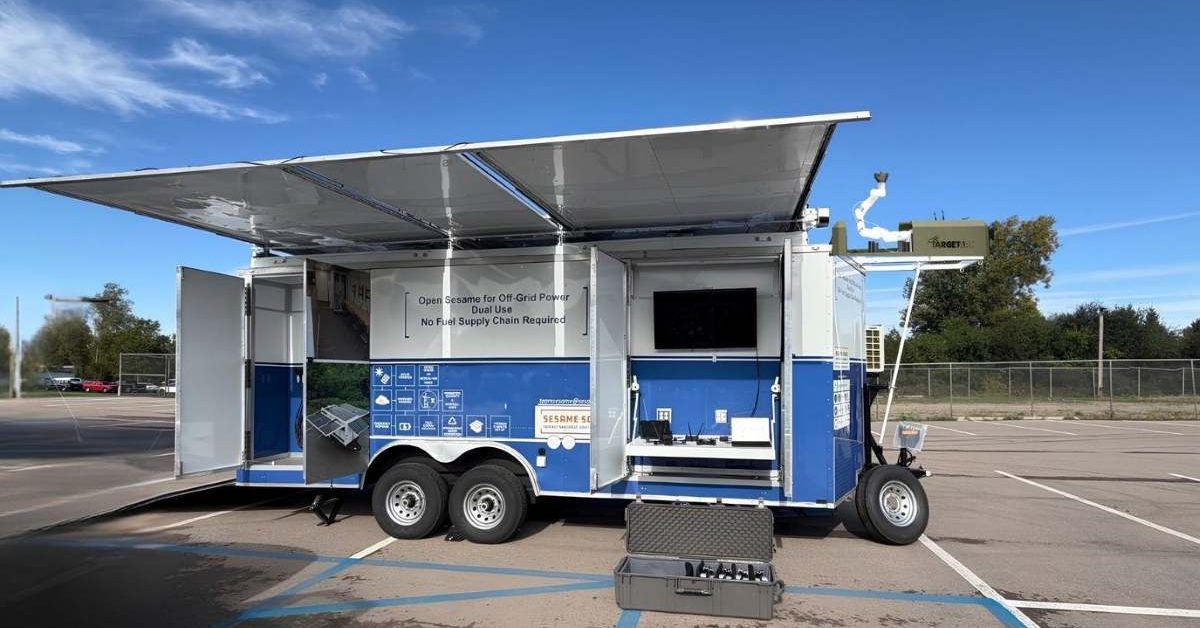
Three US companies, Sesame Solar, Target Arm, and AG3 Labs, have introduced the first Made-in-USA Persistent Drone Operations Nanogrid. This innovative mobile system integrates power generation, autonomous drone launch and recovery, and configurable small drones to enhance operational efficiency in combat and other environments. The significance of this development lies in its potential to minimize downtime for drones, which is crucial for maintaining continuous operations. By automating the launch, recovery, and recharging processes, the Nanogrid addresses challenges faced by drone teams, particularly in remote or contested areas where conventional fuel resupply is difficult. Looking ahead, the companies anticipate that this system will find applications beyond military use, including border monitoring, search and rescue, and critical infrastructure inspections. No further timeline was disclosed at the time of publication.
News
Xiaomi Expands Apple Device Integration with HyperOS 4 Features
On October 7, Xiaomi announced enhanced integration with Apple devices in HyperOS 4, allowing users to share photos, files, contacts, and web pages seamlessly across both ecosystems. This new functionality includes two-way access to iPhone and Xiaomi cloud photo albums, notification syncing, and the ability to reply to messages without switching devices. The integration supports various Apple devices, including iPhone, iPad, and Mac. Users can view and control their Xiaomi phone through Xiaomi’s connectivity app on Mac and iPad, provided they have compatible software versions, a shared Xiaomi account, and the necessary network connection. This feature aims to enhance user experience by bridging the gap between Xiaomi and Apple ecosystems. HyperOS 4 was initially introduced with the Xiaomi 18 Pro series in September, and a wider rollout is set to commence on October 15. As Xiaomi continues to expand its software capabilities, it will be interesting to observe how this integration impacts user adoption and the competitive landscape between Xiaomi and Apple.
News Feed
CONSTRUCTION ROBOTICS | BUSINESS MODELS & INVESTMENT LANDSCAPE
Construction robotics attracted $4.4 billion in built environment tech funding through Q3 2025. SoftBank acquired ABB Robotics for $5.375 billion. RaaS is displacing capex models. AI-native platforms command 39x revenue multiples. This is where money meets machines.
Laboratory Robotics in 2026: Technology, Companies & Vertical Maturity
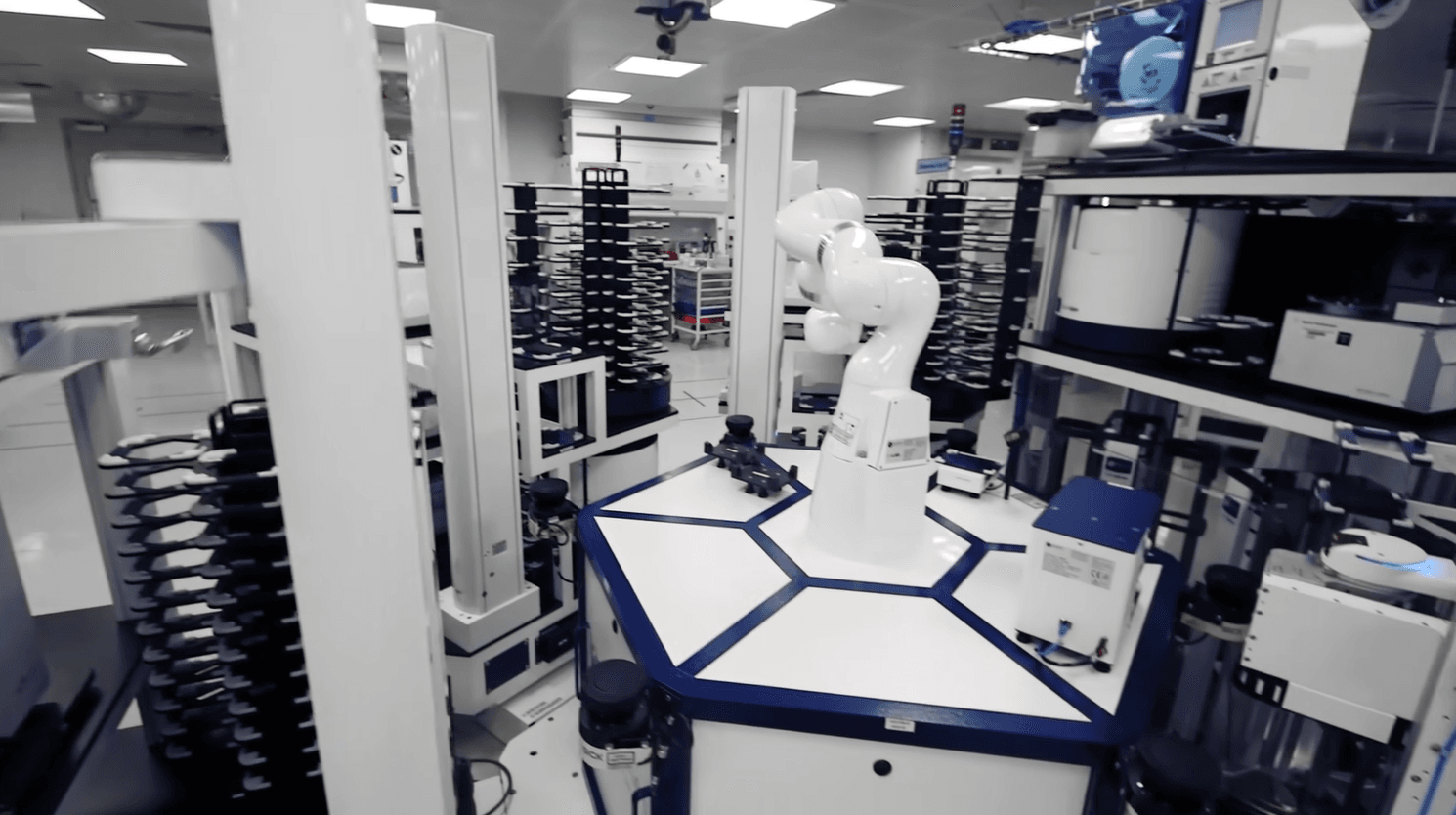
From clinical diagnostics to self-driving labs: a deep analysis of laboratory robotics technologies, mass-production maturity timelines across 12 vertical sectors, 26 key companies, and the investment landscape shaping lab automation through 2030.

Vision-Based Tactile Sensing: The Race to Build What Tesla's Optimus Needs
Vision-based tactile sensing (VBT) is emerging as the critical missing piece for Tesla Optimus dexterous hands. This briefing covers the technology, six global milestones, a ten-company competitive landscape, and the Chinese startup ecosystem — including PaXini, Daimon Robotics, DouDong, WeiTi and QianJue.

Saronic Raises $1.75B to Scale UMV Fleet at $9.25B Valuation
Saronic Technologies closes a $1.75B Series D led by Kleiner Perkins at a $9.25B valuation to scale autonomous surface vessel production and revitalize U.S. naval shipbuilding capacity.
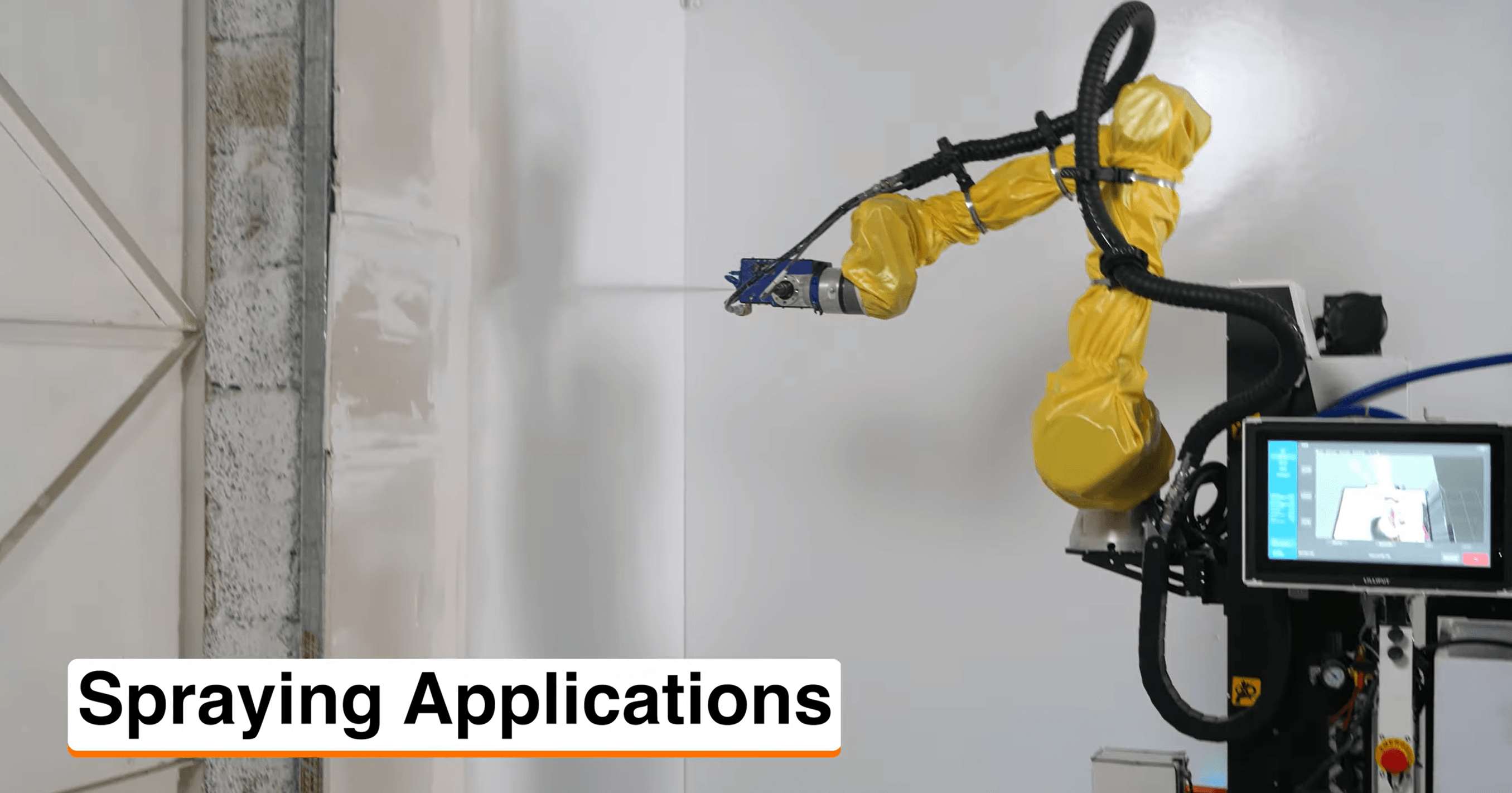
CONSTRUCTION ROBOTICS | Surface Finishing & Painting
Surface finishing robots are construction's hottest automation segment. Okibo, Canvas, Dusty Robotics, Pictobot, and Brightrobot are rewriting the economics of painting, drywall, and tile-setting. Key stat: Okibo's EG7+ cuts finishing labor costs 50% and operates 10x faster than manual crews.
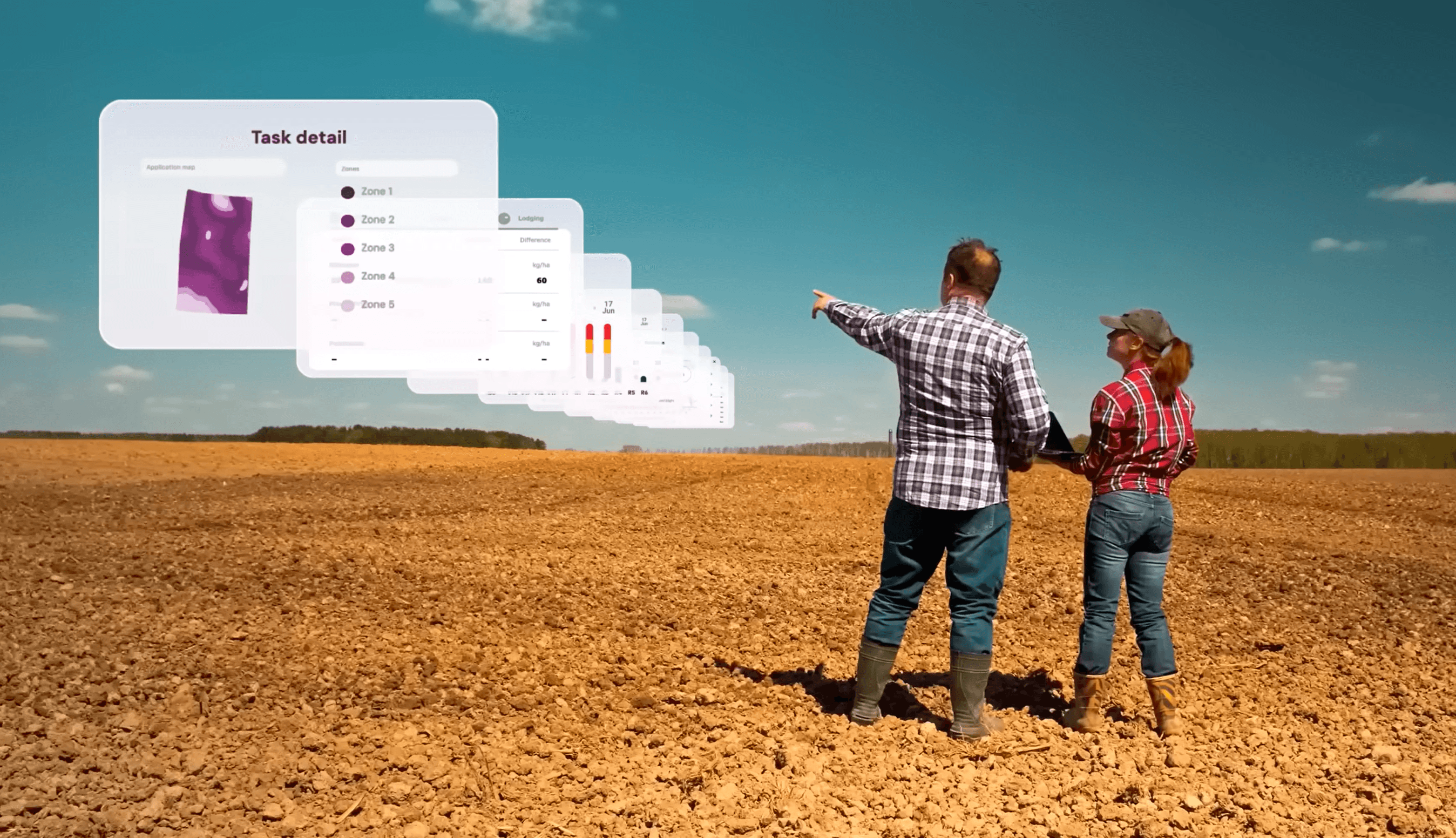
Agricultural Robotics: Crop Monitoring and Aerial Scouting
An evidence-based deep dive into the crop monitoring and aerial scouting segment of agricultural robotics. Covers the market opportunity (ex-China) across North America, EU, Japan, and Israel; key players including Taranis, BASF xarvio, and DJI; emerging technologies such as edge AI, hyperspectral imaging, and satellite–drone fusion; and the structural challenges limiting wider adoption — connectivity gaps, false positives, data fragmentation, and small-farm exclusion.
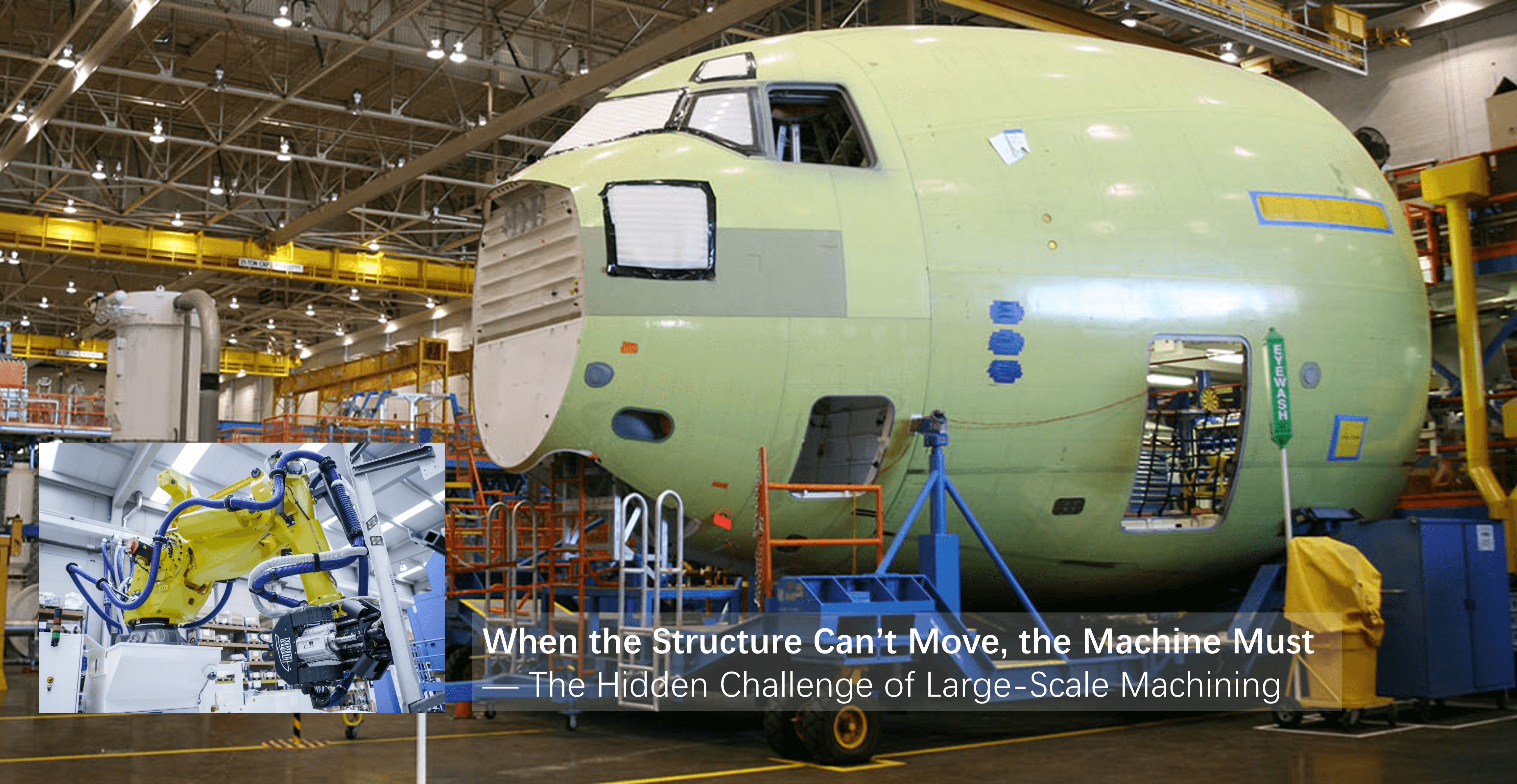
Flexible Machining of Large Structures (Part II)
Why mobile machining still struggles with stiffness, accuracy, and autonomy—and how hybrid robots, AI perception, and digital twins will drive breakthroughs over the next five years.

Beyond the SPAC Narrative: The Hard Reality of Robotics in the Public Market
A clear look at how the robotics SPAC boom shifted into a focus on operational discipline, realistic growth, and cash runway as public markets reassess robotics valuations in 2026
Flexible Machining of Large Structures (Part I)
Why mobile machining still struggles with stiffness, accuracy, and autonomy—and how hybrid robots, AI perception, and digital twins will drive breakthroughs over the next five years.

Wuzhou Xinchun The Rising Mechanical Power Behind Tesla‘s Optimus Humanoid Robot
Discover how Wuzhou Xinchun is becoming a critical mechanical transmission supplier for Tesla’s Optimus humanoid robots with planetary roller screws, micro ball screws, and precision bearings.


