

Tesla's stock trades at 369 times earnings, with a 1.4% operating margin and negative $1.1 billion free cash flow, prompting analysts to label it a Sell. Despite a 25% revenue increase to $28 billion in Q2 and a 56% rise in FSD subscriptions, GAAP EPS fell short of estimates by 39%. The company is pivoting towards AI and Robotaxi initiatives, but faces skepticism regarding its financial health.
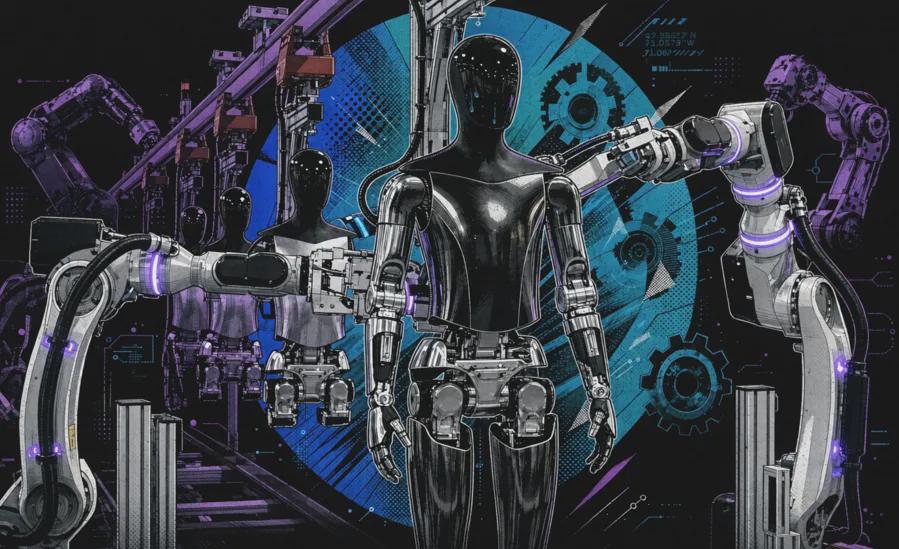
The significance of Tesla's situation lies in its attempt to rebrand as an AI company while grappling with deteriorating financial metrics. Management has projected capital expenditures exceeding $25 billion for 2026, supported by a new $30 billion borrowing facility. However, the odds of successfully launching the Optimus robot remain low at just 3%, raising concerns about the viability of its ambitious AI plans.
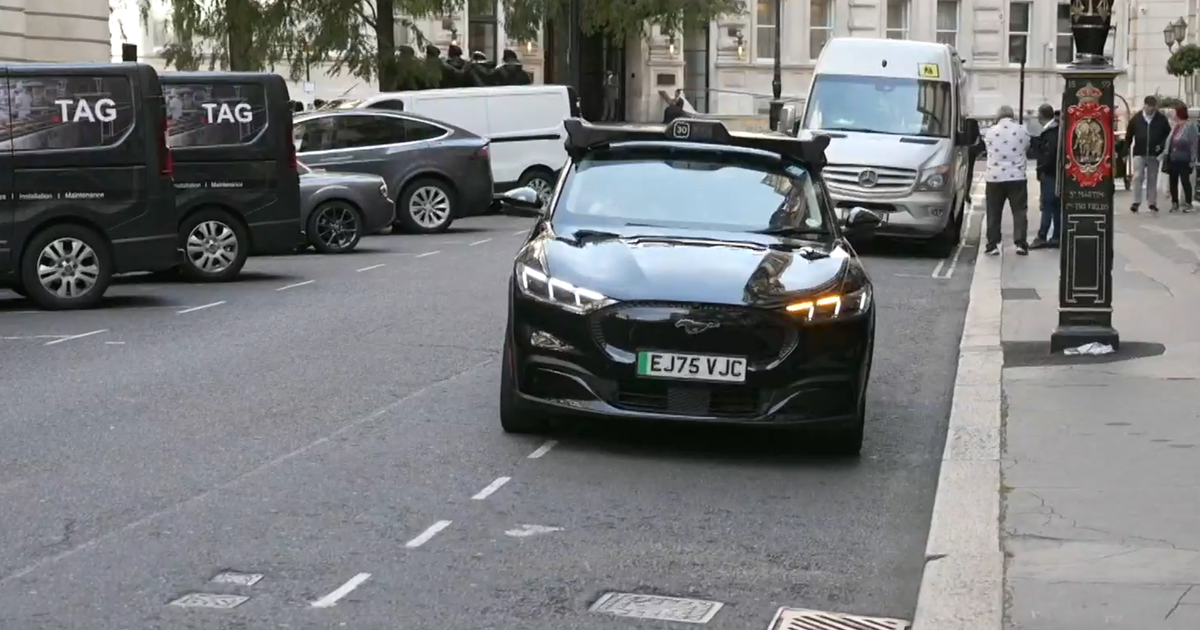
Looking ahead, Tesla's ability to scale its AI and Robotaxi projects will be crucial for its stock valuation. With $43.5 billion in cash to support its AI initiatives, the company may still have potential if it can meet its targets. However, the current financial trajectory raises questions about the sustainability of its growth narrative, especially as the market remains skeptical of its AI ambitions.
Editor's Note
Tesla's ongoing transition towards AI and autonomous vehicle technologies highlights the challenges faced by companies attempting to pivot their business models. As the market evaluates the sustainability of such shifts, investors must consider the implications of high capital expenditures and fluctuating cash flows on long-term profitability. The competitive landscape for AI and robotics continues to evolve, making it essential for companies to demonstrate tangible results.


















Leave a comment