

Rockwell Automation Survey Reveals Integration Challenges in Low-Code MES Software Adoption
- Published
A July 2026 survey by Rockwell Automation of 1,560 manufacturing decision-makers across 17 countries found that 93% of manufacturers utilize MES software. However, only 28% have implemented it on an enterprise-wide scale, and a mere 23% have achieved full integration with ERP, PLM, quality, and operational technology systems. This indicates that while MES adoption is widespread, the challenge lies in achieving comprehensive integration.
The survey highlights that 44% of respondents consider integration the most critical requirement for MES purchasing, with 33% identifying it as their primary data integration issue. Anthony Murphy from Rockwell noted, "MES adoption is no longer the hurdle, but enterprise scale is." This sentiment echoes findings from a decade earlier, which indicated that functional integration remains a significant challenge in the deployment of MES solutions.
Despite the emergence of low-code MES solutions, the fundamental issues of configuration and integration persist. The original definition of MES by MESA International in 1997 emphasized the need for user-specific configuration, a concept that remains relevant today. As Rockwell's survey indicates, the gap between high adoption rates and low integration levels underscores the ongoing struggle with machine data integration in manufacturing environments. No further timeline was disclosed at the time of publication.
Original report
The Real Bottleneck in Low-Code MES Software isn’t the Code
RoboticsAndAutomationNews.com · David EdwardsThis briefing is an independently written summary based on publicly available reporting and is provided for industry information and news discovery. The original report and source publication are credited and linked where applicable. RobotToday does not claim ownership of third-party source material.
Rights concerns? Contact [email protected] with the relevant URL and details. We will review the matter and take appropriate action where warranted.
More related news
- 1
- 2
- 3
- 4
- 5
- 6
- 7
- 8
-
9
RO-MAN 2027 – Waterloo, Aug 23–27, 2027 RobotToday · 1 week ago
- 10
- 11
- 12
Related Suppliers

Rockwell Automation 罗克韦尔自动化
United States
US industrial automation giant headquartered in Milwaukee, WI; maker of Allen-Bradley and FactoryTalk brands with ~27,000 employees and $8.3B revenue.
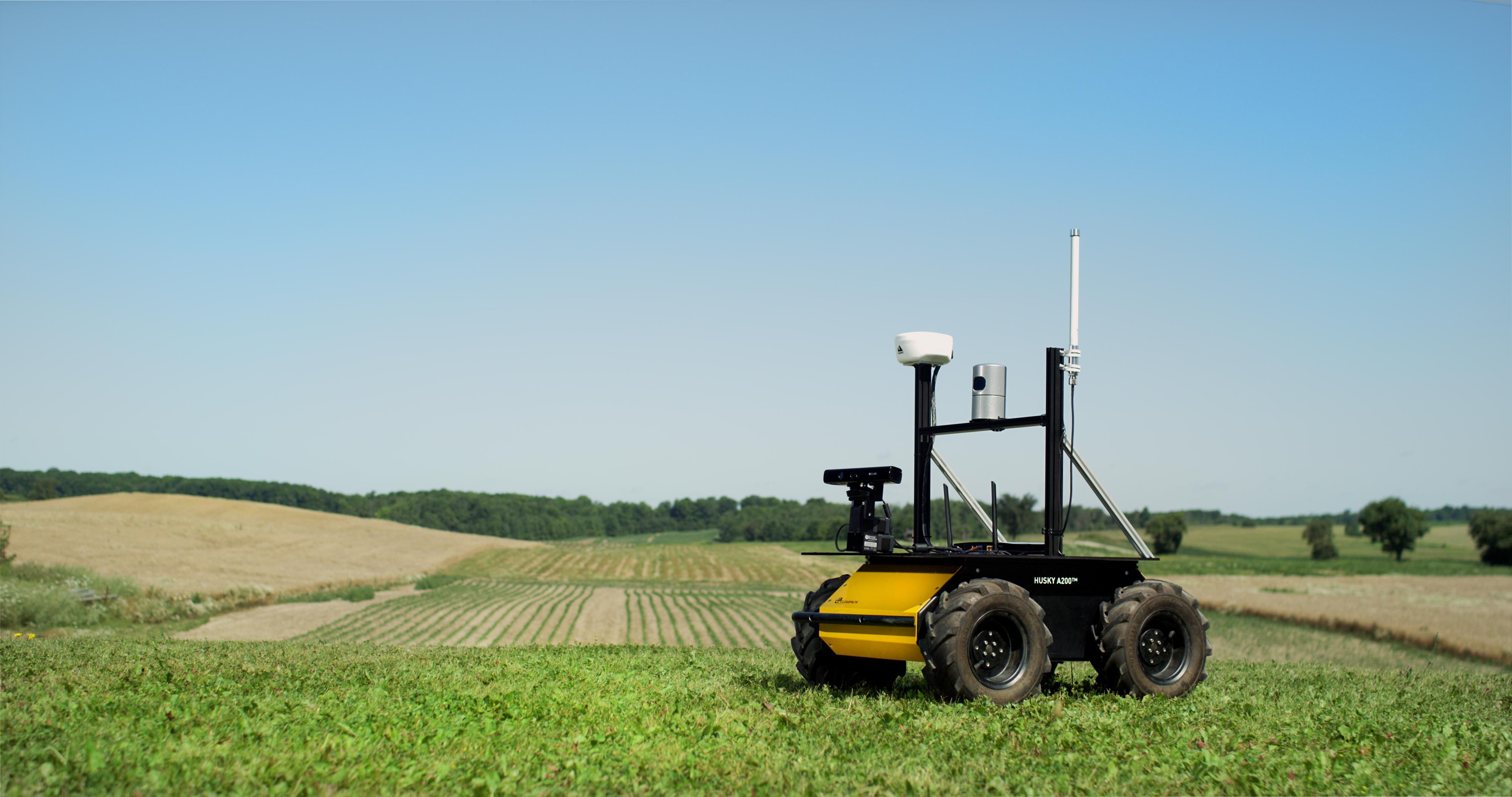
Clearpath Robotics by Rockwell Automation
Canada
Canadian autonomous mobile robot maker for research and industrial use, now part of Rockwell Automation after 2023 acquisition.
ProManage Smart Manufacturing Solutions Inc.
United States
IoT-based MES/MOM software used in 500+ factories to monitor production, OEE, and operations in real time.
Nysus Solutions
United States
US-based FANUC Authorized System Integrator offering MES software and robotic automation for automotive, appliance, and industrial manufacturers.

4IR Solutions
United States
Bethlehem, Pennsylvania manufacturing-cloud company led by CEO James Burnand; its FactoryStack platform runs Ignition SCADA for more than 250,000 users.

RiACT ROBOTICS
Denmark
Danish robotics software spin-out from Aalborg University; RiFLEX platform cuts industrial robot programming from hours to 15 minutes.
Blue Innovation
Japan
Blue Innovation is a Japanese drone and robotics system integrator providing inspection, security and logistics solutions via its Blue Earth Platform.

iXs Research Corporation
Japan
Japanese robotics firm developing AI-integrated inspection robots for social and industrial infrastructure.
Predator Software Inc.
United States
Oregon developer of integrated Industry 4.0 software for CNC and robot networking, machine monitoring, OEE and paperless manufacturing.
Formlogic
United States
Autonomous CNC manufacturing platform delivering high-mix precision machined parts for aerospace, medical, and semiconductor industries at scale.

AMESA
United States
Walnut Creek, California AI company founded 2023 as Composabl; sells a platform for building and deploying industrial autonomous agents.

AMT - The Association For Manufacturing Technology
United States
U.S. trade association representing manufacturing technology builders and owner of the IMTS trade show and MTConnect standard.
Robotics needs a service framework.
RSF defines a common language for robot service capability, lifecycle operations, certification pathways, and service-provider networks.
Join the RobotToday community on LinkedIn
Daily robotics news, in-depth analysis, conference highlights, and discussions with professionals worldwide.


