

In August 2026, various developments in robotics highlighted the industry's evolution and challenges. U.S. founders and startups are reportedly sourcing components from Shenzhen, raising security concerns over Chinese hardware reliance, particularly in the electric and autonomous vehicle sectors. Meanwhile, Princeton engineers introduced a motorless origami-inspired robot that utilizes geometric principles for movement, showcasing innovative design approaches.
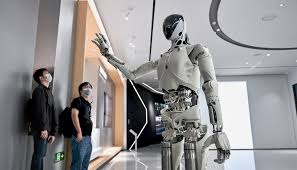
The importance of managing expectations in robotics deployments was emphasized, especially in humanoid interactions. A Drexel study revealed that participants formed stronger connections with an expressive robot, but errors led to unexpected emotional responses, indicating a complex relationship between humans and robots. This highlights the need for careful communication regarding robot capabilities and limitations.
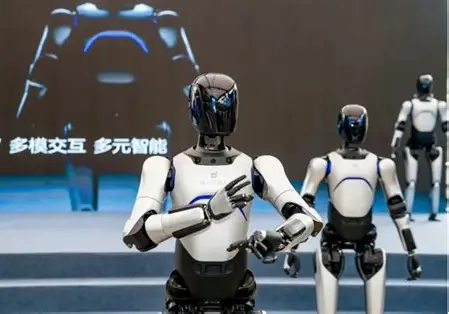
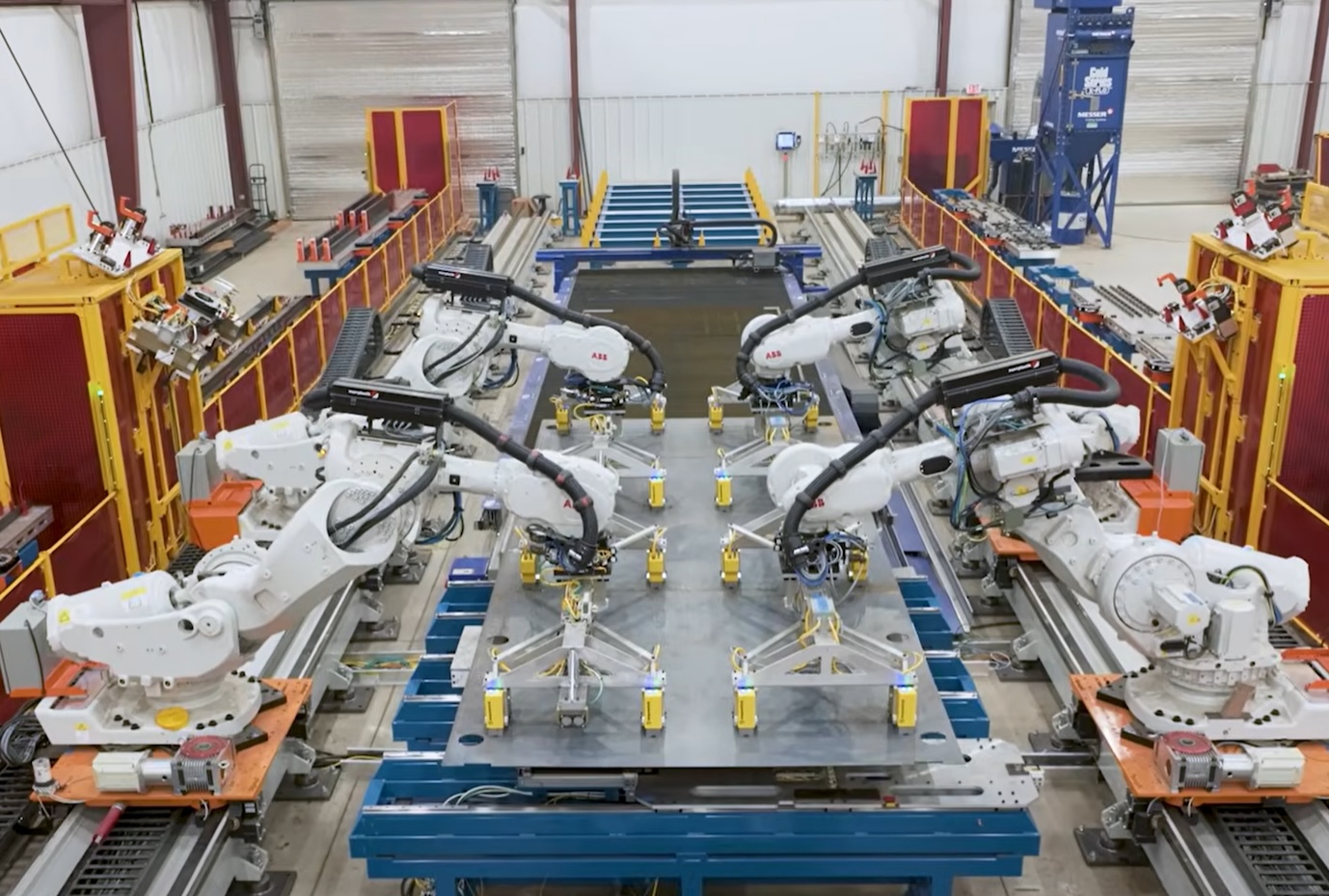
As the automotive sector's dominance in robotics wanes, other industries are increasingly adopting robotic solutions. North American companies ordered 8,940 robots in Q2 2026, reflecting a 4.3% increase in units and a 21.3% revenue rise. The World Robot Conference in Beijing showcased over 2,000 products, emphasizing the global interest in robotics advancements.
Editor's Note
The robotics industry is witnessing a significant shift as it diversifies beyond traditional sectors like automotive. This trend is driven by technological advancements and changing market demands, necessitating a reevaluation of supply chains and security considerations, particularly regarding international dependencies. Stakeholders must navigate these complexities to harness the full potential of robotics in various applications.



























Leave a comment