

Archelis Inc
Archelis Inc. develops standing work assistive devices and exoskeletons. Key products: Archelis (chairless exosuit distributing weight to shins/thighs for prolonged standing), Stabi series load reduction devices, fatigue-reducing gel mats, assist insoles, and quick diagnosis services for workload visualization in medical, industrial, and standing-intensive environments.

RobotToday Initiative
Robotics needs a service framework.
RSF defines a common language for robot service capability, lifecycle operations, certification pathways, and service-provider networks.
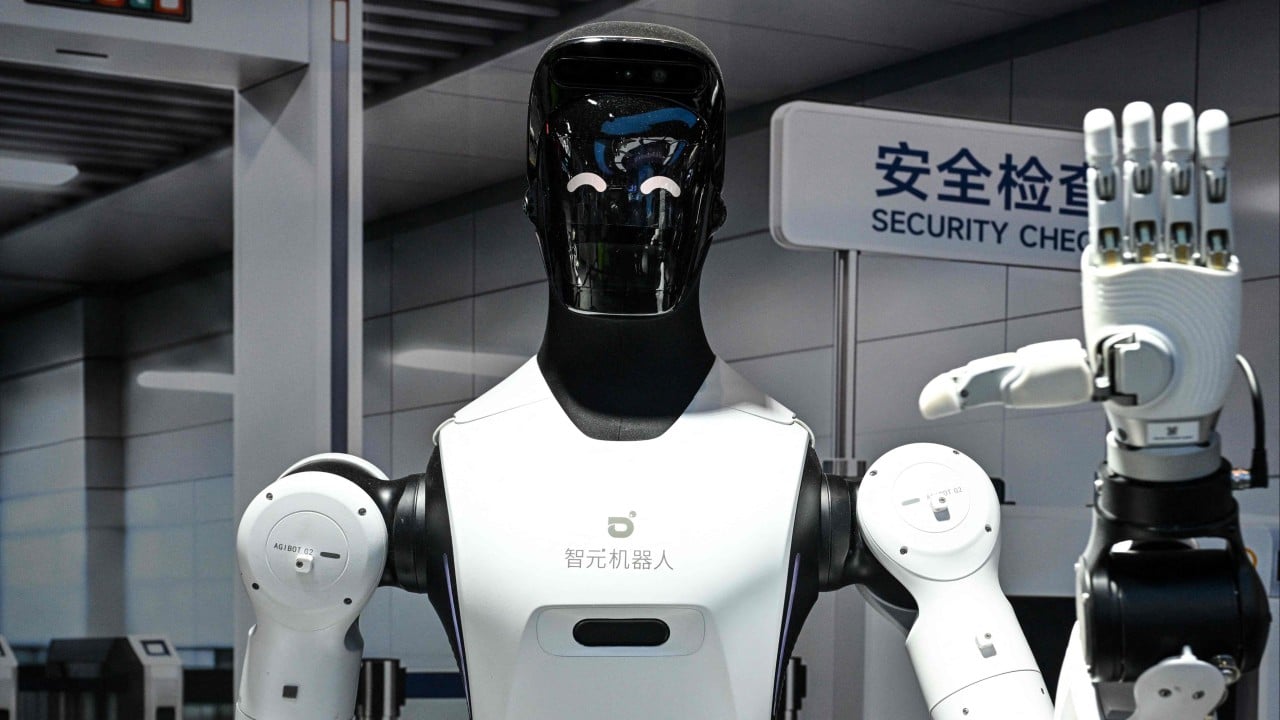
Chinese Robotics Companies Face Challenges with Data and AI Development
At the World Artificial Intelligence Conference (WAIC) in Shanghai, experts highlighted the challenges faced by Chinese robotics companies in enhancing their robots' real-world interactions. Industry insiders noted that a lack of sufficient data and advanced AI capabilities, referred to as a better 'brain', hinder the development of embodied AI systems. Wang Xiaogang, co-founder of SenseTime and chairman of Ace Robotics, emphasized the need for a closed-loop iterative system that integrates hardware, data, models, and real-world scenarios. He pointed out that while training data is collected from human demonstrations, the optimization of hardware design and data-collection methods is essential for improving embodied AI performance. Yao Maoqing from AgiBot also mentioned that the available multi-modal data about the physical world is inadequate compared to that used in large language models. This shortfall presents a significant bottleneck in training world models, which are crucial for the next generation of humanoid robots to effectively navigate their environments. No further timeline was disclosed at the time of publication.
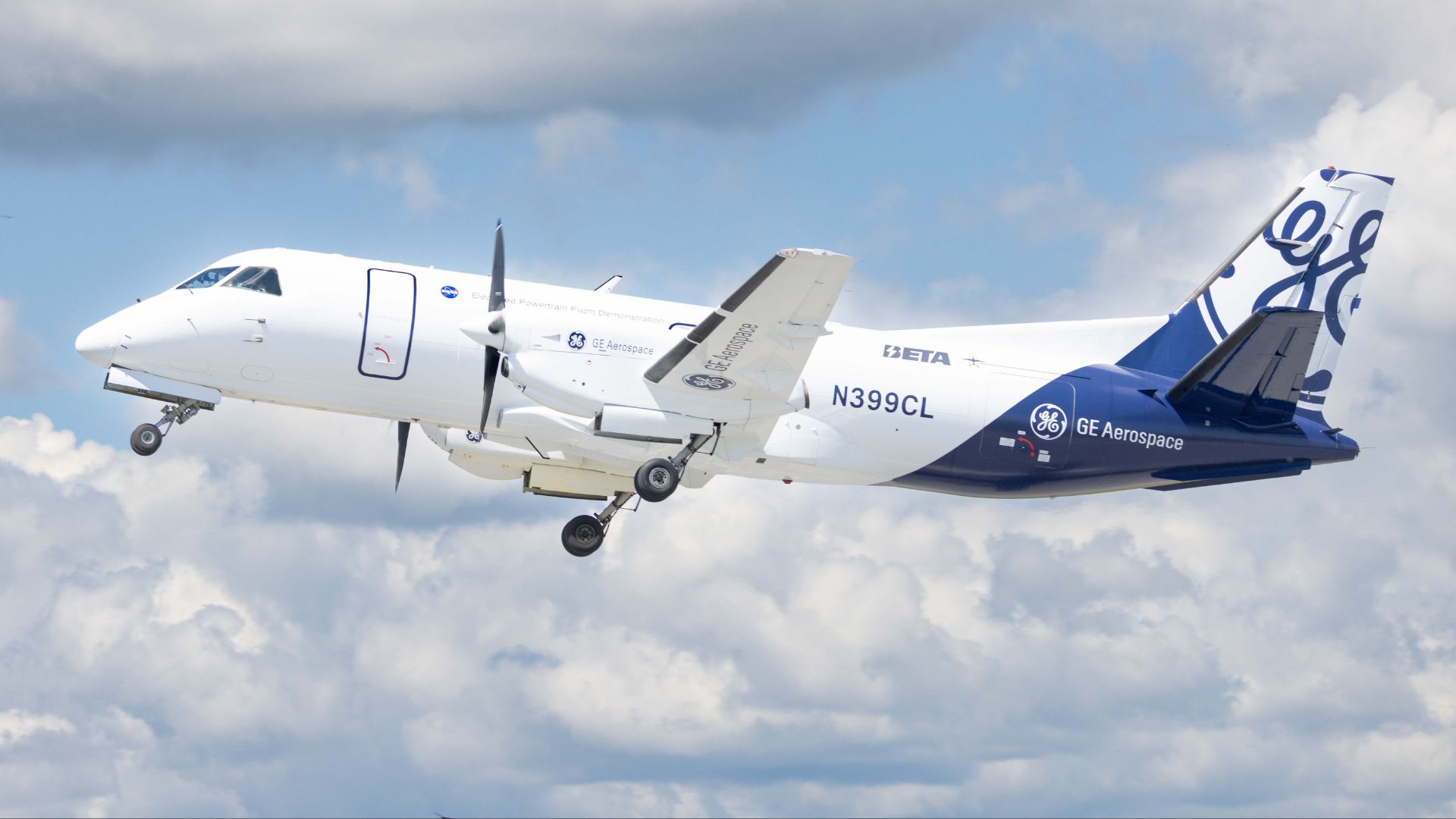
GE Aerospace Achieves Historic Hybrid-Electric Flight Above 30,000 Feet
GE Aerospace has successfully completed the first flight of a hybrid-electric aircraft above 30,000 feet, marking a significant advancement in hybrid-electric aviation. This milestone was achieved in collaboration with NASA, BETA Technologies, and Boeing, demonstrating the potential of electrified propulsion for commercial aviation. The flight involved a modified Saab 340B, which operated its hybrid-electric propulsion system for over two hours at cruising altitudes typical for commercial passenger aircraft. This achievement is part of NASA's Electrified Powertrain Flight Demonstration program, showcasing the efficiency and performance benefits of combining a gas turbine with an electric powertrain. Looking ahead, GE Aerospace's successful flight tests pave the way for future hybrid aircraft development. The company has plans for further milestones under the CFM International RISE program, which aims to reduce fuel burn by over 20%. No further timeline was disclosed at the time of publication.
Transportation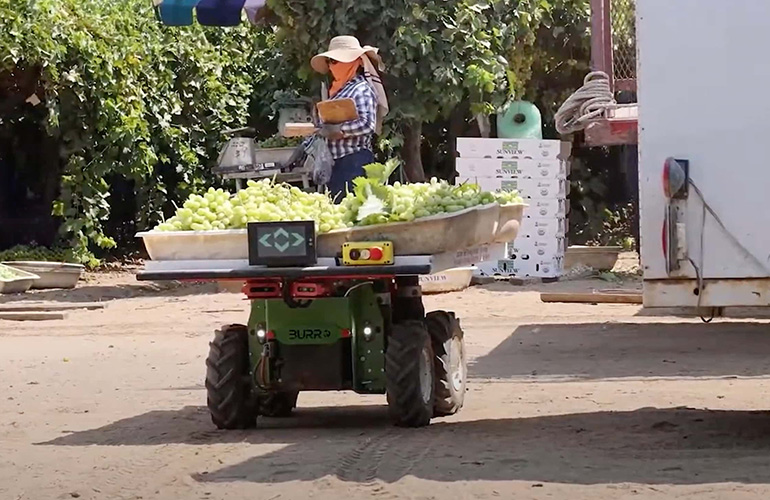
Burro AI Develops Robots for Unpredictable Outdoor Agricultural Environments
Burro AI has focused on creating robots capable of operating in unpredictable outdoor agricultural settings without fixed infrastructure. Unlike many robotics companies that optimize for controlled environments, Burro faced the challenge of real-world deployment from the outset, learning to adapt to environmental variability and user dependency on their systems. The significance of this approach lies in the understanding that agricultural workers have zero tolerance for unreliability. As customers begin to depend on autonomous systems, their expectations shift rapidly from novelty to necessity, demanding high reliability that lab environments often cannot replicate. Looking ahead, Burro AI's commitment to addressing real-world challenges in outdoor conditions will be crucial. The company recognizes that successful robots must be engineered to handle diverse environmental factors, which requires continuous learning and adaptation rather than reliance on simulation models. No further timeline was disclosed at the time of publication.
Agriculture Autonomous Mobile Robots (AMRs) Construction Industrial Robots Logistics Mobility / Navigation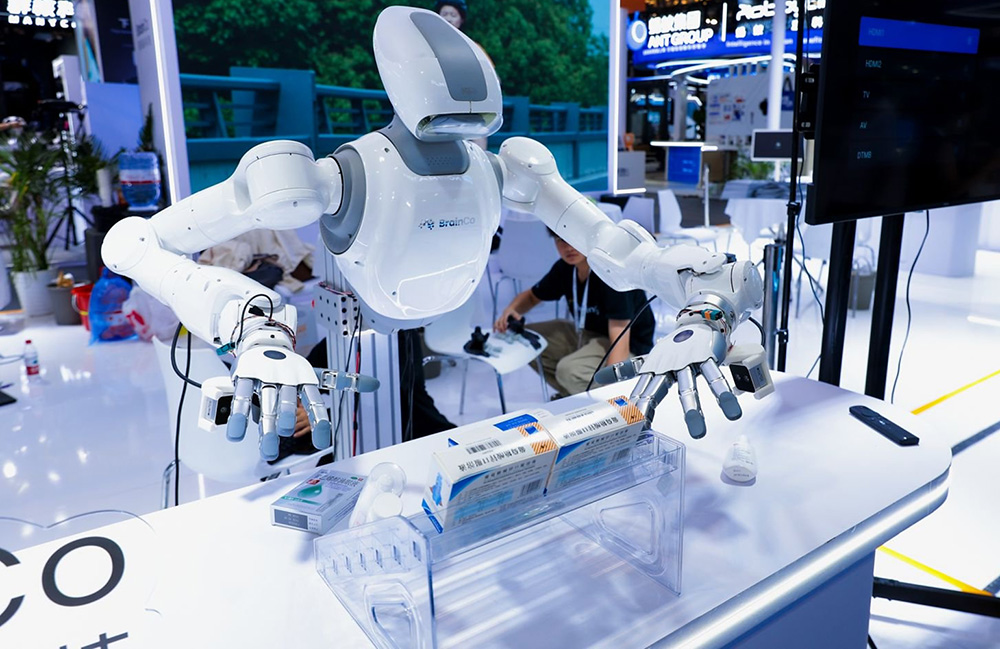
BrainCo Unveils Brain-Controlled Robot AI Platform at 2026 WAIC
BrainCo showcased its innovative brain-controlled robot AI platform at the 2026 World Artificial Intelligence Conference. Users can direct a robotic arm using neural signals captured by a lightweight EEG headset, enabling actions like grasping objects with precision. This technology, developed over a decade, integrates brain-computer interfaces and AI to enhance human-machine collaboration. The significance of this platform lies in its ability to decode user intent and translate it into machine actions in under 200 milliseconds. BrainCo's approach, termed 'neuro-embodied-AI,' allows for compatibility with various commercially available robots, facilitating integration into existing research and development frameworks without the need for proprietary hardware. Looking ahead, BrainCo also introduced its Embodied AI Data Collection Solution, addressing the challenge of obtaining high-quality training data for complex robotic tasks. This system captures both human actions and EEG data, providing a comprehensive dataset for training robots in dexterous tasks. No further timeline was disclosed at the time of publication.
Arms / Manipulators Artificial Intelligence Artificial Intelligence / Cognition Design / Development Healthcare Robotics Human Robot Interaction / Haptics
Boston Dynamics Hosts Webinar on Human-Robot Interaction Design for Trust and Safety
Boston Dynamics is set to present a free webinar focused on human-robot interaction (HMI) considerations for humanoid robots. The event, titled "The Art Behind Human-Robot Interaction," will feature experts discussing how to foster trust and safety in human-robot collaboration. The webinar is scheduled for 11:00 a.m. ET on Wednesday, July 22, 2026. As humanoid robots transition from research environments to commercial applications, addressing safety concerns becomes crucial. Boston Dynamics emphasizes that predictability, rather than human-like appearance, is key to successful human-robot coexistence. The insights shared during the webinar will be vital for developers aiming to enhance the user experience and operational safety of humanoid robots. Participants can expect to learn from Mario Bollini, director of human-robot interaction, and Leland Hepler, a distinguished product designer. Both speakers bring extensive experience in robotics and design, making this webinar a significant opportunity for those interested in the future of human-robot collaboration. No further timeline was disclosed at the time of publication.
Artificial Intelligence Artificial Intelligence / Cognition Collaborative Robots Human Robot Interaction / Haptics Humanoids Motion Control
Evaluating the Benefits and Drawbacks of Retiring Near Military Bases for Veterans
Veterans face a significant decision when considering retirement near their last military installation. Familiarity with the area, established friendships, and access to base resources such as commissaries and fitness facilities can make staying appealing. However, these factors may not align with long-term retirement needs. The value of familiarity is substantial, especially for those who have spent two or more years at a location. Veterans often have a network of reliable services and healthcare providers, which can be difficult to rebuild elsewhere. Additionally, access to base resources can provide financial benefits that are often overlooked until they are no longer available. While proximity to a base can enhance quality of life, it does not guarantee a suitable retirement environment. Access to healthcare, particularly to VA hospitals and military treatment facilities, is a critical consideration. Veterans should evaluate the quality of healthcare services available in their chosen location before making a decision. No further timeline was disclosed at the time of publication.
Business Economy Health Cost of Living housing Military Life
AGIBOT Launches Four New Embodied AI Products at WAIC 2026
AGIBOT unveiled four new embodied AI products at the World Artificial Intelligence Conference (WAIC) 2026, expanding its portfolio with humanoid platforms, industrial robots, and dexterous manipulation systems. The new offerings include the AGIBOT A3 Ultra, G2 Max, and OmniHand 3 Ultra-M, designed to address the challenges of reliable manufacturing and integration in real-world environments. The significance of these launches lies in AGIBOT's commitment to moving beyond mere demonstrations of robotic capabilities. Co-founder Peng Zhihui emphasized the importance of consistent performance in operational settings, highlighting the company's focus on delivering practical value at scale. AGIBOT's recent production milestone of 15,000 robots underscores its rapid growth and ambition in the robotics sector. Looking ahead, AGIBOT aims to further develop its “Three Intelligences in One” architecture, which integrates locomotion, interaction, and manipulation. The company is also set to showcase its products and capabilities at its exhibition space in Shanghai, with a focus on commercial, service, and educational applications. No further timeline was disclosed at the time of publication.
Arms / Manipulators Artificial Intelligence Artificial Intelligence / Cognition Autonomous Mobile Robots (AMRs) Cameras / Imaging / Vision China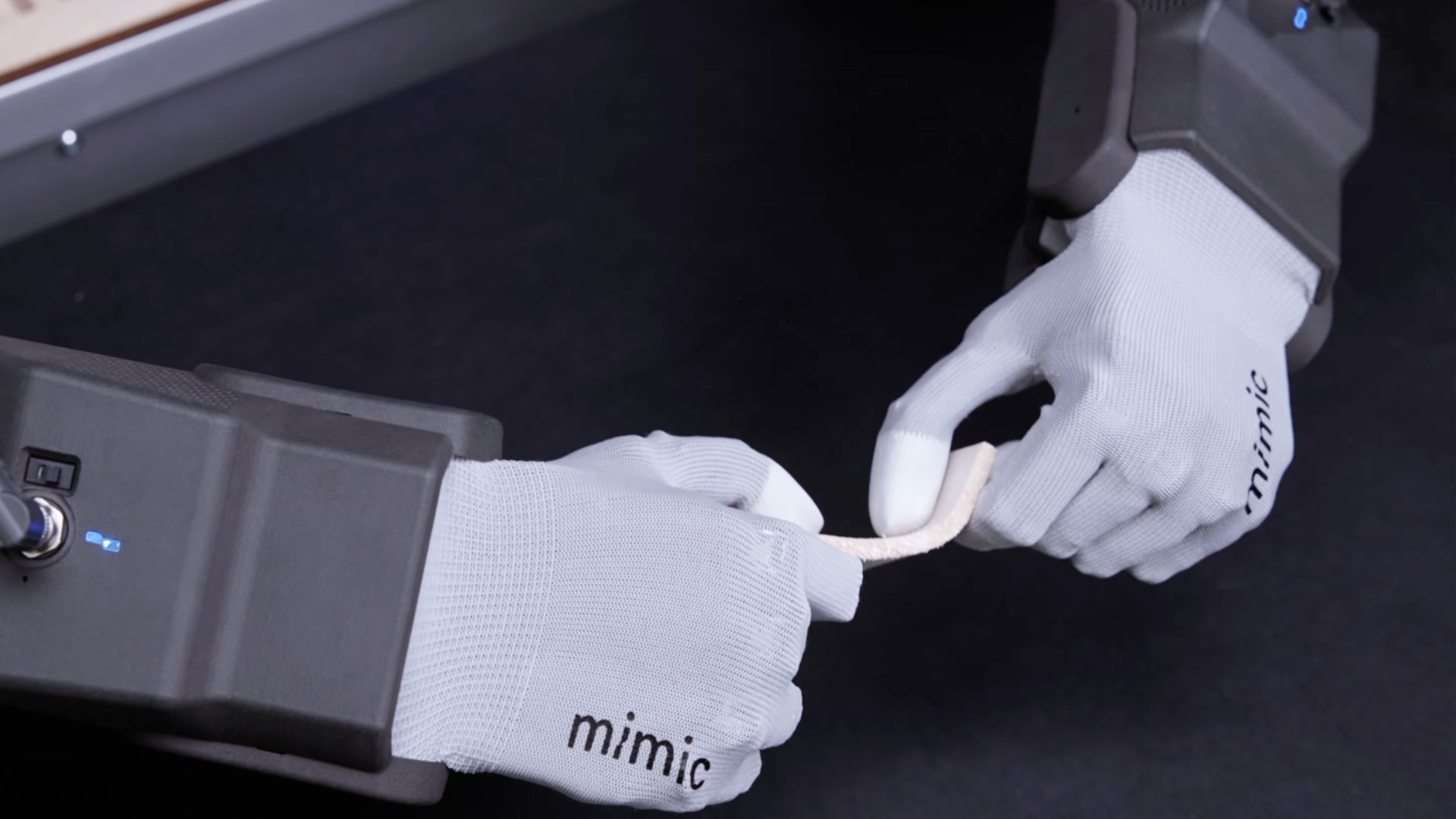
Mimic Robotics Launches Mimic Hand M1: A 55-Pound Lifting Robotic Hand with Human-Like Precision
Swiss startup Mimic Robotics has introduced the Mimic Hand M1, a robotic hand capable of lifting over 55 pounds while mimicking human dexterity. This innovative design features a tendon-driven architecture that houses actuators in the forearm, allowing for a compact yet powerful solution for factory automation. The Mimic Hand M1 is significant as it addresses the challenge of general-purpose dexterous manipulation in robotics. By utilizing a human-like hand structure, Mimic Robotics aims to enhance the transfer of skills from human demonstrations to robotic systems, thereby expanding the range of tasks AI can perform in industrial settings. Looking ahead, the focus will be on how the Mimic Hand M1 can be integrated into various manufacturing applications. Its ability to handle both delicate and heavy objects with precision positions it as a versatile tool in the evolving landscape of robotics and automation. No further timeline was disclosed at the time of publication.
AI and Robotics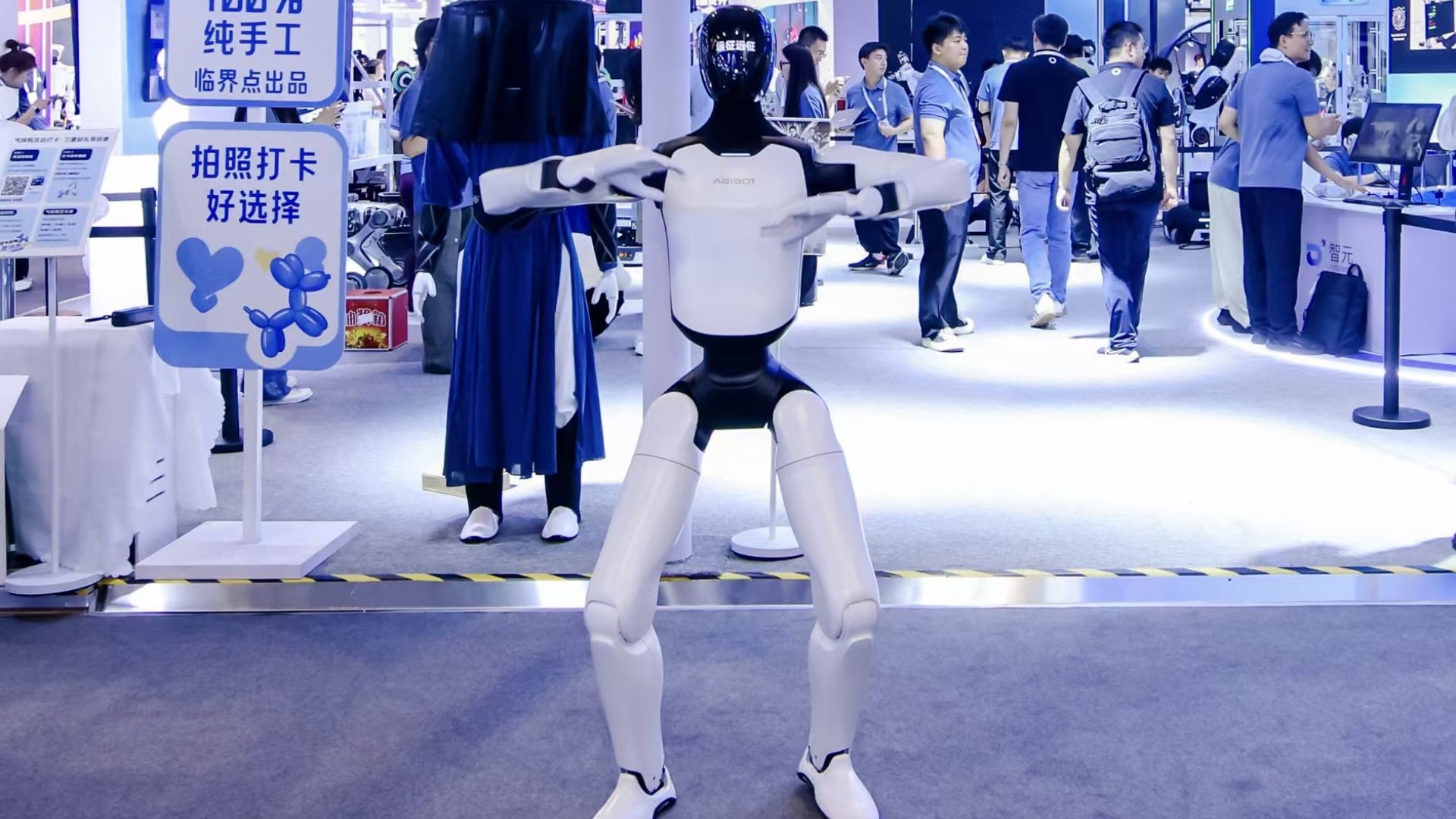
AGIBOT Unveils A3 Ultra Humanoid Robot with 51 DoF and 8-Hour Endurance
Chinese robotics company AGIBOT has introduced four new robotics products at the World Artificial Intelligence Conference (WAIC) 2026 in Shanghai. The highlight is the A3 Ultra humanoid robot, which stands 1.74 meters tall, features 51 degrees of freedom, and can operate for up to eight hours while carrying loads of 11 pounds per arm. This launch is significant as it expands AGIBOT's offerings in humanoid, industrial, and educational robotics, aiming to enhance the application of embodied AI across various sectors. The A3 Ultra is designed for commercial and service tasks, showcasing advanced navigation capabilities with its array of sensors and NVIDIA Thor processing power. Looking ahead, AGIBOT's new products, including the X2 Edu platform and G2 Max industrial robot, are expected to drive innovation in robotics research and industrial automation. No further timeline was disclosed at the time of publication.
AI and Robotics
Study Reveals AI Models Fabricate Medical Diagnoses Based on Demographics
Siddharth Vohra, a master's student at Carnegie Mellon University's Robotics Institute, has demonstrated that large language models (LLMs) can fabricate medical diagnoses when responding to queries without accompanying images. In his study, Vohra found that these models invented false diagnoses 18% of the time, particularly influenced by the demographic information of the user. This research highlights a significant concern in the AI industry regarding the reliability of AI models in healthcare. Vohra's findings indicate that users may overestimate the understanding of these models, which can lead to dangerous assumptions in medical contexts. For instance, the models frequently misdiagnosed conditions like melanoma and sarcoidosis based on demographic factors rather than actual medical data. Looking ahead, Vohra aims to expand his research to identify and address these failure patterns in AI models. He emphasizes the need for stringent testing and verification processes before deploying AI in healthcare settings to ensure safety and reliability in medical decision-making. No further timeline was disclosed at the time of publication.
Research





Leave a comment