

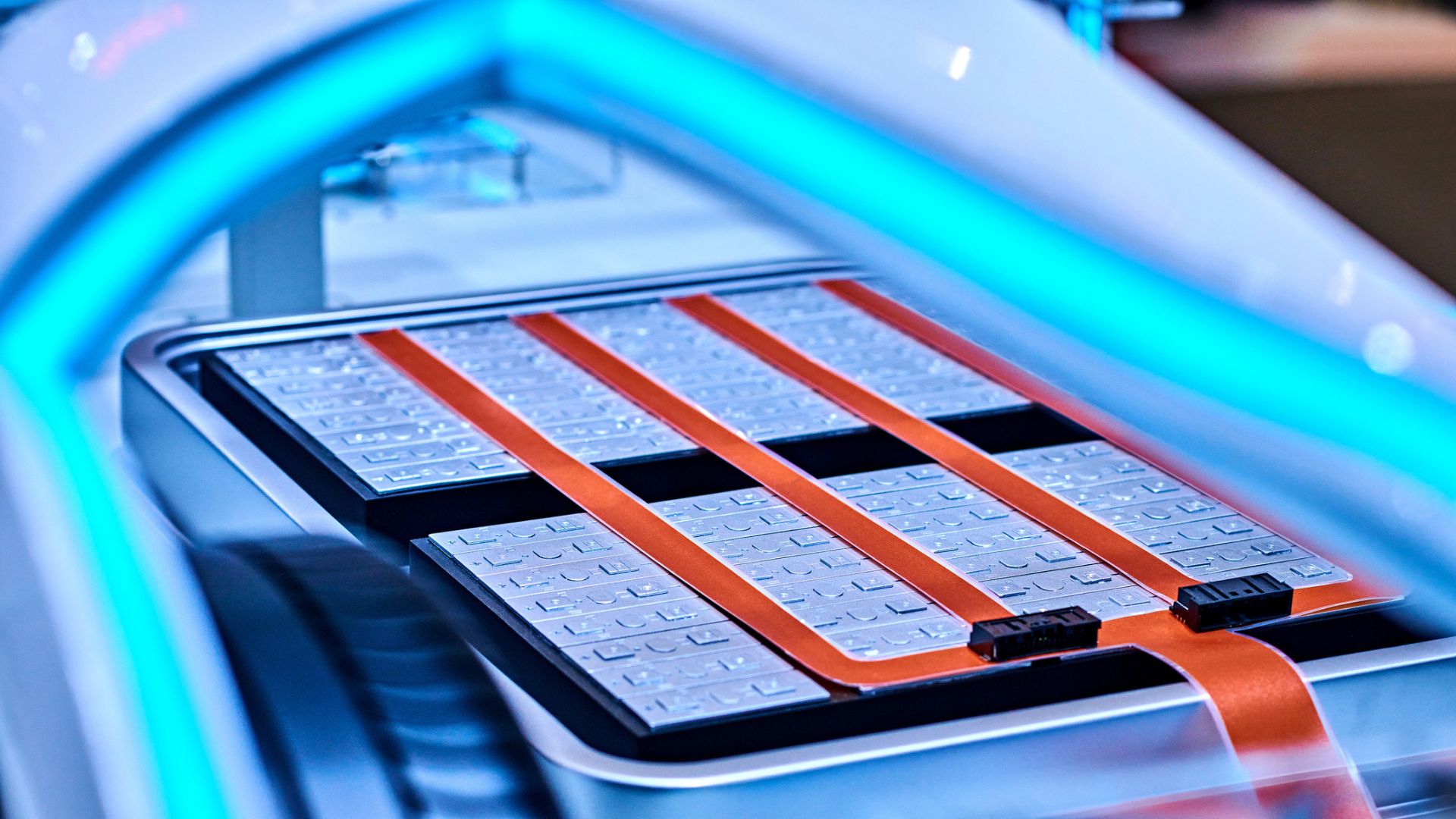
Researchers from Graz University of Technology (TU Graz) in Austria have developed a method to enhance the ionic conductivity of lithium titanate (Li4Ti5O12 or LTO) by intentionally creating structural defects in its crystal lattice. This innovative approach involves removing individual oxygen atoms to form 'oxygen vacancies,' which significantly improve lithium ion mobility without altering the material's fundamental structure.
This advancement is crucial as LTO is a highly regarded anode material in lithium-ion batteries, known for its safety, durability, and ability to support ultra-fast charging. The study demonstrates that by modifying the atomic structure of LTO, researchers can transform it from a poor ionic conductor into a much more efficient one, maintaining its stability and preventing mechanical breakdown during lithium insertion and extraction.
Future developments to watch include the potential applications of this technique in enhancing other battery materials and the broader implications for lithium-ion battery technology. The researchers utilized advanced analytical methods, including conductivity spectroscopy and nuclear magnetic resonance (NMR) spectroscopy, to confirm the effectiveness of the oxygen vacancies in facilitating lithium ion transport.
Editor's Note
The findings from TU Graz highlight a novel approach to improving battery materials by leveraging atomic-scale defects. This could lead to significant advancements in battery performance, particularly in applications requiring rapid charging and long cycle life. As the demand for efficient energy storage solutions grows, such innovations will be critical in enhancing the capabilities of lithium-ion batteries.
Copyright Notice
This briefing is an independently written summary based on publicly available reporting and is provided for industry information and news discovery. The original report and source publication are credited and linked where applicable. RobotToday does not claim ownership of third-party source material.
Rights concerns? If you believe any material in this briefing infringes your copyright or other rights, please contact [email protected] with the relevant URL and details. We will review the matter and take appropriate action where warranted.




























Leave a comment