

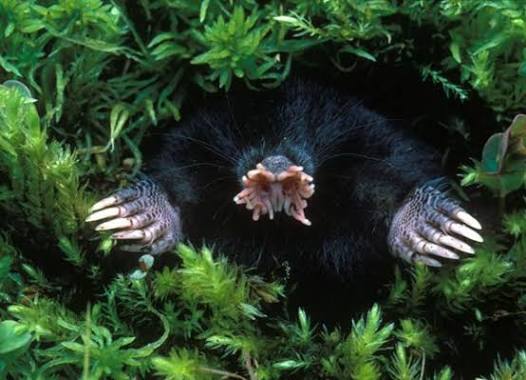
The University of Southern Denmark's robotics team has proposed a concept robot that relies on touch rather than vision, inspired by the star-nosed mole. This mammal is known for its exceptional tactile sensitivity, using its unique nose structure to detect food with remarkable precision. The team's design mimics the functionality of the mole's Eimer organs, which are sensitive structures that allow the mole to perceive its environment through touch.
This innovative approach is significant as it addresses the limitations of visual-based robotics, which struggle with transparent, obscured, or hidden objects. By utilizing a flexible liquid-filled tube equipped with pressure sensors, the robot can generate tactile signals in response to external pressure, offering a different sensory pathway compared to traditional visual systems. This could be particularly valuable for robots operating in dark or confined spaces where vision is inadequate.
Currently, the prototype remains in the conceptual stage and has not been officially released. However, it signifies a shift towards multimodal perception in robotics, complementing visual information with tactile feedback. As robots are expected to navigate various unstructured environments, the integration of touch could enhance their operational capabilities, similar to the evolutionary adaptations seen in star-nosed moles.
Editor's Note
The shift from vision-based to touch-based robotics reflects a growing recognition of the limitations of traditional sensory systems. As robots are increasingly deployed in complex environments, the ability to perceive through touch may provide critical advantages. This development could influence future designs and applications in sectors requiring high precision and adaptability.



























Leave a comment