

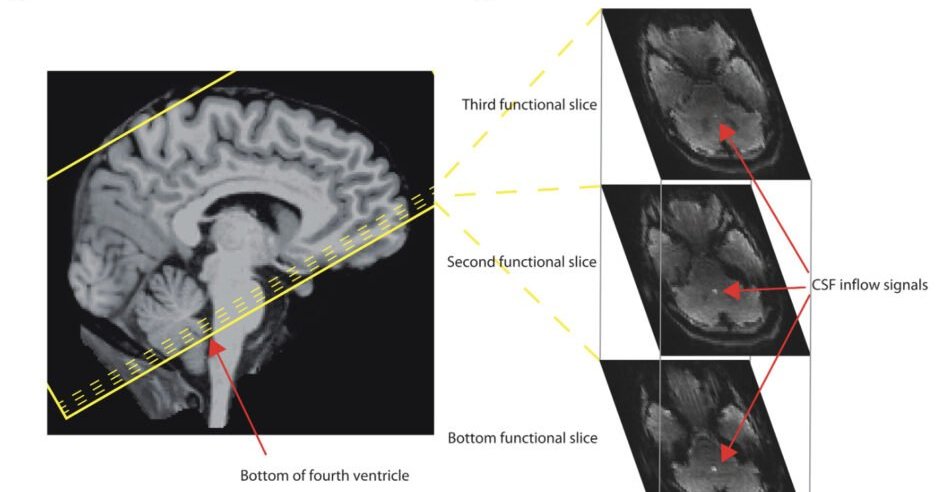
Researchers from the Massachusetts Institute of Technology published a study in Science Translational Medicine demonstrating that listening to pink noise during sleep can enhance the flow of cerebrospinal fluid, which helps clear waste from the brain. The study involved 14 healthy adults and utilized a novel method to deliver auditory stimulation in sync with slow brain waves.
This research is significant as it explores the relationship between auditory stimuli and cerebrospinal fluid dynamics, potentially offering insights into treatments for neurodegenerative diseases like Alzheimer's. The findings indicate that precise timing of sound can amplify slow waves in the brain, leading to increased cerebrospinal fluid flow, which is crucial for brain health.
Moving forward, the implications of this study could pave the way for new therapeutic approaches targeting sleep and brain waste clearance. No further timeline was disclosed at the time of publication.
Editor's Note
The intersection of sleep research and neurodegenerative disease treatment is gaining traction. This study from MIT highlights the potential of auditory stimulation to enhance cerebrospinal fluid flow, which could have significant implications for Alzheimer's disease therapies. As the field evolves, understanding the mechanisms behind these findings will be crucial for developing effective interventions.
Copyright Notice
This briefing is an independently written summary based on publicly available reporting and is provided for industry information and news discovery. The original report and source publication are credited and linked where applicable. RobotToday does not claim ownership of third-party source material.
Rights concerns? If you believe any material in this briefing infringes your copyright or other rights, please contact [email protected] with the relevant URL and details. We will review the matter and take appropriate action where warranted.
































Leave a comment