


University of Twente — Robotics and Mechatronics
UT Robotics & Mechatronics group: inspection UAVs/UGVs, medical robotics, exoskeletons (MINDWALKER, LOPES), embedded control.
Contact University of Twente — Robotics and Mechatronics
WEBSITE
https://www.ram.eemcs.utwente.nl/PHONE
+31 53 489 9111HEADQUARTERS
Netherlands

Company Facts
Founded
1961
Primary Role
Research Institute
Company Size
employees 2000-5000
Primary Region
Europe
Annual Sales
-
Funding Stage
-
Funding Total
-
Keywords
- University of Twente — Robotics and Mechatronics
- RaM Group
- UT Robotics
- UTwente RAM
- exoskeleton
- medical-robotics
- UAV
- UGV
- surgical-robotics
- rehabilitation-robotics
- computer-vision
- mechatronics
- Education & Research
- Healthcare & Senior Care
- Logistics & Supply Chain
- Research Institute
- Surgical Robot
- Drone/eVTOL
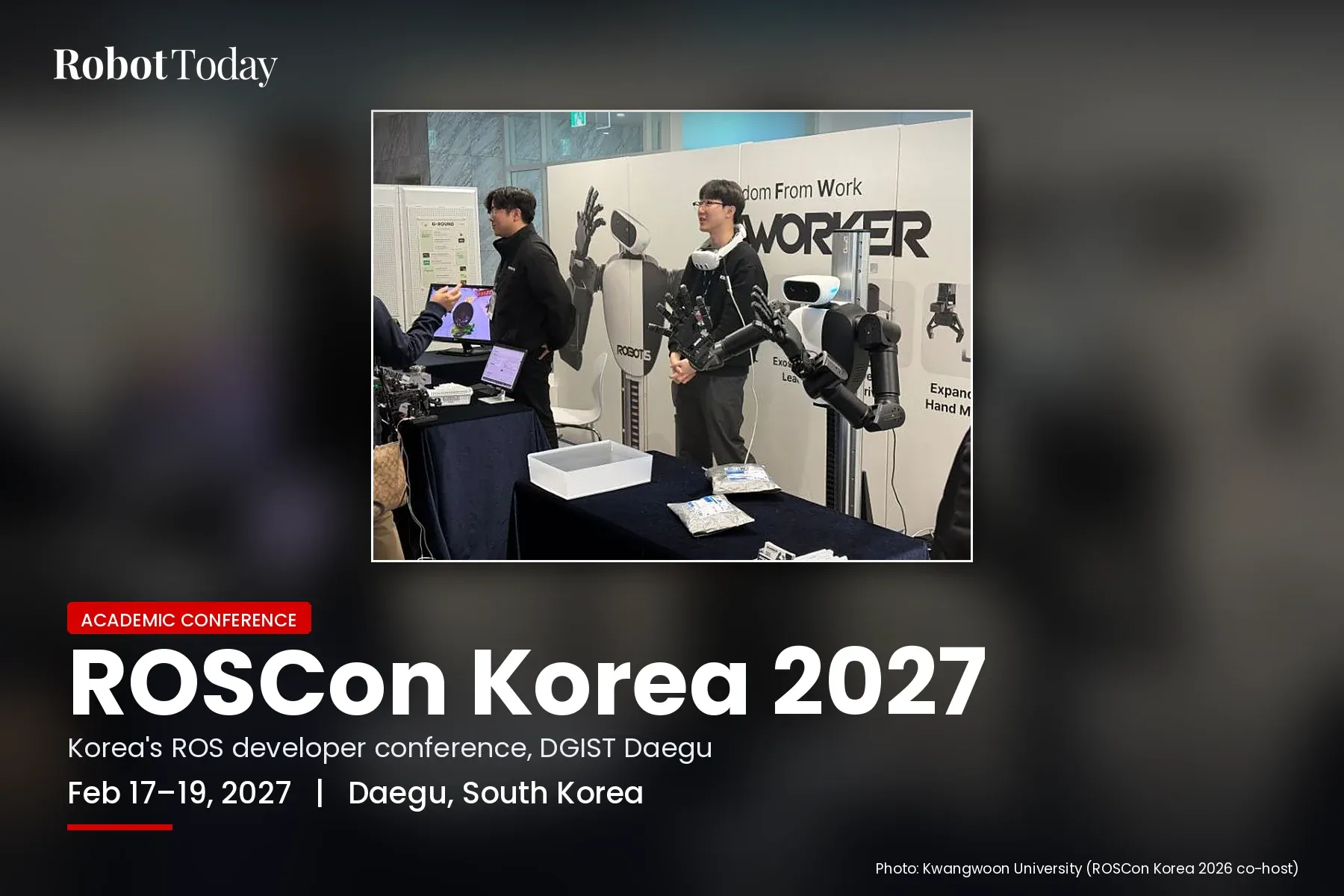
ROSCon Korea 2027: Feb 17–19 at DGIST, Daegu
ROSCon Korea 2027, Korea's official ROS developer conference, runs Feb 17–19, 2027 at DGIST in Daegu, after a sold-out 2026 debut.

ICARA 2027: Automation & Robotics Conference, Paris
ICARA 2027 runs Feb 25–27, 2027 at De Vinci Higher Education, Paris La Défense. Papers due Oct 1, 2026; author fees from USD 600.

IROS 2026 Closing Briefing — Pittsburgh, Sep 27–Oct 1
IROS 2026 closes in Pittsburgh with 1,900+ papers and 186 exhibitor listings. Humanoids, dexterous hands, tactile sensing and robot data led the show.

Tuning the Brain Like a Radio: Synapse Symphony’s Plan to Treat Chronic Pain at Home
CEO Vishal Jain on Synapse Symphony's DARPA-rooted wearable brain-stimulation headset for chronic pain, its FDA plans, and a second use: motor-health checks.
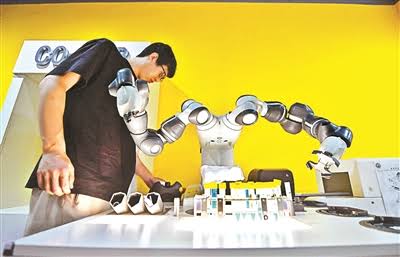
Ophthalmic Surgical Robot Achieves Micron-Level Precision in Three Minutes
An innovative ophthalmic surgical robot has demonstrated the ability to restore vision in nearly blind patients within just three minutes, achieving precision at the micron level. This advancement in robotic surgery signifies a major leap forward in ophthalmology, potentially transforming treatment options for patients with severe vision impairment. The significance of this technology lies in its ability to perform complex surgical procedures with unprecedented accuracy, which could lead to improved outcomes for patients suffering from various eye conditions. The robot's rapid operation time and high precision could also reduce the overall burden on healthcare systems by streamlining surgical processes. Looking ahead, the continued development and deployment of this ophthalmic surgical robot will be crucial. Stakeholders in the healthcare and robotics sectors should monitor advancements in this technology, as it may pave the way for further innovations in minimally invasive surgical techniques. No further timeline was disclosed at the time of publication.
Robotics Automation AI
RobotToday Weekly September 21 – 25, 2026
Cognex buys RealSense, Qualcomm acquires PickNik, the IFR counts 5 million factory robots, AGIBOT deploys 300 robots at Chimelong, and Tekever raises $580 million.

IndexBox Forecasts 16.8% Growth in AI Surgical Robot Market by 2035 Amid Surgeon Shortage
According to the latest report by IndexBox, the global AI surgical robot market is entering a structural expansion phase, with demand expected to accelerate before 2035. The market is diversifying into high-end efficiency-driven segments and emerging value-oriented segments, influenced by surgeon shortages and the rising need for minimally invasive surgeries. The significance of this growth lies in the shift from pure institutional procurement to a hybrid model, where preferences of end-surgeons and patient awareness increasingly impact capital equipment purchases. Key demand drivers include advancements in AI and robotics, increased healthcare spending, and the expansion of robotic surgeries into new clinical applications beyond urology and gynecology. Looking ahead, the market is projected to experience a compound annual growth rate of 12.0% from 2026 to 2035, with North America maintaining the largest market share at 40%. No further timeline was disclosed at the time of publication.
AI Surgical Robots Healthcare Technology Robotics Minimally Invasive Surgery Market Trends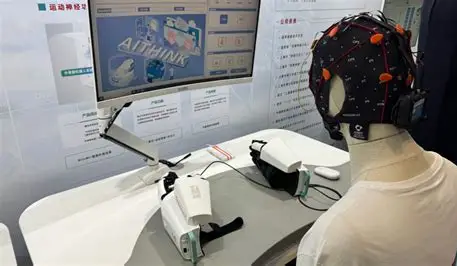
CITIC Securities Identifies Turning Point in Medical Device Sector with Focus on Brain-Computer Interfaces and AI Healthcare
CITIC Securities has reported that the medical device sector is reaching a turning point, with opportunities for performance and valuation recovery expected by 2026. The report emphasizes the importance of focusing on companies that are improving their performance and exploring international markets, particularly those listed in Hong Kong. The long-term outlook for the medical device sector is driven by innovation, international expansion, and mergers and acquisitions. The report highlights that the sector's innovative capabilities are gaining recognition, leading to a reconstruction of valuations. Short-term opportunities include capitalizing on performance recovery in high-value consumables and IVD segments, with several leading companies poised for accelerated growth by 2026. Investors are advised to keep an eye on emerging technologies such as surgical robots and brain-computer interfaces, as breakthroughs in these areas are expected to catalyze interest in the sector. The report also notes potential risks, including policy changes, research and development setbacks, and geopolitical uncertainties in the Middle East.
Medical Devices AI Healthcare Brain-Computer Interfaces Surgical Robots Innovation
Glacian: Physics Model Vets AI Data Center Cooling
Glacian Technologies pairs AI with a physics-based digital twin that rejects unsafe commands. CEO Jie Zhao on cutting data center cooling energy 15-30%.

Newport Hospital Becomes First in Rhode Island to Install Da Vinci Surgical Robot Funded by Donations
Newport Hospital has become the first facility in Rhode Island to install the Da Vinci Surgical Robot, specifically the Da Vinci 5 model. This advanced robotic-assisted surgical platform, funded entirely by donations after a year of fundraising, will be utilized for minimally invasive surgeries in urology, gynecology, thoracic, and general surgery. The significance of this installation lies in its enhancement of surgical precision and capabilities within a community hospital setting. According to Tenny Thomas, President and Chief Medical Officer of Newport Hospital, this milestone was made possible through the generous support of the donor community. The Da Vinci 5 offers improved force feedback, imaging, and computing power compared to its predecessors, reinforcing the hospital's commitment to providing advanced surgical options. Looking ahead, the integration of the Da Vinci 5 into Newport Hospital's surgical offerings, alongside the Zimmer Biomet ROSA knee system, highlights the ongoing relevance of specialized surgical robots in clinical practice. While humanoid robots like the Yushu G1 are still in early feasibility studies, the successful deployment of the Da Vinci 5 underscores its position as a leading solution in modern surgical procedures.
Surgical Robotics Minimally Invasive Surgery Healthcare Technology Robotic Surgery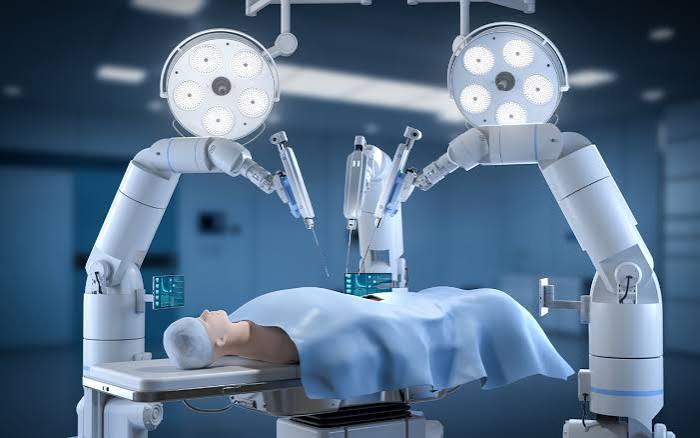
Samsung Medical Center Performs First Surgery with Humanoid Robots Assisting Surgeons
On September 16, Samsung Medical Center in Seoul conducted a simulated surgery with two humanoid robots assisting a surgical team. The robots, dressed in surgical attire, successfully collaborated with the lead surgeon, Professor Woo Nam-ki, by retrieving and delivering surgical instruments upon request. This marks a significant advancement in robotic assistance in surgery, showcasing the potential for robots to work alongside human medical professionals. The importance of this development lies in its potential to address staffing challenges in hospitals, particularly in smaller facilities where skilled surgical assistants may be scarce. Professor Jung Yong-ki emphasized that if a robot can effectively replace a human assistant, it could lead to cost-effective solutions for maintaining surgical operations around the clock. The robots demonstrated a 100% success rate in grasping surgical instruments and a 98.7% success rate in instrument delivery, highlighting their reliability in the operating room. Looking ahead, the project is set to progress with plans for commercialization led by Rainbow Robotics and AIDIN ROBOTICS. The first clinical trials are expected to begin in 2029, starting with low-risk endoscopic tasks before expanding to more complex procedures. The ongoing development of AI capabilities, including tactile feedback and predictive analytics, will further enhance the robots' performance in surgical environments.
Humanoid Robots Surgical Robotics AI in Healthcare Medical Technology
Innovation Works Venture Expo 2026: 58 Pittsburgh Startups Pitch to Investors
58 health, deep tech and robotics startups pitched at Innovation Works Venture Expo 2026 in Pittsburgh. Full company list, program and 2025 funding data.

Professor Meng Qinghu Recognized as Fellow of the Royal Society of Canada for 2026
Professor Meng Qinghu, head of the Department of Electronic and Electrical Engineering at Southern University of Science and Technology and chief scientist at Yuanhua Intelligent Technology, has been elected as a Fellow of the Royal Society of Canada (RSC) for 2026. He is the only scholar from a mainland Chinese university among the 105 new fellows announced. This recognition highlights Professor Meng's significant contributions to the fields of robotics and intelligent systems, particularly in medical robotics, where he is regarded as a pioneering researcher. His work includes advancements in control algorithms, robotic prosthetics, and orthopedic surgical robots, which have been successfully applied in over 5,000 surgeries, providing substantial clinical value. Looking ahead, Professor Meng's election underscores the growing international recognition of his research and the capabilities of Yuanhua Intelligent Technology in advancing medical robotics technology. No further timeline was disclosed at the time of publication.
Medical Robotics Intelligent Systems Robotics Research AI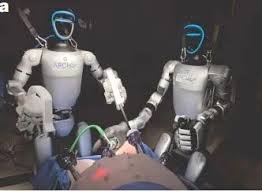
Humanoid Robot Successfully Performs Gallbladder Surgery on Live Pigs, According to Nature Study
A research team from the University of California, San Diego, utilized the humanoid robot developed by Yushu Technology to perform gallbladder surgeries on live pigs, marking a significant milestone in robotic surgery. This is the first instance of a humanoid robot conducting live surgeries, showcasing its potential in clinical settings. The significance of this research lies in its exploration of humanoid robots in surgical environments, which have traditionally relied on specialized robotic systems like the da Vinci Surgical System. The study highlights the humanoid robot's ability to operate in existing surgical environments without requiring extensive modifications, potentially reducing costs and increasing accessibility. Looking ahead, while the humanoid robot demonstrated notable advancements, it still faces challenges in precision compared to specialized surgical robots. The study indicates that further developments are needed before humanoid robots can be considered for clinical use. No further timeline was disclosed at the time of publication.
Humanoid Robots Surgical Robotics Medical Technology Robotic Surgery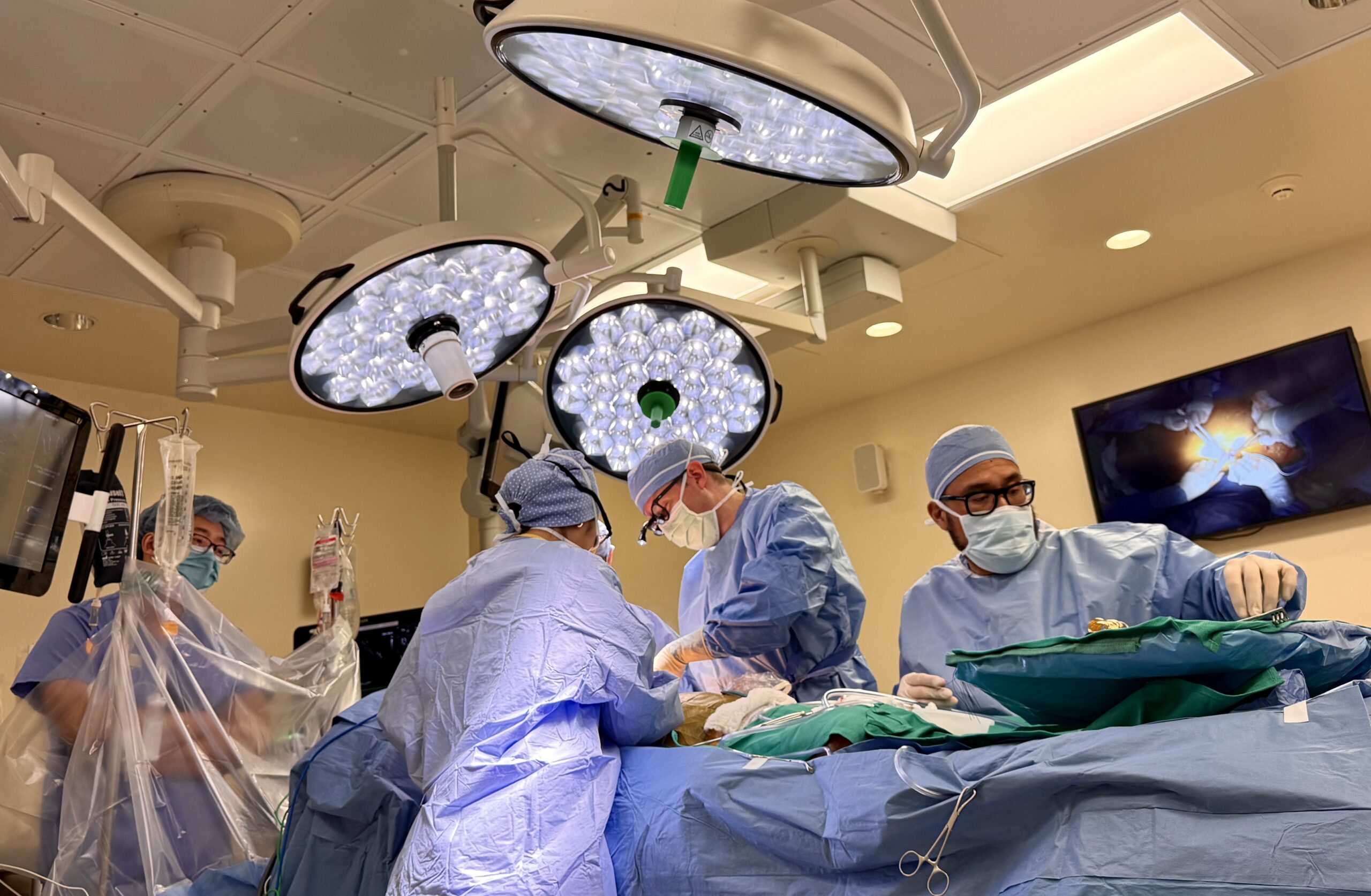
Advancements in Surgical Robots and Real-World Warehouse Automation Explored
The September 2026 digital issue of The Robot Report highlights significant advancements in surgical robotics and warehouse automation. It features case studies from El Camino Health, where the da Vinci system from Intuitive Surgical is utilized for coronary artery bypass grafting, emphasizing the need for precise motion control to enhance patient outcomes and reduce complications. This report is crucial for commercial robotics developers and end users as it illustrates the successful integration of robotic systems in healthcare and logistics. El Camino Health's implementation of robotic surgery not only alleviates cognitive burdens on staff but also improves care consistency and accessibility, showcasing the potential of surgical robots in modern medicine. Additionally, the report discusses the integration of autonomous mobile robots (AMRs) in warehouse operations, highlighting their independent capabilities compared to traditional automated guided vehicles. As AMRs become more prevalent in third-party logistics, retailers, and manufacturing, best practices for their deployment and maintenance will be essential for maximizing efficiency and investment returns. No further timeline was disclosed at the time of publication.
Autonomous Mobile Robots (AMRs) Case Study Controllers Digital Issues Healthcare Robotics Logistics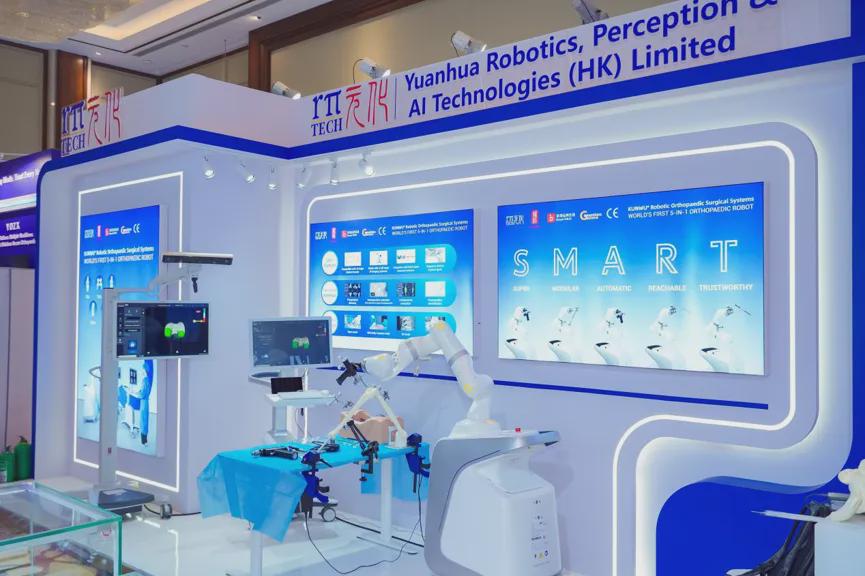
New Insights on Domestic Orthopedic Surgical Robots: Advancements in Complex Joint Replacement
The maturity of surgical robots is evaluated not just by their ability to perform standard joint replacements but also by their effectiveness in complex cases. At the 12th Asian Joint Society Annual Meeting held from September 10 to 12, 2023, in Boao, Hainan, experts discussed the challenges of robotic-assisted surgeries for patients with significant anatomical deviations. The event showcased the Kuntuo® orthopedic surgical robot in various scenarios, including live surgeries and workshops, emphasizing its role in addressing complex cases. A notable case involved a 66-year-old woman with developmental dysplasia of the hip, highlighting the need for personalized planning in joint replacement surgeries. The robot's capabilities extend beyond precision to include individualized preoperative planning based on patient-specific anatomical conditions. Future developments in robotic-assisted surgeries will likely focus on enhancing the robot's ability to adapt to unique anatomical challenges. The Kuntuo robot has previously been utilized in complex cases, indicating its growing relevance in orthopedic surgery. No further timeline was disclosed at the time of publication.
Orthopedic Robotics Surgical Automation Complex Case Management Medical Technology
ROBOTTODAY WEEKLY September 7 – 11, 2026
This week in robotics: JD.com plans to deploy three million robots across its logistics network, XPeng commissions its IRON humanoid production line, FANUC and Google launch an AI arc-welding agent, and Unitree shares fall 53% from their post-IPO high. September 7–11, 2026.

Impact of Task Complexity on Skill Retention in Surgical Robot Teleoperation Training
A recent study has revealed the influence of task complexity on skill retention in the teleoperation of surgical robots. This research provides a framework aimed at enhancing training methodologies for surgeons operating robotic systems. Understanding how different levels of task complexity affect surgeons' ability to retain skills is crucial for developing effective training programs. Improved training methods can lead to better surgical outcomes and increased efficiency in robotic surgeries, which is vital in the evolving landscape of medical technology. Looking ahead, the focus will be on implementing the proposed framework in surgical training programs to assess its effectiveness. No further timeline was disclosed at the time of publication.

China’s Dexterous Hand Industry, 2026 Part 3 — The Players
Five vendor archetypes, MIR’s composite top ten, eight company profiles and six field deployments — every firm linked to the RobotToday supplier directory.

China’s Dexterous Hand Industry, 2026 Part 2 — The Technology
Linkage, tendon, direct drive or hybrid — and why hardware is converging while the DL1–DL5 manipulation scale decides who wins. Part 2 of 3.


