

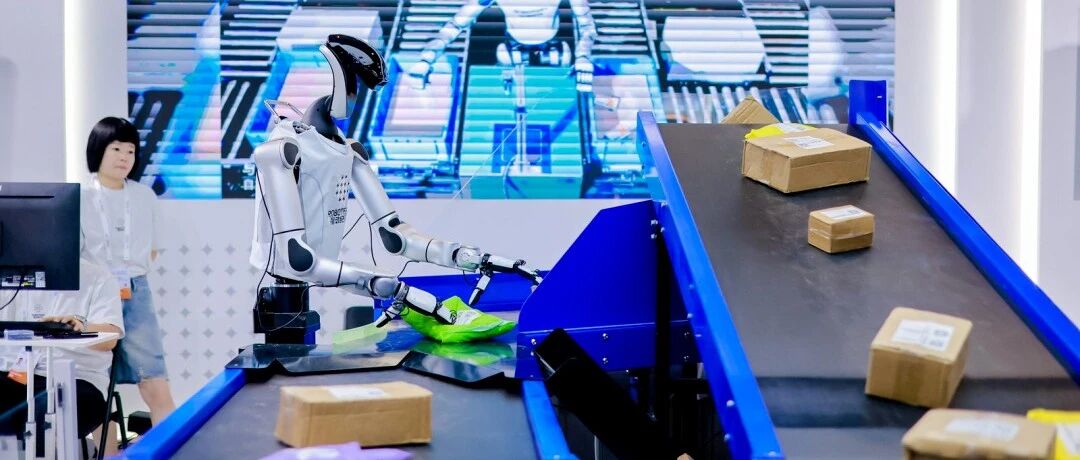
At the 2026 World Artificial Intelligence Conference, the humanoid robot industry marked a significant turning point, with logistics identified as the primary sector for large-scale commercialization. Companies like Zhiyuan, Xingdong Jiyuan, and Galaxy General are optimistic about logistics applications, while major logistics firms such as JD.com and SF Express are actively engaging in real-world trials.
The logistics sector presents unique advantages for humanoid robots, including a diverse range of applications and a substantial demand for flexible labor. According to data from the China Logistics and Purchasing Federation, the total social logistics volume in China is projected to reach 368.2 trillion yuan by 2025, with nearly 200 billion express deliveries annually, highlighting the need for automation in various tasks.
Looking ahead, humanoid robot manufacturers are expected to deliver nearly 1,000 units in the logistics sector by 2025, with projections of over 2,000 units in 2026 and potentially reaching 100,000 units by 2035. The industry must focus on practical applications and collaborative efforts to fully realize the potential of humanoid robots in logistics.
Editor's Note
The logistics sector is increasingly recognizing the potential of humanoid robots to address labor shortages and enhance operational efficiency. As automation technologies evolve, the integration of humanoid robots into existing workflows will be crucial for optimizing logistics operations. Stakeholders must collaborate to develop tailored solutions that meet the unique demands of various logistics environments.









Leave a comment