


Locus Robotics has released a national consumer study indicating that 71% of consumers are influenced by viral trends when making purchases. This shift in consumer behavior is pressuring brands, retailers, and third-party logistics providers (3PLs) to enhance operational responsiveness and real-time visibility in their supply chains. The study highlights that traditional fulfillment models are struggling to adapt to these rapid demand changes, leading to potential service failures that can damage brand reputation.
The findings emphasize the need for flexibility in supply chain operations, as 62% of consumers abandon brands when trending products are unavailable. The study also reveals that over half of consumers expect retailers to be prepared for sudden demand spikes, indicating that resilience is becoming a competitive advantage. Locus Robotics CEO Rick Faulk noted that the future of supply chains lies in their ability to absorb disruptions and recover quickly, moving beyond traditional planning methods.
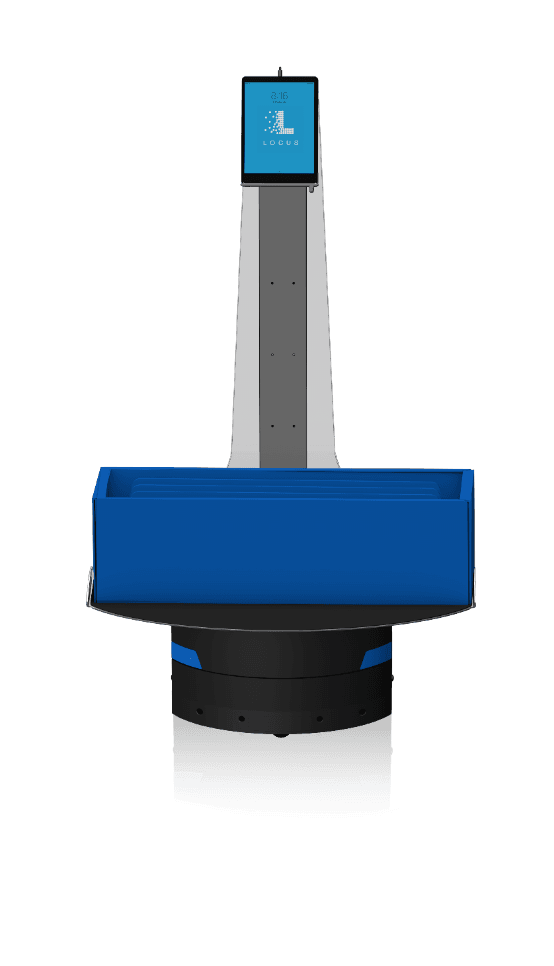
Looking ahead, Locus Robotics is addressing these challenges through its Robots-to-Goods (R2G) model and the introduction of new autonomous robots. The company aims to enhance automation capabilities to meet the increasing demand for operational adaptability in logistics-heavy categories. No further timeline was disclosed at the time of publication.
Editor's Note
The findings from Locus Robotics' survey underscore the critical need for supply chain agility in today's fast-paced retail environment. As consumer expectations shift towards rapid fulfillment driven by social media trends, companies must rethink their operational strategies to maintain competitiveness. This evolution may prompt increased investment in flexible automation technologies to meet the demands of a dynamic market.
































Leave a comment