


Vitae Industries
Vitae Industries is a Providence, Rhode Island startup that automates compounding pharmacies with its AutoCompounder robotic drug-mixing and.
Contact Vitae Industries
WEBSITE
https://www.vitaeindustries.comPHONE
+1 (401) 200-8569HEADQUARTERS
United States

Company Facts
Founded
2015
Primary Role
Manufacturer
Company Size
-
Primary Region
North America
Annual Sales
-
Funding Stage
-
Funding Total
-
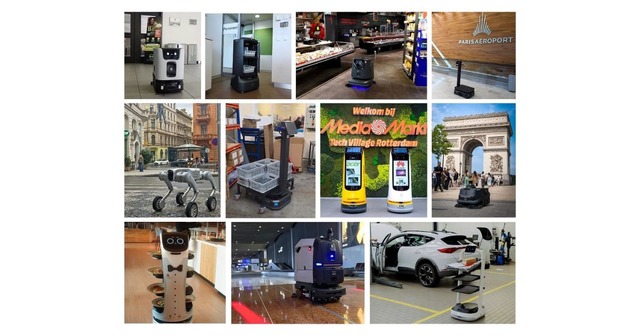
Pudu Robotics Accelerates European Expansion Following IFA 2026 Showcase
Pudu Robotics, a Chinese company specializing in commercial service robots, announced on September 14, 2026, that it will accelerate its expansion in Europe following its participation in IFA 2026 in Berlin, Germany. The company is advancing its business strategy across four key areas: service robots, commercial cleaning robots, industrial logistics, and embodied AI, tailored to regional characteristics. The significance of this expansion lies in Pudu Robotics' established presence in over 85 countries, with more than 130,000 robots delivered globally. Europe, encompassing over 20 countries including Germany, France, and the UK, is a strategically important market for the company, facilitating commercial deployment, product validation, and local business development. Looking ahead, Pudu Robotics plans to establish a new European headquarters in Germany to strengthen its organizational structure. This new headquarters will enhance local management, customer service, partner support, and solution implementation functions, further driving the adoption of commercial and embodied AI robots within the European market.
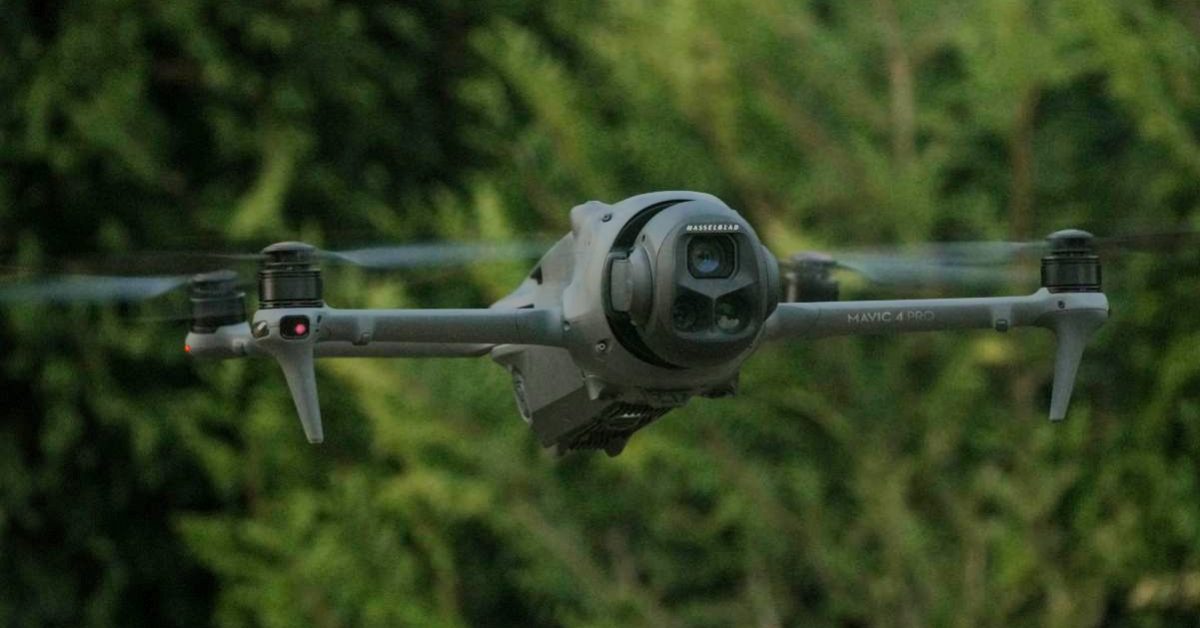
Alabama Photographer's DJI Mavic 4 Pro Drone Shot Down During Real Estate Shoot
During a routine real estate shoot in Alabama on August 29, photographer Michael Gardner reported that his DJI Mavic 4 Pro drone was shot down. While photographing a property in Athens, he heard a gunshot and watched as the drone's live feed malfunctioned, leading to its crash about 250 feet above a wooded area. Gardner later recovered the damaged drone, which had a bullet strike one of its rear motors. This incident highlights significant safety concerns associated with drone operations. Gardner emphasized that shooting at a drone poses risks not only to the aircraft but also to people and property below. The DJI Mavic 4 Pro, known for its advanced capabilities, features a 100-megapixel camera and can shoot 6K video, making it a popular choice for commercial photography. The potential for fire hazards from a bullet striking the drone's lithium-ion battery adds to the urgency of addressing such reckless behavior. Moving forward, it is crucial for drone operators and the public to understand the implications of shooting at drones. Gardner's experience serves as a reminder of the importance of safety regulations in drone operations. No further timeline was disclosed at the time of publication.
News
Chinese Coffee Robot Expands to 70 Countries, Serving 6 Million Customized Cups
A two-meter tall coffee robot, developed by Heituan, has expanded its reach to 70 countries, serving over 6 million cups of coffee. The robot performs the entire coffee-making process, from ordering to serving, in under a minute, showcasing its efficiency and customization capabilities. This expansion is significant as it addresses the high operational costs of traditional coffee shops, which can account for 60% to 70% of total expenses. Heituan's coffee robot reduces investment costs to about 70% of a traditional coffee shop while maintaining quality and customization, making it an attractive option in the growing coffee market. Looking ahead, Heituan plans to continue its international expansion while adapting to local market conditions, including varying climates and consumer preferences. No further timeline was disclosed at the time of publication.
Coffee Robotics Automation Technology AI Food Service International Expansion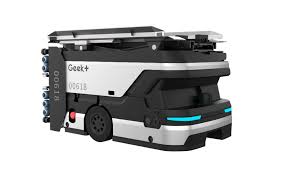
My Jewellery Implements Intelligent Robotics to Boost Warehouse Efficiency in Europe
Dutch fashion jewelry brand My Jewellery is expanding at an annual growth rate of 25% to 30%, launching 30 to 40 new designs weekly for core markets including Belgium, Germany, and France. The rapid growth has created challenges in their backend warehouse operations, where high SKU counts and short update cycles lead to inefficiencies. To address these issues, My Jewellery has adopted Geek+ RoboShuttle solutions, transforming their warehouse into a high-density intelligent storage system that accommodates both B2B and B2C fulfillment lines. The implementation features two types of robots: RS box robots that operate on 8-meter high shelving, retrieving boxes for delivery to workstations, and P40 robots that navigate narrow aisles for box transfer. This dual-robot system enhances space utilization and improves order picking efficiency, allowing employees to complete tasks without extensive searching. CFO Vilmar Bliekendaal noted that employee satisfaction has increased, and the project has quickly paid for itself, significantly boosting output efficiency. The system's scheduling capabilities ensure that robots operate without idle time, handling up to 700 orders per hour, with peak capacity reaching 14,000 orders during high-demand periods. My Jewellery's ongoing automation upgrades signal a commitment to maintaining operational stability, crucial for their rapid growth. The success of this project may serve as a replicable model for other European fashion brands facing similar supply chain challenges.
Warehouse Automation Robotics Fashion Retail Logistics
Exploring the Complexities of RaaS Beyond Subscription Models at RoboBusiness 2026
The Robots as a Service (RaaS) model is gaining attention in commercial robotics due to its potential to transform capital investments into manageable operating expenses. This shift not only enhances accessibility for customers but also provides providers with predictable revenue and stronger customer relationships. However, establishing a successful RaaS business involves more than just offering robots on a subscription basis; it requires strategic decisions regarding pricing, deployment, service coverage, and customer success metrics. The upcoming session titled 'The RaaS Playbook: Pricing, Service, and Scale' at RoboBusiness 2026 will delve into the intricacies of making RaaS effective in practice. Moderated by Mike Oitzman, the panel will feature industry leaders including Rick Faulk from Locus Robotics, Bill Booth from RoboWorx, and Alex Linde from Aescape. Attendees can expect to gain insights into structuring contracts, setting service-level expectations, and understanding the implications of RaaS on customer relationships post-deployment. As the commercial robotics sector seeks scalable adoption strategies, RaaS presents both opportunities and challenges. This session is crucial for robotics founders, executives, and investors aiming to navigate the complexities of RaaS and differentiate between sustainable service models and mere pitches. No further timeline was disclosed at the time of publication.
Business Resources Events News Startups Aescape Locus Robotics
RoboShare Expands Robot Rental Pool with Over 80 Machines and New Orders
AIxCrypto Holdings has announced that RoboShare, its robot-sharing marketplace, has received new short-term and long-term service orders. This follows the company's first paid commercial order, marking a significant milestone in its operations. The initial pool of over 80 robots will serve as the foundation for RoboShare's 90-day plan, which aims to assess demand, utilization, service delivery, and unit economics. This expansion is crucial for understanding the market dynamics and optimizing service offerings. Looking ahead, RoboShare's evaluation period will provide insights into the effectiveness of its rental model and inform future growth strategies. No further timeline was disclosed at the time of publication.
Business News Robotics AIxCrypto commercial robots faraday future
Home Cleaning Robot Sales Reached 11.2 Million Units in Q2, Top Three Brands Strengthened Market Position
In the second quarter of 2026, global sales of home cleaning robots reached approximately 11.2 million units, marking a 21.5% year-over-year increase. This growth rate has decreased from 36.6% in the previous quarter, indicating a return to normalcy in market expansion. However, the report highlights a significant structural differentiation within the market. The dominance of the top three brands in the vacuum cleaning robot segment has solidified, accounting for about 70% of total sales with 7.885 million units shipped. As competition intensifies, smaller brands face increasing challenges in gaining market share, particularly as product features converge and supply chain costs become more transparent. The focus of competition is shifting towards channel efficiency, brand recognition, and scale advantages, which favor leading manufacturers. While the growth of vacuum cleaning robots has slowed, other segments like robotic lawn mowers continue to see high growth, particularly in Europe and North America. Additionally, pool cleaning robots are entering their peak season. Manufacturers must explore growth opportunities beyond vacuum cleaners, with lawn and pool robots presenting validated avenues for expansion. No further timeline was disclosed at the time of publication.
Home Cleaning Robots Market Trends Robotic Lawn Mowers Pool Cleaning Robots
Pudu Robotics Expands European Operations After IFA 2026, Introducing PUDU D7
Pudu Robotics is enhancing its European footprint following its participation in IFA Berlin 2026, where it unveiled its comprehensive range of service robotics. The introduction of the PUDU D7 marks a significant milestone in the company's strategy to establish a stronger presence in the European market. This expansion is crucial as Pudu Robotics aims to tap into the growing demand for commercial service robotics across various sectors, including service delivery, cleaning, and logistics. By showcasing its full portfolio at a major industry event, the company is positioning itself to meet the needs of European customers effectively. Looking ahead, Pudu Robotics' continued focus on localized growth strategies will be key to its success in Europe. No further timeline was disclosed at the time of publication.

Robot Completes 100 Meters in 8.64 Seconds, Usain Bolt Reacts with a Smile
A robot recently achieved a remarkable feat by running 100 meters in just 8.64 seconds, drawing a positive response from Usain Bolt, who smiled at the accomplishment. This event highlights the advancements in robotics and artificial intelligence, showcasing the potential for robots to perform tasks traditionally dominated by humans. The significance of this achievement lies in its demonstration of the capabilities of modern robotics, particularly in speed and agility. As robots continue to evolve, they may play increasingly important roles in various sectors, including sports, entertainment, and beyond. The reaction from Bolt, a world-renowned sprinter, underscores the growing intersection between human athleticism and robotic technology. Looking ahead, it will be interesting to observe how such advancements in robotic performance will influence public perception and acceptance of robots in everyday life. No further timeline was disclosed at the time of publication.
Robotics Automation AI
Lyft Partners with Waymo to Launch Robotaxi Services in Nashville
Lyft has achieved a significant milestone by integrating Waymo robotaxis into its app in Nashville. This partnership allows Lyft to manage fleet services, vehicle maintenance, and depot operations through its subsidiary Flexdrive, enabling customers to hail Waymo robotaxis via both the Waymo and Lyft apps based on availability. This development is crucial as it marks Lyft's first foray into commercial robotaxi services utilizing driverless vehicles without human operators. Previously, Lyft had invested heavily in its own autonomous vehicle technology but shifted focus after selling its AV unit to Toyota’s Woven Planet Holdings for $550 million in 2021. The company is now looking to expand its AV partnerships internationally, particularly in markets like London. Looking ahead, Lyft aims to diversify its robotaxi offerings and enhance its partnerships with Waymo and Baidu. Lyft's executive vice president of growth, Jeremy Bird, indicated that 2026 will be pivotal for the company as it explores international markets where it can implement a hybrid network of autonomous and human-driven vehicles. No further timeline was disclosed at the time of publication.
Transportation Ford Lyft Waymo robotaxis techcrunch mobility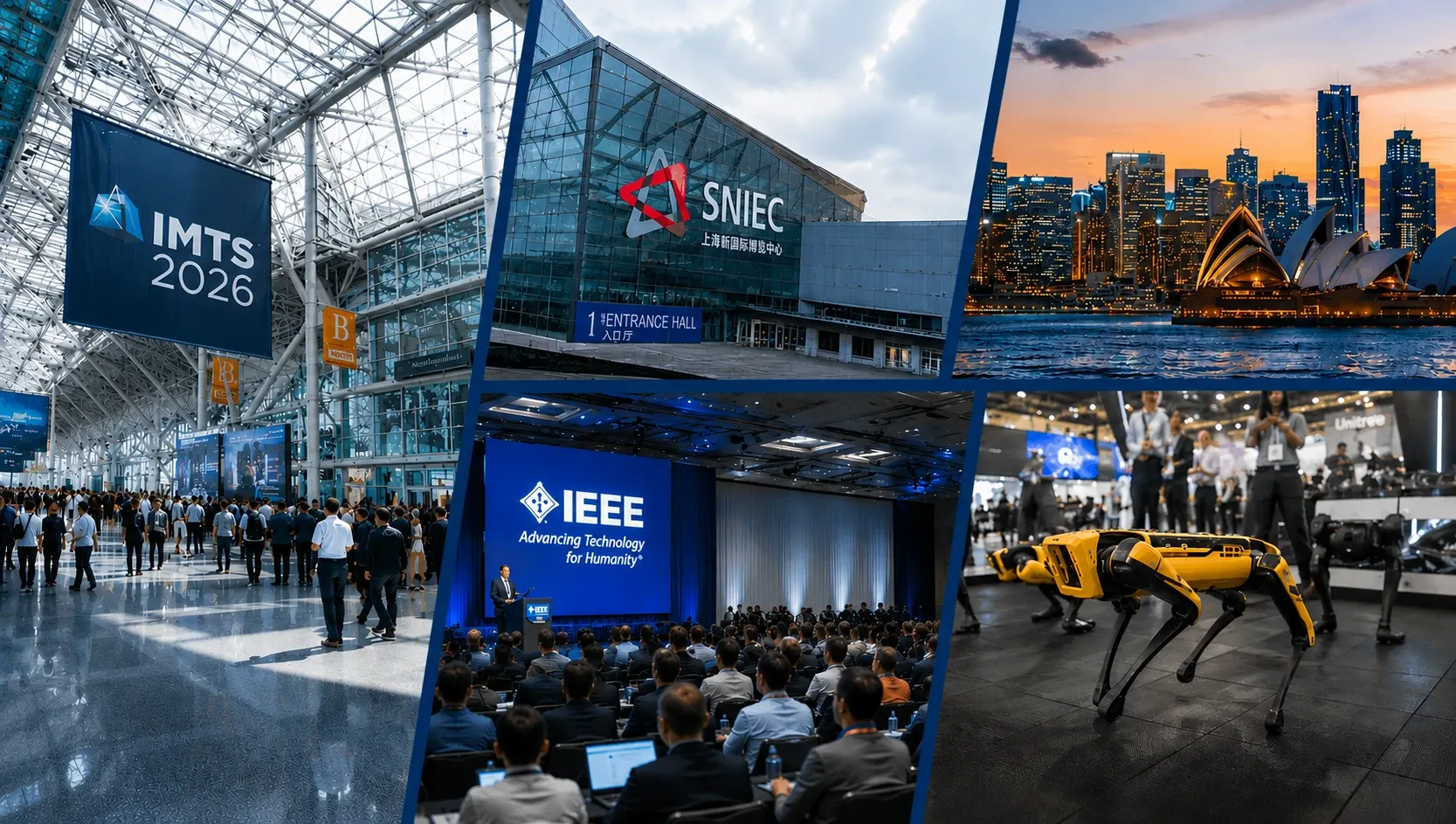
2026H2 Robotics Events Briefing: Tailored Recommendations for Robotics Readers
Discover the ultimate directory of global robotics events in 2026. Tailored briefings for engineers, investors, and founders on humanoid robots, AI, and industrial automation by RobotToday.
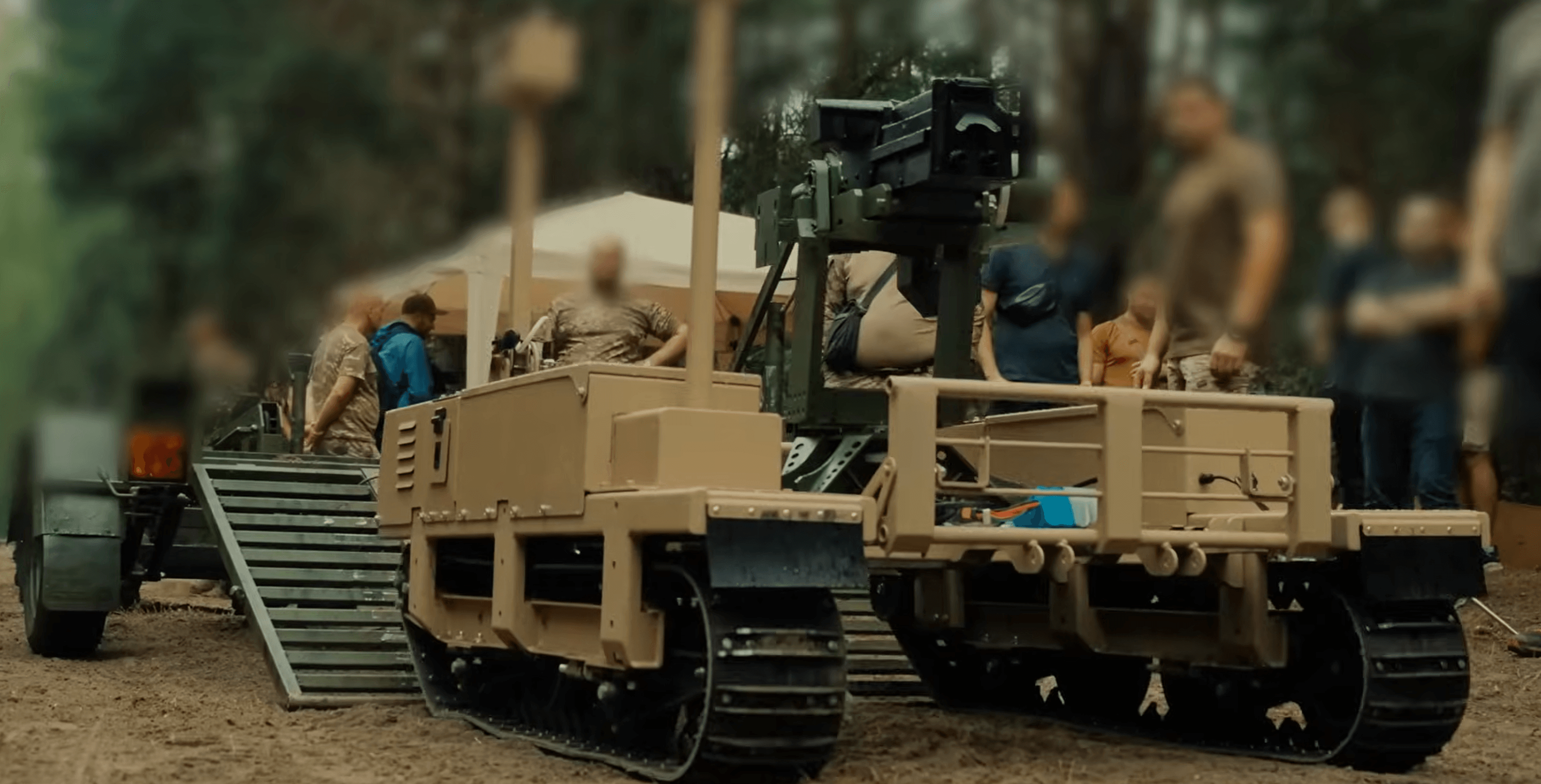
FUTURE WARFARE | Land - Unmanned Ground Vehicles — From Logistics Mules to Front-Line Robots
Ukraine fielded 15,000 unmanned ground vehicles in 2025 — surpassing its own procurement targets by over 100 percent. A single UGV held a front-line position for 45 days. Up to 90 percent of supplies to Pokrovsk now move by robot, not truck. The U.S. Army cancelled its $3 million Robotic Combat Vehicle and is starting over. China is deploying $3,000 robot dogs in PLA urban-warfare exercises. This article maps the emerging UGV battlefield — from Ukraine’s garage-built logistics fleet to the Pentagon’s stalled combat-vehicle ambitions, and from Ghost Robotics’ Vision 60 to the quadruped proliferation problem no treaty has yet addressed.

Vision-Based Tactile Sensing: The Race to Build What Tesla's Optimus Needs
Vision-based tactile sensing (VBT) is emerging as the critical missing piece for Tesla Optimus dexterous hands. This briefing covers the technology, six global milestones, a ten-company competitive landscape, and the Chinese startup ecosystem — including PaXini, Daimon Robotics, DouDong, WeiTi and QianJue.

Wuzhou Xinchun The Rising Mechanical Power Behind Tesla‘s Optimus Humanoid Robot
Discover how Wuzhou Xinchun is becoming a critical mechanical transmission supplier for Tesla’s Optimus humanoid robots with planetary roller screws, micro ball screws, and precision bearings.

Why the Tesla Supply Chain for Optimus is Consolidating in Chinese Yangtze River Delta
Why Tesla’s Optimus supply chain is consolidating in China’s Yangtze River Delta, where actuators, motors, and robotics suppliers enable humanoid scale.

Rongtai‘s Surge In The Tesla Optimus Supply Chain
Learn how Zhejiang Rongtai is emerging as a strategic supplier in Tesla’s Optimus humanoid robot supply chain, providing critical insulation and safety materials.
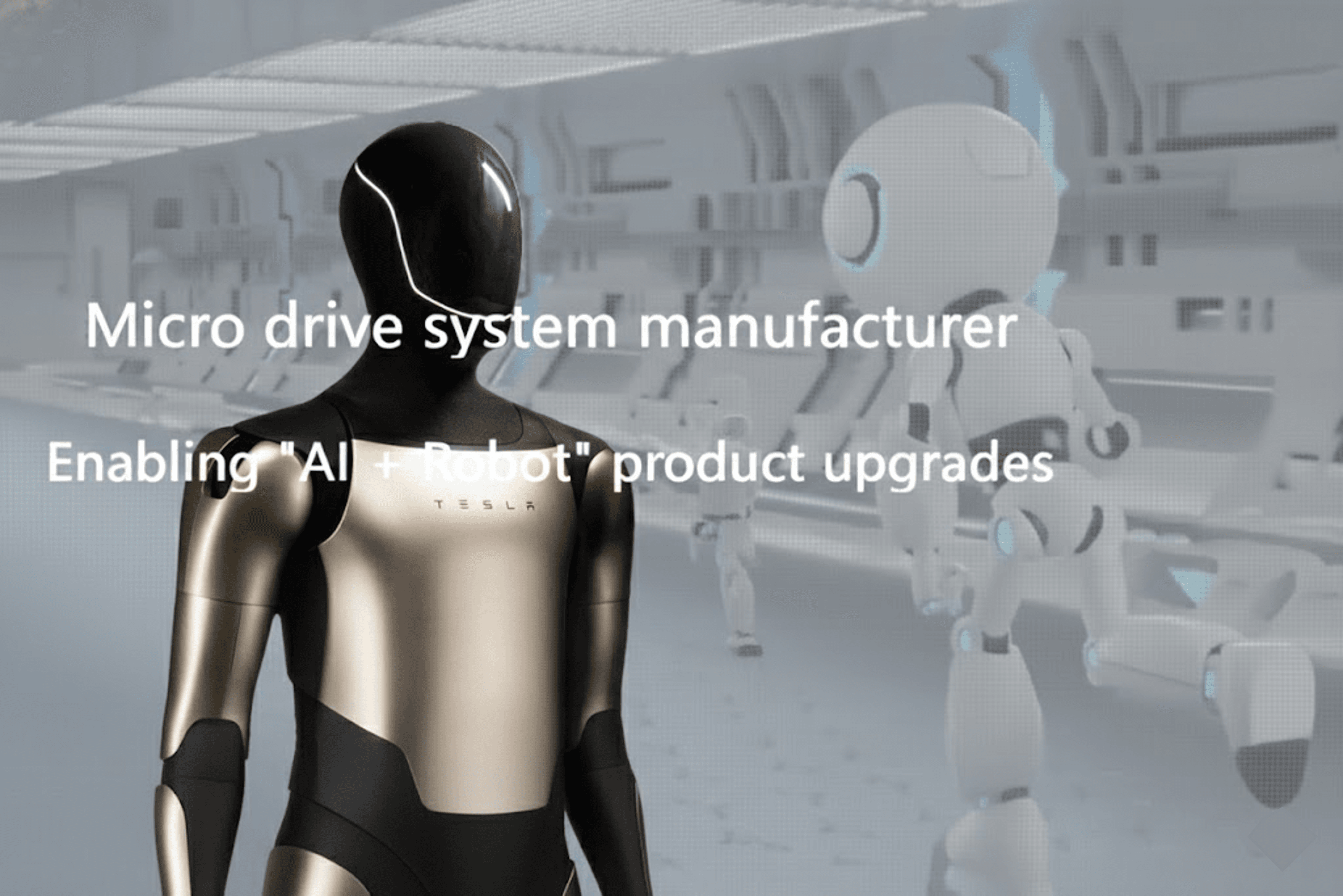
Tesla Supply Chain: How Zhaowei Powers Optimus Humanoid Gearboxes
Explore how Zhaowei is emerging as a key micro-drive and precision gearbox supplier in Tesla’s Optimus humanoid robot supply chain, with global expansion plans
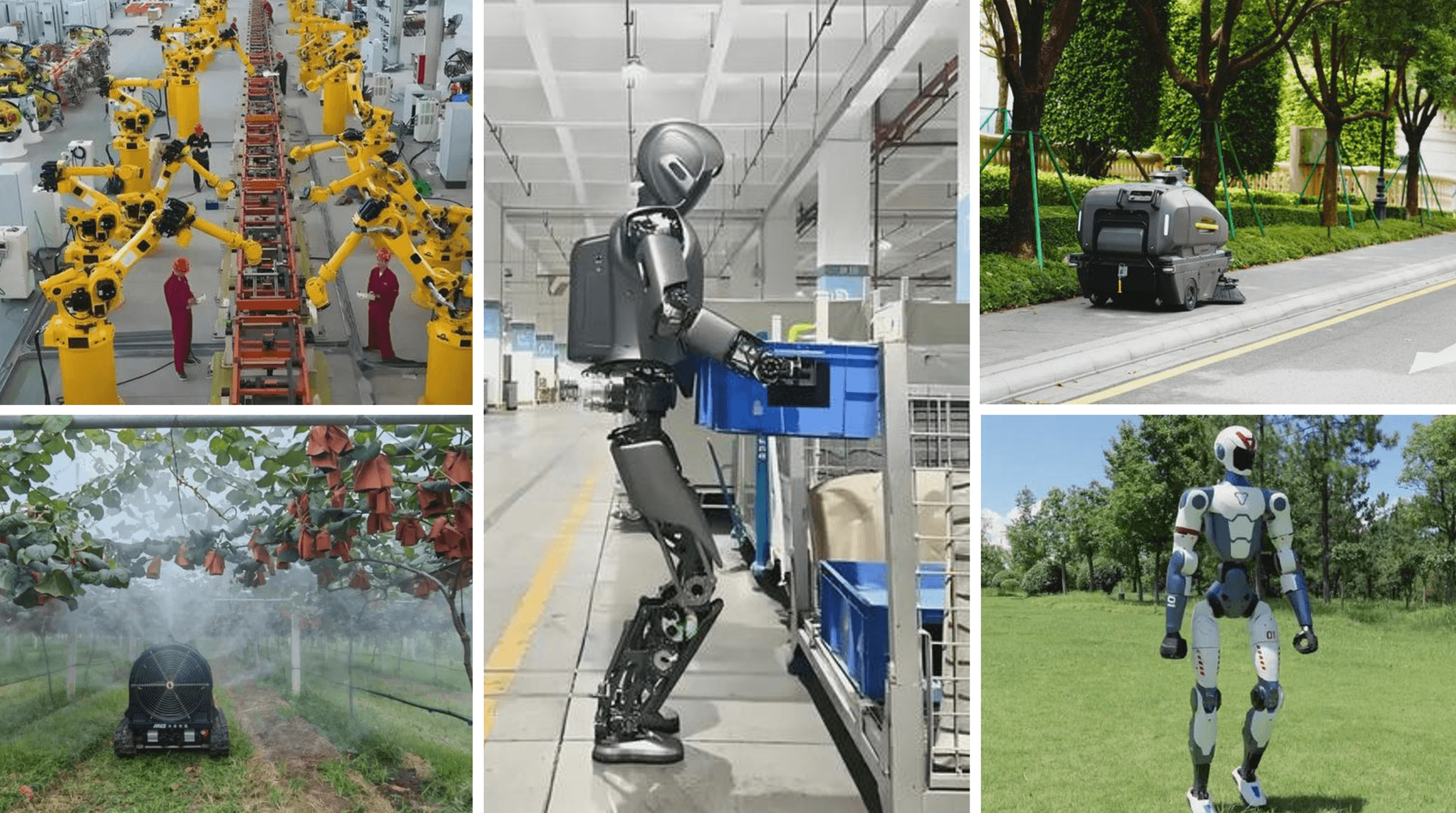
China‘s Robotics Industry Enters the "15th Five-Year" era
China’s robotics sector is accelerating toward global leadership through innovation, supply chain strength, and strategic investments shaping industrial and service robots.
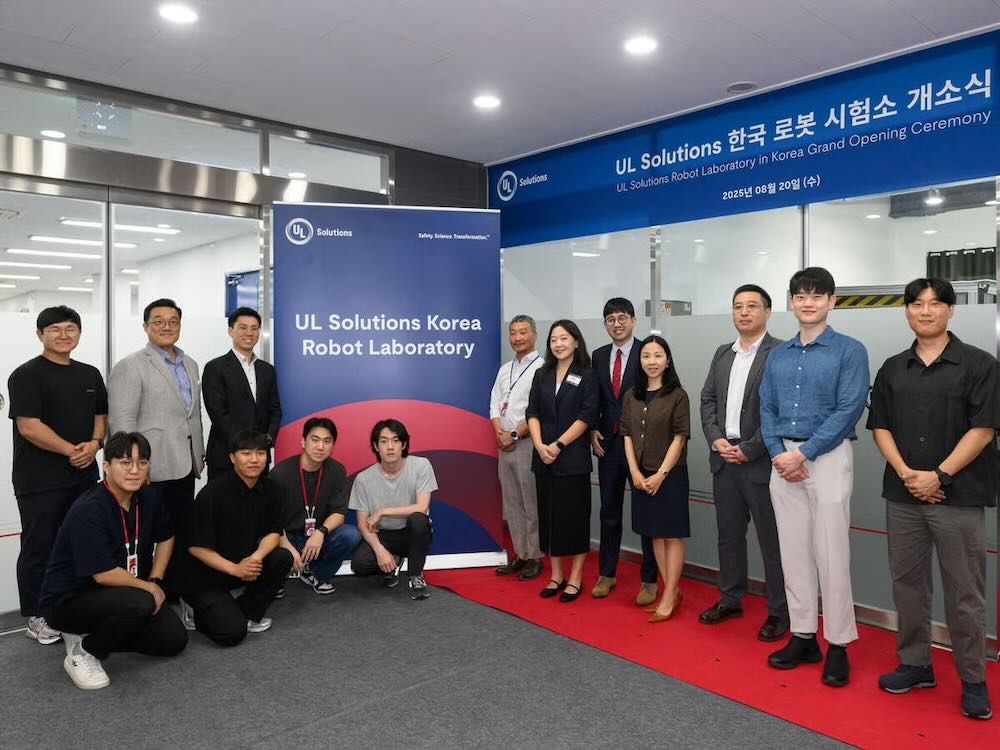
UL Solutions Opens 1st Service Robot Testing Lab
UL Solutions opens its first Service Robot Testing Laboratory, expanding safety, performance, and certification services for commercial and industrial robotics.

Tesla’s Humanoid Robot Supply Chain Comes Into Focus
An in-depth look at Tesla Optimus’ emerging supply chain, revealing key component partners, manufacturing hurdles, and what it means for humanoid robots at scale.


