

Elumotion Ltd
UK robotics engineering company specializing in the design of dexterous robotic hands, wrists and humanoid torso systems that replicate biological motion.
Contact Elumotion Ltd
WEBSITE
http://www.elumotion.comPHONE
01225 466633HEADQUARTERS
United Kingdom

Company Facts
Founded
2002
Primary Role
Manufacturer
Company Size
-
Primary Region
Europe
Annual Sales
-
Funding Stage
-
Funding Total
-
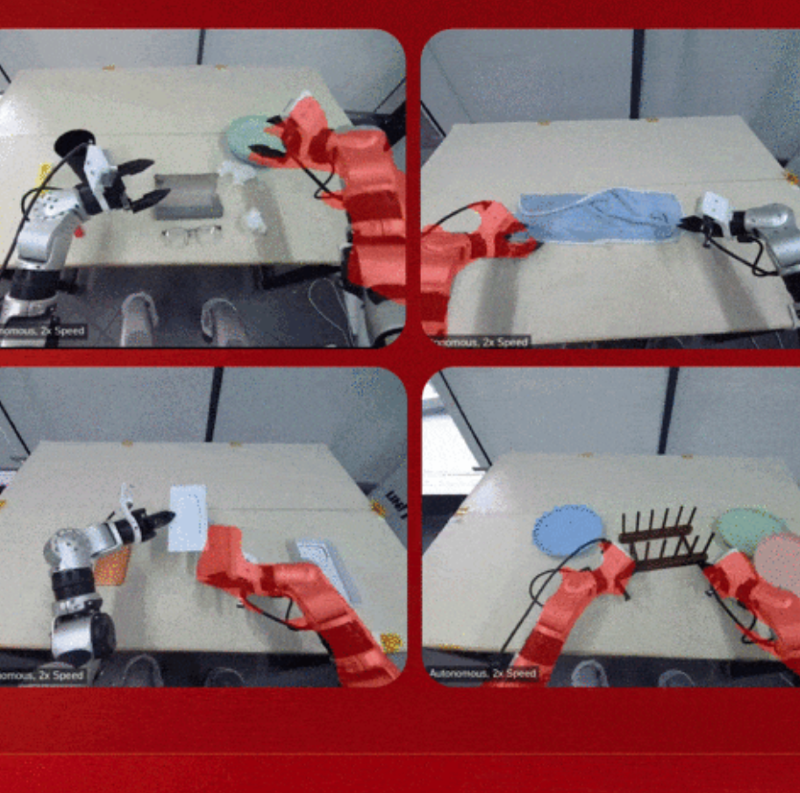
Yushu Launches G1+ Robot Featuring Advanced Perception and Motion Enhancements
Yushu has unveiled the G1+ robot, which includes significant hardware upgrades such as increased neck degrees of freedom, an enhanced vision system with dual cameras and 3D LiDAR, and improved motor torque. The robot's far-field audio system has also been upgraded to support sound source localization and noise reduction, with a total price of 95,000 yuan. This launch is crucial as it showcases Yushu's commitment to advancing humanoid robotics technology. The G1+ robot is part of a series of announcements, including the introduction of the UnifoLM-WLA-1.0 model, which integrates world modeling, language understanding, and action generation. These developments highlight the company's focus on real-time decision-making capabilities in robotics. Looking ahead, Yushu plans to open-source the UnifoLM-WMA-0 model in September 2025, which will predict changes in the environment following robotic actions. Additionally, the UnifoLM-VLA-0 model is set for release in January 2026, further enhancing the robot's operational capabilities. No further timeline was disclosed at the time of publication.
Humanoid Robots AI Robotics Machine Learning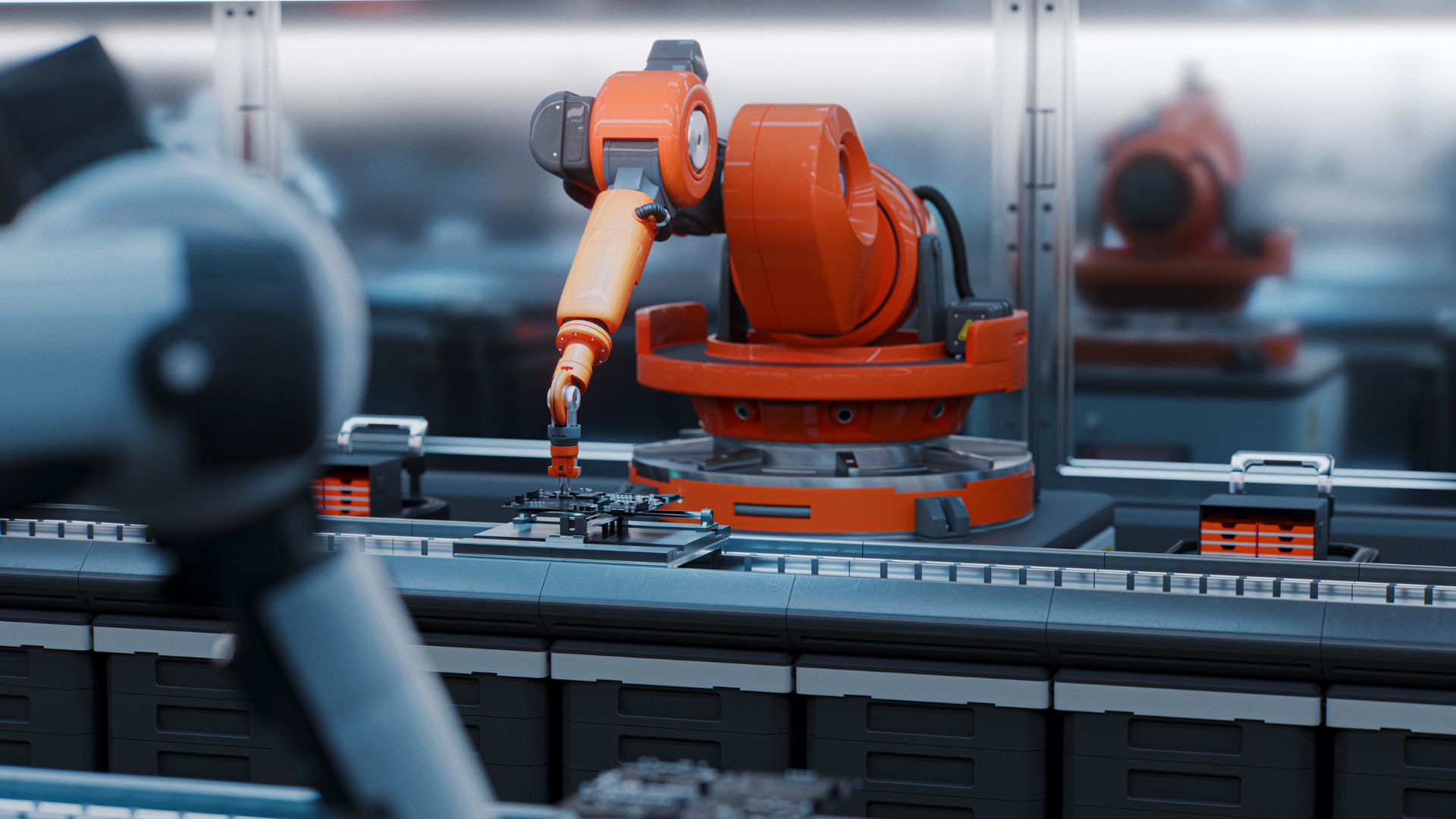
I-care Group Enhances Predictive Maintenance with AI from Amiral Technologies Acquisition
I-care Group has announced the acquisition of Amiral Technologies' assets, including its DiagFit technology, on September 17. This AI system is designed to detect equipment anomalies without relying on historical failure data, allowing for advanced analysis of complex equipment behavior. DiagFit can utilize data from various sensors and operating conditions to identify deviations from normal operating patterns. The significance of this acquisition lies in its potential to improve predictive maintenance in industries where equipment failures are costly and historical failure data is scarce. By establishing a baseline of normal operating behavior, DiagFit can alert engineers to changes, making it particularly useful for monitoring equipment that rarely fails, such as satellites and helicopters. This capability is crucial in sectors like defense and nuclear operations, where early detection is vital. Looking ahead, I-care plans to integrate DiagFit into its AI-enhanced predictive maintenance platform, I-see, enhancing its reliability offerings. The technology also supports on-premises deployment, providing customers with an alternative to cloud-based solutions. No further timeline was disclosed at the time of publication.
AI and Robotics
Drones, Satellites, and Unified Controls Transform ISR Capabilities for US Military
Airborne intelligence, surveillance, and reconnaissance (ISR) are crucial for achieving information superiority in modern warfare. As threats evolve, the integration of drone technology and satellite capabilities is essential for effective information gathering and sharing. The US Air Force plans to accelerate its Massed Modular Aircraft (MMA) program, aiming to deploy 100 drones by 2029 and 500 by 2032, significantly increasing its ISR capabilities. The importance of ISR extends beyond traditional airborne platforms, as the US military recognizes the need for space-based ISR and counter-satellite strategies. The US Space Force Delta 7 is tasked with monitoring adversarial activities and analyzing threats, particularly from nations like Russia and China, which are enhancing their own ISR capabilities in space. This evolving landscape underscores the necessity for the US to maintain its information advantage in all domains of warfare. Looking ahead, the focus will be on the standardization of control interfaces for drone operations, as emphasized by Lt. Gen. Christopher Niemi. The US Marine Corps is also developing its own ISR capabilities, aiming for a common controller software solution. No further timeline was disclosed at the time of publication.
Air Warfare AFA Focus 2026 Air Force Drones intelligence surveillance and reconnaissance ISR
Joby Aviation Achieves Historic 3,199-Mile Autonomous Flight Across the US
Joby Aviation has successfully completed a groundbreaking 3,199-mile autonomous flight across the United States, utilizing a modified Cessna Caravan. The flight, which concluded near North Carolina’s Outer Banks, featured an onboard safety pilot who did not engage with the aircraft's controls, as Joby managed operations remotely from California and South Carolina. This achievement is significant as it demonstrates Joby’s advanced aircraft control technology, allowing the aircraft to autonomously handle critical phases such as taxiing, takeoff, navigation, and landing. The flight also tested the system under various airspace conditions, including severe weather, showcasing the aircraft's ability to adapt to changing environments without prior knowledge of the destination. Looking ahead, Joby Aviation's flight is part of its 2026 Electric Skies tour, with potential applications in commercial cargo, emergency response, and defense logistics. The journey also highlighted the connection between autonomous flight and healthcare logistics, particularly through its support of NCDOT’s eLIFT-NC initiative for transporting medical supplies across the state.
Transportation
Icarus Robotics Conducts First True Microgravity Tests for ISS-Bound Robot JOY
Icarus Robotics is conducting four parabolic flights from September 9 to 11 to test JOY, its free-flying robot designed for the International Space Station (ISS). This marks the first operation of JOY in true microgravity, allowing for critical assessments of its capabilities. The significance of this testing lies in JOY's role in alleviating the workload of astronauts, who are currently limited in number and time. With NASA valuing astronaut time at approximately $130,000 per hour, optimizing robotic assistance for cargo handling and logistics is crucial as the demand for operations in space increases. Looking ahead, JOY is scheduled to launch to the ISS in 2027 as part of the JOYRIDE-1 mission. The data collected from these parabolic flights will be instrumental in refining JOY's systems before its hardware is handed over to NASA in January. No further timeline was disclosed at the time of publication.
News Space embodied ai free-flying robot icarus robotics international space station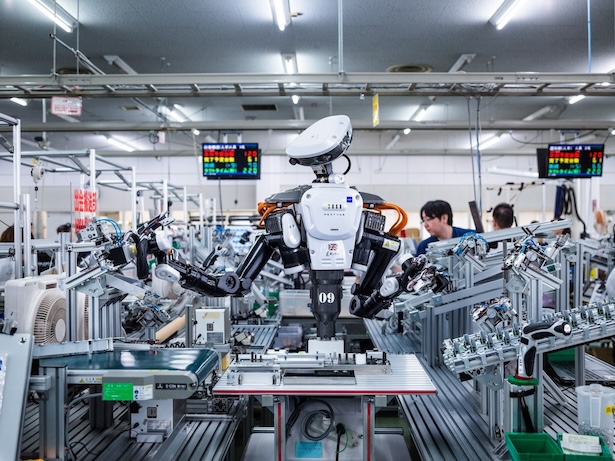
EIT AI Community Transitions to EIT AI & Robotics Community with €80 Million Initiative
The EIT AI Community has evolved into the EIT AI & Robotics Community, a pan-European initiative aimed at fostering the development and commercialization of AI and robotics technologies from 2026 to 2028. The initiative has launched its first call for applications through the AI Entrepreneurs Lab, targeting early-stage founders in AI and robotics. This expansion is significant as it addresses the gap in transforming Europe's world-class robotics research into commercially viable systems. Orestis Trasanidis, head of the AI & Robotics Community, emphasized the importance of supporting AI and robotics together to enhance Europe's competitiveness in critical sectors such as manufacturing and healthcare. Looking ahead, the initiative plans to introduce the FactoryX program later in 2026, aiming to launch 14 innovations and support over 10 high-potential scale-ups. No further timeline was disclosed at the time of publication.
Features Technology ai entrepreneurs lab ai startups artificial intelligence eit
Kidz AI Raises $1.9 Million to Enhance KIDZBot Educational Robotics Platform
Kidz AI has secured $1.9 million from its previously announced $500 million convertible-note financing facility to boost the manufacturing and deployment of its KIDZBot educational robotics platform. The funding will support the expansion of KIDZBot, which is designed to teach robotics, coding, and AI concepts through hands-on applications. This financing is crucial as Kidz AI aims to establish a comprehensive robotics education ecosystem around KIDZBot, integrating hardware, software, curriculum, and educator support. The company has also launched Classover Robix, a subsidiary dedicated to embodied AI hardware and partnerships with educational institutions, enhancing its outreach in the educational sector. Looking ahead, Kidz AI is engaging with educational partners and high school networks for classroom deployments and will showcase its initiatives at the 2026 AI in Education Conference in December. No further timeline was disclosed at the time of publication.
AI AI Funding & Investment Robotics AI in education funding KIDZ AI
Robo Inc. CEO Teddy Haggerty Discusses Robotics Ecosystem Development
In Episode 262 of The Robot Report Podcast, Teddy Haggerty, founder and CEO of Robo Inc., discusses his efforts to create a new business model that integrates robotics with manufacturing and education. Haggerty emphasizes the evolution of Robostore from a distribution-focused entity to a comprehensive robotics education and deployment platform. This shift is significant as it highlights the importance of localized, solution-first approaches in the robotics industry. By redefining connections between various sectors, Robo Inc. aims to enhance the practical application of robotics in everyday settings, which could lead to increased adoption and innovation. Listeners should watch for further developments from Robo Inc. as it continues to push boundaries in robotics and education. No further timeline was disclosed at the time of publication.
6-Axis Autonomous Mobile Robots (AMRs) Collaborative Robots Humanoids Markets / Industries News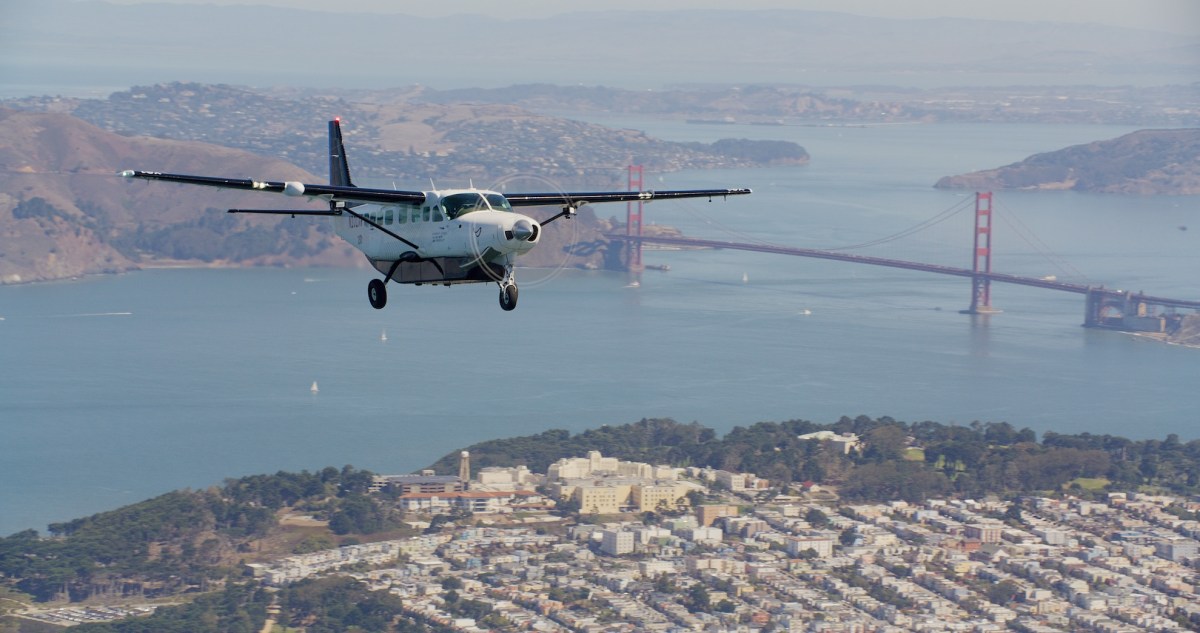
Joby Aviation Achieves 3,100-Mile Autonomous Flight, Expanding Beyond Air Taxis
Joby Aviation successfully completed an autonomous flight exceeding 3,100 miles across the United States, showcasing its advanced autonomy technology. This flight, described as the 'first-ever autonomous flight across the United States,' highlights Joby's ambitions beyond electric air taxis, indicating a strategic shift towards military and logistics applications. The significance of this achievement lies in Joby's demonstration of its autonomy technology's versatility, capable of handling various missions such as medical transport and disaster response. The aircraft, remotely supervised from Joby's California headquarters and Shaw Air Force Base, performed all operations autonomously, with a pilot present solely for compliance. Looking ahead, Joby plans to return the aircraft to the West Coast, with scheduled stops in cities like Louisville and Salt Lake City. The company is also focused on developing a regional airframe equipped with its autonomy stack, supported by a $17 million Air Force contract, and is expanding its defense capabilities following its acquisition of Resonant Sciences for $500 million.
Transportation autonomous flight Joby Aviation
Subsense Expands AI-Driven Nanoparticle Brain-Computer Interface Strategy Without Surgery
Subsense, an AI-native neurotechnology company, has announced a significant expansion of its NanoBCI strategy, which focuses on non-surgical, nanoparticle-based brain-computer interfaces (BCIs). This innovative approach aims to read or stimulate neural activity without the need for permanently implanted electrodes, setting it apart from traditional BCI methods that rely on invasive hardware or external neural activity capture. The development of the first AI-native NanoBCI is crucial as it integrates AI into the entire design process, from nanoparticle candidate evaluation to modeling their navigation within the brain. By utilizing AI upstream, Subsense aims to optimize the design of the interface itself, enhancing the effectiveness of the materials and delivery mechanisms involved in the BCI technology. Looking ahead, Subsense has received $250,000 in Google Cloud credits to further enhance its computational workflows and expand its nanoparticle design exploration. This funding will support the company's efforts to refine its AI infrastructure, ultimately aiming to challenge the existing trade-offs in the BCI field regarding signal quality and surgical intervention.
Computing Engineering News artificial intelligence bci brain technology
China’s Dexterous Hand Industry, 2026 Part 3 — The Players
Five vendor archetypes, MIR’s composite top ten, eight company profiles and six field deployments — every firm linked to the RobotToday supplier directory.

China’s Dexterous Hand Industry, 2026 Part 2 — The Technology
Linkage, tendon, direct drive or hybrid — and why hardware is converging while the DL1–DL5 manipulation scale decides who wins. Part 2 of 3.

China’s Dexterous Hand Industry, 2026 Part 1 — The Demand Picture
MIR Databank puts China dexterous hand shipments above 30,000 units in 2026, yet only 3.5% of 2025 demand came from factory production. Part 1 of 3.
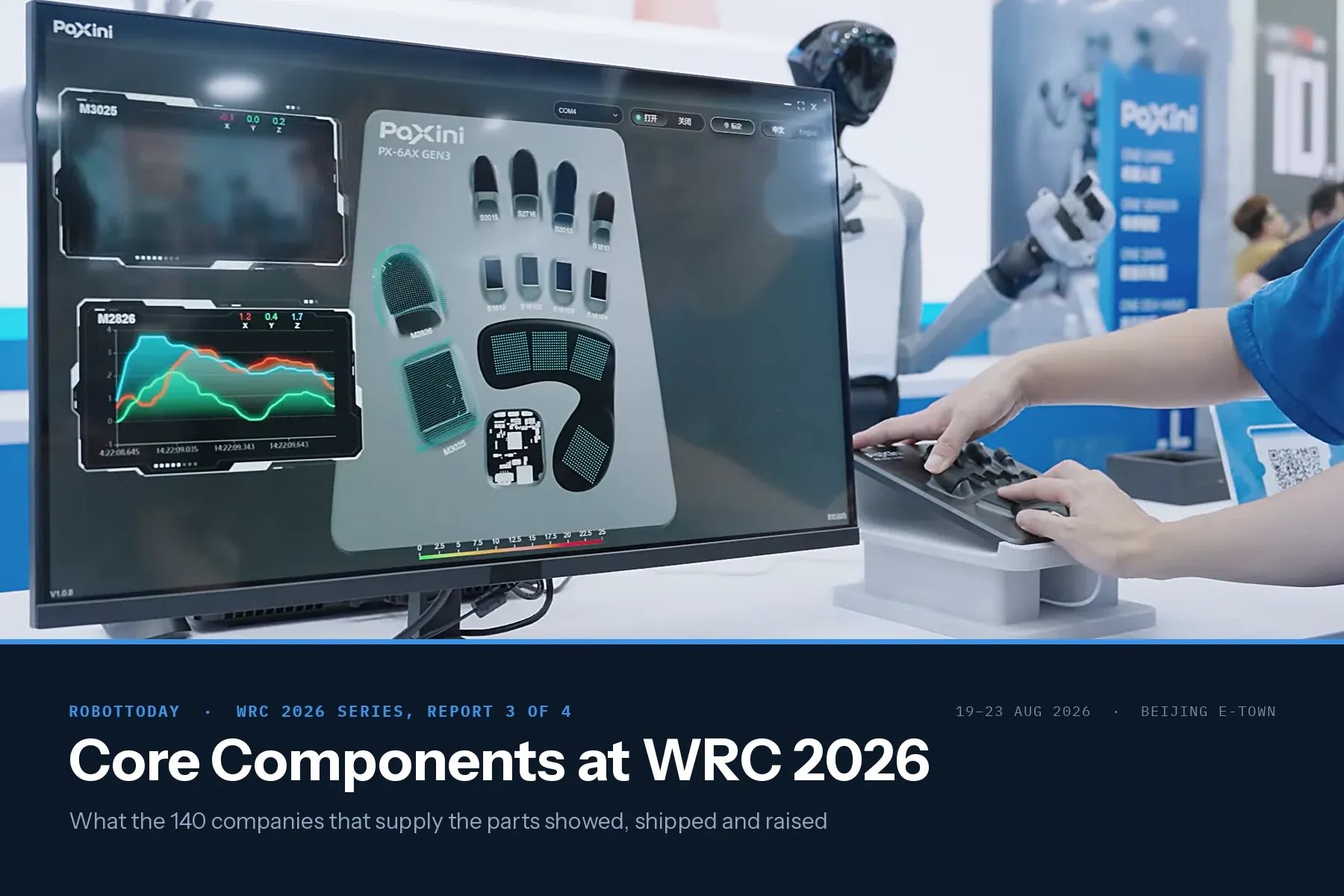
WRC 2026 Core Components: 137 Robot Parts Suppliers
The third report in the WRC 2026 series. Report 1 mapped all 248 exhibitors by category and Report 2 covered the 139 that build finished robots. This one covers the 137 that build what goes inside them.
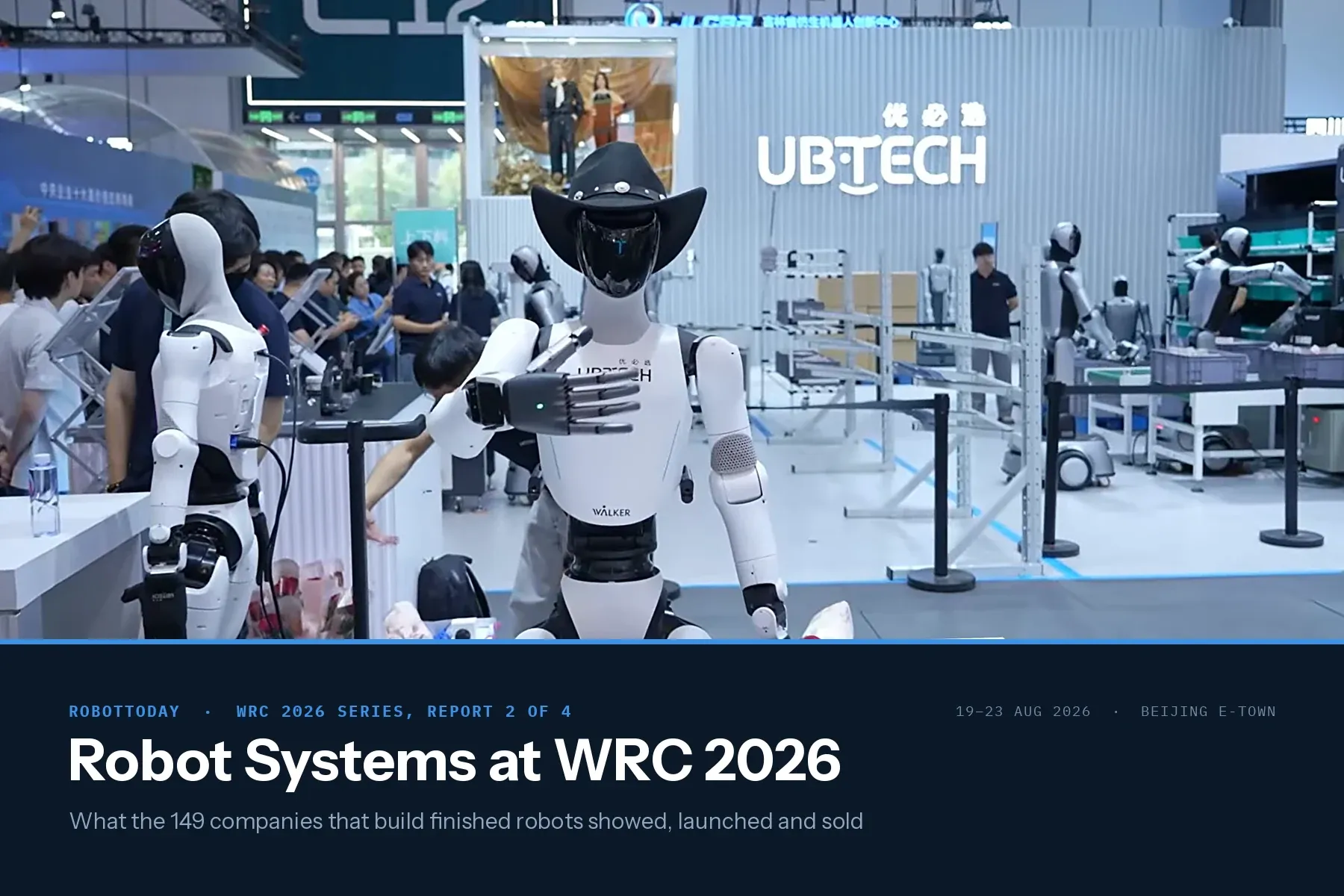
WRC 2026 Robot Systems: 149 Companies That Build Robots
149 of the 248 classified WRC 2026 exhibitors build finished robots. 93 build humanoid or legged machines. The audited humanoid sales number is one unit.
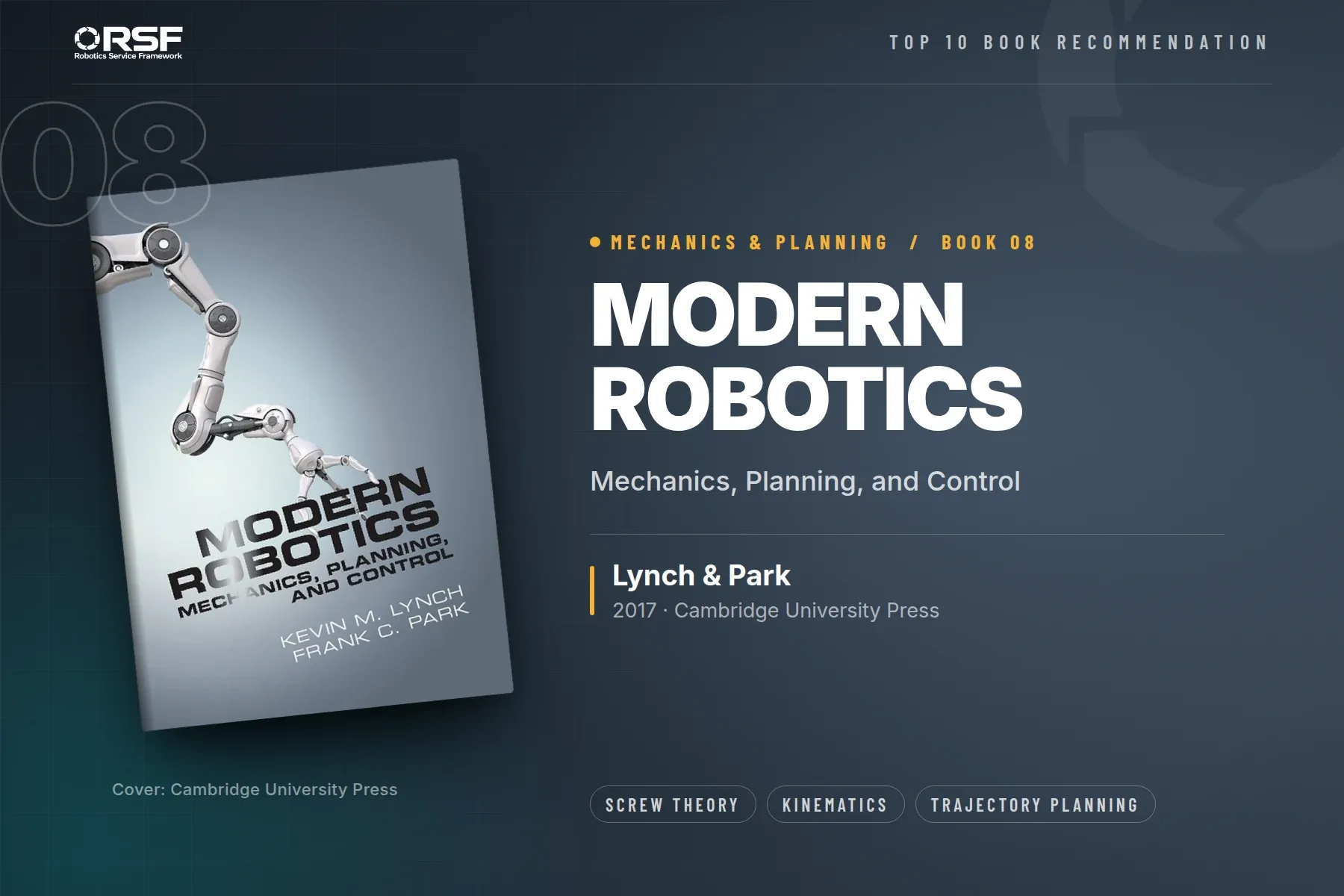
Modern Robotics K. M. Lynch & F. C. Park — RSF Top 10 Robot Education Textbooks · No. 8
The book the field agreed to make free: full preprint PDF, video lectures and open code from the authors. Screw theory and kinematics, taught rigorously.

Robotics, Vision and Control Peter Corke — RSF Top 10 Robot Education Textbooks · No. 5
Most books you read; Corke's you run. Every concept ships as executable Python via the open Robotics Toolbox. The code softens the maths.
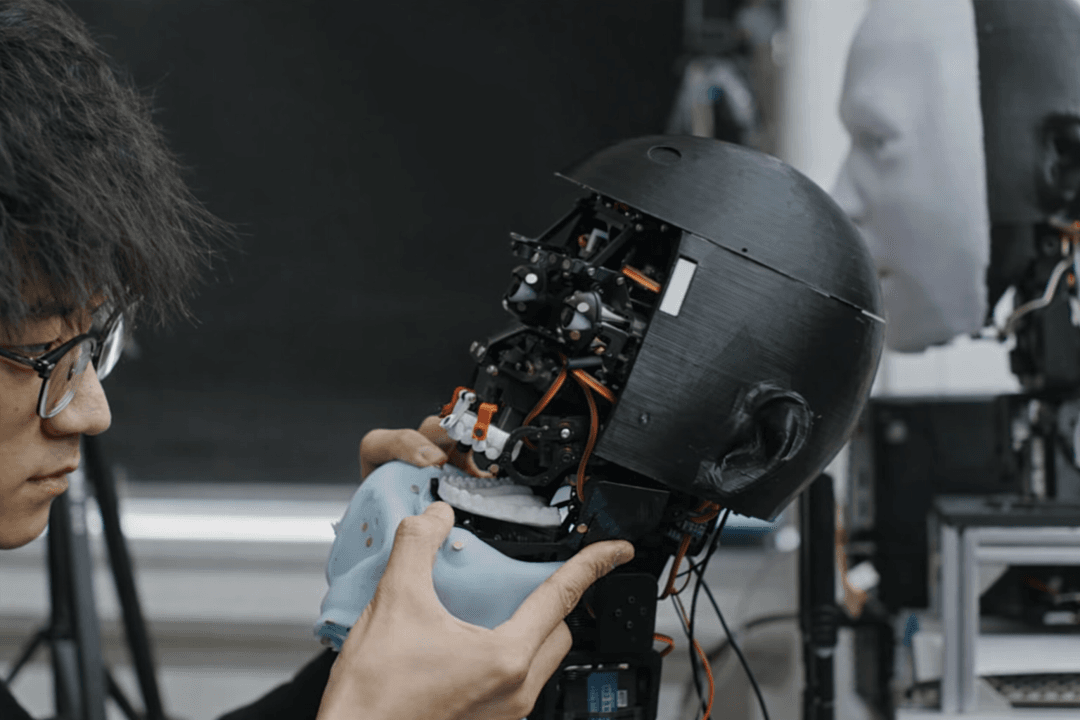
Columbia's Emo: Solving Robot Face Problem
Columbia's Emo robot breakthrough reveals why facial biomimicry is robotics' second hardest challenge. Analysis of tech barriers and 2028-2030 timeline.
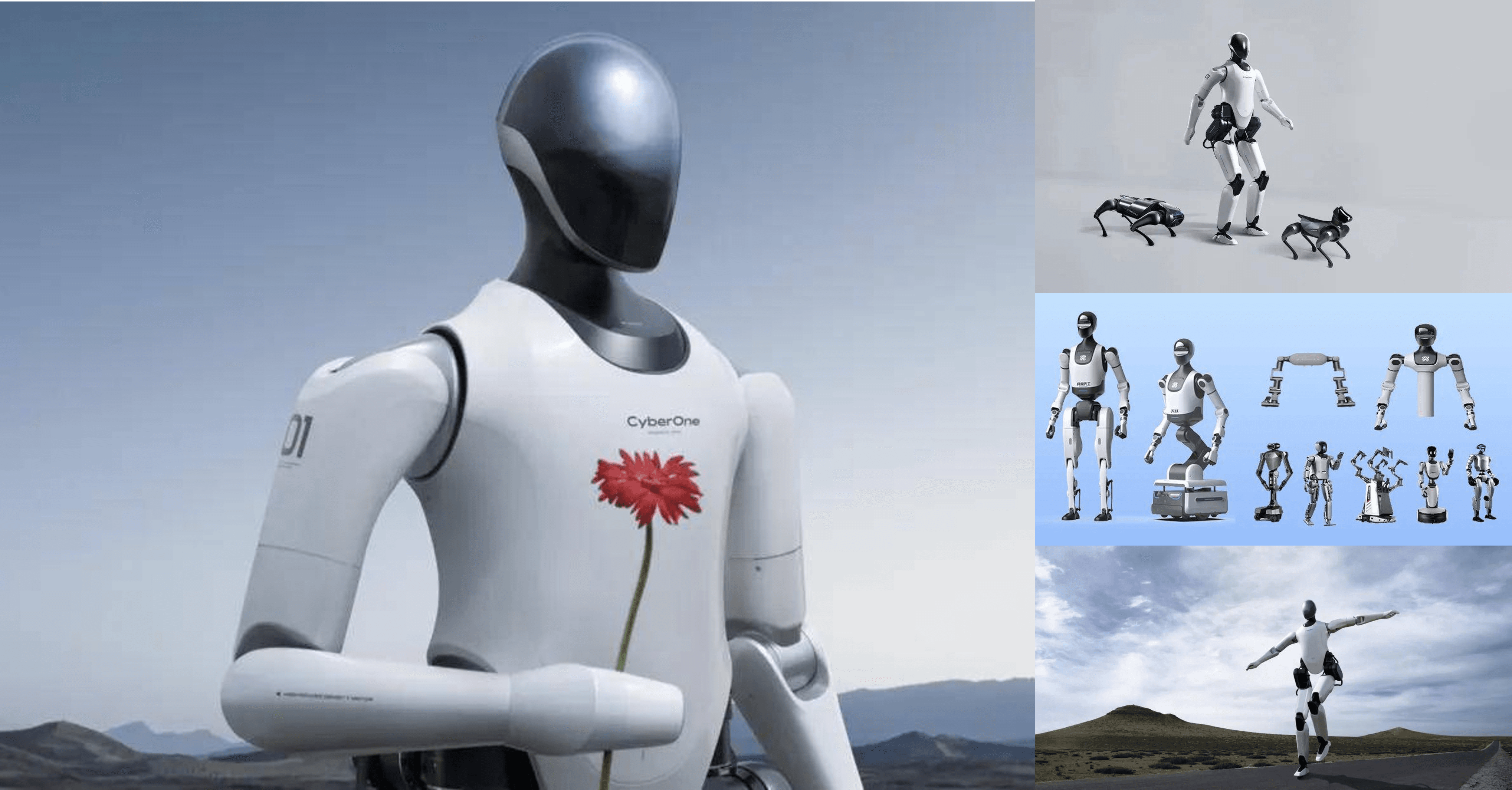
Xiaomi Unveils Cyber One A Aeap Into The Next Generation Of Humanoid Robotics
Xiaomi introduces Cyber-One, its next-gen humanoid robot featuring advanced perception, mobility, and human-robot interaction for real-world applications.

CIIF 2025: Three Robotics Trends Define China’s Next Phase of Smart Manufacturing
CIIF 2025 highlights China’s next smart manufacturing phase, shaped by industrial robotics scale-up, humanoid pilots, and AI-driven automation systems.


