


GPT-6 Astra's performance in robotics evaluations has shown significant advancements, surpassing open-source models in a recent MolmoSpaces assessment. The model achieved a score of 70.5%, outperforming competitors like Cosmos3 and MolmoAct-2, which scored 53.0% and 38.6%, respectively. This progress highlights the potential of general-purpose reasoning in robotic control, particularly in tasks that require object identification and movement reasoning.
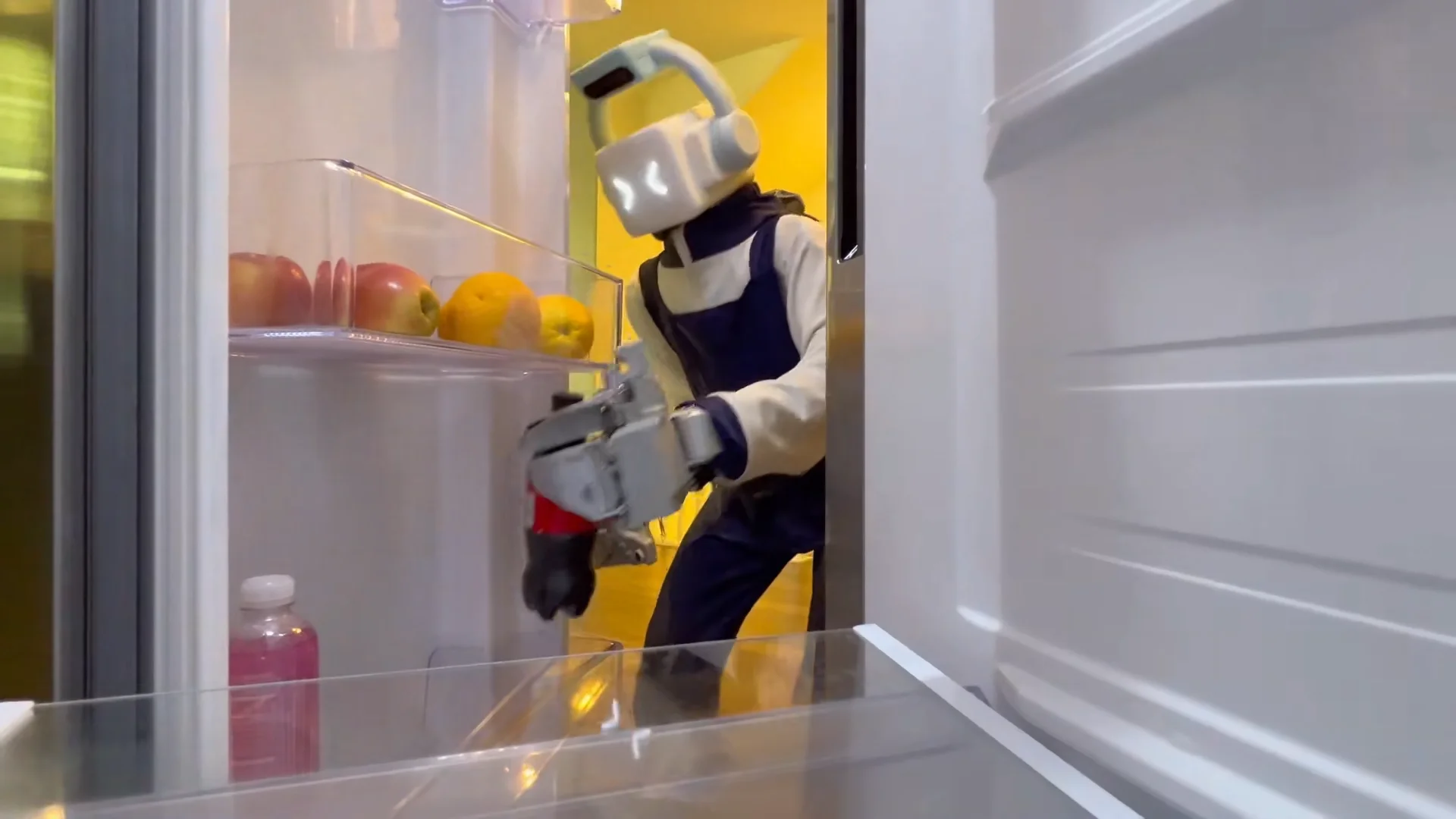
The implications of these findings are substantial for the robotics industry, as they suggest that general-purpose models like Astra can effectively contribute to complex robotic tasks. However, dedicated robotics policies still excel in more challenging manipulation tasks, indicating that while Astra is making strides, there are limitations in its physical task execution capabilities. The ongoing debate about the role of general-purpose reasoning in robotics is gaining traction, especially following Astra's real-world demonstrations.
Looking ahead, the robotics community will be keen to observe how Astra's capabilities evolve, particularly in physical environments. The results from the MolmoSpaces benchmarking provide a foundation for further exploration of general-purpose models in robotics, but the need for dedicated solutions in specific manipulation tasks remains. No further timeline was disclosed at the time of publication.
Editor's Note
The advancements in general-purpose models like GPT-6 Astra signal a pivotal shift in robotics, particularly in how reasoning can enhance robotic control. As these models continue to evolve, they may reshape the competitive landscape, prompting a reevaluation of dedicated robotics policies versus general-purpose solutions. Industry stakeholders should monitor these developments closely to understand their implications for automation and intelligent manufacturing.



























Leave a comment