


Yanu
Estonian startup making AI-powered autonomous bartender robots; serves 100 drinks/hour via AI chatbot; deployed at airports, stadiums, and events worldwide.
Contact Yanu
WEBSITE
https://yanu.aiPHONE
1000-1500HEADQUARTERS
Estonia

Company Facts
Founded
2018
Primary Role
Manufacturer
Company Size
-
Primary Region
Europe
Annual Sales
-
Funding Stage
-
Funding Total
-
Youdi Robotics Lists on Hong Kong Stock Exchange with 142% Initial Surge
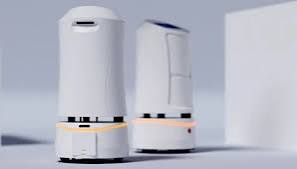
On September 9, 2026, Youdi Robotics officially debuted on the Hong Kong Stock Exchange, with an opening surge of 142% from its issue price of HKD 14.45, reaching HKD 37.5 at midday, resulting in a market capitalization exceeding HKD 15.6 billion. The company, known for its delivery robots in hotel corridors and office lobbies, has become a new player in the commercial service robotics sector. Founded in 2013 by Lu Ying and a co-founding team from the autonomous driving field, Youdi Robotics launched its first indoor delivery robot, Youxiaomei, in 2016. By 2025, the company is projected to be the third-largest supplier of commercial service robots in China, holding an 8.9% market share. Despite a revenue growth from CNY 244 million in 2023 to CNY 318 million in 2025, the company has not yet achieved profitability, with losses narrowing from CNY 251 million to CNY 111 million during the same period. Investors include Alibaba and Hainan Yunfeng, indicating strong industry support, particularly from the hotel sector, which is a key deployment area for delivery robots. The IPO proceeds will primarily fund R&D, business expansion, and sales infrastructure, signaling a shift in the commercial service robotics sector towards deeper technological development. No further timeline was disclosed at the time of publication.
Delivery Robots Commercial Robotics AI Technology IPO Robotics Industry
EX Robots Unveils Hyper-Realistic Humanoid Robots for Cultural Tourism Experiences
In September 2026, EX Robots, a tech innovation company, emerged in the public eye during a visit to Dalian Jinshitan National Tourism Resort. Unlike traditional industrial applications, EX Robots focuses on deploying hyper-realistic humanoid robots in science museums, commercial districts, and educational settings, aiming to enhance human-robot interaction through lifelike features and emotions. The significance of this development lies in EX Robots' unique technological approach and its potential to transform cultural tourism. Established in 2013, the company has transitioned from silicone doll exports to bionic robotics, leveraging overlapping technologies such as silicone skin and skeletal drives. With over 160 core intellectual properties, EX Robots has made significant advancements in flexible joints and intelligent expressions, positioning itself for growth in both consumer and business markets. Looking ahead, the demand for humanoid robots is expected to surge, with projections indicating a market value of $1.1 billion by 2030 for companion-type robots. However, challenges such as high costs, empathy limitations, and ethical concerns regarding human likeness remain. EX Robots' President, Li Boyang, emphasizes the need for patience and understanding as the market evolves, highlighting the company's differentiated strategy centered on emotional engagement.
Humanoid Robots Cultural Tourism AI Technology Robotics Innovation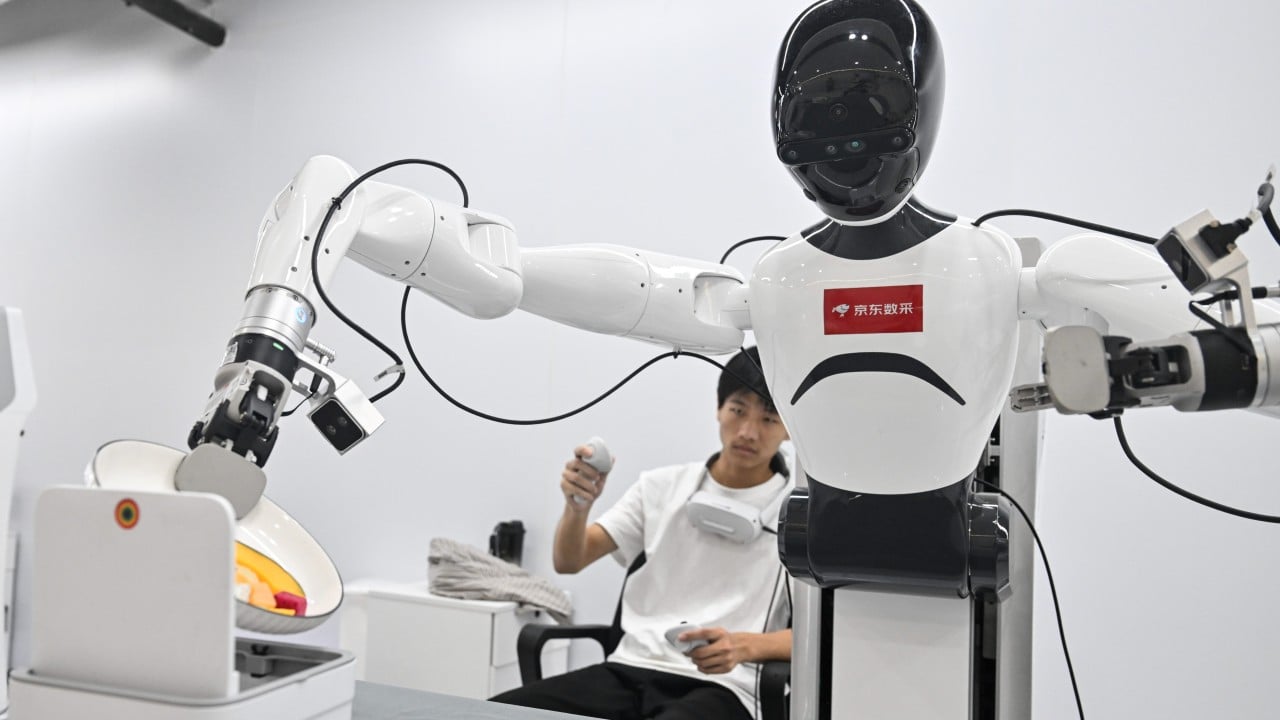
JD.com Plans to Deploy 3 Million Robots to Automate Logistics Network in China
JD.com is intensifying its automation efforts by planning to deploy 3 million robots across its logistics network over the next five years. This initiative includes the introduction of the Wolf Robot series, which is designed to handle repetitive tasks and operate in challenging environments, as confirmed by Liu Lige, head of embodied intelligence robots at JD Logistics. The move is significant as it aims to create a fully automated supply chain while addressing potential job displacement among its workforce of 700,000 delivery and logistics personnel. JD.com is committed to retraining its couriers for technical roles, such as robot maintenance, under its Nirvana Plan, which was outlined by founder Liu Qiangdong earlier this year. Looking ahead, JD.com’s ambitious plan to integrate 1 million unstaffed vehicles and 100,000 delivery drones alongside the robots will be crucial in shaping the future of logistics in China. No further timeline was disclosed at the time of publication.
Excelland Robotics Develops Reliable Robots for Diverse Commercial Applications
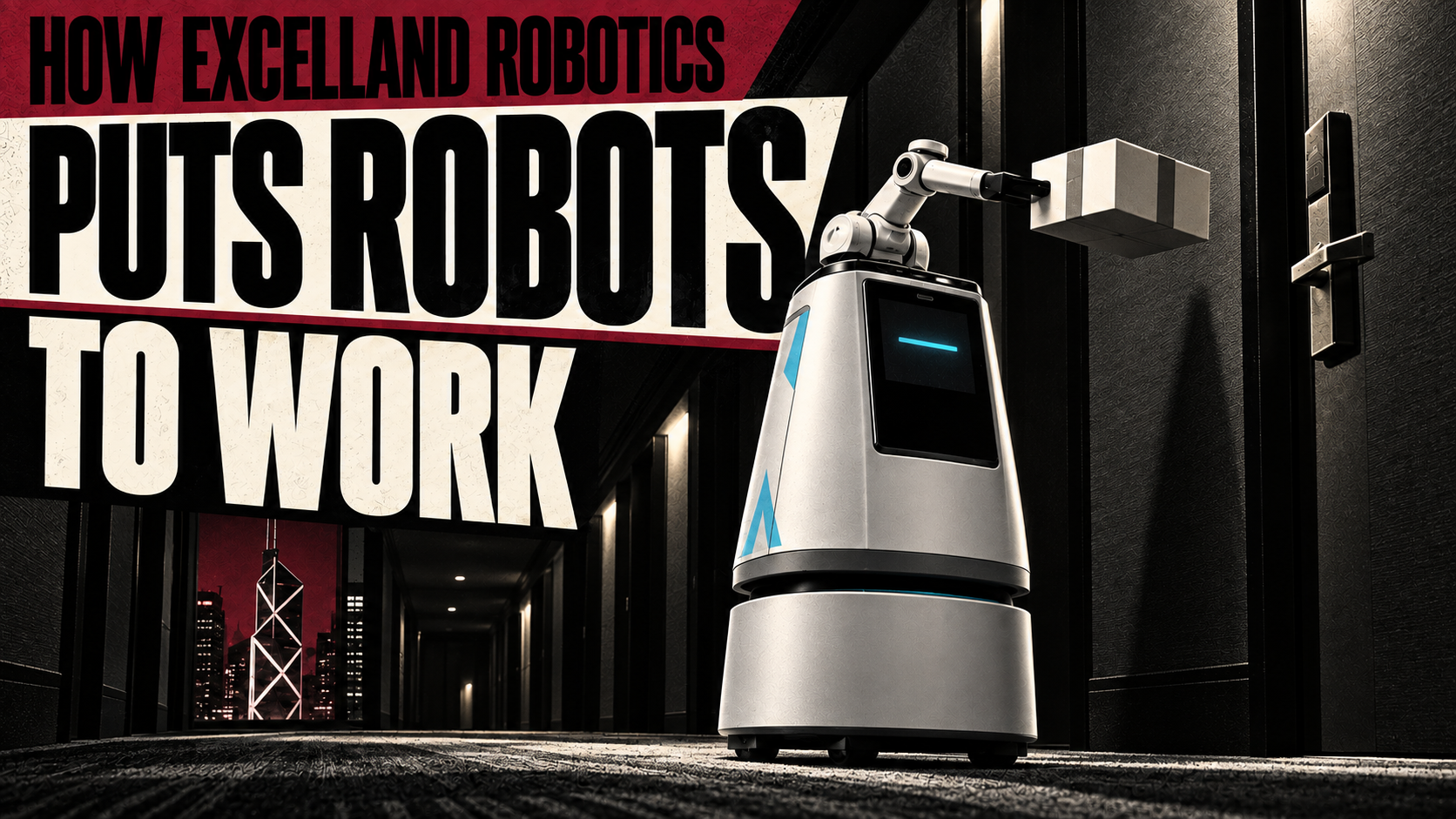
Excelland Robotics, founded in Shenzhen in 2013, has been enhancing the role of robots in commercial settings for over a decade. The company has sold more than 114,600 robots to over 5,100 customers worldwide as of March 2026, focusing on specific tasks that allow for gradual technology expansion in various environments. The significance of Excelland's approach lies in its ability to address the needs of businesses facing rising labor costs and high staff turnover. By introducing robots like Yomie and Yodee, the company has enabled hotels and entertainment venues to automate repetitive tasks, allowing human staff to concentrate on more complex responsibilities. Looking ahead, Excelland Robotics is preparing for a public listing in Hong Kong as Excelland Robotics (Wuxi) Co. Ltd. No further timeline was disclosed at the time of publication. The company's ongoing commitment to developing task-specific robots will be crucial as it continues to adapt to the evolving demands of the commercial robotics market.
Heavy Hitters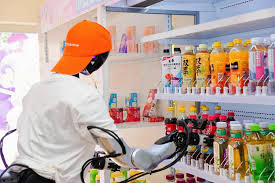
Humanoid Robots Tested as Store Assistants in Hefei's Real-World Retail Experiment
On August 26, 2026, a humanoid robot named 'Xiaomai' was seen assisting customers in Hefei, quickly retrieving items after they placed orders via QR codes or voice commands. This initiative marks one of the first large-scale implementations of embodied intelligent robots in unmanned retail in Anhui Province, with a reported order fulfillment rate of 99% after months of testing. The significance of this experiment lies in its real-world application, as the robots operate in bustling areas rather than controlled environments, allowing them to adapt to unpredictable customer interactions. The project is backed by Hefei Guoxian Holdings and Zero Degree Robotics, which emphasizes the need for robots to perform reliably in dynamic settings, addressing challenges related to product variability and operational stability. Looking ahead, Zero Degree Robotics plans to expand its network of robotic stores to 500 locations by 2026 and aims for 2,000 by 2027. This initiative reflects Hefei's strategic investment in the robotics industry, including a 20 billion yuan public service platform to support the development of intelligent robots, showcasing a promising future for humanoid robots in everyday retail settings.
Humanoid Robots Retail Automation AI Robotics Smart Technology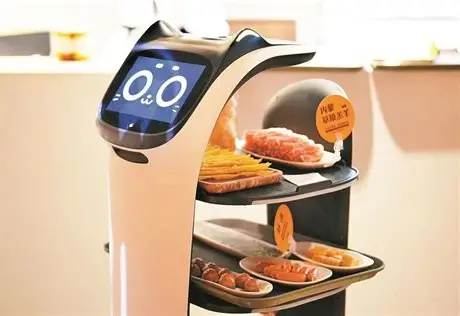
Robot Deliveries Begin Operations in Washington D.C. as New Urban Delivery Workforce
In the summer of 2026, residents of Washington D.C. began receiving their food deliveries from a new type of delivery agent—a box-shaped, four-wheeled robot quietly navigating the sidewalks. In July 2026, the D.C. Department of Transportation officially issued operating permits for sidewalk delivery devices to Serve Robotics and Coco Robotics, expanding from a pilot program near George Washington University to residential areas like Dupont Circle and parts of downtown. The initial operational scale is set at 25 robots per company, covering approximately one square mile. Serve Robotics announced a partnership with DoorDash to launch delivery services and later collaborated with Grubhub to extend its delivery network to Chicago, Los Angeles, and Alexandria. Serve CEO Ali Kashani noted the rapid expansion of their robots from a few blocks to new cities, including San Jose and Washington D.C. These delivery robots employ a low-profile strategy, integrating seamlessly into existing delivery services without requiring customers to download new apps. The goal is to simplify service, with devices like the Beacon notifying restaurant staff when robots arrive. As Serve Robotics refines its operations, it has deployed over 2,000 robots nationwide, serving over 4,000 restaurants and expanding into hospital robotics with the acquisition of Diligent Robotics, introducing the Moxi 2.0 hospital robot with enhanced capabilities.
Robot Delivery Urban Robotics Last-Mile Delivery AI Technology
Dynamic Creatures Launches Interactive Robots for Entertainment and Hospitality Sectors
Dynamic Creatures has emerged from stealth mode to create mobile character robots aimed at the entertainment and hospitality industries. Backed by notable investors including Eniac Ventures and Kindred Ventures, the company is collaborating with Boston Dynamics to develop robots that can navigate guest environments and interact in real time. The significance of this development lies in the unique positioning of Dynamic Creatures' robots, which bridge the gap between traditional animatronics and functional service robots. Unlike typical hospitality robots that follow fixed routines, these mobile characters are designed to respond to individual guests, enhancing the interactive experience in venues such as theme parks and hotels. Looking ahead, Dynamic Creatures has introduced its AI and robotics platform, SnowJay, which enables these characters to engage naturally with their surroundings. The company is targeting various entertainment venues and has plans for future applications in luxury retail and automotive experiences. No further timeline was disclosed at the time of publication.
AI AI Funding & Investment Robotics BlueGrass Ventures Boston Boston Dynamics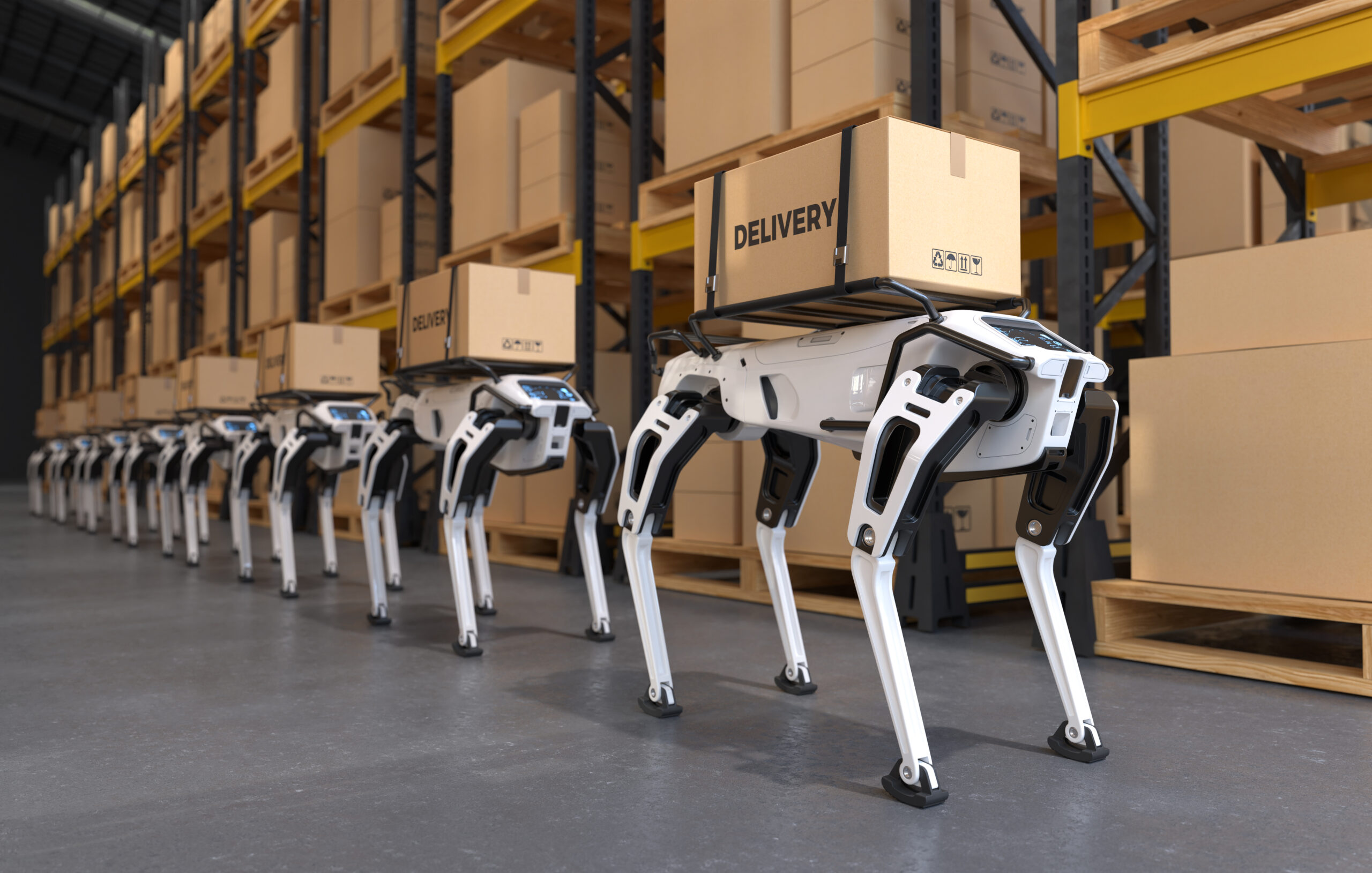
New U.S. Robotics Import Rules Affect European Market Dynamics
The U.S. Federal Communications Commission (FCC) has recently implemented stricter regulations regarding the importation of foreign-made robotics, impacting European suppliers. While existing European robotic systems authorized for sale in the U.S. are not immediately affected, new foreign-produced mobile robots will require additional FCC authorization, complicating the supply chain for many companies. This regulatory shift aligns with the U.S. government's heightened scrutiny of Chinese technology suppliers, raising concerns about intensified competition among U.S., European, and Chinese robotics firms. Exotec, a French warehouse robotics company, highlights that these measures could inadvertently make Europe a more appealing market for Chinese manufacturers, despite the absence of a blanket ban on foreign-made warehouse robots in Europe. As European companies navigate these changes, the emphasis will be on supply chain transparency, cybersecurity, and service capabilities. The evolving landscape suggests that while the U.S. measures may not immediately disrupt existing operations, they could reshape competitive dynamics in the robotics sector, particularly as companies assess their compliance with new security and regulatory requirements.
Materials Handling Robotic Picking Exotec Foreign-made Robotics Rules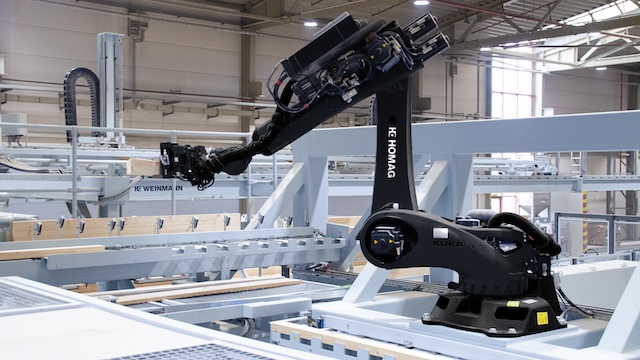
Geek+ Announces H1 2026 Results: 35.5% Growth in Orders and 75% Increase in Subscription Services
Geek+, a warehouse robotics manufacturer based in Hong Kong, has released its interim results for the six months ending June 30, 2026. The company reported a significant year-on-year increase in new signed orders, which rose by 35.5%, indicating strong demand for its solutions. The growth in orders is particularly notable in the services sector, which expanded at more than double the rate of the overall company. This shift reflects Geek+'s strategic move to transition customers from one-time equipment purchases to long-term operational contracts, enhancing customer retention and revenue stability. Looking ahead, Geek+ is expected to continue focusing on its subscription services, which saw a remarkable 75% increase. This trend suggests a growing preference among clients for ongoing support and operational efficiency. No further timeline was disclosed at the time of publication.
Financials & Investments News Warehouse robots amrs autonomous mobile robots embodied intelligence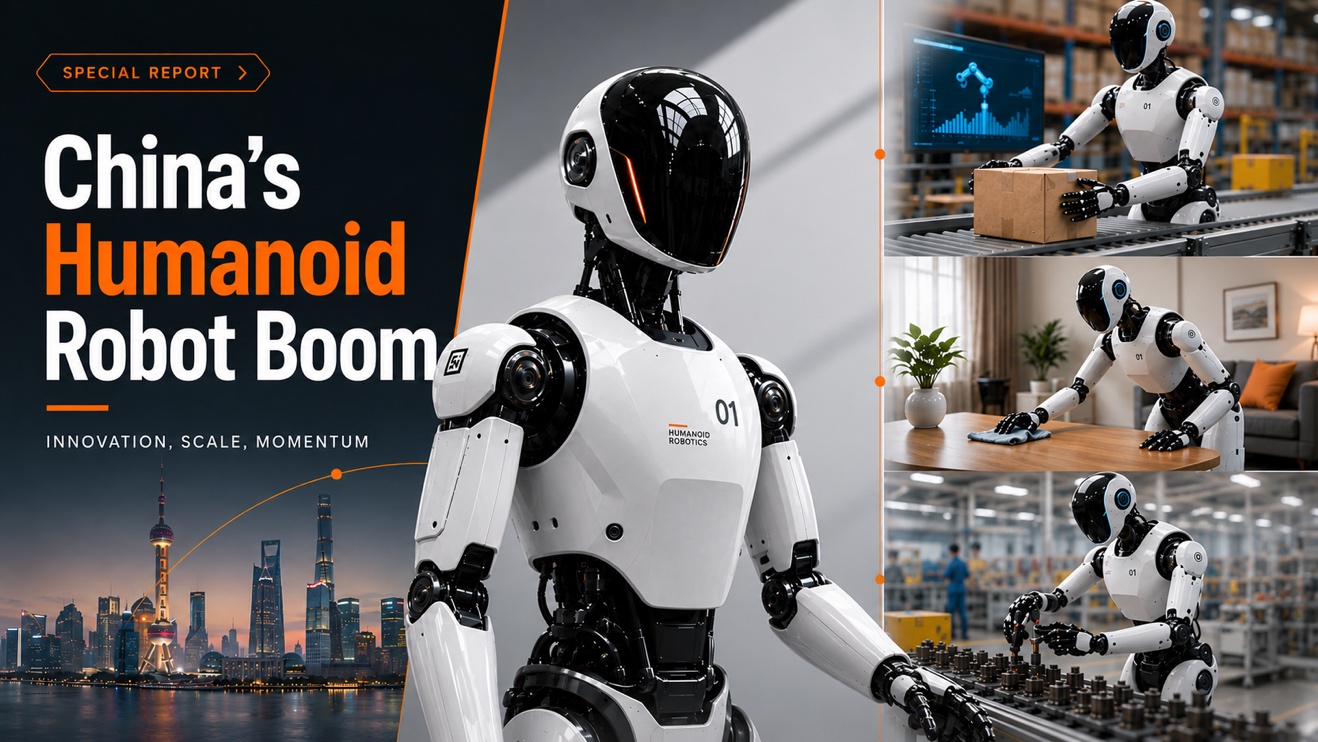
China's Humanoid Robot Boom: Startups Transition from Demonstrations to Practical Applications
China's humanoid robot sector is experiencing significant growth, marked by increased capital investment and diverse applications. Unitree has emerged as a key player, listing on Shanghai’s STAR Market in August 2026, with shares initially soaring to RMB 1,100, reflecting a 629% increase from its offering price. Despite a subsequent stock correction, Unitree reported a 48.5% year-over-year revenue increase, generating RMB 1.15 billion in the first half of 2026 and producing approximately 18,000 bipedal humanoid robots. The expansion of China's robotics industry is also evident in startups like Zerith and RobotEra, which are addressing specific challenges in automation. Zerith's H1 robot, priced at RMB 199,000, began global shipments in Q2 2026 and has been deployed in commercial settings, including airports and supermarkets. Meanwhile, RobotEra is focusing on dexterous manipulation, with its robots already operational in logistics centers for major companies like China Post and SF Express, securing orders exceeding RMB 500 million. As the humanoid robot boom evolves, the focus is shifting from industrial applications to service-oriented environments. The success of these startups will depend on their ability to deliver reliable performance in everyday tasks, ensuring continued customer investment in robotic solutions. No further timeline was disclosed at the time of publication.
Heavy Hitters Highlight News
China’s Dexterous Hand Industry, 2026 Part 1 — The Demand Picture
MIR Databank puts China dexterous hand shipments above 30,000 units in 2026, yet only 3.5% of 2025 demand came from factory production. Part 1 of 3.
China’s Dexterous Hand Industry, 2026 Part 2 — The Technology
Linkage, tendon, direct drive or hybrid — and why hardware is converging while the DL1–DL5 manipulation scale decides who wins. Part 2 of 3.
Software, Compute and Interaction at WRC 2026
47 WRC 2026 exhibitors supply robot software, compute or interaction — but only 19 call themselves software companies. Five open artefacts, licence-checked.
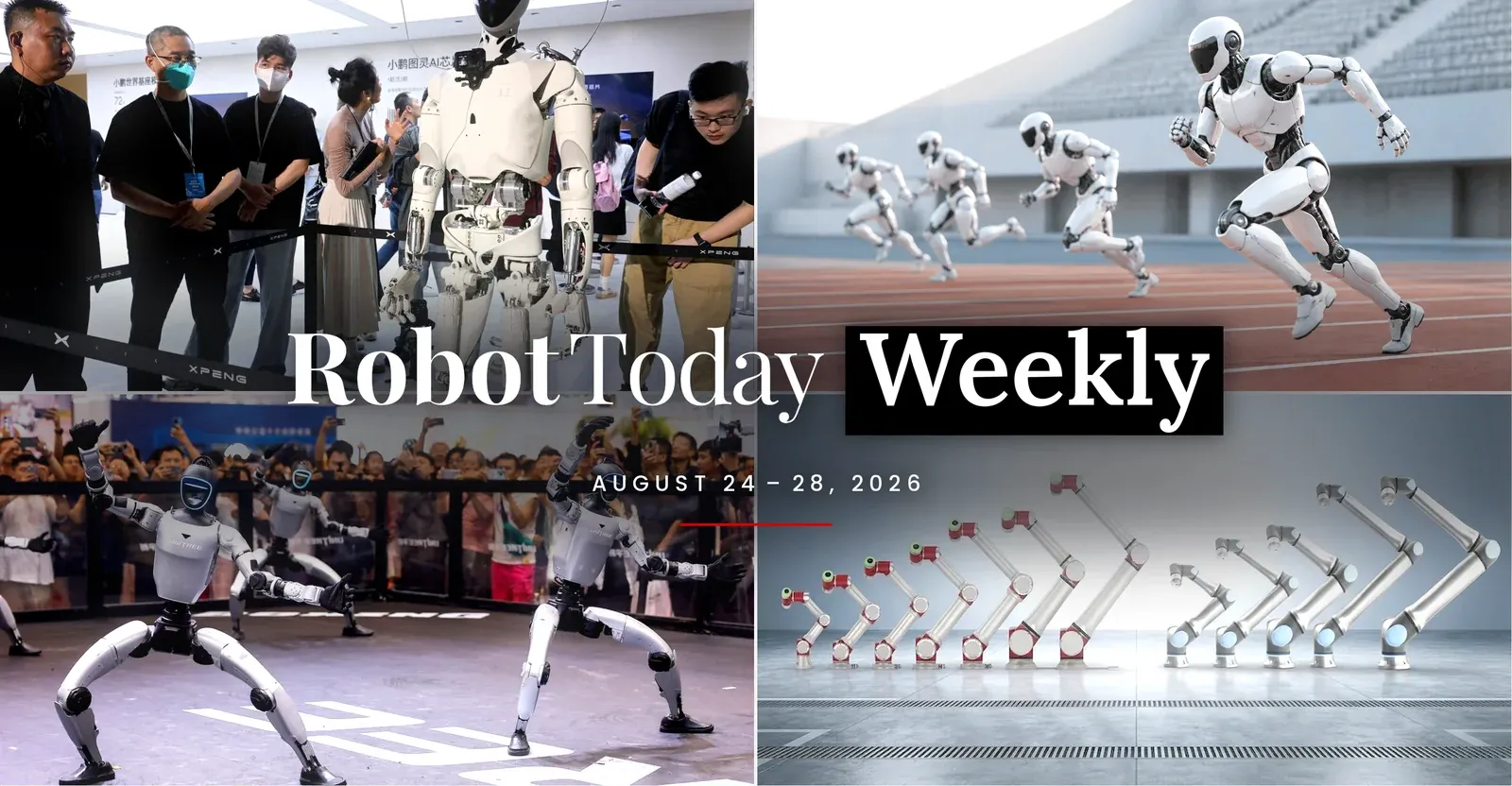
ROBOTTODAY WEEKLY BRIEFING August 24 – 28, 2026
This week in robotics: XPeng's Dogotix raises over $900 million at a $6.3 billion valuation, Unitree's post-IPO slump revives bubble talk, Beijing's World Humanoid Robot Games close with a shift to real-world tasks, and Teradyne sues JAKA at Europe's Unified Patent Court. August 24–28, 2026.
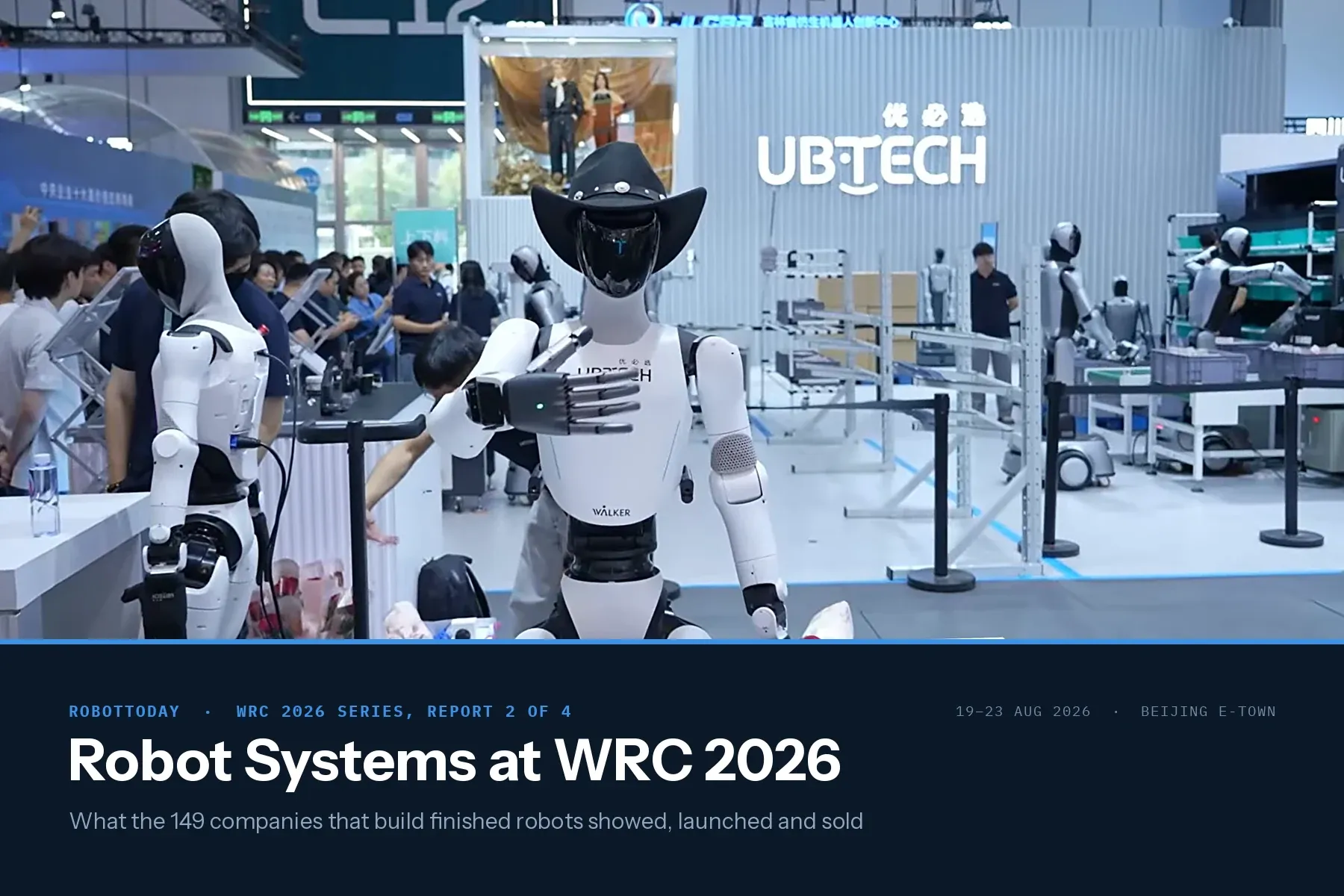
WRC 2026 Robot Systems: 149 Companies That Build Robots
149 of the 248 classified WRC 2026 exhibitors build finished robots. 93 build humanoid or legged machines. The audited humanoid sales number is one unit.

WRC 2026 Exhibitor Map: 248 Robotics Companies Mapped
We classified 248 WRC 2026 exhibitors with the RobotToday taxonomy. Motion & Actuation leads at 75 companies, Humanoid at 72, and compute stays thin at 12. (Modified 2026-08-27)

Inside Saga Robotics: UVC Light vs. Crop Disease
Saga Robotics CPO Damian Flynn on the Thorvald platform's UVC treatment system, its jump from UK strawberries to California wine grapes, and why he's “incredibly bullish” on applying automation and robotics into industries “most chaotic environment.”

Skip the Gate, Own the Liability: Phase 2 and the Stage Gate Mechanism
RSF defines two hard stops around robot commissioning. Bypass SG1 and safety liability shifts to you; skip SG2 and your SLA loses its evidence base. Inside.

ROBOTTODAY Weekly August 3 – 7, 2026
This week in robotics: Unitree prices its Shanghai STAR Market IPO with DeepSeek taking a strategic stake, the FCC expands its foreign-robot ban as China threatens retaliation, BMW commits to Figure 03 humanoids, and Zoox goes paid in Las Vegas. August 3–7, 2026.

WAIC Review 4/4: From Port AGVs to Hospital Night Shifts: What WAIC 2026 Reveals About Real Robot Deployments
From 530+ AGVs at a Singapore port to robots on Apple's line, WAIC 2026 speakers shared concrete data on where embodied AI robots are actually working today.
