


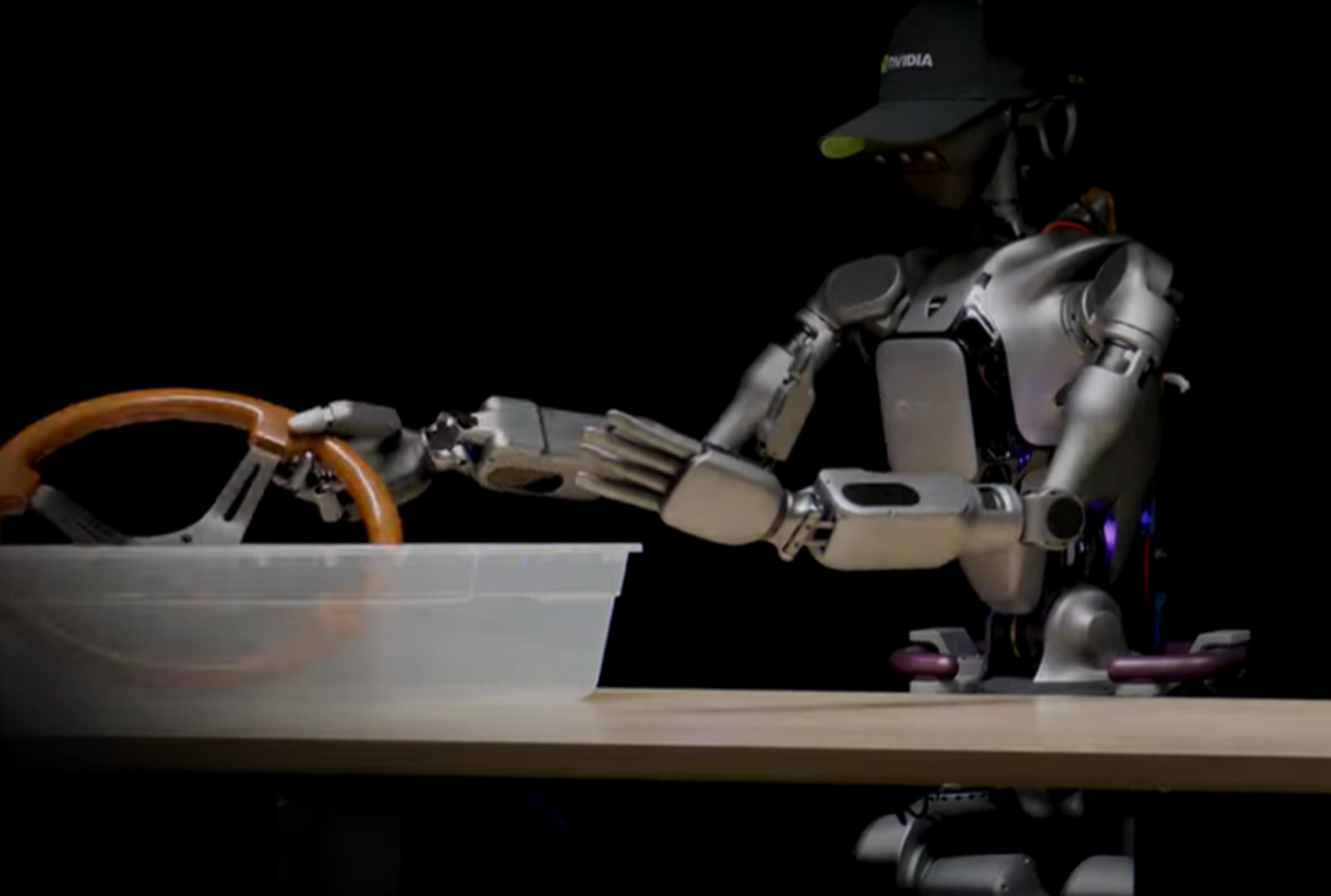
Following the release of GPT-6, videos showcasing its ability to control robotic arms and dexterous hands have emerged on social media. The technology can manipulate small objects like chopsticks, demonstrating advanced grasping and positioning capabilities. However, Xu Huazhe, founder of Breakthrough Robotics, noted that GPT-6 still struggles with complex physical interactions, indicating limitations in its physical generalization abilities.
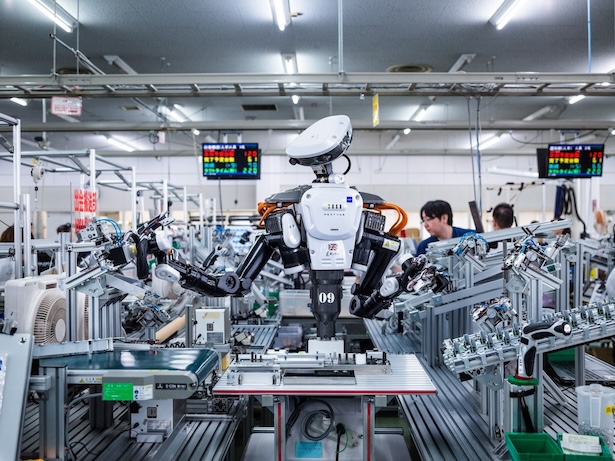
This development is significant as it highlights the advancements in semantic and spatial generalization, which GPT-6 has achieved compared to previous visual language models. While it can perform tasks more effectively, it does not yet fully comprehend the physical dynamics of objects. The competition in the embodied AI sector is intensifying, with experts suggesting that companies must adapt quickly to meet market expectations within the next one to two years.
Looking ahead, the integration of GPT-6 into embodied AI systems could lead to enhanced capabilities, but challenges remain in real-time responsiveness and hardware compatibility. Industry leaders emphasize the need for specialized models tailored to physical tasks, as the current large-scale cloud models may not be feasible for direct deployment in robotics. No further timeline was disclosed at the time of publication.
Editor's Note
The advancements brought by GPT-6 in robotic dexterity underscore the ongoing challenges faced by embodied AI companies. As the industry evolves, the integration of large language models with physical robotics will require careful consideration of hardware, system design, and real-time operational demands. Companies must navigate these complexities to remain competitive in a rapidly changing landscape.





























Leave a comment