

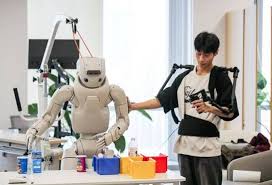
The rise of robots in factories, warehouses, and homes has led to the creation of a new job title: embodied intelligent robot application technician. Recently, China's Ministry of Human Resources and Social Security announced this role among 11 new professions and 23 new job types. This position involves training robots to adapt to diverse environments and handle unexpected situations, requiring extensive data collection for model optimization.
The significance of this role lies in its necessity for the evolving landscape of robotics, where robots must perform various tasks beyond simple repetitive actions. According to Chen Jinxing from Fujian Jufu Technology Co., the training process involves collecting over 500 data sets for each action, with about 90% deemed effective for model enhancement. The role aims to ensure robots can generalize their learning across different scenarios, which is crucial for their real-world application.
Looking ahead, the development of this profession indicates a growing demand for skilled workers in the robotics sector. The process of formalizing this role into the national occupational classification system suggests that it has reached a significant scale. Future considerations include whether the data collection standards will evolve as robots become more capable, potentially altering the responsibilities of robot trainers in the industry.
Editor's Note
The introduction of the embodied intelligent robot application technician role reflects the increasing integration of robotics into various sectors. This shift highlights the need for specialized training and standards in the workforce, as companies adapt to technological advancements. The establishment of such roles may influence future training programs and the overall landscape of automation in China.


























Leave a comment