Industry Briefing
A single destination for timely, editor-curated robotics news from around the world.
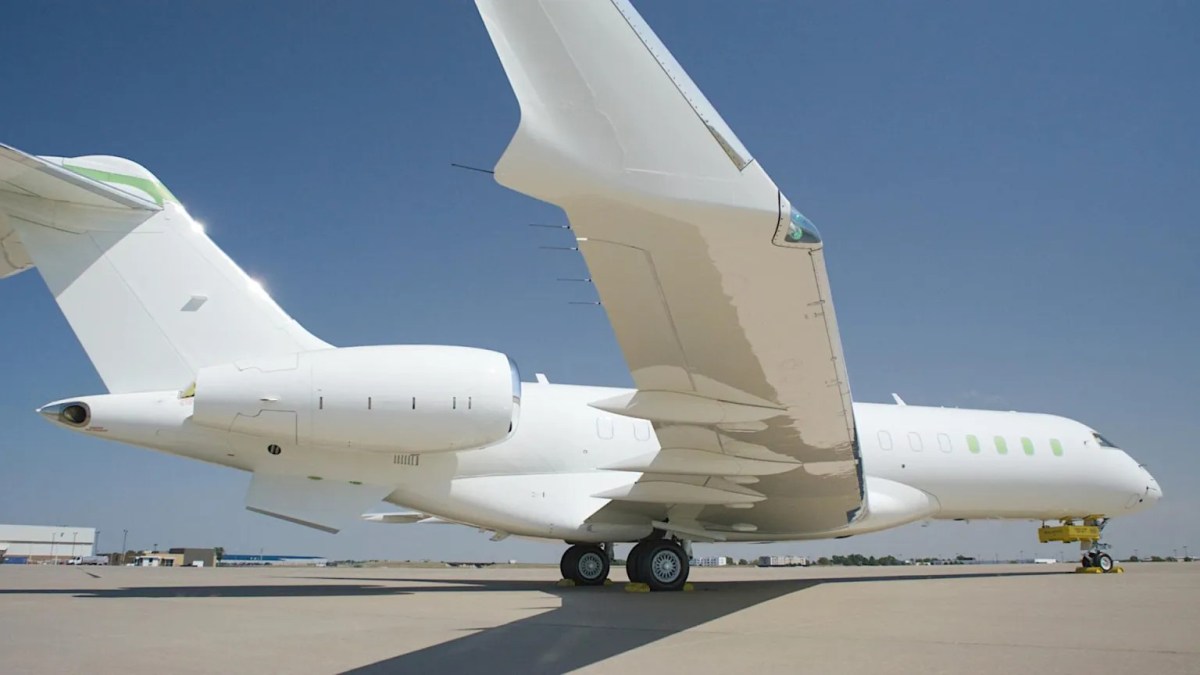
U.S. Army to Establish HADES Aircraft and Drone Battalion at Fort Hood
The U.S. Army has announced that its future fleet of ME-11B High Accuracy Detection and Exploitation System (HADES) aircraft will be stationed at Fort Hood, Texas. This initiative includes the formation of a unique operational drone battalion, aimed at consolidating aerial intelligence, surveillance, and reconnaissance (ISR) assets following the retirement of turboprop ISR planes last year. This development is significant as it marks a pivotal step in modernizing the Army's global aerial ISR capabilities. The relocation of the 116th Military Intelligence Brigade from Fort Gordon to Fort Hood is part of this strategy, enhancing the Army's ability to conduct multi-domain and large-scale combat operations. The ME-11B jets, converted from Bombardier Global 6500 business jets, are expected to improve operational efficiency with higher speed, altitude, and advanced sensor capabilities. Looking ahead, the Army anticipates the delivery of the first ME-11B prototype by the end of the year, with plans to acquire at least six production models. The HADES system is designed to extend the Army's intelligence-gathering reach significantly, utilizing long-range drones to enhance operational effectiveness while minimizing exposure to threats. No further timeline was disclosed at the time of publication.
Air Armies Drones Land Manned ISR News & Features
U.S. Army Partners with Auriga Space to Develop Electromagnetic Counter-Drone Technology
The U.S. Army has entered a three-year partnership with Auriga Space to develop electromagnetic (EM) counter-drone technology. This collaboration aims to create a high-speed defense system against enemy Unmanned Aerial Systems (UAS) using Auriga's innovative propulsion methods, which rely on electricity and magnetic levitation rather than traditional chemical propellants. This partnership is crucial as military forces face the economic challenge of countering inexpensive drones with costly missiles. Current air defense systems struggle to balance effectiveness and affordability, making the development of sustainable counter-drone solutions a top priority. Auriga's EM technology promises to provide a cost-effective alternative, enabling rapid and repeatable launches from a compact system. Looking ahead, both organizations will share expertise and data to refine the EM-based counter-drone technology for field deployment. The focus will be on overcoming the limitations of existing counter-drone methods, with the potential for a significant shift in military air defense strategies. No further timeline was disclosed at the time of publication.
Military
The next Army chief won’t inherit a force, he’ll inherit an argument
In a recent op-ed, John G. Ferrari emphasizes the critical role of land power in contemporary warfare, particularly as military strategies increasingly rely on drone technology. As the Army prepares for the appointment of its next chief, Ferrari argues that this leader must demonstrate the enduring importance of ground forces in a landscape dominated by aerial capabilities. He highlights the necessity for the Army to adapt and integrate traditional land power with modern advancements to ensure its relevance in future conflicts. The commentary reflects ongoing debates within military circles about the balance between traditional and modern warfare tactics, underscoring the need for a strategic vision that encompasses both elements.
Land Warfare Opinion Army army modernization Op-Ed Commentary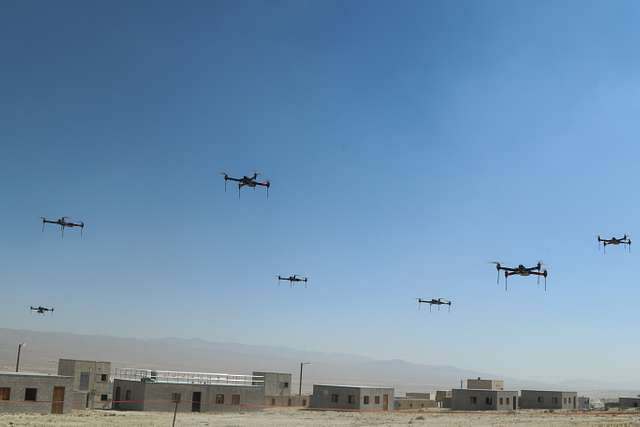
Auriga Space and U.S. Army Explore Electromagnetic Launchers for Countering Drone Swarms
Auriga Space has entered a three-year Cooperative Research and Development Agreement (CRADA) with the U.S. Army Combat Capabilities Development Command Armaments Center (DEVCOM AC) to investigate the potential of electromagnetic launch technology in countering drone swarms. This initiative aims to find a cost-effective alternative to traditional missile interceptors, which have proven expensive in engagements against low-cost drones. The significance of this research lies in the increasing need for modern militaries to address the economic challenges posed by drone warfare. Current missile interceptors can cost hundreds of thousands to millions of dollars, creating a cost imbalance when defending against inexpensive drones. The CRADA represents a broader commitment by the Department of War to explore innovative counter-drone technologies that can maintain high engagement rates while reducing operational costs. Looking ahead, Auriga plans to conduct the first outdoor flight test of its transportable electromagnetic launch platform, Hermes, later this summer. This platform is designed for rapid reloads and repeated engagements against multiple targets, potentially offering a new solution to the growing threat of drone swarms. No further timeline was disclosed at the time of publication.
Anti-drone technology Applications C-UAS Defense Drone News Drone News Feeds
Army launches new low-cost interceptor program, targets fall for first live fire demo
Army Secretary Dan Driscoll announced that the newly developed Landing Craft, Infantry (LCIs) are designed to enhance existing air defense systems rather than replace them. This statement underscores the military's commitment to bolstering its defense capabilities while maintaining current advanced systems. The introduction of these LCIs is part of a broader strategy to ensure that the armed forces remain equipped to address evolving threats. The announcement comes amid ongoing discussions about the need for improved military readiness and adaptability in response to global security challenges.
Land Warfare Uncategorized Army counter drone Counter UAS cUAS Daniel Driscoll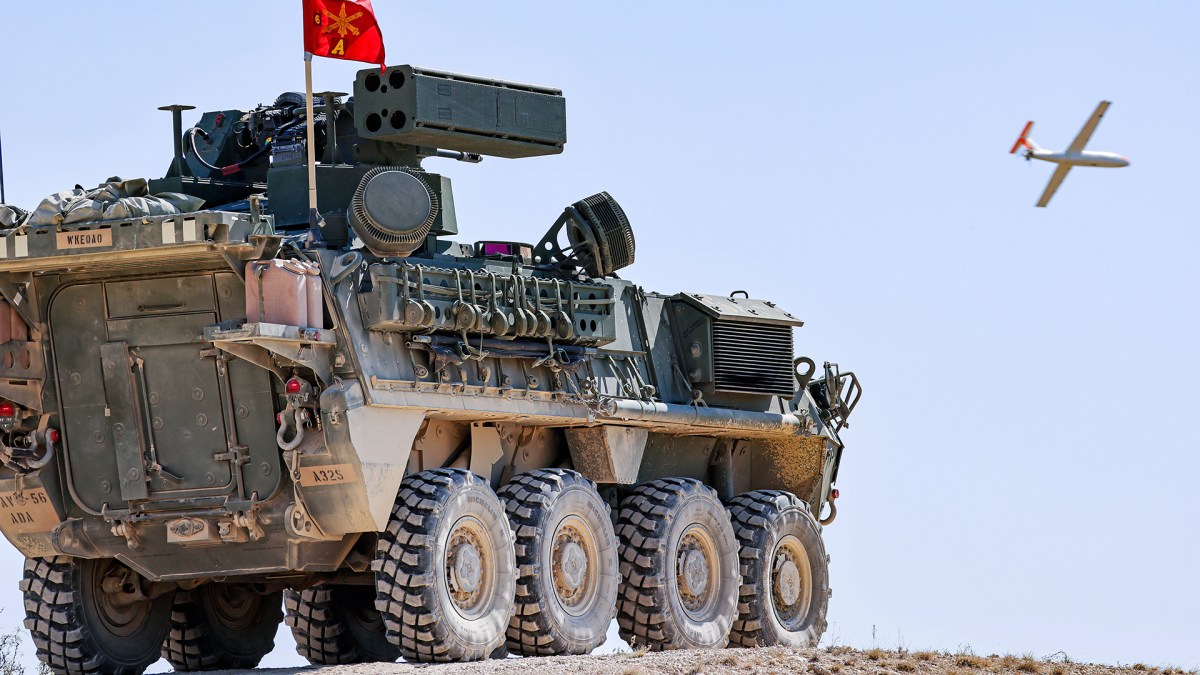
Army’s Newest Unit Aims To “Overwhelm” Adversary With Drones In Pacific Fight
The U.S. Army has established the 7th Infantry Division Multi-Domain Command – Pacific, a new unit designed to integrate drone warfare with the operational strengths of Stryker brigades. This initiative aims to enhance the military's capabilities in the Pacific region, allowing for a more versatile and overwhelming response to potential adversaries. The command will leverage advanced drone technology to support ground operations, providing a strategic advantage in modern warfare. The formation of this unit reflects the Army's commitment to adapting its tactics and resources in response to evolving threats in the region.
Air Armies Around The Globe Drones Indo-Pacific Land
Army Medical Brigade Expands Drone Use for Battlefield Resupply
The U.S. Army’s 44th Medical Brigade is enhancing its battlefield medical operations by expanding the use of drones to deliver critical supplies more efficiently and safely. This initiative, announced by the XVIII Airborne Corps, reflects a broader military strategy to incorporate unmanned systems into logistics and sustainment efforts. The program aims to reduce the risk to soldiers while ensuring timely access to essential medical resources in combat situations. By leveraging drone technology, the Army seeks to improve operational effectiveness and support its personnel in high-stakes environments.
Applications Delivery Drone News Drone News Feeds Medical News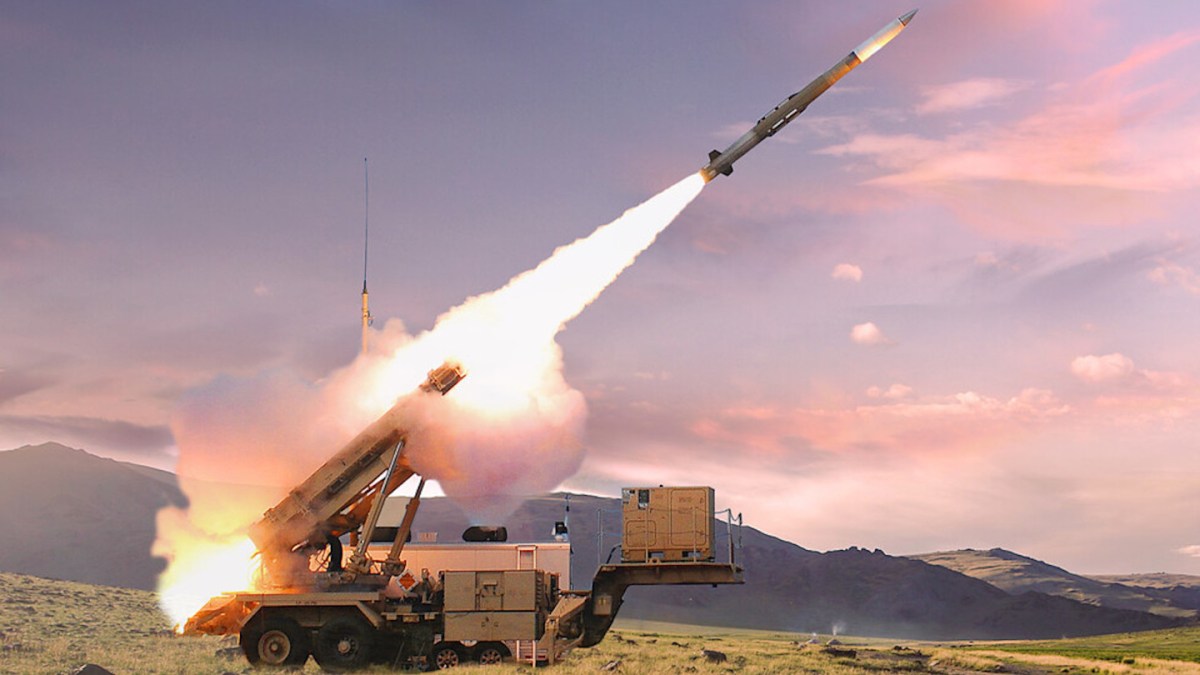
‘Cheap’ Patriot Interceptor Costing Under $1 Million Now Being Sought By Army
The U.S. Army is actively pursuing a more cost-effective version of its Patriot missile defense system in response to evolving threats from adversaries utilizing inexpensive drones and large numbers of ballistic missiles. The initiative aims to develop a new interceptor that would cost under $1 million, making it more affordable and easier to produce. This move reflects the Army's recognition of the need to enhance its defense capabilities against increasingly sophisticated and budget-friendly weaponry employed by potential enemies. The search for this budget-friendly solution underscores the Army's commitment to maintaining a competitive edge in modern warfare while addressing the financial constraints of military procurement.
Land Armies MIM-104 Patriot News & Features Surface-To-Air Missile Systems U.S. Army
MatrixSpace Validated in U.S. Army’s Operation Jailbreak Integration Sprint
MatrixSpace, a portable radar manufacturer, has successfully integrated its technology with Anduril Lattice and IBCS-M, receiving validation from the U.S. Army during a recent exercise at Fort Carson. This achievement is part of Operation Jailbreak, the Army's largest initiative aimed at incorporating emerging technologies into command-and-control systems. The validation places MatrixSpace among 55 companies participating in this significant interoperability effort, showcasing its sensor capabilities within the Anduril framework. The integration is expected to enhance the Army's operational effectiveness by streamlining communication and coordination among various technological platforms.
Defense Drone News Drone News Feeds Military News air defense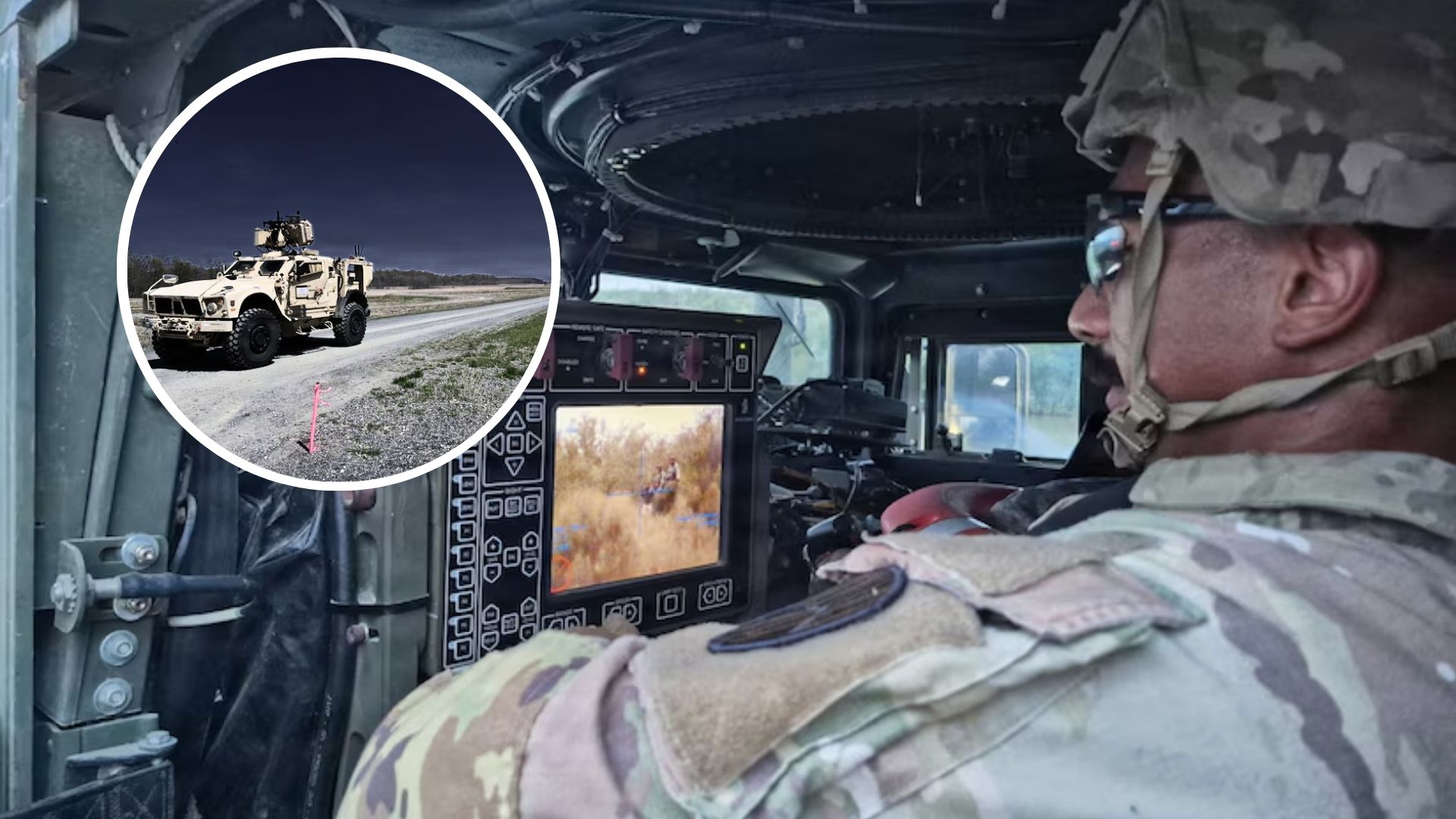
US Army develops advanced counter-drone system capable of engaging UAVs on the move
The U.S. Army has reached a pivotal advancement in counter-unmanned aerial systems (C-UAS) technology, marking a significant step in enhancing national security. This breakthrough was announced on October 15, 2023, during a demonstration at a military facility in Fort Bragg, North Carolina. The development aims to address the increasing threat posed by drones in both military and civilian contexts, driven by the need for effective defense mechanisms against potential aerial attacks. The Army's new C-UAS technology employs advanced radar systems and artificial intelligence to detect, track, and neutralize unauthorized drones swiftly and accurately. This innovative approach not only improves response times but also minimizes collateral damage, ensuring the safety of personnel and infrastructure. The successful demonstration showcased the system's capabilities in real-time scenarios, highlighting its potential for deployment in various operational environments. As drone usage continues to rise, the U.S. Army's commitment to advancing C-UAS technology underscores its proactive stance in safeguarding airspace and maintaining operational superiority. This milestone reflects ongoing efforts to adapt to evolving threats and reinforces the Army's role in national defense.
Military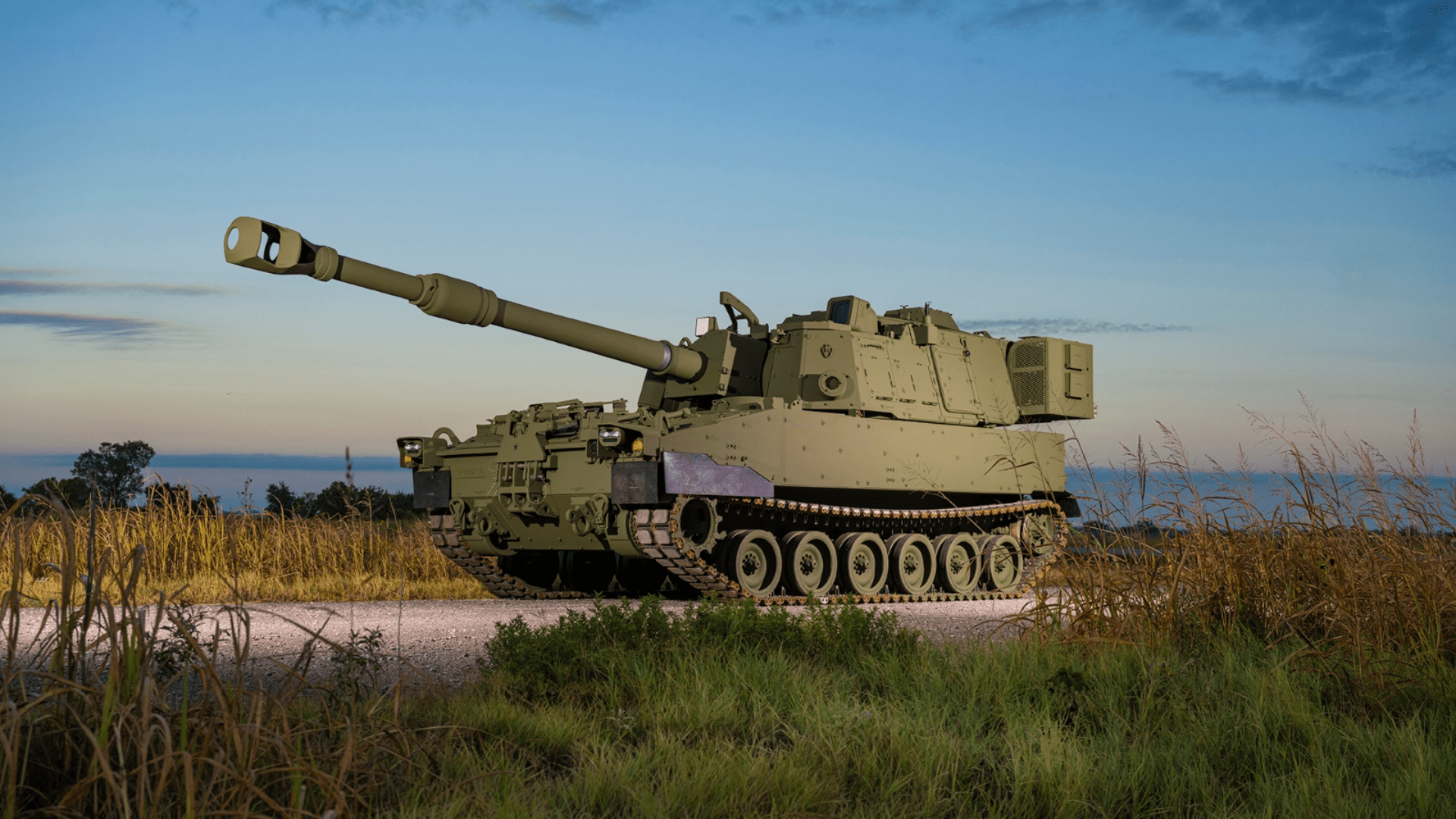
US Army trials LP-CROWS integration on Paladin artillery for drone defense
Engineers at the US Army Yuma Proving Ground are conducting developmental testing of advanced military technologies. This initiative, which began recently, aims to evaluate and enhance the performance of various systems crucial for operational readiness. The testing is part of the Army's ongoing efforts to improve its capabilities and ensure that troops are equipped with the most effective tools for modern warfare. By rigorously assessing these technologies in a controlled environment, the Army seeks to identify potential improvements and address any issues before deployment. The Yuma Proving Ground, known for its vast testing facilities, provides an ideal location for these critical evaluations, allowing engineers to simulate real-world conditions effectively. This testing phase is essential for maintaining the Army's competitive edge and ensuring the safety and effectiveness of its personnel in future missions.
Military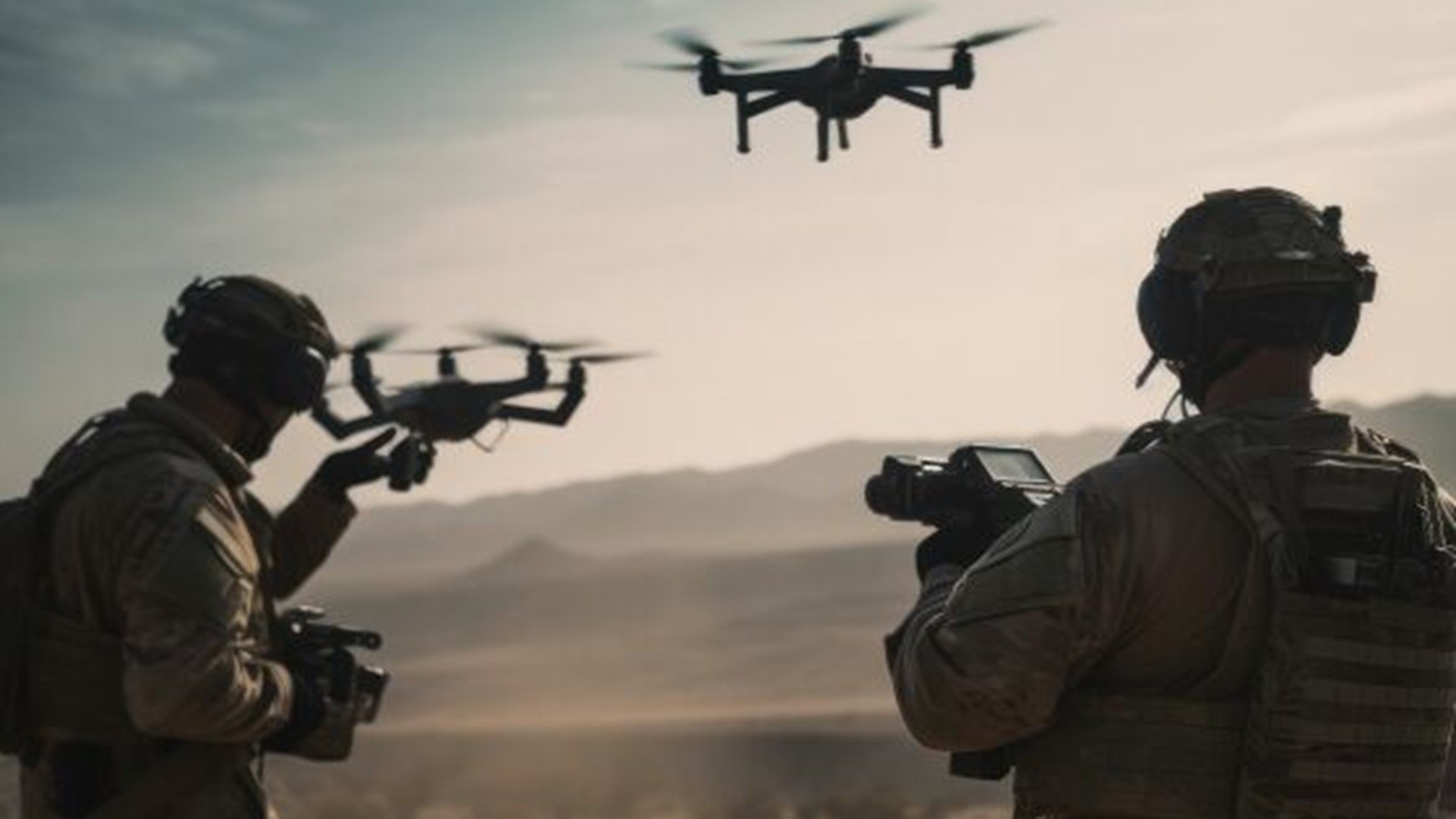
One soldier, many drones: US Army tests autonomous drone-control software
The U.S. Army has awarded two contracts to Palladyne AI, a defense and technology company, to conduct testing of its advanced artificial intelligence systems. This initiative, announced recently, aims to enhance military capabilities through innovative technology solutions. The contracts will facilitate the evaluation of Palladyne AI's systems in various operational scenarios, focusing on improving decision-making processes and operational efficiency. The collaboration underscores the Army's commitment to integrating cutting-edge technology into its operations to maintain strategic advantages. The testing is expected to take place at designated military facilities, with results potentially influencing future defense strategies and procurement decisions.
Military
Leonardo in ‘advanced’ talks to expand Italian Army’s AW249 combat helicopter fleet
The Italian Army is exploring advanced applications for its AH-249 helicopter, with plans to utilize the aircraft for high-speed, low-level flights to penetrate deep into enemy territory. Marco Marinoni, the head of the AH-249 acquisition program, highlighted this strategic capability as a key feature of the platform. This development reflects the Army's commitment to enhancing its operational effectiveness in modern warfare scenarios. The initiative aims to bolster Italy's defense capabilities and ensure readiness in increasingly complex combat environments.
Air Warfare Global Aerovironment Air Force AW-249 Drones
US Army awards L3Harris contract for VAMPIRE anti-drone systems
The US Army has awarded a $106 million contract to L3Harris for the development of Vehicle-Agnostic Modular Palletised ISR Rocket Equipment (VAMPIRE), a system designed to counter uncrewed aerial threats. This contract, announced recently, aims to enhance the Army's capabilities in addressing the growing challenges posed by uncrewed systems in modern warfare. By leveraging L3Harris's advanced technology, the Army seeks to improve its operational effectiveness and ensure greater security on the battlefield. The initiative reflects a strategic move to bolster defense mechanisms against evolving aerial threats, emphasizing the importance of adaptable and modular systems in military operations.
News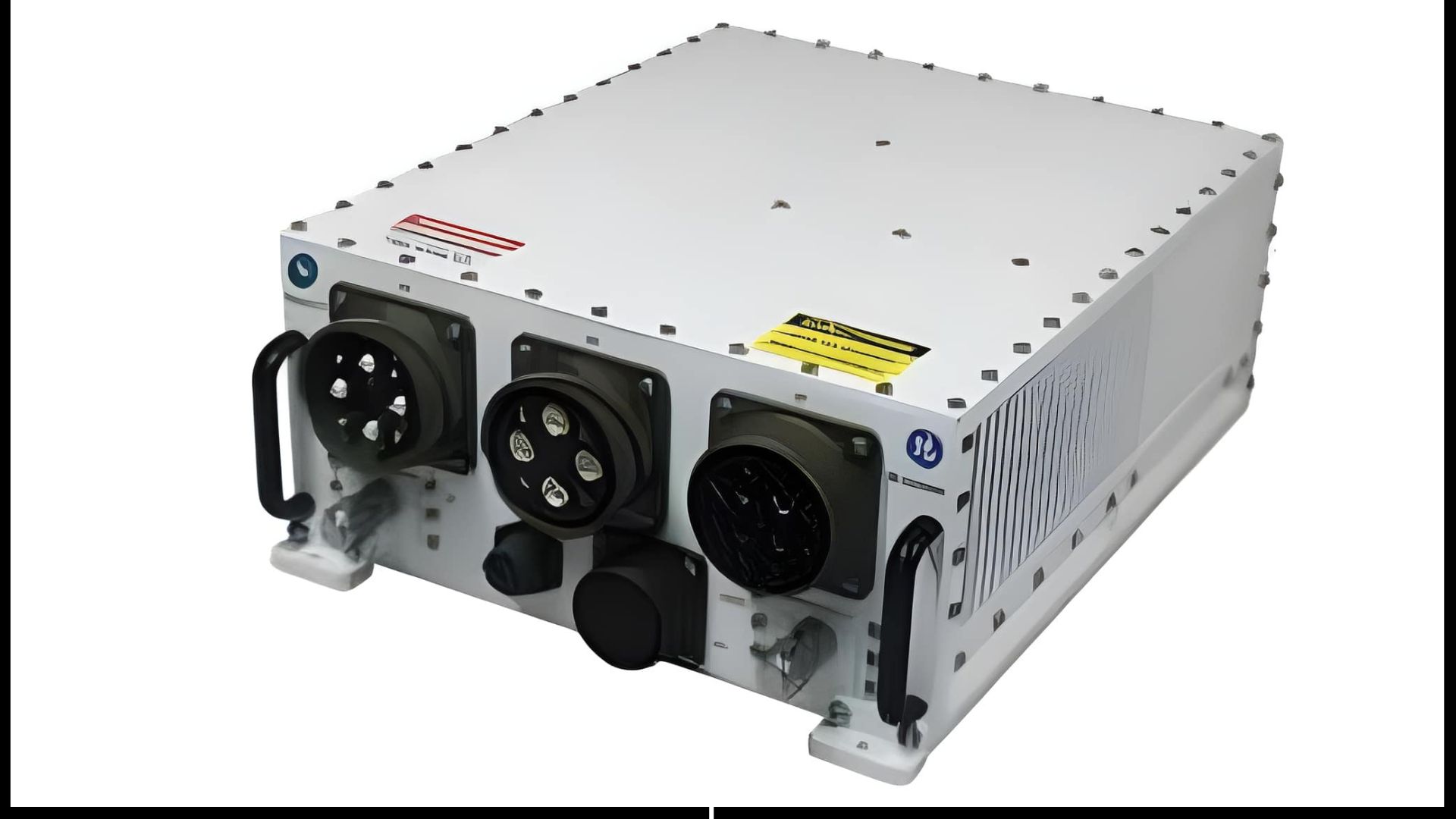
GE Aerospace qualifies 600-volt power systems for next-generation US Army vehicles
GE Aerospace has successfully qualified two high-voltage power electronics systems intended to enhance the capabilities of the U.S. Army. This significant development was announced recently, marking a crucial step in advancing military technology. The systems are designed to improve power management and efficiency for various applications within the Army's operations. By integrating these advanced power electronics, GE Aerospace aims to support the Army's mission to modernize its equipment and enhance operational readiness. The qualification process involved rigorous testing to ensure reliability and performance standards were met, demonstrating GE Aerospace's commitment to delivering innovative solutions for defense applications.

Cubic wins Italian Army SIM 2.0 live training modernisation contract
Cubic Defense has been awarded a contract by the Italian Army to enhance its live training capabilities and implement data-driven methodologies throughout its operations. This initiative aims to modernize the army's training processes, ensuring that personnel are equipped with advanced skills and knowledge. The contract reflects a growing trend among military forces to leverage technology and data analytics to improve training effectiveness and operational readiness. The collaboration is expected to take place over the coming months, with Cubic Defense providing innovative solutions tailored to the specific needs of the Italian Army.
News
US Army tests TRV-150 resupply drone as rocket launcher in groundbreaking demo
The US Army recently conducted a test involving the TRV-150 drone, which was originally designed for surveillance and reconnaissance missions. This test took place at a military facility in California, showcasing the drone's advanced capabilities in real-world scenarios. The Army aims to enhance its operational efficiency and effectiveness by integrating cutting-edge technology into its arsenal. The TRV-150 is expected to play a crucial role in future military operations, providing critical data and support to ground troops. The successful demonstration of the drone's features underscores the Army's commitment to modernizing its equipment and adapting to evolving battlefield demands.
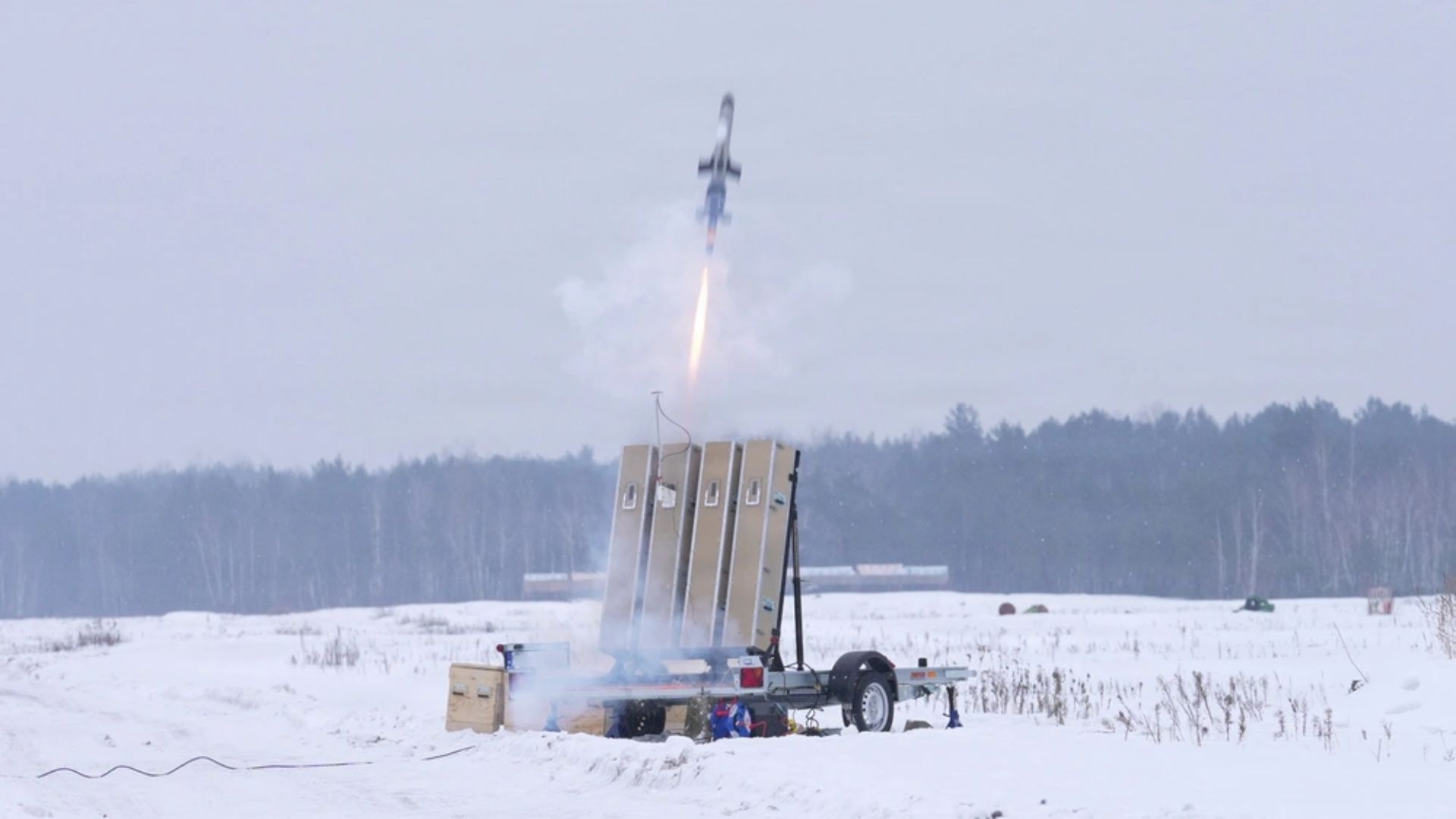
US Army tests low-cost drone-killing interceptor that can be redirected after launch
The U.S. Army's 52nd Air Defense Artillery Brigade has initiated testing of a new interceptor designed to target and eliminate drones. This development comes as military officials seek to enhance air defense capabilities amid increasing concerns over drone threats. The tests are taking place at a designated military facility, where the brigade is evaluating the effectiveness and reliability of the interceptor system. The initiative aims to address the growing prevalence of unmanned aerial vehicles in both civilian and military contexts, highlighting the need for advanced countermeasures. The Army's efforts reflect a strategic response to evolving aerial threats, ensuring that defense systems remain robust and effective in safeguarding airspace.
US Army tests DZYNE’s IonStrike interceptors for drone defence roles
The US Army's 52d Air Defense Artillery Brigade is currently conducting tests and evaluations of IonStrike, a kinetic interceptor created by DZYNE Technologies. This initiative is part of the Army's broader strategy to enhance its defenses against uncrewed aircraft systems (UAS). The testing aims to assess the effectiveness and reliability of IonStrike in real-world scenarios, addressing the growing threat posed by UAS in modern warfare. The evaluations are taking place as military forces adapt to evolving aerial threats, underscoring the importance of advanced interception technologies in maintaining national security.
News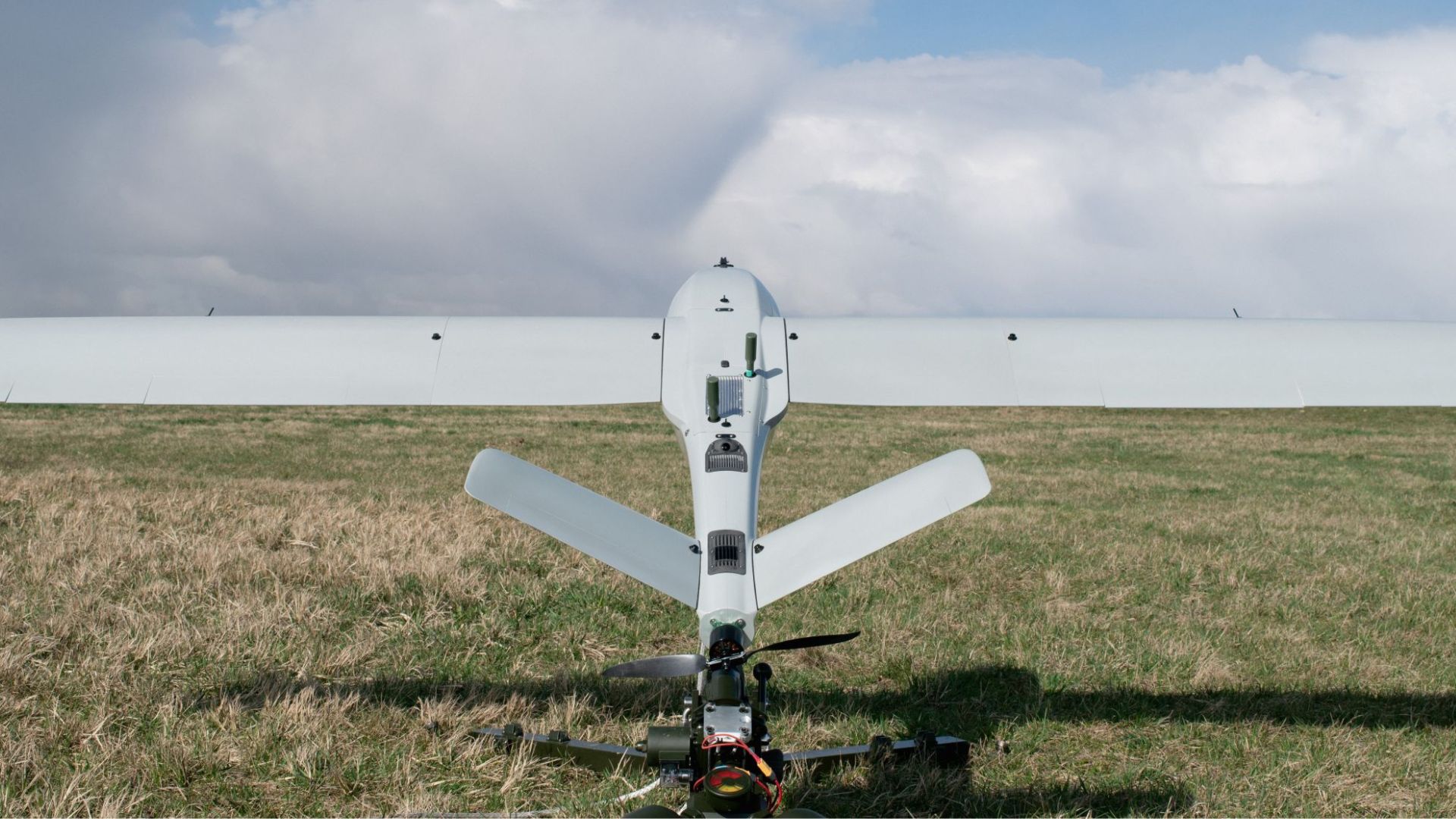
Advanced recon drones to support US Army scouting and base security in Europe
The US Army units stationed in Europe are set to enhance their operational capabilities with the acquisition of unmanned aerial vehicles (UAVs) from a Czech drone manufacturer. This development comes as part of a broader strategy to modernize military assets and improve reconnaissance and surveillance operations. The delivery of these UAVs is expected to take place in the coming months, although specific dates have not been disclosed. The initiative aims to bolster the Army's readiness and effectiveness in a rapidly evolving security landscape, particularly in response to increasing geopolitical tensions in the region. The integration of these advanced drones into military operations will allow for improved situational awareness and tactical advantages on the ground.
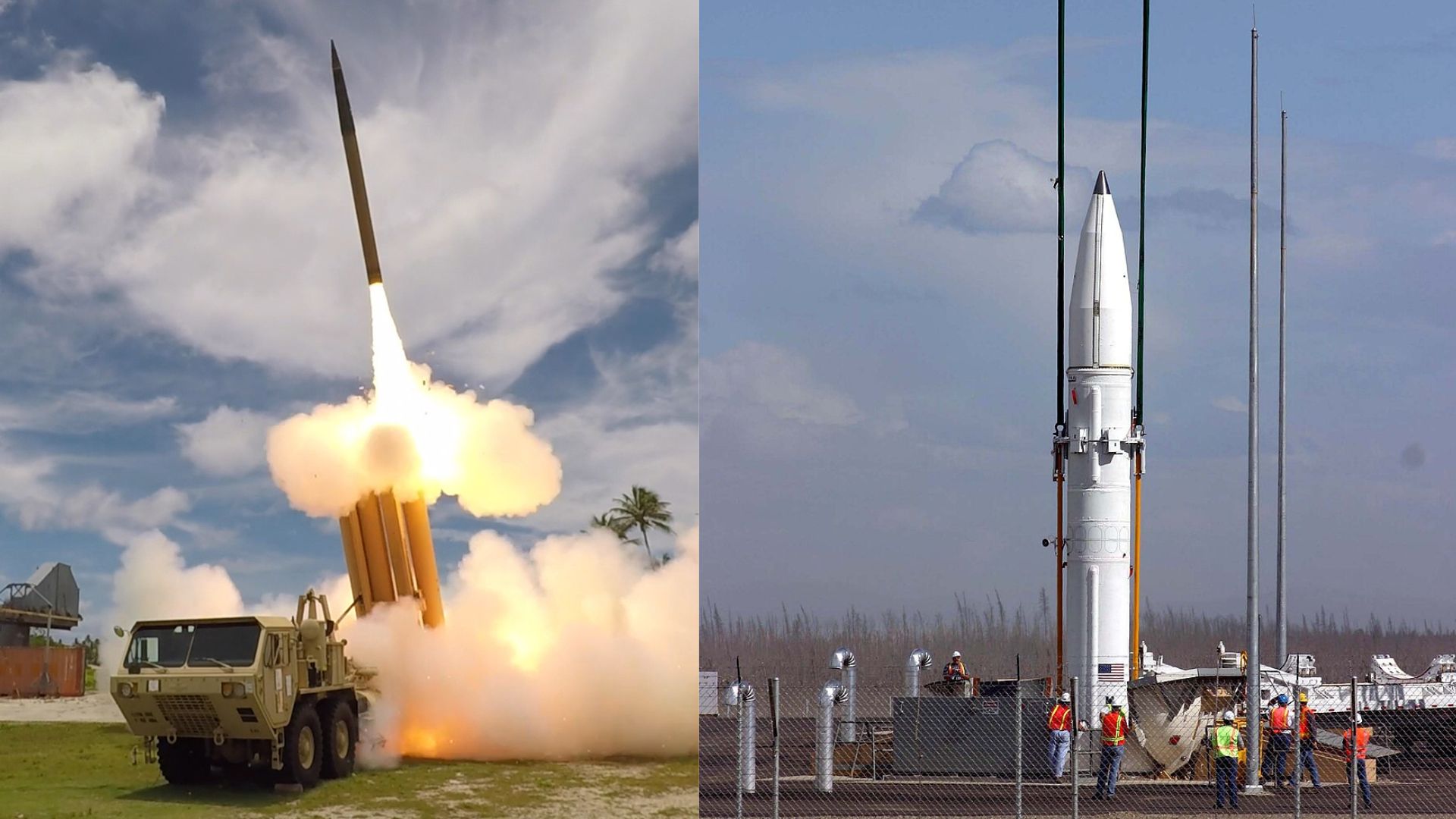
US Army seeks Mach 5 missiles under $1 million to defend against drone raids
The U.S. Army is seeking to develop a new class of low-cost interceptors designed to effectively combat drones and cruise missiles. This initiative comes in response to the increasing threat posed by unmanned aerial vehicles and advanced missile systems in modern warfare. The Army aims to enhance its defensive capabilities while maintaining budgetary constraints, reflecting a strategic shift towards more affordable and efficient solutions for air defense. The project is part of a broader effort to modernize military technology and ensure readiness against evolving threats. The Army is currently exploring various technological approaches and partnerships to expedite the development and deployment of these interceptors, with the goal of integrating them into existing defense frameworks.

Czech’s U&C to supply reconnaissance drones to US Army units in Europe
The US Army has finalized a contract with Czech manufacturer U&C UAS to supply specialized drones for its units deployed in Europe. This agreement, aimed at enhancing the Army's operational capabilities, underscores the growing importance of advanced unmanned aerial systems in modern military operations. The deal comes as the US continues to bolster its presence in Europe amid rising security concerns in the region. The drones are expected to improve reconnaissance and surveillance efforts, allowing for more effective mission planning and execution. The collaboration with U&C UAS reflects the Army's commitment to integrating cutting-edge technology into its operations to maintain a strategic advantage.
News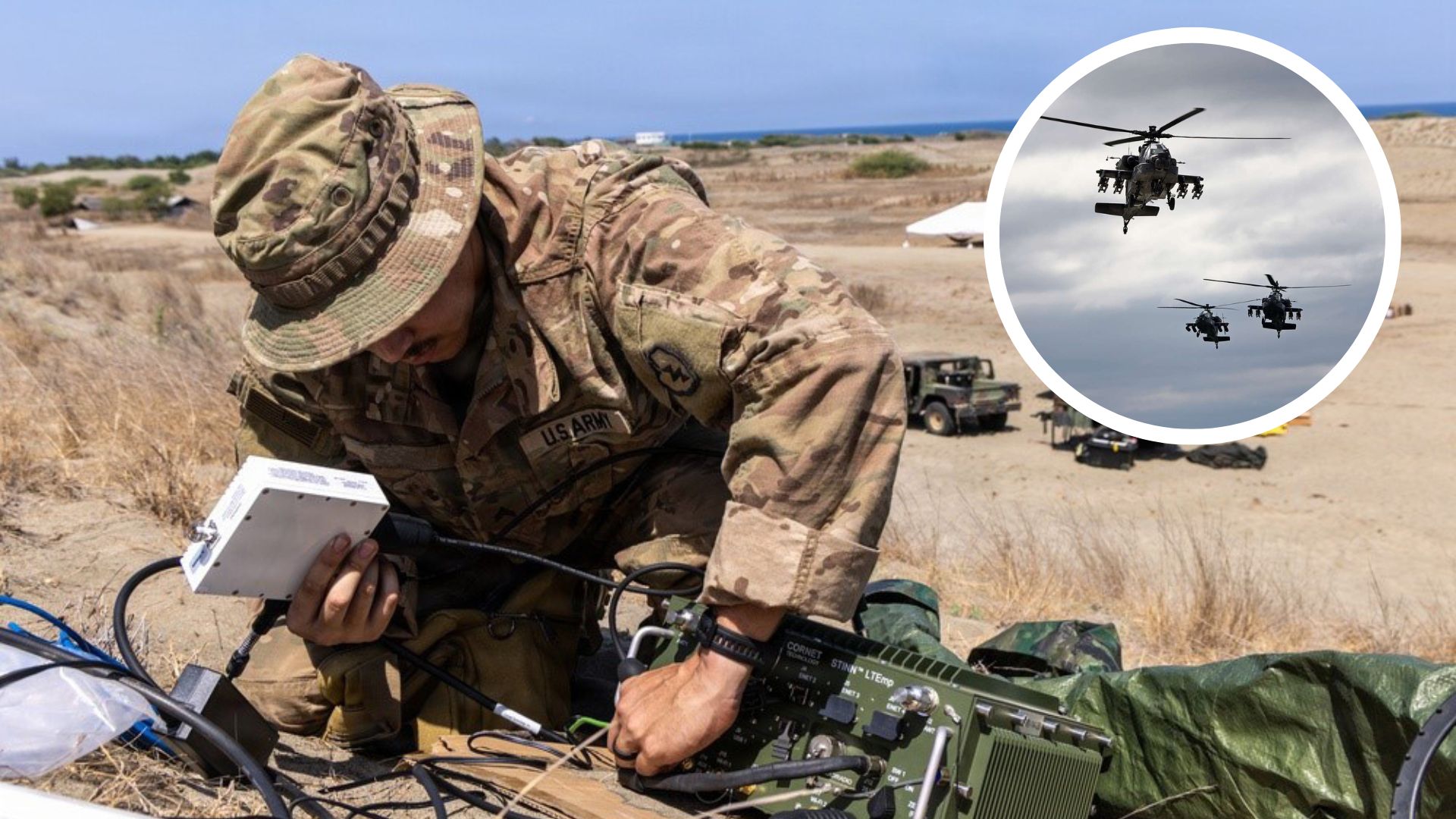
US Army unveils NGC2 battlefield network connecting helicopters, drones and troops
The U.S. Army is currently conducting tests on an innovative system designed to enhance the coordination and efficiency of troops, helicopters, and battlefield units. This initiative aims to improve operational effectiveness by integrating advanced technology into military logistics and communication. The testing phase is taking place at various military installations across the country, with a focus on assessing the system's capabilities in real-world scenarios. The motivation behind this development stems from the need to adapt to modern warfare challenges, ensuring that military forces can respond swiftly and effectively in dynamic environments. By leveraging cutting-edge technology, the Army seeks to streamline operations and bolster overall mission success.
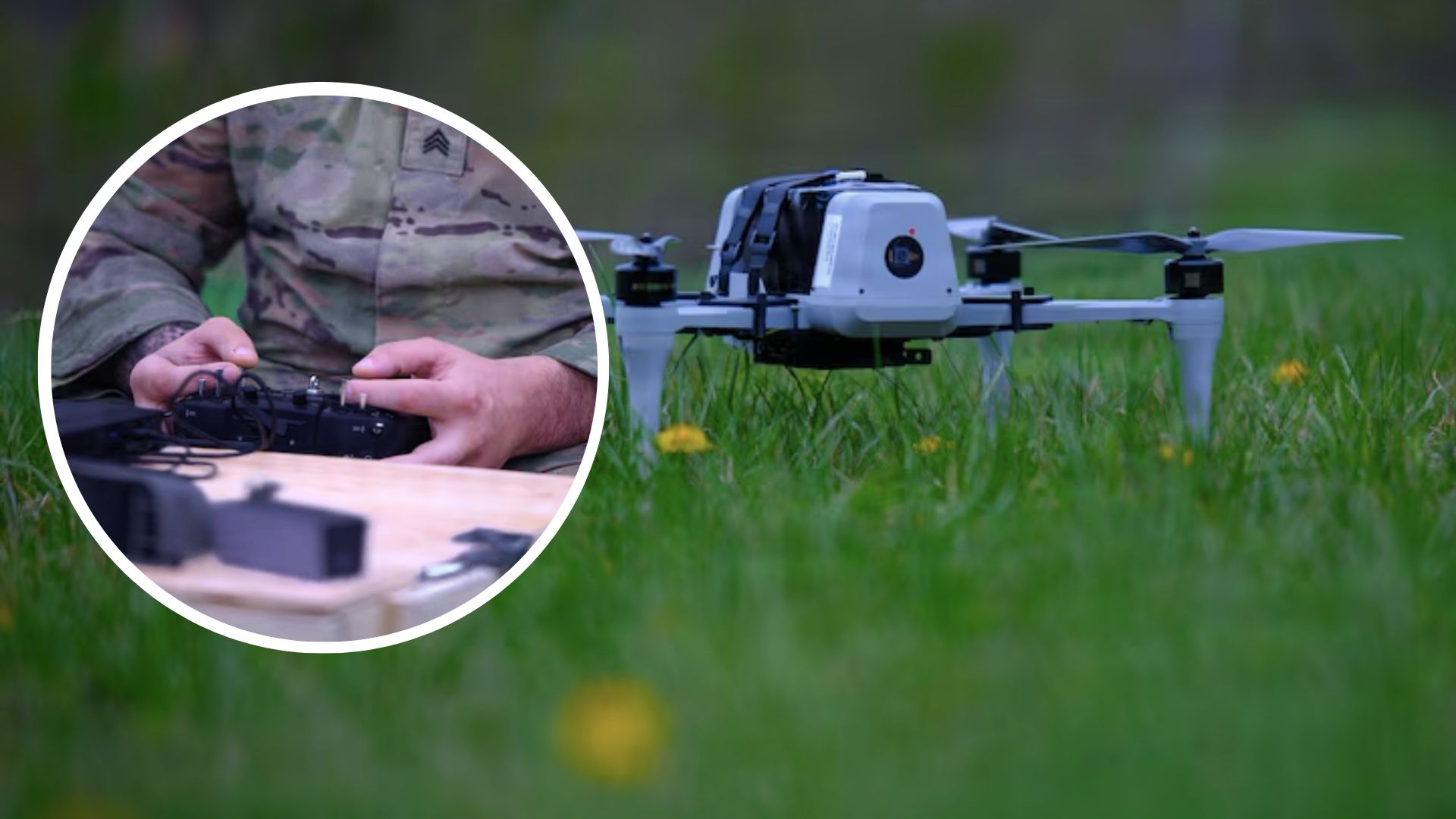
US Army showcases counter-drone system that intercepts hostile UAVs with limited operator input
The U.S. Army is currently engaged in training exercises focused on an advanced counter-drone system, with soldiers from the 10th Mountain Division participating in the initiative. This training, which is taking place at Fort Drum in New York, aims to enhance the Army's capabilities in neutralizing drone threats, a growing concern in modern warfare. The initiative comes in response to the increasing use of drones by adversaries, highlighting the need for effective countermeasures to protect troops and assets. Soldiers are being equipped with new technology and tactics to identify and disable hostile drones, ensuring they are prepared for potential future conflicts where such threats may be prevalent. The training is part of a broader effort to modernize military operations and maintain a strategic advantage in the evolving landscape of warfare.

British Army call for UAS-deployed sensors to survey ground and rivers
The British Army is seeking advancements in unmanned aerial systems (UAS) that can deploy sensor technologies to effectively survey river data. This initiative aims to enhance land force mobility and facilitate safe crossings in various terrains. The requirement comes as military operations increasingly rely on precise environmental assessments to ensure operational effectiveness. By integrating these technologies, the Army hopes to improve strategic planning and execution in challenging environments. The call for innovation in this area underscores the Army's commitment to modernizing its capabilities in response to evolving operational needs.
News
US Army Corps of Engineers Awards Fugro Five‑year Contract for Critical Infrastructure Mapping
Fugro has been awarded a five-year indefinite-delivery, indefinite-quantity (IDIQ) contract by the US Army Corps of Engineers (USACE) to deliver surveying and mapping services. This contract, which supports both civil works and military infrastructure programs, will be effective immediately and will cover projects across the United States and internationally. The initiative aims to enhance USACE’s management of essential waterways, flood-risk systems, and military facilities. By providing timely and high-quality geospatial data, Fugro will play a crucial role in informing infrastructure planning, risk management, and operational readiness in various complex and demanding environments.

US Army selects THOR autonomous VTOL drone soldiers can carry for frontline warfare
The U.S. Army has announced the selection of a new small unmanned aircraft system aimed at enhancing its aerial capabilities. This decision, made public in October 2023, underscores the Army's commitment to modernizing its technology and improving operational efficiency. The new system is expected to provide advanced surveillance and reconnaissance capabilities, allowing for better situational awareness on the battlefield. By integrating cutting-edge technology, the Army aims to maintain a strategic advantage in various operational environments. The initiative reflects ongoing efforts to adapt to evolving military needs and challenges, ensuring that troops are equipped with the best tools available for mission success.

Grenade rifle prototype for US Army test fires blade-deploying drone-killing rounds
The U.S. Army's next-generation grenade weapon has advanced in its development process, bringing it closer to deployment. This progress was marked last week during a series of successful tests that demonstrated the weapon's capabilities. The Army aims to enhance its operational effectiveness with this new technology, which is designed to provide soldiers with improved firepower and precision on the battlefield. The testing took place at a designated military facility, where various scenarios were simulated to evaluate the weapon's performance. As the Army continues to refine the design and functionality, the initiative reflects a broader effort to modernize military equipment and ensure that troops are equipped with the latest advancements in weaponry.
US Army successfully tests drone-delivered bunker busting warhead
US Army Infantry Drone Operators successfully conducted a live-fire test of a new air-delivered bunker-busting warhead at Redstone Arsenal in Alabama. This test, which took place recently, aims to enhance the Army's capabilities in penetrating fortified structures and improving operational effectiveness in combat scenarios. The development of this advanced weaponry reflects the military's ongoing efforts to modernize its arsenal and adapt to evolving threats on the battlefield. The successful demonstration showcases the integration of cutting-edge technology with drone operations, marking a significant step forward in military strategy and preparedness.
News
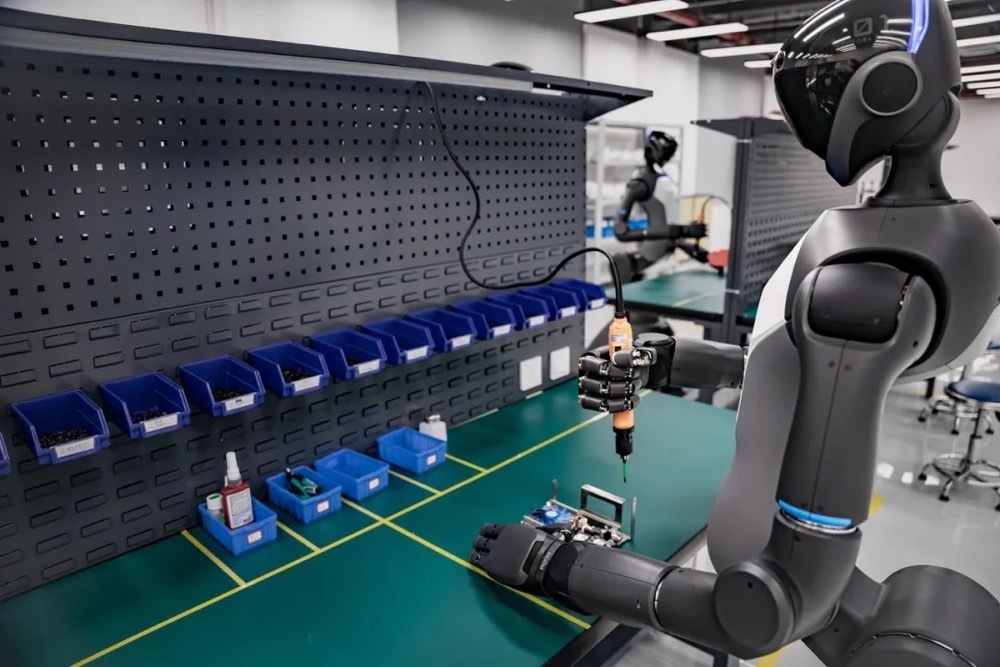
UBTECH Claims "World's First" Mass Delivery of Humanoids as "Robot Army" Deploys
UBTECH Robotics has successfully completed its first mass delivery of hundreds of Walker S2 robotic units to key industrial partners, following a recent promotional video that hinted at the development of a "robot army." This significant milestone in robotics comes just days after the company showcased the capabilities of the Walker S2, designed to enhance efficiency and productivity in various industrial applications. The delivery marks a pivotal step for UBTECH as it seeks to expand its footprint in the robotics market, addressing the growing demand for automation solutions across industries. The Walker S2 units are expected to play a crucial role in transforming operational workflows, demonstrating the potential of advanced robotics in modern workplaces.
UBTECH Robotics Walker S2
Here’s how a new Army directorate is delivering tech to soldiers in under 180 days
In a recent interview with Breaking Defense, Colonel Christopher Hill, who leads the Global Tactical Edge Acquisition Directorate, discussed the U.S. military's evolving approach to technology acquisition. He highlighted that a significant cultural shift within the service is enabling faster and more scalable delivery of technological solutions. This transformation aims to enhance operational efficiency and responsiveness in an increasingly complex defense landscape. By prioritizing agility and innovation, the military is positioning itself to better meet contemporary challenges and demands.
Land Warfare Army Counter UAS cUAS Drones Other Transaction Authority
BAE Systems wins Army’s Soft Kill APS award, with first phase valued at $20 million
BAE Systems has developed an advanced defense technology known as the Rapid Optical Observation and Kill (ROOK) program, designed to neutralize threats posed by missile systems and drones. This innovative system operates by jamming or confusing these aerial threats, effectively rendering them inoperable. The ROOK program represents a significant advancement in military capabilities, enhancing the protection of critical assets against increasingly sophisticated aerial attacks. As global security challenges evolve, this technology is expected to play a crucial role in safeguarding military operations and infrastructure.
Land Warfare Active Protection System / APS Army BAE Systems Counter UAS cUAS Drones
Army’s autonomy office looks beyond drone, robot platforms to ‘packages of capability’
The CPE Mission Autonomy initiative is set to prioritize combat engineering, fires, and logistics, according to the office’s leader. This strategic focus aims to enhance operational efficiency and effectiveness within military operations. By concentrating on these critical areas, the initiative seeks to streamline processes and improve resource allocation. The announcement comes as part of a broader effort to adapt military capabilities to meet evolving challenges. The implementation of this focus will involve collaboration among various military branches and the integration of advanced technologies to support mission objectives.
Land Warfare Army AUVSI/MDEX 2026 Drones
Here’s how the Army plans to spend nearly $1 billion in procuring small counter drone tech
The U.S. government has proposed a budget allocation of $994 million for small counter-unmanned aerial systems (c-UAS) in its fiscal year 2027 budget request. This funding, entirely sourced from discretionary funds, aims to enhance the nation's capabilities in addressing the growing threat posed by small drones. The decision reflects an increasing recognition of the need for advanced technologies to safeguard airspace and protect critical infrastructure. The budget request underscores the government's commitment to investing in innovative solutions to counter aerial threats effectively.
Air Warfare Land Warfare Air Force Army Counter UAS cUAS Defense Budget 2027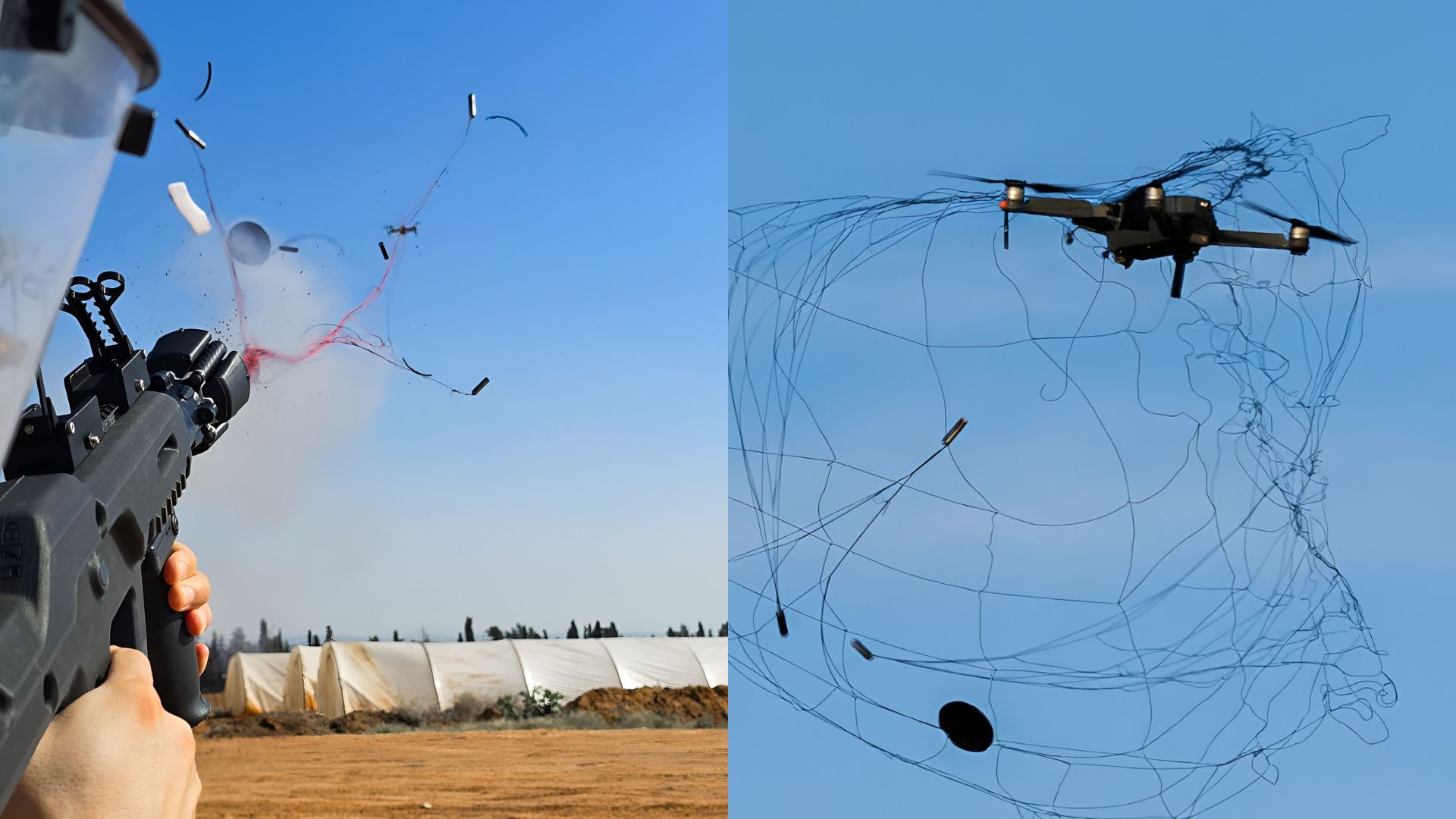
ParaZero Technologies Launches DefendAir for Autonomous Drone Interception in Military Applications
ParaZero Technologies has introduced its DefendAir platform, designed to intercept first-person view (FPV) drones autonomously before they can strike military vehicles. This system utilizes a non-explosive net-based interception method, creating a 360-degree defensive envelope around assets. The platform aims to enhance protection for both moving and stationary high-value military targets without the weight penalties of traditional armor. The rise of low-cost FPV drones has prompted militaries to seek effective countermeasures, as these drones have proven capable of damaging expensive military equipment. ParaZero's DefendAir addresses the limitations of conventional protective measures, such as steel cages, by offering a more agile and responsive solution. The system's ability to detect and neutralize threats rapidly is crucial for modern battlefield scenarios, where speed and precision are paramount. ParaZero is currently collaborating with Tier-1 defense companies to refine the DefendAir technology for operational requirements. While the company has not disclosed specific partners or a timeline for deployment, the focus on active counter-drone systems reflects a broader trend in military strategy, emphasizing the need for innovative solutions to counter evolving aerial threats. No further timeline was disclosed at the time of publication.
Military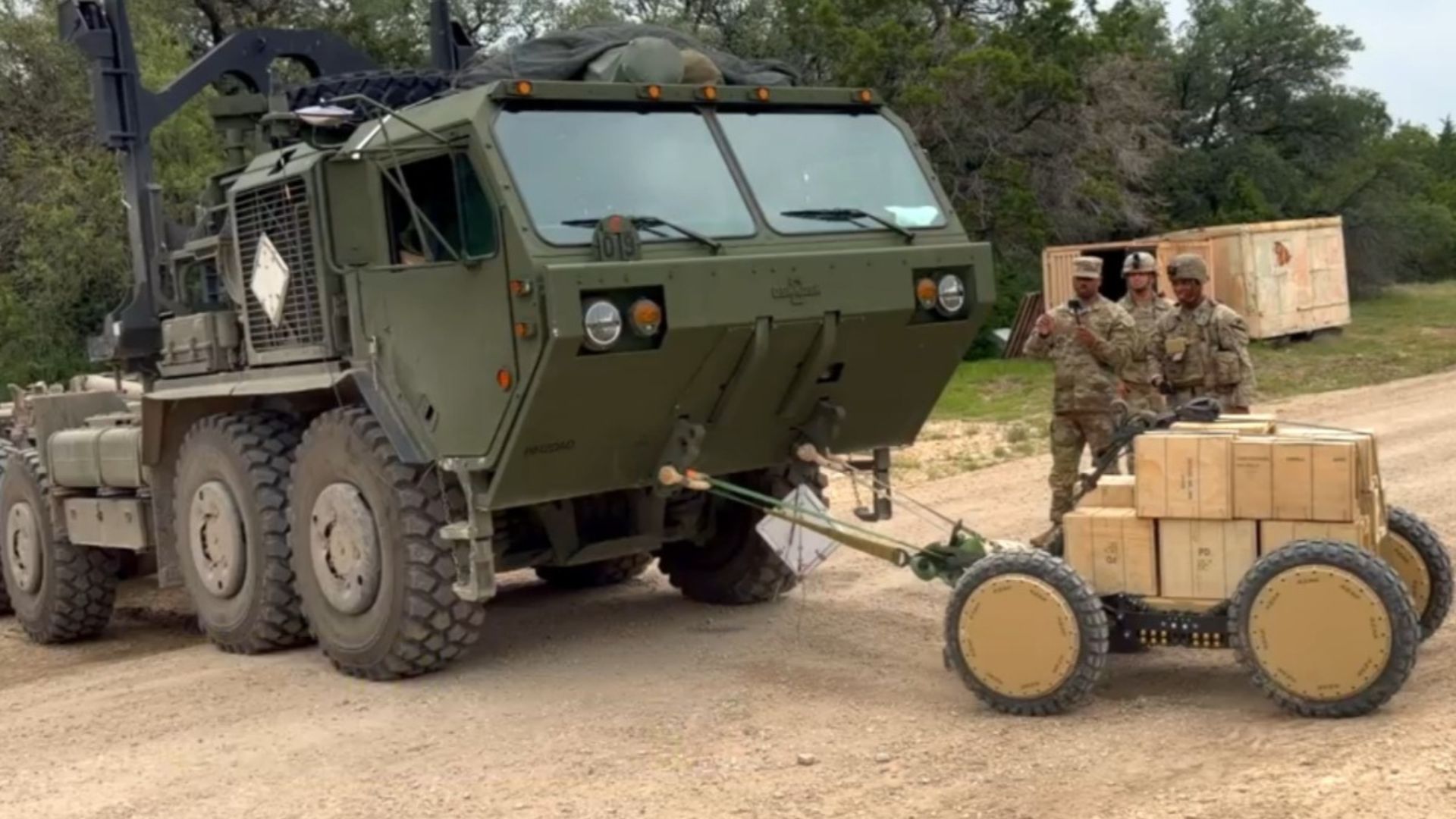
500-pound robot tows 53,000-pound US Army truck using in-wheel propulsion
In a remarkable display of technological prowess, the U.S. military showcased its latest advancements by successfully transporting an elephant across a battlefield using an innovative robotic system. This demonstration took place during a military exercise held at a training facility in California, aimed at testing the capabilities of new equipment designed for logistical support in combat scenarios. The operation was intended to highlight the potential for smaller, agile systems to assist in heavy lifting and transportation tasks, which could enhance operational efficiency in the field. By employing cutting-edge robotics, the military aims to reduce the physical burden on personnel and improve the speed of supply chain operations in challenging environments. The event drew attention from defense analysts and military officials, underscoring the evolving role of technology in modern warfare.
Military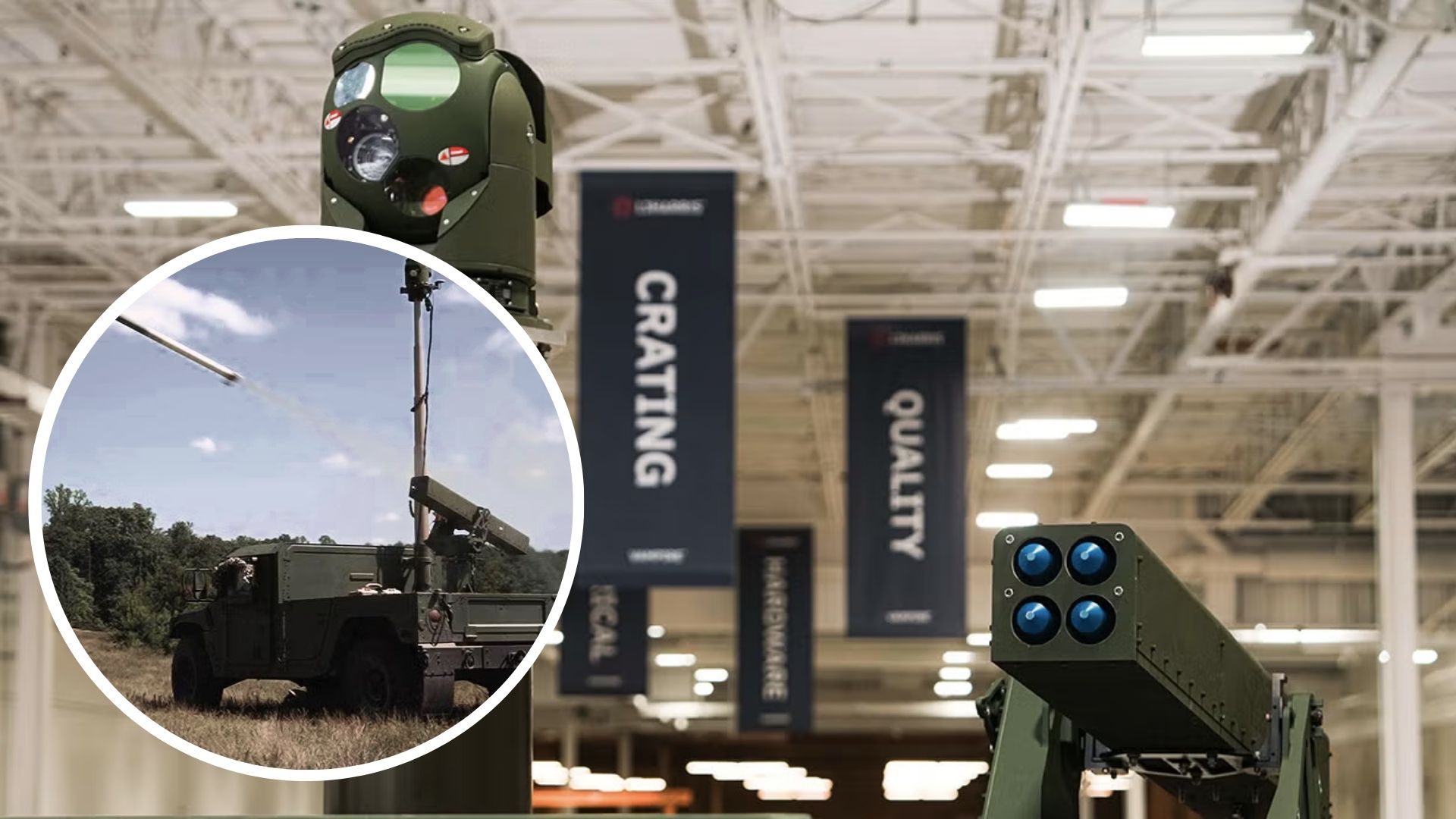
US Army to deploy VAMPIRE drone hunter with proven 350,000 hours of battlefield use
A new counter-drone system is being developed to bolster the defense capabilities of the United States against increasing drone threats. This initiative comes in response to the growing concerns over the use of unmanned aerial vehicles by adversaries, which have been employed in various conflicts and security breaches. The system is expected to be deployed in military bases and critical infrastructure locations across the country, enhancing the protection of both personnel and assets. The U.S. Department of Defense is spearheading this project, collaborating with leading technology firms to integrate advanced detection and neutralization technologies. The system aims to identify and intercept hostile drones before they can cause harm. Testing of the new technology is scheduled to begin in early 2024, with full operational capability anticipated by the end of the year. This proactive measure reflects the U.S. military's commitment to adapting to modern warfare challenges and ensuring national security. As drone technology continues to evolve, the implementation of this counter-drone system is seen as a crucial step in maintaining strategic advantages and safeguarding against potential threats.
Military
US Army orders $11.2-million drone kits to detect battlefield chemical, biological threats
Teledyne Technologies Incorporated has announced that its subsidiary, Teledyne FLIR Defense, has been awarded an $11.2 million contract. This contract, which was secured recently, will enhance the company's capabilities in providing advanced defense and security solutions. The deal underscores Teledyne FLIR Defense's commitment to supporting military and governmental operations with cutting-edge technology. The funding will be utilized to develop and deliver innovative systems that meet the evolving needs of defense agencies. This strategic move reflects the growing demand for sophisticated defense technologies in an increasingly complex global security environment.
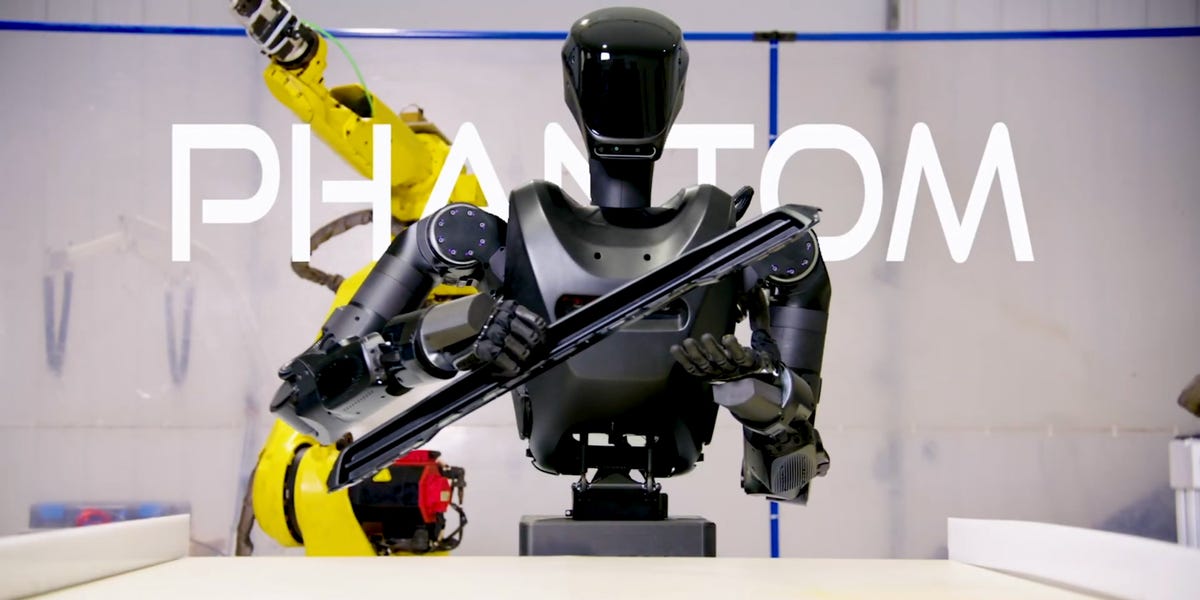
This startup wants to build an army of humanoid robot soldiers
A foundation has dispatched humanoid robots to Ukraine for a demonstration aimed at showcasing their potential in military applications. During the event, CEO Sankaet Pathak highlighted the future capabilities of these robots, projecting that within the next five to ten years, they will be able to identify and extract targets autonomously. The demonstration underscores the foundation's commitment to advancing technology in conflict zones, reflecting a growing interest in the integration of robotics into modern warfare. The event marks a significant step in exploring how artificial intelligence and robotics can enhance operational efficiency in military settings.
AI robotics
China plans to invest billions on a robot army to run its power grid
China's State Grid Corporation, the country's primary grid operator, is set to enhance its infrastructure operations through the deployment of thousands of AI-powered robots. This ambitious initiative, which involves an investment of 6.8 billion yuan (approximately US$1 billion), aims to utilize these robots for various tasks, including the inspection of remote substations and maintenance of ultra-high-voltage power lines. The move comes as part of a broader strategy to integrate advanced technology into critical infrastructure management, reflecting China's commitment to modernizing its energy sector and improving operational efficiency. The plan underscores the growing trend of leveraging artificial intelligence in industrial applications, positioning China at the forefront of technological innovation in energy management.

Dobot Deploys ATOM "Robot Army" in Third Mass Delivery Phase
Dobot has unveiled its third significant shipment of the full-size ATOM humanoid robot, aiming to disrupt the market dominated by established leaders. This announcement comes as the company seeks to capitalize on its manufacturing expertise and competitive pricing strategy, with the ATOM priced at $27,500. By positioning itself as a viable alternative in the robotics industry, Dobot is looking to attract customers who may be seeking innovative solutions at a more accessible price point. The latest shipment underscores Dobot's commitment to advancing humanoid technology and expanding its footprint in the robotics sector.
Dobot Robotics Atom China
Figure CEO Accuses UBTECH of Faking ''Robot Army'' Video, UBTECH Hits Back with New Footage
Brett Adcock, a figure in the tech industry, has raised concerns about the authenticity of UBTECH's mass delivery video, suggesting that reflections in the footage indicate the use of computer-generated imagery (CGI). In response, UBTECH has released additional drone footage to demonstrate the reality of their operations, emphasizing that their achievements are the result of meticulous engineering rather than fabrication. This exchange highlights the ongoing debate over the credibility of technological representations in promotional materials, as both parties seek to validate their claims in the competitive landscape of robotics and automation.
Brett Adcock UBTECH Robotics
UBTECH Signals Walker S2 Mass Delivery with ''Robot Army'' Video
UBTECH has unveiled a new video showcasing its Walker S2 humanoid robot, marking the commencement of mass production. The company plans to begin deliveries in mid-November, aiming to meet substantial orders valued at over 800 million yuan for the year 2025. This initiative reflects UBTECH's commitment to advancing robotics technology and addressing the growing demand for humanoid robots in various sectors. The production ramp-up is expected to position UBTECH as a key player in the robotics market as it prepares to fulfill these significant orders.
UBTECH Robotics Walker S2
Marine Corps Chooses Allen Control Systems' Bullfrog M240 for L-MADIS Integration
The Marine Corps has selected Allen Control Systems' Bullfrog M240 autonomous weapon for integration into its Light Marine Air Defense Integrated System (L-MADIS). This system is part of the Ground Based Air Defense program and includes two Polaris MRZR vehicles, one serving as a command unit and the other equipped with electronic warfare capabilities to counter drone threats. The Bullfrog M240 transforms the traditional 7.62mm machine gun into an autonomous weapon, capable of firing 850 rounds per minute and weighing approximately 300 pounds. This integration is facilitated through a prototype Other Transaction Agreement contract valued at around $6.2 million. The Marine Corps is also seeking $1.27 billion in its fiscal 2027 budget for Ground Based Air Defense capabilities, highlighting the importance of advanced defense systems. Looking ahead, the Bullfrog M240 is not only being considered by the Marine Corps; the US Army Applications Lab has awarded a contract to assess its deployment on Army combat vehicles. Additionally, Allen Control Systems is working on integrating Bullfrog onto US Special Operations Forces maritime platforms, indicating a growing interest in this technology across multiple military branches.
Land Warfare Naval Warfare Army Counter UAS cUAS LMADIS MADIS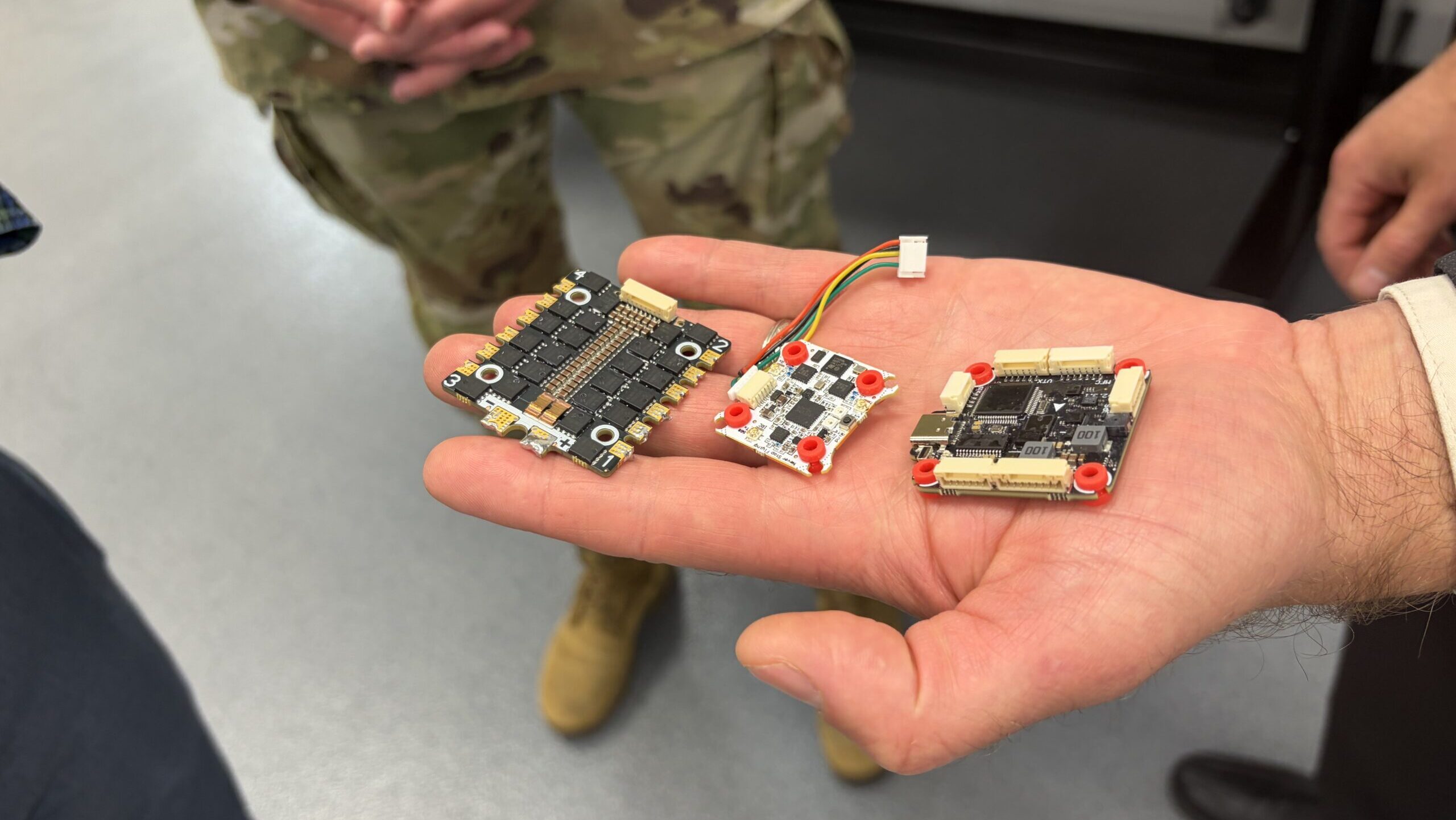
Tobyhanna Depot boosts drone component production with new assembly lines
In preparation for the Army's advanced manufacturing strategy, leaders from the Army's organic industrial base have announced plans to enhance the production of drone components under the Drone Dominance initiative. This initiative aims to bolster the Army's capabilities in unmanned aerial systems, reflecting a strategic focus on modernizing military technology. The details were unveiled during a recent briefing, highlighting the Army's commitment to increasing efficiency and output in drone manufacturing. By leveraging advanced manufacturing techniques, the Army seeks to ensure that its drone fleet remains competitive and effective in various operational environments. This move comes as part of a broader effort to adapt to evolving warfare dynamics and maintain technological superiority.
Land Warfare Networks & Digital Warfare advanced manufacturing Army Army Material Command cyber security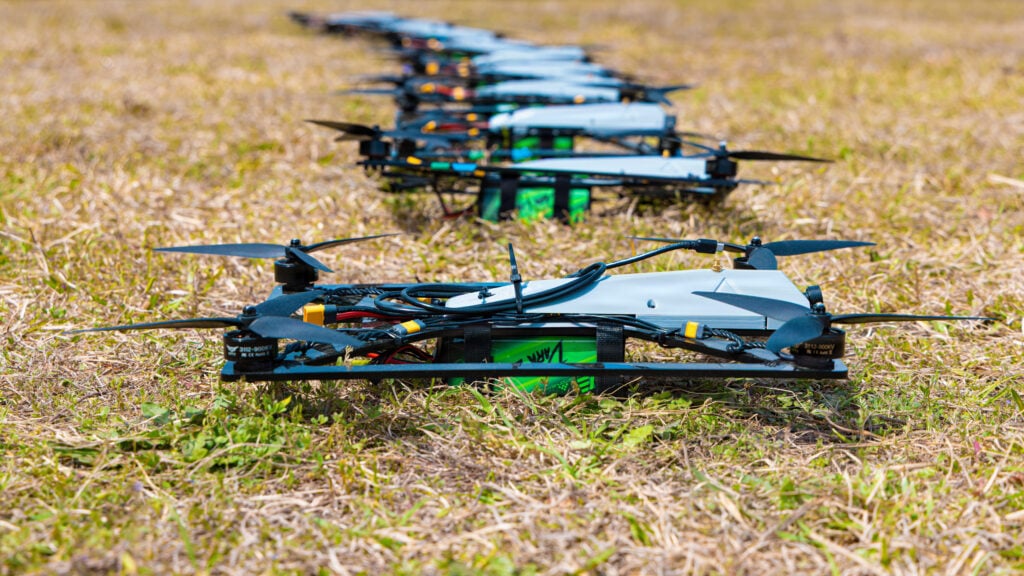
First Defense Critical Infrastructure summit aims to develop repeatable playbook
The U.S. Army, in collaboration with 14 external partners, conducted a tabletop exercise to simulate responses to a coordinated and simultaneous attack on a military installation during troop deployments. This event took place recently as part of ongoing efforts to enhance readiness and improve strategic responses to potential threats. The exercise aimed to evaluate and refine operational protocols, ensuring that all participating entities are prepared to effectively manage crises in real-time scenarios. By engaging in this comprehensive simulation, the Army and its partners sought to strengthen inter-agency coordination and response capabilities, ultimately enhancing national security.
Land Warfare Networks & Digital Warfare Army Brandon Pugh cyber security Drones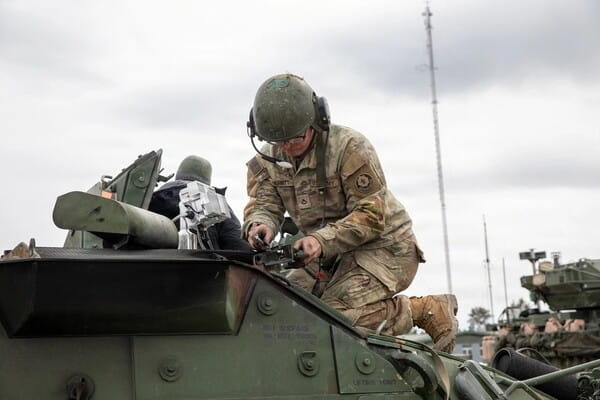
MatrixSpace Brings Portable Counter-Drone Radar to Lithuanian Exercise
MatrixSpace, a Massachusetts-based company, is enhancing low-altitude airspace awareness for M-SHORAD units in Pabradė, Lithuania, by deploying its portable AI-powered radar system. This initiative is part of the U.S. Army’s Flytrap 5.0 counter-drone exercise, taking place from May 1 to May 15, 2026. The announcement of MatrixSpace's involvement was made on May 12, following their recent success in the xTechCounter Strike competition during the previous Flytrap 4.5 exercise. The deployment aims to bolster the Army's capabilities in counter-drone operations, reflecting the growing need for advanced technologies in modern military exercises.
Defense defense Drone News Drone News Feeds Military News
Humanoid Robots Begin to Enter Australia Amid Global Surge
As humanoid robots flood factories, warehouses, and hotels in China at a rate of 100,000 units annually, Australia remains hesitant at the starting line. Melbourne-based startup Andromeda is selling an AI robot named Abi to nursing homes worldwide, aiming to create empathetic companions that transform loneliness into joy. However, local robotics companies in Australia are scarce, while the global 'robot army' is rapidly approaching its borders. Last Friday, AgiBot, a leading humanoid robot company from China, held a launch event in Australia, showcasing robots performing the Nutbush dance. Priced between $40,000 and $50,000, these robots are already fulfilling tangible roles in China's manufacturing lines, warehouses, hotel receptions, and stores, with production reaching 100,000 units this year and continuing to grow. A striking comparison highlights that the current price of a humanoid robot is roughly equivalent to that of a slave in the late 18th century American South, raising ethical questions about the societal acceptance of such industrial consumer goods. Australian Prime Minister Albanese recently announced he would personally oversee the national AI strategy, with the establishment of an AI safety research institute, although pre-release testing is still under discussion. Meanwhile, global AI regulation shows signs of divergence, as China recently enacted regulations halting AI companion services. Australia is still exploring the extent to which humanoid robots should resemble humans, raising critical questions about whether these machines are tools for liberating productivity or a point for society to redefine 'value.'
Humanoid Robots AI Robotics Automation
Anduril Unveils Thunder, an Autonomous Tiltrotor Attack Drone Concept
Anduril has introduced Thunder, a hybrid-electric tiltrotor combat drone developed in collaboration with Archer Aviation. Designed as a highly autonomous pilotless wingman, Thunder aims to operate alongside crewed helicopters like the AH-64 Apache, enhancing target acquisition and defense capabilities against air-to-air drone threats. This development is significant as it addresses critical operational gaps in modern warfare, allowing human pilots to engage from a safer distance while Thunder performs close-in defense. The drone's capabilities are expected to improve mission effectiveness in future conflicts, with a first flight planned for next year and potential full-scale production by the end of the decade. Looking ahead, the commercial version of Thunder is also in development, with Archer Aviation set to provide further details soon. As the drone is designed to operate at low altitudes, it is positioned to complement existing military aircraft, enhancing the U.S. Army's aerial capabilities in complex operational environments.
News & Features Air Drones Loyal Wingman Unmanned
Carnegie Mellon University Showcases Innovations in Defense Manufacturing at 2026 Summit
Carnegie Mellon University (CMU) presented several new partnerships and technologies at the 2026 Pennsylvania Defense and Innovation Summit. This event took place from July 14-15 at the U.S. Army War College in Carlisle, Pennsylvania, and was hosted by U.S. Senator David McCormick. The summit highlighted CMU's commitment to advancing defense manufacturing and military education through innovative research and collaboration. These efforts are crucial for enhancing the capabilities of the defense sector and ensuring that military personnel are equipped with the latest technologies. Looking ahead, stakeholders in the defense industry should monitor CMU's ongoing initiatives and partnerships that may emerge from this summit. No further timeline was disclosed at the time of publication.
AnnouncementsRobotics needs a service framework.
RSF defines a common language for robot service capability, lifecycle operations, certification pathways, and service-provider networks.