

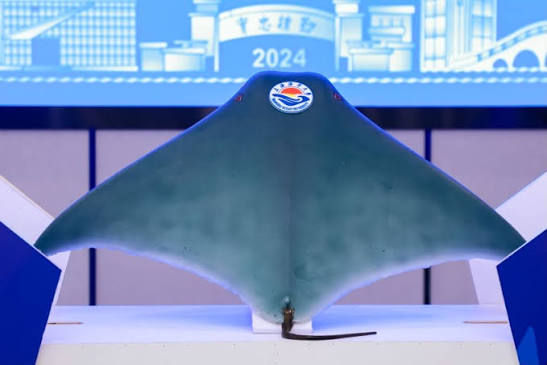
Recent advancements in biohybrid robotics have seen the integration of frog leg muscles to drive manta ray-inspired robots. This innovative approach pushes the boundaries of traditional robotics by incorporating biological elements, enabling more efficient movement and adaptability in aquatic environments.
The significance of this development lies in its potential applications across various fields, including environmental monitoring, underwater exploration, and even search and rescue operations. By harnessing the unique properties of living tissues, researchers aim to create robots that can navigate complex terrains and respond dynamically to their surroundings.
Looking ahead, the ongoing research in biohybrid robotics will be crucial in determining the future capabilities of these systems. As scientists continue to explore the integration of biological components, we can expect to see more sophisticated designs and functionalities that challenge our understanding of robotics and its applications. No further timeline was disclosed at the time of publication.
Editor's Note
The exploration of biohybrid robotics represents a significant shift in how we approach robotic design and functionality. By integrating biological elements, these systems can achieve levels of adaptability and efficiency that traditional robots may struggle to match. This trend could reshape industries focused on environmental monitoring and exploration.


























Leave a comment