

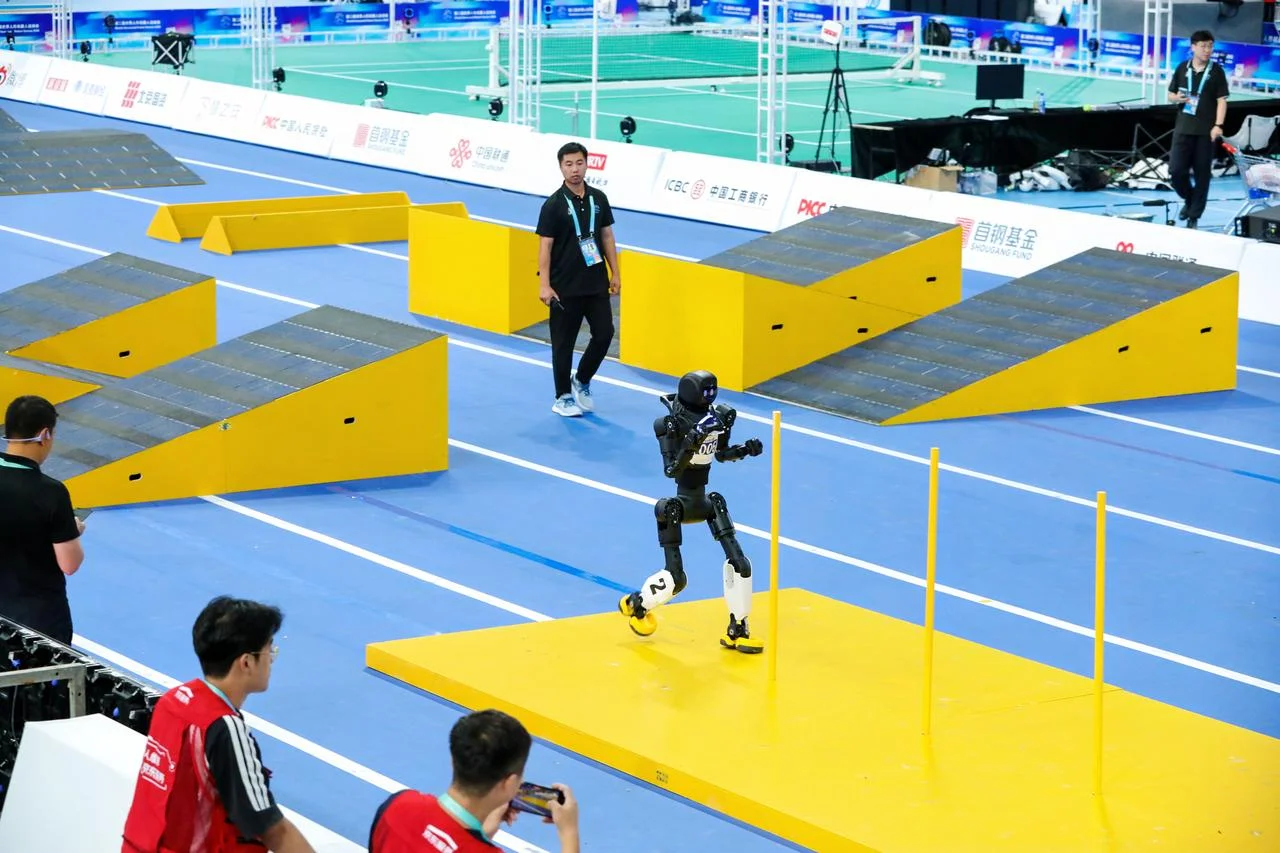
The 2nd World Humanoid Robot Games concluded at Beijing's National Speed Skating Oval, with Shanghai-based AGIBOT emerging as the top competitor. AGIBOT secured the highest position on the medal table, amassing a total of 46 medals, including 18 gold, 16 silver, and 12 bronze, narrowly surpassing TianGong Robotics, which earned 45 medals.
AGIBOT's success was attributed to its diverse performance across various categories, particularly in dexterous manipulation, where its OmniHand excelled, winning seven gold medals. The company also showcased its motion-control capabilities, with the X2 platform winning gold in the 100-meter obstacle race and the G2 platform achieving five gold medals in scenario-based challenges, emphasizing the importance of multi-domain competence in humanoid robotics.
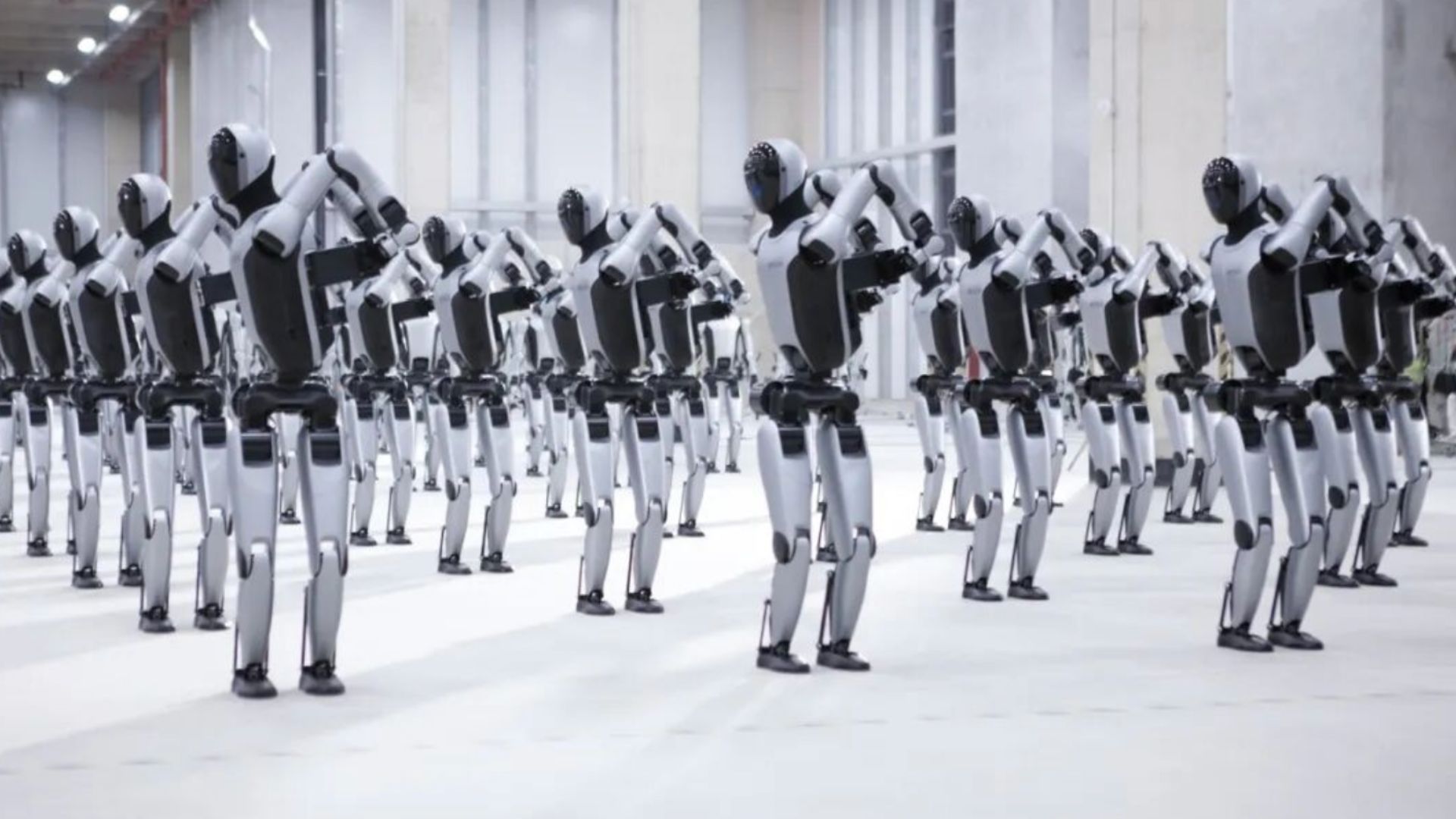
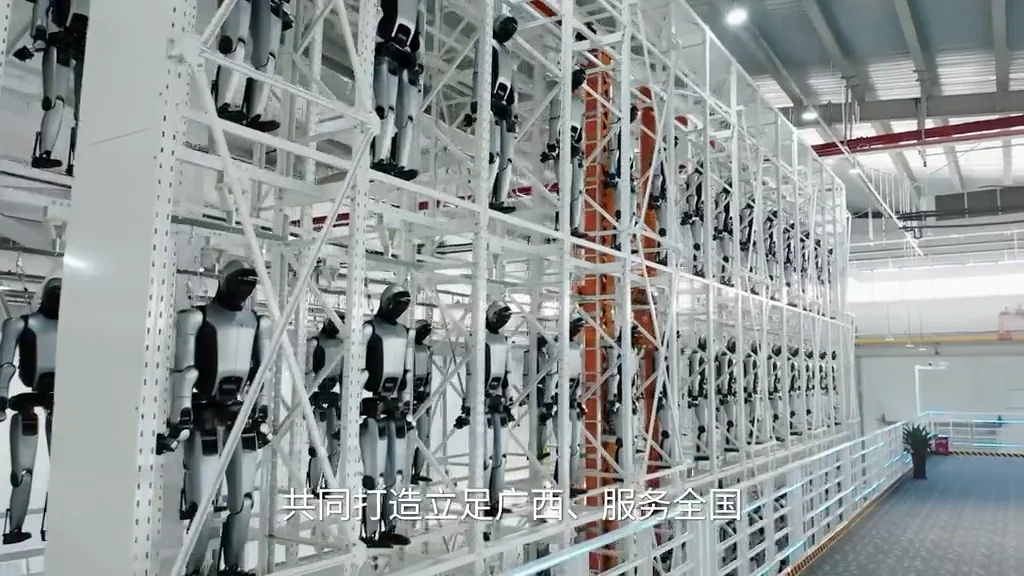
The competition highlighted a significant shift in the humanoid robotics industry, with AGIBOT's strategy of utilizing commercial units from mass production lines demonstrating real-world applicability. As the industry evolves, the contrasting approaches of AGIBOT and TianGong Robotics underscore the growing importance of both athletic performance and versatile task execution in humanoid robotics.
Editor's Note
The results from the 2nd World Humanoid Robot Games reflect a critical moment in the robotics sector, showcasing the balance between specialized athletic performance and versatile operational capabilities. As companies like AGIBOT and TianGong Robotics push the boundaries of humanoid technology, the implications for manufacturing and automation are profound, particularly in how robots can be integrated into real-world applications.


























Leave a comment