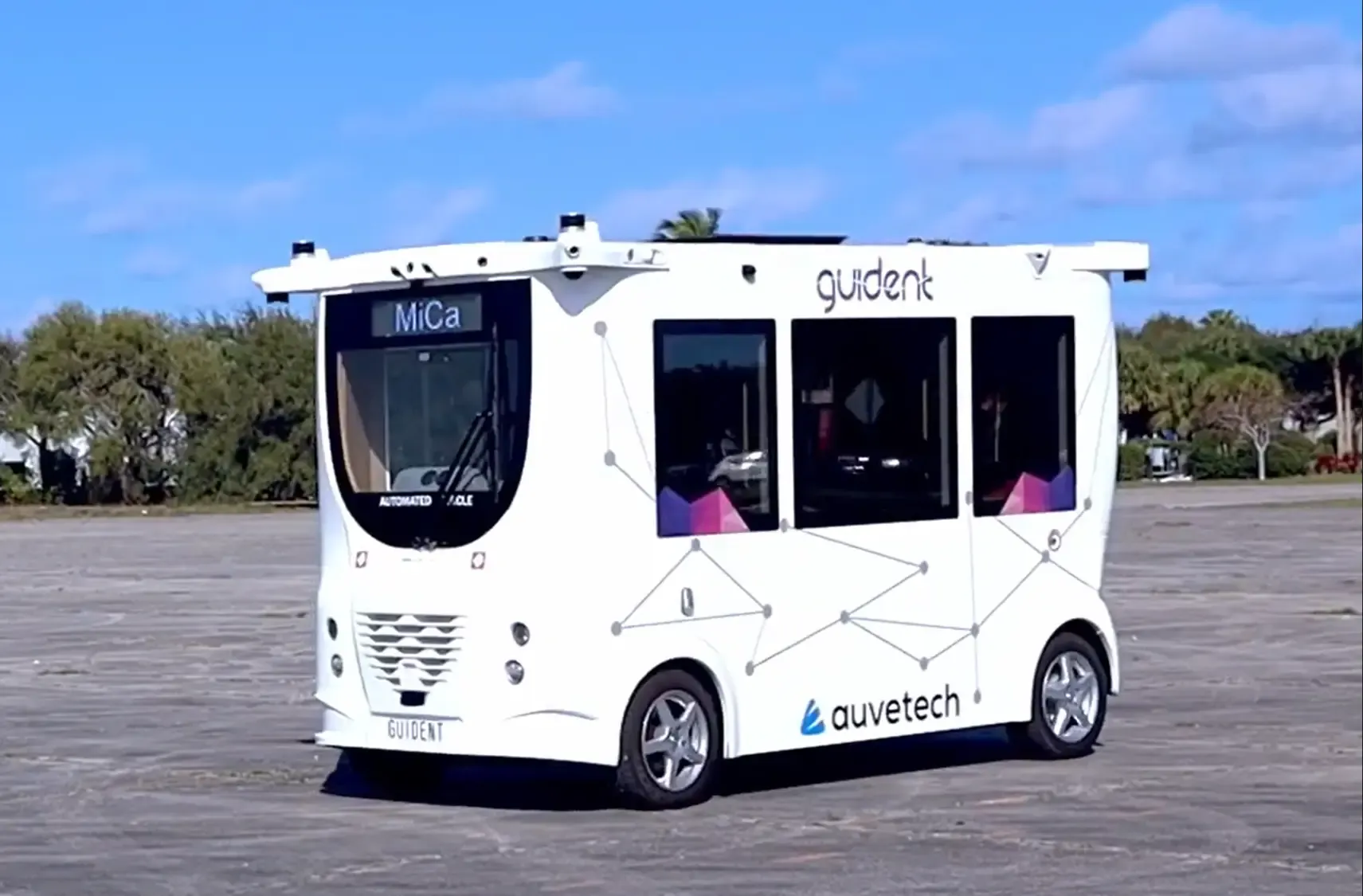

Inside Guident: How Harald Braun Is Building the Safety Layer Every Autonomous Vehicle Needs
Guident CEO Harald Braun on the RMCC architecture, IRLS risk identification system, and why California’s 2026 AV mandates validate six years of platform development.

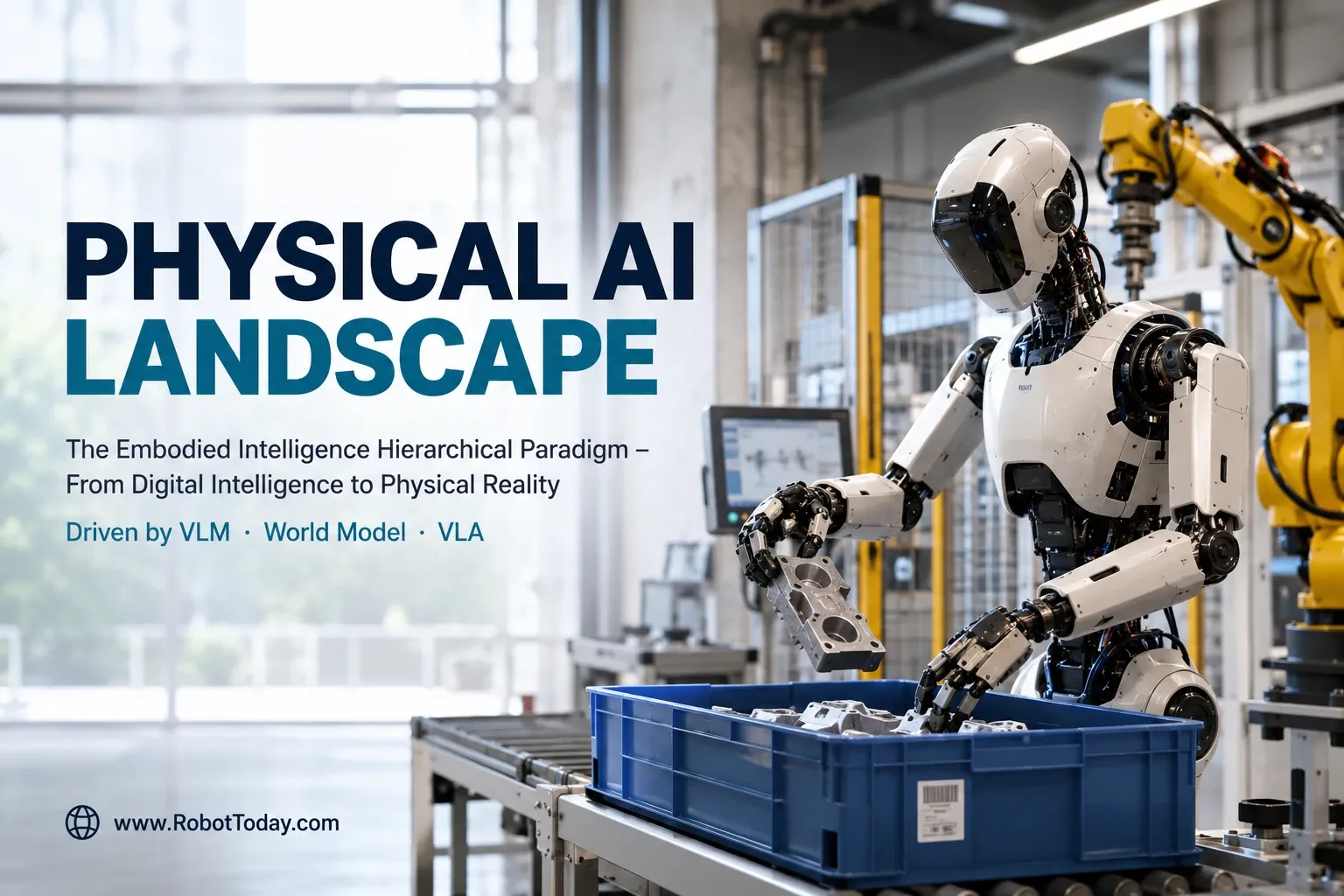
Physical AI Landscape: From Digital Intelligence to the Embodied Physical World
A comprehensive industry analysis of Physical AI — covering Embodied AI, Field AI, Factory AI, VLM, World Model, VLA, and the VLA vs WAM architecture debate. Includes 20+ companies, 28 references, and the RobotToday Physical AI Landscape diagram. July 2026.

Automate 2026 | A3’s Jeff Burnstein on the New Geography of Robotics Adoption
RobotToday interviews A3 President Jeff Burnstein post-Automate 2026 on sector diversification, China’s 10x robot installation lead, a proposed U.S. national robotics strategy, and global cooperation through the IFR.

Where Engineers Can Enter Robotics in 2026
Robotics hiring in 2026 is driven by deployment, integration, and operations—not hype. A structural map of real entry points for engineers.

Eye Surgery Robot Achieves 100% Success Without AI Training
Ophthalmic surgical robots are diverging from general-purpose Physical AI. ARISE reveals why engineered autonomy fits clinical reality better than end-to-end learning.

CES 2026 Exposes a Structural Divide in Humanoid Robotics
CES 2026 reveals a structural split in humanoid robotics: the U.S. leads in AI intelligence while China dominates scale, cost, and deployment—raising questions about who can truly scale.

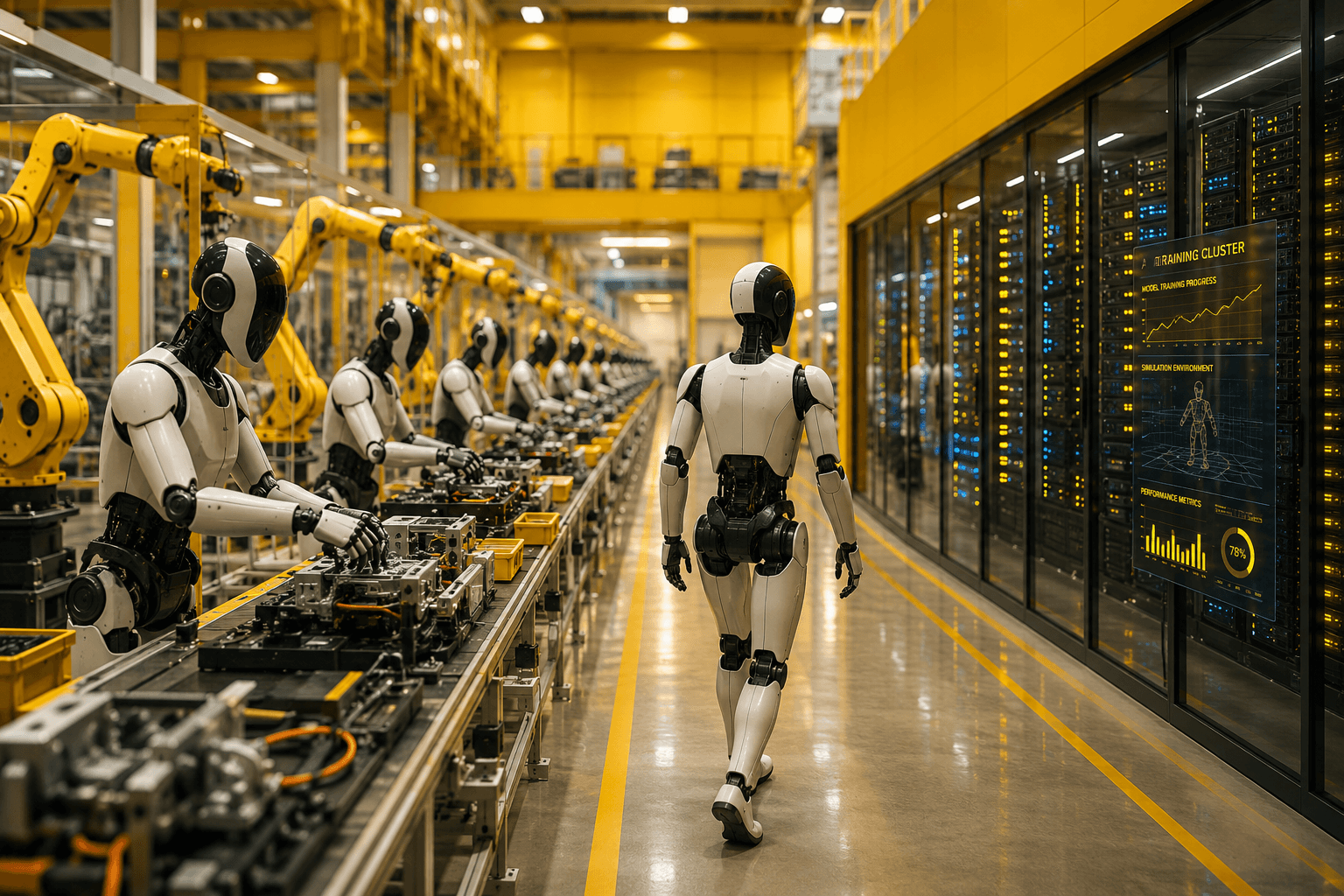
China VS TESLA Two Paths to Humanoid Robot (Mass Production III)
China’s humanoid companies are rushing to scale, while Tesla tightens supplier audits. This article examines the manufacturing, supply-chain, and operational logic behind two contrasting paths to humanoid robot mass production.

Why Tesla's Audit Standards Redefine Humanoid Manufacturing (Mass Production II)
Tesla’s strict supplier audits for Optimus reveal a new industrial reality for humanoid robots. This analysis explains how automotive-grade standards—yield, cost discipline, SPC, and supply-chain governance—are redefining what “scalable robotics” truly means.

From IREX 2025 to CES 2026, Two Consecutive Stress Tests for the Global Robotics Industry
A pre-CES 2026 industry insight comparing iREX 2025 and CES 2026, revealing how Japan, Korea, China, Europe, and the U.S. are shaping robotics commercialization—from narrative momentum to deployment reality.

Tesla Launches Final Audits of Potential Suppliers for Optimus (Mass Production I)
Tesla has begun final audits of potential suppliers for its Optimus humanoid robot, signaling a transition from prototype development to mass-production readiness and supply-chain lock-in.

The Coming Care Crisis: Why the U.S. Aged Care System Can’t Survive Without Robots
The U.S. aged-care system faces severe labor shortages and rising costs. Care robots are emerging as a critical solution to sustain elder care at scale.

New AI System Could Accelerate Clinical Research
By enabling rapid annotation of areas of interest in medical images, the tool can help scientists study new treatments or map disease progression.