


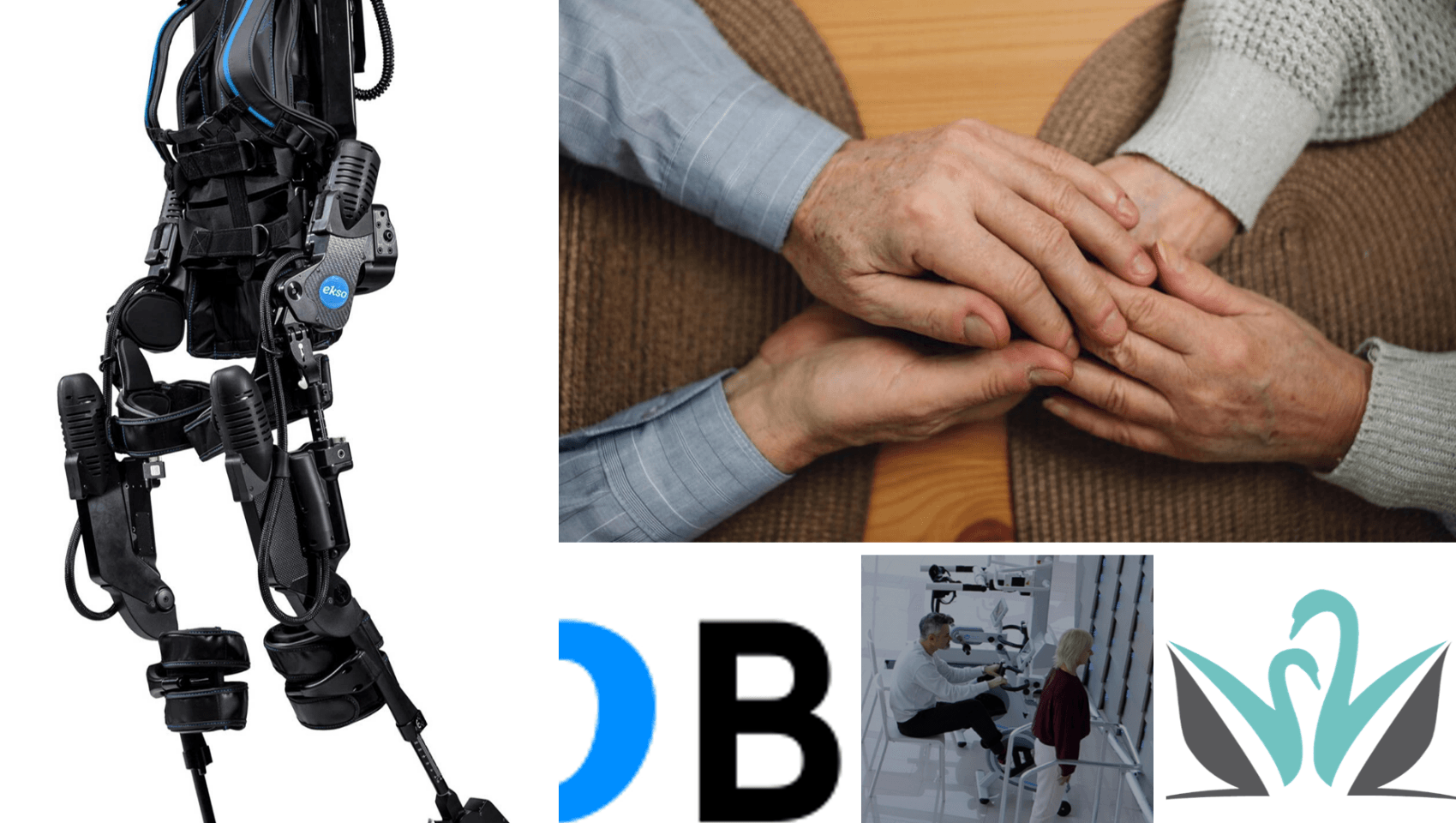
The Demographic Breaking Point
America’s aging wave is no longer a forecast—it’s an unfolding reality.
By 2030, one in five Americans will be over 65, totaling more than 71 million people, according to the U.S. Census Bureau. As the baby-boomer generation ages in unison, the nation faces an unprecedented surge in long-term care demand.
On the supply side, the numbers simply don’t match. The Bureau of Labor Statistics (BLS) projects that “home and personal care aides” will remain among the fastest-growing occupations this decade, requiring over 766,000 new positions every year just to meet replacement and growth needs. Yet few workers are willing to take these jobs—burdened by low pay, physical strain, and post-pandemic burnout.
“The U.S. care system has reached a point where automation isn’t optional—it’s survival,”
Lisa Taylor, Senior Advisor, AARP.
Escalating Costs, Shrinking Options
The cost curve for aged care is outpacing nearly every other social service.
The 2024 Genworth–CareScout survey shows median annual expenses of $70,800 for assisted living, and up to $288,000 for 24-hour home care. In high-cost states like California and New York, totals run even higher.
As insurance and Medicaid programs strain to contain budgets, many nursing homes are closing or converting into home-care platforms, widening the service gap for those most in need.
When Robots Become Infrastructure
Within this structural imbalance, rehabilitation and assistive robots have shifted from “nice-to-have” to mission-critical.
According to Grand View Research, the U.S. elder-care robotics market was valued at $976 million in 2024 and is projected to reach $3.13 billion by 2033, a CAGR of 13.7%. North America remains the world’s largest single region, accounting for roughly 40% of global demand.
Current products fall into four categories:
- Physically Assistive / Rehabilitation Robots – gait training, transfer support, exoskeletons.
- Socially Assistive Robots – conversational or companion units.
- Monitoring & Fall-Detection Systems – sensor-based mobility safety.
- Telepresence Care Robots – for remote monitoring and virtual visits.
Among these, physical-assist robots deliver the clearest return on investment. One unit can replace the lifting workload of two caregivers, cutting physical strain injuries by up to 60%, while AI force-control algorithms ensure safe, adaptive movement.
Engineering Reality: Stability Over Elegance
Most humanoid robots still struggle in unpredictable care settings.
Sudden loss of balance, non-standard postures, or frail bodies can easily topple a biped robot.
Experts argue that stability—not human-likeness—defines true utility.
That’s why hybrid centaur-type designs, combining four legs with integrated wheels, are attracting attention. These systems maintain a low center of gravity and move safely across slippery or narrow environments, ideal for transfers or support tasks.
Japan and Europe are piloting such architectures; U.S. nursing homes in California and Texas are now experimenting with early deployments.
From Pilots to Policy
Regulatory frameworks for “care robots” in the U.S. remain fragmented.
Most vendors currently enter under non-medical assistive-device classifications, avoiding lengthy FDA routes. Meanwhile, several state governments are testing robots within Long-Term Services and Supports (LTSS) programs.
New York’s Office for the Aging (NYSOFA) has partnered with vendors to deploy ElliQ companion robots for isolated seniors.
Reported outcomes: loneliness scores down 32%, care-plan adherence up 18%.
Such pilots hint at how robots could integrate into mainstream public-health infrastructure.
Expert Divide: Hope and Skepticism
Optimists say:
“Without robots, the care system collapses.”
— Dr. Aileen Brooks, Stanford Center for AI and Social Policy
She notes that elder-care demand will double within 15 years, while workforce growth lags far behind. Robots, she argues, are not displacing labor—they’re preserving capacity.
Skeptics warn:
“Over-substitution may erode emotional care.”
— Dr. Frank Dillard, Sociologist, Yale University
Replacing social contact with machines could deepen isolation.
The Gray Zone Between Lab and Life
Unlike surgical or industrial robots, caregiving environments are messy and dynamic.
No two transfers, rooms, or patient reactions are identical.
Systems must handle wet floors, tight spaces, and split-second shifts in weight or intent—requiring real-time learning and redundancy.
Ironically, this operational chaos has turned integration and service networks into the true competitive moat.
That’s why the RaaS model is gaining traction.
By bundling leasing, maintenance, and training into a subscription, vendors transform capital expenditure into OPEX, aligning with facility cash-flow cycles.
Startups across the U.S. are already signing “monthly service” contracts rather than one-time sales.
From Hardware to Care Ecosystem
America’s aging crisis won’t wait for perfect technology.
In a world of chronic labor shortages and rising costs, rehabilitation and care robots are becoming part of the aged-care infrastructure itself.
The nursing home of the 2030s will likely be a human-machine ecosystem:
- Robots handle lifting, patrols, and logistics;
- AI predicts falls and medical risks;
- Caregivers focus on empathy, judgment, and companionship.
Conclusion
Robots aren’t making elder care colder; they’re making compassion sustainable.
In a country where 120 people turn 65 every minute, letting machines lend a hand may be the only way to keep the system—and its humanity—alive.







Leave a comment