

Industry Briefing
A single destination for timely, editor-curated robotics news from around the world.
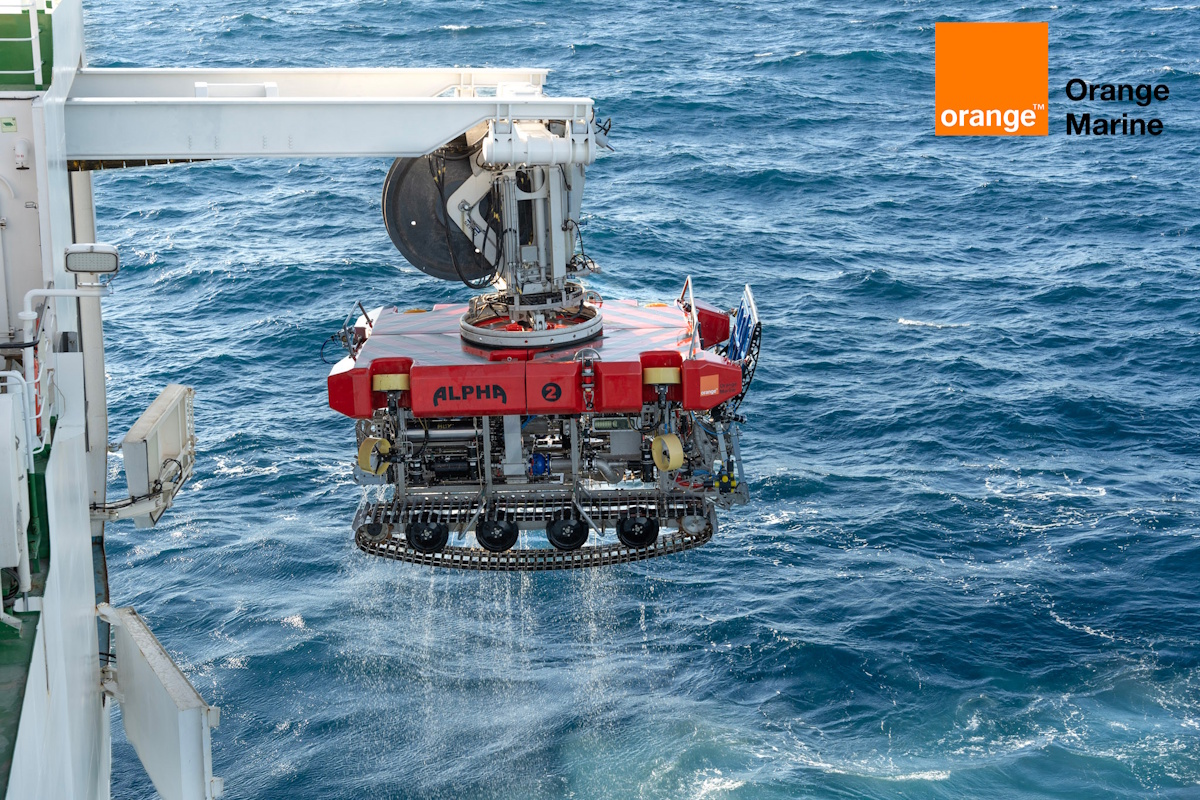
Global Marine Collaborates with Orange Marine for Advanced Alpha ROV on New Vessel
Global Marine has partnered with Orange Marine to supply a next-generation Alpha Remotely Operated Vehicle (ROV) for its new cable maintenance vessel, currently under construction. This collaboration merges Global Marine's extensive subsea cable maintenance experience with Orange Marine's specialized vehicle manufacturing expertise. The Alpha ROV is designed to meet the rigorous demands of telecommunications and power subsea cable operations, featuring 450 kW of power and the capability to operate at depths of 3,000 meters. This advanced vehicle will enhance Global Marine's operational flexibility and efficiency in subsea cable inspection, maintenance, and repair tasks. The new ROV will be deployed on a hybrid-powered cable maintenance vessel, set for delivery in Q4 2029, which signifies a substantial investment in fleet modernization. This initiative positions Global Marine to better support long-term maintenance agreements and capitalize on the growing subsea cable market, as noted by CEO Simon Hibberd.
global marine partnership orange marine alpha rov cable maintenance vessel
WaiV Robotics Achieves First Autonomous Nighttime Landing on Moving Vessel
WaiV Robotics has successfully conducted a series of open-sea demonstrations showcasing its autonomous drone launch and recovery system. Notably, the company achieved the first-ever autonomous maritime takeoff and landing at night, marking a significant milestone in maritime technology. This achievement is crucial as it demonstrates the capabilities of WaiV's patented catch-lock-release mechanism and AI-powered predictive algorithms. These technologies enable drones to land on moving vessels, enhancing operational efficiency and safety in maritime operations. Looking ahead, the advancements made by WaiV Robotics could pave the way for further innovations in autonomous maritime systems. No further timeline was disclosed at the time of publication.
Drones News autonomous drones autonomous landing autonomous systems drone landing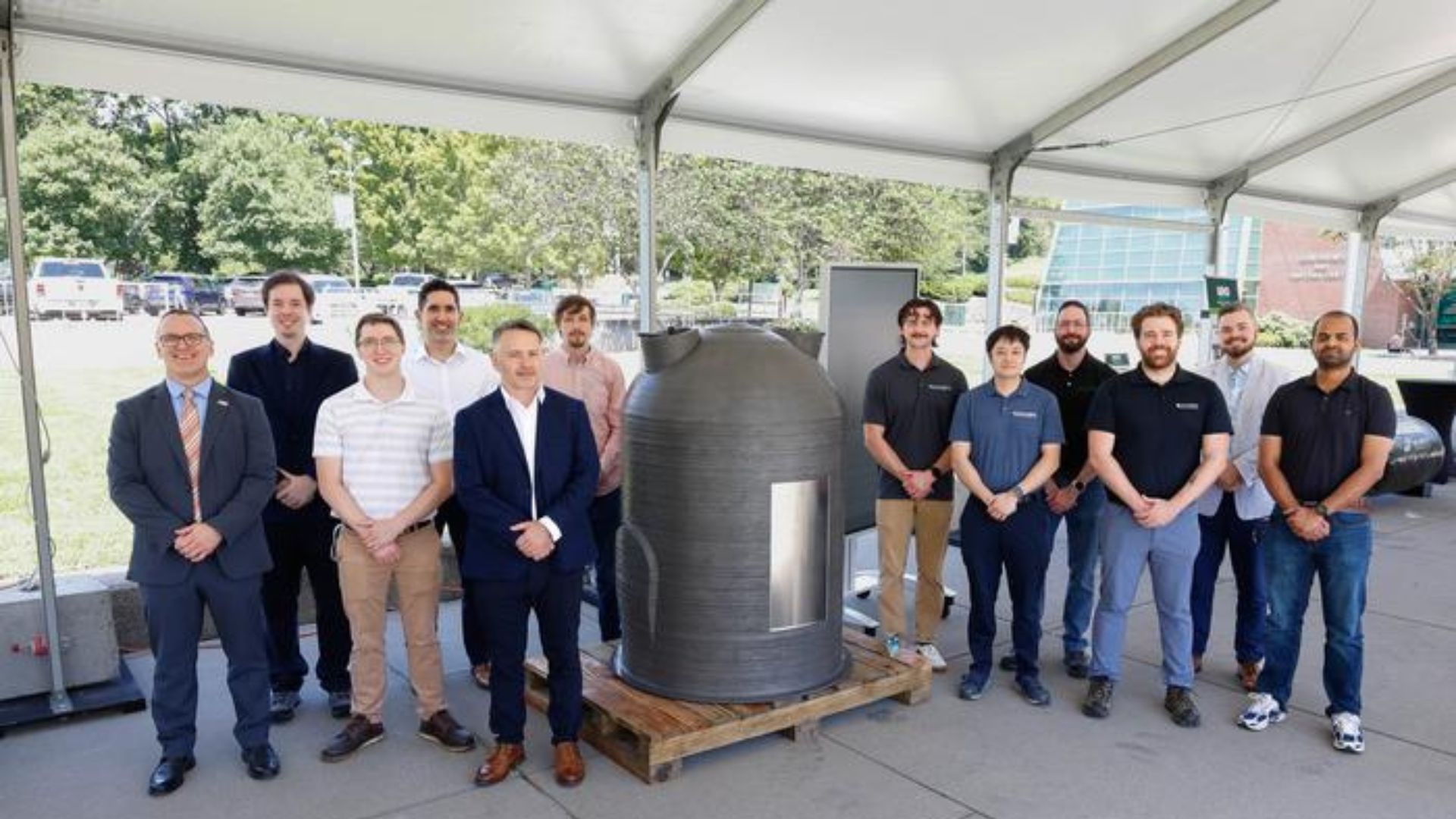
Oak Ridge National Laboratory Utilizes Robotics to 3D Print Steel Pressure Vessel for Nuclear Applications
Oak Ridge National Laboratory (ORNL) and its industry partners are leveraging advanced manufacturing technologies, including heavy 3D printing and AI-driven automation, to address challenges in the U.S. industrial supply chain. A notable achievement includes the creation of a three-by-five-foot nuclear pressure vessel using a three-armed robot named MedUSA, showcasing the potential of additive manufacturing in producing large metal components. This initiative is crucial as the U.S. industrial sector grapples with significant operational challenges, including irregular supply chains and a shortage of skilled labor, which have led to delays in critical infrastructure projects. The Materials and Manufacturing Innovation Days event at ORNL brought together over 350 leaders to discuss accelerating the adoption of advanced manufacturing technologies, aiming to transform laboratory innovations into practical applications for U.S. manufacturers. Looking ahead, the focus will be on overcoming certification hurdles for 3D-printed components, as highlighted by participants at the event. The collaboration between ORNL and various industry stakeholders aims to enhance supply chain resilience and expedite the qualification of alternative materials and manufacturing processes, ensuring that advancements in technology translate effectively to the factory floor.
Energy Innovation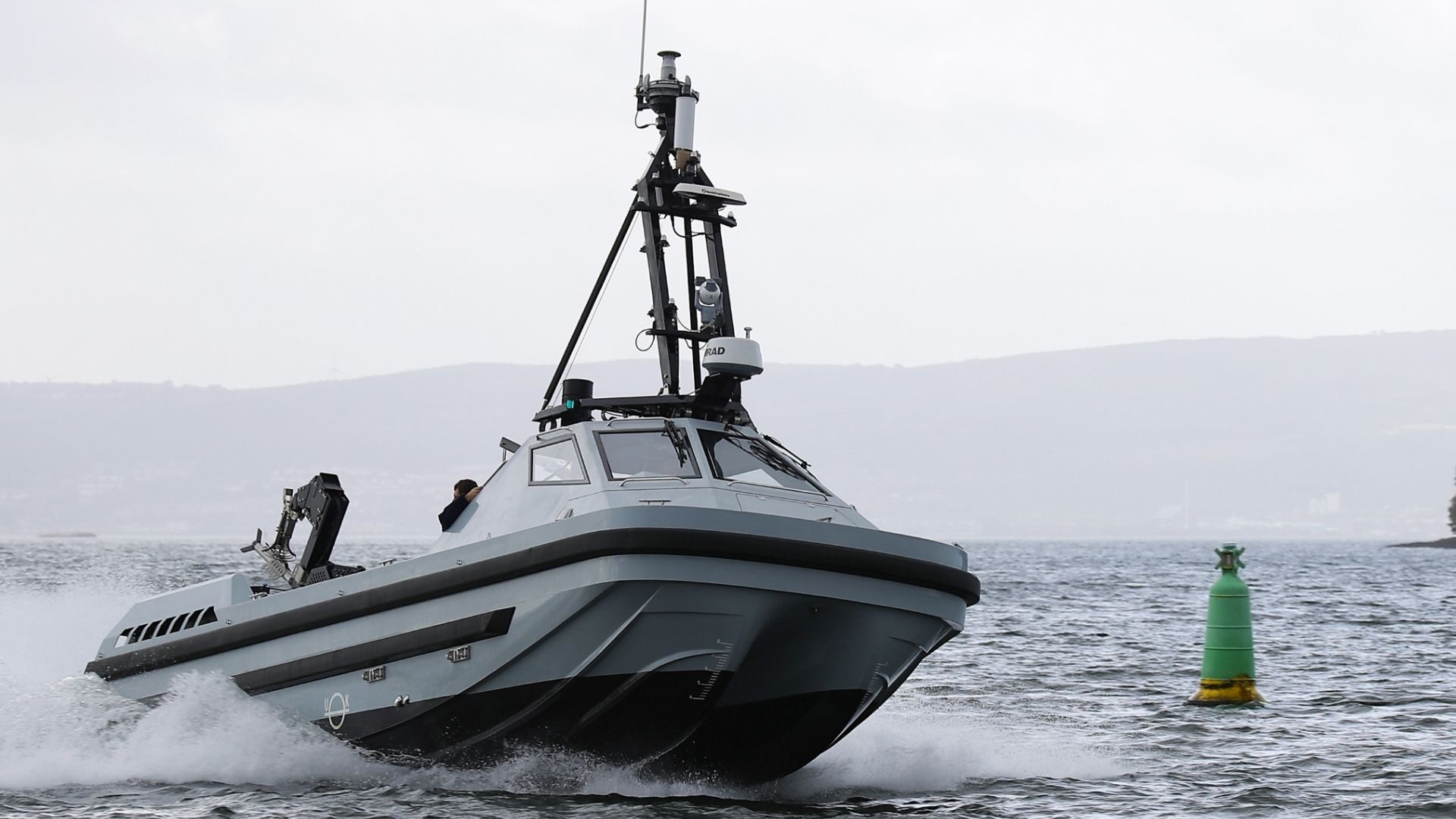
US Navy Demonstrates Robotic Refueling System for Unmanned Vessels at Sea
The US Navy has successfully showcased a robotic system capable of capturing, refueling, and releasing an unmanned surface vessel (USV) at sea. This demonstration, led by the Naval Air Warfare Center Weapons Division, took place off Joint Expeditionary Base Little Creek-Fort Story, Virginia, and involved the T38 USV and a towable refueling system. This innovative capability is significant as it allows USVs to remain deployed for extended missions without the need to return to port for fuel. By reducing the frequency of refueling stops, the Navy can enhance sensor coverage during operations and decrease reliance on crewed support vessels, which is crucial for ongoing testing and operational efficiency. Looking ahead, the robotic refueling system is expected to support the Blue Water Instrumentation program, particularly in trials related to hypersonic systems and precision long-range fires. No further timeline was disclosed at the time of publication.
Innovation Military Science
NAWCWD Demonstrates Robotic Towed Connector for Refueling Unmanned Surface Vessel at Sea
The Naval Air Warfare Center Weapons Division (NAWCWD) has successfully demonstrated a robotic towed connector that enables the refueling of unmanned surface vessels (USVs) at sea. This innovation is part of the Blue Water Instrumentation program, aimed at enhancing the operational capabilities of USVs during long-range weapons testing. This advancement is significant as it addresses the challenge of maintaining USVs on station for extended periods without the need for crewed support ships. According to Spencer Holloway, director of BWI’s Future Capabilities Office, the ability to refuel USVs at sea increases mission persistence and coverage, which is crucial for testing hypersonic and precision long-range capabilities. Looking ahead, the successful demonstration, which included the transfer of 400 gallons of fuel during multiple connection cycles, highlights the potential for unmanned refueling to enhance fleet readiness. As noted by Ronald Raymer from U.S. Fleet Forces Command, this capability allows for greater reliance on unmanned vessels in high-threat areas, reducing risks to personnel and enabling more efficient operations.
us navy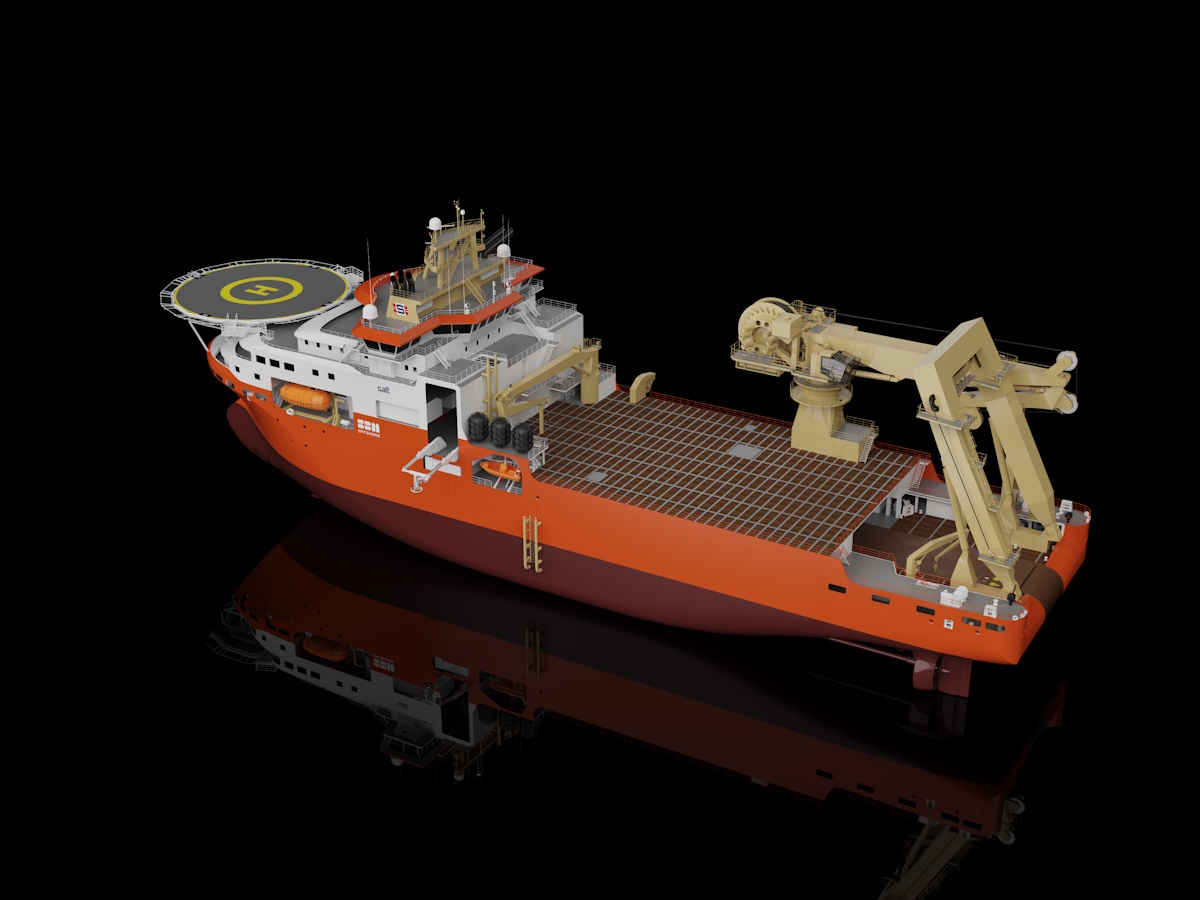
Kongsberg Maritime Wins Contract for Advanced Systems on New Vessel from Solstad/SBM Offshore
Kongsberg Maritime has secured a contract to provide advanced systems for a new vessel being developed by Solstad and SBM Offshore. This collaboration highlights Kongsberg's commitment to enhancing maritime technology and operational efficiency. The contract is significant as it underscores the growing demand for advanced maritime systems that improve safety and performance in offshore operations. Kongsberg's expertise in this area positions it as a key player in the maritime industry, particularly in the context of increasing competition and technological advancements. Looking ahead, industry stakeholders should monitor the implementation of these advanced systems and their impact on operational capabilities. No further timeline was disclosed at the time of publication.

Hormuz Commodity Vessel Crossings Reach Lowest Level in Three Months
Recent data indicates that traffic through the Hormuz Strait has significantly decreased, with only two vessels crossing in the latest report. This is a stark contrast to the 10-day average of 14 daily commodity vessels, highlighting a notable decline in maritime activity in this critical shipping lane. The reduction in vessel traffic is significant as the Hormuz Strait is a vital route for global oil and gas shipments. The presence of only one very large gas carrier and one very large crude carrier underscores potential disruptions in supply chains and may impact global commodity prices. Looking ahead, stakeholders in the shipping and energy sectors will be monitoring traffic patterns closely. No further timeline was disclosed at the time of publication, but continued low vessel crossings could signal ongoing challenges in maritime logistics and trade dynamics in the region.
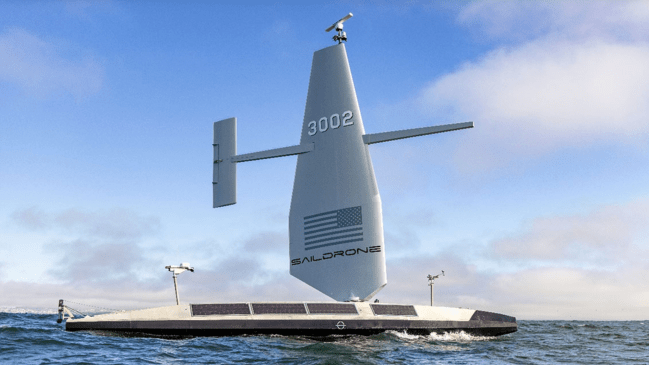
Lockheed Martin and Saildrone Test Missile System on Unmanned Vessel During RIMPAC 2026
Lockheed Martin and Saildrone successfully demonstrated missile launches from an unmanned surface vessel during the RIMPAC 2026 exercise near Hawaii. This integration of Lockheed Martin’s Joint-Air-to-Ground Missile (JAGM) Dual Launcher and Adjunct Remote Engagement System (ARES) on a Surveyor-class Saildrone marks a significant advancement in adapting commercial autonomous platforms for military applications. The demonstration highlights the potential for unmanned vessels to operate alongside traditional naval forces, as evidenced by the vessel's engagement with a surrogate high-speed surface craft while coordinating with the USS Theodore Roosevelt Carrier Strike Group. The rapid development of this system, from concept to live demonstration in just six months, underscores the efficiency of integrating existing defense technologies with commercial platforms. Looking ahead, both companies plan to expand testing capabilities on Saildrone platforms, including the larger Spectre-class vessel. This initiative aims to enhance the operational use of unmanned systems in naval missions, with a focus on integrating advanced weaponry and reducing technical risks associated with deploying new military technologies.
Military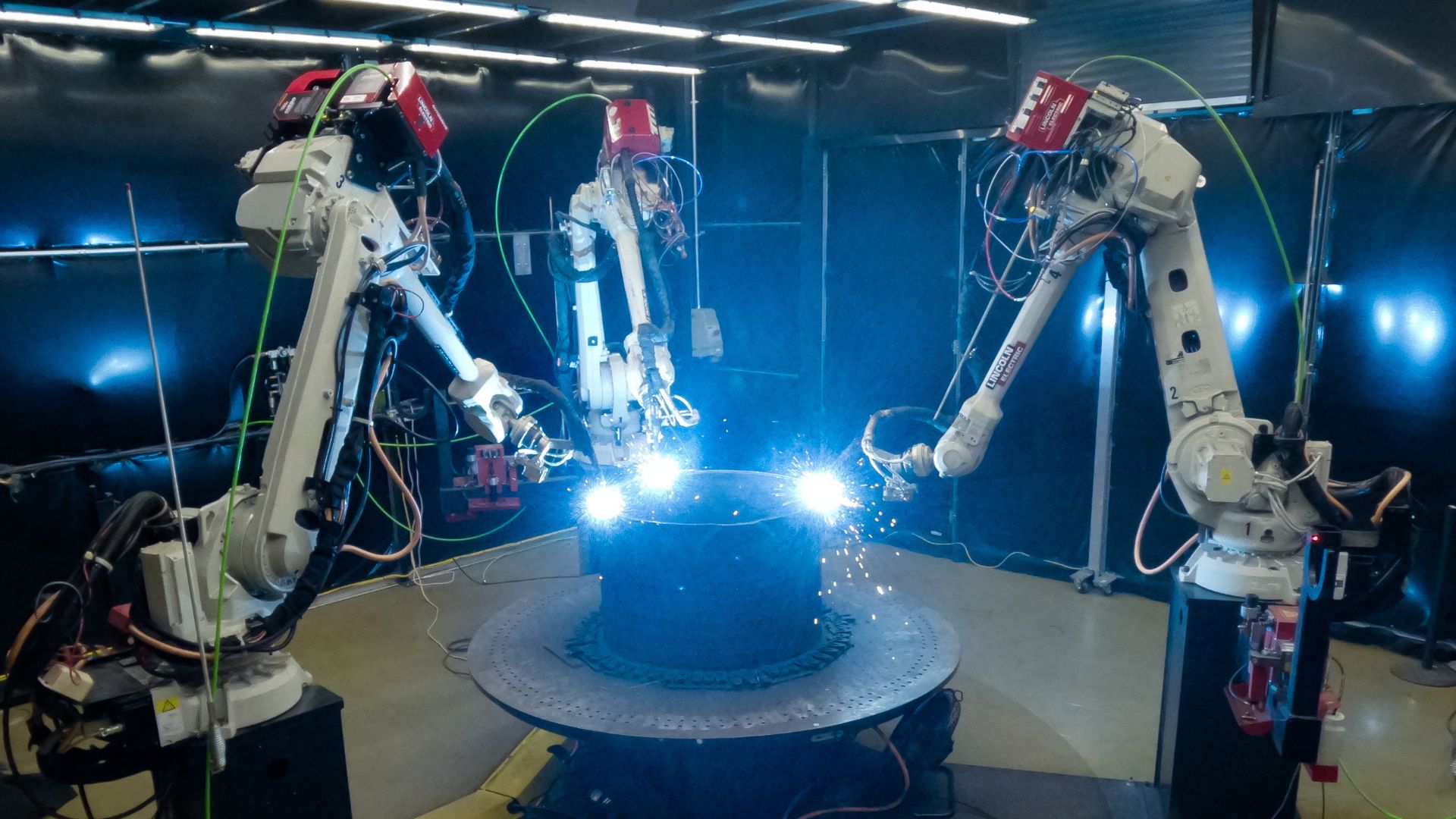
Oak Ridge and Idaho National Labs 3D Print Nuclear Pressure Vessel for US Reactor Expansion
The United States is leveraging large-scale metal 3D printing to overcome manufacturing challenges in its nuclear expansion efforts. Oak Ridge National Laboratory (ORNL) and Idaho National Laboratory (INL) are collaborating to develop wire arc additive manufacturing for industrial pressure vessels, which are essential for withstanding extreme conditions in nuclear applications. This innovative technology addresses the limited domestic forging capacity that could hinder the country's nuclear projects. ORNL recently showcased the process by successfully printing a nuclear-relevant pressure vessel using the MedUSA platform, which coordinates three robotic arms to create complex metal structures. The collaboration aims to ensure that these components meet stringent nuclear requirements while reducing qualification timelines through real-time monitoring and data analysis. Looking ahead, ORNL and INL are focused on integrating large-scale additive manufacturing with digital engineering to produce high-integrity pressure vessels. This approach could not only support the nuclear sector but also have implications for aerospace, defense, and other industries requiring robust components. No further timeline was disclosed at the time of publication.
AI and Robotics Energy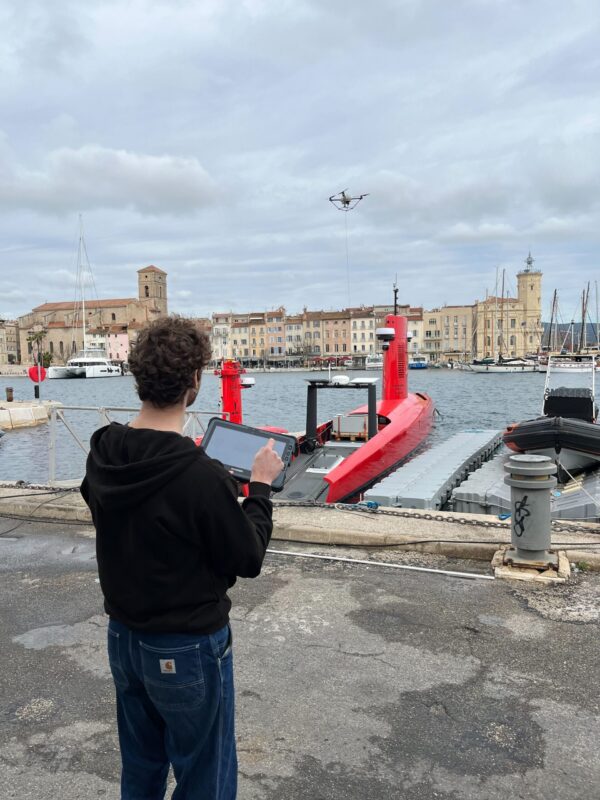
Elistair and Exail Collaborate on Tethered Drone Maritime Surveillance for Autonomous Vessels
Elistair has partnered with Exail to integrate its Khronos DroneBox with Exail's DriX unmanned surface vessel, enabling tethered drone maritime surveillance. This collaboration allows operators to maintain a persistent aerial view from shore, enhancing capabilities for naval, coast guard, and port security operations. The integration of the Khronos DroneBox with the DriX vessel marks a significant advancement in maritime surveillance technology. The tethered drone can operate for up to 24 hours at a height of 60 meters, providing real-time, encrypted video feeds even in challenging environments. This capability extends surveillance beyond traditional surface radar limits, making it ideal for various applications including coastal surveillance and search and rescue missions. Looking ahead, the partnership between Elistair and Exail is expected to evolve as they explore further applications of the Khronos system in maritime contexts. No further timeline was disclosed at the time of publication.
Drone News Drone News Feeds News safety and security seadrones Security
Elistair and Exail Collaborate to Enhance Unmanned Surface Vessels with Aerial Surveillance
Elistair and Exail have announced a partnership to integrate the Khronos automated tethered DroneBox with Exail’s DriX unmanned surface vessel (USV). This integration allows maritime operators to achieve persistent aerial surveillance directly from the vessel, significantly extending the range of surface sensors while ensuring personnel safety on shore. The Khronos drone, launched from the DriX, provides continuous aerial surveillance with a flight duration of up to 24 hours at a height of 60 meters. It streams live, encrypted video, enabling real-time imagery even in challenging environments. This enhancement is particularly beneficial for coastal surveillance, port protection, counter-trafficking operations, and search and rescue missions. The integration of the Khronos drone represents a significant advancement in maritime surveillance capabilities. As noted by Elistair's CEO, Guilhem de Marliave, this technology allows for wider coverage and earlier detection without risking crew safety at sea. No further timeline was disclosed at the time of publication.
elistair exail aerial surveillance uav unmanned surface vessels usv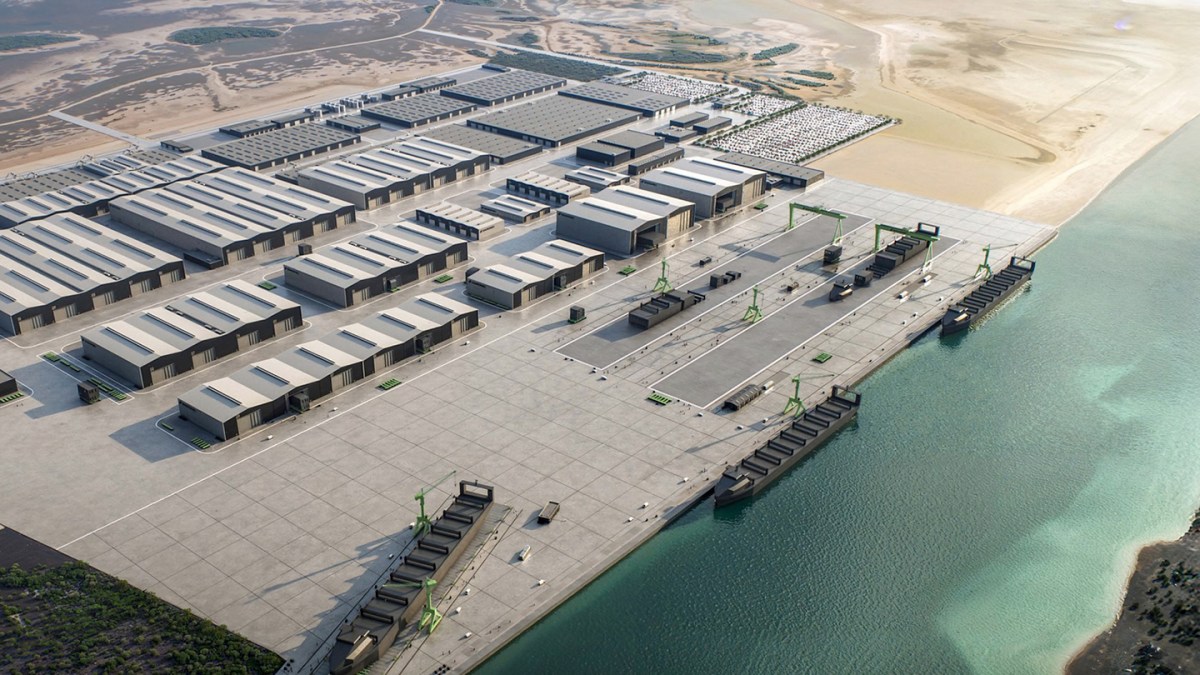
Saronic Unveils $3B Shipyard Project in Texas for 850-Foot Vessels
Saronic has announced plans to construct a new shipyard in Brownsville, Texas, with an investment exceeding $3 billion. This facility, named Port Alpha, will be capable of building crewed and uncrewed vessels up to 850 feet long, significantly expanding the company's current capabilities, which include the 180-foot drone boat, Marauder. The establishment of Port Alpha is crucial as the U.S. seeks to enhance its shipbuilding capacity amid challenges in keeping pace with China's naval expansion. The new shipyard aims to support the Navy and Coast Guard by addressing existing gaps in ship production and providing a platform for various ship classes, including commercial and military vessels. Looking ahead, Saronic's Port Alpha could potentially expand to accommodate vessels over 1,200 feet in length. The company emphasizes its commitment to creating a state-of-the-art shipyard that aligns with technological advancements and meets the urgent demands of sea services. No further timeline was disclosed at the time of publication.
Sea Navies U.S. Navy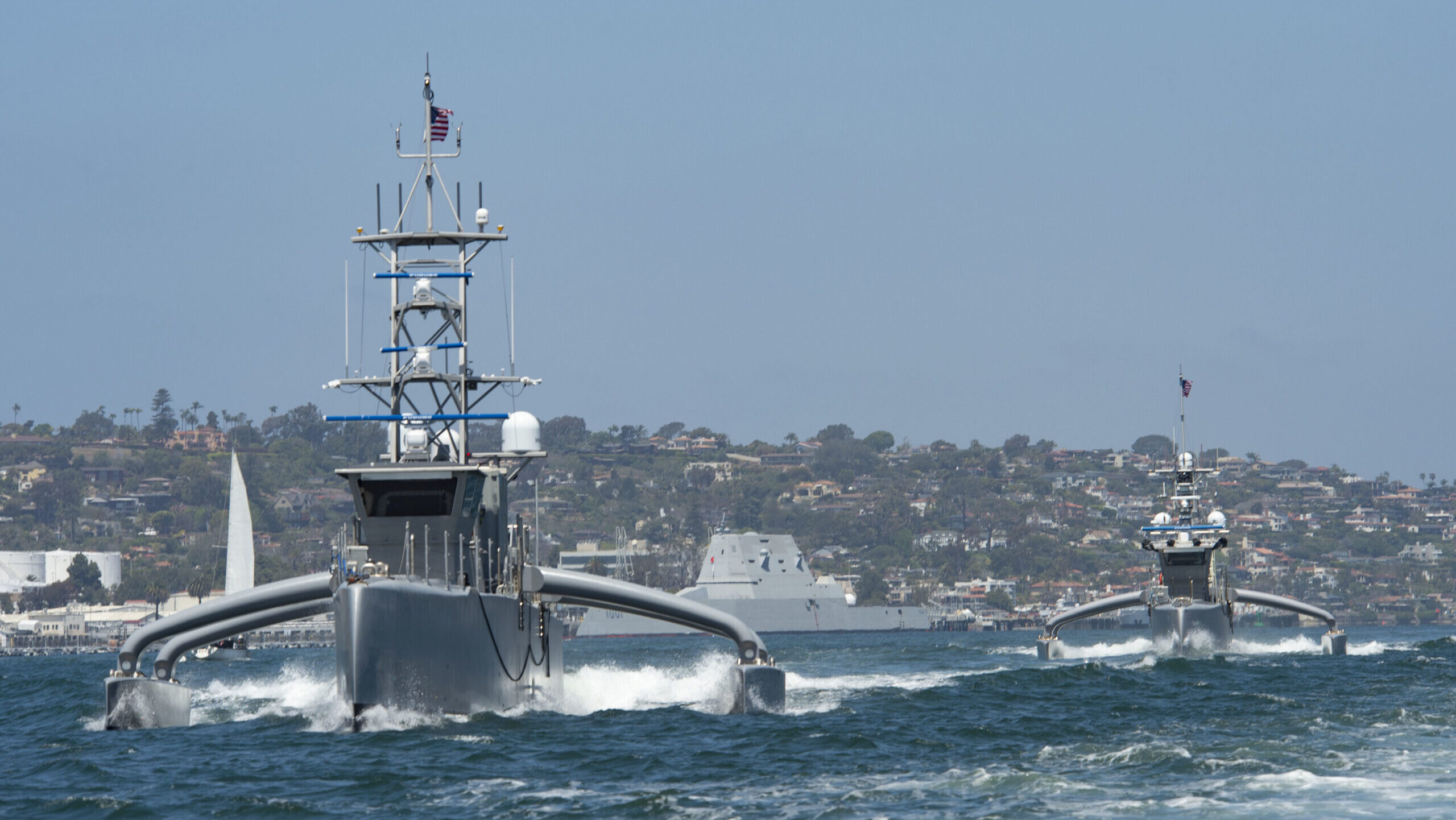
Navy Initiates Phase II for Medium Unmanned Surface Vessel Project, Seeks Innovative Solutions
The Navy has launched Phase II of its medium unmanned surface vessel (MUSV) project, inviting innovative solutions for integration and testing. The solicitation notice, released on September 23, emphasizes the need for adaptable and resilient designs that can address evolving maritime threats. This initiative is significant as it aims to enhance the Navy's capabilities in unmanned operations, with specific requirements for vessels to operate unmanned for at least 10 days and accommodate a payload of two standard 20-foot shipping containers. The focus on open-architecture autonomy and rapid production scalability reflects the Navy's commitment to modernizing its fleet. Looking ahead, vendors with successful proposals will demonstrate their vessels at sea, evaluated on criteria such as speed and fuel efficiency. The Navy's MUSV Marketplace, announced earlier this year, aims to streamline procurement processes for maritime autonomous systems, allowing both new and existing vendors to participate in this evolving landscape.
Naval Warfare Drones MUSV Navy Unmanned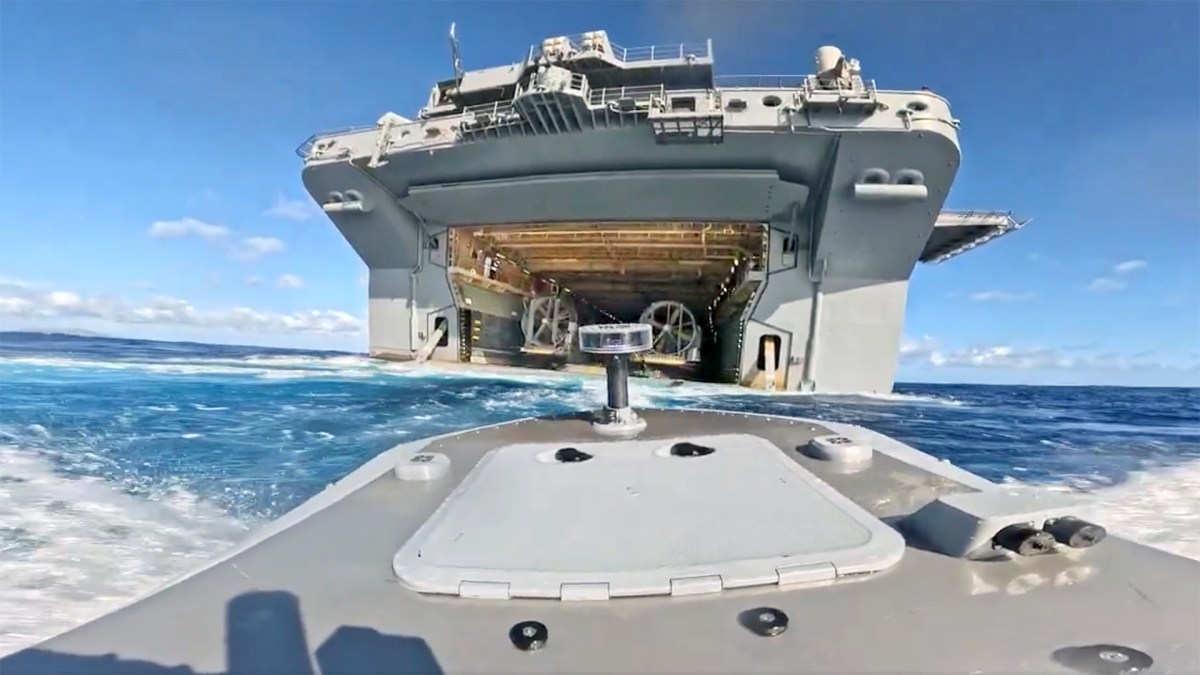
Marine Colonel Advocates for Uncrewed Surface Vessels in Future Deployments
Colonel Chris P. Niedziocha, who led the 31st Marine Expeditionary Unit during its recent Middle East deployment, emphasized the need for uncrewed surface vessels (USVs) in future operations. He noted that the Marines are currently lagging in operationalizing USVs, which are crucial for reconnaissance of contested beach landing areas, a task traditionally handled by the Navy. The increasing global military use of USVs highlights their importance, as demonstrated by Ukraine's effective use of sea drones against Russian naval forces. The U.S. has also employed USVs in combat, including during Operation Epic Fury, where they were used for various missions, including surveillance and search and rescue operations. Niedziocha pointed out that the integration of robotics and autonomy in combat is essential for future military strategies. Looking ahead, Niedziocha sees significant potential for USVs in amphibious operations, particularly for assessing underwater conditions before deploying Marines. The Marines are actively working on developing their own USV capabilities, including counter-mine systems, to enhance their operational effectiveness and safety in contested environments. No further timeline was disclosed at the time of publication.
Sea U.S. Marine Corps Unmanned Surface Vessels (USVs)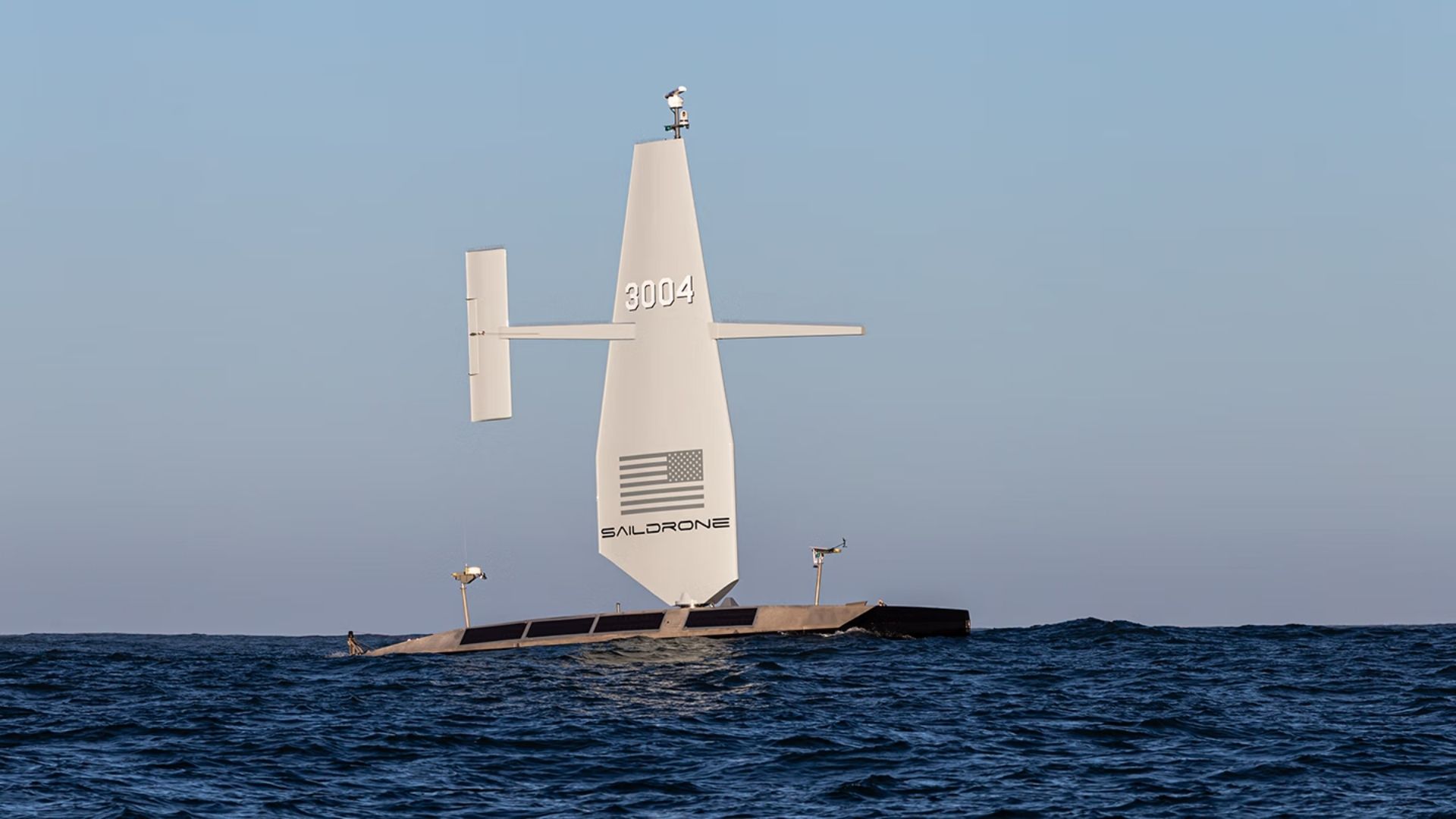
US Navy Awards $10 Million to Saildrone for Atlantic Seabed Mapping with USVs
The US Navy has awarded a $10 million contract to Saildrone to utilize autonomous vessels for mapping the Atlantic Ocean floor. This initiative, assigned by the Naval Oceanographic Office, is set to commence in 2026 and will continue through most of 2027, enhancing military knowledge of critical underwater terrain. This project is significant as it aims to improve safe navigation and support submarine missions, anti-submarine warfare, and critical infrastructure protection. Currently, only 28.7 percent of the world's oceans have been mapped to modern standards, leaving substantial knowledge gaps that can pose operational risks for naval operations. Looking ahead, the deployment of Saildrone's Surveyor unmanned surface vessels will not only provide high-resolution bathymetric data but also measure ocean currents, aiding search-and-recovery operations. No further timeline was disclosed at the time of publication.
Military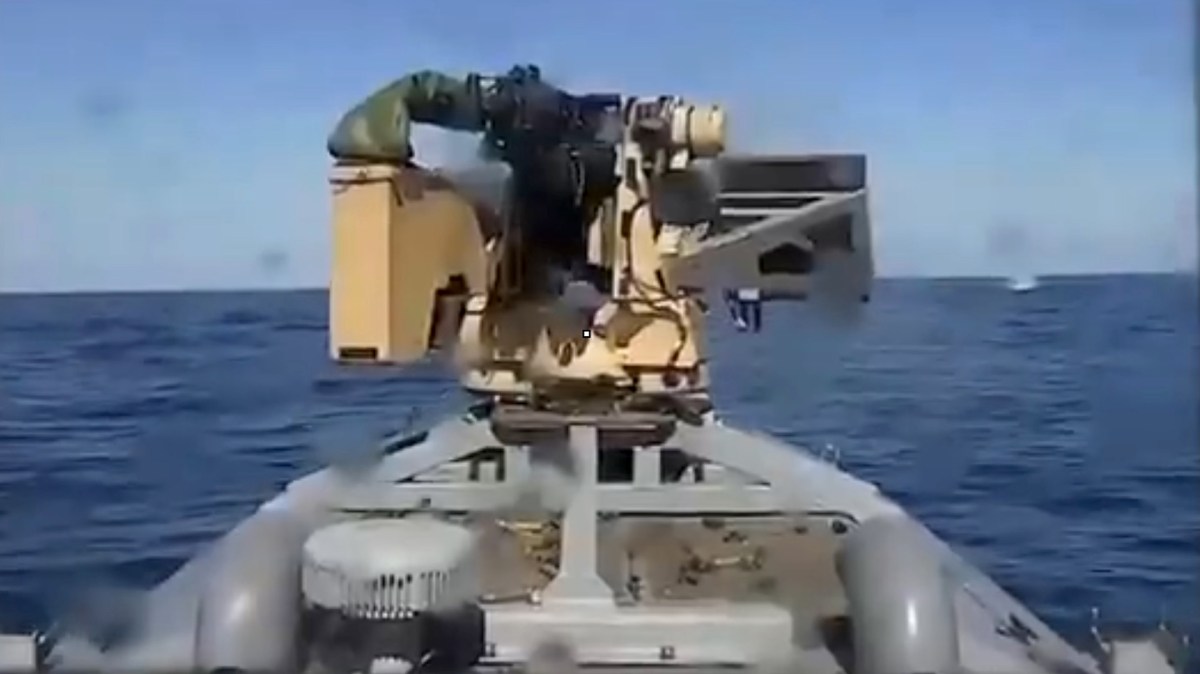
Ukraine Claims Historic First Kill of Russian Drone Boat by Its Own Uncrewed Vessel
The Ukrainian Navy has reported that its uncrewed surface vessel (USV) successfully sank a Russian USV, marking a historic first in naval warfare between unmanned boats. This engagement highlights the increasing effectiveness of Ukraine's combat drone boats against Russia's Black Sea Fleet, prompting a significant evacuation of Russian naval assets from Crimea. This incident underscores the growing proliferation of weaponized USVs globally, as nations explore advanced maritime combat capabilities. The Ukrainian Navy's Sargan 3000, equipped with a Protector 12.7 mm remotely operated weapon station, played a crucial role in this engagement, demonstrating the potential of unmanned vessels in modern warfare. As the use of drone boats expands, industry observers will be keen to monitor further developments in unmanned naval combat. No further timeline was disclosed at the time of publication.
Sea Around The Globe Europe Navies News & Features Russia
Nexans Invests 300 Million Euros in New Cable-Laying Vessel Electra
Nexans has announced the acquisition of its latest cable-laying vessel, Electra, with an investment of 300 million euros. This new addition to their fleet is equipped to carry 13,500 tons of cables, enhancing their operational capabilities in the cable manufacturing sector. This investment is significant as it positions Nexans ahead of its competitors in the cable-laying market. The Electra will enable the company to meet increasing demand for cable solutions, particularly in offshore wind and telecommunications projects, thereby strengthening its market presence. Looking ahead, industry observers will be keen to see how the Electra impacts Nexans' operational efficiency and project delivery timelines. No further timeline was disclosed at the time of publication.
Nexans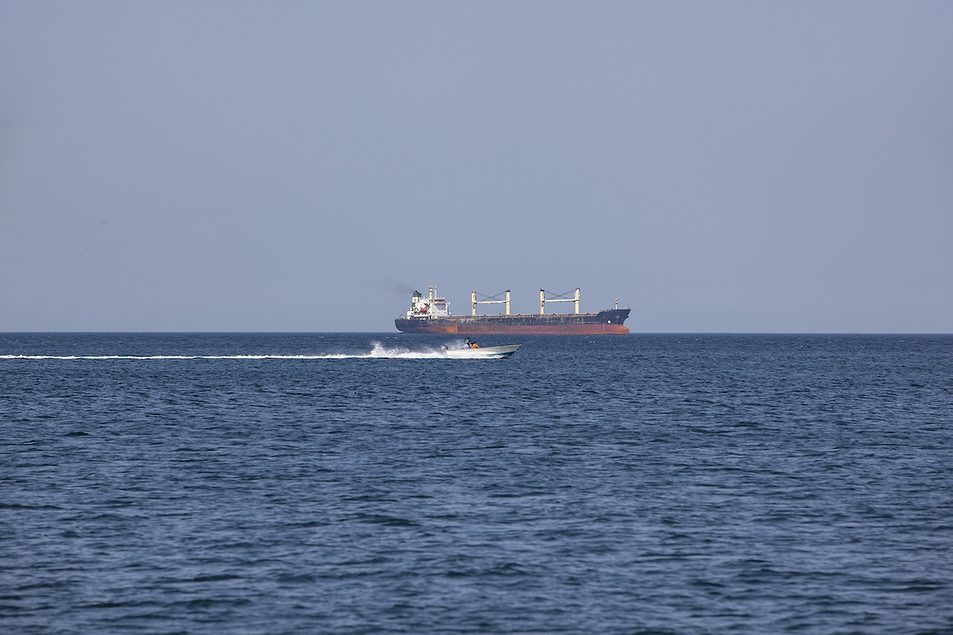
Iran's Islamic Revolutionary Guard Corps Claims Attacks on U.S. Vessels and Oil Tankers
Iran's Islamic Revolutionary Guard Corps has announced that it successfully targeted two U.S. vessels and eight oil tankers, representing a notable escalation in ongoing tensions. This incident marks the most significant increase in conflict in recent weeks, highlighting the fragile security situation in the region. Observers should monitor the potential repercussions of these attacks on maritime security and international relations in the Gulf area.
Onomichi Dockyard to Manufacture Uncrewed Surface Vessels for Japan and US Markets
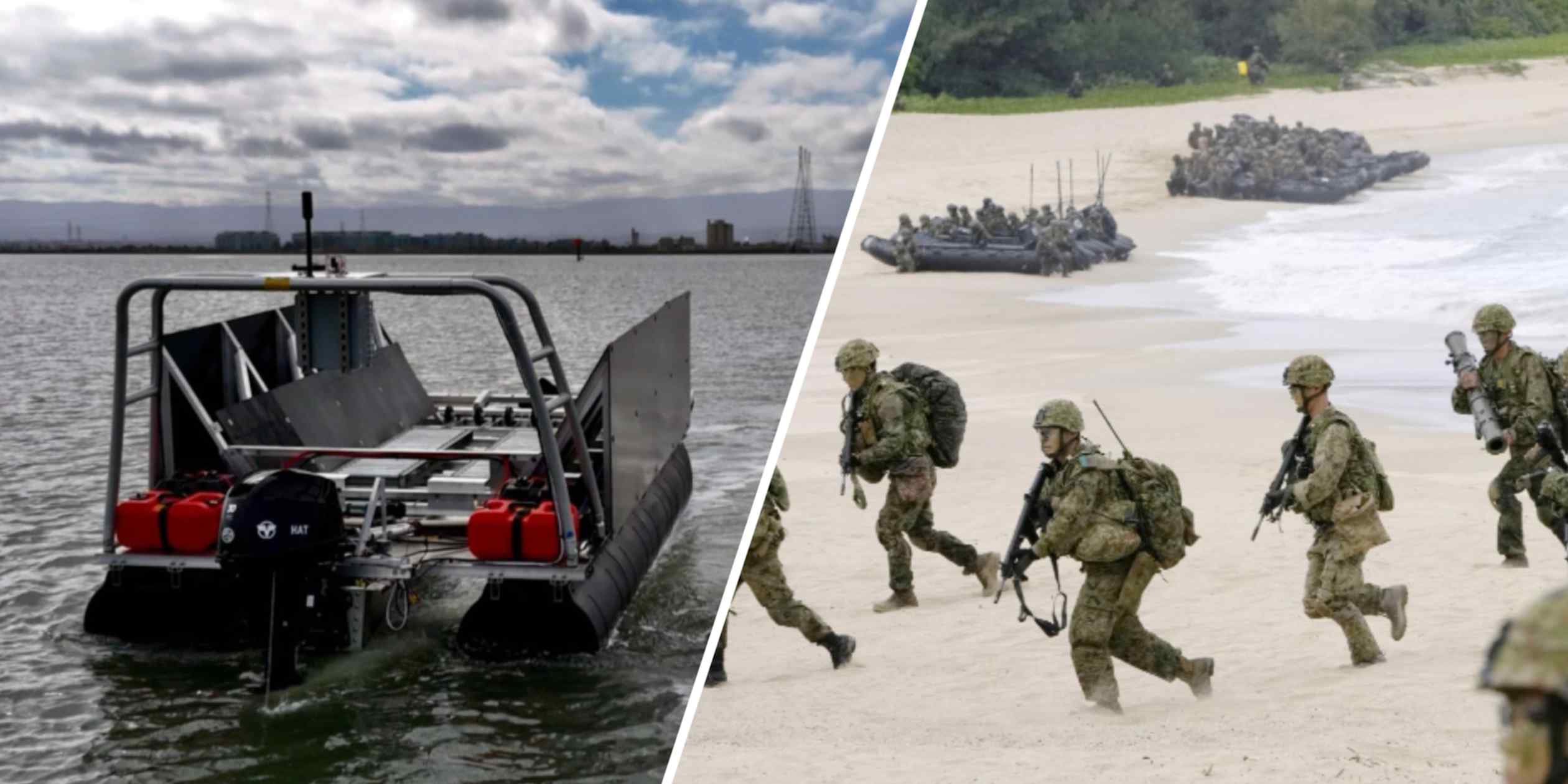
Onomichi Dockyard, a Japanese shipbuilder, has announced plans to start constructing uncrewed surface vessels. The company aims to supply these vessels to Japan's Self-Defense Forces and the U.S. military, marking a significant step into dual-use technologies that serve both civilian and military purposes. This initiative is part of a broader trend among midsize commercial shipbuilders to diversify their offerings and tap into the growing demand for uncrewed maritime solutions. The vessels are designed to deliver supplies to beaches without the need for port infrastructure, highlighting their potential utility in various operational scenarios. Looking ahead, Onomichi Dockyard's entry into the uncrewed vessel market could reshape its business model and open new avenues for collaboration with military and defense sectors. No further timeline was disclosed at the time of publication.

Mehler Protection to Launch SCILT NAVAL Counter-Drone System for Naval Vessels
German company Mehler Protection is preparing to introduce its new ship-mounted counter-drone system, SCILT NAVAL, at SMM 2026. This system is specifically designed to protect naval vessels from threats posed by FPV drones, loitering munitions, and other unmanned aircraft that can bypass conventional air defenses. SCILT NAVAL aims to serve as a last line of defense, particularly in high-risk areas such as ports and confined waters where response time is critical. The increasing prevalence of low-cost drones presents significant challenges for naval forces, as even well-equipped ships can be vulnerable to simultaneous drone attacks. Traditional long-range air defense systems may struggle to engage targets that approach closely or operate in restricted environments. SCILT NAVAL addresses this gap by providing a comprehensive onboard solution that can engage both individual and multiple drone threats effectively. Looking ahead, SCILT NAVAL's capabilities include a three-stage response process: detection, warning, and engagement. The system utilizes commercially available shotgun calibers for close-range strikes and offers various ammunition types for different operational needs. While human operators will initially make engagement decisions, Mehler Protection indicates that future automation may be possible as regulations evolve. No further timeline was disclosed at the time of publication.
Military
Ukraine Launches First Uncrewed Surface Vessel Attack on Sochi, Russia
Ukraine executed a significant uncrewed surface vessel (USV) attack on the Nefrit, a multipurpose offshore vessel, in Sochi, Russia. This operation marks the first known USV strike on the resort city, located approximately 350 miles from Ukrainian-held territory, highlighting the expanding reach of Ukraine's naval capabilities. The Ukrainian Navy stated that the attack was part of its ongoing campaign against Russia's energy infrastructure, claiming that the Nefrit directly supported the enemy's war economy. The strike is seen as a strategic move to disrupt Russian logistics and military capabilities, emphasizing that even Russian territory is vulnerable to Ukrainian operations. As the situation develops, observers will be keen to assess the extent of the damage to the Nefrit and its implications for Russia's maritime operations. The Ukrainian Navy's continued focus on targeting enemy resources suggests that further actions may be anticipated in the ongoing conflict.
News & Features Around The Globe Europe Russia Sea Ukraine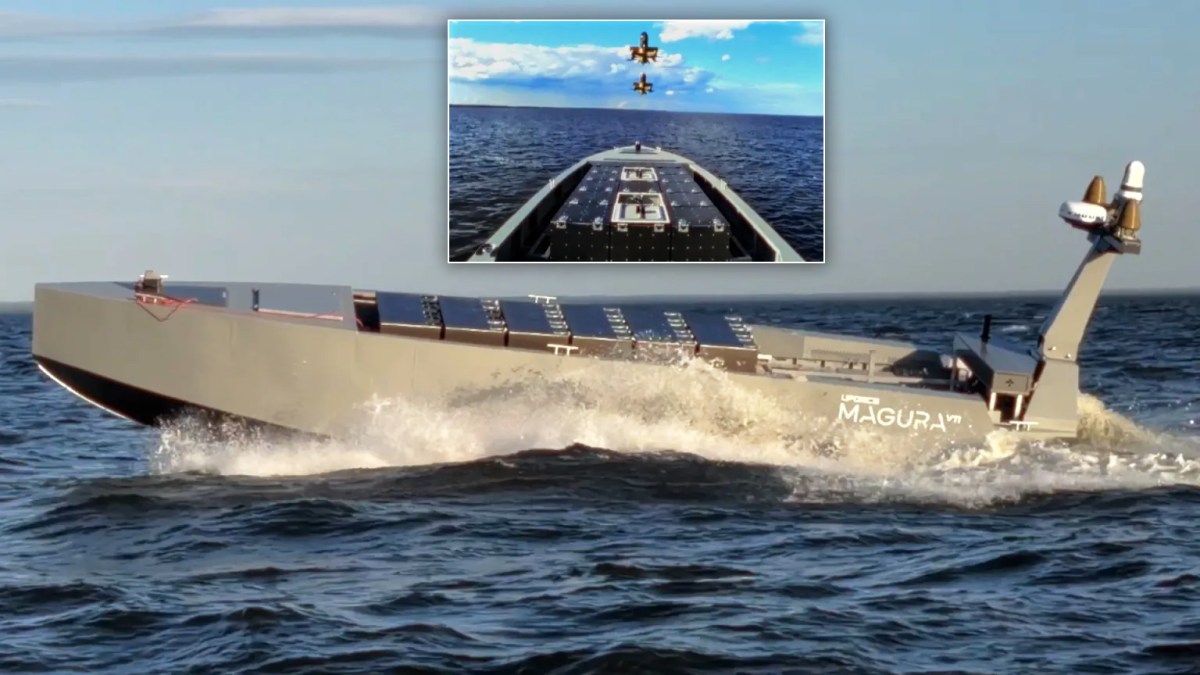
Ukraine Unveils MV11: A Large Uncrewed Surface Vessel with Anti-Drone Capabilities
Ukraine has introduced the MV11, the largest member of its Magura family of uncrewed surface vessels (USV), designed for open-ocean operations. This vessel can carry payloads up to 4,850 pounds and has been showcased with 18 Sting interceptors, enhancing its role as a counter-drone platform. The MV11's capabilities are significant for Ukraine's military strategy, allowing for multi-domain operations and the launch of unmanned systems from a distance. Its debut at Ukraine's Independence Day parade highlights the increasing importance of uncrewed systems in the Ukrainian armed forces. Looking ahead, the MV11's operational effectiveness and integration with existing systems will be crucial. The specifics of its target detection and tracking capabilities remain unclear, but its design suggests potential for advanced operational roles in future missions. No further timeline was disclosed at the time of publication.
Sea Around The Globe Europe News & Features Ukraine Unmanned Surface Vessels (USVs)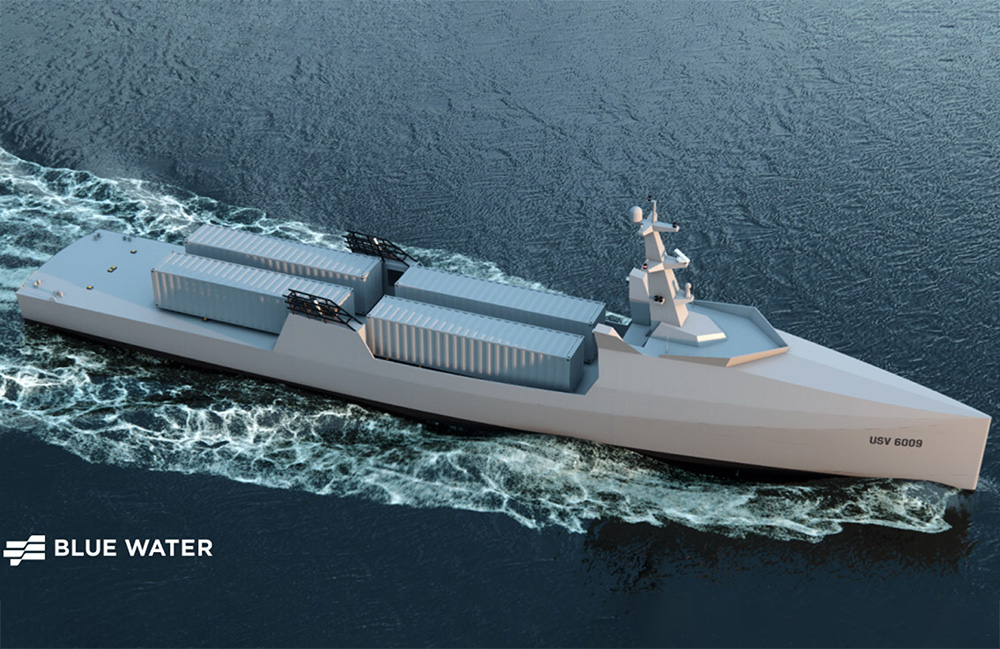
U.S. Navy Selects Blue Water Autonomy for Autonomous Ocean Surveying Contract
Blue Water Autonomy has been awarded a multiple-award contract by the Naval Oceanographic Office (NAVOCEANO) to conduct high-resolution ocean floor mapping using its autonomous vessels. This contract, which has a ceiling of $40 million, allows Blue Water Autonomy to leverage its technology for deep ocean surveys across the Indian and Pacific oceans. The significance of this contract lies in the Navy's increasing reliance on uncrewed systems to perform demanding ocean surveys, which traditionally require costly crewed ships. By utilizing autonomous vessels, the Navy aims to reduce operational costs and risks to personnel while enhancing its surveying capabilities over vast ocean areas. Looking ahead, Blue Water Autonomy plans to complete its first Liberty Class vessel for the U.S. Navy this year. This 190-foot autonomous ship is designed for long-duration missions and can operate over 10,000 nautical miles, showcasing the company's commitment to advancing autonomous maritime technology.
Artificial Intelligence Artificial Intelligence / Cognition Design / Development Maritime Markets / Industries News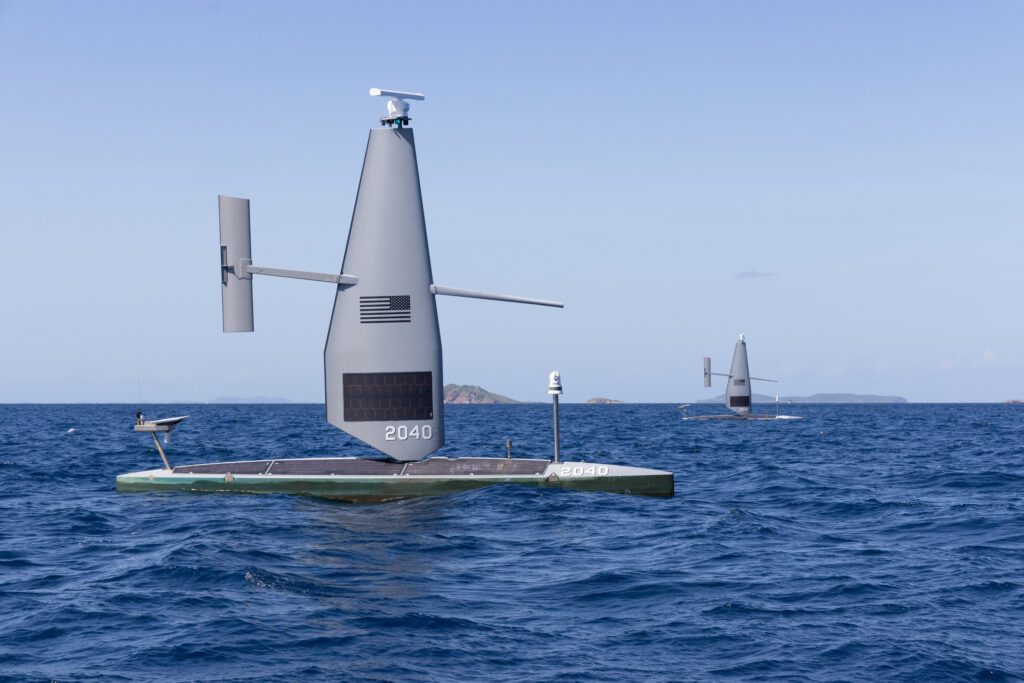
U.S. Navy Utilizes Saildrone Voyager USVs to Seize $81 Million in Cocaine
A Saildrone Voyager unmanned surface vehicle (USV) assisted the U.S. Navy in tracking and intercepting a suspected drug-smuggling vessel in the Caribbean, resulting in the seizure of approximately $81 million worth of cocaine on October 16, 2025. This operation highlights the transition of autonomous maritime systems from experimental platforms to essential tools for real-world security missions. The successful interception underscores the operational capabilities of Saildrone Voyager USVs, which can remain at sea for extended periods, enabling continuous monitoring of vast maritime areas. This capability reduces reliance on crewed vessels and supports the U.S. Navy's counter-narcotics mission in the Caribbean and Eastern Pacific, coordinated by Joint Interagency Task Force South (JIATF-S). Looking ahead, the Navy has awarded Saildrone a $16.3 million task order to continue operating Voyager USVs through 2027. This mission not only demonstrates the effectiveness of unmanned systems in maritime surveillance but also indicates a broader trend of integrating autonomous platforms into naval operations, enhancing mission effectiveness and operational reach.
Applications Defense Drone News Drone News Feeds News safety and security
Leidos Tackles Pacific Logistics Challenges with AI and Autonomous Vessels
Leidos is addressing the complex logistics challenges in the Pacific, characterized by vast distances and disrupted communications. The company aims to mitigate the 'four tyrannies' of distance, water, time, and scale through the Indo-Pacific Logistics and Sustainment Services (ILS2) program, which enhances supply chain resilience and operational flexibility. The significance of this initiative lies in its potential to transform logistics operations for U.S. Pacific Command and Special Operations Command Pacific. By integrating artificial intelligence for predictive analytics and employing autonomous vessels, Leidos seeks to provide commanders with timely options when conventional logistics are compromised, thereby improving mission success rates. Looking ahead, the emphasis on adaptability and non-standard logistics will be crucial, especially in crisis situations like natural disasters. Leidos' focus on AI-driven decision-making and resilient communication strategies will be vital in ensuring that logistics operations can respond effectively to dynamic threats and challenges in the Pacific theater. No further timeline was disclosed at the time of publication.
Naval Warfare Sponsored Post AI artificial intelligence AI Asia asia-pacific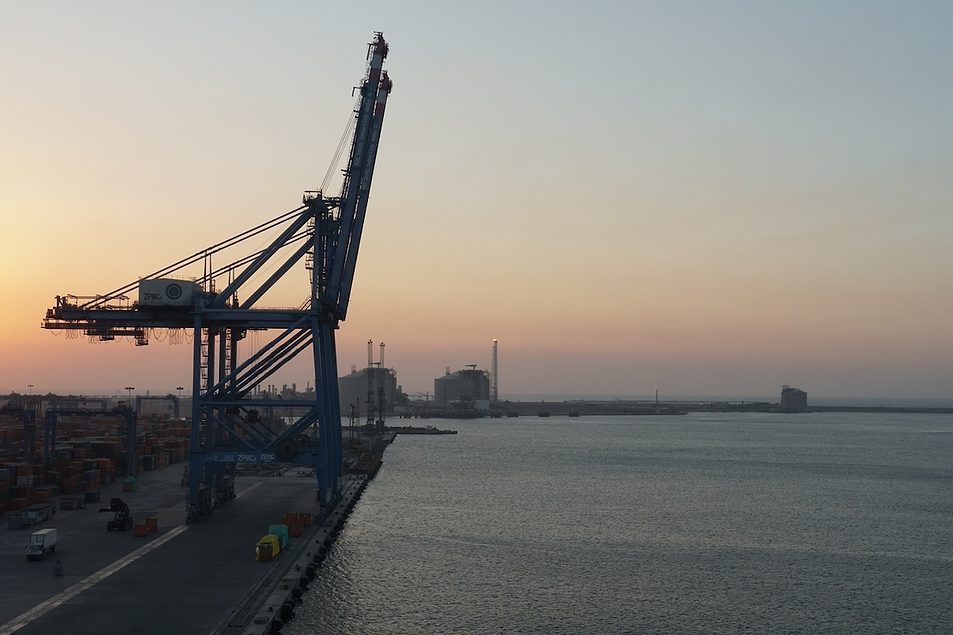
Drone Strike Causes Fire on U.S. Vessel and Greek LNG Tanker at Egyptian Port
A drone attack reportedly targeted a U.S. floating storage and regasification vessel at an Egyptian port, igniting a fire that spread to a Greek-owned LNG tanker. This incident highlights the vulnerabilities of maritime assets in conflict zones, raising concerns over security measures in critical shipping routes. The attack underscores the ongoing risks faced by vessels operating in volatile regions, particularly those involved in energy transportation. The involvement of both U.S. and Greek assets in this incident may prompt a reevaluation of maritime security protocols and international cooperation to safeguard shipping lanes. As the situation develops, stakeholders in the energy sector should monitor the implications for shipping operations and potential disruptions in LNG supply chains. No further timeline was disclosed at the time of publication.

Kraken Technology Secures $175 Million in Series B Funding for Autonomous Maritime Platforms
Kraken Technology Group Ltd. has successfully raised $175 million in Series B funding, achieving a valuation of $1 billion. The investment, led by Digital Transformation Capital Partners GmbH, will enhance Kraken's global rollout of autonomous maritime platforms designed for defense applications, including support for NATO and its partners. This funding is significant as it comes after Kraken secured multiple contracts with the U.K. Ministry of Defence and NATO European partners, indicating strong demand for its modular uncrewed surface vessels (USVs) and uncrewed subsurface vessels (USSVs). These platforms are capable of various operations, including data collection and anti-submarine warfare, addressing the urgent needs of modern maritime defense. Looking ahead, Kraken Technology plans to announce new manufacturing partnerships in the Middle East and Indo-Pacific regions, further expanding its production capabilities. The company aims to leverage this funding to enhance its USVs and payload capabilities, responding to the increasing demand for mission-ready maritime solutions.
Defense / Security Investments Maritime Mobility / Navigation News Unmanned Maritime Systems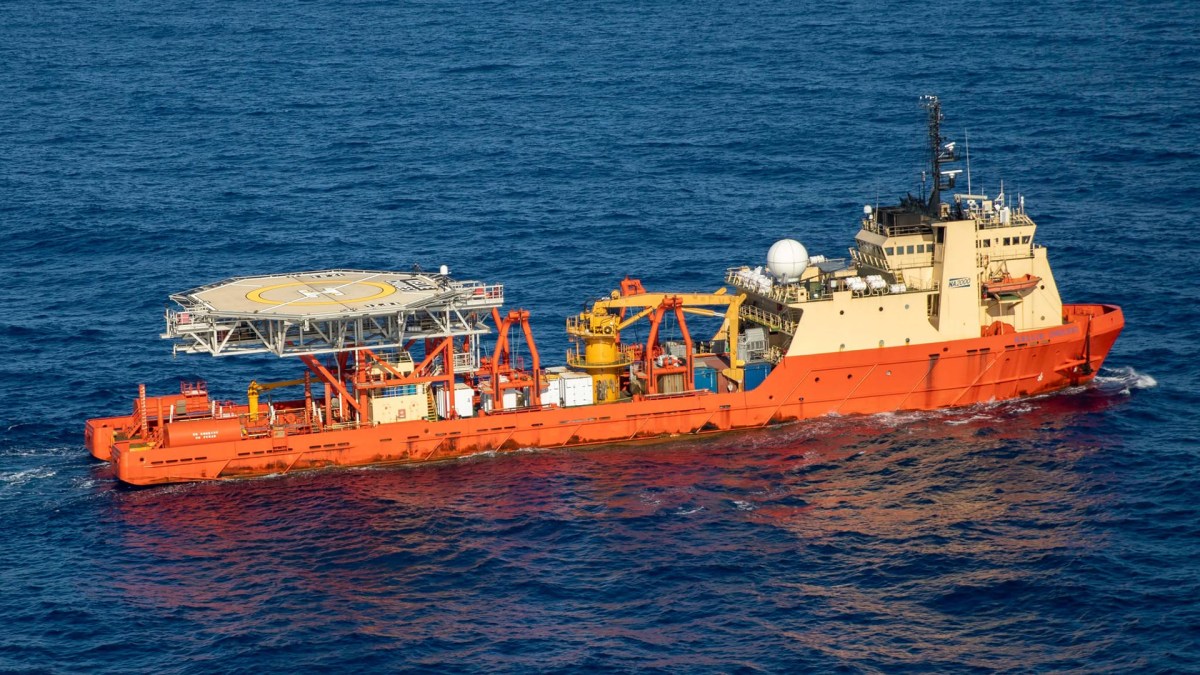
U.S. Navy Seeks Multi-Mission Vessel for Southern Command Maritime Operations
The U.S. Navy is actively pursuing a multi-mission maritime security vessel to support operations for the U.S. Southern Command (SOUTHCOM). This vessel is intended to launch, recover, and support both manned and unmanned air and surface platforms, enhancing maritime domain awareness and response capabilities. The need for such a vessel arises as U.S. forces combat drug trafficking in the Eastern Pacific and Southern Caribbean, with ongoing operations generating controversy regarding compliance with armed conflict rules. The Navy's request for information (RFI) highlights the urgency of acquiring a new ship as the current contract expires in 2028. The Navy's requirements specify a steel monohull or catamaran between 300 and 400 feet long, capable of a minimum sustained speed of 10 knots and a range of 9,600 nautical miles. Interested parties are encouraged to utilize existing platforms to meet these specifications. No further timeline was disclosed at the time of publication.
Sea Americas Around The Globe Navies News & Features South America
ACUA Ocean and Teledyne FLIR Defense Complete UKDI Funded Demonstration of Integrated Tethered UAS and USV
ACUA Ocean and Teledyne FLIR Defense have successfully conducted a two-day demonstration funded by UK Defence Innovation (UKDI). This event showcased the integration of a tethered uncrewed aerial system (T-UAS) and an uncrewed surface vessel (USV) capability, specifically using Teledyne FLIR’s SkyCarrier™ UAS platform and the USV Pioneer. The demonstration validated the operational performance of the combined system in open-ocean conditions, addressing a critical operational gap for the Royal Navy and UK defence. The USV Pioneer, which has already completed multiple ISR contracts, exhibited superior seakeeping capabilities, significantly enhancing maritime intelligence, surveillance, and reconnaissance. Looking ahead, the successful integration of the T-UAS with the USV Pioneer opens avenues for further development and potential commercial deployment. No further timeline was disclosed at the time of publication.
acua ocean teledyne flir defense ukdi funding demonstration tethered uas uncrewed surface vessel (usv)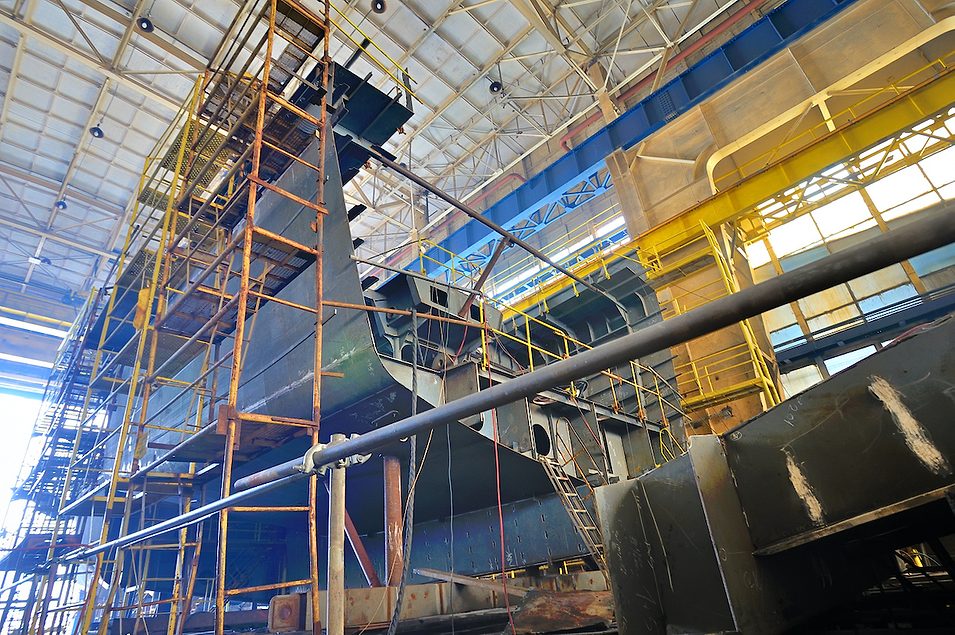
Drone Boat Startup to Establish Port Alpha Shipyard in Texas for Large Vessel Production
A new shipyard named Port Alpha is set to be established by a drone boat startup in Texas. This facility will have the capacity to manufacture ships measuring up to 1,200 feet in length. The development of Port Alpha is significant as it represents a major investment in maritime manufacturing capabilities, particularly for drone technology applications. The ability to construct large vessels will enhance the startup's operational capabilities and market reach. Looking ahead, industry stakeholders will be keen to observe the progress of Port Alpha and its impact on the local economy and the broader maritime sector. No further timeline was disclosed at the time of publication.
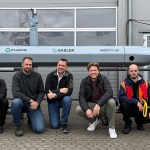
Ranger Autonomous Vessel Successfully Completes Sea Trials from Submarine Torpedo Tube
An innovative autonomous surface vessel, the Ranger, has successfully completed its Sea Acceptance Test (SAT) in Germany, demonstrating its ability to be launched from a submarine's torpedo tube. Developed by Gabler and Flanq, the Ranger is designed for intelligence, surveillance, and reconnaissance missions with minimal human intervention. The successful completion of the SAT marks a significant milestone for the program, confirming the vessel's seaworthiness and the integration of its core technologies. The Ranger, measuring approximately 15 feet long, features a folding keel and collapsible sensor mast, allowing it to fit within a standard 21-inch torpedo tube. Looking ahead, Gabler will manage the commercialization and integration of the Ranger with submarines, while Flanq will provide advanced maritime technologies and mission software. The companies are also developing a one-way attack variant called Strike, expanding the platform's capabilities for future naval operations.
Military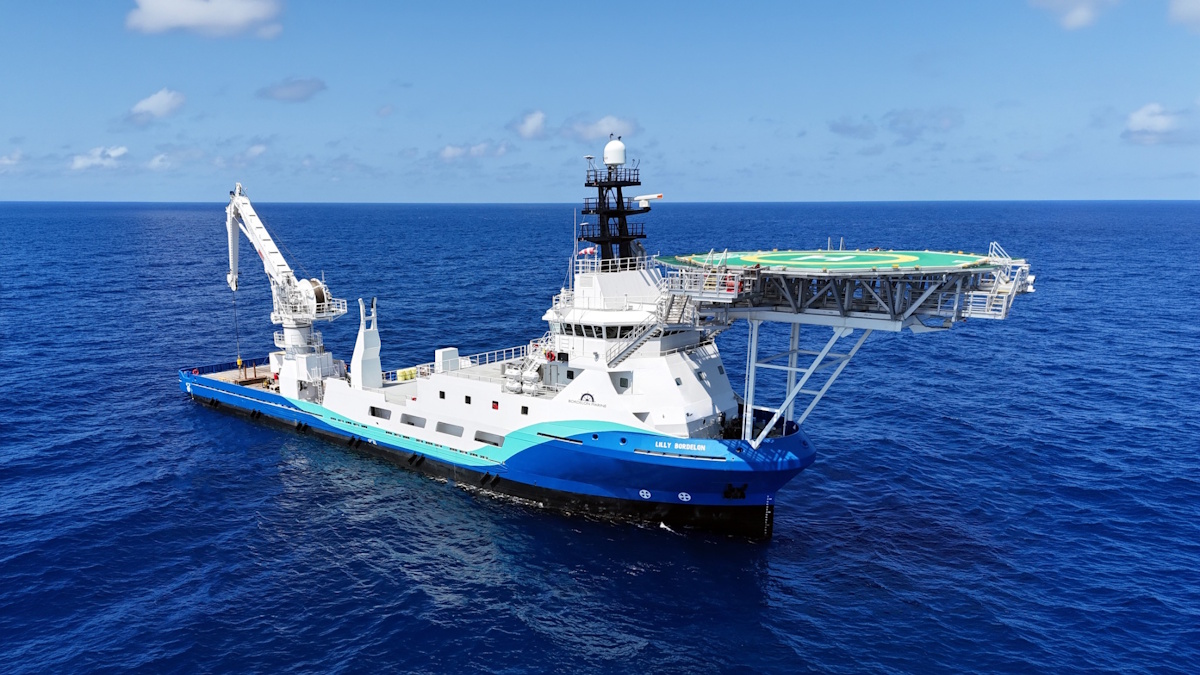
Bordelon Marine Completes Conversion and Delivery of MV Lilly Bordelon Vessel
Bordelon Marine has successfully completed the conversion and redelivery of the MV Lilly Bordelon, a Stingray Series 260 Class DP-2 Ultra-Light Intervention Vessel. This modern subsea intervention vessel has been repurposed from an existing platform to provide cost-efficient and flexible solutions for offshore operations. The MV Lilly Bordelon boasts over 5,500 square feet of clear deck space and features a mezzanine deck that supports two work-class ROVs, along with an integrated ROV control room. It is equipped with a 60-ton active heave-compensated crane and a 17-meter USCG/ABS-certified helideck, making it suitable for a variety of subsea inspection, maintenance, repair, and light construction tasks. Wes Bordelon, President and CEO, expressed pride in adding the MV Lilly Bordelon to their fleet, emphasizing its role in enhancing the company's ability to deliver high-capability, cost-effective subsea solutions to clients. No further timeline was disclosed at the time of publication.
bordelon marine mv lilly bordelon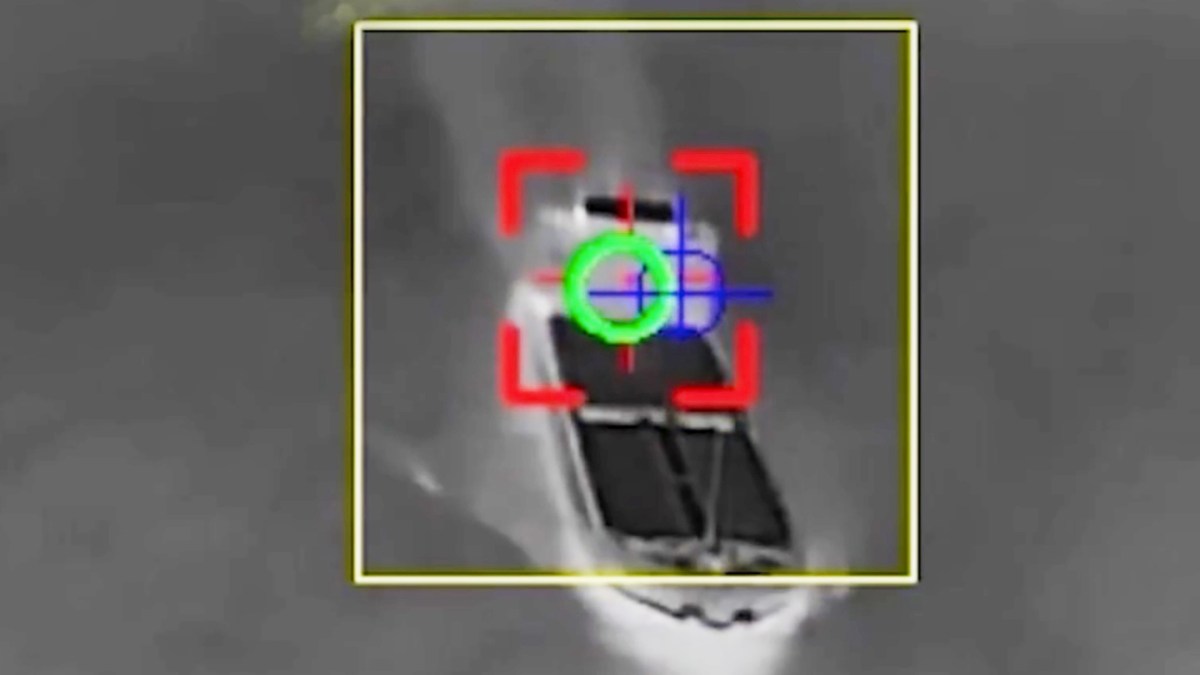
Ukrainian Drone Strikes Hit 28 Russian Vessels in Sea of Azov Campaign
On July 11, Ukraine reported that its aerial drones struck 28 Russian vessels in the Sea of Azov, part of an ongoing campaign that has targeted nearly 80 ships since July 6. This includes a significant number of oil tankers from Russia's shadow fleet, leading to a temporary halt in shipping through the Don-Azov Channel, a crucial navigable waterway for grain exports. The significance of these attacks lies in their impact on Russia's maritime operations and economy. Analysts noted that approximately 25% of Russia's wheat exports, the world's largest exporter of the grain, transit through the Sea of Azov. The strikes have prompted Russia to suspend new vessel transit applications through the Kerch Strait and halt navigation on the Don-Azov Canal, further isolating the Crimean peninsula and disrupting Russian energy supplies. Looking ahead, the Ukrainian military's 414th Separate Unmanned Strike Aviation System Brigade, known as “Magyar’s Birds,” continues to execute operations targeting Russian naval assets and infrastructure. The brigade's campaign, dubbed “Operation ‘Crimean Switch Off,’” aims to weaken Russian capabilities in the region. No further timeline was disclosed at the time of publication.
News & Features Air Around The Globe Drones Europe Russia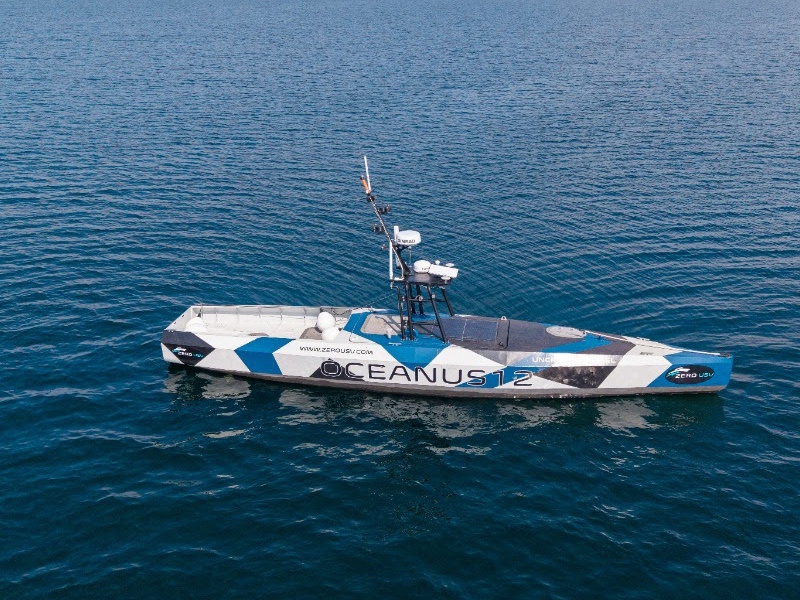
ZeroUSV Showcases Oceanus12 Uncrewed Surface Vessel to Royal Danish Navy
ZeroUSV recently showcased its Oceanus12 uncrewed surface vessel (USV) to the Royal Danish Navy in a demonstration held two hours northwest of Copenhagen, Denmark. This event was part of a competitive selection process by Danish Defence, aimed at evaluating the capabilities of the Oceanus12 USV over two days. The demonstrations highlighted the ease of mobilization and logistics involved in deploying the Oceanus12, showcasing its modular payload capabilities for various defense and security missions. Matthew Ratsey, Managing Director of ZeroUSV, expressed pride in being selected to demonstrate the platform, emphasizing its technological maturity and versatility for different mission roles. These demonstrations are part of ZeroUSV's ongoing international engagement efforts as the company seeks to expand its uncrewed maritime capabilities within allied defense markets. No further timeline was disclosed at the time of publication.
zerousv demo oceanus12 royal danish navy usv
Major Italian shipbuilder Fincantieri exploring nuclear-powered vessels, CEO says
During a recent closed-door roundtable, Fincantieri CEO Pierroberto Folgiero discussed key insights gained from the ongoing conflict in Ukraine, particularly in relation to the use of naval drones. He emphasized the importance of adapting military strategies and technologies in light of the lessons learned from the war. Additionally, Folgiero addressed the future development of a common European patrol corvette, highlighting the need for collaborative efforts among European nations to enhance maritime security. The discussions aimed to foster innovation and cooperation in defense capabilities, reflecting the evolving geopolitical landscape.
Global Naval Warfare corvette Europe Fincantieri NATO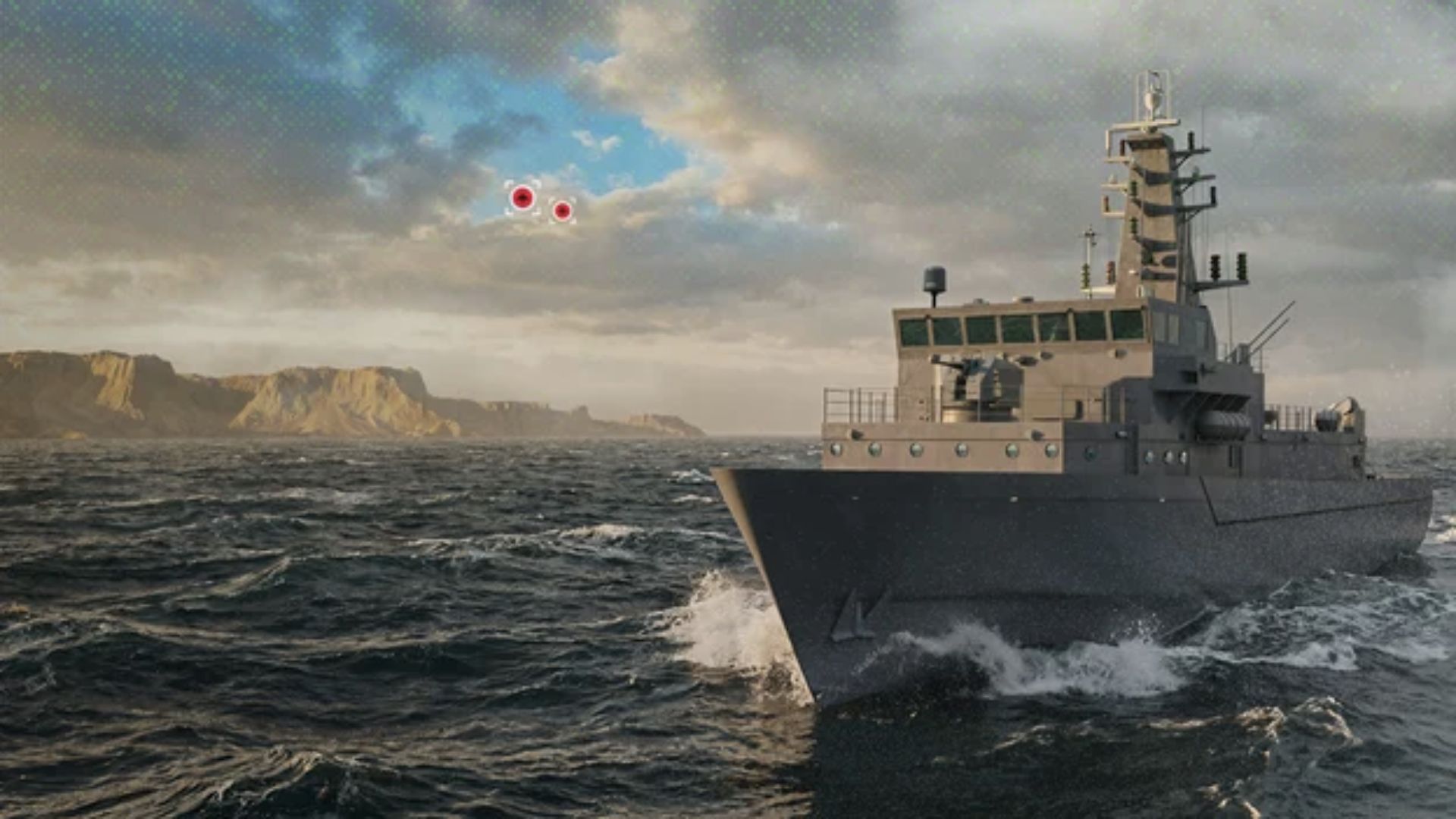
New radar system can detect high-speed drones nearby ports, vessels in extreme environment
A cutting-edge radar system has been developed to enhance the detection of drones operating near ports, vessels, harbors, and other critical maritime areas. This innovative technology aims to bolster maritime security by providing real-time surveillance and threat assessment capabilities. The radar is designed to identify and track drones, which have increasingly become a concern for safety and security in busy maritime environments. The system's deployment is expected to take place in the coming months, with trials set to occur at various strategic locations along coastlines. By integrating advanced detection algorithms and high-resolution imaging, the radar will enable authorities to respond swiftly to potential threats, ensuring the safety of maritime operations and protecting vital infrastructure. This initiative reflects a growing recognition of the need for enhanced security measures in response to the rising prevalence of drone activity in sensitive areas.
Innovation Military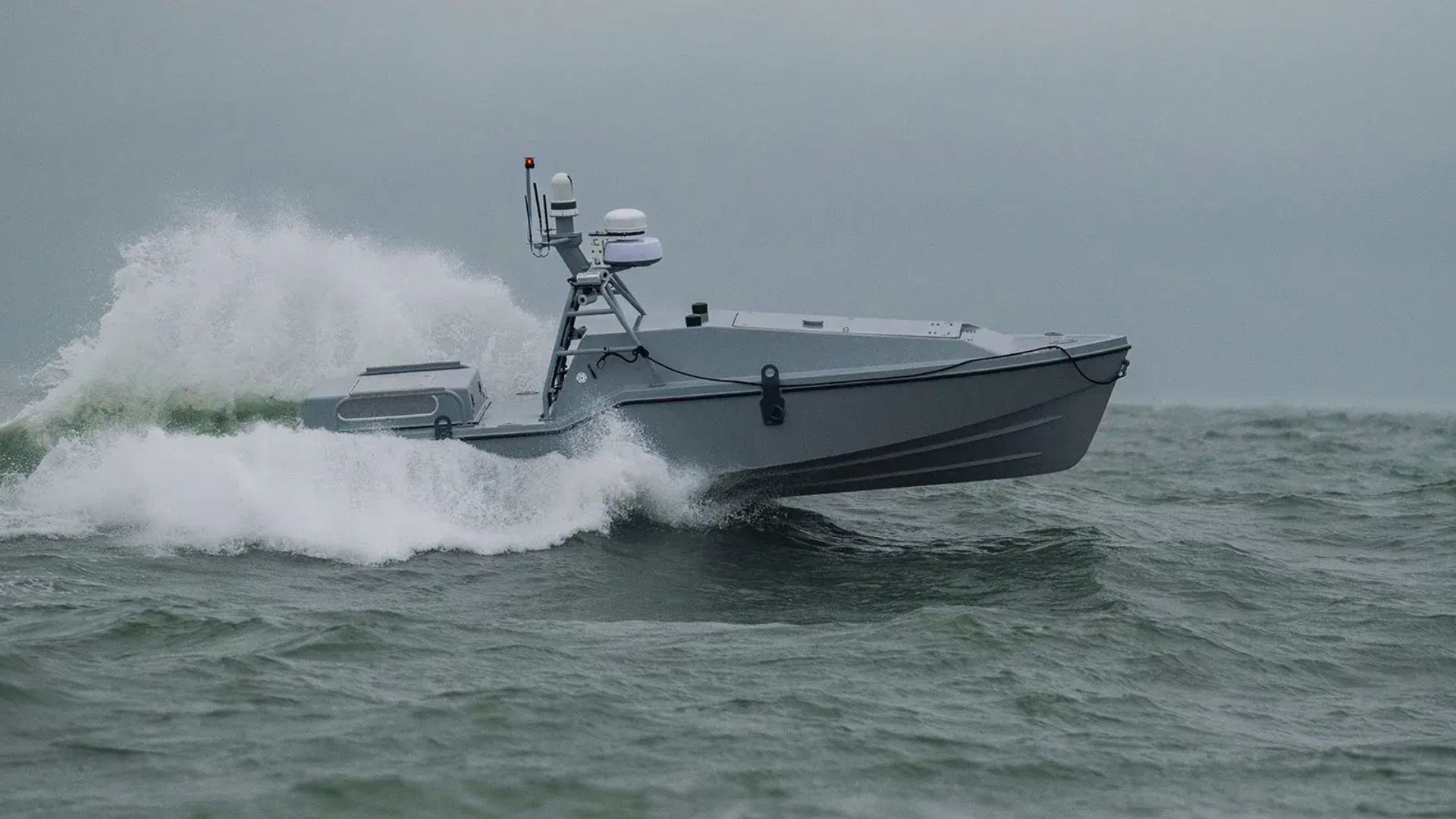
First-ever drone boat rescue: US Navy vessel pulls out two downed pilots from sea
A U.S. Navy unmanned surface vessel successfully conducted a rescue operation for two Army pilots whose AH-64 Apache helicopter had crashed. The incident occurred on a training mission off the coast of California on Tuesday. The unmanned vessel, equipped with advanced technology, was able to locate the pilots quickly and facilitate their safe retrieval from the water. This operation highlights the increasing role of unmanned systems in military rescue missions, showcasing their effectiveness in enhancing operational capabilities and ensuring the safety of personnel in distress. The successful rescue underscores the collaborative efforts between the Navy and Army in conducting joint operations and responding to emergencies in challenging environments.
Military
GE propulsion selected for US Navy’s next-generation ocean surveillance vessels
GE Aerospace has announced a significant contract to supply propulsion systems for the U.S. Navy's next-generation aircraft. This order, which underscores the company's commitment to advancing military aviation technology, was finalized recently and marks a pivotal step in enhancing the Navy's operational capabilities. The propulsion systems are expected to improve performance and efficiency for the upcoming fleet of aircraft, contributing to national defense objectives. GE Aerospace will leverage its advanced engineering and manufacturing expertise to fulfill this contract, ensuring timely delivery and adherence to the Navy's stringent requirements. This partnership highlights the ongoing collaboration between the defense sector and aerospace manufacturers, aimed at modernizing military assets and maintaining technological superiority.
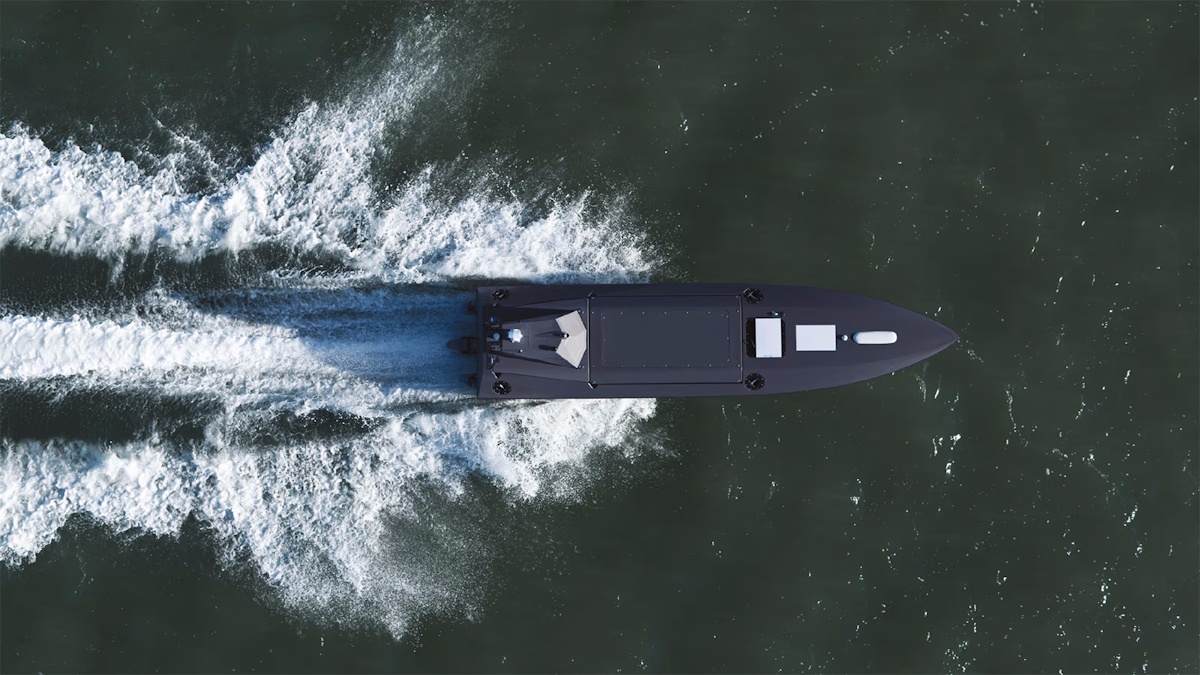
Davie and Kraken set to Join Forces on the Production of Autonomous Vessels and Systems in Canada
Québec-based Davie and the UK’s Kraken Technology Group have entered into a strategic collaboration aimed at enhancing the production, integration, and development of Kraken's advanced autonomous solutions in Canada. This partnership, announced today, seeks to leverage Davie’s expertise in shipbuilding and marine technology to bolster the capabilities of Kraken’s innovative offerings. By establishing a Canadian base for these operations, the collaboration aims to strengthen local industry and support the growing demand for autonomous technologies in maritime applications. The initiative reflects a commitment to advancing technological development in the region while fostering international cooperation in the field of autonomous systems.
davie kraken technology group production autonomous vessels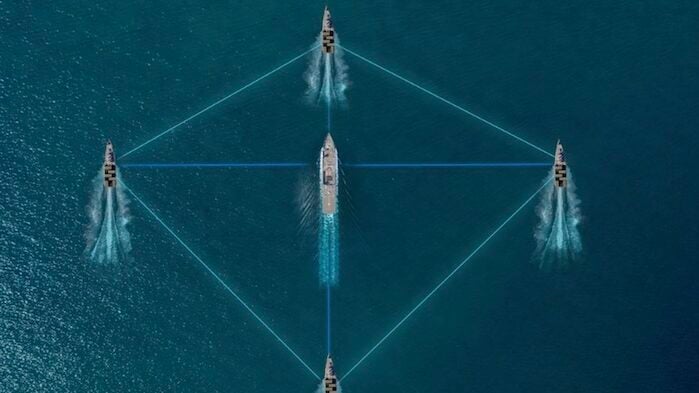
IAI’s new Diamond naval offering envisions flexible drones, missiles for small vessels
A new defense strategy is being implemented that features a network of small satellite ships equipped with various defensive systems. This innovative approach allows these ships to operate independently while remaining connected to a central mother ship, creating a disaggregated model of naval defense. The initiative aims to enhance maritime security and adaptability in response to evolving threats. By utilizing this modular system, naval forces can improve their operational flexibility and resilience in various combat scenarios. The deployment of these satellite ships is expected to take place in the coming months, with the goal of bolstering national defense capabilities and ensuring a more robust presence in contested waters.
Global Middle East Naval Warfare Drones industry Israel
RAD launches Autonomy Core: Unlocking Simple, Scalable, Remote Vessel Control
At the Combined Naval Event in Farnborough, RAD unveiled its latest innovation, the RAD Autonomy Core, a product designed to enhance the remote control capabilities of vessels. This new addition to the RAD Autonomy System aims to simplify and improve the reliability and flexibility of marine operations. The Autonomy Core is engineered to integrate effortlessly with existing propulsion and onboard systems, providing a practical solution for advancing marine autonomy while ensuring safety and control remain uncompromised.
rad autonomy core remote vessel control usv unmanned
The future of unmanned surface vessels includes ISR and counter-UAS
Red Cat, a prominent player in the aerial drone industry, has announced the launch of Blue Ops, a new venture focused on the mass production of unmanned surface vehicles (USVs). This strategic move comes as part of Red Cat's ongoing efforts to diversify its product offerings and capitalize on the growing demand for advanced maritime technology. The announcement was made recently, signaling the company's commitment to innovation and expansion within the unmanned vehicle market. By establishing Blue Ops, Red Cat aims to leverage its expertise in drone technology to develop and manufacture USVs that meet the evolving needs of various sectors, including defense, surveillance, and environmental monitoring. The initiative reflects a broader trend in the industry, where companies are increasingly investing in unmanned systems to enhance operational capabilities and efficiency.
Naval Warfare Sponsored Post Blue Ops Counter UAS cUAS gray zone ISR
HII Accelerates ROMULUS USV Program: Four New ROMULUS Vessels Head into Production
HII, the largest military shipbuilder in the United States and a leader in autonomous maritime systems, has unveiled plans to produce four additional ROMULUS 151 vessels. This announcement was made today, with the construction set to take place at Breaux Brothers Enterprises in Louisiana. This expansion comes alongside the ongoing construction of an existing ROMULUS 151 vessel, highlighting HII's commitment to enhancing its fleet of advanced maritime technology. The initiative aims to bolster the company's capabilities in autonomous systems, reflecting the growing demand for innovative naval solutions.
hii romulus usv
A Feature‐Decoupled and Gated‐Interaction‐Enhanced Deep Reinforcement Learning for Path‐Following of Large‐Inertia Vessels
A recent study published in the Journal of Field Robotics explores advancements in autonomous robotic systems designed for agricultural applications. Researchers from various institutions conducted the study to address the growing need for efficient farming solutions amid increasing global food demand. The findings, released in early October 2023, highlight innovative technologies that enable robots to perform tasks such as planting, monitoring crop health, and harvesting with minimal human intervention. The research was carried out in diverse agricultural settings, demonstrating the robots' adaptability to different environments and crop types. By integrating artificial intelligence and machine learning, these autonomous systems can analyze data in real-time, making informed decisions that enhance productivity and reduce resource waste. The motivation behind this study stems from the challenges faced by the agricultural sector, including labor shortages and the need for sustainable practices. The researchers aim to provide farmers with tools that not only improve efficiency but also contribute to environmental sustainability. Through rigorous testing and validation, the study showcases the potential of these robotic systems to revolutionize farming practices, ultimately leading to increased yields and reduced operational costs. As the agricultural industry continues to evolve, the implementation of such technologies could play a crucial role in meeting future food security challenges.
RESEARCH ARTICLE
Oceanology International 2026 – Uncrewed Vehicles & Vessels Track Q&A
In a recent interview with Ocean Robotics Planet, Justin Manley, Chief Commercial Officer of Seahawk Robotics, discussed the advancements in autonomy within the uncrewed maritime industry. This conversation highlighted key themes that will be addressed during the Uncrewed Vehicles and Vessels conference track at Oi26, scheduled to take place later this year. The conference aims to showcase innovative developments and applications in marine autonomous systems, including technologies such as Robotics, Autonomous Underwater Vehicles (AUVs), Remotely Operated Vehicles (ROVs), and Autonomous Surface Vessels (ASVs). Manley emphasized the growing importance of these technologies in enhancing maritime operations and addressing various industry challenges. The insights shared during the interview and the upcoming conference reflect a significant shift towards automation in marine environments, driven by the need for efficiency and safety in maritime operations.
oceanology international 2026 oi26 uncrewed vehicles & vessels track q&a events
Oceanology International 2026 – Uncrewed Vehicles & Vessels Track Q&A
Richard Mills, Chief Commercial Officer of Cellula Robotics, recently spoke with Ocean Robotics Planet about his role as the moderator for the Uncrewed Vehicles and Vessels conference track at Oi26. This event, scheduled for later this year, will delve into the latest innovations and applications in marine autonomous systems, encompassing technologies such as Robotics, Autonomous Underwater Vehicles (AUVs), Remotely Operated Vehicles (ROVs), and Autonomous Surface Vessels (ASVs). The conference aims to highlight advancements in the field and foster discussions on the future of uncrewed marine technologies, addressing the growing demand for efficient and sustainable solutions in marine exploration and operations.
oceanology international 2026 oi26 uncrewed vehicles & vessels track q&a events
Saipem to Supply the Hydrone-W Underwater ROV to ISPRA's New Oceanographic Vessel
Saipem has secured a contract with T. Mariotti shipyard in Genoa to provide the Hydrone-W remotely operated underwater vehicle (ROV). This advanced technology will be utilized on ISPRA's new oceanographic vessel, Arcadia. The collaboration aims to enhance marine research capabilities and environmental monitoring efforts. The deployment of the Hydrone-W ROV is expected to significantly contribute to the operational efficiency of the Arcadia, facilitating a range of underwater exploration and data collection tasks.
saipem hydrone-w rov ispra oceanographic vessel
Launching a new unmanned surface vessel for mine countermeasures
Eelume and Maritime Robotics have announced a partnership to develop an innovative mine countermeasures solution that integrates current maritime platforms with autonomous systems, aimed at enhancing operational effectiveness. The centerpiece of this collaboration is the Eelume WP960, an unmanned surface vessel (USV) designed to meet the standards of the Norwegian Armed Forces’ vessel strategy. This initiative reflects a growing trend in military operations to leverage advanced technology for improved safety and efficiency in maritime environments. The collaboration is set to advance the capabilities of naval forces in addressing underwater threats, marking a significant step forward in defense technology.
maritime robotics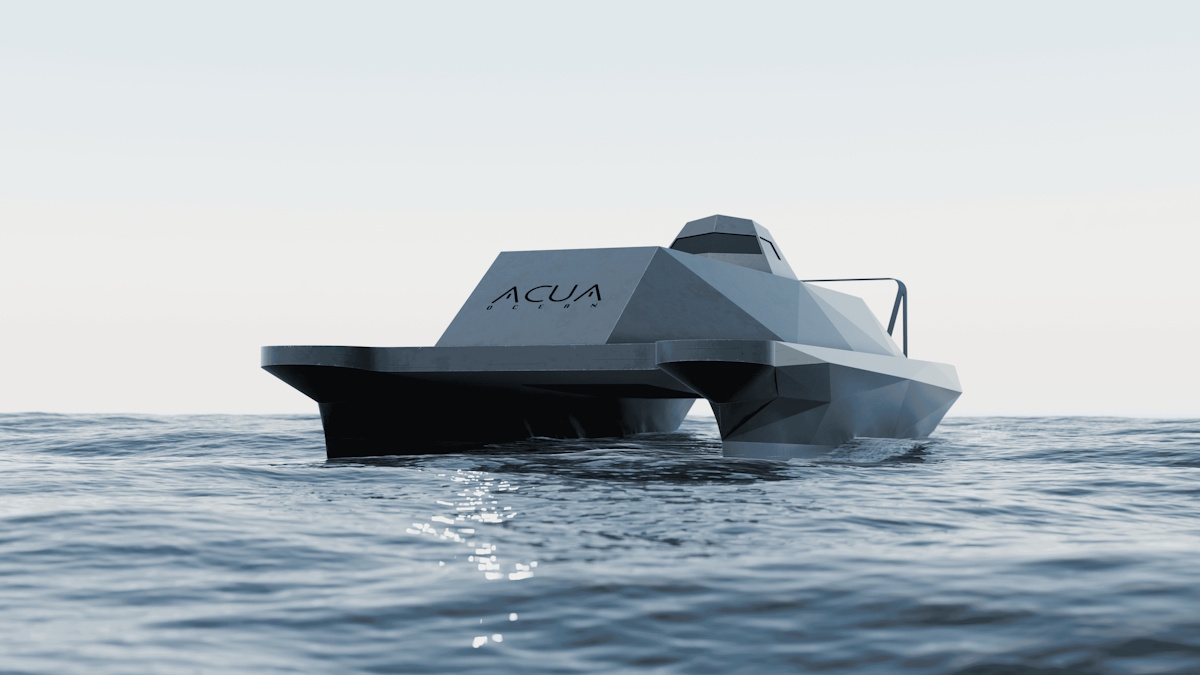
ACUA Ocean led consortium secures UK government backing for 145ft Multi-Role Uncrewed Offshore Support Vessel
A consortium led by ACUA Ocean, which includes partners Houlder, Ad Hoc Marine Designs, Trident Marine, and the University of Southampton, has received backing from the UK government to advance the development of a new class of medium-sized uncrewed support vessels. This initiative aims to enhance maritime operations and support various marine activities, reflecting a growing interest in innovative, unmanned technologies within the maritime sector. The project underscores the UK government's commitment to fostering advancements in marine engineering and technology, with the consortium set to leverage its collective expertise to design and build these vessels. The development is expected to take place over the coming years, contributing to the evolution of the maritime industry and promoting sustainable practices in marine operations.
acua ocean usv houlder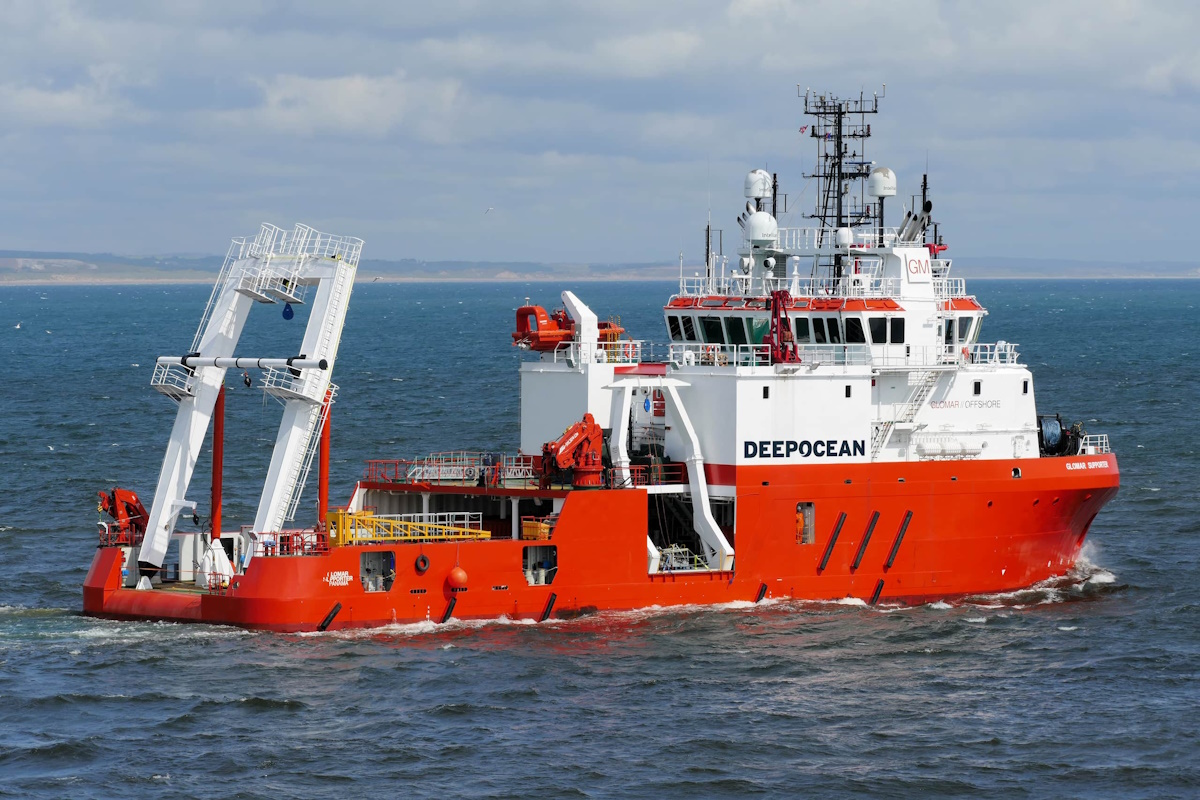
DeepOcean charters near-shore survey and IMR-vessel
Øyvind Mikaelsen, the CEO of DeepOcean, announced a significant expansion of the company’s operations during a press conference held on October 15, 2023, in Oslo, Norway. This strategic move aims to enhance DeepOcean's capabilities in subsea services, responding to the increasing demand for sustainable energy solutions in the offshore sector. Mikaelsen highlighted that the expansion will involve the acquisition of advanced technology and the recruitment of skilled personnel, which is expected to bolster the company’s position in the competitive market. The decision comes as part of DeepOcean's commitment to supporting the transition to renewable energy sources, aligning with global efforts to combat climate change. The CEO emphasized that this initiative will not only create new job opportunities but also contribute to the local economy in Norway. By investing in innovative solutions, DeepOcean seeks to improve efficiency and reduce environmental impact in its operations. The company plans to roll out the first phase of this expansion by early 2024, with further developments anticipated throughout the year. This proactive approach positions DeepOcean as a leader in the subsea industry, ready to meet the evolving needs of its clients while prioritizing sustainability.
glomar supporterRobotics needs a service framework.
RSF defines a common language for robot service capability, lifecycle operations, certification pathways, and service-provider networks.
Join the RobotToday community on LinkedIn
Daily robotics news, in-depth analysis, conference highlights, and discussions with professionals worldwide.







