

Industry Briefing
A single destination for timely, editor-curated robotics news from around the world.
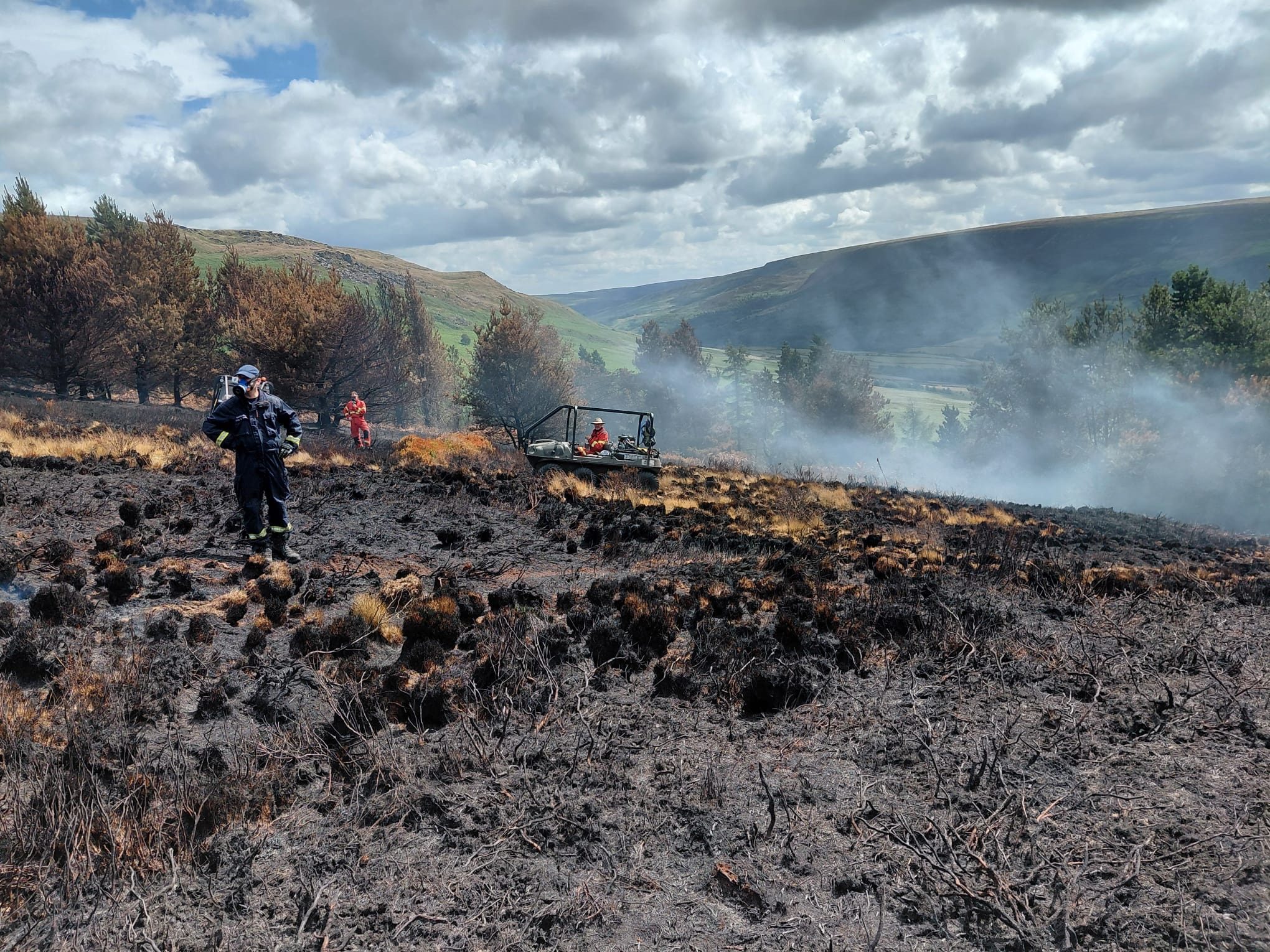
United Utilities Deploys Thermal Imaging Drones to Detect Moorland Fire Hotspots
United Utilities is employing thermal imaging drones to locate hidden hotspots from recent moorland fires in northwest England. Since the fires began at the end of June, the water company has been assisting emergency services. Despite cooler weather and rain, underground heat in peatland poses a risk of re-ignition, making the drones crucial for identifying these areas. The use of thermal drones is significant as it enhances the efficiency of firefighting efforts. Lindsay Page, United Utilities’ lead for Water Services in Greater Manchester, emphasized the collaborative effort with partners like the RSPB and Derbyshire Mountain Rescue. The drones provide GPS coordinates, allowing ground crews to target their resources effectively, which is vital in challenging terrain where monitoring from the ground is difficult. While major incidents have been scaled back, United Utilities continues to patrol areas like Dovestones and Tintwistle to extinguish remaining hotspots. The company has expanded its drone capabilities, previously trained for asset inspections, to include thermal imaging, significantly improving the identification of heat sources that may be hard to detect otherwise. No further timeline was disclosed at the time of publication.
Applications Drone News Drone News Feeds emergency response Fire Fire and Police
Five Challenges Utilities Face in Deploying Fleet Robots for Power Infrastructure
The deployment of autonomous systems in substations and remote power infrastructure has highlighted a significant gap between laboratory testing and real-world performance. Utilities are currently facing five major hurdles that must be addressed to enable practical fleet automation at scale. These challenges are critical as they impact the efficiency and reliability of power distribution systems. Overcoming these obstacles is essential for utilities to harness the full potential of fleet robots, which can enhance operational capabilities and reduce human error in hazardous environments. Looking ahead, utilities will need to focus on bridging the gap between theoretical models and practical applications. No further timeline was disclosed at the time of publication.
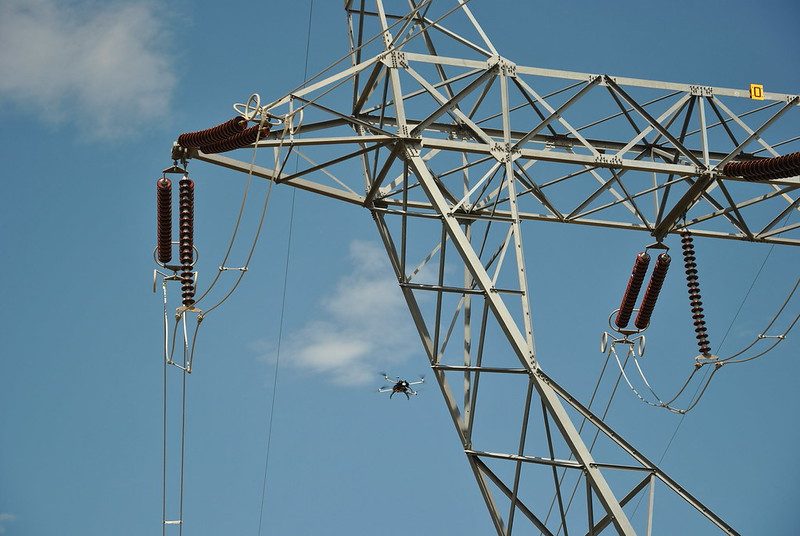
Utilities Prepare for BVLOS While Navigating the Post-DJI Transition
Electric utility companies, early adopters of drone technology, are currently navigating a complex landscape as they prepare for the anticipated implementation of new beyond visual line of sight (BVLOS) regulations. This transition comes amid evolving government pressures and the need to adapt to a post-DJI market environment. As these utilities seek to enhance their operational efficiency and safety through drone programs, they face both challenges and opportunities in integrating advanced aerial solutions into their infrastructure management strategies. The ongoing developments highlight the critical role of drones in modern utility operations and the necessity for companies to adapt to regulatory changes and technological advancements.
Applications BVLOS DJI Drone News Drone News Feeds EnergyRobotics needs a service framework.
RSF defines a common language for robot service capability, lifecycle operations, certification pathways, and service-provider networks.
Join the RobotToday community on LinkedIn
Daily robotics news, in-depth analysis, conference highlights, and discussions with professionals worldwide.







