

Industry Briefing
A single destination for timely, editor-curated robotics news from around the world.
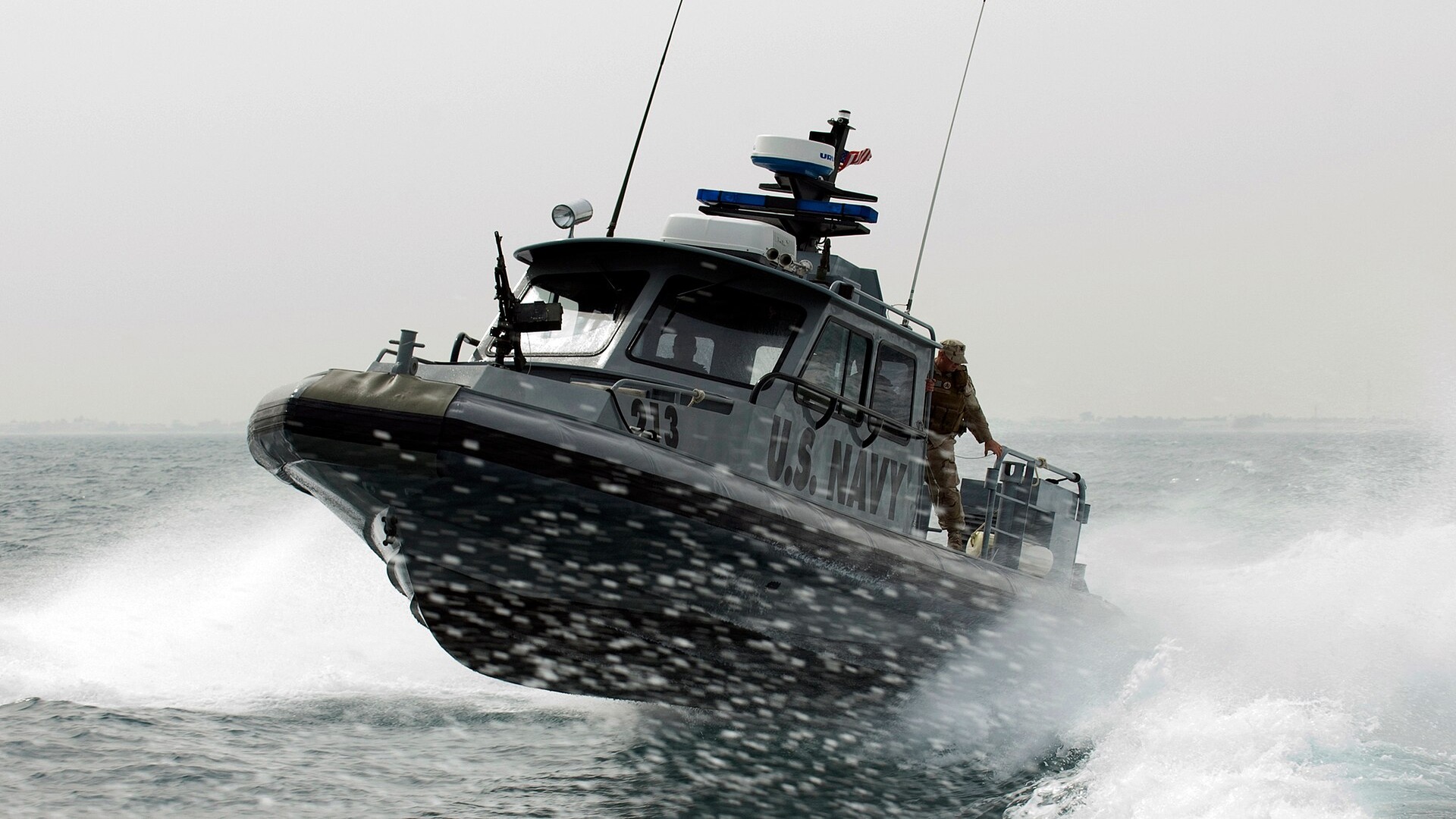
U.S. Navy Establishes RASWDC to Enhance Robotic Warfare Capabilities
The U.S. Navy has launched the Robotic and Autonomous Systems Warfighting Development Center (RASWDC) on September 24, aimed at integrating robotic and autonomous systems into naval operations. Led by Rear Admiral Melvin Smith, the center is headquartered at Joint Expeditionary Base Little Creek-Fort Story in Virginia and will serve as the Navy's primary hub for operational integration of these technologies. This initiative is crucial for maintaining the Navy's maritime advantage, as emphasized by Chief of Naval Operations Adm. Daryl Caudle. The RASWDC will provide sailors with advanced training and specialized doctrine necessary for high-end combat scenarios, reflecting the Navy's commitment to modernizing its operational capabilities through technology. Looking ahead, the RASWDC will focus on developing warfighting concepts, training personnel, and testing new technologies under realistic conditions. The Navy's approach includes evaluating unmanned aerial systems, uncrewed surface vessels, and unmanned underwater vehicles, with a clear intent to advance systems that prove effective while reassessing those that do not meet operational standards. No further timeline was disclosed at the time of publication.
Military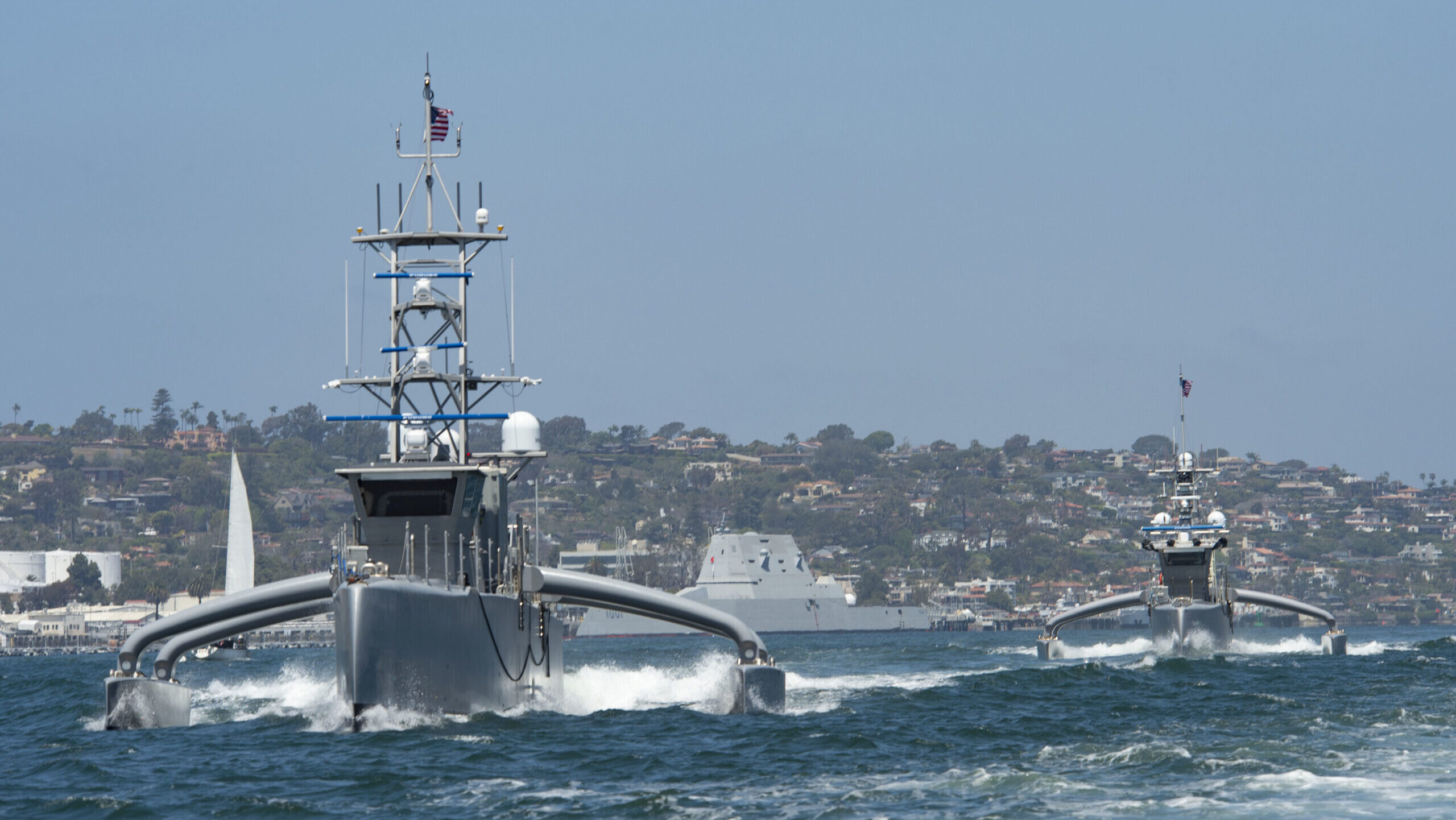
Navy Initiates Phase II for Medium Unmanned Surface Vessel Project, Seeks Innovative Solutions
The Navy has launched Phase II of its medium unmanned surface vessel (MUSV) project, inviting innovative solutions for integration and testing. The solicitation notice, released on September 23, emphasizes the need for adaptable and resilient designs that can address evolving maritime threats. This initiative is significant as it aims to enhance the Navy's capabilities in unmanned operations, with specific requirements for vessels to operate unmanned for at least 10 days and accommodate a payload of two standard 20-foot shipping containers. The focus on open-architecture autonomy and rapid production scalability reflects the Navy's commitment to modernizing its fleet. Looking ahead, vendors with successful proposals will demonstrate their vessels at sea, evaluated on criteria such as speed and fuel efficiency. The Navy's MUSV Marketplace, announced earlier this year, aims to streamline procurement processes for maritime autonomous systems, allowing both new and existing vendors to participate in this evolving landscape.
Naval Warfare Drones MUSV Navy Unmanned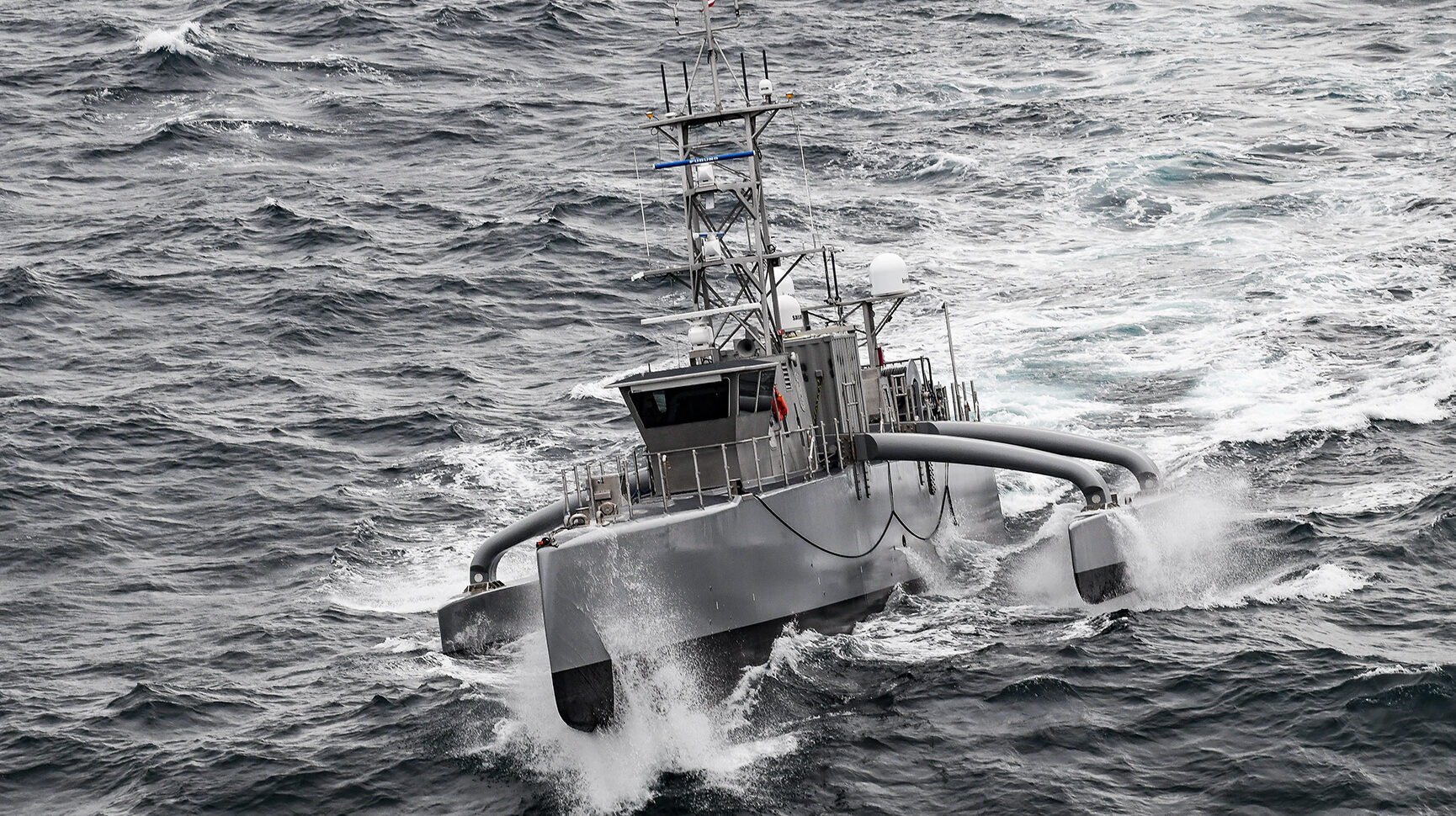
Navy Establishes Robotics and Autonomous Systems Warfighting Development Center in Virginia
The Navy has launched the Robotics and Autonomous Systems Warfighting Development Center (RASWDC) to develop tactics and procedures for unmanned systems. Headquartered at Joint Expeditionary Base Little Creek-Fort Story in Virginia, RASWDC aims to unify efforts across the Navy to enhance operational coherence in unmanned capabilities. This initiative is significant as it aligns with the Navy's broader strategy to integrate robotic and autonomous systems into its operations, as emphasized by Chief of Naval Operations Adm. Daryl Caudle. The RASWDC will work closely with the Direct Reporting Portfolio Manager for Robotic and Autonomous Systems to facilitate the acquisition and deployment of these technologies. Looking ahead, the RASWDC is expected to play a crucial role in ensuring that sailors are equipped with the necessary training and doctrine to effectively utilize unmanned systems. No further timeline was disclosed at the time of publication.
Naval Warfare Adm. Daryl Caudle Drones Navy robotics Unmanned
Enhancing the Navy's Kill Chain with Remote Mine Hunting Using AI and Sonar
The Navy is advancing its find, fix, and finish kill chain through the implementation of remote mine hunting technologies. This innovative approach leverages autonomy, artificial intelligence, and advanced sonar systems to effectively locate and neutralize underwater mines, significantly improving operational efficiency. The integration of these technologies is crucial for enhancing maritime safety and operational readiness. By utilizing remote mine hunting, the Navy can clear waterways more quickly and with reduced risk to personnel, addressing the growing need for effective mine countermeasures in complex environments. Looking ahead, the continued development and deployment of remote mine hunting capabilities will be essential for maintaining naval superiority. No further timeline was disclosed at the time of publication.
Naval Warfare Sponsored Post Navy networks Presented by Thales SAS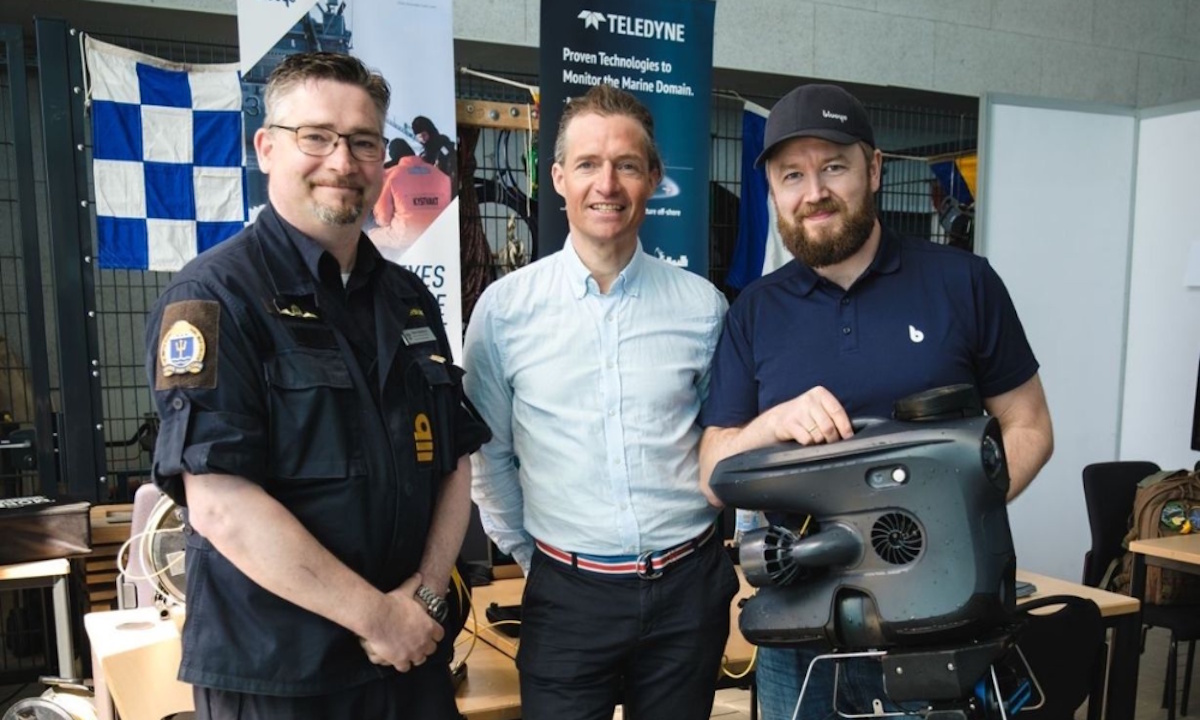
Swedish Navy Conducts Tests of Blueye X3 ROV for Diver Support Operations
The Swedish Navy's experimentation office, MaX, has been testing the Blueye X3 ROV since May 2026. The ROV has been utilized for various tasks, including filming the Navy's unmanned underwater vehicle, LUUV. MaX is particularly focused on how the X3 can assist in manned dives, especially in challenging environments. The significance of the Blueye X3 lies in its user-friendly operation and impressive capabilities, including a depth rating of 300 meters, which is suitable for operations in the Baltic Sea. The ROV is expected to enhance efficiency in tasks such as inspecting boat undersides and retrieving items from the seabed, ultimately improving safety and operational effectiveness for divers. On September 5, 2026, MaX showcased the Blueye X3 to the public during Navy Day in Karlskrona, allowing visitors to experience driving the ROV firsthand. This demonstration highlights the Navy's commitment to integrating advanced technology into their operations. No further timeline was disclosed at the time of publication.
swedish navy testing blueye x3 rov diver support
EDGE Group Delivers Six HT 100 NAVAL Unmanned Helicopters to Angolan Navy
The EDGE Group, a defense company from the United Arab Emirates, has successfully delivered six HT 100 NAVAL unmanned helicopters to the Angolan navy. This delivery is part of a €1 billion ($1.2 billion) contract finalized in 2023, following successful Factory Acceptance Trials (FAT) conducted in Switzerland. This milestone is significant as it enhances the Angolan navy's maritime surveillance and reconnaissance capabilities, integrating the unmanned helicopters with the BR71 MK II corvettes. Each corvette will host two of the helicopters, which are equipped with advanced electro-optical/infrared (EO/IR) sensors to improve operational effectiveness. Looking ahead, the integration of these systems represents a strategic move for EDGE Group and its subsidiaries, including Abu Dhabi Ship Building (ADSB) and ANAVIA. The collaboration aims to meet Angola's operational requirements while also expanding ADSB's export ambitions in various global markets, including Asia and Africa. No further timeline was disclosed at the time of publication.
Air Warfare Global Naval Warfare Abu Dhabi Ship Building africa Air Force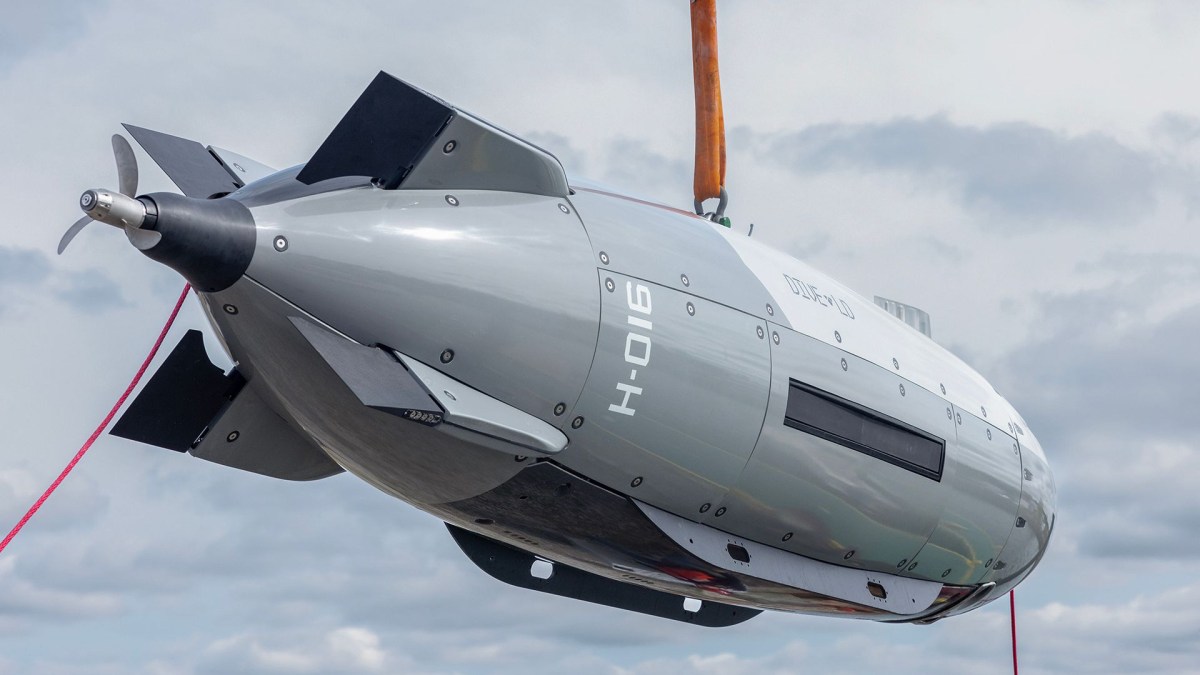
U.S. Navy's Dive-LD Drone Captured by Iran: Key Details and Implications
The U.S. Navy has lost a Dive-LD uncrewed underwater vehicle (UUV) to Iran, which claims to have retrieved it intact near the Strait of Hormuz. This incident marks the first known operational deployment of the Dive-LD, a relatively new capability for the Navy that began service over a year ago. The significance of this event lies in the ongoing tensions in the Strait of Hormuz, a critical maritime route. U.S. officials have confirmed the use of UUVs to assist in keeping the strait free of Iranian naval mines, which have impeded maritime traffic. The Iranian regime's announcement of the capture highlights the potential risks associated with U.S. military operations in the region. Looking ahead, the exact circumstances of the UUV's malfunction and subsequent capture remain unclear. No further timeline was disclosed at the time of publication. The U.S. Navy continues its operations in the area, and the implications of this incident for future UUV deployments and regional security will be closely monitored.
Sea Around The Globe Iran Middle East Navies News & Features
Teledyne Webb Research Secures U.S. Navy Contract for APEX Profiling Floats
Teledyne Webb Research has been awarded a contract by the U.S. Navy for the provision of APEX profiling floats. This contract highlights the Navy's commitment to enhancing oceanographic research capabilities through advanced technology. The APEX profiling floats are designed to collect critical ocean data, which is essential for various applications, including climate monitoring and naval operations. This contract signifies a strategic partnership aimed at improving the Navy's operational effectiveness and scientific understanding of ocean dynamics. Looking ahead, the deployment of these profiling floats is expected to play a crucial role in ongoing oceanographic studies. No further timeline was disclosed at the time of publication.
teledyne webb research contract award u.s. navy apex profiling floats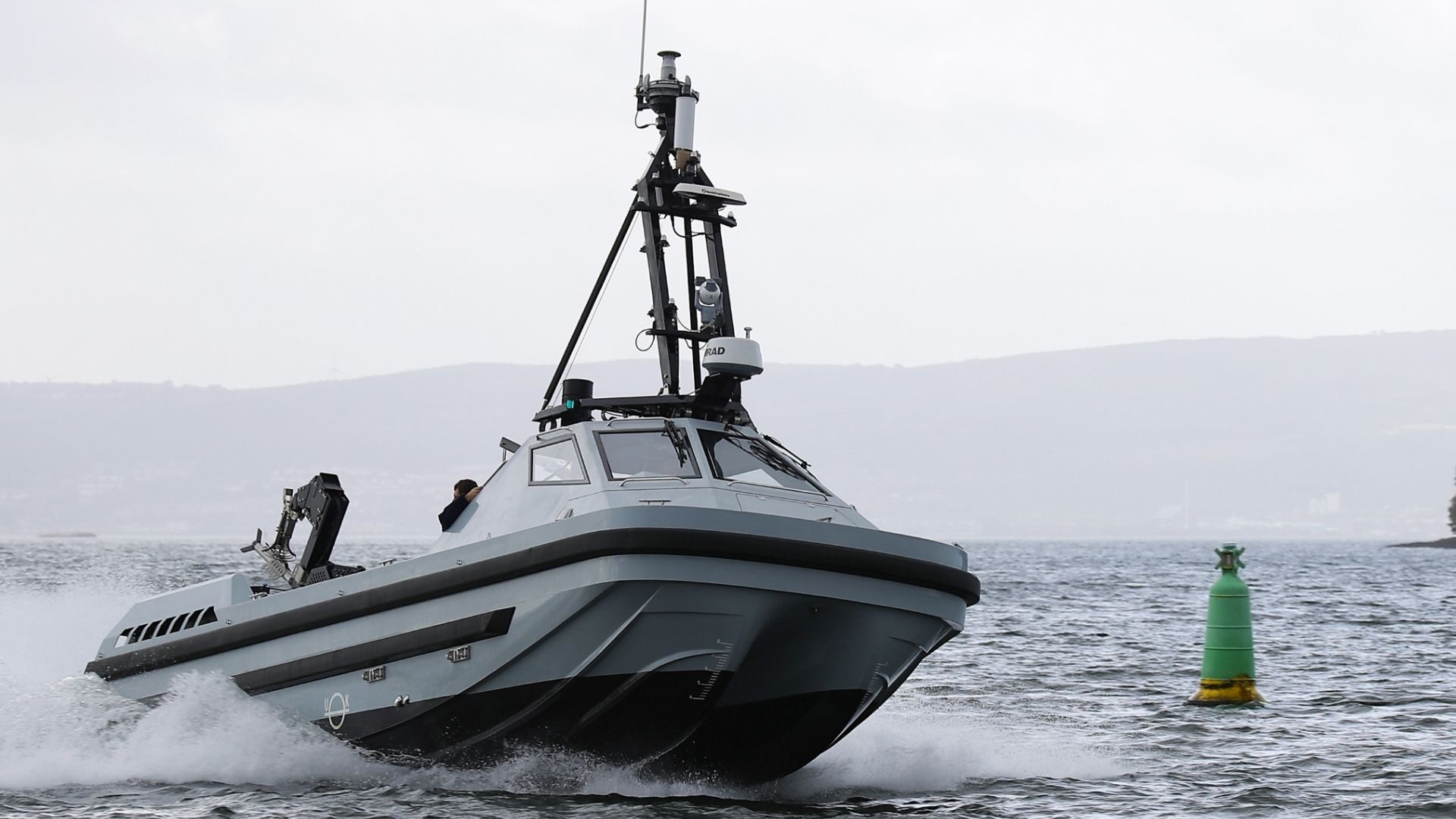
US Navy Demonstrates Robotic Refueling System for Unmanned Vessels at Sea
The US Navy has successfully showcased a robotic system capable of capturing, refueling, and releasing an unmanned surface vessel (USV) at sea. This demonstration, led by the Naval Air Warfare Center Weapons Division, took place off Joint Expeditionary Base Little Creek-Fort Story, Virginia, and involved the T38 USV and a towable refueling system. This innovative capability is significant as it allows USVs to remain deployed for extended missions without the need to return to port for fuel. By reducing the frequency of refueling stops, the Navy can enhance sensor coverage during operations and decrease reliance on crewed support vessels, which is crucial for ongoing testing and operational efficiency. Looking ahead, the robotic refueling system is expected to support the Blue Water Instrumentation program, particularly in trials related to hypersonic systems and precision long-range fires. No further timeline was disclosed at the time of publication.
Innovation Military Science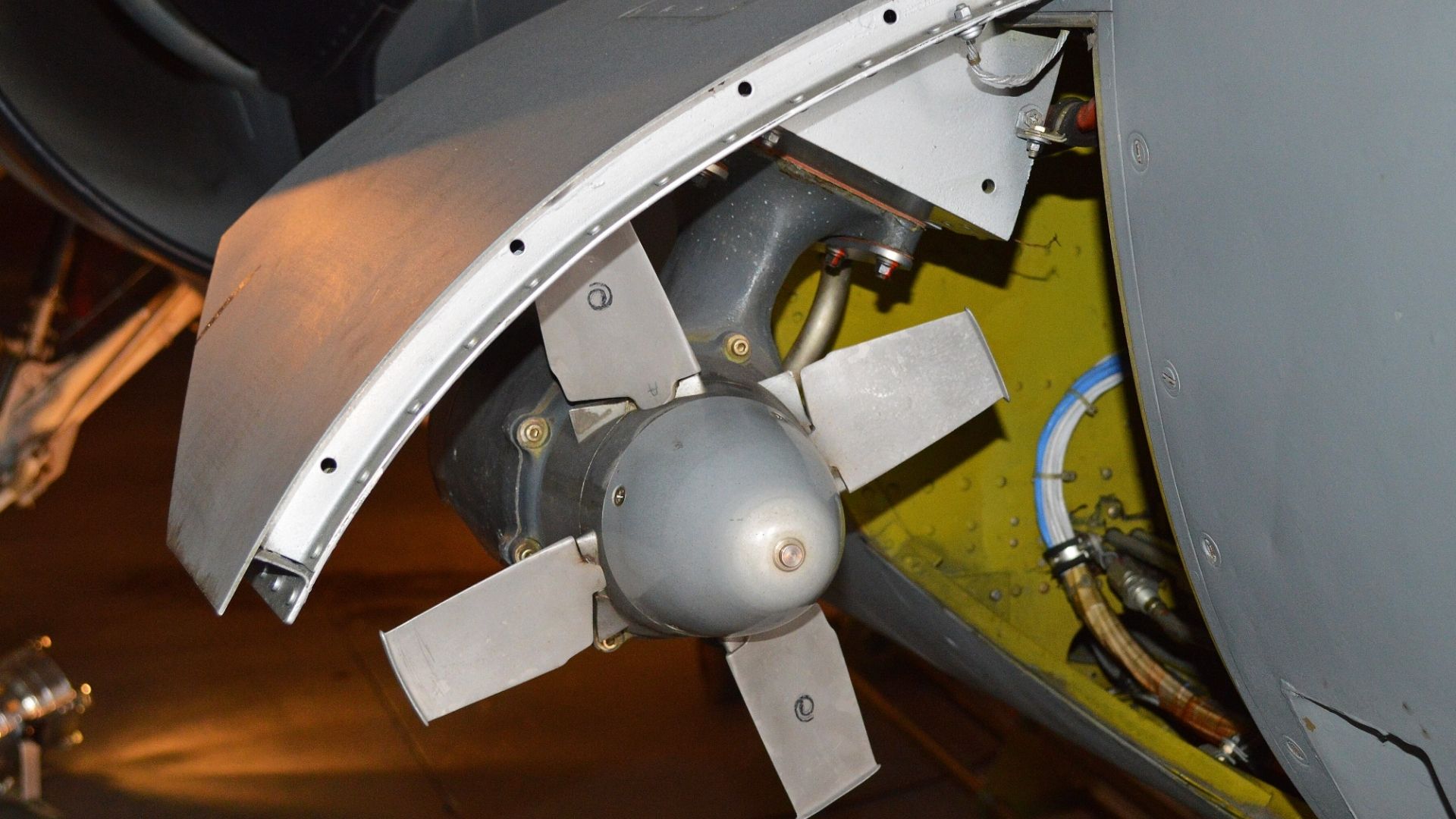
Marotta Controls to Supply Technology for US Navy's Next Generation Jammer Program
Marotta Controls, a US aerospace and defense contractor, has secured contracts to provide technology for two subsystems of the US Navy’s Next Generation Jammer–Low Band (NGJ-LB) program. Announced on September 2, the contracts involve a subcontract with CFD Research Corporation for a ram-air turbine power-generation system and a direct contract from L3Harris Technologies, the prime contractor for the NGJ-LB. The NGJ-LB is designed for the EA-18G Growler, enhancing its electronic warfare capabilities by disrupting enemy air defenses and ground communications. Marotta's involvement marks its entry into the airborne electronic warfare market, supplying equipment for the Turbine Speed Control System, which is crucial for power generation and regulation within the NGJ-LB pod. As the US Navy aims to replace the legacy AN/ALQ-99 Tactical Jamming System, the NGJ-LB program, selected in August 2024 under a $587.4 million contract, is set to deliver operational prototype pods for fleet assessment. No further timeline was disclosed at the time of publication.
Military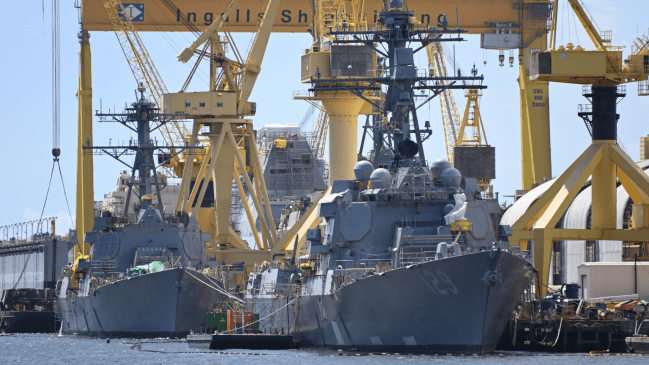
HII Aims for 15% Increase in Shipyard Throughput Using Robotics for Navy Warships
HII, the largest military shipbuilder in the US, is targeting a 15% increase in shipyard throughput this year to expedite deliveries to the US Navy. The strategy involves workforce expansion, infrastructure upgrades, and enhanced use of technology, particularly physical AI, in shipbuilding operations. Currently, around 40 ships are under construction or modernization at HII's Ingalls and Newport News facilities. This initiative is significant as it highlights the need for skilled workers and modernized production infrastructure to support higher volumes in the US maritime industrial base. HII's plan includes hiring skilled workers, modernizing shipyard infrastructure, and expanding the industrial base for naval construction. Eric Chewning, HII’s executive vice president, emphasized the importance of building on current momentum to deliver ships at an increased pace. Looking ahead, HII plans to outsource over 2 million hours of work in 2026, marking a 178% increase from 2024. This distributed shipbuilding strategy aims to enhance shipbuilding capacity and resilience in the supply chain. As demand for naval vessels grows, HII's approach underscores the critical role of advanced manufacturing technologies in boosting US shipbuilding capacity.
Military
U.S. Navy Revisits Advanced Drone Requirements for Collaborative Combat Aircraft Program
The U.S. Navy has updated its requirements for the Collaborative Combat Aircraft (CCA) program, indicating a shift towards advanced uncrewed combat air vehicles (UCAVs). This change suggests the Navy is seeking capabilities similar to those explored in the X-47B and UCLASS programs, which were previously shelved in favor of the MQ-25 Stingray. The updated requirements highlight the Navy's desire for a CCA capable of operating from aircraft carriers, carrying significant weapon loads, and conducting strike missions in contested environments. Notably, the Navy mandates the ability to carry four weapons of up to 2,500 pounds each, totaling a potential load of 10,000 pounds, which exceeds the payload capabilities of current Air Force drones. Looking ahead, the Navy's focus on autonomy and survivability in complex environments will be crucial for the CCA's development. The prototype is expected to demonstrate advanced mission capabilities, including independent operations and integration with crewed aircraft. No further timeline was disclosed at the time of publication.
Sea Carriers Drones Navies News & Features U.S. Navy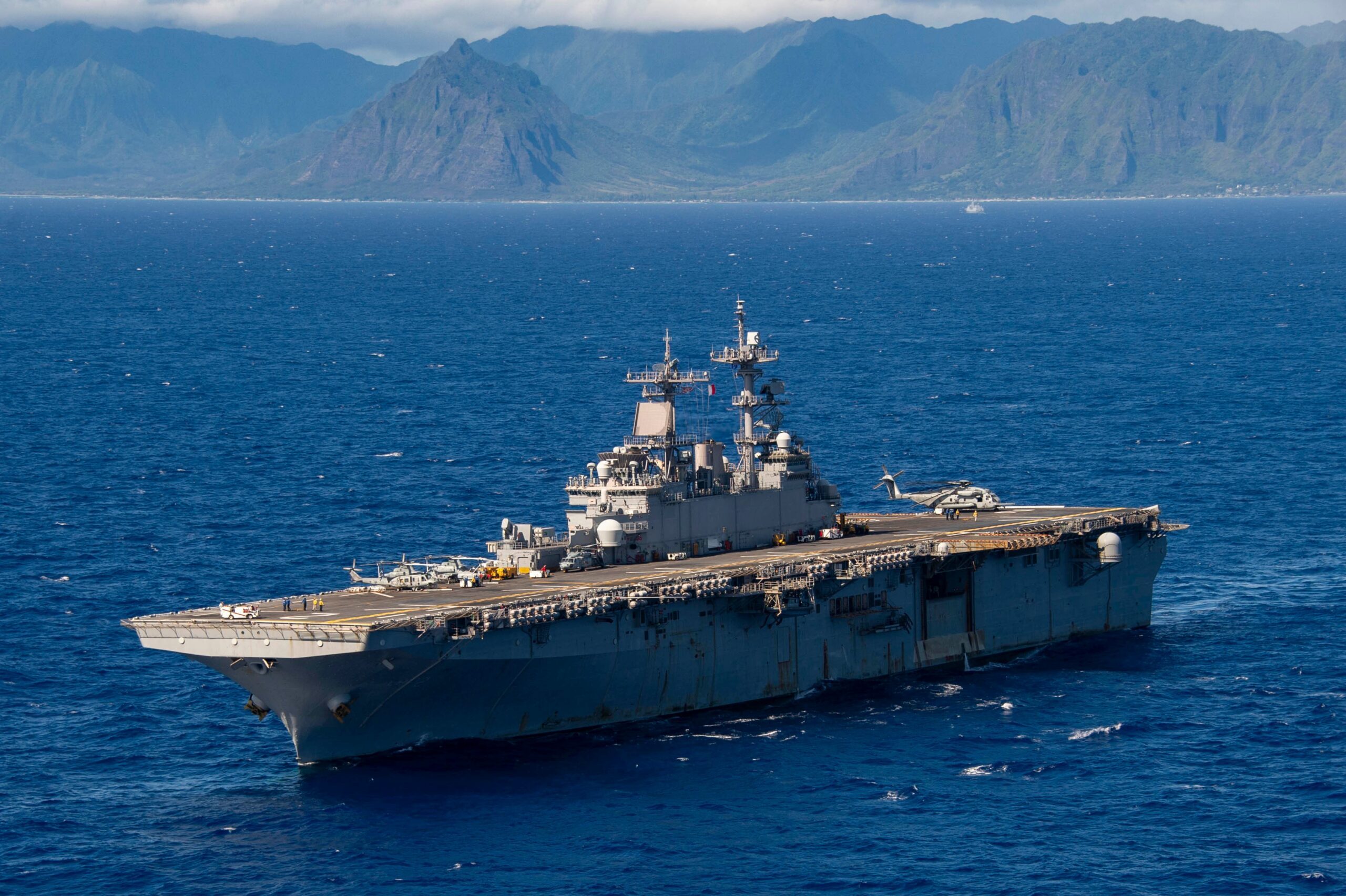
Firestorm Labs Demonstrates Onboard UAV Manufacturing for U.S. Navy at Sea
Firestorm Labs, based in San Diego, showcased its ability to manufacture UAV parts using 3D printing technology aboard the USS Essex during a two-week voyage to the Rim of the Pacific 2026 military exercise. The company produced over 1,000 drone components, which were assembled into Squall UAVs for target practice exercises. This demonstration is significant as it addresses the U.S. Navy's concerns regarding traditional logistics for drone manufacturing and repair, particularly in contested environments. Firestorm's CEO, Dan Magy, emphasized the importance of their solution in overcoming logistical challenges faced by the Navy, especially in areas like the Strait of Hormuz. Looking ahead, Firestorm Labs aims to enhance its mobile additive-manufacturing equipment for deployment on smaller ships. The company has already sold several xCell units to various military branches and government agencies, indicating a growing interest in this technology across multiple sectors, including oil and gas.
Applications Defense defense Drone Manufacturing Drone News Drone News Feeds
British Navy Drones Found Communicating with Chinese IP Address
Recent reports indicate that British Navy drones were detected communicating with a Chinese IP address. The origin of the component that facilitated this communication remains uncertain, especially considering the UK's prohibition on using Chinese parts in military equipment. This situation raises significant concerns regarding national security and the integrity of military technology. The presence of Chinese components in British military drones could potentially compromise sensitive operations and data, leading to increased scrutiny of supply chains and procurement processes. Moving forward, it will be important to monitor any investigations or actions taken by the UK government regarding this incident. The implications for military procurement policies and the broader defense strategy may be substantial, especially in light of ongoing tensions with China. No further timeline was disclosed at the time of publication.

Cybersecurity Risks Emerge from Chinese Components in Royal Navy's Kraken USVs
Recent reports indicate that Chinese-made components in the cameras of the U.K. Royal Navy's Kraken Unmanned Surface Vessels (USVs) were transmitting data to a device in China. The U.K. Ministry of Defense confirmed the issue, which arose during a routine cyber vulnerability assessment, prompting the removal of internet connectivity from the affected cameras. This situation underscores significant cybersecurity risks associated with military supply chain vulnerabilities, particularly concerning Beijing's potential access to sensitive Western defense technology. The Kraken K3 Scout USVs, valued at approximately $16.2 million, were introduced into Royal Navy service in March and are utilized by the Coastal Forces Squadron and 47 Commando of the Royal Marines. Looking ahead, the Royal Navy's USVs are expected to be deployed to the Persian Gulf to support U.K. special forces in securing navigation in the Strait of Hormuz. The Ministry of Defense has stated that it prioritizes national security and is committed to ongoing security assessments to mitigate vulnerabilities in its systems and equipment. No further timeline was disclosed at the time of publication.
Sea Espionage Navies News & Features Royal Navy Unmanned Surface Vessels (USVs)
Navy Establishes New Direct Reporting Portfolio Manager for Robotic and Autonomous Systems
The Navy has announced the creation of a new Direct Reporting Portfolio Manager for Robotic and Autonomous Systems (DRPM RAS) as part of a leadership restructuring. Chris Miller, currently leading the portfolio acquisition executive Maritime office, will take on the role of acting DRPM RAS, reporting to William Toti, who is performing the duties of undersecretary of the Navy. This initiative aims to enhance the development and acquisition of RAS capabilities within the Navy and Marine Corps. This move is significant as it reflects the Navy's recognition of the need for a more efficient approach to robotic and autonomous systems. According to Toti, the current processes are outdated and do not meet the urgent needs of Sailors and Marines. The establishment of DRPM RAS is intended to bring about faster decision-making and clearer accountability in line with Secretary of the Navy Hung Cao's directives. Looking ahead, the Navy is considering relocating DRPM RAS staff closer to Fleet warfighters to improve collaboration and ensure that operational feedback is integrated into capability development. No further timeline was disclosed at the time of publication.
Naval Warfare Drones Medium Unmanned Surface Vessel Navy portfolio acquisition executives Unmanned
Oshen Demonstrates Seabed-Mapping Capabilities of Sail-Powered Robots in U.S. Navy Trial
Oshen has successfully demonstrated the seabed-mapping capabilities of its sail-powered robots during a trial conducted by the U.S. Navy. This trial showcased the robots' ability to efficiently map underwater terrains, which is crucial for various naval operations and environmental assessments. The significance of this trial lies in the potential applications of Oshen's technology for the U.S. Navy and other maritime organizations. Accurate seabed mapping is essential for navigation, resource exploration, and environmental monitoring, making these robots a valuable asset in maritime operations. Looking ahead, the continued development and testing of Oshen's sail-powered robots may lead to broader adoption in both military and commercial sectors. No further timeline was disclosed at the time of publication.
U.S. Navy Selects Blue Water Autonomy for Autonomous Ocean Surveying Contract
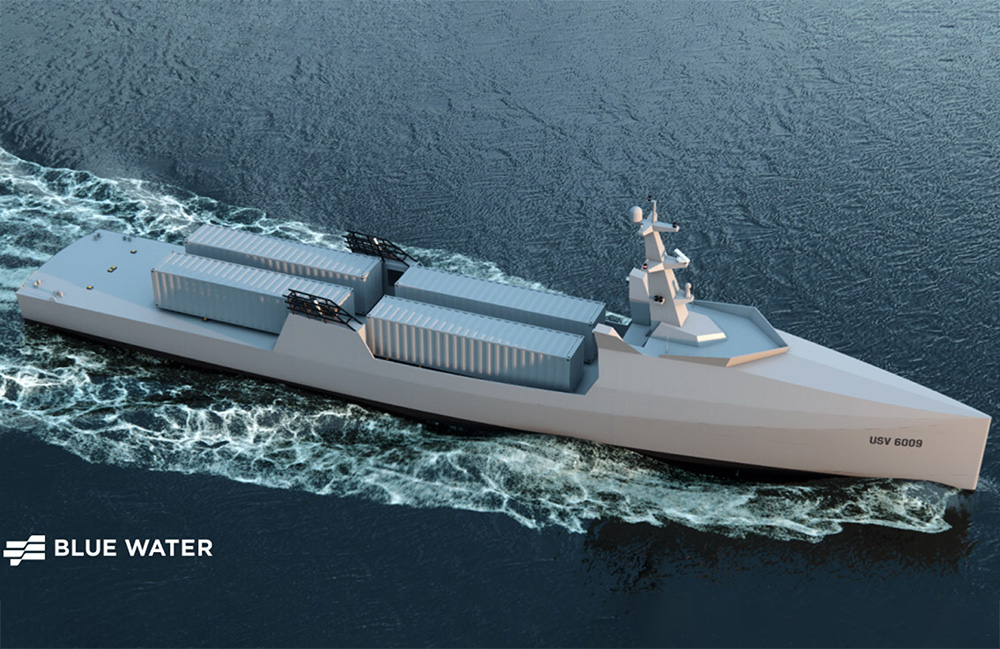
Blue Water Autonomy has been awarded a multiple-award contract by the Naval Oceanographic Office (NAVOCEANO) to conduct high-resolution ocean floor mapping using its autonomous vessels. This contract, which has a ceiling of $40 million, allows Blue Water Autonomy to leverage its technology for deep ocean surveys across the Indian and Pacific oceans. The significance of this contract lies in the Navy's increasing reliance on uncrewed systems to perform demanding ocean surveys, which traditionally require costly crewed ships. By utilizing autonomous vessels, the Navy aims to reduce operational costs and risks to personnel while enhancing its surveying capabilities over vast ocean areas. Looking ahead, Blue Water Autonomy plans to complete its first Liberty Class vessel for the U.S. Navy this year. This 190-foot autonomous ship is designed for long-duration missions and can operate over 10,000 nautical miles, showcasing the company's commitment to advancing autonomous maritime technology.
Artificial Intelligence Artificial Intelligence / Cognition Design / Development Maritime Markets / Industries News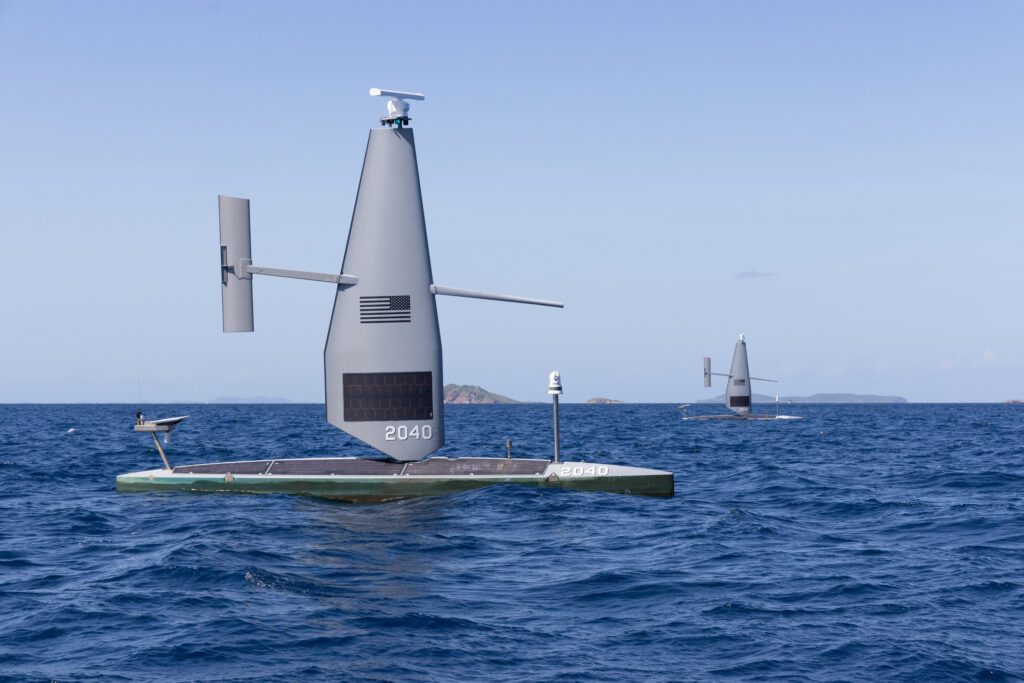
U.S. Navy Utilizes Saildrone Voyager USVs to Seize $81 Million in Cocaine
A Saildrone Voyager unmanned surface vehicle (USV) assisted the U.S. Navy in tracking and intercepting a suspected drug-smuggling vessel in the Caribbean, resulting in the seizure of approximately $81 million worth of cocaine on October 16, 2025. This operation highlights the transition of autonomous maritime systems from experimental platforms to essential tools for real-world security missions. The successful interception underscores the operational capabilities of Saildrone Voyager USVs, which can remain at sea for extended periods, enabling continuous monitoring of vast maritime areas. This capability reduces reliance on crewed vessels and supports the U.S. Navy's counter-narcotics mission in the Caribbean and Eastern Pacific, coordinated by Joint Interagency Task Force South (JIATF-S). Looking ahead, the Navy has awarded Saildrone a $16.3 million task order to continue operating Voyager USVs through 2027. This mission not only demonstrates the effectiveness of unmanned systems in maritime surveillance but also indicates a broader trend of integrating autonomous platforms into naval operations, enhancing mission effectiveness and operational reach.
Applications Defense Drone News Drone News Feeds News safety and security
Navy Extends Saildrone's Counter-Drug Mission with Voyager USVs in Caribbean and Eastern Pacific
The U.S. Navy has renewed its task order for Saildrone, extending the deployment of Voyager unmanned surface vehicles (USVs) in the Caribbean and Eastern Pacific regions. This extension aims to enhance maritime surveillance and counter-drug operations in these critical areas. The significance of this mission lies in the Navy's commitment to combating drug trafficking and ensuring maritime security. By utilizing advanced technology like the Voyager USVs, the Navy can effectively monitor vast ocean areas, making it a vital asset in the fight against illegal drug activities. Looking ahead, the continued operation of Voyager USVs will be crucial in maintaining a strong presence in the Caribbean and Eastern Pacific. No further timeline was disclosed at the time of publication.
Naval Warfare Adm. Daryl Caudle Caribbean Sea Drones Eastern Pacific Navy
Saildrone Voyager Aids U.S. Navy in Seizing $81 Million Worth of Cocaine
The U.S. Navy has successfully utilized the Saildrone Voyager unmanned surface vehicle (USV) to assist in a significant drug bust, seizing over $81 million in cocaine during an operation in October 2025. This operation highlights the effectiveness of unmanned systems in maritime security, particularly in patrolling the expansive southern maritime border. The integration of Saildrone's USVs into Navy operations underscores the strategic importance of unmanned systems in enhancing maritime domain awareness. The Saildrone Voyager has been continuously operating in support of the Navy's Fourth Fleet since 2023, demonstrating its capability to remain on mission for extended periods, which is crucial for countering drug smuggling and other illicit activities. Looking ahead, the Navy has awarded Saildrone a $16.3 million task order to extend the operations of the Voyager fleet in the Caribbean and Eastern Pacific. This partnership aims to bolster the Navy's efforts in maintaining persistent surveillance and operational integration between manned and unmanned forces in the region. No further timeline was disclosed at the time of publication.
saildrone saildrone voyager usv usv u.s. navy drugs cocaine
RTsys Underwater Technologies and Singapore Navy Deploy COMET-MCM Drones for Maritime Security
RTsys Underwater Technologies, the Republic of Singapore Navy, and the Defence Science and Technology Agency (DSTA) have announced the operational deployment of COMET-MCM autonomous underwater vehicles. These drones are designed to detect and identify naval mines, marking a significant advancement in the Singapore Navy's mine countermeasures capabilities. The Singapore Strait is a crucial maritime route, with nearly 150,000 ships passing through annually. The deployment of COMET-MCM systems aims to enhance maritime safety by addressing underwater threats, particularly naval mines, which could disrupt international trade and maritime safety in the Asia-Pacific region. The COMET-MCM drones operate autonomously for over twelve hours, equipped with high-resolution side scan sonar for precise mapping of underwater areas. This integration into the Singapore Navy's strategy allows for efficient reconnaissance and complements data from minehunters, improving mission effectiveness. No further timeline was disclosed at the time of publication.
rtsys underwater technologies republic of singapore navy dsta operational deployment comet-mcm auv
Navy's GARC Drone Boat Successfully Engages Ex-USS Peleliu in Sinking Exercise
The U.S. Navy confirmed that its Global Autonomous Reconnaissance Craft (GARC) participated in a live-fire training exercise during RIMPAC 2026, targeting the ex-USS Peleliu. This marked the first operational use of kamikaze drone boats in a combat scenario, showcasing the Navy's advancements in unmanned surface vessels. The significance of this event lies in the Navy's ongoing integration of autonomous systems into military operations. The GARC, developed by BlackSea Technologies, demonstrated its capabilities by executing a successful attack during the sinking exercise, which involved multiple U.S. and allied assets. This exercise highlights the evolving role of unmanned vessels in modern warfare. Looking ahead, the Navy's Unmanned Surface Vessel Division 32 (USVDIV-32) is expected to continue refining its operational strategies with the GARC. As the division focuses on training and maintaining unmanned vessels, further developments in autonomous warfare technology are anticipated. No further timeline was disclosed at the time of publication.
Sea Navies U.S. Navy Unmanned Surface Vessels (USVs)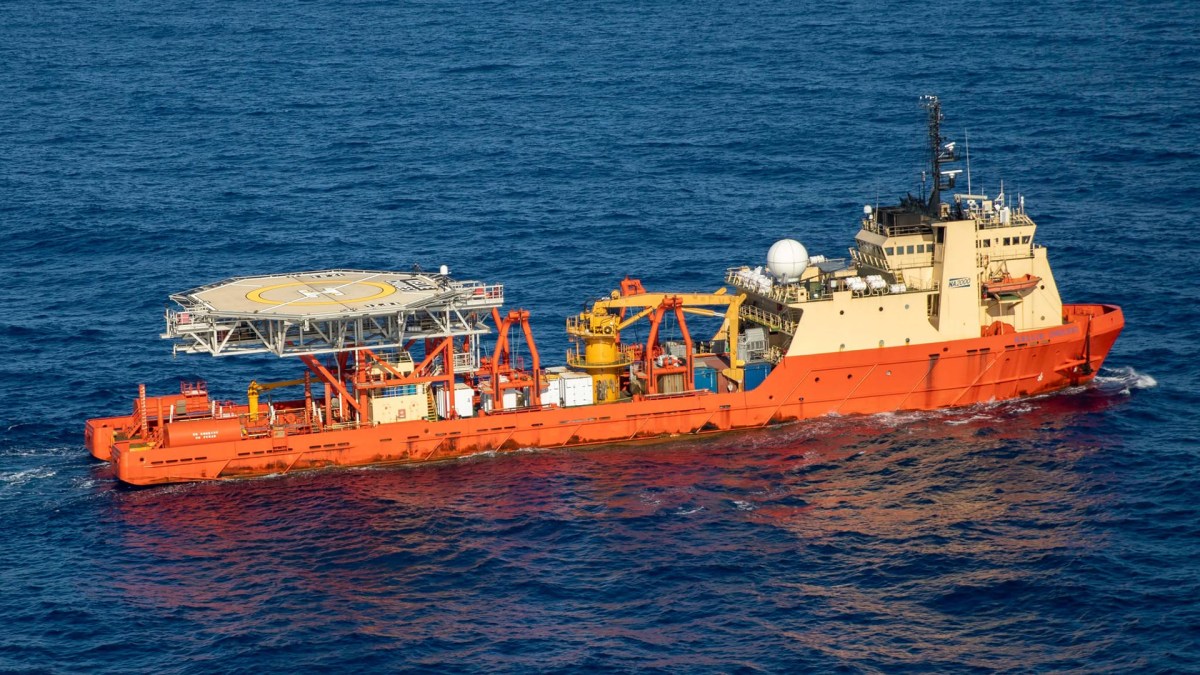
U.S. Navy Seeks Multi-Mission Vessel for Southern Command Maritime Operations
The U.S. Navy is actively pursuing a multi-mission maritime security vessel to support operations for the U.S. Southern Command (SOUTHCOM). This vessel is intended to launch, recover, and support both manned and unmanned air and surface platforms, enhancing maritime domain awareness and response capabilities. The need for such a vessel arises as U.S. forces combat drug trafficking in the Eastern Pacific and Southern Caribbean, with ongoing operations generating controversy regarding compliance with armed conflict rules. The Navy's request for information (RFI) highlights the urgency of acquiring a new ship as the current contract expires in 2028. The Navy's requirements specify a steel monohull or catamaran between 300 and 400 feet long, capable of a minimum sustained speed of 10 knots and a range of 9,600 nautical miles. Interested parties are encouraged to utilize existing platforms to meet these specifications. No further timeline was disclosed at the time of publication.
Sea Americas Around The Globe Navies News & Features South America
Blue Water Autonomy and Saildrone Sue Navy Over MUSV Marketplace Proposals
Blue Water Autonomy and Saildrone have initiated legal action against the U.S. Navy, asserting that their submissions met the requirements for the new MUSV marketplace. The lawsuits highlight the companies' contention that their proposals were compliant with the Navy's specifications, which is crucial for their competitive positioning in the defense sector. This legal dispute is significant as it underscores the challenges faced by companies in meeting military procurement standards and the implications of such lawsuits on future contracts. The outcome could influence how the Navy evaluates proposals and the overall dynamics of the MUSV marketplace, which is vital for advancing unmanned surface vehicle technologies. As the case unfolds, stakeholders should monitor the Navy's response and any potential changes to the MUSV marketplace criteria. The resolution of this dispute may set precedents for future engagements between defense contractors and military branches, impacting the broader landscape of defense procurement.
Naval Warfare Blue Water Autonomy Drones MUSV Navy Saildrone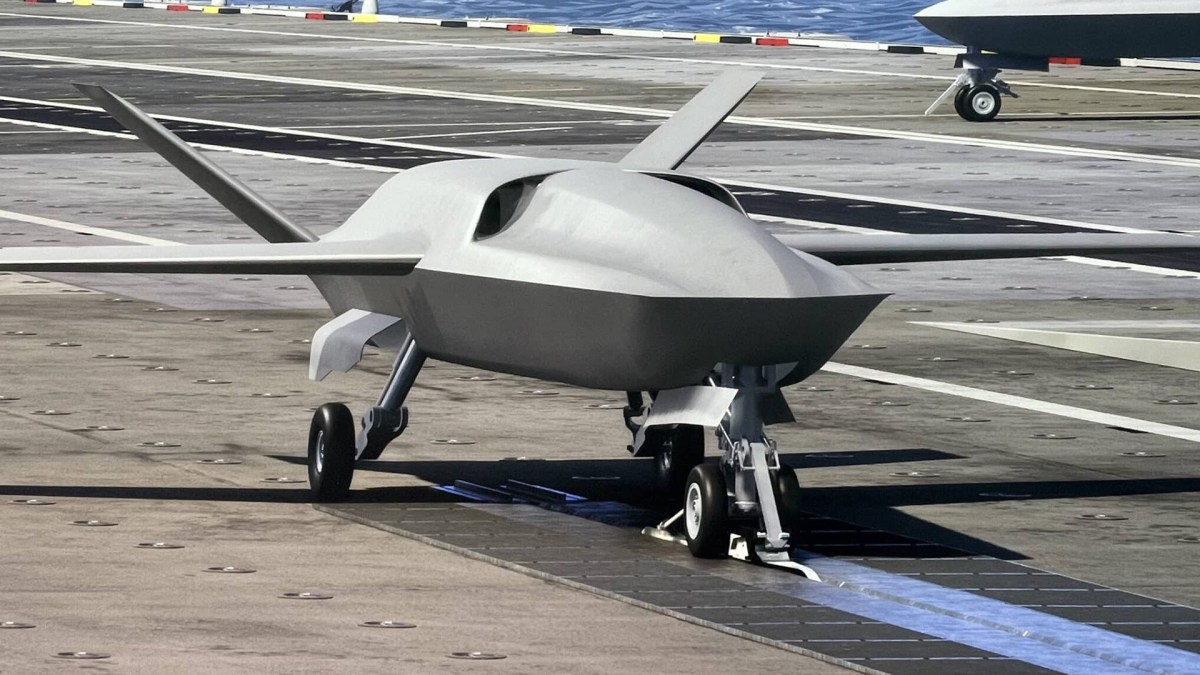
U.S. Navy Seeks 1,000 Nautical Mile Range for Future Carrier-Based Drones
The U.S. Navy is planning to develop carrier-based uncrewed aircraft capable of striking enemy targets at least 1,000 nautical miles away without mid-air refueling. This initiative is part of a broader request for information (RFI) issued by Naval Air Systems Command (NAVAIR) regarding the Air Wing of the Future (AWOTF) family of systems. This capability is crucial as adversary anti-access/area denial strategies evolve, necessitating that carrier air wings operate from greater distances. The Navy's focus on uncrewed systems aims to enhance combat effectiveness over existing platforms while ensuring compatibility with Nimitz and Ford class carriers. Future developments will likely include vertical takeoff and landing drones for use on destroyers, as well as integration with existing U.S. Navy Unmanned Carrier Aviation control systems. No further timeline was disclosed at the time of publication.
Air Carriers Collaborative Combat Aircraft Drones Navies News & Features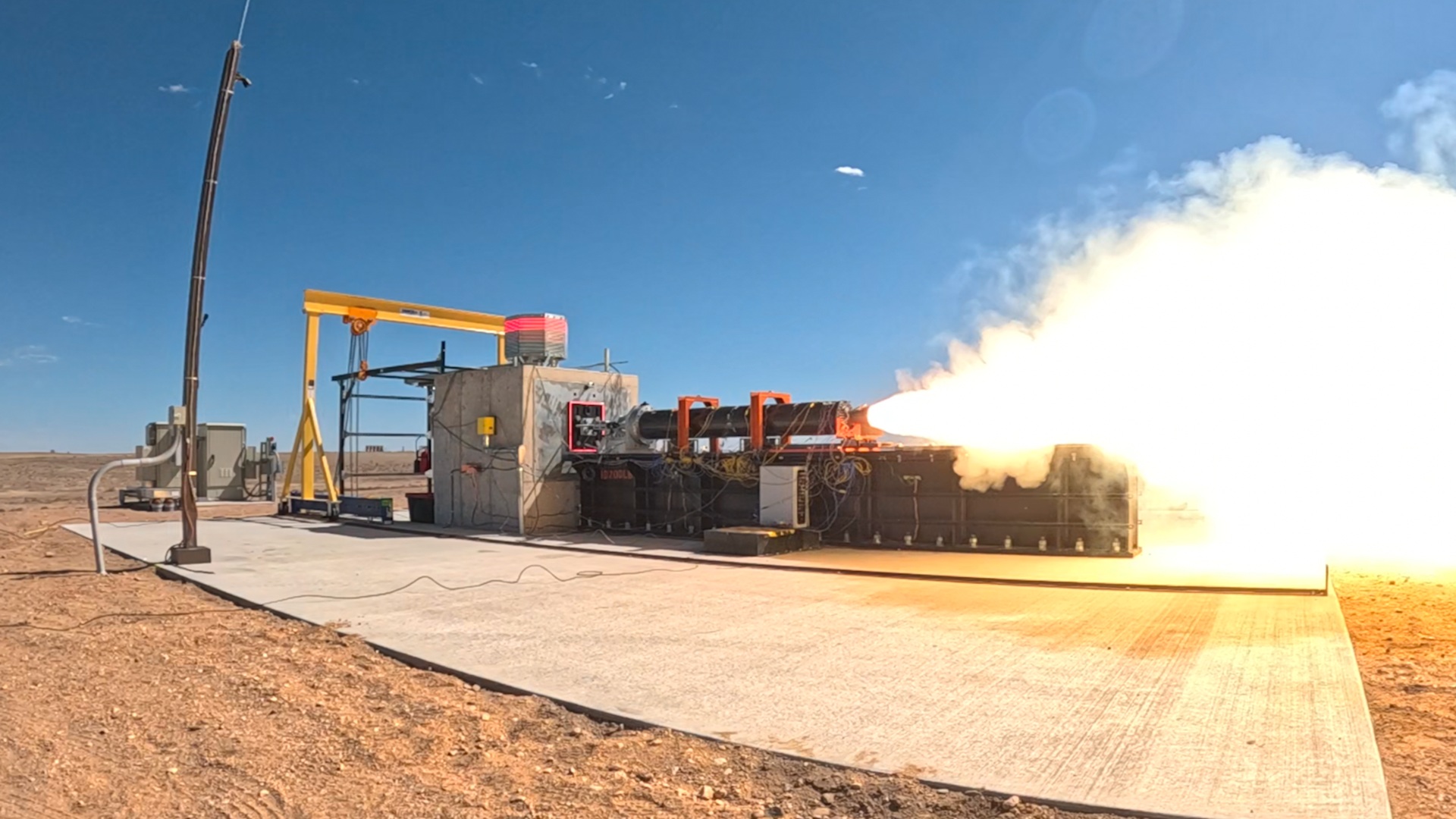
U.S. Navy Awards Ursa Major $10 Million for Mk 104 Rocket Motor Development
The U.S. Navy has awarded a $10 million contract to Ursa Major to enhance the Mk 104 solid rocket motor through critical design review and static-fire testing. This initiative is part of the Navy's ongoing efforts to expand U.S. missile propulsion manufacturing capabilities. This contract builds on Ursa Major's previous collaboration with the Navy, which included a $25 million investment in solid rocket motor prototyping. The Mk 104 is integral to the Navy's Standard Missile family, powering variants like the SM-2, SM-3, and SM-6, essential for both offensive and defensive operations. Looking ahead, Ursa Major's innovative Lynx manufacturing approach aims to produce solid rocket motors efficiently, addressing production bottlenecks. The Navy's investment signifies a commitment to diversifying the supply chain for solid rocket motors, enhancing production capacity as demand for advanced missile systems continues to rise. No further timeline was disclosed at the time of publication.
Military
Exail Secures Contract to Provide Light MCM Systems for European Navy Operations
Exail has been awarded a contract to supply three light Mine Countermeasures (MCM) systems to a European navy. These systems are designed for rapid deployment from Rigid-Hulled Inflatable Boats (RHIBs) and integrate Exail's UMIS technology, enabling efficient identification and neutralization of underwater mines. The significance of this contract lies in its provision of a modular and adaptable solution tailored to the operational needs of modern naval forces. With a compact design, the systems can operate in very shallow waters and infrastructure-limited environments, allowing for quick deployment by mine clearance and Explosive Ordnance Disposal (EOD) teams. Looking ahead, the RHIB-based systems can accommodate various payloads, including Exail's A9-M autonomous underwater vehicles and R7 remotely operated vehicles, enhancing their operational flexibility. No further timeline was disclosed at the time of publication.
exail european navy mcm system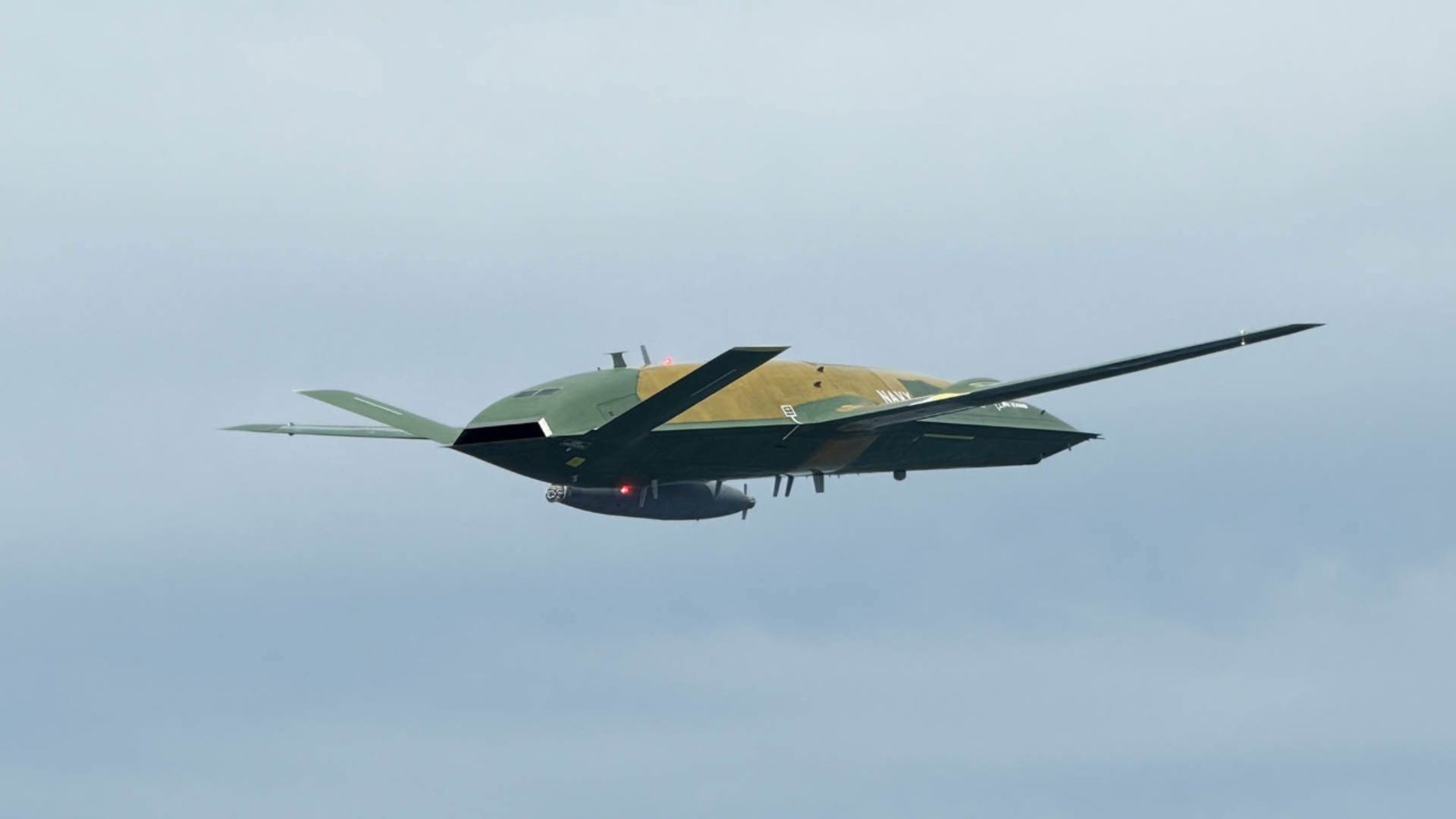
Boeing's MQ-25A Drone Achieves Milestone with Second Test Flight for U.S. Navy
Boeing announced that the U.S. Navy's MQ-25A Stingray has successfully completed its second test flight, marking significant progress in the development of the Navy's unmanned refueling aircraft. This flight confirmed the drone's flight controls and performance, moving closer to its intended carrier operations. The successful test is crucial as it demonstrates the MQ-25A's autonomous capabilities, including managing propulsion and onboard systems independently. This advancement is expected to enhance the operational range of carrier-based fighter jets and reduce the workload on current refueling teams. Looking ahead, Boeing plans to continue testing at MidAmerica St. Louis Airport, focusing on expanding the aircraft's flight envelope and capabilities. The enhancements made during this flight, including new software updates, are vital for the MQ-25A's future development stages as it aims to become the Navy's first operational carrier-based aerial refueler.
Military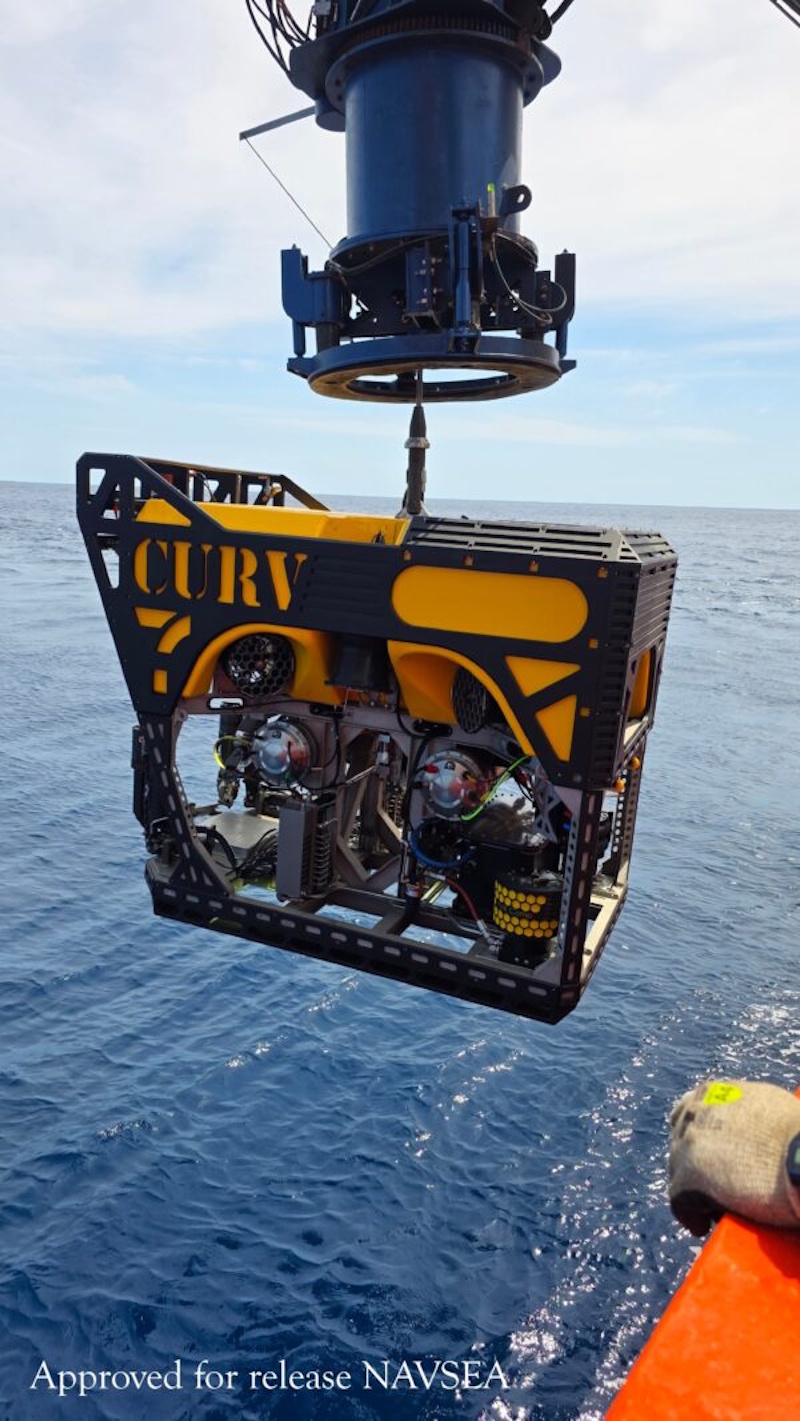
Phoenix International's CURV 7 ROV Successfully Completes Initial Mission for Navy SUPSALV
Phoenix International has announced the successful completion of the inaugural mission for its CURV 7 Remotely Operated Vehicle (ROV), developed for the Naval Sea Systems Command Supervisor of Salvage and Diving (SUPSALV). This mission highlights the advanced capabilities of the CURV 7, which is part of a long-standing family of ROV systems designed for deep-ocean operations. The CURV 7 system includes a range of components such as an electro-optic umbilical cable, a traction winch, and various support vans, providing a comprehensive solution for underwater interventions. Its six electric thrusters allow for precise maneuverability in all directions, making it suitable for complex underwater tasks. The successful mission underscores Phoenix's commitment to delivering reliable systems for the U.S. Navy. Looking ahead, additional testing is scheduled for later this year to further validate the CURV 7's capabilities and enhance its operational readiness. This milestone not only reflects years of engineering and collaboration with SUPSALV but also positions the CURV 7 as a critical asset for the Navy's underwater operations worldwide. No further timeline was disclosed at the time of publication.
phoenix international.curv 7 rov u.s. navy supsalv
Spry Technocon and Partners Form Alliance for Unmanned Mine Countermeasure Solutions for Indian Navy
Spry Technocon Private Limited has formed a strategic partnership with Teledyne Marine, Klein Marine Systems, and VideoRay to develop advanced Unmanned Mine Countermeasure (MCM) Systems for the Indian Navy. This collaboration aims to leverage cutting-edge underwater sensing and imaging technologies alongside indigenous engineering capabilities to create a comprehensive MCM Suite. The partnership is significant as it aligns with India's Aatmanirbhar Bharat and Make in India initiatives, promoting self-reliance in defense technologies. By integrating advanced Autonomous Underwater Vehicles, high-resolution sonar systems, and remotely operated vehicles, the alliance seeks to enhance the Indian Navy's capabilities in mine warfare. Looking ahead, the focus will be on establishing a sustainable ecosystem for next-generation mine warfare technologies in India. No further timeline was disclosed at the time of publication.
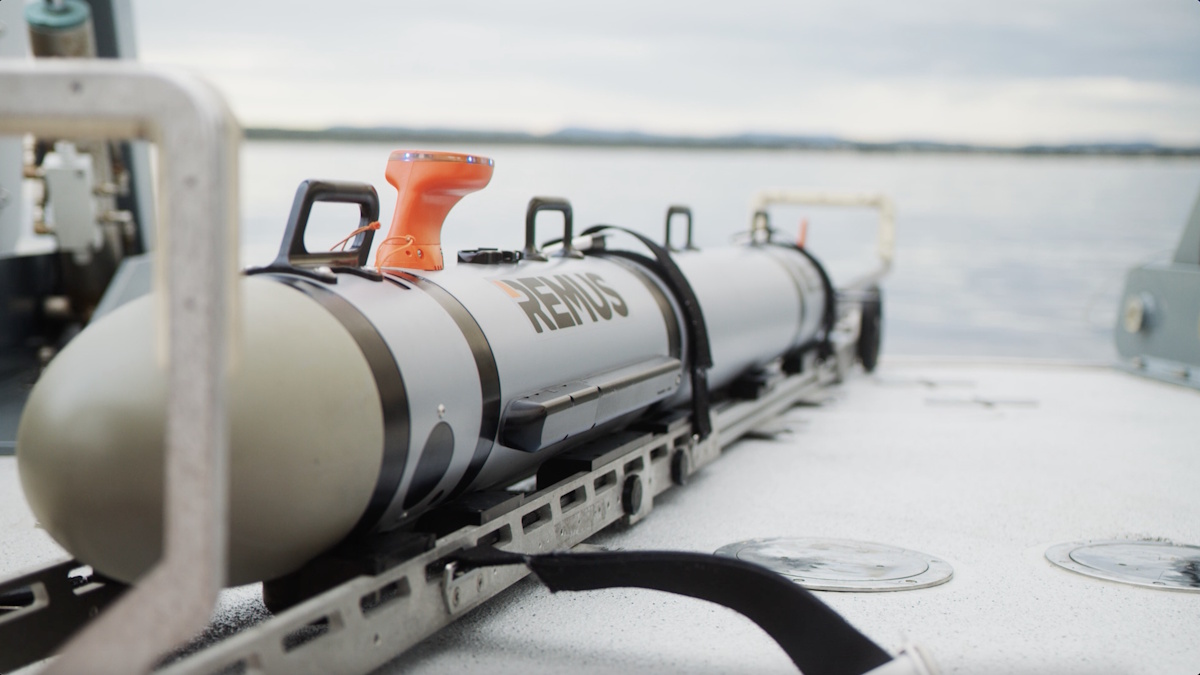
HII Secures Option Year Contract for 200 U.S. Navy Lionfish Undersea Vehicles
HII has been awarded an option year production contract for the U.S. Navy's Lionfish small unmanned undersea vehicle (SUUV), which is based on the REMUS 300 platform. This contract, announced on June 7, 2026, continues the momentum of the Lionfish program, which achieved a significant milestone with the completion of its 42nd vehicle at HII’s Pocasset facility by the end of 2025. The five-year program could scale to a total of 200 vehicles, with a contract value exceeding $347 million. The Lionfish SUUV is designed for various undersea warfare missions, including mine countermeasures, intelligence, surveillance and reconnaissance (ISR), anti-submarine warfare, and electronic warfare operations. The U.S. Navy's decision to exercise this option year contract reflects confidence in the platform's operational performance and adaptability, as stated by Duane Fotheringham, president of HII’s Unmanned Systems group. Looking ahead, HII aims to enhance the capabilities of the Lionfish program to meet evolving mission requirements for sailors and marines. No further timeline was disclosed at the time of publication, but the continued investment in this program indicates a strong commitment to advancing autonomous systems in naval operations.
hii contract award u.s. navy lionfish unmanned undersea vehicle uuv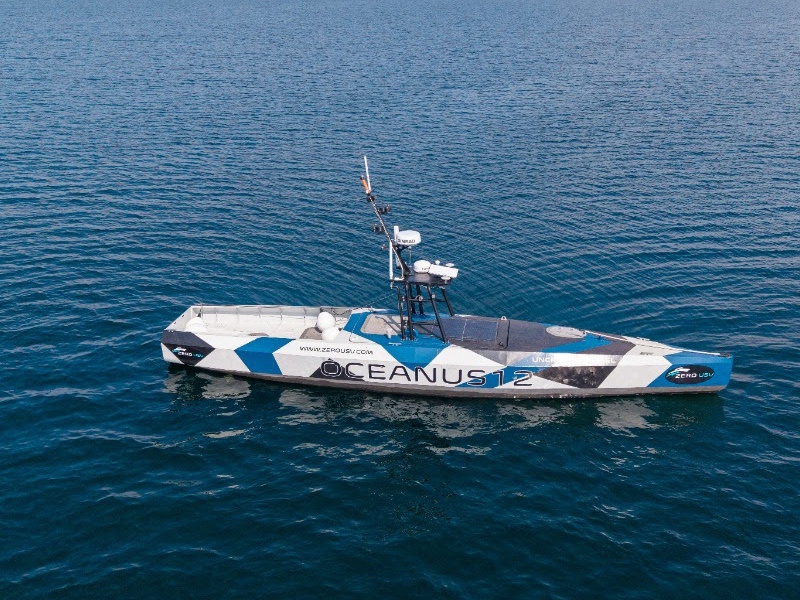
ZeroUSV Showcases Oceanus12 Uncrewed Surface Vessel to Royal Danish Navy
ZeroUSV recently showcased its Oceanus12 uncrewed surface vessel (USV) to the Royal Danish Navy in a demonstration held two hours northwest of Copenhagen, Denmark. This event was part of a competitive selection process by Danish Defence, aimed at evaluating the capabilities of the Oceanus12 USV over two days. The demonstrations highlighted the ease of mobilization and logistics involved in deploying the Oceanus12, showcasing its modular payload capabilities for various defense and security missions. Matthew Ratsey, Managing Director of ZeroUSV, expressed pride in being selected to demonstrate the platform, emphasizing its technological maturity and versatility for different mission roles. These demonstrations are part of ZeroUSV's ongoing international engagement efforts as the company seeks to expand its uncrewed maritime capabilities within allied defense markets. No further timeline was disclosed at the time of publication.
zerousv demo oceanus12 royal danish navy usv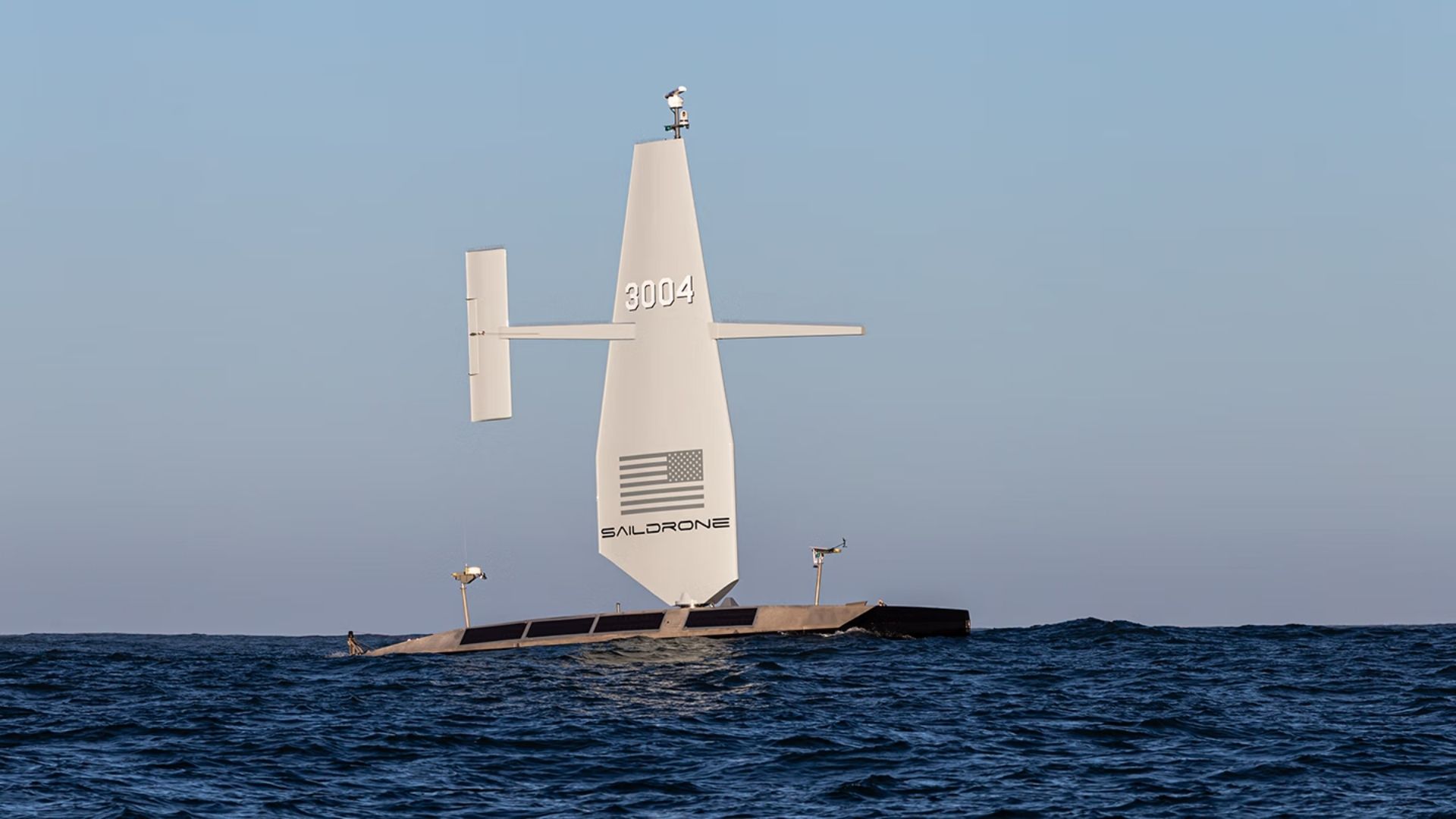
US Navy Awards $10 Million to Saildrone for Atlantic Seabed Mapping with USVs
The US Navy has awarded a $10 million contract to Saildrone to utilize autonomous vessels for mapping the Atlantic Ocean floor. This initiative, assigned by the Naval Oceanographic Office, is set to commence in 2026 and will continue through most of 2027, enhancing military knowledge of critical underwater terrain. This project is significant as it aims to improve safe navigation and support submarine missions, anti-submarine warfare, and critical infrastructure protection. Currently, only 28.7 percent of the world's oceans have been mapped to modern standards, leaving substantial knowledge gaps that can pose operational risks for naval operations. Looking ahead, the deployment of Saildrone's Surveyor unmanned surface vessels will not only provide high-resolution bathymetric data but also measure ocean currents, aiding search-and-recovery operations. No further timeline was disclosed at the time of publication.
Military
USS Mustin Features Advanced Mk 38 Mod 4 Point Defense System with Dual Guns
The USS Mustin, an Arleigh Burke class destroyer, has been equipped with the Mk 38 Mod 4 Gun Weapon System, which integrates a .50 caliber machine gun atop a 30mm chain gun. This innovative system enhances the ship's firepower and capabilities, particularly in countering drone threats. This upgrade is significant as it addresses previous deficiencies in counter-unmanned aerial systems (C-UAS) and improves performance against surface targets. The Mk 38 Mod 4 is currently unique to the USS Mustin, marking a notable advancement in naval defense technology. Looking ahead, the Navy's continued focus on enhancing point defense systems will be crucial in adapting to evolving threats. No further timeline was disclosed at the time of publication.
Sea Naval Gun Systems Navies News & Features U.S. Navy
Continuous Composites Secures Navy Contract for Innovative UAV Component Manufacturing
Continuous Composites has been awarded a Phase II SBIR contract by the U.S. Navy to develop composite aircraft components that integrate electrical power conductors within their structures. This innovative approach aims to reduce the reliance on traditional wiring and connectors in unmanned aerial vehicles (UAVs), transforming structural components into active elements of the aircraft's electrical system. The significance of this project lies in its potential to streamline UAV design and manufacturing. By embedding electrical functions directly into composite materials, Continuous Composites can enhance the efficiency of UAVs while minimizing the complexity associated with conventional wiring systems. The Phase II work will build on successful demonstrations from Phase I, where engineers validated the concept of multifunctional composite parts with minimal impact on structural performance. Looking ahead, the focus will be on developing higher-capacity electrical pathways that can withstand operational loads. Engineers will conduct tests to ensure that electrical conductors are properly isolated within the composite without compromising structural integrity. No further timeline was disclosed at the time of publication.
Military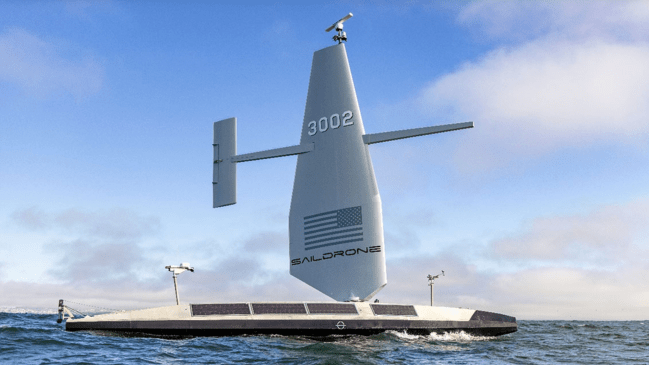
Lockheed Martin and Saildrone Test Missile System on Unmanned Vessel During RIMPAC 2026
Lockheed Martin and Saildrone successfully demonstrated missile launches from an unmanned surface vessel during the RIMPAC 2026 exercise near Hawaii. This integration of Lockheed Martin’s Joint-Air-to-Ground Missile (JAGM) Dual Launcher and Adjunct Remote Engagement System (ARES) on a Surveyor-class Saildrone marks a significant advancement in adapting commercial autonomous platforms for military applications. The demonstration highlights the potential for unmanned vessels to operate alongside traditional naval forces, as evidenced by the vessel's engagement with a surrogate high-speed surface craft while coordinating with the USS Theodore Roosevelt Carrier Strike Group. The rapid development of this system, from concept to live demonstration in just six months, underscores the efficiency of integrating existing defense technologies with commercial platforms. Looking ahead, both companies plan to expand testing capabilities on Saildrone platforms, including the larger Spectre-class vessel. This initiative aims to enhance the operational use of unmanned systems in naval missions, with a focus on integrating advanced weaponry and reducing technical risks associated with deploying new military technologies.
Military
U.S. Navy Exercise Demonstrates Sonar Network Tracking for Various UUVs
The U.S. Navy's Exercise Lanternfish 26 showcased the capabilities of ThayerMahan's ShorePicket and Outpost systems in detecting unmanned underwater vehicles (UUVs). These systems successfully tracked UUVs ranging from six inches to extra-large sizes, highlighting the importance of distributed acoustic sensors in maritime security. This exercise, involving U.S., British, and Australian personnel, aimed to evaluate emerging undersea technologies in realistic environments. With 50 technologies from 26 industry partners, the event focused on enhancing interoperability under AUKUS Pillar II, emphasizing the need for effective detection methods in the challenging underwater environment. Looking ahead, the integration of ThayerMahan's TransparenSea software with acoustic data processing and AI-assisted analysis will be crucial for real-time maritime situational awareness. No further timeline was disclosed at the time of publication.
Military
Ultra Maritime Showcases New Underwater Surveillance System at U.S. Navy's 2026 Exercise
Ultra Maritime demonstrated a new underwater surveillance system during the U.S. Navy’s 2026 Lanternfish exercise. The system integrates the Sea Spear passive sonar with the SSQ-125B active sonobuoy to enhance detection capabilities for unmanned underwater vehicles (UUVs). This combination allows for continuous monitoring and precise localization of underwater threats. The significance of this demonstration lies in its potential to improve naval operations against UUVs and submarines. By utilizing both passive and active sonar technologies, Ultra Maritime aims to provide naval forces with a comprehensive understanding of underwater activity across extensive maritime areas. The Sea Spear's passive capabilities enable persistent surveillance, while the SSQ-125B enhances target localization. Looking ahead, Ultra Maritime's system is part of the broader “Ocean of Things” initiative, which envisions a network of underwater sensors deployed from various platforms. This approach could revolutionize maritime security by enabling long-term monitoring of critical areas such as ports and busy sea routes. No further timeline was disclosed at the time of publication.
Military
HII and MetalCraft Marine's Autonomous ROMULUS USV Passes Critical DoW Test for U.S. Navy
HII announced that its autonomous Watcher small Unmanned Surface Vessel (sUSV), based on the ROMULUS-25, has successfully passed a critical test recognized by the U.S. Defense Innovation Unit (DIU). This achievement marks the completion of the Production-Ready, Inexpensive, Maritime Expeditionary (PRIME) prototype project, which aims to develop smaller autonomous vessels for the U.S. Marine Corps. The successful testing of the Watcher sUSV is significant as it meets the operational needs of the Department of the Navy for interceptors capable of autonomous operations in contested waters. HII's Odyssey Autonomous Control System (ACS) enhances the vessel's capabilities, allowing for intelligent navigation and mission planning, which are crucial for modern naval operations. Looking ahead, HII is positioned for a potential transition to production under Other Transaction Authority (OTA) agreements. The company aims to continue delivering innovative autonomous solutions that enhance naval readiness and operational flexibility, as stated by HII's leadership and MetalCraft Marine's General Manager.
hii metalcraft romulus usv autonomy critical dow test
Russian Navy Implements Netting for Submarine Protection Against Drone Threats
Recent satellite imagery reveals that the Russian Navy has begun using nets to shield submarines from drone attacks at its strategic base in Kamchatka. This development highlights Russia's growing concerns about drone threats, extending to critical facilities beyond the Ukraine conflict. Additionally, similar protective measures are being observed at a Black Sea base, indicating a broader trend in enhancing naval defenses against uncrewed aerial systems. The use of nets at the Rybachiy base, home to most of Russia's Borei and Borei-A class nuclear ballistic missile submarines, signifies a tactical shift in response to perceived threats. The imagery shows various submarines covered by nets, consistent with countermeasures previously employed in Ukraine against drone attacks. The introduction of floating booms further enhances protection against surface threats, reflecting a comprehensive approach to naval security. Looking ahead, the Russian Navy's adaptations to counter uncrewed aerial systems and surface vessels will likely continue to evolve. The recent imagery from both Kamchatka and Novorossiysk raises questions about the operational readiness of these submarines and the effectiveness of the new defensive measures. No further timeline was disclosed at the time of publication.
News & Features Air Around The Globe Drones Europe Russia
Royal Navy Tests Robotic Boat for Autonomous Drone Launching in Maritime Surveillance
The Royal Navy is conducting trials of a robotic boat designed to autonomously launch and recover drones at sea, enhancing uncrewed maritime surveillance capabilities. This initiative, in collaboration with ACUA Ocean and Teledyne FLIR Defense, aims to improve persistent aerial reconnaissance while minimizing risks to personnel. The system integrates an uncrewed surface vessel (USV) with a tethered uncrewed aerial system (T-UAS), allowing for extended surveillance operations. This development is significant as it represents a new approach to maritime surveillance, combining aerial and surface capabilities into a single autonomous system. The SkyCarrier and SkyRanger R70 drones, utilized during the trials, are equipped with advanced AI and imaging technologies, enabling them to perform demanding surveillance missions. The ability to maintain a stable tether connection allows for longer operational durations and continuous power supply, which is crucial for effective surveillance in challenging sea conditions. Looking ahead, the Royal Navy's exploration of this technology could lead to enhanced capabilities in anti-submarine warfare, mine countermeasures, and the protection of critical maritime infrastructure. No further timeline was disclosed at the time of publication.
AI and Robotics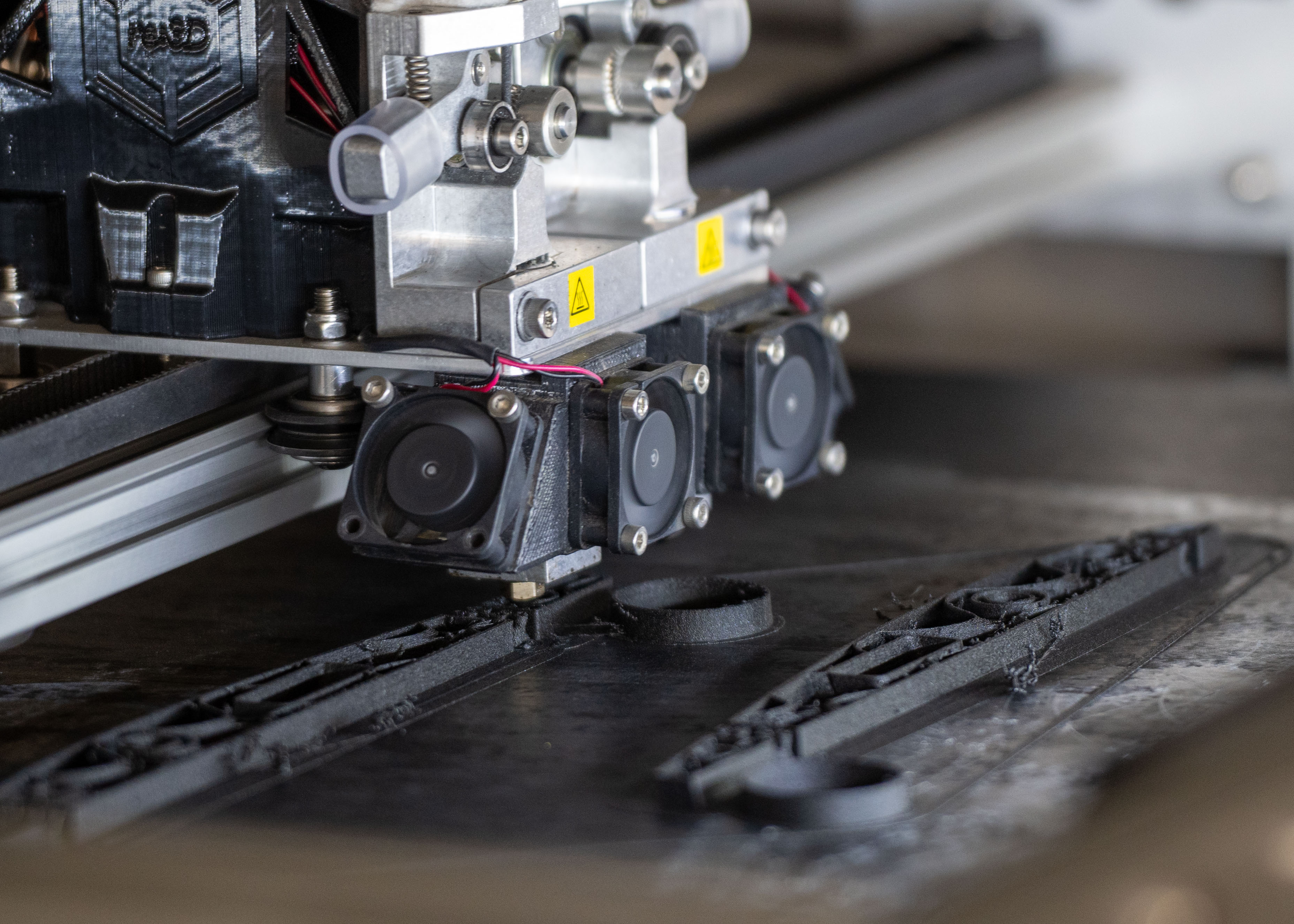
US Naval Postgraduate School to Demonstrate Mobile 3D Printing for Spare Parts in RIMPAC 2026
The US Naval Postgraduate School’s Consortium for Advanced Manufacturing Research and Education is set to showcase mobile 3D printing capabilities during the Rim of the Pacific 2026 exercise. This initiative will involve deploying advanced manufacturing systems on ships and locations throughout Hawaii to produce and distribute spare parts on demand, significantly reducing wait times for critical components. This mobile, distributed factory network aims to enhance operational efficiency by allowing ships to submit digital requests for spare parts while deployed. By leveraging specialized software, the nearest suitable machine or operator can be identified to either locate or 3D print the required part, which may then be delivered via unmanned drone. This capability is particularly crucial in combat scenarios where traditional supply chains may be disrupted. The RIMPAC 2026 exercise will involve 35 nations, 40 warships, 5 submarines, and over 25,000 personnel, providing a comprehensive platform to test this innovative supply chain solution. The focus will be on evaluating the entire network and delivery process rather than just individual 3D printing capabilities, marking a significant step in military logistics and operational readiness.
Innovation Military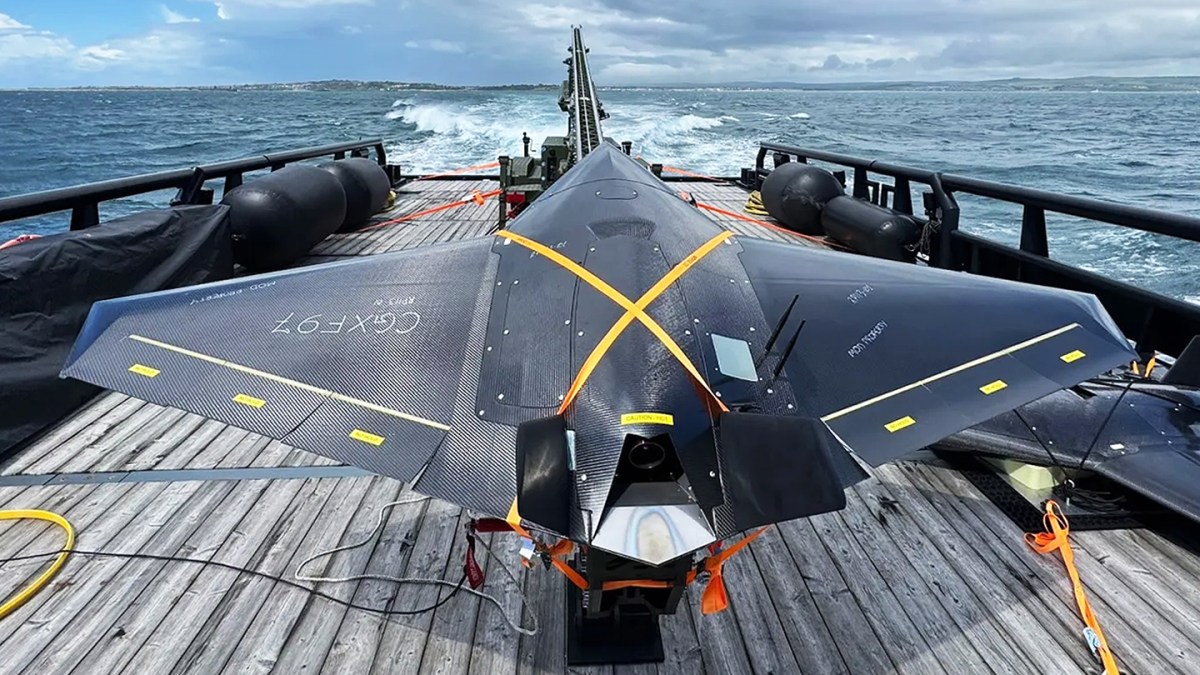
Royal Navy’s Sea Launch Of Combat-Proven Nyan Kamikaze Drone Points To Fleet’s ‘Hybrid’ Future
The Royal Navy has showcased a new shipboard strike capability with the demonstration of the combat-proven Nyan Kamikaze drone, highlighting its commitment to integrating advanced drone technology across its fleet. This event signals a significant step towards a hybrid future for naval operations, as the Royal Navy seeks to enhance its combat effectiveness and operational flexibility. The demonstration took place recently, underscoring the urgency of modernizing naval capabilities in response to evolving threats. By incorporating drones into its strategic framework, the Royal Navy aims to improve its maritime defense and maintain a competitive edge in modern warfare.
News & Features Carriers Drones Navies Queen Elizabeth Class Royal Navy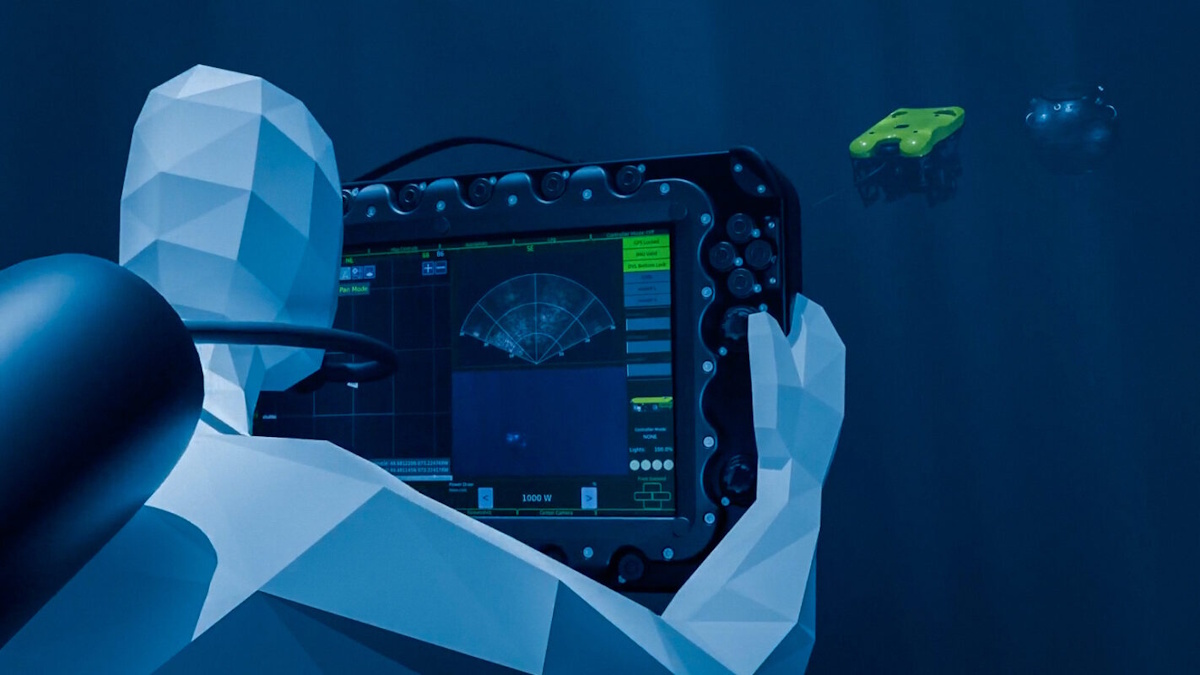
Greensea IQ is Awarded $18 Million Contract by the US Navy for the Bayonet Underwater Controller (BUC) Development and Sustainment
Greensea Systems, Inc., operating as Greensea IQ, has secured an $18.15 million Indefinite-Delivery/Indefinite-Quantity (IDIQ) contract to deliver hardware, software, and engineering technical services. This contract, awarded for an undisclosed duration, focuses on the development of underwater controllers essential for the operation of autonomous and remotely operated systems in maritime settings. The contract aims to enhance capabilities in underwater technology, reflecting the growing demand for advanced solutions in marine environments.
greensea iq u.s. navy new contract bayonet underwater controller (buc) development and sustainment
In Defence Investment Plan preview, Britain bets big on drones, ‘hybrid’ navy
The Ministry of Defence has announced an initiative to develop at least six hybrid warships that will integrate with unmanned systems both in the air and at sea. This strategic move aims to enhance naval capabilities and modernize the fleet, reflecting a growing emphasis on advanced technology in military operations. The initiative underscores the Ministry's commitment to maintaining a competitive edge in maritime defense, particularly in an era where unmanned systems are becoming increasingly vital for operational effectiveness. The timeline for the project has not been specified, but it represents a significant step towards modernizing naval warfare and adapting to evolving threats.
Air Warfare Global Land Warfare Naval Warfare Air Force Ajax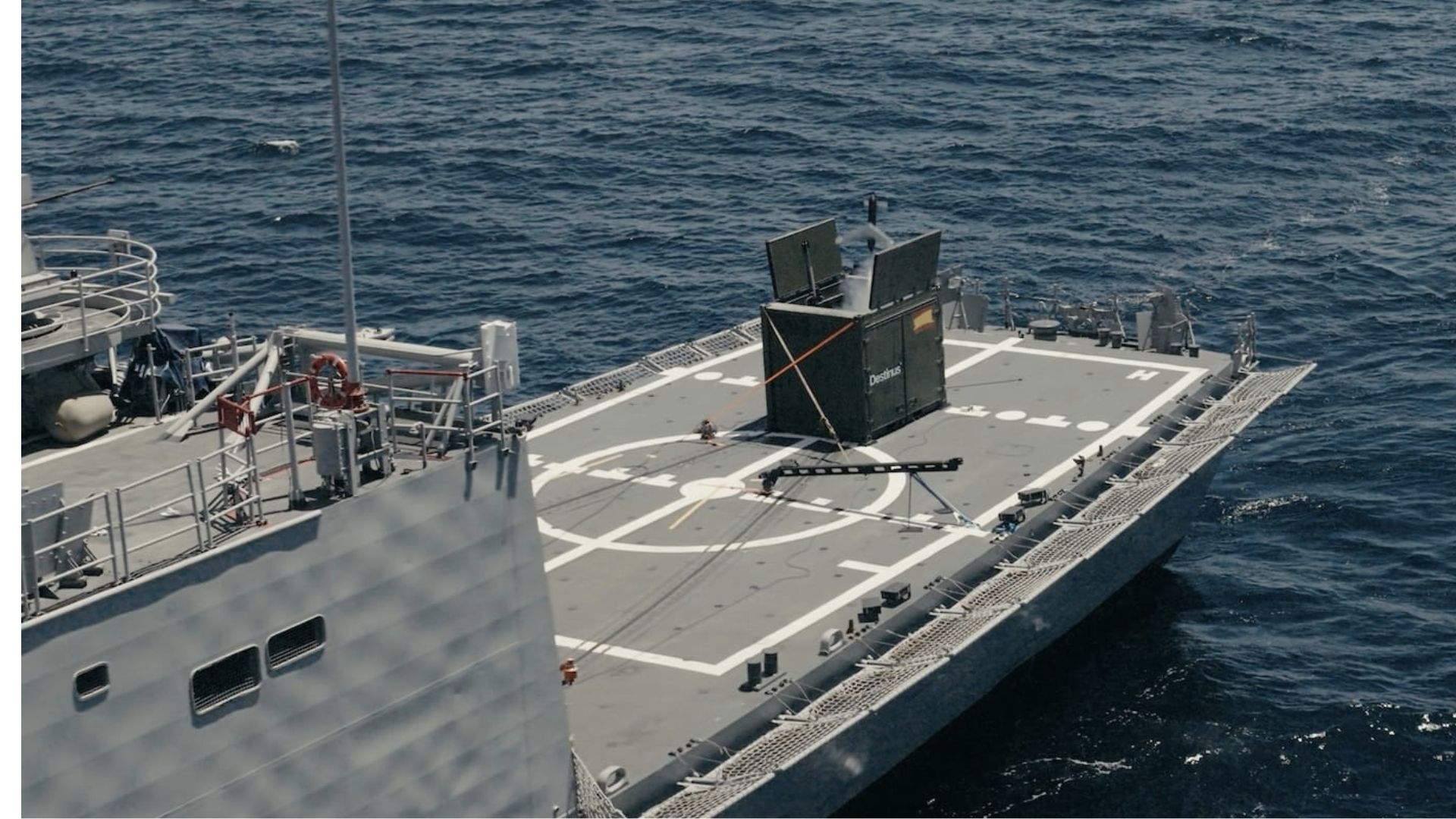
Missile-like interceptor drone destroys target with precision during Spanish Navy’s at-sea test
The Spanish Navy recently conducted a successful at-sea test of the Hornet Block 1, showcasing its advanced capabilities in naval operations. This event took place in October 2023, as part of the Navy's ongoing efforts to enhance its maritime defense systems. The test aimed to evaluate the performance and reliability of the Hornet Block 1, which is integral to Spain's strategic military initiatives. By conducting these trials, the Spanish Navy seeks to ensure that its fleet remains at the forefront of modern naval warfare, effectively responding to evolving security challenges. The successful outcome of this test underscores the Navy's commitment to maintaining operational readiness and technological advancement in its maritime capabilities.
Military
First Bluebottle Hull Christened as Part of Royal Australian Navy's Program of Record
Ocius Technology has achieved a significant milestone in the Royal Australian Navy's $176 million Bluebottle Program with the ceremonial christening of the first uncrewed surface vessel (USV) hull. This event, which took place following the contract announcement in March, marks the initial delivery under the program aimed at enhancing naval capabilities. The Bluebottle USVs are designed to support various maritime operations, reflecting the Navy's commitment to modernizing its fleet and improving operational efficiency. The successful christening underscores Ocius Technology's role in advancing innovative maritime solutions for the Australian defense sector.
bluebottle usv hull christening ocius royal australian navy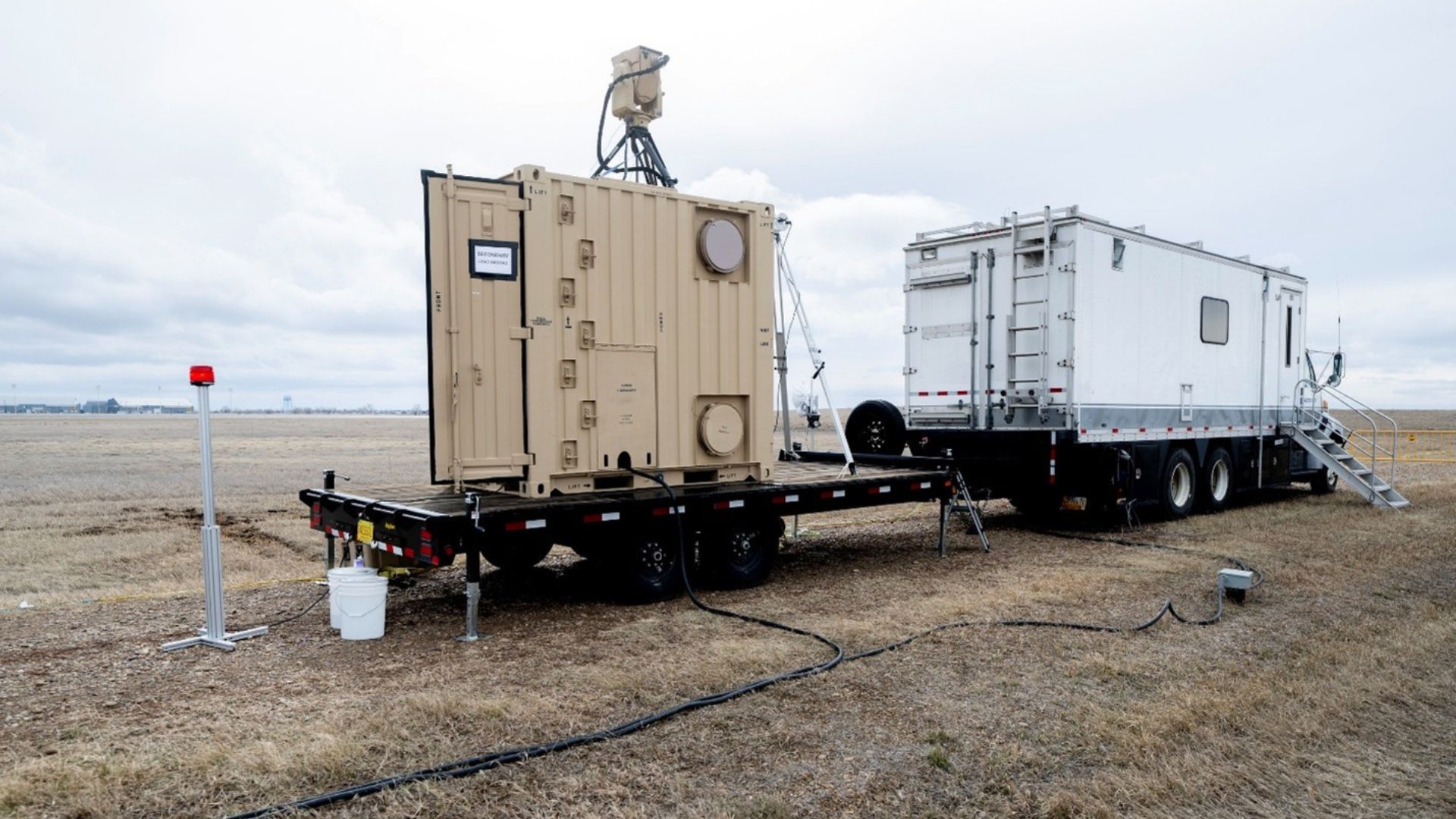
US Navy tests dual-use laser that beams power and counters drone threats in one system
The U.S. Naval Research Laboratory (NRL) has successfully demonstrated a groundbreaking laser system capable of transmitting data at unprecedented speeds. This innovative technology was showcased during a recent test conducted at the laboratory's facilities in Washington, D.C. The demonstration highlights the potential for advanced communication systems that could enhance naval operations and improve data transfer capabilities in various military applications. By utilizing laser technology, the NRL aims to address the growing demand for faster and more secure communication methods in an increasingly digital battlefield. The successful test marks a significant step forward in the development of high-speed data transmission solutions, paving the way for future advancements in military communications.
Military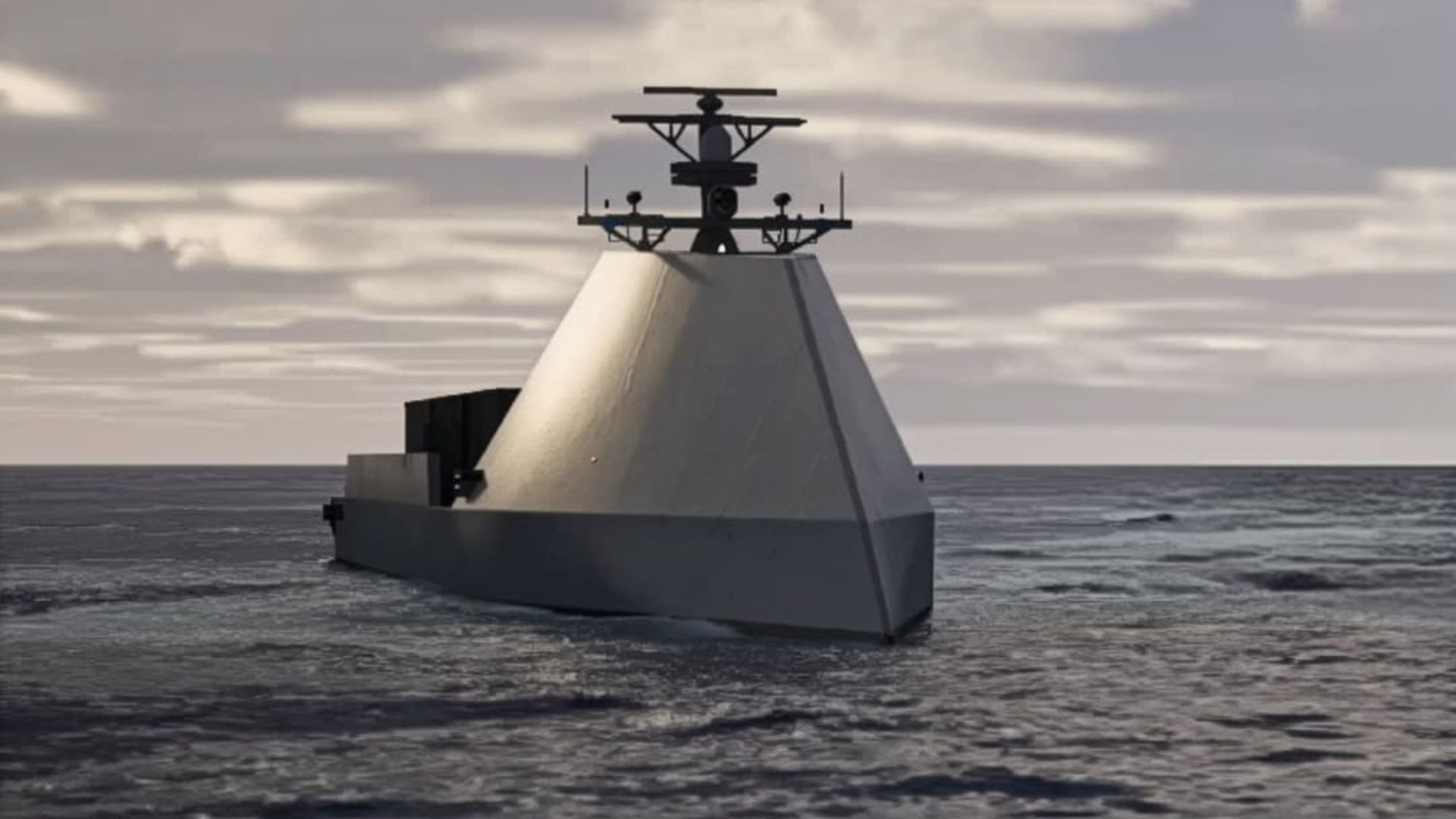
US Navy drone ship gets its own production line to speed up fleet deliveries
Bayou Metals, a key manufacturing partner of defense shipbuilder Huntington Ingalls Industries (HII), has announced the establishment of a new facility aimed at enhancing its production capabilities. This development, which took place in early October 2023, is located in the Gulf Coast region, a strategic area for defense manufacturing. The decision to expand comes in response to increasing demand for advanced materials and components necessary for military vessels. By investing in this new facility, Bayou Metals aims to streamline its operations and improve efficiency, ultimately supporting HII's commitment to delivering high-quality defense products. The facility is expected to create numerous jobs and contribute to the local economy, while also reinforcing the supply chain for the defense sector.
MilitaryRobotics needs a service framework.
RSF defines a common language for robot service capability, lifecycle operations, certification pathways, and service-provider networks.
Join the RobotToday community on LinkedIn
Daily robotics news, in-depth analysis, conference highlights, and discussions with professionals worldwide.







