

Industry Briefing
A single destination for timely, editor-curated robotics news from around the world.
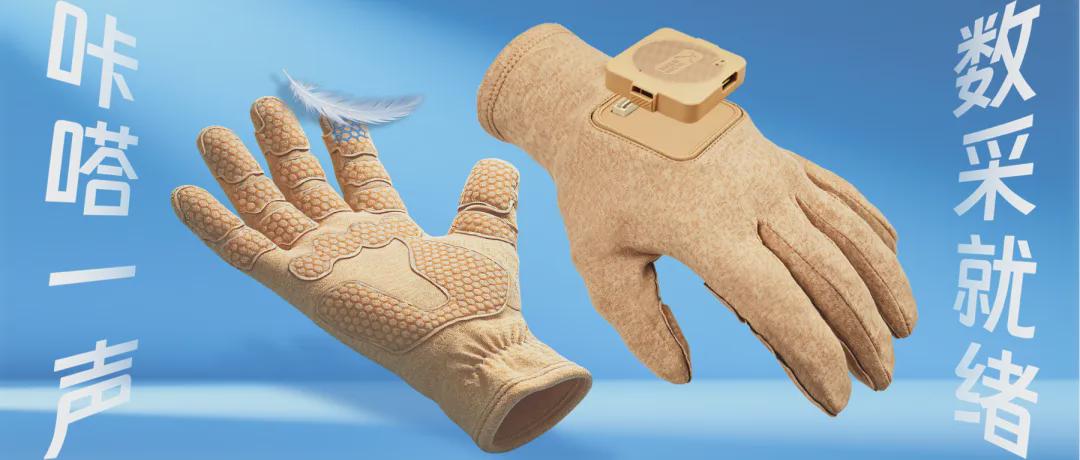
TachinGlove Snap Revolutionizes Haptic Data Collection with Quick-Detach Feature
Tujian Technology has introduced the TachinGlove Snap, a flexible electronic skin haptic data collection glove featuring a quick-detach module. This innovation allows users to easily swap the data collection module without interrupting the workflow, enhancing efficiency in high-frequency testing and multi-user scenarios. The development of haptic data collection is crucial as the industry shifts focus from merely capturing data to optimizing the efficiency of data acquisition. As companies increasingly invest in haptic data collection devices and models, the need for efficient equipment turnover and long-term cost management becomes paramount. Looking ahead, the emphasis on maximizing data output and minimizing downtime will shape the future of haptic data collection. The TachinGlove Snap exemplifies this trend, addressing the challenges of traditional data collection methods and paving the way for more effective haptic data acquisition in various applications.
Haptic Technology Data Collection Wearable Devices Robotics
Paxini Begins A-Share Listing Process with Innovative Sensor-Equipped Gloves for Data Collection
Paxini Artificial Intelligence Technology Co., Ltd. has initiated the A-share listing process by submitting a report to the Beijing Regulatory Bureau of the China Securities Regulatory Commission. On September 15, Paxini signed a counseling agreement with Guotai Junan Securities. The company, based in Haidian District, Beijing, has a registered capital of 14.233 million yuan. Paxini differentiates itself in the data collection field by utilizing sensor-equipped gloves worn by humans, as opposed to the conventional method of using remote-controlled robots. This approach allows for the collection of authentic human operation data, capturing the nuanced control of human hand movements, which is more efficient for training robots in dexterous tasks. The gloves are filled with tactile sensors that record touch information during operations, which can enhance robotic manipulation capabilities. Founded in 2021 in Shenzhen, Paxini focuses on developing various tactile sensors. With over 4 billion yuan in cumulative financing and a valuation exceeding 10 billion yuan, the company is positioned to meet IPO scrutiny requirements due to its innovative product offerings and ongoing revenue generation. No further timeline was disclosed at the time of publication.
Tactile Sensors Robotics Data Collection AI Technology
China Launches Components for Orbital Datacenter: AI Compute, Cloud Software, and Laser Links
On September 23, it was reported that China has successfully launched key components for an orbital datacenter. These components include on-board AI computing capabilities, cloud-native satellite software, and advanced 100 Gbps-class laser communication links, developed through multiple concurrent programs. This development is significant as it represents a major step forward in China's capabilities in space technology and satellite communications. The integration of AI and cloud-native software into satellite systems could enhance data processing and transmission efficiency, positioning China as a competitive player in the global space industry. Looking ahead, industry observers will be keen to monitor the progress of these programs and their potential applications in various sectors. No further timeline was disclosed at the time of publication.
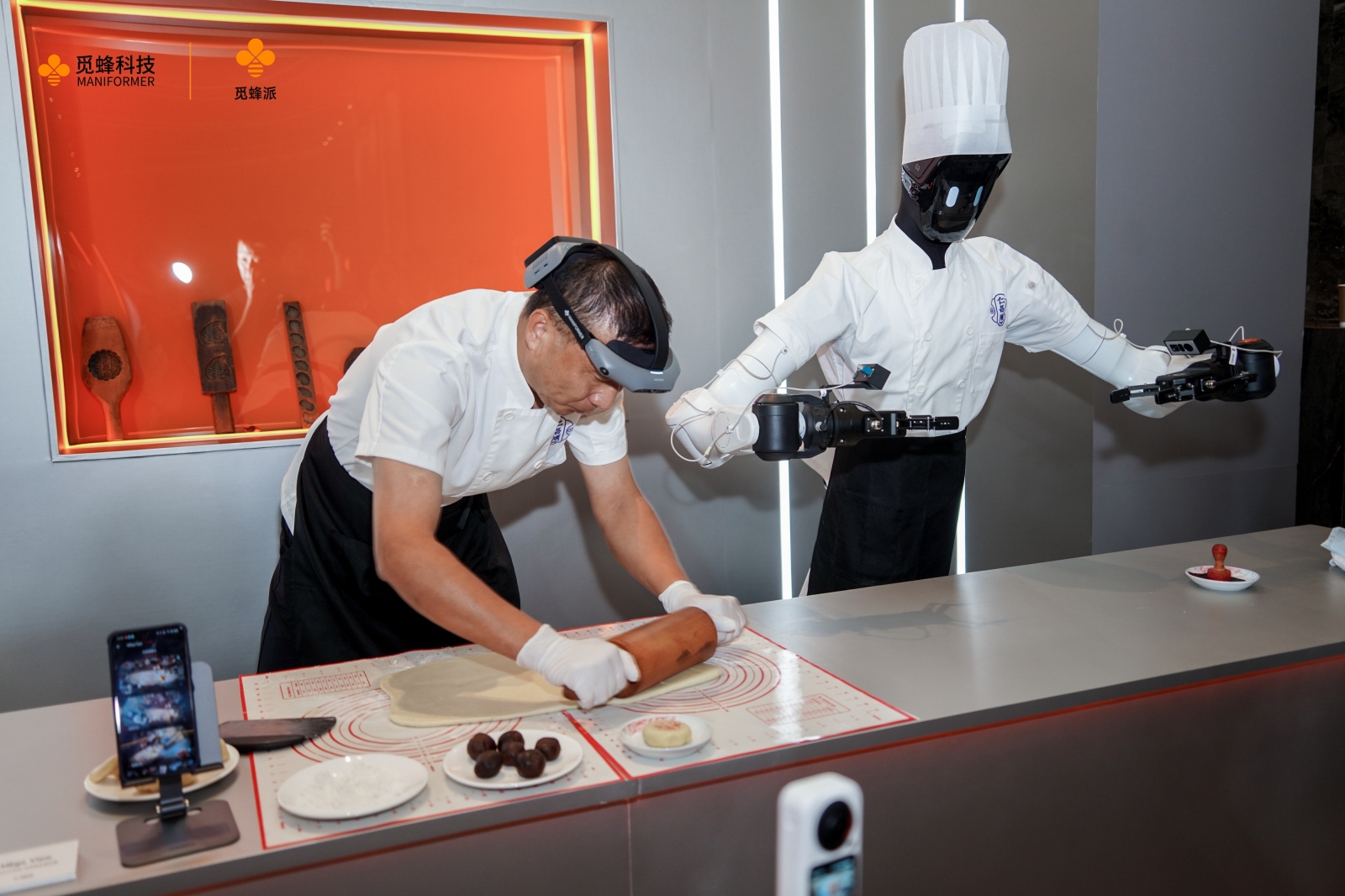
MEgo Data Collection Device Launches with Household Chores Earning Potential
On September 23, Bee Technology will officially launch the MEgo data collection device, part of the first comprehensive high-quality physical AI data crowdsourcing platform, aiming to create the largest embodied intelligence data collection network globally. The MEgo device, along with the Bee App and MEgo Engine, allows users to become data collection nodes, covering over 99% of real work scenarios while recruiting a million robot trainers. The MEgo View device, which resembles a lightweight sports camera with five cameras, captures over 300 degrees of first-person perspective action data. Users can easily set it up without wires or a base station. After downloading the Bee App, users can select tasks from a task hall, such as setting tables and cleaning, and the device records their actions automatically. In a five-hour session, one user earned 78 yuan while completing various household chores. During a month-long beta test, the Bee App registered 20,000 users who submitted 13,000 data collection tasks, transforming everyday labor into robot training data. The success of the MEgo device highlights the need for robots to learn through visual data, as they require specific information on human actions to perform tasks effectively.
Data Collection AI Training Household Tasks Robotics Crowdsourcing
Community-Based Data Collection Jobs Enable Earning Through Household Tasks
In Tai'an, Shandong Province, a unique community training program for data collectors is underway, organized by Shandong Shucai Valley and local employment departments. Since June, over ten communities have hosted training sessions, allowing residents to learn how to operate data collection devices. One participant, 46-year-old Chen Junxi, became a home data collector, recording daily household activities to create training videos for AI companies. This initiative is significant as it provides flexible job opportunities for individuals unable to work outside the home, such as caregivers. Currently, over 200 residents in Tai'an are engaged in this work, which requires no fixed hours or professional background. The training ensures quality data collection, meeting the demands of AI companies for real-world data, which is crucial for effective machine learning. Looking ahead, Shandong Shucai Valley plans to expand its data collection efforts, including the addition of 2,000 devices, potentially creating new job opportunities in the community. The sustainability of this model will depend on the ongoing demand for real-world data from AI companies, particularly in home, retail, and traditional craft settings.
Data Collection AI Training Community Employment Remote Work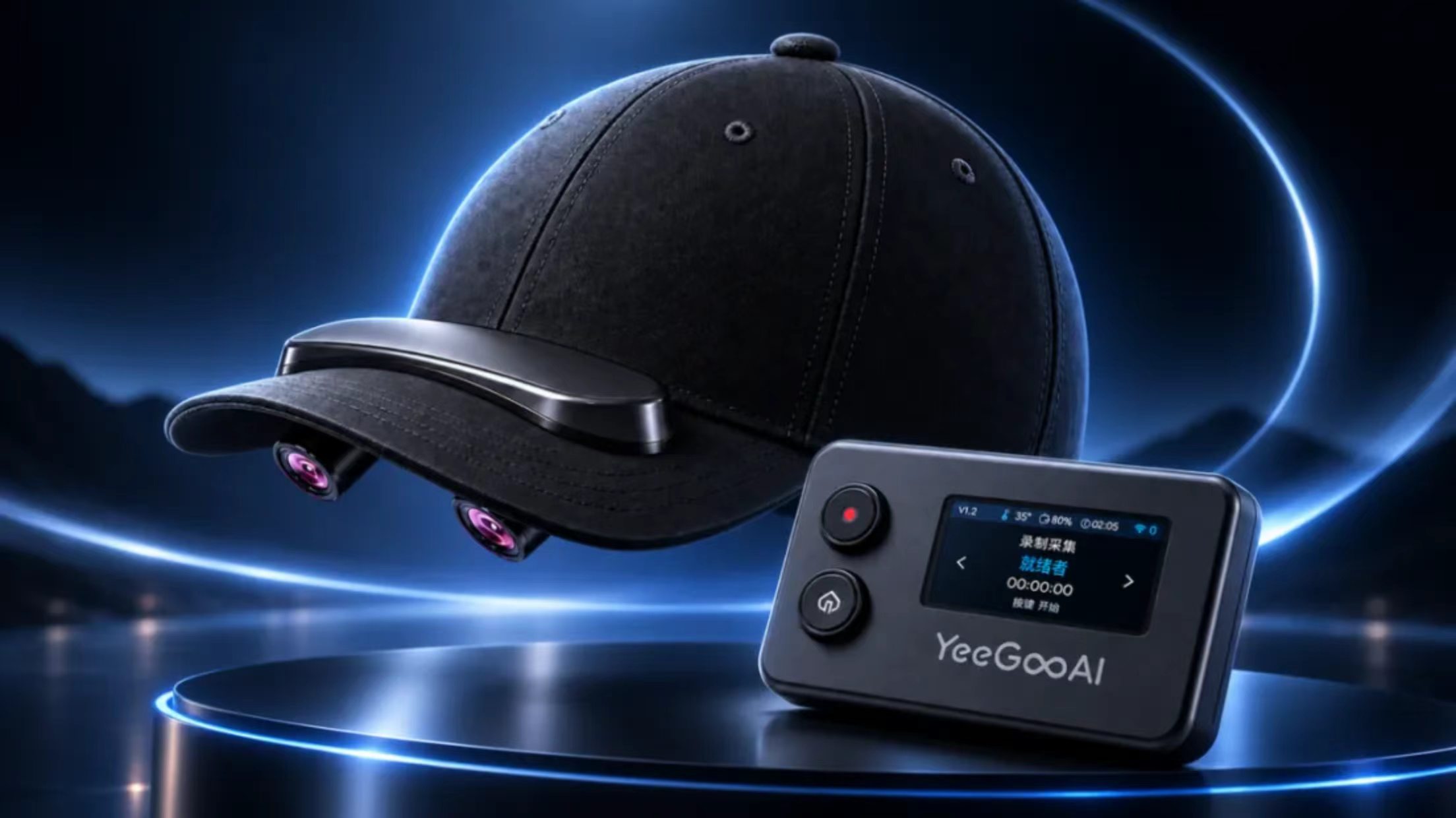
YeeGooAI Unveils EgoEasy: A Data Collection System Priced from 1499 Yuan
On September 10, 2026, at the GEIA GBA 2026 exhibition in Shenzhen, YeeGooAI publicly launched EgoEasy, a lightweight data collection system designed for producing billions of hours of real-world data for embodied intelligence. The lightweight version is priced at 1499 Yuan, while the complete version is available for 2499 Yuan. EgoEasy aims to address the industry's need for low-cost, sustainable, and manageable production of real-world data, moving beyond merely capturing more video. With current compliance data in China at approximately 500,000 hours, the demand for foundational data for commercializing embodied intelligence has escalated to tens of millions of hours, as highlighted by industry leaders. The system features a split architecture with a camera cap and a waist-mounted collection box, allowing for over 10 hours of continuous data capture. This design minimizes the burden on users and integrates seamlessly into existing workflows, transforming data collection from a one-time task into a sustainable production process. No further timeline was disclosed at the time of publication.
Data Collection AI Robotics Cloud Management
Datavault AI Expands Edge AI Deployment to Compete with Hyperscalers in Neocloud Market
Datavault AI is expanding its edge AI deployment onto SanQtum, now operational in New York City, Philadelphia, and Washington, DC. The company plans to launch in three additional cities by the end of the year. This expansion is significant as it positions Datavault AI to compete in the burgeoning $400 billion neocloud market, challenging established hyperscalers. The deployment of edge AI technology is crucial for enhancing data processing capabilities closer to the source, which is increasingly important in today's data-driven landscape. Looking ahead, Datavault AI's continued expansion into new cities will be critical to watch, as it seeks to establish a stronger foothold in the competitive neocloud sector. No further timeline was disclosed at the time of publication.

Ego Data Transitions to Quality Era as Skyworth XR Innovates Data Collection
Ego Data has entered a new phase focused on quality, as highlighted by Skyworth XR's advancements in embodied data collection. This shift is significant as it reflects the growing importance of data accuracy and integrity in the industry, particularly in the context of intelligent systems. Observers should note the increasing interest in embodied intelligence and its implications for future technological developments.
Robotics Automation AI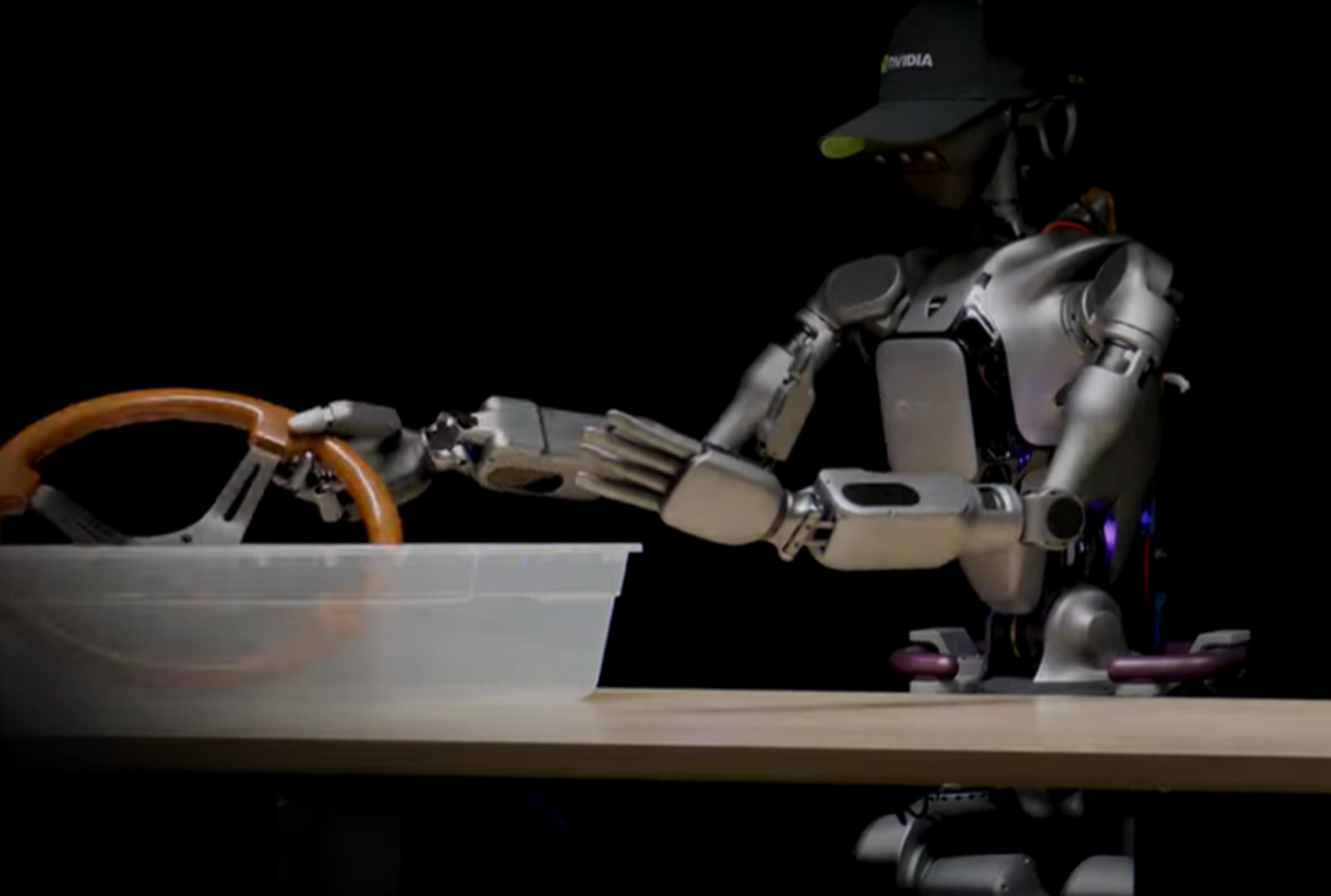
Data Collection Challenges in Robotics: Addressing Physical Limitations and Gaps
Since the beginning of the year, major companies and startups have significantly increased their investment in data collection. Companies like Qianxun Intelligent, Lingqiao Intelligent, and Lingchu Intelligent have announced ambitious targets for collecting millions of hours of data. Meanwhile, Guanglun Intelligent has completed a financing round of 1 billion yuan, becoming the world's first embodied data unicorn. JD.com has unveiled a comprehensive infrastructure for embodied intelligent data collection, planning to mobilize 600,000 people for crowdsourced data gathering across 64 training sites in 27 cities. This surge in data collection efforts highlights the industry's focus on building data sets, annotation teams, and simulation environments. However, a critical physical limitation is being overlooked: most teams simplify data collection to perception-level image and point cloud gathering, neglecting the essential motion data from the interaction between robots and physical environments. According to the Guizhou Provincial Big Data Bureau, only 500,000 hours of compliant data from real physical interactions currently exist in China, while the China Electromechanical Integration Technology Application Association estimates that commercializing robotics requires at least tens of millions of hours of data support, indicating a gap exceeding 99% based on a conservative estimate of 10 million hours. The current challenges in real-world data collection stem from structural constraints that create a physical ceiling. While virtual environments can generate training data at low cost, the gap between simulation and reality is widening as model complexity increases. The AI Index Report 2026 from Stanford HAI reveals that robot manipulation success rates drop from 89.4% in simulated environments to just 12% in real home settings. This discrepancy underscores the need for real physical interaction data, as many robots struggle in unstructured environments like stairs and uneven surfaces, which are crucial for embodied intelligence applications. Continuous data collection is necessary for iterative algorithm development, yet many data collection vehicles are designed for specific scenarios, leading to high costs and inefficiencies in cross-environment deployments.
Data Collection Embodied Intelligence Robotics Simulation Physical Interaction
Wutong Introduces THD1000R Gloves for Advanced Tactile Data Collection in Various Settings
Wutong has launched the THD1000R, a groundbreaking solution for tactile data collection in home, industrial, and laboratory environments. This innovative glove utilizes wireless capacitive sensing technology to capture intricate tactile signals in complex operational settings, marking a significant advancement in the field of haptic perception. The introduction of the THD1000R is crucial as the industry transitions towards real-world data applications, moving beyond mere hardware demonstrations. With advancements in language and vision models, the need for enhanced tactile data collection capabilities becomes evident, especially as the sector currently faces challenges in engineering viable products. Looking ahead, the THD1000R's ability to provide high-precision data collection will be vital for applications requiring nuanced physical interactions. No further timeline was disclosed at the time of publication, but the glove's performance in capturing subtle tactile signals will be essential for effective real-world applications and the development of advanced robotic systems.
Tactile Sensors Data Collection Wearable Technology Robotics Embodied Intelligence
Trossen Robotics Collaborates with Stereolabs to Enhance Physical AI Data Collection
Trossen Robotics has announced a partnership with Stereolabs to integrate high-fidelity stereo vision into its Physical AI platforms. The collaboration features the Stereolabs ZED X Mini scene camera and dual ZED X Nano wrist cameras, providing synchronized, training-grade visual data for robot-learning teams. This integration is significant as it enhances Trossen's offerings in the Physical AI sector, allowing for improved data collection and analysis. The inclusion of advanced stereo cameras is expected to elevate the capabilities of Trossen's hardware suite, which includes the Trossen Workbench and Rivet platforms designed for bimanual manipulation. Looking ahead, the collaboration aims to streamline the development of robot learning applications by providing robust visual data. No further timeline was disclosed at the time of publication.

Ropedia Raises $30 Million to Revolutionize Real-World Data Collection for AI
Ropedia, a Singapore-based embodied intelligence data company, has successfully completed a $30 million funding round, which includes $22 million from a Pre-A round and $8 million from a seed round earlier this year. The funding will be used to expand its data collection network in Southeast Asia and North America, enhance its team in Singapore and Mountain View, and mass-produce its proprietary headset device, HOMIE. This funding is significant as it highlights a shift in the robotics industry, where the focus has moved from hardware manufacturers to data collection and processing. Ropedia's approach, which utilizes wearable technology instead of traditional robotic systems, aims to reduce data collection costs significantly, potentially to one-fiftieth of conventional methods. The company has already served over 20 robotics and foundational model companies across North America, China, and Singapore. Looking ahead, Ropedia's business model hinges on its ability to maintain compliance with data privacy regulations and ensure the reusability of collected data across different robotic platforms. The company's strategic positioning as a 'neutral data node' could redefine the data supply chain in the robotics sector. No further timeline was disclosed at the time of publication.
Data Collection AI Wearable Technology Multimodal Data Robotics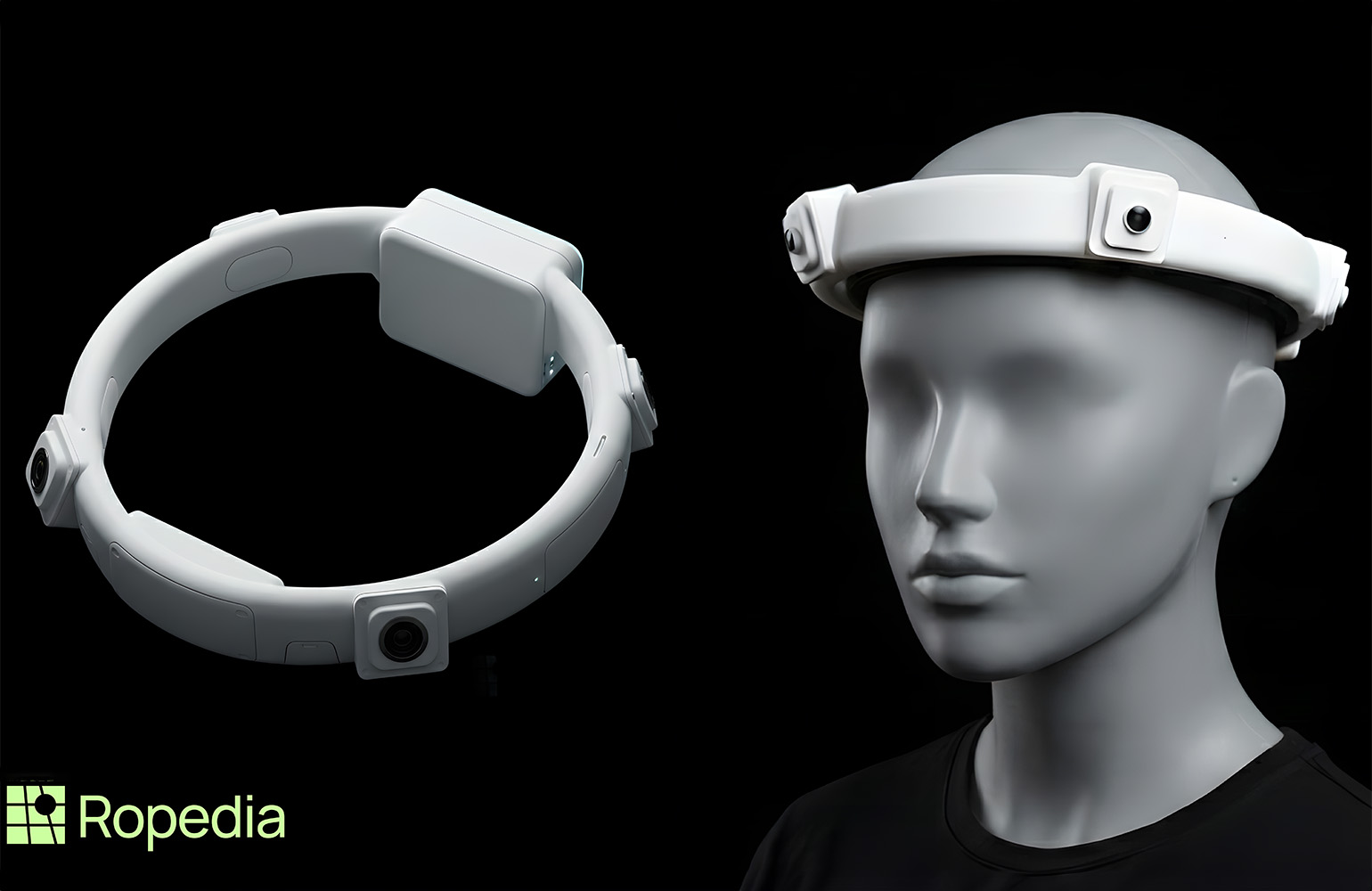
Ropedia Secures $22 Million to Enhance Data Collection for Robotics Training
Ropedia has announced the successful completion of a $22 million pre-Series A funding round, bringing its total funding to $30 million. The investment will be utilized to scale HOMIE, a lightweight, head-mounted device designed to capture first-person human movement and spatial context, which is essential for training robots. This funding is significant as it allows Ropedia to expand its business and technical teams, particularly in hardware, software, and data infrastructure. The company aims to enhance its presence in North America, especially the United States, where most of its clients are located. Ropedia's approach to data collection, which involves generating and structuring data internally, distinguishes it from traditional data-labeling providers. Looking ahead, Ropedia plans to further develop its data platform, incorporating annotation tools and quality analytics. The company is committed to building the necessary data infrastructure for the robotics industry to scale effectively. No further timeline was disclosed at the time of publication.
Artificial Intelligence Artificial Intelligence / Cognition Design / Development Financial Investments News
Orbbec and Ant Group Unveil Advanced Data Collection Solutions at WAIC 2026
At the 2026 World Artificial Intelligence Conference (WAIC) in Shanghai, Orbbec showcased its EGO RGB-D data collection platform in collaboration with Ant Group. This partnership aims to enhance data accuracy and stability for robotics applications by integrating self-developed depth chips and 3D vision hardware with spatial perception models. The significance of this collaboration lies in its potential to improve the quality of data used for physical AI model training and robotic perception. As embodied intelligence transitions from training to real-world applications, the focus shifts to data quality, sensor performance, and scalable delivery capabilities, addressing challenges such as occlusion and depth information loss in complex environments. Looking ahead, the EGO RGB-D series, designed for precise desktop operations, is expected to play a crucial role in advancing physical AI and embodied intelligence. No further timeline was disclosed at the time of publication.
Data Collection Robotics 3D Vision AI Sensor Technology
Terradepth and EIVA Partner to Automate Subsea Data Collection-to-Cloud
EIVA and Terradepth have announced a partnership aimed at enhancing subsea data workflows through the integration of Terradepth's Absolute Ocean platform with EIVA's NaviSuite software. This collaboration, revealed today, seeks to automate the entire process of data transfer from subsea operations to clients, thereby simplifying complex workflows for users without specialized expertise. The integration is designed to facilitate quicker decision-making, provide immediate access to data, and significantly reduce turnaround times for subsea projects.
terradepth eiva partnership automation subsea data collection-to-cloud
Rui Erman Establishes Data Training Facility in Changzhou with 150 Robots Generating 2GB Data Per Minute
Rui Erman has launched a data training facility in Changzhou, equipped with 150 robots capable of generating 2GB of raw data per minute. This facility features two main areas: a basic motion training zone for fundamental robotic actions and a scenario application area designed for diverse operational contexts such as home, industrial, and retail environments. The significance of this initiative lies in addressing critical challenges in the robotics industry, including the scarcity of high-quality real-world data and the high costs associated with data collection. Rui Erman is actively involved in developing standards for data collection, ensuring compliance with the MCAP standard, which emphasizes data accuracy and synchronization. Looking ahead, Rui Erman aims to transition robots from controlled environments to real-world applications, enhancing data collection efficiency. The company is focused on achieving a significant reduction in robot costs to facilitate widespread adoption in households and factories. No further timeline was disclosed at the time of publication.
Data Collection Robotics Machine Learning AI Standards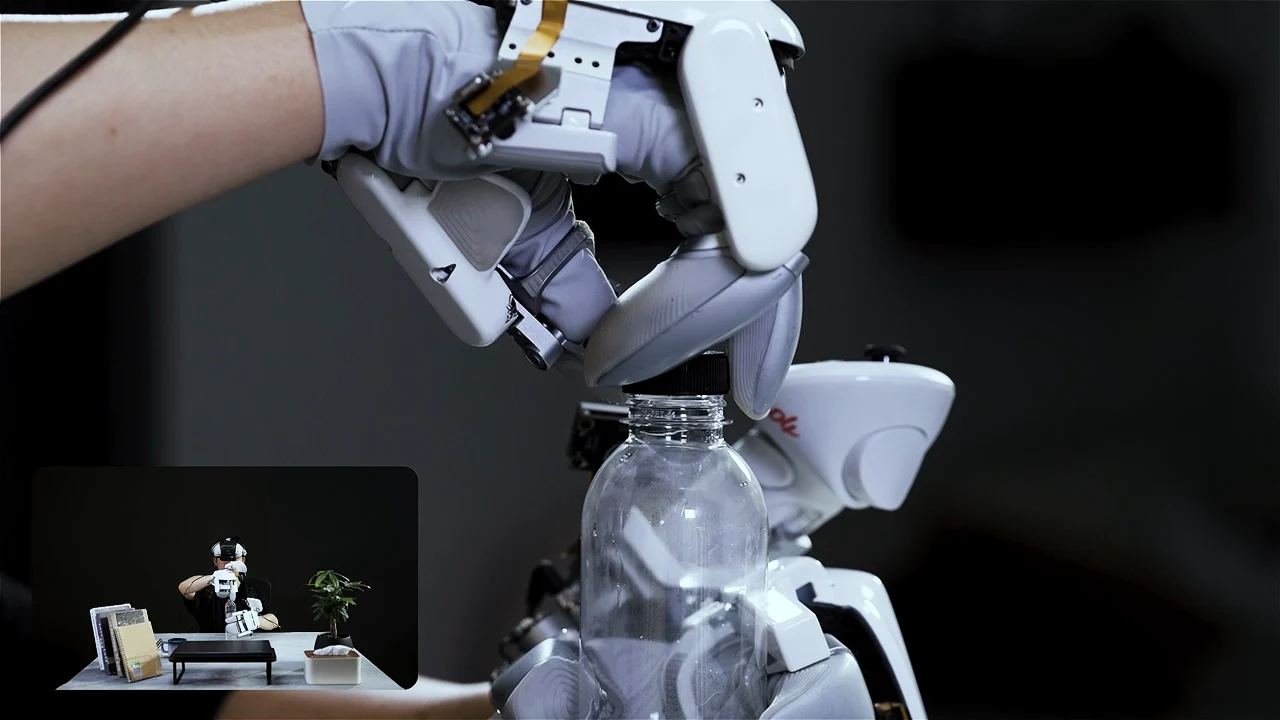
The Rise of Data Collection in Robotics: UMI and Its Impact on Manipulation Techniques
A new trend in robotics focuses on data collection for manipulation tasks, exemplified by projects like Sunday Robotics' Skill Capture Glove and X Square Robot's TwinDEX. These innovations aim to gather useful manipulation data without needing a complete robot for each demonstration, highlighting the significance of the Universal Manipulation Interface (UMI) introduced in 2024. The UMI's handheld gripper, which incorporates a GoPro, allows users to teach robots skills in everyday settings while leaving the robot behind. This approach emphasizes the importance of early engineering decisions regarding data collection methods, which can significantly influence the robot's learning process and overall performance. Looking ahead, the evolution of data collection tools like UMI and Dobb·E's “The Stick” will continue to shape how robots learn from human demonstrations. No further timeline was disclosed at the time of publication.
Data Collection Sunday Robotics Reward AI XSquare
AirData Enhances Live Streaming with DVR-Style Rewind and Cloud Recording Features
AirData has launched a significant upgrade to its live streaming platform, introducing cloud recording and a DVR-style rewind feature that allows authorized users to review up to 10 minutes of past footage during active drone missions. This enhancement is particularly beneficial for public safety agencies and utility companies, enabling them to access critical information without interrupting ongoing operations. The new features address the challenges faced by remote decision-makers who may miss important moments during live feeds. With the ability to rewind and review footage, users can gain immediate insights into events that occurred before they joined the stream. This capability is crucial as drone operations increasingly shift towards remote and autonomous applications, such as Drone as First Responder (DFR) programs. Looking ahead, AirData's advancements could significantly improve operational efficiency for various sectors, including public safety and infrastructure inspection. As the FAA develops regulations for beyond visual line of sight (BVLOS) operations, the importance of maintaining comprehensive operational records, including mission video, will continue to grow. No further timeline was disclosed at the time of publication.
News
Agtonomy Enhances Autonomy Stack with Multi-Point Turning and Data Collection Features
Agtonomy has introduced two significant updates to its autonomy stack, including a new autonomous multi-point turning capability and enhanced passive data collection across its fleet. This multi-point turning feature enables Agtonomy-enabled units to perform complex reversing maneuvers without human intervention, addressing challenges in tight headlands that have previously limited autonomous tractor usage. The importance of these updates lies in their potential to improve operational efficiency in various agricultural sectors, including vineyards, orchards, and crop management. By generating over two terabytes of data per hour from each vehicle, Agtonomy aims to leverage this data for faster system iterations and to provide valuable insights to agronomy and analytics partners, ultimately enhancing fleet optimization and operational analytics. Looking ahead, Agtonomy's platform now supports over 500 implements, with partnerships with OEMs like Kubota and Bobcat expanding its capabilities. The company emphasizes the need for autonomous fleets that not only operate effectively but also evolve over time to meet the practical challenges faced by growers. No further timeline was disclosed at the time of publication.
Autonomous/semi-autosteering systems autonomous system autonomy
51World Unveils New Data Collection Tools to Enhance Embodied AI for Robots
51World, a Beijing-based technology company, has introduced a new suite of data-collection devices aimed at overcoming the critical shortage of high-quality training data for embodied AI systems. CEO Li Yi emphasized that the lack of precise data is a significant barrier to developing stable and capable humanoid robots. The newly launched AperEgo headset features a multi-camera system and synchronized sensors to capture a comprehensive view of the environment, while additional devices for the wrist and fingers enhance data collection on hand movements. This integrated hardware and software approach is expected to improve data accuracy and efficiency significantly. Looking forward, 51World aims to enhance the efficiency of embodied AI in data collection and training. The Chinese humanoid robot market is projected to reach 15 billion yuan (approximately US$2.2 billion) by 2026, with significant growth anticipated in 2027 as production and applications expand. No further timeline was disclosed at the time of publication.
Ant Group Launches Open-AoE Framework for Embodied Intelligence Data Collection
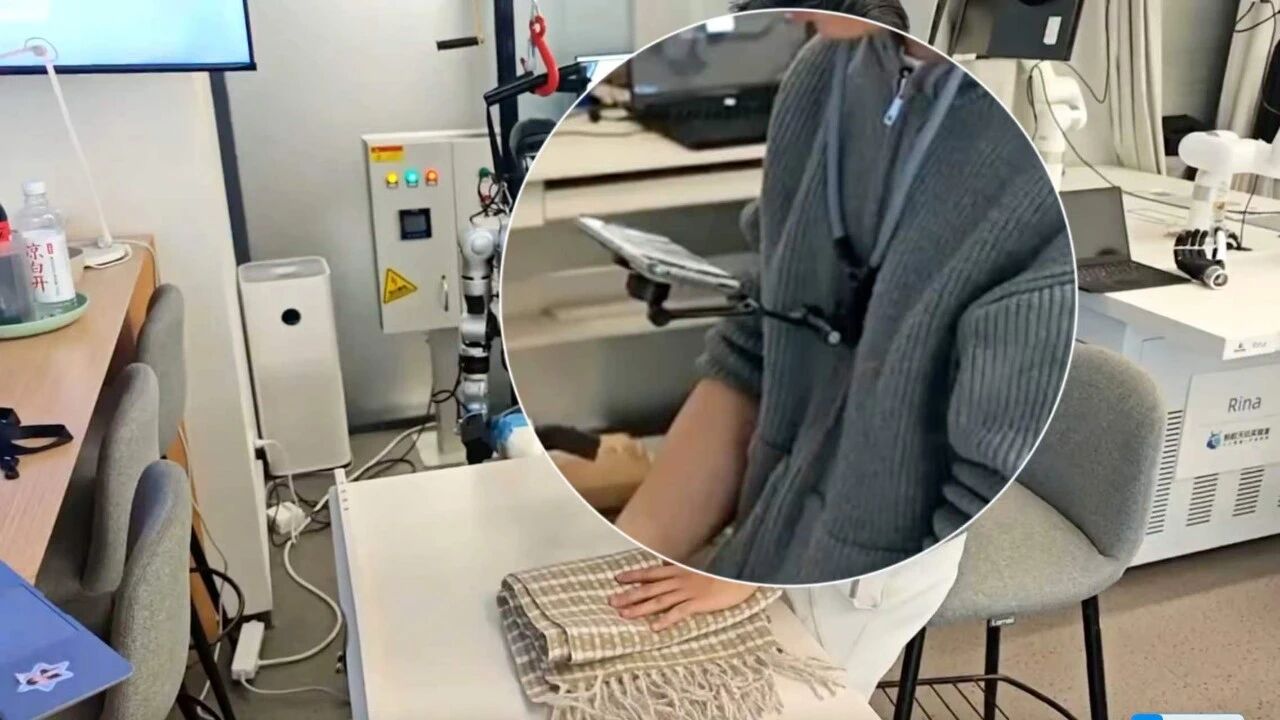
Ant Group, in collaboration with several universities and research institutions, has introduced the Open-AoE framework aimed at enhancing embodied intelligence data collection. This initiative addresses the scarcity of high-quality 3D operational data necessary for training robots, which often rely on limited and standardized datasets from controlled environments. The Open-AoE framework plans to release approximately 2,000 hours of first-person human operation data collected using consumer smartphones. Currently, around 100 hours of this data is accessible, with the remainder set to be released in batches by July 30. Alongside the data, a comprehensive toolchain for data visualization, 4D reconstruction, and model training format conversion will also be made available to the community. The significance of this initiative lies in its potential to democratize data collection, allowing ordinary users to contribute valuable training data through their smartphones. Initial experiments have shown promising results, with the integration of smartphone-collected data significantly improving the performance of robotic tasks, indicating that such data can indeed enhance model training effectiveness.
Embodied Intelligence Open Source Data Robot Training AI Data Processing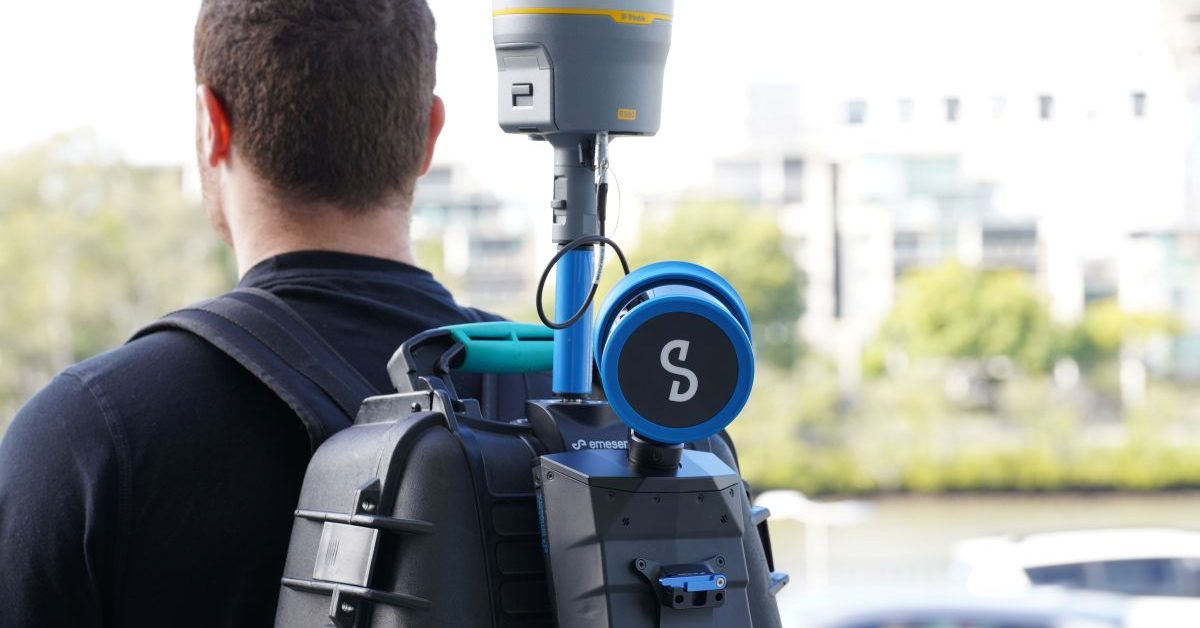
Emesent Integrates GX1 and Hovermap STX Scanners with Trimble for Streamlined Data Processing
Emesent has announced that its mobile SLAM scanners, the GX1 and Hovermap STX, can now directly send point cloud data into Trimble Connect and Trimble Business Center. This integration, revealed at Intergeo 2026 in Munich, aims to simplify the workflow from field scanning to construction deliverables. The significance of this development lies in its potential to enhance interoperability for US surveyors, engineers, and construction teams. By allowing point cloud data to transition smoothly into established project workflows, Emesent's technology can reduce the complexity typically associated with mobile LiDAR applications. Looking ahead, the integration will be showcased at Intergeo 2026 until September 17, highlighting the capabilities of the GX1 and Hovermap STX scanners. No further timeline was disclosed at the time of publication.
News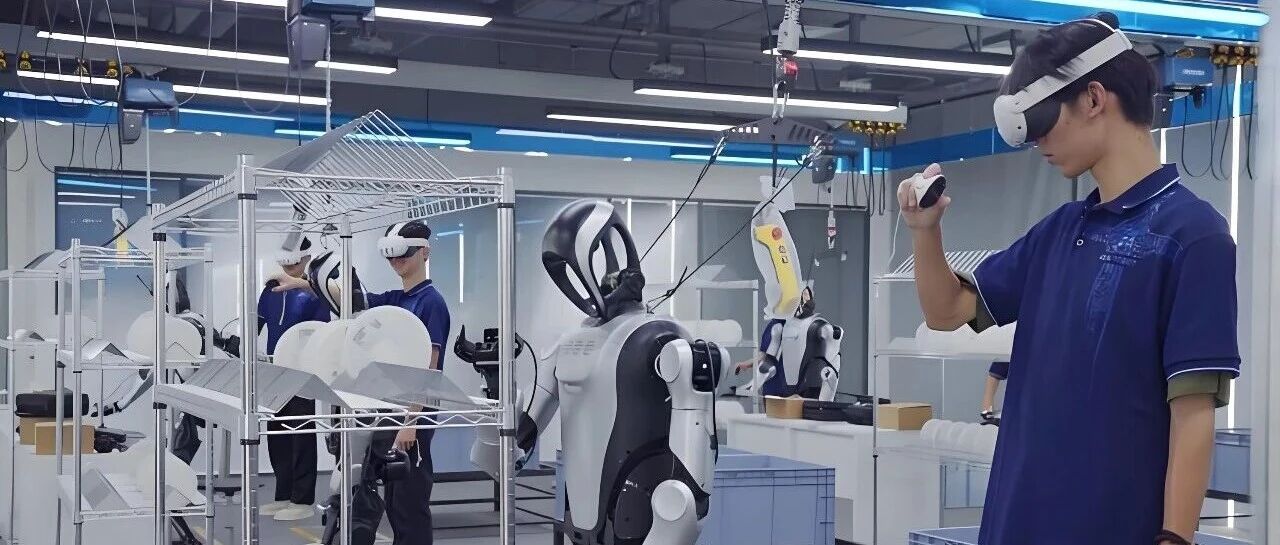
China's Humanoid Robot Data Collection Training Centers: Locations, Operators, and Data Flow
China has established over 100 humanoid robot data collection training centers across 18 provinces by August 2026. These centers are crucial for gathering high-quality interaction samples needed for developing autonomous capabilities in robots. However, the current supply of usable data falls significantly short of the estimated demand, creating a competitive landscape focused on acquiring high-quality data. The concentration of training centers in provinces like Guangdong, Jiangsu, and Zhejiang is driven by factors such as real-world scenario density, policy support, and the presence of leading enterprises. As the market evolves, the competition is shifting from merely establishing centers to ensuring the quality and applicability of the data produced. This transition highlights the importance of creating a robust data ecosystem to meet the growing needs of the robotics industry. Looking ahead, the focus will be on enhancing data quality and establishing standardized processes for data collection and evaluation. The government is also playing a significant role in facilitating the development of these training centers as part of broader industrial infrastructure initiatives. No further timeline was disclosed at the time of publication.

APTO Launches Toyosu Lab for Physical AI Data Collection and Strategy Insights
APTO, a venture focused on data collection and annotation for AI development, opened the Toyosu Lab on August 21, 2026, in Tokyo to gather real-world data for Physical AI. This initiative is crucial as high-quality training data is essential for robots to perceive, judge, and act in the real world, especially in the evolving realm of Physical AI. The significance of this development lies in APTO's expansion into the Physical AI sector, collaborating with major companies like NVIDIA and AWS, and participating in industry initiatives such as the AI Robot Association (AIRoA). The lab aims to address the growing demand for effective data solutions in AI development, showcasing specific use cases and the challenges faced in data collection and evaluation. Looking ahead, APTO's efforts in establishing a data foundation for Physical AI and leveraging Japanese companies' expertise could enhance competitiveness in the AI era. The upcoming seminar on October 7, 2026, featuring APTO CEO Yoshihiro Takashina, will delve into the necessary data for Physical AI and the latest trends in data collection and generation. No further timeline was disclosed at the time of publication.

Orbbec Unveils Robot-Free Data Collection Hardware Platform to Help Customers Capture Real-World Demonstrations for Physical AI at Scale
Leveraging its deep expertise in and broad product portfolio of robotics and AI vision, Orbbec is one of the few industry providers that combines advanced multi-sensor calibration and synchronization technologies, a full-stack vision product portfolio, and global-scale manufacturing and delivery capabilities.

Zivariable Launches QUANXTA Zero Series for Data Collection Without Ontology
Zivariable has launched the QUANXTA Zero series, a new line of products aimed at improving data collection processes. Unveiled recently, these devices are designed to facilitate efficient data gathering for model training without the need for ontology. The QUANXTA Zero series promises to enhance data quality through automated labeling and seamless integration into an extensive data service pipeline. This innovation not only boosts the efficiency of data collection but also significantly reduces associated costs, making it a valuable tool for organizations seeking to optimize their data management strategies.
Data Collection AI Models Robotics Automation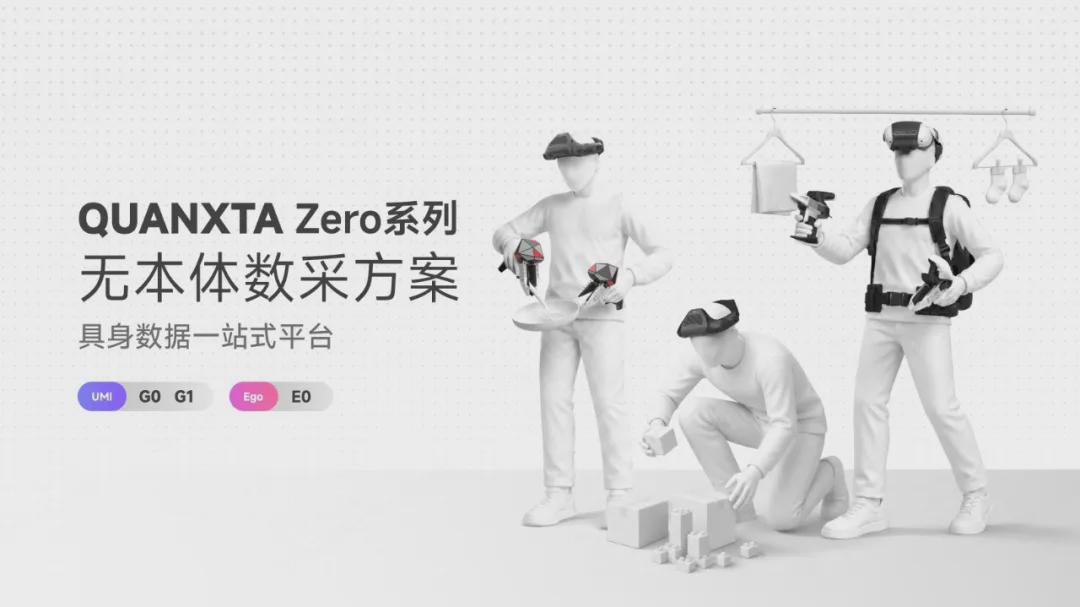
"Breaking Through the 'Data Wall'! Independent Variable Releases QUANXTA Zero Series, Full-Stack Players Redefine Embodied Intelligent Data Collection..."
Independent Variable has announced the launch of its QUANXTA Zero Series, a groundbreaking advancement in embodied intelligent data collection. This release aims to address the challenges posed by the so-called "data wall," which has hindered effective data utilization in various sectors. The unveiling took place in October 2023, showcasing the innovative capabilities of the new series designed to enhance data gathering and analysis processes. The QUANXTA Zero Series is positioned to redefine how full-stack players in technology and data management approach the collection and interpretation of data. By integrating advanced technologies, Independent Variable seeks to empower organizations to overcome existing barriers and harness the full potential of their data assets. This initiative reflects a growing demand for more efficient and intelligent data solutions, driven by the need for businesses to make informed decisions based on comprehensive data insights. The launch is expected to attract significant interest from industries looking to enhance their data strategies and improve operational efficiencies.
Robotics Automation AI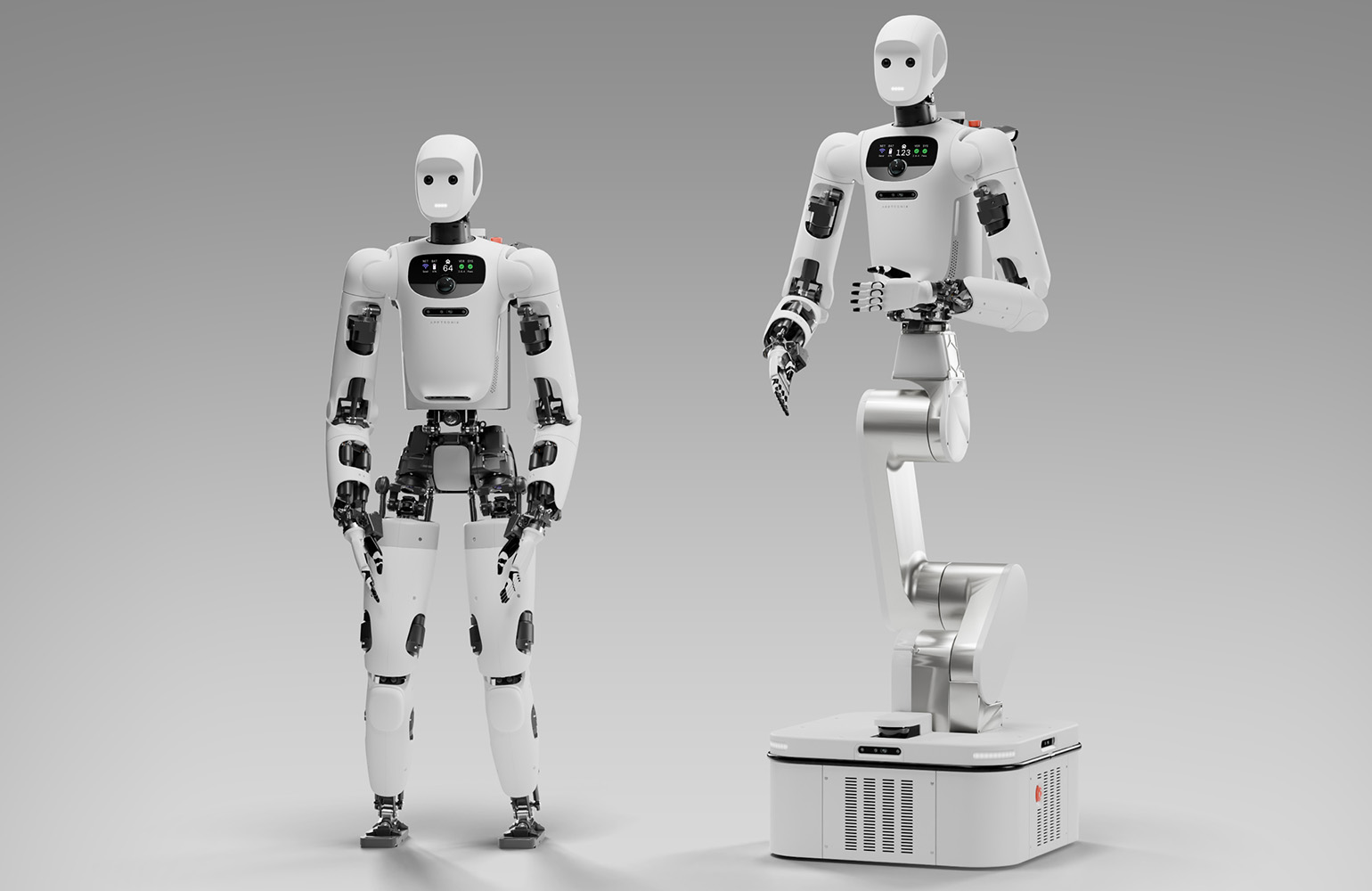
Apptronik unveils Apollo 2 and a flagship data collection and training facility
Apptronik has introduced Apollo 2, a cutting-edge data collection and training platform designed to facilitate continuous learning through its deployment. This innovative system aims to enhance the capabilities of robotic technologies by providing a robust environment for data gathering and training processes. The announcement highlights Apptronik's commitment to advancing robotics and artificial intelligence, reflecting the growing demand for sophisticated training tools in these fields. The unveiling of Apollo 2 marks a significant step forward in the company's efforts to improve the efficiency and effectiveness of robotic systems.
Artificial Intelligence Artificial Intelligence / Cognition Design / Development Humanoids News Robots / Platforms
Gong Hongjia and Lu Qiming's favored myoelectric wristband begins to compete for embodied data collection entry.
Gong Hongjia and Lu Qiming have launched a myoelectric wristband that is set to compete in the growing market for embodied data collection. This innovative device aims to capture and analyze muscle activity data, providing users with insights into their physical performance and health metrics. The wristband is designed for a wide range of applications, from fitness tracking to rehabilitation, appealing to both athletes and individuals seeking to monitor their well-being. The product's introduction comes at a time when there is increasing demand for wearable technology that can deliver personalized health data. With advancements in sensor technology and data analytics, the myoelectric wristband is positioned to leverage these trends effectively. The competition in this sector is intensifying as more companies recognize the potential of embodied data to enhance user experiences and outcomes. Gong and Lu's venture reflects a broader shift towards integrating technology with human physiology, aiming to empower users with actionable insights. As the market evolves, the success of their wristband will depend on its ability to differentiate itself through accuracy, user-friendliness, and the value of the data it provides.
Robotics Automation AI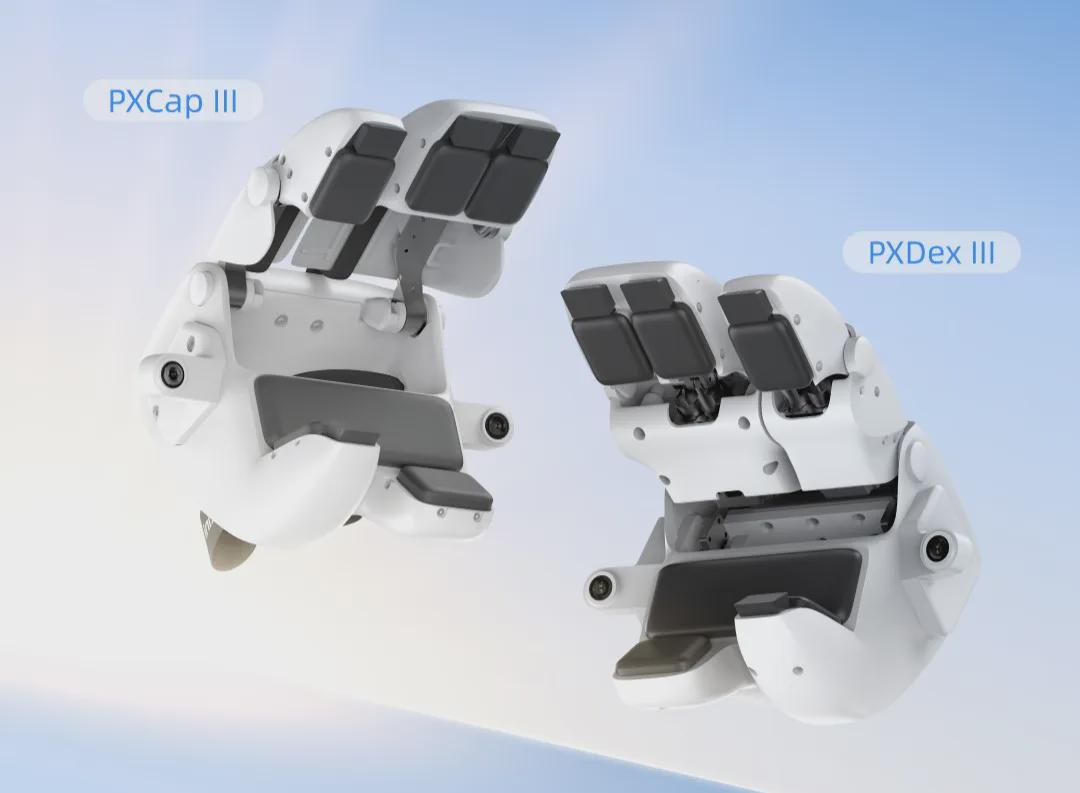
PaXini Launches World's First Mass-Produced Data Collection and Execution System PXCap III × PXDex III
PaXini has introduced its latest technological advancements, the PXCap III data collection gloves and the PXDex III execution end-effector, which together represent a significant leap in the integration of data capture and robotic execution. This innovative dual-end system aims to improve data quality for embodied intelligence by addressing the persistent structural discrepancies that have historically existed between data collection devices and robotic execution. The launch of these products is expected to facilitate the seamless deployment of high-quality data, enhancing the efficiency and effectiveness of robotic applications.
Data Collection Robotic Systems Embodied Intelligence Sensor Technology
India's $1/hour Data Collection Model Gains Popularity
A novel data collection model is emerging in India, utilizing head-mounted cameras worn by workers to capture first-person footage. This innovative approach, spearheaded by the teenage founders of Egolab AI, has garnered significant attention and was recently acquired by a US company, highlighting its growing importance in the industry. Additionally, the startup Human Archive has successfully raised $8.2 million to enhance this data collection method. This initiative not only aims to provide valuable data for artificial intelligence training but also offers workers an opportunity to earn supplementary income. The combination of technology and economic support is positioning these startups at the forefront of a transformative movement in data collection.
Data Collection AI Training Wearable Technology Gig Economy
Changingtek Robotics Launches High-Precision Tactile Sensing Data Collection Hand, Uhand
A new compact unit has been developed, featuring a highly sensitive tactile array that boasts a spatial resolution of 2.34 taxels per square centimeter. This advanced technology is capable of detecting forces ranging from 0 to 160 Newtons, with an impressive sensing precision of 0.1 Newtons. The innovation aims to enhance applications in robotics and automation, providing more accurate and responsive interaction with various surfaces and objects. With training data available up to October 2023, this breakthrough represents a significant step forward in tactile sensing technology, potentially transforming how machines perceive and interact with their environments.

JD Launches China's Largest Embodied Intelligence Data Collection Base in Suqian
JD Group, in partnership with the Suqian government, has inaugurated China's first community dedicated to embodied intelligence data collection. This innovative initiative, which was launched recently, aims to collect over 10 million hours of real-life behavioral data from more than 100,000 participants across diverse sectors such as logistics and healthcare. The project utilizes JD Group's proprietary technology, the JoyEgoCam, to enhance the training of intelligent models. By gathering extensive data, the initiative seeks to improve the development of AI applications, ultimately contributing to advancements in various industries.
Embodied Intelligence Data Collection Smart Devices AI Training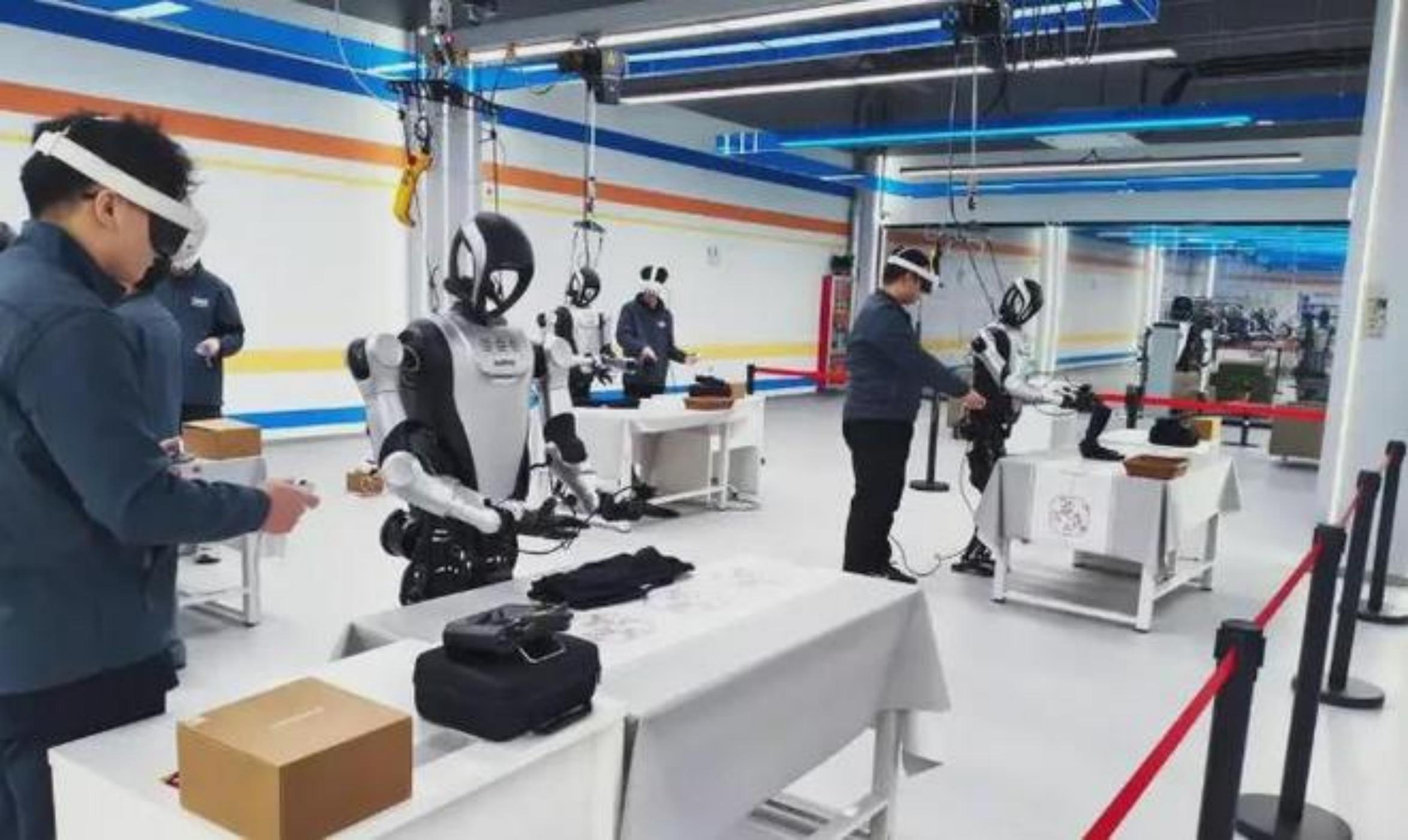
Building a Highway for Embodied Intelligence: From Data Collection to Ecosystem Development, Leju's Training Ground 2.0
Leju has introduced an innovative training ground model designed to enhance embodied intelligence in robotics through improved data collection efficiency and consistency. This initiative, which emphasizes the importance of real-world data application, aims to create a robust ecosystem that significantly advances robotic capabilities. By focusing on gathering and utilizing data effectively, Leju seeks to drive forward the development of intelligent systems that can better interact with their environments. The model represents a strategic effort to harness data as a critical resource in the ongoing evolution of robotics, positioning Leju at the forefront of this technological advancement.
Embodied Intelligence Data Collection Robotics AI Ecosystem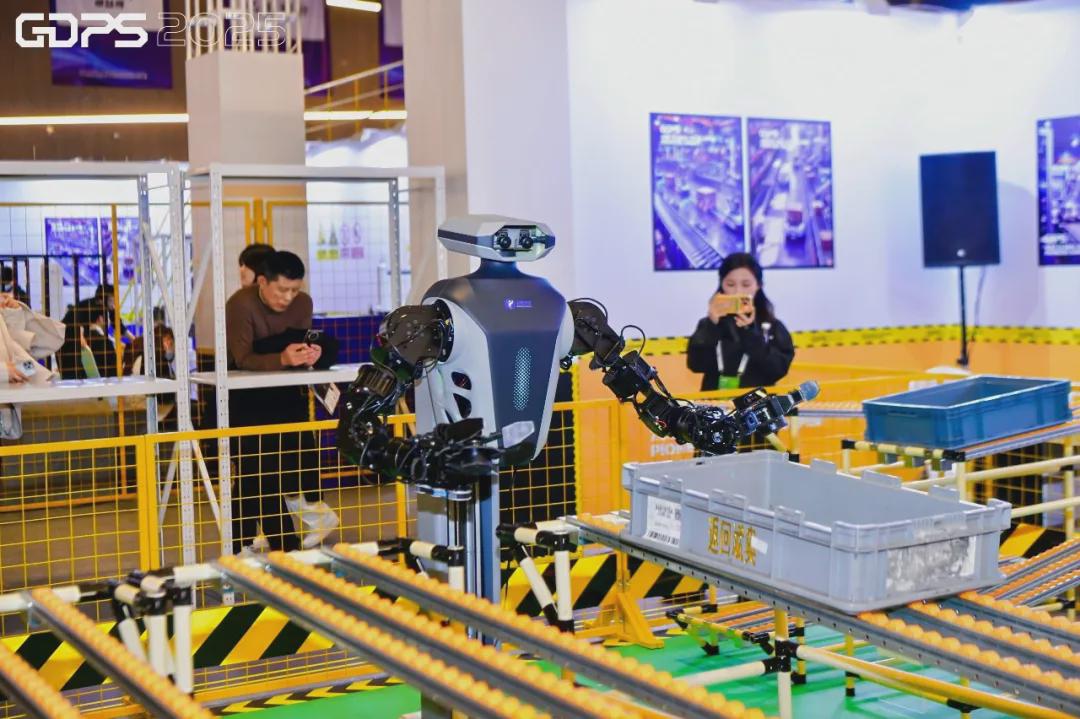
Over 100 Million in Funding! How Lingyu Intelligent Turns Robots into 'Data Collection Factories'?
Lingyu Intelligent has successfully raised nearly 100 million yuan in angel funding to improve its data collection systems and cloud collaboration architecture. This financial boost will enable the company to focus on transforming robots into efficient data production machines. The initiative aims to tackle the pressing issue of insufficient high-quality real-world data, which is essential for training advanced intelligent models. By enhancing its technological capabilities, Lingyu Intelligent seeks to contribute significantly to the development of artificial intelligence and machine learning applications.
Robotics Data Collection Artificial Intelligence Machine Learning
SynapX Launches SYNData: Multimodal Data Collection System for Embodied AI Era
SynapX has unveiled SYNData, an innovative multimodal data collection system designed to enhance dexterous manipulation capabilities in robotics. This cutting-edge system integrates ego vision, electromyography (EMG) signals, and data from exoskeleton gloves, facilitating the scalable collection of human manipulation data essential for advancing robot learning. The launch of SYNData aims to bridge the gap between human dexterity and robotic functionality, providing researchers and developers with comprehensive tools to improve robotic performance. This development is particularly significant as it addresses the growing demand for more sophisticated and adaptable robotic systems in various applications.
Robotics
SynapX Launches SYNData: Multimodal Data Collection System for Embodied AI Era
SynapX has introduced SYNData, an innovative multimodal data collection system designed to enhance dexterous manipulation capabilities. Launched recently, this system integrates ego vision, electromyography (EMG) signals, and data from exoskeleton gloves, facilitating the scalable collection of human manipulation data essential for advancing robot learning. The development aims to improve the interaction between humans and robots, ultimately contributing to more sophisticated robotic applications in various fields. By harnessing diverse data sources, SYNData promises to provide valuable insights that can drive the evolution of robotic dexterity and functionality.
Robotics
Why traditional robotics data collection is obsolete and what replaces it
Eric Chan has highlighted Rhoda AI's groundbreaking strategy in the field of robotics, emphasizing the company's use of video data to enhance the scalability and efficiency of machine learning processes. In a recent discussion, Chan pointed out that traditional methods of data collection in robotics have become outdated, necessitating a shift towards more advanced techniques. This innovative approach not only streamlines the learning process for robots but also addresses the limitations of conventional data gathering methods. The insights shared by Chan underscore the importance of adapting to new technologies in order to improve robotic capabilities and performance.
Artificial Intelligence Business Resources News Opinion Podcast Robots / Platforms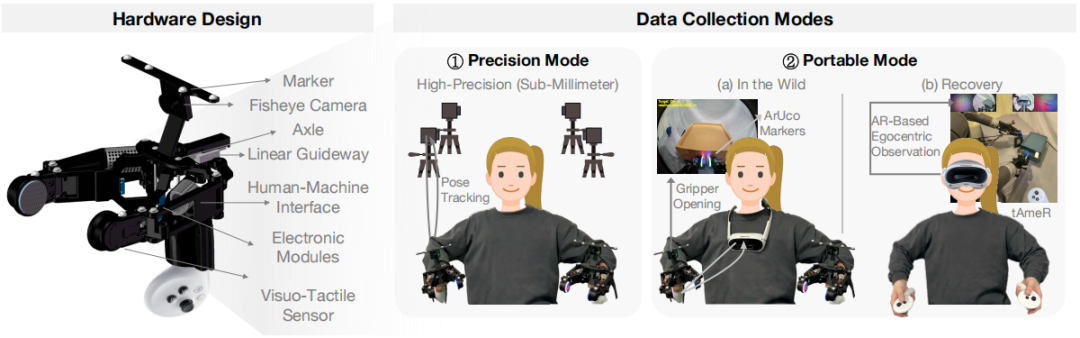
Sub-Millimeter Tactile Control and 100% Reproduction! HKU and Fudan University Launch TAMEn to Solve Data Collection Challenges for Dual-Handed Robots
Researchers from the University of Hong Kong (HKU), in collaboration with Fudan University and other institutions, have unveiled the TAMEn tactile perception manipulation engine. This innovative technology is designed to tackle significant challenges associated with dual-handed robotic tasks. By seamlessly integrating visual and tactile data collection, the TAMEn engine enhances the precision and adaptability of robots, enabling them to perform complex manipulation tasks more effectively. The development of this engine marks a significant advancement in robotics, potentially transforming how robots interact with their environment and improving their functionality in various applications.
Tactile Robotics Dual-Handed Manipulation Data Collection Technology Robotics Research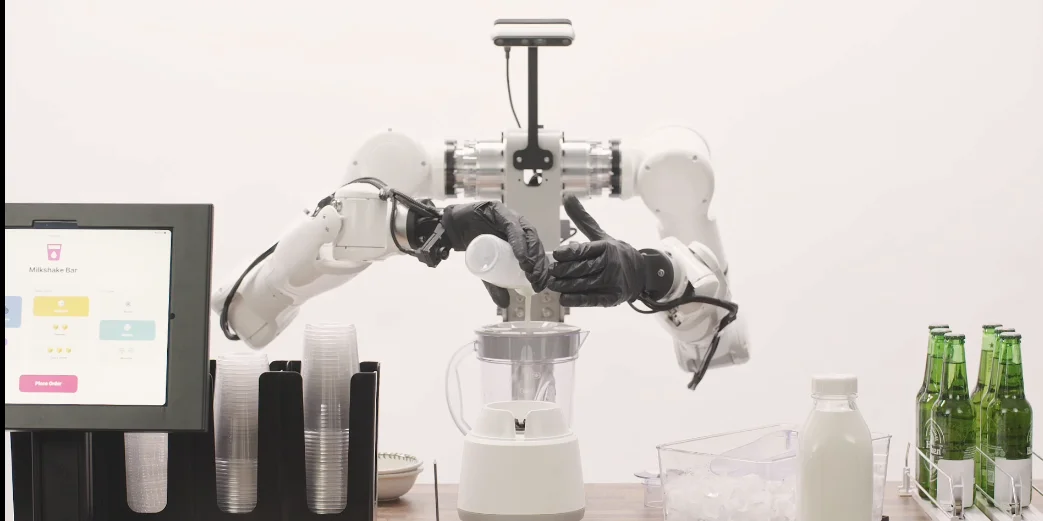
Genesis AI Unveils Foundation Model, Hand & Data Collection System to Develop Human-Level Physical Manipulation for Robotics
Genesis AI has introduced a groundbreaking robotics foundation model named GENE-26.5, accompanied by a proprietary robotic hand and a data collection system aimed at enhancing the ability of robots to learn complex physical tasks by observing human behavior. This innovative system seeks to tackle the challenges associated with gathering substantial amounts of usable training data necessary for teaching robots to perform intricate tasks effectively. The unveiling of GENE-26.5 marks a significant advancement in the field of robotics, as it promises to streamline the learning process for robots, making them more adept at mimicking human actions.
AI AI Use Cases Robotics Eclipse Eric Schmidt Foundation AI Model for Robotics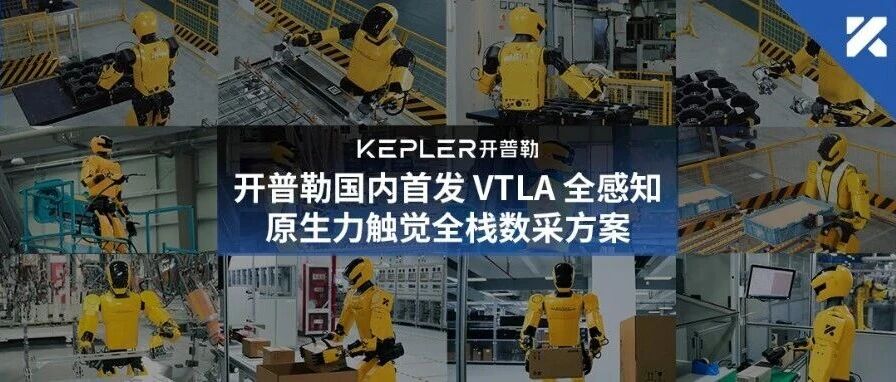
China's First Launch! This Innovative Data Collection Solution Enables Robots to Evolve While Working
Kepler Robotics has introduced the Kepler-OmniTac™ solution, marking a significant advancement in robotic technology as the first native VTLA all-perception model in China. This innovative system enables robots to gather tactile data while functioning in real industrial environments, representing a pivotal shift from traditional visual-based systems to a more integrated OmniVTLA approach. The development aims to enhance the physical interaction capabilities of robots, allowing for more effective and nuanced operations in various industrial settings.
Industrial Robots Data Collection Solutions Tactile Sensing AI Robotics Technology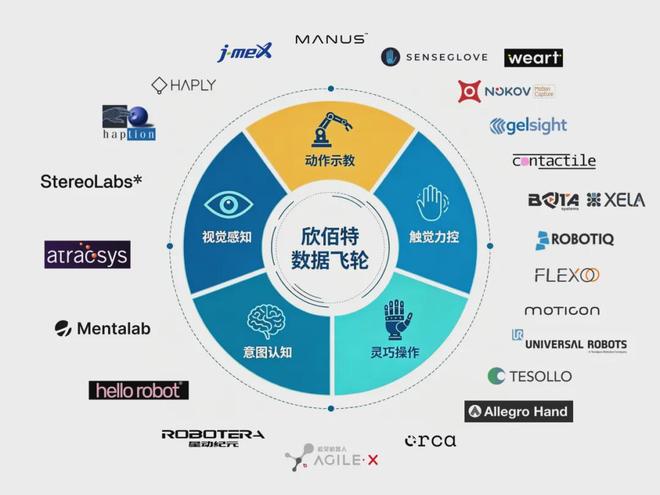
Say Goodbye to Data Scarcity and Selection Challenges! Xinbai Te Unveils Comprehensive Data Collection Solutions for Embodied Intelligence
The 3rd China Embodied Intelligence and Humanoid Robotics Industry Conference is set to take place on April 18, where Xinbai Te Technology will unveil its partnership with UR Robotics. This collaboration aims to present a comprehensive robotic data collection solution, highlighting advancements in visual perception, motion teaching, and tactile control. The event promises to showcase the latest innovations in the field, reflecting the growing interest and investment in robotics and artificial intelligence technologies.
Robotic Data Collection Embodied Intelligence Collaborative Robots AI Technology
Hand Tracking Streamer: A Practical Bridge from Quest Hand Tracking to Robotics Teleoperation and Data Collection
In the field of research, the integration of high-fidelity hand-telemetry systems is frequently achieved through the use of specialized coding and tailored interfaces. These solutions are typically designed to function effectively within the confines of a specific laboratory setup, a particular machine, or a singular demonstration. This approach, while effective in isolated environments, raises concerns about scalability and adaptability across different research contexts. As researchers strive for more versatile and universally applicable systems, the reliance on bespoke solutions may hinder collaboration and innovation in the broader scientific community. The ongoing challenge is to develop standardized frameworks that can accommodate diverse setups while maintaining the high fidelity required for accurate telemetry data.

Tiburon Subsea, Ocean Robotics and Data Platform Poised for Growth
Tiburon Subsea Inc. has achieved a significant milestone by securing a patent for its groundbreaking JETTE propulsion system, designed for autonomous underwater vehicles. This development marks a pivotal advancement in underwater technology, enhancing the capabilities and efficiency of these vehicles. The patent, granted in October 2023, underscores the company's commitment to innovation in the subsea industry. By introducing this state-of-the-art propulsion system, Tiburon Subsea aims to improve operational performance and expand the potential applications of autonomous underwater vehicles in various sectors, including marine research and exploration.
tiburon subsea ocean robotics data platform patentRobotics needs a service framework.
RSF defines a common language for robot service capability, lifecycle operations, certification pathways, and service-provider networks.
Join the RobotToday community on LinkedIn
Daily robotics news, in-depth analysis, conference highlights, and discussions with professionals worldwide.







