

Industry Briefing
A single destination for timely, editor-curated robotics news from around the world.

Sichuan's Cooking Robot Achieves Wok Hei Using Sensors and Extensive Recipe Database
A new cooking robot from Sichuan has garnered attention for its ability to replicate 'wok hei', a unique flavor in Chinese cuisine. This robot utilizes advanced sensors to monitor cooking conditions and adjust heat levels, ensuring that dishes retain the essential characteristics of traditional cooking. The significance of this development lies in the robot's capability to not only execute recipes but also understand the nuances of cooking. According to Huang Tianyong, founder of Sichuan Xiong Miao Master Technology Co., the robot can observe variables such as ingredient size and freshness, which are crucial for achieving the desired taste and texture. Looking ahead, the robot's ability to customize recipes based on user preferences, such as dietary restrictions, showcases its potential in the culinary market. No further timeline was disclosed at the time of publication.
Cooking Robots AI Technology Culinary Innovation Food Automation
Robotic Principles Transforming Home Cleaning with Smart Sensors and Self-Maintenance
The consumer robotics landscape is evolving, with a shift from humanoid robots to specialized devices like smart vacuum cleaners. These modern floor-care appliances are integrating robotic principles, enhancing their functionality and efficiency in home cleaning tasks. This transition is significant as it highlights the growing importance of specialized robotics in everyday life. While humanoid robots aim for versatility, specialized devices excel in specific tasks, showcasing how robotics can improve consumer products before general-purpose robots become widely available. Looking ahead, the distinction between specialized and general-purpose robotics will continue to shape the market. As technology advances, consumers can expect even more sophisticated features in home cleaning devices, paving the way for future innovations in robotics.
Home robots Robotics Sensors adaptive automation Autonomous robots cleaning robots
Huawei's Mate 90 Series Expected to Feature SmartSens Sensors and 200MP Camera
Huawei's upcoming Mate 90 series is anticipated to incorporate SmartSens image sensors across its camera modules, as reported by Digital Chat Station. The standard model is expected to utilize a 50MP SC575XS sensor with a 1/1.56-inch format, while the higher-end variants may feature a 50MP SC595XS sensor with a 1/1.28-inch format, both compatible with SmartSens' LOFIC technology. This development is significant as the Mate 90 Pro Max is rumored to include a 200MP SCC85XS periscope telephoto sensor, marking SmartSens' first high-end 200MP image sensor created entirely through domestic design and production processes. The integration of such advanced sensors could enhance the photographic capabilities of Huawei's flagship devices, potentially setting new standards in mobile imaging. As of now, Huawei has not confirmed the specifications or the launch timeline for the Mate 90 series, although earlier reports suggest a release may occur in late September. Industry watchers should keep an eye on Huawei's announcements for further details on the Mate 90 series and its innovative camera technology.
News Feed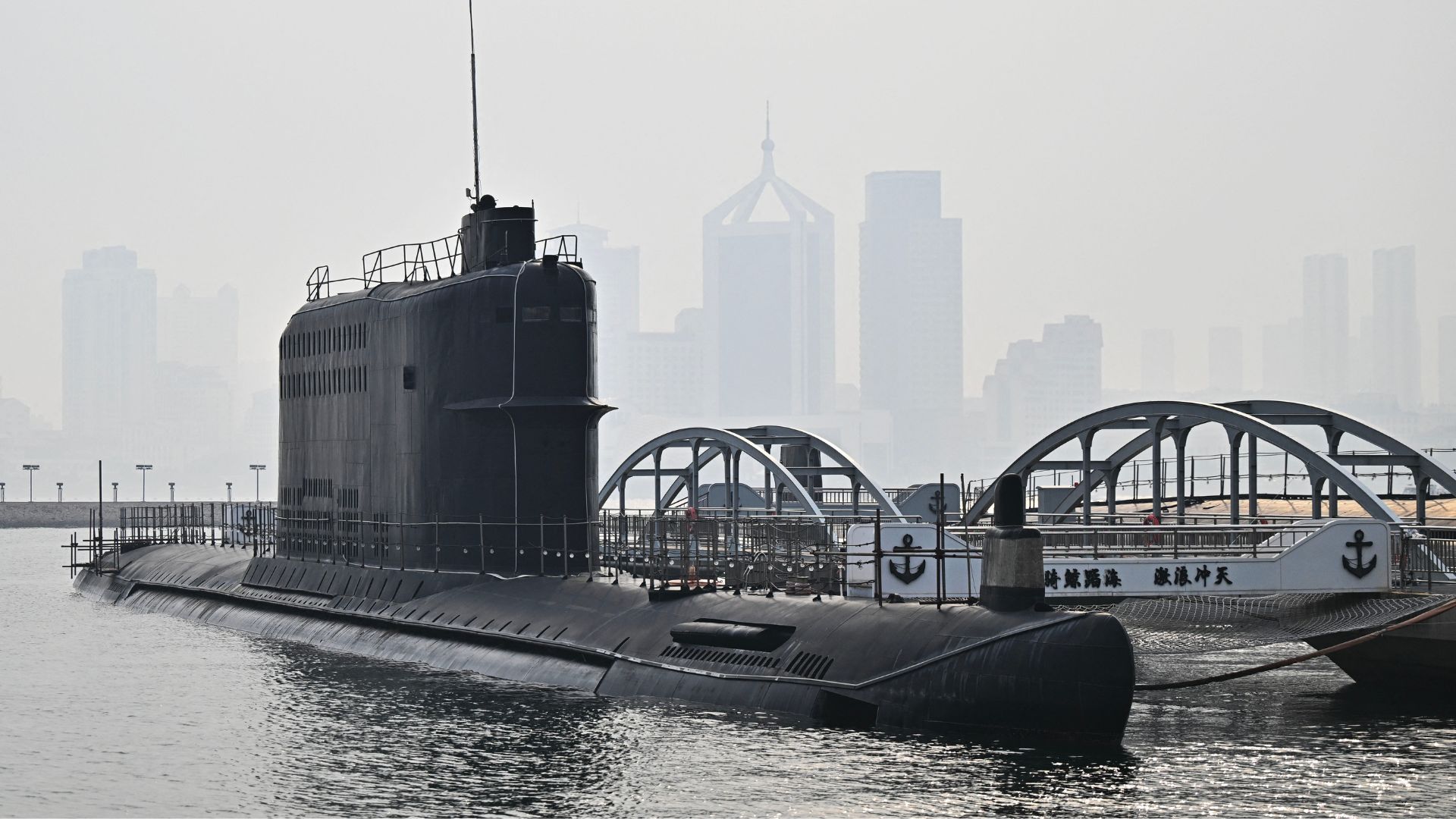
Japan to Develop Drone-Mounted Quantum Magnetic Sensors for Submarine Detection by 2031
Japan is set to develop compact quantum magnetic sensors for drones to enhance submarine detection capabilities. This initiative is part of Tokyo's fiscal 2027 defense budget request, with a target completion date of fiscal 2031, as reported by the Nikkei newspaper. The sensors aim to identify subtle magnetic changes associated with submerged vessels, complementing existing sonar technologies. By deploying these sensors on low-cost drones, Japan seeks to improve surveillance in strategic chokepoints where Chinese submarines are likely to navigate, thus enhancing maritime security without risking aircrew lives. While the magnetic sensors have limited detection ranges, defense expert Masashi Murano noted their efficiency could be maximized through widespread drone deployment. This strategy could reduce Japan's reliance on its P-1 maritime patrol aircraft, which incurs higher operational costs. No further timeline was disclosed at the time of publication.
Military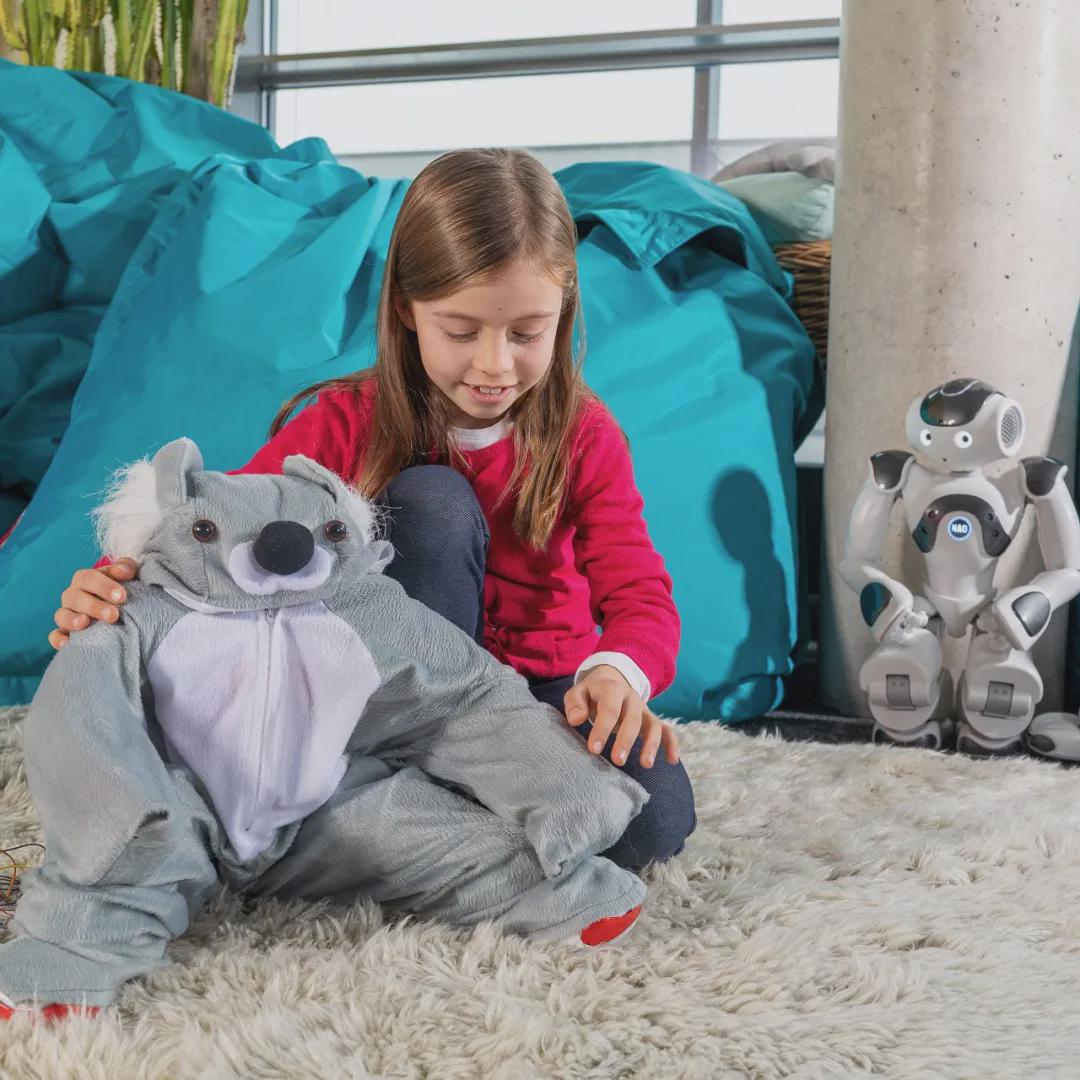
Affordable Touch Sensors Enhance Interaction in Social Robots with HERA Prototype
The HERA prototype, developed by the Max Planck Institute for Intelligent Systems in collaboration with the University of Tennessee and Fraunhofer IPA, integrates 16 custom flexible touch sensors into a modified koala pajama outfit for the NAO robot. This setup allows the robot to recognize five touch gestures and two pressure levels, enhancing its interactive capabilities. This advancement is significant as it addresses the limitations of existing social robots, which typically have few touch points and lack comprehensive tactile feedback. The HERA prototype's design prioritizes affordability and ease of manufacturing, making it a viable option for therapeutic applications, particularly for autism treatment, where durability and cost-effectiveness are crucial. Looking ahead, the research team has published their findings in the IEEE Transactions on Affective Computing, indicating a commitment to further development in this area. No further timeline was disclosed at the time of publication.
Touch Sensors Social Robotics Human-Robot Interaction AI Emotional Computing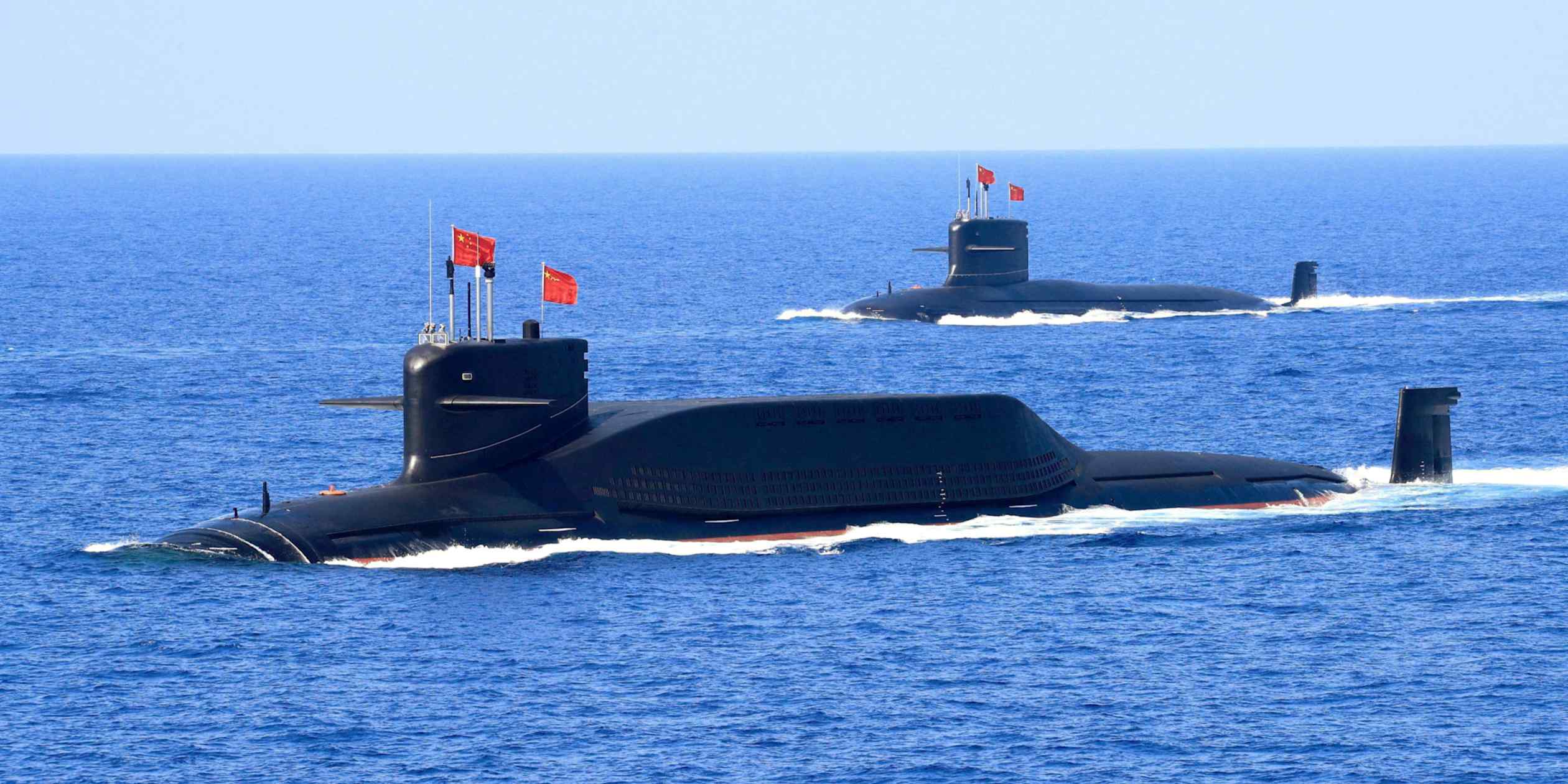
Japan Plans Development of Drone-Based Quantum Sensors for Submarine Detection
Japan's Defense Ministry has announced plans to develop advanced quantum magnetic sensors for drones aimed at detecting submarines. This initiative is part of the fiscal 2027 budget request, reflecting Japan's response to China's increasing naval activities in nearby waters. The development of these drone-based sensors is significant as it enhances Japan's defense capabilities amid growing concerns over regional security, particularly with China's expanding submarine fleet. The move underscores Japan's commitment to bolstering its military technology and ensuring maritime security. Looking ahead, the focus will be on the successful implementation and potential mass production of these quantum sensors. No further timeline was disclosed at the time of publication.
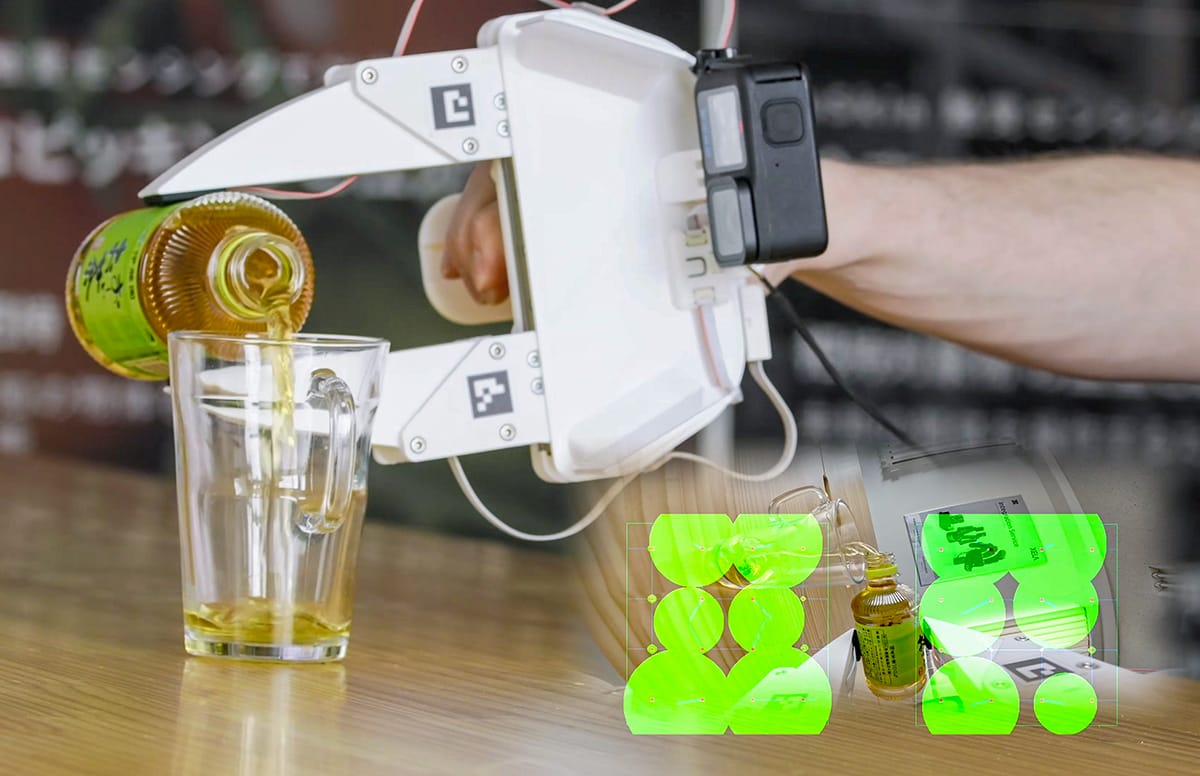
Pressure Sensors Enhance Robotic Gripping Accuracy and Interaction Control
The integration of pressure sensors into robotic grippers, such as the UMI gripper from XELA Robotics, significantly improves gripping accuracy. Unlike traditional methods that rely solely on motor current and position, pressure sensors provide critical real-time data on contact interactions, enabling better control during gripping tasks. This advancement is particularly crucial in industrial applications like bin picking and mixed-part handling, where the nature of contact can vary widely. By measuring distributed mechanical stress at the contact interface, pressure sensors allow for a nuanced understanding of how different materials respond to gripping forces, thus enhancing the reliability of robotic operations. Looking ahead, the continued development of pressure sensing technology in robotic systems will likely lead to more sophisticated interaction controls. No further timeline was disclosed at the time of publication.
End Effectors / Grippers Grippers Human Robot Interaction / Haptics News Sensors / Sensing Systems
Innovative Smart Waste System Integrates RPA and IoT Sensors for Efficient Collection
A proof-of-concept smart waste system has been developed that utilizes RPA-derived contextual data in conjunction with physical sensors. This integration aims to enhance the prediction of bin overflow and improve collection planning. The significance of this development lies in its potential to optimize waste management processes. By accurately predicting when bins will overflow, municipalities and waste management companies can plan collections more effectively, reducing costs and improving service efficiency. Looking ahead, the focus will be on the implementation and testing of this smart waste system in real-world scenarios. No further timeline was disclosed at the time of publication.
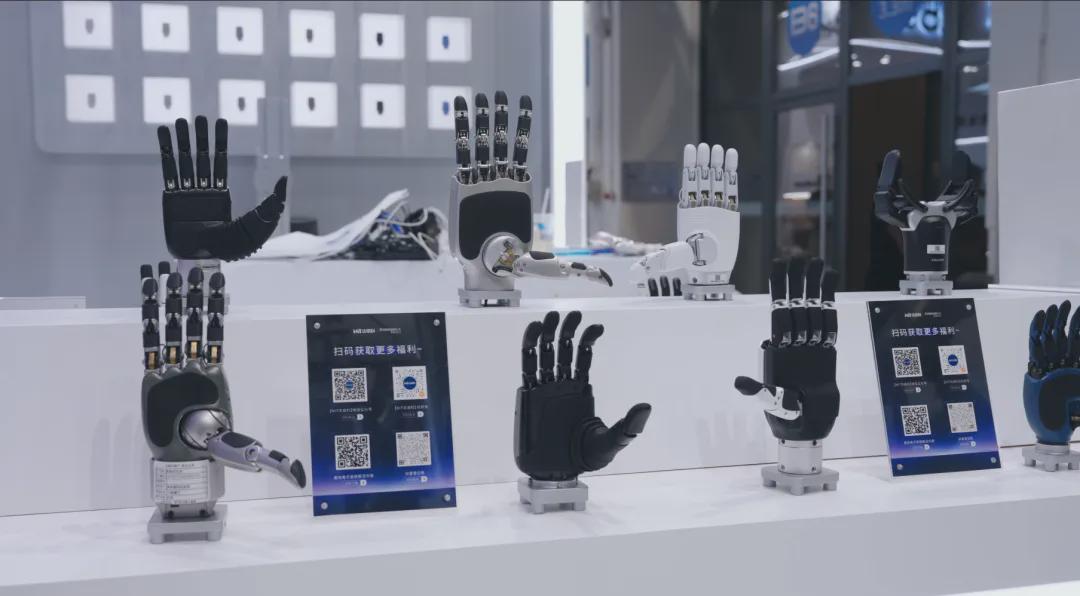
Huaweike Unveils Advanced Tactile Sensors at WRC 2026 to Enhance Robotics
On August 19, 2026, the World Robot Conference opened in Beijing, where Wuhan Huaweike Intelligent Technology Co., Ltd. launched its Wanxiang series of tactile sensors. The event highlighted the industry's growing maturity in algorithms and visual perception, while the lack of tactile data remains a significant barrier to practical applications in robotics. The advancements in embodied intelligence over the past two years have been notable, with humanoid robots achieving over 20 degrees of freedom and costs reduced to under 100,000 yuan. However, challenges persist in fine manipulation tasks, particularly in the 'grasping' action, where robots often fail due to insufficient tactile feedback. Traditional sensors typically have an accuracy of 5% FS, which is inadequate for delicate operations. The Wanxiang series boasts an impressive accuracy of 1% FS and a minimum trigger force of 0.01N, setting a new standard for tactile data quality. This enhancement allows for the detection of minute weight changes, significantly improving the granularity of data collected. Huaweike's data collection gloves and simulation tools aim to address the efficiency of large-scale tactile data acquisition, reducing costs by 90% and increasing efficiency tenfold, which is crucial for training advanced robotic models.
Tactile Sensors Data Collection Robotics AI Industrial Automation
Near 100 Million RMB Angel Round: Company Aims to Standardize Affordable Six-Dimensional Force Sensors
Recently, Singularity Intelligent Control (Shanghai) Co., Ltd. secured nearly 100 million RMB in angel round financing, led by Yinfeng Capital, with participation from Zhangjiang Ke Investment, Pudong Venture Capital, Fourier, and two listed companies. The company is innovating six-dimensional force sensors using an optical approach, reducing the price from tens of thousands to thousands of RMB. This funding round is notable for its diverse investor structure, including market-oriented VCs, state-owned enterprises, equipment manufacturers, and listed companies. This combination signals a market shift, positioning six-dimensional force sensors, previously categorized as 'precision instruments,' as standard components for embodied intelligence applications. Looking ahead, Singularity Intelligent Control aims to leverage this funding for market promotion and product iteration, establishing a foundation for mass production. The optical sensors could significantly reduce costs for humanoid robots, potentially changing the decision-making process for manufacturers regarding the integration of force sensing technology into their designs. No further timeline was disclosed at the time of publication.
Six-Dimensional Force Sensors Optical Sensors Robotics AI Hardware Cost Reduction
Tesla Optimus Relies on Cameras and Tactile Sensors, Not LiDAR, in 2026
Tesla's humanoid robot, Optimus, utilizes a vision system comprising eight Autopilot-grade cameras, rejecting LiDAR technology entirely. This approach aligns with Tesla's established philosophy of prioritizing AI over sensor diversity, aiming for a cost-effective solution for a $20,000 robot. The absence of LiDAR is justified by Tesla's focus on architecture reuse and the belief that the challenge lies in AI capabilities rather than sensor limitations. The decision to forgo LiDAR is significant as it reflects Tesla's commitment to a camera-only strategy, which has been consistent since the removal of radar from its vehicles in 2021. Tesla's Autopilot director, Ashok Elluswamy, emphasized the advantages of this approach in a recent demonstration, reinforcing the company's stance on the effectiveness of their vision system. Looking ahead, the industry remains divided on the use of LiDAR, with competitors like Rivian advocating for its inclusion due to perceived limitations of camera systems in low visibility conditions. However, for applications in controlled environments, such as homes or factories, the tactile sensing capabilities of Optimus may prove more beneficial than long-range sensing, highlighting the evolving landscape of robotic perception technologies.

Innovative Coffee-Filled Robot Gripper Handles Fragile Objects Without Complex Sensors
A novel robotic gripper, made from a latex balloon filled with coffee grounds, showcases a cost-effective method for handling various object shapes without the need for cameras or complex sensors. This device operates by pressing the soft bag onto an object and utilizing a vacuum to create a firm grip, demonstrating its ability to securely grasp fragile and irregular items. The significance of this development lies in its potential to address one of the most challenging issues in robotics: reliably grasping diverse objects without sophisticated hardware. Researchers from Cornell University, the University of Chicago, and iRobot first introduced this concept in 2010, and it continues to gain attention for its versatility and low-cost solution for robotic manipulation. Looking ahead, the coffee-filled gripper's ability to lift significantly heavier objects than itself while ensuring minimal damage to fragile items presents exciting possibilities for future applications. Although challenges remain with very smooth or flat objects, the gripper's performance across a wide range of shapes positions it as a promising alternative to traditional robotic designs.
AI and Robotics
Shenzhen Robot Valley Reduces Tactile Sensor Prices from 100,000 Yuan to 199 Yuan
Shenzhen Robot Valley has significantly lowered the price of tactile sensors from 100,000 yuan to just 199 yuan. This drastic reduction in cost is expected to enhance the accessibility of advanced robotic technologies, making them more feasible for various applications in robotics and automation. The price drop is crucial as it could lead to increased adoption of tactile sensors in the robotics industry, allowing more companies to integrate these technologies into their products. This move aligns with the ongoing trend of making sophisticated technologies more affordable and accessible to a broader range of businesses. Looking ahead, industry stakeholders will be keen to observe how this price reduction impacts the market dynamics and the potential for increased innovation in tactile sensor applications. No further timeline was disclosed at the time of publication.
Robotics Automation AI
Camsense Technologies Pursues Hong Kong IPO to Raise $87 Million Despite US Ban
Camsense Technologies is set to raise approximately US$87 million through a Hong Kong IPO, with support from car manufacturer BYD. The company plans to offer 11.58 million shares at HK$58.85 each, with trading expected to commence on September 30. Despite facing a ban from the US, Camsense co-founder Zhou Kun stated that the impact on their operations has been minimal. Existing client product exports and procurement remain normal, and disruptions are limited to new product development schedules. The firm has ensured that research and development progress, as well as order intake, are unaffected. Investors should monitor Camsense's performance post-IPO and its ability to navigate the challenges posed by the US ban. The company's ongoing communication with clients and stable operational status will be crucial in determining its future growth trajectory. No further timeline was disclosed at the time of publication.

Delft University Develops Whisker-Based Sensors for Drones to Navigate in Darkness
Researchers at Delft University of Technology have created a lightweight tactile sensor inspired by animal whiskers, enabling tiny autonomous drones to navigate in low-visibility environments. This innovation allows drones to explore areas filled with darkness, dust, or smoke without relying on heavy sensors. The ability for drones to navigate through challenging environments is significant for various applications, including search and rescue operations, environmental monitoring, and industrial inspections. By mimicking the sensory capabilities of rats and mice, these drones can effectively maneuver in tight spaces and complex terrains. Future developments in this technology could enhance the operational capabilities of drones in various sectors. As research progresses, it will be important to monitor advancements in sensor technology and potential applications in real-world scenarios. No further timeline was disclosed at the time of publication.
Robotics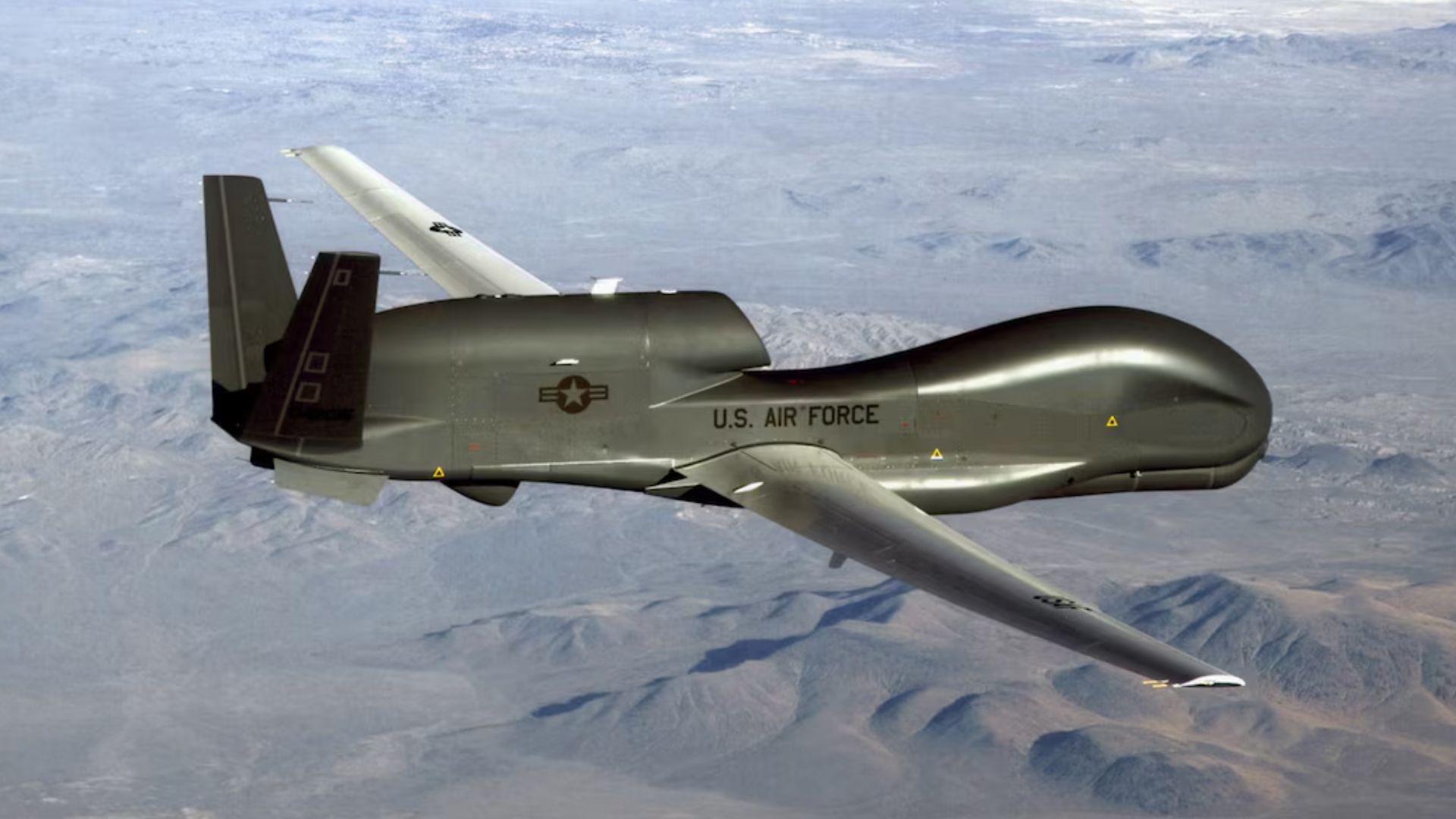
AEVEX Corp. Secures $92M Contract for Hypersonic Flight Test Support with Drones
AEVEX Corp. has secured a potential contract worth $92.2 million to support the U.S. military's SkyRange hypersonic test program over three years. This contract will enable AEVEX to conduct flight operations across designated corridors in the Western U.S. and the Pacific, focusing on airborne telemetry, communications, and payload integration. The significance of this contract lies in its innovative approach to hypersonic testing. By utilizing unmanned aircraft, such as converted RQ-4 Global Hawks, as airborne test platforms, the SkyRange program enhances data collection capabilities during flight tests. This flexibility is crucial, as hypersonic vehicles can traverse vast distances rapidly, making traditional fixed tracking stations less effective. Looking ahead, AEVEX's role will encompass the integration of airborne range equipment with the SkyRange architecture and support for resilient communications systems. No further timeline was disclosed at the time of publication.
Military
Nanoscience Instruments Partners with BioNavis to Enhance MP-SPR Technology Solutions
Nanoscience Instruments has announced a new partnership with BioNavis, a Finnish leader in Multi-Parametric Surface Plasmon Resonance (MP-SPR) technology. This collaboration aims to leverage BioNavis's innovative technology to provide enhanced scientific instrumentation solutions across North America. The partnership is significant as it combines Nanoscience Instruments' extensive experience in scientific instrumentation with BioNavis's cutting-edge MP-SPR technology. This integration is expected to improve the capabilities of real-time binding kinetics analysis, which is crucial for various applications in biosensing and molecular interactions. Looking ahead, the collaboration is poised to advance the development of next-generation optical biosensors. No further timeline was disclosed at the time of publication.

SPH Engineering Partners with Measur to Enhance Drone Sensor Accessibility in Canada
SPH Engineering has expanded its partnership with Measur, appointing the Canadian geospatial technology provider as its Master Distributor for specialized drone sensor solutions. This collaboration aims to improve access to advanced drone technologies for Canadian industries such as mining, oil and gas, and environmental monitoring. The partnership is significant as it addresses the challenges of integrating sophisticated sensors into industrial operations, providing local expertise alongside the equipment. Measur will assist customers in selecting sensor configurations, conducting demonstrations, and offering training and technical support, which is crucial for industries where drones are replacing workers in hazardous environments. As industrial drone adoption continues to grow, Canada’s unique geography and extensive resource operations make it an ideal market for these technologies. The partnership will enhance the local support network, enabling industries to leverage drones for tasks traditionally requiring costly ground crews or manned aircraft. No further timeline was disclosed at the time of publication.
News
TU Delft Develops Drone Using Touch Sensors for Perching on Branches
Researchers at TU Delft have created an innovative drone that utilizes tactile sensors to perch on branches, moving beyond traditional camera reliance. This technology allows the drone to detect and adjust its position as it approaches a branch, enabling it to grip securely and conserve battery power by shutting down its motors once perched. The significance of this development lies in its potential to enhance drone operations in complex environments like forests, where conventional vision-based systems often struggle. By employing touch sensing, the drone can locate and grip branches effectively, which could lead to longer operational periods in cluttered settings. Looking ahead, the drone's control architecture, which includes a series of dynamic states for flight and perching, will be crucial for its adaptability. No further timeline was disclosed at the time of publication.
AI and Robotics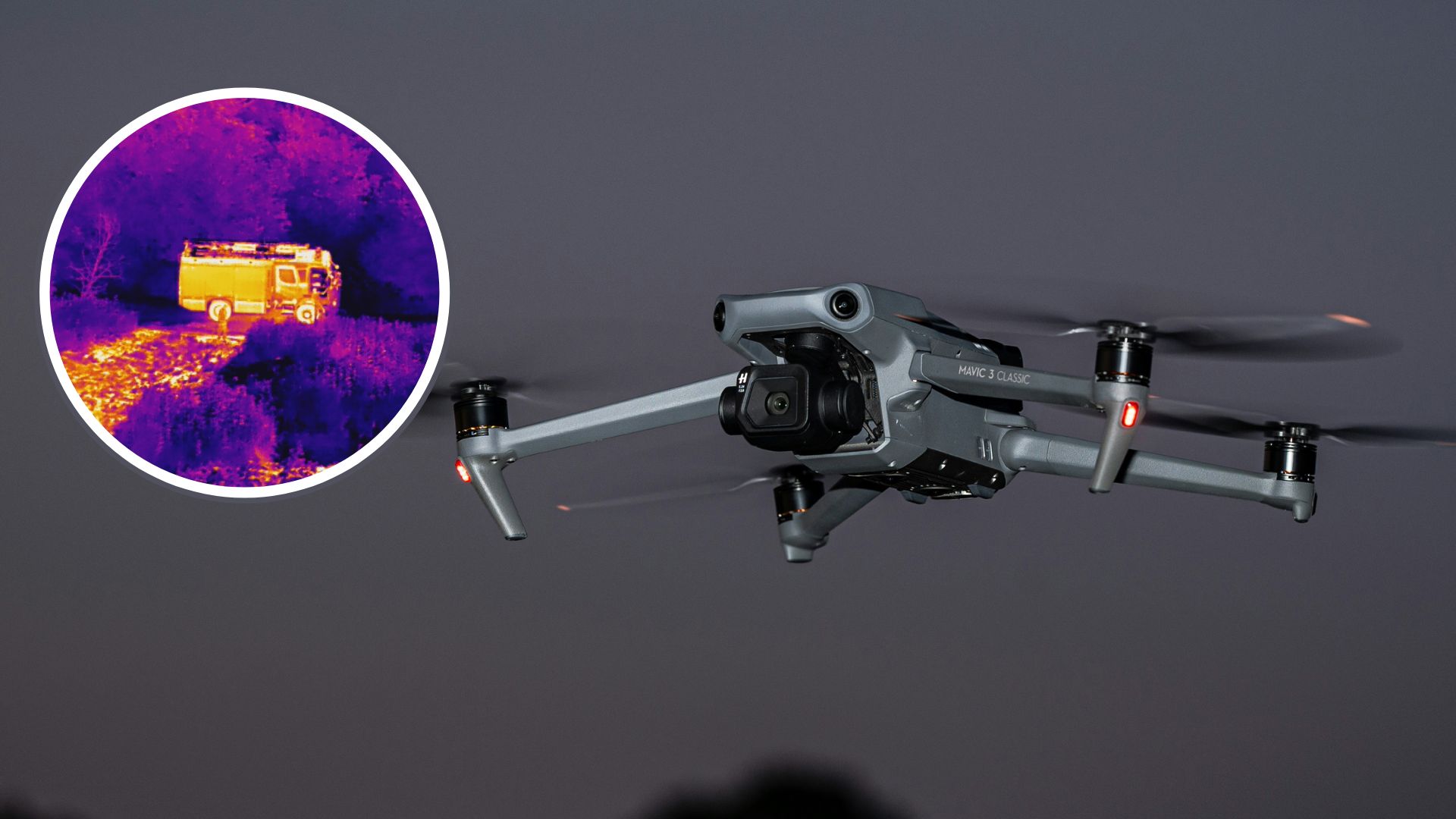
Teledyne FLIR OEM to Enhance U.S. Army's Thermal Imaging Technology for Drones
Teledyne FLIR OEM has partnered with the U.S. Army to advance thermal imaging technology under the DUTCH initiative. This program aims to develop smaller, more affordable uncooled infrared sensors for military applications, enhancing the performance of drones and other autonomous systems. The initiative is significant as it seeks to improve sensor capabilities without increasing size or power requirements, addressing the Army's need for more efficient military equipment. By focusing on size, weight, power, and cost (SWaP-C), the project aims to reduce payload burdens on uncrewed aircraft while extending operational time. Teledyne FLIR OEM plans to leverage its expertise in thermal imaging and system integration to support the Army's modernization efforts. The company is investing in small-pixel thermal sensor designs, which will allow for compact imaging systems that maintain thermal detail. No further timeline was disclosed at the time of publication.
Military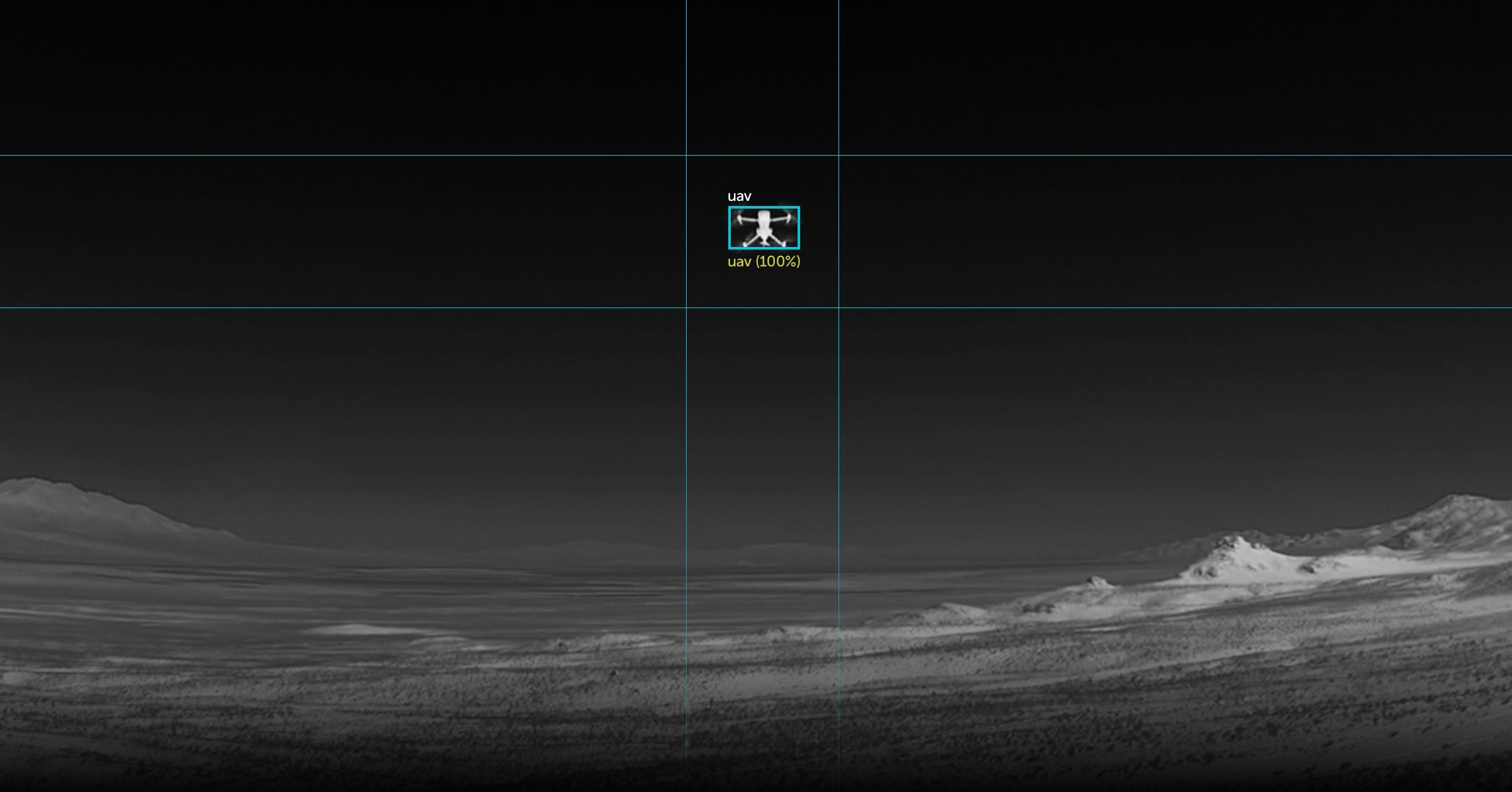
Teledyne FLIR OEM Selected for U.S. Army's Next-Gen Thermal Imaging Initiative
Teledyne FLIR OEM has been chosen to support the U.S. Army's Delivering Unmatched Thermal Capability Hastened (DUTCH) initiative, which aims to enhance uncooled thermal imaging technology. This program, led by the Office of the Assistant Secretary of War for Critical Technologies and the U.S. Army Combat Capabilities Development Command (DEVCOM) C5ISR Center, focuses on improving thermal sensor performance while minimizing size, weight, power, and cost (SWaP-C). The DUTCH initiative is significant as it seeks to bolster U.S. thermal sensor capabilities, particularly for applications in uncrewed aerial systems, loitering munitions, and thermal binoculars. Teledyne FLIR OEM will leverage its expertise in uncooled thermal imaging technologies to support the development and demonstration of these systems, which are crucial for future defense programs requiring large quantities of thermal sensors. Looking ahead, the initiative underscores a commitment to secure U.S. manufacturing and supply chains for defense technologies. No further timeline was disclosed at the time of publication, but the focus on domestic production aligns with Department of War priorities for secure microelectronics supply chains and mission-critical technology manufacturing.
Applications defense Defense Drone News Drone News Feeds News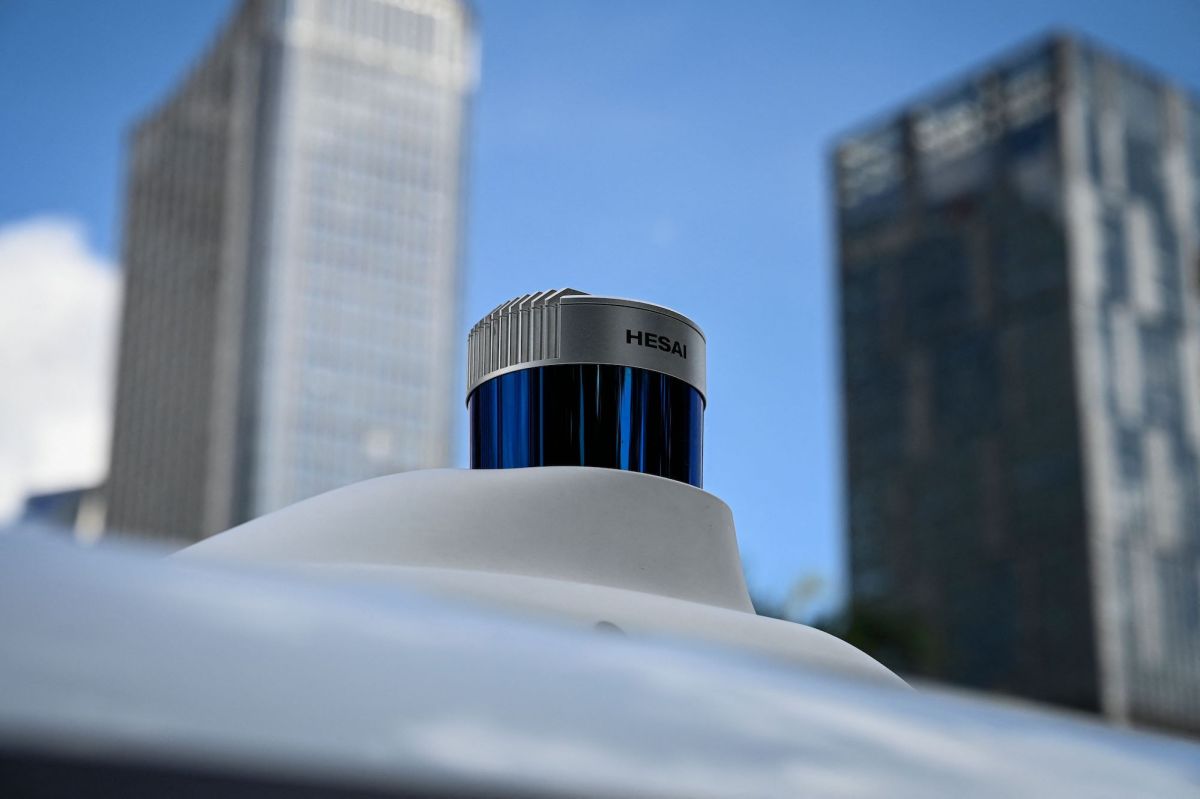
Idaho National Laboratory Investigates Security Risks of Chinese Lidar Sensors
The Idaho National Laboratory is examining potential security risks associated with Chinese lidar sensors that may be used in U.S. vehicles. This investigation is reportedly funded by companies in the electric and autonomous vehicle sectors, although specific contributors remain undisclosed. The review comes amid increasing legislative pressure to restrict the use of Chinese lidar technology due to concerns over espionage and national security. The significance of this investigation lies in the growing apprehension among U.S. lawmakers regarding the implications of Chinese lidar technology on American infrastructure and security. Senator Tammy Baldwin has expressed concerns about the potential for military or industrial espionage, emphasizing the need for protective measures against technologies that could compromise national interests. The scrutiny of Chinese lidar is part of a broader legislative effort to safeguard American communities. Looking ahead, the outcome of the Idaho National Laboratory's review could influence future regulations on lidar technology in the U.S. The investigation is occurring as lawmakers are drafting bills aimed at banning Chinese lidar sensors, reflecting a heightened focus on supply chain risks and the strategic importance of lidar technology as identified by industry experts. No further timeline was disclosed at the time of publication.
Government & Policy Transportation autonomous vehicles avs Exclusive Ford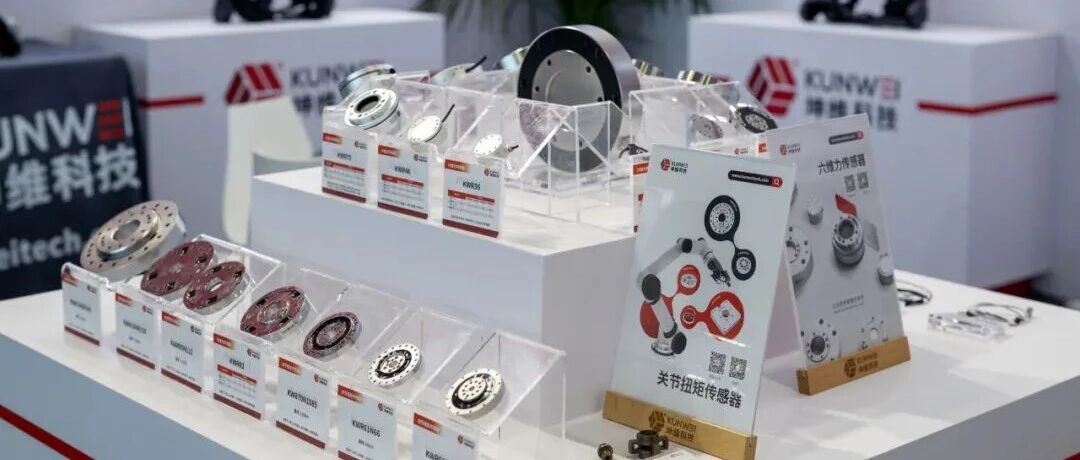
Kuwai Technology Showcases Six-Dimensional Force Sensors at 2026 World Robot Conference
Kuwai Technology made a significant appearance at the 2026 World Robot Conference (WRC) held in Beijing, showcasing its advancements in six-dimensional force sensors, joint torque sensors, and outdoor exoskeleton technology. This event, featuring over 300 global robotics companies, highlighted the importance of force control technology in humanoid robots, which is crucial for achieving stable interactions and precise operations. The rapid growth of the humanoid robot market has positioned China as a key player in the global six-dimensional force sensor market, with Kuwai Technology projected to capture over 40% of the overall market share by 2025. Their proprietary technology, developed over nearly two decades, allows for high precision and responsiveness, essential for the evolving demands of robotics in complex environments. Looking ahead, Kuwai Technology aims to extend its core technologies into joint torque sensors and explore applications in human-machine collaboration through its HiiBex outdoor exoskeleton. This strategic move signifies a shift from solely focusing on robotic components to providing comprehensive force control solutions across various sectors, enhancing the company's growth trajectory in both industrial and consumer markets.

Zhejiang Company Signs Agreement for 300,000 Robot Tactile Sensors Over Six Months
Zhejiang-based company Fulaixin Materials has entered into a strategic partnership with Zhongke Silicon Technology to procure 200,000 high-performance flexible tactile sensors. This order corresponds to the production of 40,000 industry-grade robotic hands, marking a significant step in the development of robotic tactile sensing technology. The collaboration is not merely a buyer-supplier relationship; it involves joint research and development, structural adaptation, and algorithm coordination. This partnership signifies a shift in the robotics industry, as tactile sensors are now being integrated into the production process rather than remaining as experimental prototypes. With an additional order of 100,000 units secured earlier this year, Fulaixin's total confirmed orders for robotic electronic skin have reached 300,000 units by 2026. This milestone highlights the growing importance of tactile feedback in robotics, particularly in applications requiring precise manipulation and interaction with objects.
Tactile Sensors Robotics Industrial Automation Sensor Technology
Iranian Drones Allegedly Assisted in Targeting Downed F-15E Strike Eagle
A recent report indicates that Iranian drones played a crucial role in targeting the U.S. Air Force F-15E Strike Eagle, which was shot down in April. An unnamed senior U.S. military official revealed that these drones provided vital information, including the jet's GPS location, speed, and direction, to Iranian commanders. This incident highlights the evolving tactics in modern warfare, particularly the use of drone technology inspired by Ukraine's strategies against Russia. The loss of the F-15E not only underscores the vulnerabilities of advanced military aircraft but also the potential effectiveness of drone-based surveillance and targeting systems. Looking ahead, the implications of this event could influence military strategies and drone technology development. The ongoing analysis of the incident may reveal further insights into the capabilities of Iranian drone operations and their impact on air combat dynamics. No further timeline was disclosed at the time of publication.
Air Air Forces Around The Globe F-15 Fighters Iran
University of Queensland Develops Non-Invasive Sensors for Wearable Robotic Limbs
Researchers at the University of Queensland have developed new non-invasive sensors that measure muscle forces. This innovation unlocks new possibilities for wearable robotic mobility devices, enhancing their functionality and user experience. The development of these sensors is significant as it paves the way for improved integration of robotics with human movement. By accurately measuring muscle forces, these sensors can enable more responsive and adaptive robotic limbs, potentially transforming mobility solutions for individuals with disabilities. Looking ahead, the impact of these sensors on the design and functionality of wearable robotic devices will be crucial. No further timeline was disclosed at the time of publication.
Chinese Sensor Company Longjiang Sensors Advances in High-End Applications from Logistics to Aerospace
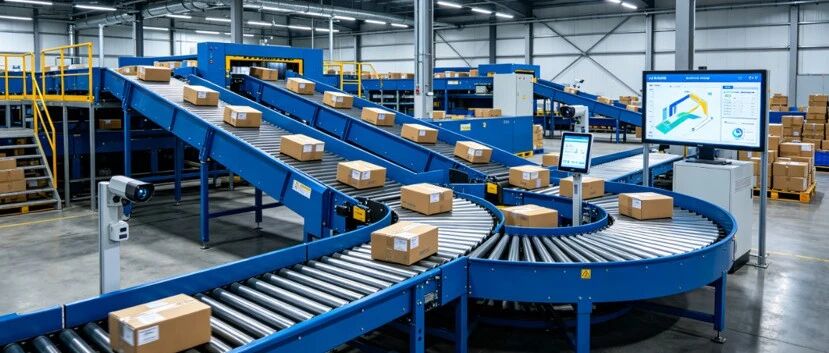
Longjiang Sensors is making significant strides in the industrial sensor market, particularly in logistics and aerospace applications. With the rapid growth of smart logistics in China, the demand for high-quality sensors has surged, leading to a projected market size of 1.4 billion yuan by 2025. Longjiang Sensors has positioned itself as a leader in this space, achieving performance metrics that rival international brands. The importance of sensors in automation systems cannot be overstated, as they directly affect operational efficiency and accuracy. Longjiang Sensors' CPY-DB series has demonstrated superior capabilities, including a detection distance of 500mm and the ability to identify objects as small as 2mm. These advancements place Longjiang Sensors in the top tier of domestic manufacturers, capable of competing with established international brands like SICK. Looking ahead, Longjiang Sensors has already established partnerships with major logistics companies and airports, showcasing its products in various high-demand scenarios. The company aims to continue expanding its market presence and technological capabilities, contributing to the ongoing trend of domestic substitution in the sensor industry. No further timeline was disclosed at the time of publication.
Contactile Introduces Friction-Based Tactile Sensors for Enhanced Robot World Models
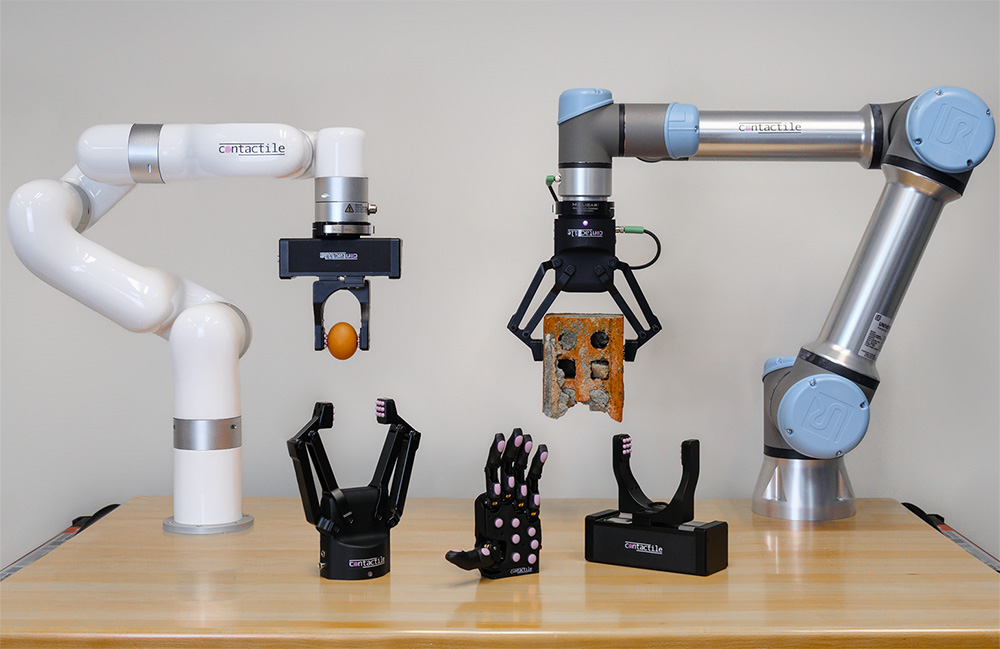
Contactile has developed tactile sensors for robotic hands and grippers that enhance world models in robotics. These sensors address the limitations of current conditioning methods, which primarily rely on visual inputs and joint encoders, by incorporating friction as a critical input. This advancement is essential for improving robots' ability to generalize across various surfaces and objects. The significance of this development lies in its potential to transform robot learning. By making friction a first-class input, robots can better predict the outcomes of their actions and adapt to novel tasks without extensive memorization. This shift could lead to more capable robotic systems that can operate effectively in contact-rich environments, where traditional conditioning methods fall short. Looking ahead, the integration of Contactile's tactile sensors into robotic systems could revolutionize how robots interact with their environments. As the field of robot learning continues to evolve, the emphasis on accurate conditioning will be crucial for deploying effective world models. No further timeline was disclosed at the time of publication.
Artificial Intelligence Artificial Intelligence / Cognition Assembly Design / Development End Effectors / Grippers Grippers
New Soft Mechanical Force Sensor Enables Instant Touch Detection in Robotics
Researchers from the National University of Singapore have developed a soft mechanical force sensor, named ME-SOFS, which allows robots to detect touch and respond instantly without electronics. This innovation transforms applied force into fluid flow, activating soft robotic actuators and creating a fully mechanical sensing-to-action process. The ME-SOFS sensor, made entirely from flexible materials, eliminates the need for traditional electronic sensors, reducing complexity and potential failure points. Its design is particularly beneficial for soft robots operating in extreme environments, such as underwater or inside the human body, where electronic systems may fail. Future applications of the ME-SOFS sensor include integration into soft robotic systems, such as a glove that measures grasping forces and a haptic pad for touch feedback. This technology could significantly enhance prosthetics and human-machine interfaces. No further timeline was disclosed at the time of publication.
AI and Robotics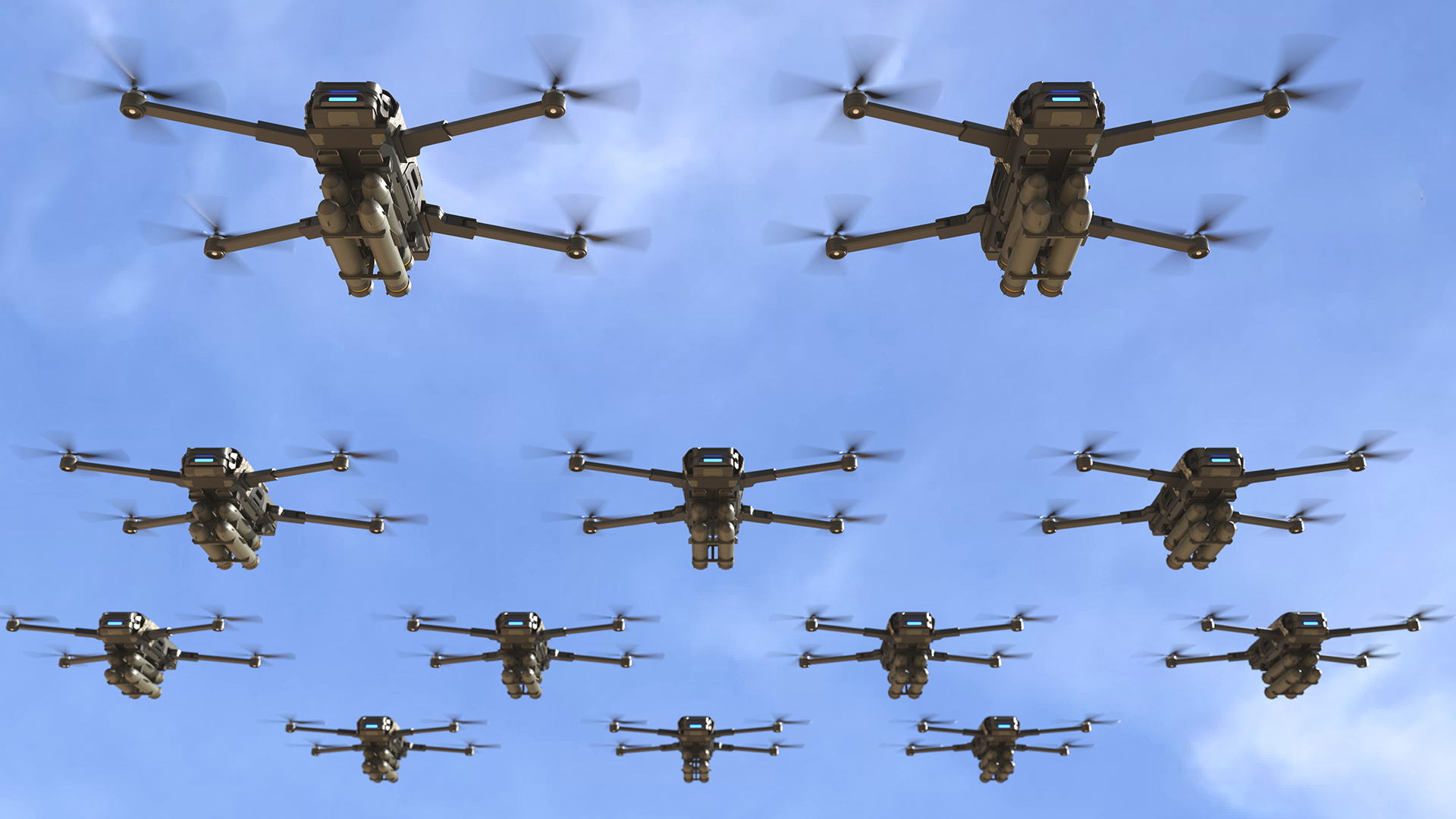
Laser dazzler blinds drone sensors in breakthrough counter-UAS technology trials
NUBURU, a U.S. defense technology company, has announced promising preliminary findings from its recent tests of a laser dazzler system. Conducted in October 2023, these tests aim to evaluate the effectiveness of the laser dazzler in countering potential threats. The system is designed to temporarily blind or disorient adversaries, enhancing the safety of military personnel and operations. The encouraging results indicate that the technology could play a crucial role in modern defense strategies, addressing the increasing need for non-lethal deterrents in various combat scenarios. NUBURU's advancements in laser technology reflect a growing trend in the defense sector to develop innovative solutions for protecting forces while minimizing collateral damage.
Military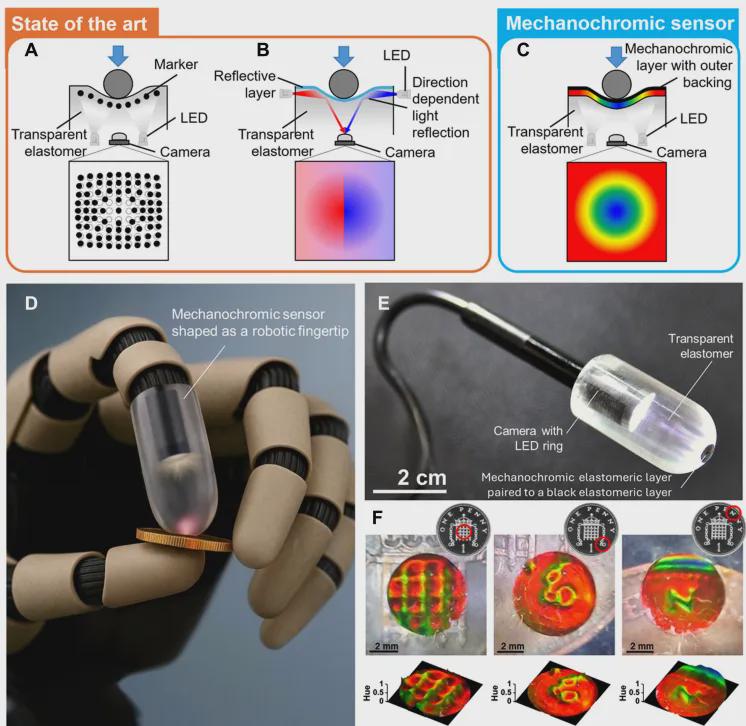
New Tactile Sensors Achieve High Resolution Without Deep Learning
Researchers from Queen Mary University of London and the University of Florence have unveiled a groundbreaking mechanochromic film measuring just 16 microns in thickness, designed to enhance tactile sensing capabilities in robots. This innovative sensor operates without the need for deep learning, directly translating mechanical strain into color changes. As a result, it generates real-time pressure maps with an impressive spatial resolution of around 100 microns. This advancement significantly boosts the dexterity of robotic systems, enabling them to interact more effectively with their environments. The development marks a notable step forward in robotics, potentially transforming how machines perceive and respond to tactile stimuli.
Tactile Sensors Robotics Mechanochromic Materials Pressure Mapping
Why Joint Torque Sensors Are Essential for Collaborative Robots
Joint torque sensors are essential components in the operation of collaborative robots, allowing them to execute intricate tasks safely and efficiently. Recent discussions emphasize the compact design and high reliability of these sensors, which contribute significantly to the overall performance of robots across diverse industries. The growing demand for advanced robotic solutions has driven interest in the wide-ranging applications of joint torque sensors, underscoring their pivotal role in enhancing automation and safety in various sectors. As industries increasingly adopt collaborative robots, the integration of these sensors is expected to further improve operational capabilities and safety standards.
Collaborative Robots Torque Sensors Force Control Technology Industrial Automation
Interview with Digid’s Nils Könne and Christian Kreil: Nanoscale sensors could help solve robotics’ tactile sensing challenge
The swift advancement of artificial intelligence and robotics is drawing significant attention to software and powerful processors, particularly large language models. However, experts emphasize that for robots to function effectively in real-world settings, they require a fundamental capability: advanced environmental sensing and understanding. This necessity is driving increased interest and investment in cutting-edge sensing technologies, as researchers and developers seek to enhance robots' interaction with their surroundings. The push for these innovations is becoming more pronounced as industries recognize the potential of robots to perform complex tasks in various environments, highlighting the importance of integrating sophisticated sensory systems into robotic designs.
Features Science Sensors Technology AI infrastructure automation news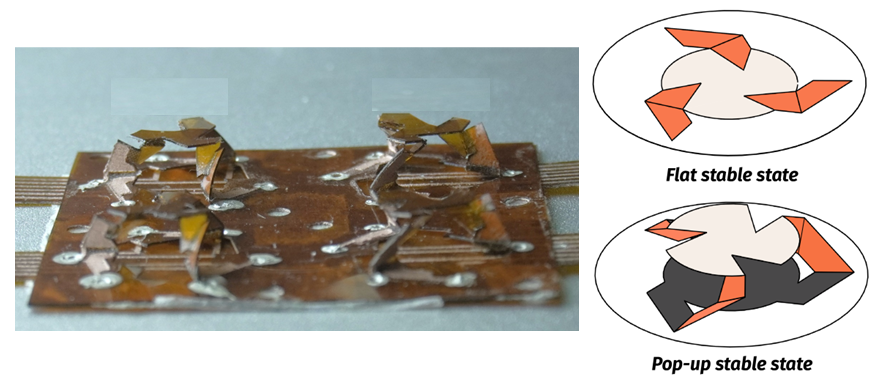
New Method for 3D Microstructure Fabrication Simplifies Mass Production of Multimodal Sensors
A research team at Wuhan University has developed an innovative method for creating complex three-dimensional structures by utilizing straightforward two-dimensional processing techniques. This breakthrough enables the efficient mass production of programmable and reconfigurable 3D sensors, addressing the challenges posed by conventional manufacturing processes. The study emphasizes the advantages of pop-up kirigami structures, which not only enhance the functionality of sensors but also streamline their production. This advancement could significantly impact the field of sensor technology, making it more accessible and versatile for various applications.
3D Microstructures Sensor Technology Manufacturing Innovation Pop-up Kirigami Flexible Electronics
Octopus-inspired robotic arm uses distributed tactile sensors for adaptive grip
Engineers have successfully created a robotic arm inspired by the sensory capabilities of the octopus. This innovative development aims to enhance robotic dexterity and adaptability in various applications, including medical procedures and complex manufacturing tasks. The project, which has been in the works for several years, showcases the potential of biomimicry in advancing technology. Researchers conducted extensive studies on the octopus's unique nervous system and flexible limbs to replicate its remarkable ability to manipulate objects with precision. The robotic arm is designed to mimic these characteristics, allowing for greater flexibility and sensitivity compared to traditional robotic systems. This breakthrough, unveiled at a technology conference earlier this month, represents a significant step forward in robotics, potentially transforming how machines interact with their environment and perform intricate tasks.

Miniature sensors for the safe operation of robotic grippers
Contrinex has introduced a new line of inductive and photoelectric miniature sensors designed specifically for robotic grippers used in Pick&Place applications and precision assembly. These sensors aim to enhance the safety and efficiency of robotic operations, ensuring reliable performance in various industrial settings. The development reflects a growing demand for advanced automation solutions that can improve productivity and operational safety in manufacturing processes.
Allgemein Greifer & Werkzeuge Robotik
Robotic arm inspired by octopus uses tactile sensors in suction cups for autonomous underwater grasping
A research team led by Barbara Mazzolai at the Istituto Italiano di Tecnologia (IIT) has unveiled an innovative octopus-inspired soft robotic arm. This development, which emerged from the Bioinspired Soft Robotics unit, showcases advanced technology that allows the robotic arm to autonomously grasp objects in challenging environments, including underwater. The arm's artificial suction cups are equipped with sensors that can detect contact and assess the intensity and direction of applied forces. This breakthrough, announced recently, highlights the potential of oceanic biology to inspire future robotics solutions, emphasizing the importance of nature as a model for technological advancements.
Robotics
Beyond Sensors: Qianjue's Vision for Tactile Intelligence in Robotics
Qianjue Robotics is making significant strides in the field of tactile intelligence, highlighting the critical role of touch in enhancing robotic interactions. During the International Conference on Robotics and Automation (ICRA) 2026, the company unveiled its comprehensive tactile intelligence technology. A standout feature of their presentation was the VTLA model, which empowers robots to autonomously execute intricate tasks, such as forming flexible paper boxes. This technology demonstrated impressive capabilities, particularly in dynamic environments, showcasing the potential for more effective and nuanced physical interactions in robotics.
Tactile Intelligence Robotics Automation VTLA Model Physical Interaction
Geke Semiconductor's 50MP Image Sensors Cross 100 Million Shipments Milestone
Geke Semiconductor has announced a significant milestone, having shipped over 100 million units of its 50-megapixel image sensor products. This achievement highlights the growing demand for high-resolution sensors, which now represent a substantial portion of the company's revenue from mobile camera integrated circuits (CIS). The surge in shipments reflects the increasing reliance on advanced imaging technology in mobile devices, driven by consumer preferences for higher quality photography. As the market for mobile imaging continues to evolve, Geke Semiconductor's innovative sensor solutions are positioned to play a crucial role in meeting the needs of manufacturers and consumers alike.
Technology
Innovative Breakthroughs in Robot Force Sensors by Xinghui Sensing
Xinghui Sensing, a new player in the six-dimensional force sensor market, is positioning itself to cater to the growing needs of humanoid robots by developing innovative, compact, and high-precision sensors. Co-founder Shen Xinxing emphasized the industry's increasing demand for advanced technology to enhance performance in robotic applications, addressing gaps that have yet to be filled. The company's efforts come at a time when the robotics sector is rapidly evolving, necessitating cutting-edge solutions to improve functionality and efficiency. By focusing on these unmet needs, Xinghui Sensing aims to establish itself as a key contributor to the future of robotics technology.
Force Sensors Humanoid Robots Robotics Technology Sensor Innovation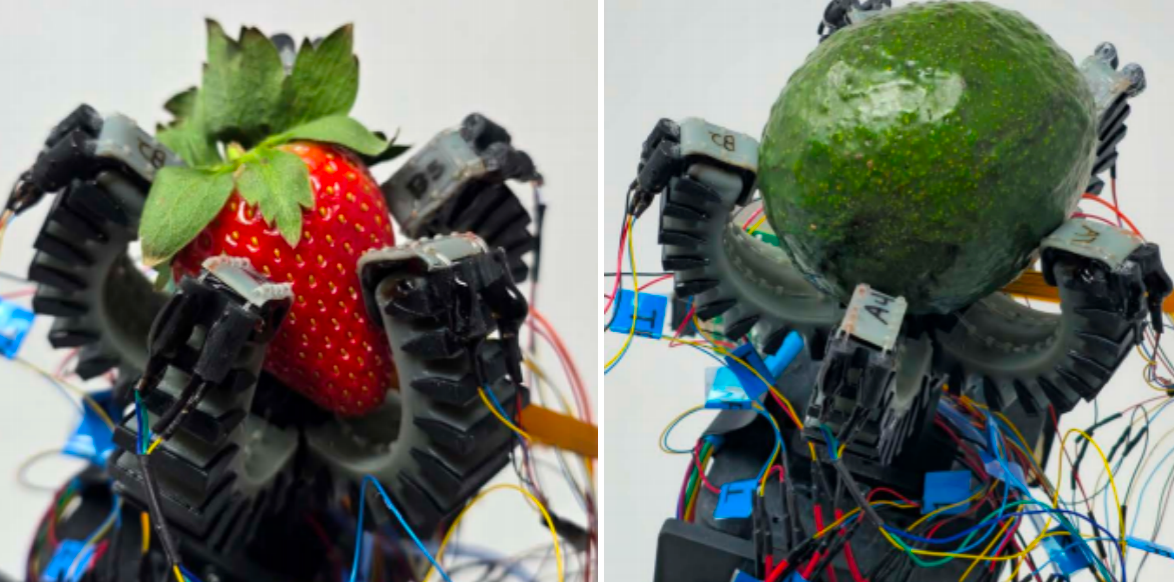
Cornell University Team Develops a Touch-Sensitive Strawberry-Picking Robot with 13 Sensors, Featured in Nature Communications
A team of researchers at Cornell University has developed a groundbreaking strawberry-picking robot designed to enhance agricultural efficiency. This innovative machine features a soft hand that integrates vision, touch, and bending perception, enabling it to accurately identify ripe strawberries. The robot's advanced technology allows it to pick the fruit delicately, minimizing the risk of damage. This development represents a significant advancement in the field of agricultural automation, addressing the growing need for efficient harvesting solutions in the face of labor shortages and increasing demand for fresh produce.
Agricultural Robotics Soft Robotics Automation Technology Sensor Technology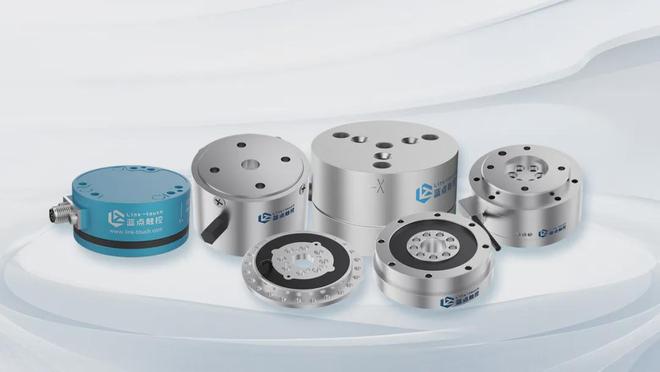
From Customers to Investors: Why CATL, Zhiyuan, and Galaxy General Invest Heavily in Blue Dot Touch Control's Six-Dimensional Force Sensors?
Blue Dot Touch Control has secured over 100 million RMB in a successful C+ round of financing, with significant backing from prominent investors including CATL and Zhiyuan Robotics. This substantial funding will be directed towards advancing product development and expanding market reach, thereby strengthening the company's foothold in the competitive six-dimensional force sensor market for humanoid robots. The investment reflects growing confidence in Blue Dot's innovative technology and its potential to lead in this emerging sector.
Force Sensors Humanoid Robots Investment Technology Development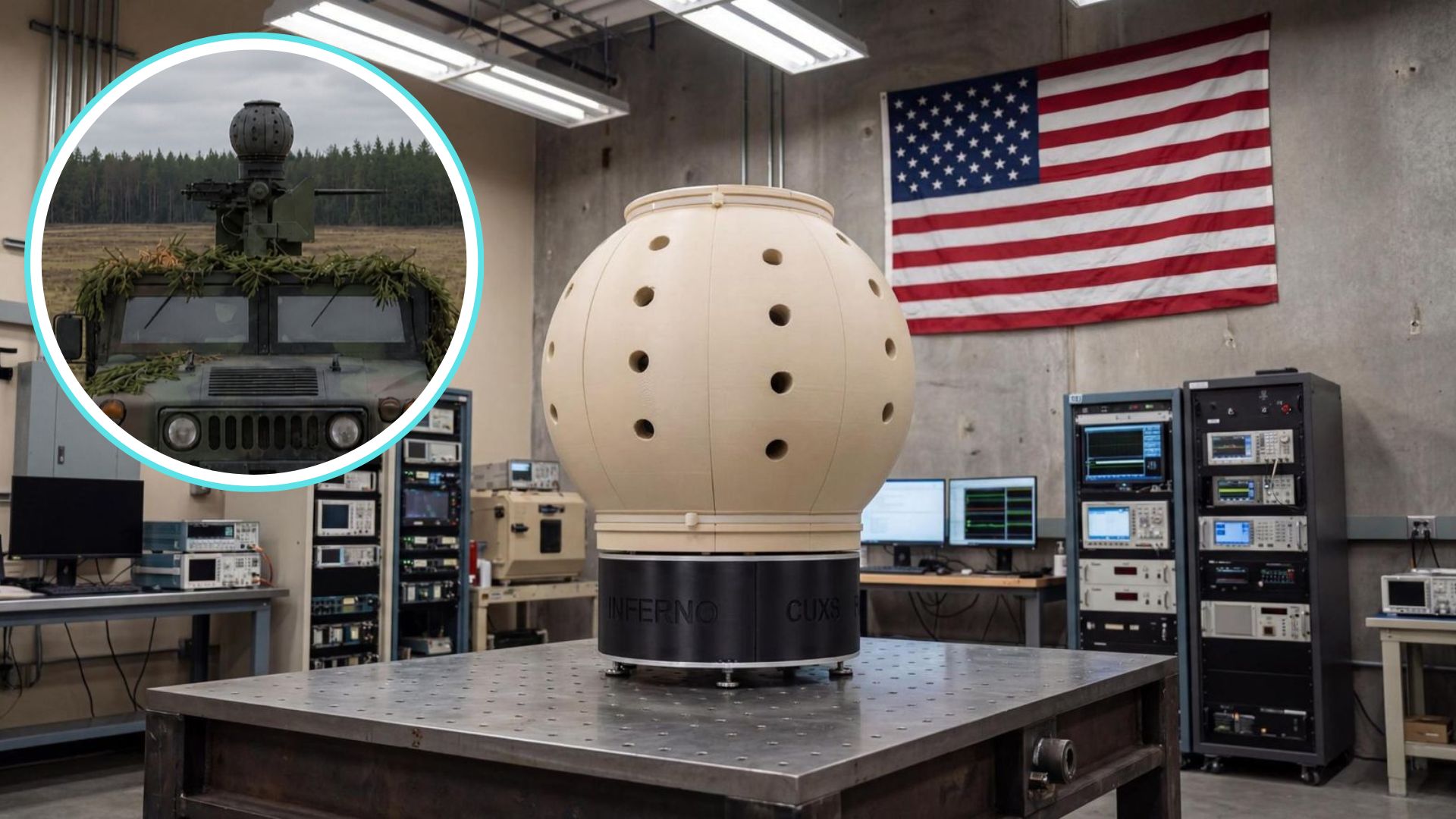
New US turret fires 54 barrels in 360 degrees at drone swarms using acoustic sensors
A US startup is at the forefront of innovation in drone warfare, focusing on the development of advanced swarm attack strategies and jam-resistant aircraft. This initiative comes as military tactics evolve to incorporate faster and more efficient unmanned aerial vehicles. The startup aims to enhance operational capabilities for defense forces by leveraging cutting-edge technology to counteract electronic warfare and improve the effectiveness of drone missions. With the increasing reliance on drone technology in modern conflicts, the company is positioning itself to meet the growing demand for sophisticated aerial combat solutions. The advancements are expected to play a crucial role in future military engagements, ensuring that armed forces can maintain a strategic advantage in the face of evolving threats.

BANNER ENGINEERING - Available now at Mouser: vibration monitoring sensors
Banner Engineering has introduced its Q45x sensors, designed to enhance predictive maintenance for industrial equipment by providing high-resolution, three-axis vibration data. These innovative sensors, which are battery-powered and capable of operating for several years without the need for wiring, facilitate easy installation and scalability across various assets. The Q45x sensors utilize integrated high-frequency enveloping (HFE) technology to detect early-stage faults, such as bearing wear and lubrication issues, thereby improving diagnostic accuracy even in noisy environments. With IP67-rated enclosures and wireless connectivity through Sure Cross networks, these sensors ensure reliable condition monitoring in challenging industrial settings while minimizing downtime and simplifying maintenance processes.
Hydrogen-fueled drone submarine with 17 sensors could scan Hormuz for naval mines
A European defense technology company has announced the launch of the world's longest-endurance unmanned submarine, showcasing its capabilities at a recent defense exhibition. The submarine, designed for extended missions, can operate underwater for several weeks without the need for surface resupply, marking a significant advancement in maritime technology. This innovation aims to enhance naval surveillance and reconnaissance operations, addressing the growing demand for autonomous underwater vehicles in modern defense strategies. The unveiling took place in a prominent European city, drawing attention from military officials and industry experts alike, who are keen to explore the potential applications of this groundbreaking technology in various defense scenarios.
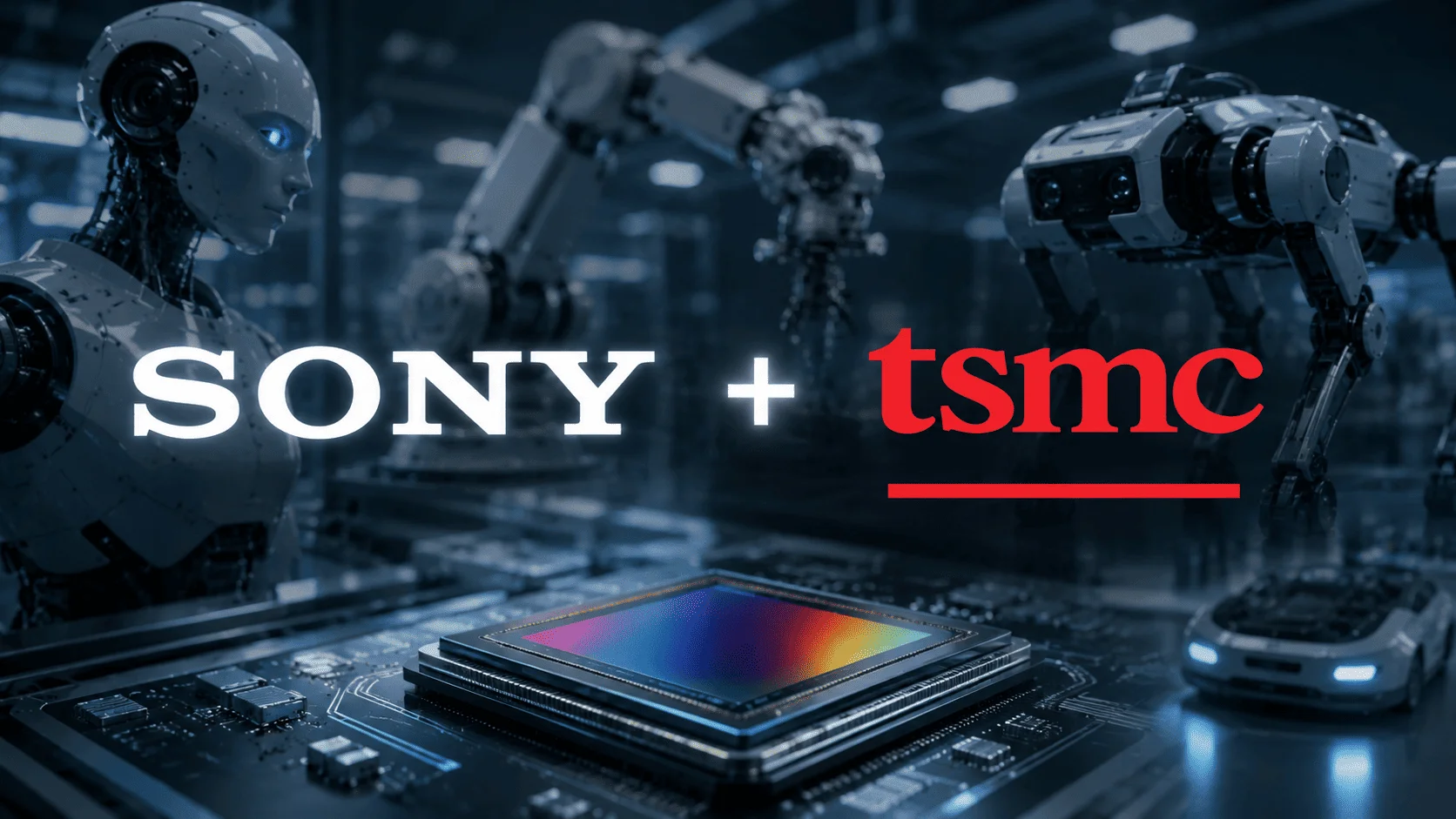
Sony Semiconductor Solutions and TSMC Plan Partnership to Develop Image Sensors for Physical AI
Sony Semiconductor Solutions and Taiwan Semiconductor Manufacturing Company (TSMC) have announced a strategic partnership aimed at developing and manufacturing next-generation image sensors. This collaboration, which was formalized through a non-binding memorandum of understanding, is set to explore future applications in sectors such as robotics, automotive systems, and physical AI. The partnership reflects both companies' commitment to advancing technology in these rapidly evolving fields.
AI AI Funding & Investment Robotics image sensors Japan Physical AI
British Army call for UAS-deployed sensors to survey ground and rivers
The British Army is seeking advancements in unmanned aerial systems (UAS) that can deploy sensor technologies to effectively survey river data. This initiative aims to enhance land force mobility and facilitate safe crossings in various terrains. The requirement comes as military operations increasingly rely on precise environmental assessments to ensure operational effectiveness. By integrating these technologies, the Army hopes to improve strategic planning and execution in challenging environments. The call for innovation in this area underscores the Army's commitment to modernizing its capabilities in response to evolving operational needs.
News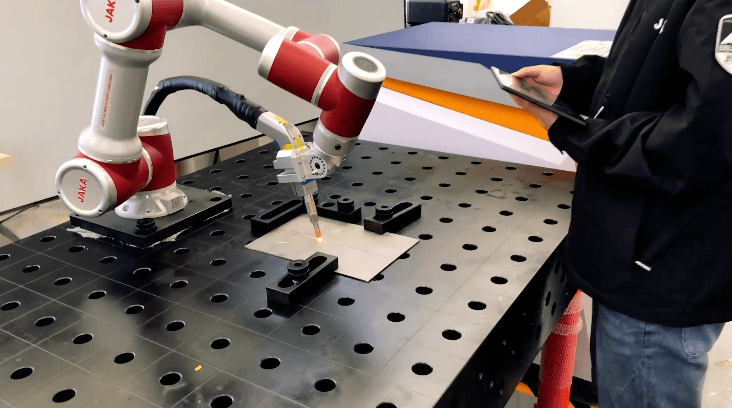
Integrating Force/Torque Sensors into the Flange of an Articulated Robot Arm
In the evolving field of automation, the integration of force/torque (F/T) sensors into robotic systems has become essential for enhancing precision and safety in industrial applications. Traditional robots, which operate on pre-programmed coordinates, are now being outpaced by articulated robots equipped with these advanced sensors. By embedding the sensors directly into the mounting flange—where the robot arm connects to its tool—manufacturers can achieve unprecedented levels of responsiveness to physical resistance in real-time. These 6-axis F/T sensors measure both linear forces and rotational torques, allowing for accurate data collection at the point of contact. This capability is particularly crucial in tasks such as delicate component insertion and high-precision screwdriving, where even minor deviations in force can lead to damage. Additionally, the integration of these sensors enhances the robot's operational intelligence, enabling features like active gravity compensation and improved collision detection, which contribute to a safer collaborative environment for human operators. JAKA has taken significant strides in this area with its S series robots, which feature built-in high-accuracy force sensors that eliminate the need for bulky external attachments. This design not only preserves the robot's agility but also enhances its sensitivity, facilitating smoother operation during complex tasks in sectors like electronics and industrial welding. With an accuracy of 1% FS and a distinguishability of 0.1N, JAKA's technology allows for real-time force monitoring and simplifies the debugging process, ultimately leading to more efficient and reliable production lines.

Brighter Signals Raises €1.6M in Funding for Smart Sensors
Brighter Signals, a Dutch startup specializing in fabric-based sensing technology for vehicles and robotics, has successfully secured €1.6 million in funding to enhance its pilot programs with automotive and industrial partners. The financing round attracted investments from Wake Up Capital and ELOKON Ventures, supplemented by regional innovation funding and a Eurostars grant. This financial boost aims to support the company's expansion efforts and further develop its innovative sensing solutions, which are poised to transform the way vehicles and robotics interact with their environments.
AI AI Funding & Investment Robotics Dutch Enterprise Agency ELOKON Ventures Eurostars
Ouster Releases Family of ‘Native Color Lidar’ Sensors for Robotics, Autonomous Vehicles
Ouster has launched a groundbreaking series of digital lidar sensors, the Rev8 family, which the company claims to be the world's first native color lidar platform. This innovative technology is designed for applications in robotics, autonomous vehicles, and industrial AI systems. The announcement was made recently, showcasing the sensors' capabilities powered by Ouster's advanced L4 Silicon architecture, which enhances their range and performance. This development marks a significant advancement in lidar technology, aiming to meet the growing demand for high-quality sensing solutions in various industries.
AI AI Use Cases Robotics autonomous driving industrial AI LiDARRobotics needs a service framework.
RSF defines a common language for robot service capability, lifecycle operations, certification pathways, and service-provider networks.
Join the RobotToday community on LinkedIn
Daily robotics news, in-depth analysis, conference highlights, and discussions with professionals worldwide.







