

Industry Briefing
A single destination for timely, editor-curated robotics news from around the world.
China's Robotic Hands Market Valuation: Price Wars and Economic Viability Insights
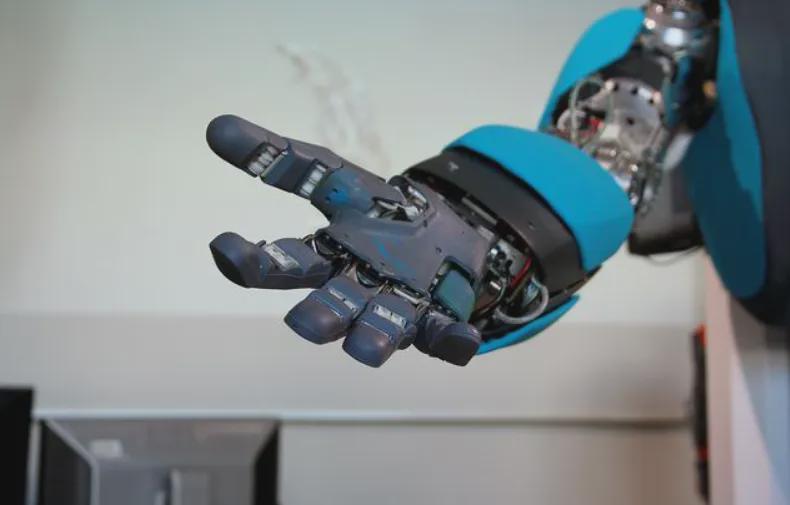
Recent reports indicate that by 2025, China's funding for robotic hands is projected to reach approximately 16.877 billion yuan, with a market size of 50.1 billion yuan, reflecting a 300% year-on-year growth. However, the anticipated sales volume of 19,200 units, a 236% increase, raises concerns about the sustainability of these figures, as the implied average price per unit reaches 2.6 million yuan, significantly higher than the actual factory price of 50,000 yuan for high-end models. This discrepancy highlights a critical issue within the robotic hands market, where the overall valuation appears inflated based on the projected sales figures. The market's valuation encompasses various segments, including upstream components like hollow cup motors and flexible tactile sensors, as well as downstream applications in 3C manufacturing and automotive assembly. The structural imbalance, with robotic hands accounting for only 0.7% of the total market size, suggests that the valuation is overly reliant on the sales of 19,200 units, which may not be sustainable. Looking ahead, as sales are expected to rise to 70,200 units in the first half of 2026 and potentially reach 200,000 units, the average price per unit may decrease. However, this decline is not indicative of increased value but rather reflects a downward trend in pricing across the supply chain. The ongoing price reductions, driven by increased domestic production rates, are expected to continue, potentially lowering the cost of robotic hands to below 10,000 yuan by 2026, with some models already reaching prices as low as 6,000 to 8,000 yuan.
Robotic Hands Market Analysis Supply Chain Cost Reduction Domestic Production
Humanoid Robot Manufacturers Face Profit Challenges Amid Shift to Dexterous Hands
Humanoid robot manufacturers are struggling with profitability as they face high costs and low margins. A humanoid robot priced at 85,000 yuan typically yields a gross margin of around 10%, with some companies like Yushu Technology projecting a rise to 60.13% by 2025, despite risks from price wars. The cost of dexterous hands, which accounts for 10% to 15% of the overall robot cost, is decreasing rapidly, dropping from 100,000 yuan to below 10,000 yuan. This decline is attributed to economies of scale in the supply chain, contrasting with the slower price reductions for complete robots due to brand premiums and service costs. Market growth for dexterous hands is significant, with sales expected to reach approximately 19,200 units in China by 2025, a 236.84% increase year-on-year. By 2030, sales could exceed 430,000 units, indicating a much faster growth rate compared to complete humanoid robots. The future will reveal whether manufacturers will develop their own dexterous hands to reclaim profits or continue sourcing from suppliers.
Humanoid Robots Dexterous Hands Robotics Manufacturing AI Components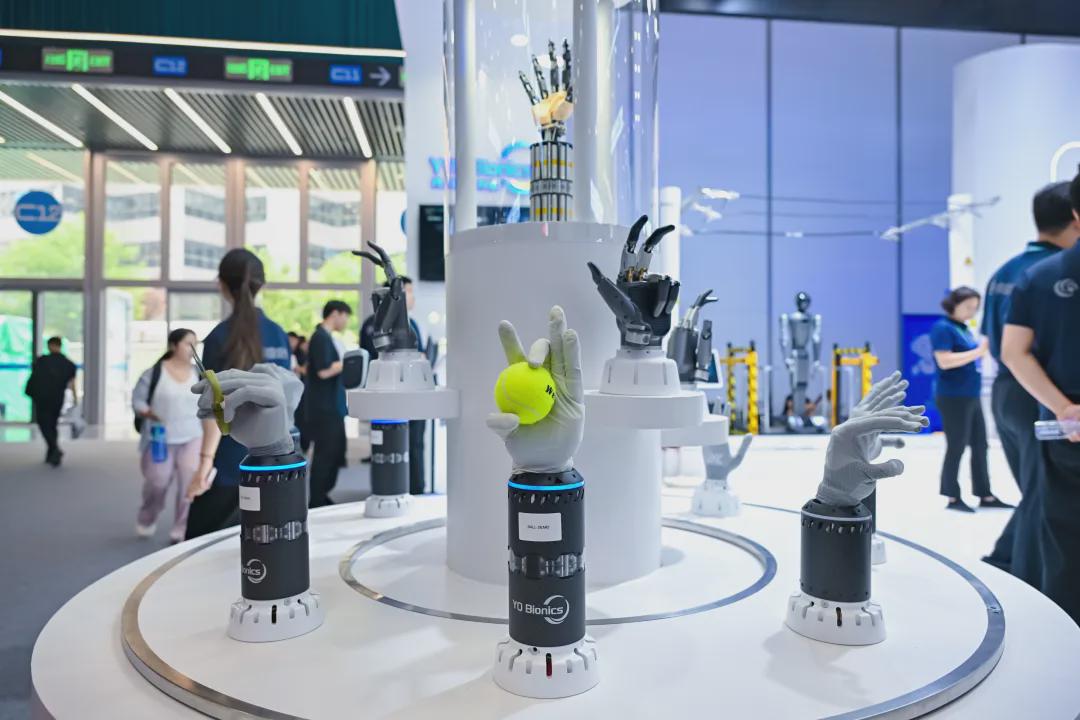
WRC 2026 Opening Ceremony Features Innovative Human-Robotic Handshake
On August 19, the World Robot Conference 2026 commenced at the Beiren Yichuang International Exhibition Center, showcasing a unique opening ceremony. Unlike previous years, the event featured a handshake between 11 bionic dexterous hands and guests, marking a significant technological advancement in human-robot interaction. This handshake utilized the X-Hand M1, developed by Yuequan Bionics, which incorporates 472 tactile sensors for precise grip feedback and control. The event highlighted the importance of developing robotic hands that can transition from mere demonstrations to practical applications, addressing a critical challenge in embodied intelligence. Attendees also witnessed the debut of the Y-Hand M2, which showcased high flexibility through a shadow performance in collaboration with Tsinghua University. The conference emphasized the integration of advanced technologies, including artificial muscles and innovative robotic designs, indicating a shift towards more functional and versatile robotic systems. No further timeline was disclosed at the time of publication.
Bionic Robotics Robotic Hands AI Technology Human-Robot Interaction
Xynova's CEO Discusses Innovation and Fundraising for Human-like Robot Hands
Alex Xia, the Founder and CEO of Xynova, a robot hand manufacturer based in Hangzhou, shared insights on the company's innovation efforts and the challenges faced in the industry. During an exclusive interview on 'Bloomberg: The China Show,' Xia highlighted the importance of developing human-like robot hands to enhance robotic capabilities. The significance of Xynova's work lies in addressing industry bottlenecks that hinder the advancement of robotic technology. By focusing on creating more sophisticated and human-like robotic hands, Xynova aims to push the boundaries of what robots can achieve in various applications, potentially transforming sectors such as manufacturing and healthcare. Looking ahead, Xynova's plans for fundraising will be crucial in supporting its ongoing development and innovation initiatives. No further timeline was disclosed at the time of publication.

Electromate Advocates for Hands-On Robotics Learning Using Dobot's Educational Platform
Electromate Inc. is emphasizing the importance of hands-on robotics education by showcasing Dobot's educational robotics platform. This initiative aims to assist schools, colleges, and universities in overcoming hardware access challenges as they expand their robotics and automation programs. The deployment of Dobot robots in educational settings is significant as it enables educators to create interactive learning environments. By providing practical access to multiple robots, Electromate is facilitating the integration of programming, automation, and advanced robotics coursework into the curriculum. Looking ahead, educators and institutions should monitor how the adoption of Dobot's platform influences student engagement and learning outcomes in robotics education. No further timeline was disclosed at the time of publication.
The Ongoing Debate: Tendon vs. Direct-Drive Hands in Humanoid Robotics
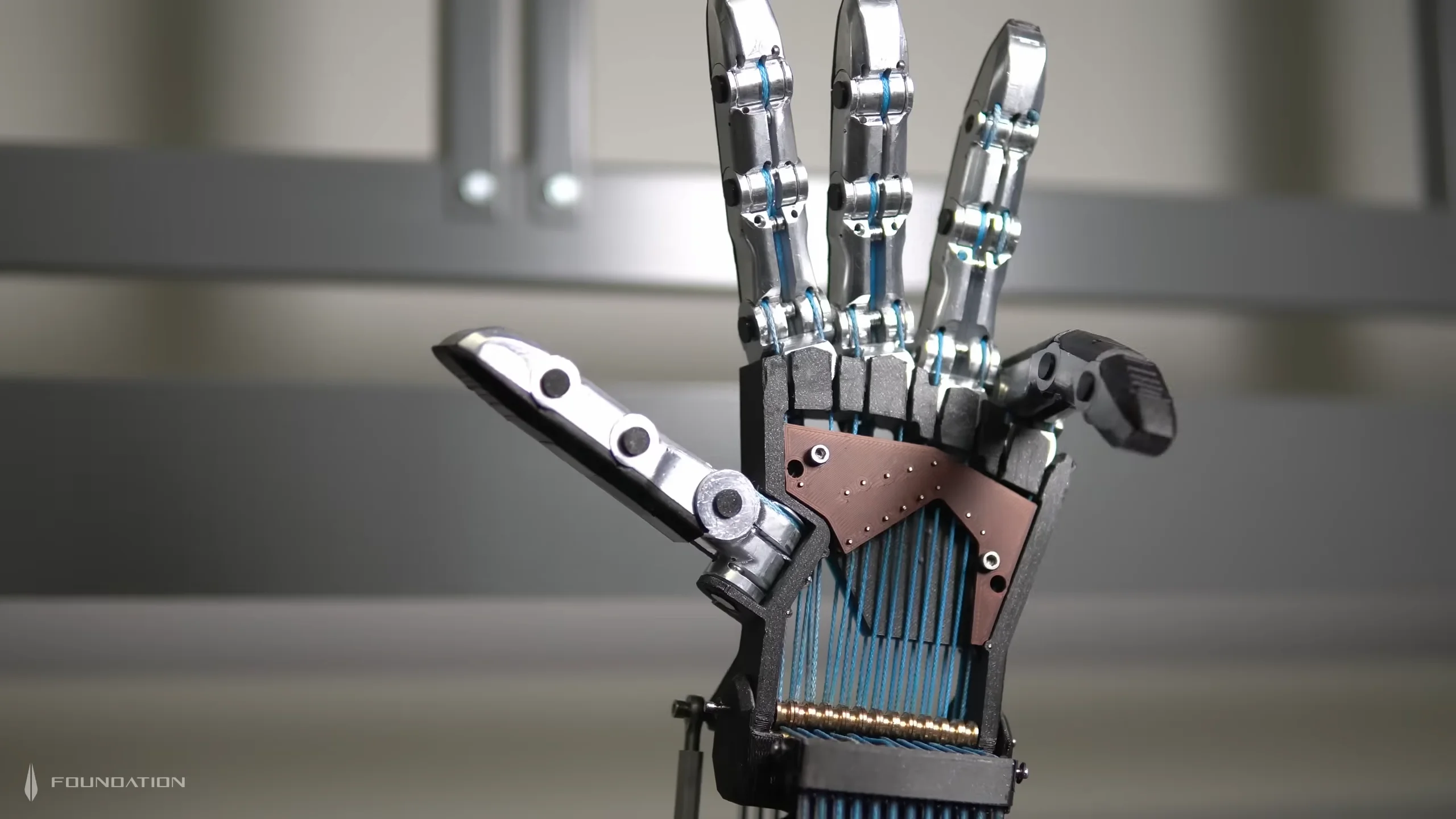
The race to develop a general-purpose humanoid robot has reached a critical point centered on hand design. Recently, Figure CEO Brett Adcock criticized the company's earlier tendon-based hand for its engineering flaws, stating it was a poor decision. Figure is now pursuing a 7th-generation hand that aims for human-like dexterity with enhanced finger movement capabilities. This debate is significant as it highlights the contrasting philosophies in robotics design: biological mimicry versus mechanical precision. While Figure shifts focus, Foundation's Andrea Esposito argues that the issues with tendon-driven hands stem from execution rather than the architecture itself. He emphasizes the need for optimization rather than abandonment of the tendon approach, showcasing the ongoing tension in the industry. As the competition intensifies, major players like AGILINK are adopting a dual approach by developing both direct-drive and tendon-driven hands. Their OmniHand 3 Ultra-M aims to address complex manipulation challenges, while the Ultra-T model showcases the potential of tendon systems. The industry is watching closely as these developments unfold.
Brett Adcock Figure hand hands Foundation
Honda Advances Development of Multi-Fingered Robotic Hands for Assembly Precision
Honda is advancing the development of multi-fingered robotic hands aimed at tackling the most challenging tasks in factory assembly, such as screwing, connecting, and handling parts designed for human hands. These actions, while routine for humans, present significant control challenges for robots. According to researcher Kenichiro Sugiyama, many existing robotic hands are essentially extensions of traditional robotic arms, lacking the necessary strength, responsiveness, and precision for fine manipulation. Honda's approach involves the collaborative development of mechanical hardware, control systems, and artificial intelligence, emphasizing the importance of embodied AI, which learns through physical interactions with objects. Despite advancements, dexterous manipulation remains a significant challenge, particularly with deformable or slippery objects. Sugiyama describes the remaining issues as the 'last millimeter' problem, which, if solved, could enable robots to replace tasks traditionally performed by humans. Honda's exploration of multi-fingered hands aims to push the boundaries of automation in manufacturing.
Robotic Hands Embodied AI Manufacturing Automation Precision Control
CASBOT Hands Introduces Three Advanced Robotic Hands for Enhanced Manipulation
CASBOT Hands has launched three new dexterous robotic hands, enhancing its embodied manipulation platform. This development comes as the robotics industry seeks to improve the ability of robots to perform real-world tasks across various sectors, including manufacturing and education. The introduction of these robotic hands is significant as it addresses the growing demand for reliable robotic solutions that can operate effectively in diverse environments. As robots become more capable in motion control and environmental perception, their application in practical settings becomes increasingly viable. Looking ahead, the focus will be on how these new robotic hands will be integrated into existing systems and their performance in real-world applications. No further timeline was disclosed at the time of publication.

LumiBot Secures Angel Funding to Enhance Industrial Robotic Hands with Heat Management
LumiBot, a provider of dexterous robotic solutions, has successfully completed an angel funding round amounting to tens of millions, led by Changyou Technology's investment arm. This marks the first investment from Changyou's robotics fund established in June 2026 and highlights a significant case of material companies entering the core components of humanoid robots. The funding is crucial as it reflects a shift in the investment logic of the humanoid robot supply chain, moving from a focus on motion control to enhancing the reliability of end-effectors. LumiBot's innovative heat management capabilities are pivotal for meeting industrial standards, addressing the overheating issues that have hindered the adoption of dexterous hands in factories. Looking ahead, LumiBot plans to release a flagship model with 23 active degrees of freedom in October, featuring an active cooling design that significantly improves joint temperature management. The company aims to deliver 100 to 200 units in 2026, indicating a growing demand for advanced robotic solutions that prioritize operational efficiency over mere flexibility.
Robotics Heat Management Industrial Automation AI Engineering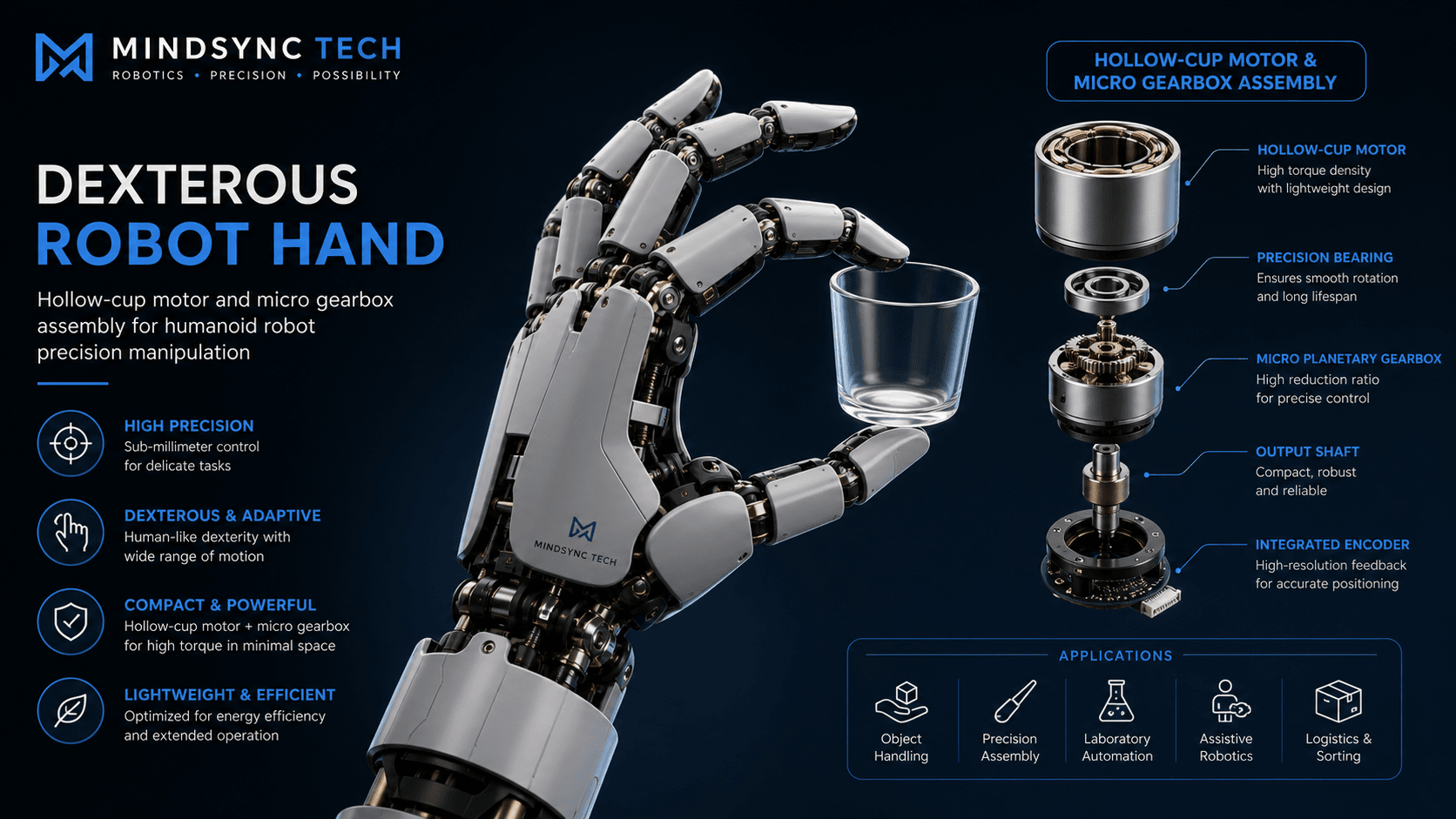
MINDSYNC TECH and Jiangsu Leili Develop Dexterous Robot Hands for Industrial Use
Jiangsu Leili's subsidiary, MINDSYNC TECH, has developed production-ready dexterous robot hands that utilize hollow-cup motors and 6-42mm gearboxes. These innovative hands also feature autonomous wire winding capabilities, addressing the mechanical stiffness problem in humanoid gripping. This advancement is significant as it targets industrial deployment within the next 1-2 years, potentially transforming how robots interact with their environments. The integration of these technologies could enhance the efficiency and versatility of robotic applications in various sectors. Looking ahead, the industry will be keen to observe the progress of MINDSYNC TECH's dexterous robot hands as they move towards commercial readiness. No further timeline was disclosed at the time of publication.
Technology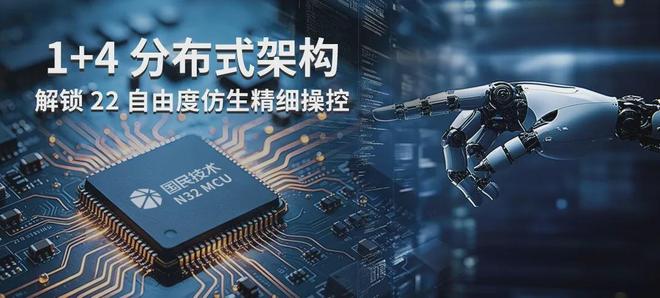
Addressing Space, Real-Time, and Reliability Challenges in Robotic Hands Development
The bionic dexterous hand is becoming a key growth area in the robotics industry, with significant advancements expected by 2026. Currently, dexterous hands account for 17%-30% of the total material costs of robotic systems, and funding in this sector is projected to exceed 25 billion yuan in the first half of 2026, with annual sales potentially reaching 70,000 units. This shift signifies a departure from mere conceptual discussions to tangible orders and performance realization. The recent World Artificial Intelligence Conference (WAIC) in Shanghai showcased various exhibitors demonstrating high-degree-of-freedom dexterous hands capable of intricate tasks, highlighting the industry's common challenges in precision actuators. Developers face three critical hurdles: achieving 22 degrees of freedom or more for fine movements while integrating miniature motors, sensors, and wiring in a compact palm, all while balancing space constraints, real-time synchronization, and long-term reliability. The solution lies in innovative control chip architecture. National Technology has introduced a 1+4 distributed MCU architecture designed for 22-degree-of-freedom dexterous hands, optimizing performance through layered control. This system utilizes a main control chip and four node chips for individual fingers, enhancing computational power, real-time response, and compact design, thereby addressing the industry's pressing challenges.
Robotic Hands MCU Architecture Industrial Automation AI Robotics
The Advancements in Dexterous Hands for Robotics and Their Implications
At the 2026 WAIC, a notable shift in robotics was observed as manufacturers increasingly focused on developing dexterous hands. Over the past two years, the industry has seen a surge in the complexity of these hands, with degrees of freedom increasing from six to twelve, sixteen, or even more. The ability of a robotic hand to perform tasks such as solving a Rubik's Cube or threading a needle has become a key benchmark for technological capability. As more dexterous hands demonstrate impressive capabilities, the industry must now address critical questions about their operational continuity, scalability, repairability, and the data they generate to enhance future performance. Companies like Aoyi Technology are expanding their product boundaries beyond mere actuators to include tactile-enabled devices like ROHand and OpenArm, integrating data collection and training tools into a cohesive system. This evolution signifies a shift from merely creating human-like hands to developing hands that can engage in a robotic learning loop. The industry's future hinges on whether these hands will become high-end toys or genuine industrial products, with reliability emerging as a core performance metric alongside flexibility and load capacity.
Dexterous Hands Robotics Technology Industrial Automation Sensor Technology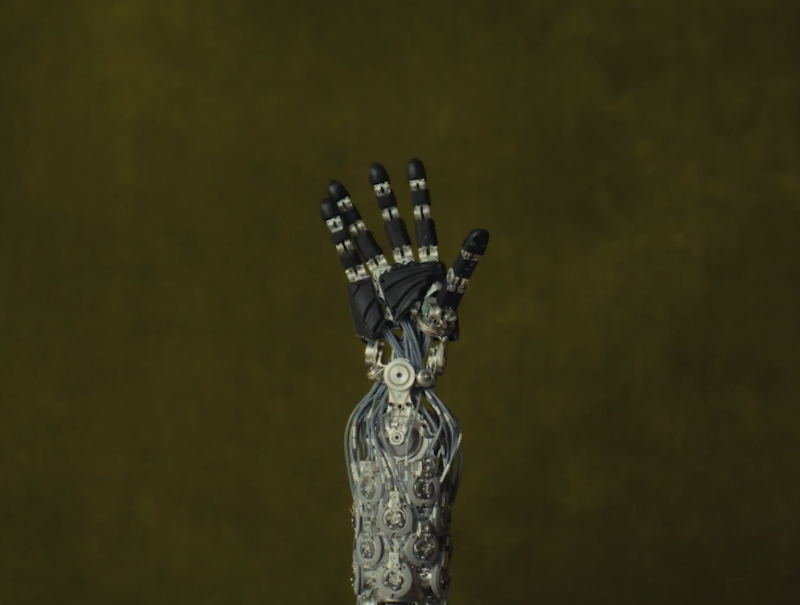
1X Introduces Advanced 25-Degree-of-Freedom Hands for NEO Humanoid Robot
1X has launched a new tendon-driven robotic hand for its NEO humanoid platform, featuring 25 degrees of freedom. This design enhances dexterity, strength, and tactile sensing, enabling advanced AI-driven manipulation capabilities. The introduction of these hands aims to eliminate the 'hardware ceiling' that has previously restricted humanoid robots, allowing for more human-like manipulation. The hands can perform various tasks, including assembling LEGO models and using tools, showcasing their versatility and advanced functionality. Looking ahead, 1X has established a dedicated production line and plans to manufacture up to 10,000 units this year, which will facilitate broader deployment of the NEO humanoid platform. No further timeline was disclosed at the time of publication.
Humanoids News 1x artificial intelligence automation embodied ai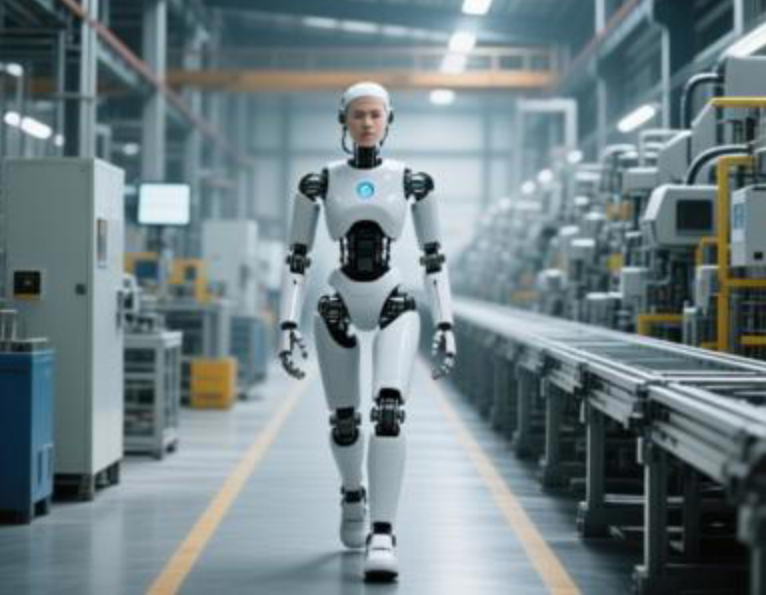
Robotic Hands Prices Plummet from 100,000 to 10,000 Yuan, Humanoid Robots Enter Homes
In a robotics lab in Shenzhen, engineer Huang Junlin is training a six-degree-of-freedom robotic hand for home use. Unlike industrial applications, home scenarios demand higher standards for weight, cost, and usability, prompting a significant reduction in humanoid robot costs. The robotic hand, a crucial and complex component, previously priced at 100,000 Yuan, now costs around 10,000 Yuan due to advancements in supply chain maturity and technology breakthroughs. The reduction in price is pivotal as it opens the door for consumer-grade humanoid robots, with the global market projected to exceed 20 billion Yuan by 2026. In 2025, the market is expected to reach 17 billion Yuan, with a shipment volume of approximately 18,000 units, marking a year-on-year growth of over 500%. China's share is anticipated to surpass 50%, with shipments expected to rise to 62,500 units by 2026, indicating a robust demand for humanoid robots. The surge in consumer humanoid robots is catalyzing the formation of a new supply chain ecosystem, including advancements in bionic skin, tactile sensors, and flexible materials. A new materials company in Jiaxing has developed third-generation electronic skin capable of multimodal perception and real-time feedback. As robotic hands become more affordable and tactile sensing technology advances, the integration of humanoid robots into homes may occur sooner than anticipated, marking the beginning of a revolution in robotics.
Humanoid Robots Robotic Hands AI Technology Consumer Robotics
Tuobang Collaborates with Over Ten Humanoid Robot Firms to Expand from Motors to Complete Hands
On July 16, Tuobang Co., Ltd. (002139.SZ) revealed its latest developments in the robotics sector, announcing partnerships with over ten domestic humanoid robot companies. The company aims to supply hollow cup motors and actuator modules to manufacturers of complete humanoid robots and dexterous hands. Tuobang has been focusing on hollow cup motors since 2007, which are essential components for dexterous hands, and anticipates mass production deliveries by 2026. The company is also extending its offerings from single motors to integrated actuator modules that include components like reducers and lead screws, providing clients with higher integration solutions. Furthermore, Tuobang is developing its own dexterous hand products, currently in the internal technology validation phase, with initial testing on its smart manufacturing production line. Looking ahead, Tuobang expects to see improved growth in its industrial automation business by 2026, driven by increased demand for high-end equipment due to AI infrastructure development. The company has identified autonomous smart products as a second growth curve, targeting significant revenue growth in core markets by 2026. No further timeline was disclosed at the time of publication.
Humanoid Robots Robotics Components AI Infrastructure Industrial Automation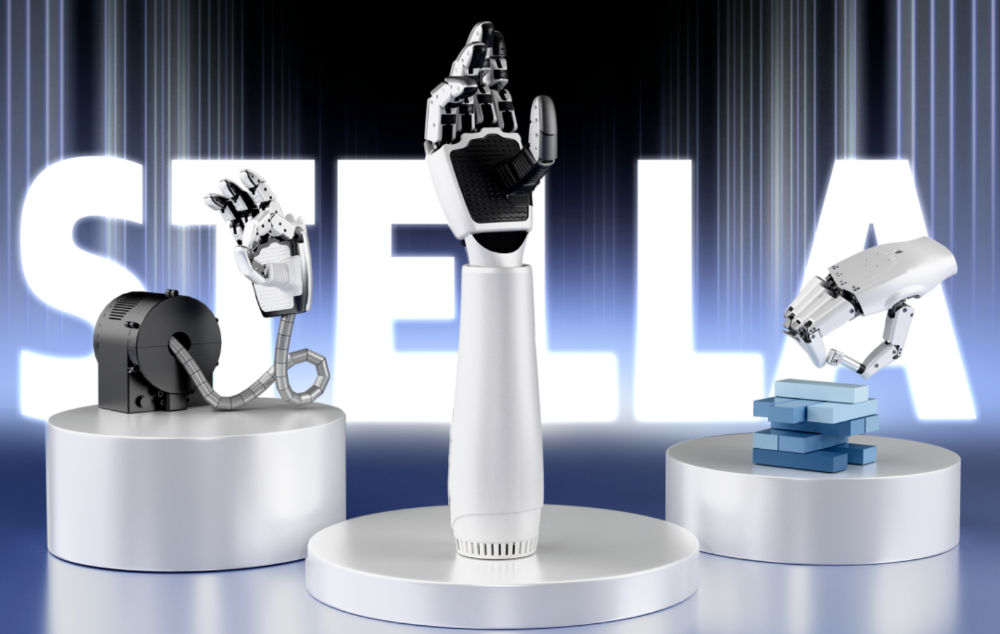
Shenzhen Company Stella-Robot Introduces Affordable Robotic Hands with High Performance
At the 2026 World Artificial Intelligence Conference, Shenzhen-based Stella-Robot unveiled its innovative robotic hands, the Pantheon Hand 20 and Gaia Hand 20. The Pantheon Hand 20, weighing only 290 grams, can grip up to 50 kilograms, thanks to its unique 'drive separation' technology that relocates the drive unit away from the hand itself. This breakthrough in design allows for a lightweight yet powerful robotic hand, making advanced robotics more accessible. The Gaia Hand 20 features a modular design with a quick-change joint system, enabling easy repairs without returning the entire unit. Priced at 16,999 yuan, the affordability of these products marks a significant shift in the robotics market, previously dominated by high-cost alternatives. Stella-Robot's products are already being utilized in top universities and research institutions, indicating their potential impact on the field of embodied intelligence. As the cost of robotic hands drops from the millions to tens of thousands, the company is poised to democratize advanced robotic capabilities for developers everywhere. No further timeline was disclosed at the time of publication.
Robotic Hands Modular Robotics AI Technology Automation Precision Engineering
1X Enhances NEO Humanoid Robot with Advanced 25-DOF Hands for Versatile Tasks
Norwegian robotics firm 1X has introduced new 25-degree-of-freedom (DOF) tendon-driven hands for its NEO humanoid robot, marking a significant advancement in robotic dexterity. These hands feature 22 actuated joints across the fingers and palm, along with three at the wrist, enabling NEO to perform tasks such as assembling LEGO models and catching balls with precision and strength. The redesigned hands allow for force sensing and durability, overcoming previous hardware limitations in robotic manipulation. With a unique tendon-drive system and low gear ratios, the hands can detect contact forces and provide continuous proprioception, enhancing the robot's ability to manipulate objects safely and effectively. The hands' human-like joint distribution, particularly the opposable thumb, facilitates a wide range of fine manipulation tasks, making NEO suitable for various household applications. 1X has commenced mass production of the NEO robot at its new California facility, aiming to commercialize home robots for daily assistance. The company emphasizes the hands' combination of precision, strength, and safety features, including IP68 waterproofing and self-cleaning capabilities. No further timeline was disclosed at the time of publication.
AI and Robotics
1X Technologies Launches Advanced Robotic Hands for NEO Humanoid with New CFO
1X Technologies has unveiled its next-generation robotic hands designed for the NEO humanoid platform, focusing on fine manipulation tasks. This innovation aims to tackle challenges such as picking up small objects and performing delicate actions, which have historically been difficult for robots. The hands feature a sophisticated 24-to-25 degree-of-freedom architecture, allowing for precision and strength in domestic environments. The introduction of these robotic hands is significant as it marks a shift in the robotics industry from basic locomotion to complex manipulation capabilities. 1X's approach utilizes a closed-loop, tendon-driven system, which enhances the hands' performance while maintaining compactness and safety. The hands are designed to handle various tasks, from carrying heavy items to sorting delicate objects, while ensuring user safety through mechanical compliance. Looking ahead, 1X Technologies is poised to make a substantial impact in the home robotics market with these advancements. The hands are equipped with high-resolution tactile sensing to improve interaction with objects, further enhancing their utility. No further timeline was disclosed at the time of publication.
1X Technologies US hand hands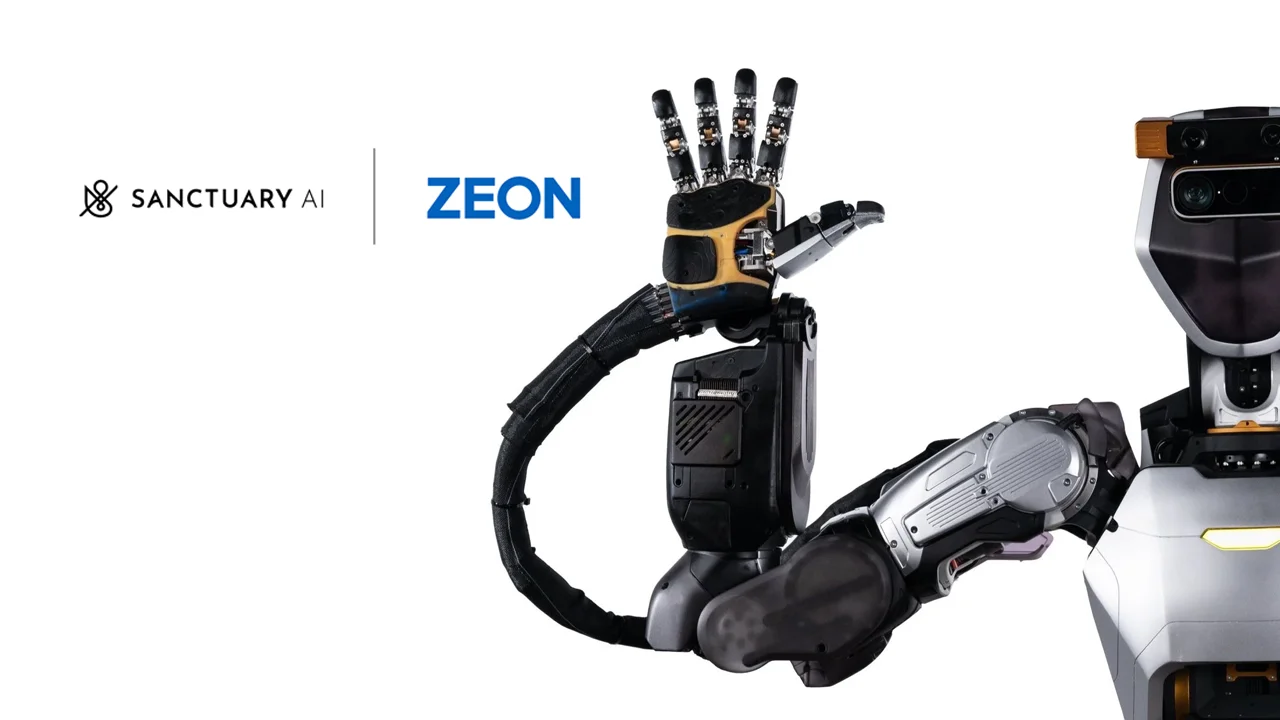
Sanctuary AI Partners with Zeon to Enhance Materials for Industrial Robotic Hands
Sanctuary AI, based in Vancouver, has formed a strategic partnership with Tokyo's Zeon Corporation to develop advanced materials for robotic hands. This collaboration focuses on creating rugged elastomeric components that will enhance the durability and tactile precision of industrial robots, addressing a critical hardware challenge as these robots transition to factory environments. The partnership is significant as it aims to solve material durability issues that affect the performance of high-degree-of-freedom robotic hands. Sanctuary AI's innovative approach combines miniaturized hydraulic actuators with high-fidelity tactile sensing, which requires resilient materials to maintain accuracy under industrial stress. Zeon's expertise in elastomeric materials will be crucial in this development. Looking ahead, the collaboration reflects a broader trend in the robotics sector, with increased urgency to solve industrial dexterity challenges by 2026. Sanctuary AI is well-positioned for commercialization, backed by over $140 million in funding and a strong intellectual property portfolio, while Zeon sees this investment as a strategic move to support next-generation automation and economic growth.
Canada sanctuary-ai
Challenges in Developing Human-Like Robotic Hands for Household Tasks
Humanoid robots can perform complex movements like backflips, yet struggle with simple tasks such as folding shirts or picking up sponges. This paradox arises because while backflips involve predictable sequences, household tasks are fraught with uncertainty due to the variability of objects and environments. The human hand's dexterity, which combines mechanics, sensing, and control, is difficult to replicate in robots. The challenge lies in the need for robots to understand their grip and the properties of objects they manipulate. A modern robotic hand may have multiple motors, but it requires advanced sensors and software to adjust grip strength and position dynamically. Recent research from Zhejiang University highlights the importance of tactile sensing, achieving an 85% success rate in complex tasks by integrating visual and tactile information with reinforcement learning. Researchers at Ohio State University emphasize that household robots must coordinate their entire body and environment for effective manipulation. Unlike factory robots, which operate in controlled settings, household tasks involve unpredictable variables. This complexity makes the development of robotic hands capable of performing everyday tasks a significant hurdle in humanoid robotics.
AI and Robotics
iRobot Launches Roomba® Max 875 Combo, Its Most Advanced Cleaning Robot Yet
iRobot Corp. has unveiled the Roomba® Max 875 Combo Robot + AutoWash™ Dock, its most sophisticated cleaning robot to date, featuring innovative SealForce™ Vacuuming Technology and a Dual-Action Heated Mopping System. This new robot aims to redefine hands-free cleaning by delivering superior performance in deep carpet cleaning and stain removal. The introduction of the Roomba® Max 875 Combo Robot is significant as it showcases iRobot's commitment to addressing consumer demands for effective cleaning solutions. With over 35 years of robotics engineering, the robot utilizes advanced technologies to enhance cleaning efficiency, including a unique sealing mechanism that improves suction power and airflow. Looking ahead, iRobot continues to push the boundaries of home robotics, focusing on consumer pain points and enhancing user experience. No further timeline was disclosed at the time of publication.
Chinese Startup Fangqi Technology Secures Angel Round Funding for Robotic Brain Development
Fangqi Technology, a startup founded by a Tsinghua University PhD, has successfully completed an angel round of funding worth millions. The company aims to transform skills into marketable products by developing a robotic brain that utilizes semantic world models to bridge the gap between physical and semantic knowledge. This innovative approach is significant as it addresses a critical challenge in robotics and AI, potentially enhancing the capabilities of intelligent systems. The importance of Fangqi Technology's work lies in its potential to revolutionize how robots understand and interact with the world. By focusing on embodied intelligence, the startup is positioning itself to meet the growing demand for advanced robotic solutions across various industries. This funding round reflects investor confidence in the company's vision and the broader trend of integrating semantic understanding into robotic applications. Looking ahead, Fangqi Technology's progress in developing its robotic brain will be closely monitored, especially as it seeks to commercialize its technology. The success of this venture could pave the way for new advancements in robotics and AI, making it a key player in the evolving landscape of intelligent manufacturing and automation. No further timeline was disclosed at the time of publication.
Robotics Automation AI
Dr. Ding Wenchao Discusses Advances in Humanoid Robot Hands at Tars Robotics
Dr. Ding Wenchao, co-founder and chief scientist of Tars Robotics, is also a tenure-track professor at Fudan University's College of Intelligent Robotics and Advanced Manufacturing. He has developed the institution's first humanoid robot and is currently focused on research and development of humanoid robot hands. The advancements in humanoid robot hands are significant as they represent a critical frontier in physical AI. Dr. Wenchao's insights highlight the challenges and innovations in creating dexterous robotic hands that can perform complex tasks, which is essential for broader applications in robotics. Looking ahead, the evolution of humanoid robot hands will be pivotal in enhancing the capabilities of robots in various sectors. No further timeline was disclosed at the time of publication.
Allgemein Anwendungen & Lösungen Greifer & Werkzeuge Humanoide Robotik Menschen & Meinungen Robotik
Digital Huaxia's Chen Junmin Outlines Robotics Development Focus for 2024 to 2026
Digital Huaxia co-founder Chen Junmin has outlined a strategic focus for robotics development over the next three years. In 2024, the emphasis will be on enhancing leg mobility, followed by hand functionality in 2025, and cognitive capabilities in 2026. This phased approach aims to ensure that robots can effectively operate in real-world environments such as hospitals and banks. The significance of this strategy lies in addressing the challenges of deploying robots in practical scenarios. While robots have improved in movement and manipulation, achieving stability and reliability in public spaces remains a hurdle. Chen emphasizes the need for a balance between advanced technology and practical application, particularly in environments requiring prolonged mobility and autonomous operation. Looking ahead, the industry must focus on overcoming barriers to commercialization, including reliability, cost reduction, and the ability to operate effectively in real-world settings. Chen notes that while the industry is exploring various applications, the true test will be whether the value created by robots can justify their costs, a question that remains largely unanswered at this stage.
Humanoid Robots Robotics Integration AI Technology Service Robots
Lingxin Robotics Advances to Mass Production of Dexterous Hands with New Manufacturing Line
Lingxin Robotics is transitioning to mass production of dexterous hands, with a new manufacturing line capable of producing 60,000 units annually. This shift is significant as it marks a move from experimental to standardized industrial production, responding to increasing demand in both consumer and industrial markets. The company’s investment of 410 million RMB highlights the growing importance of dexterous hands, often referred to as the 'last centimeter' of robotics. With projected orders exceeding 20,000 units by 2025 and an expected output of 200,000 units by 2030, the market for dexterous hands is expanding rapidly, driven by advancements in flexibility and precision. As Lingxin Robotics implements automated assembly processes and high-precision manufacturing techniques, the competitive landscape is set to evolve. The focus will shift from simply producing dexterous hands to achieving efficient mass production, which will be crucial for capturing market share in the coming years. No further timeline was disclosed at the time of publication.
Haier Launches Lightweight AI Exoskeleton W3 for $2200 in Guangzhou Stores
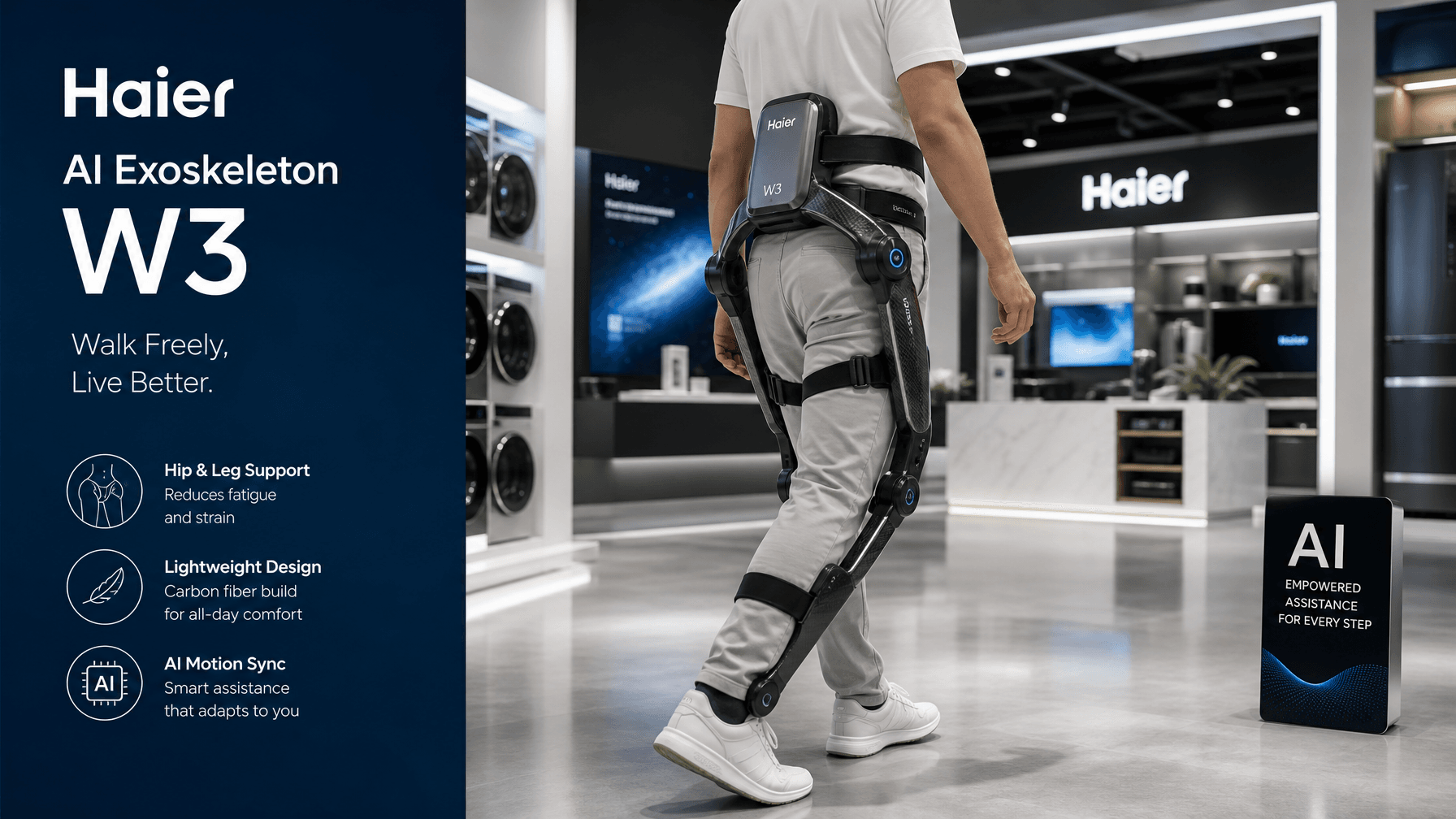
Haier has introduced its third-generation AI exoskeleton, the W3, which weighs only 1.75 kg and is priced at $2200. This wearable robot is now available in physical stores located in Guangzhou, marking a significant step in consumer robotics. The W3 features advanced AI gait learning technology that adapts to the user's walking patterns in real time, enhancing usability and comfort. The introduction of the W3 is significant as it represents Haier's commitment to integrating AI into wearable technology, making it more accessible for everyday use. The lightweight design and real-time adaptation capabilities position the W3 as a practical solution for individuals seeking mobility assistance. This development reflects a growing trend in the market towards more user-friendly and adaptable robotic solutions. Looking ahead, it will be important to monitor consumer feedback and sales performance of the W3 in the coming months. No further timeline was disclosed at the time of publication regarding additional features or expansions beyond the Guangzhou market.
Technology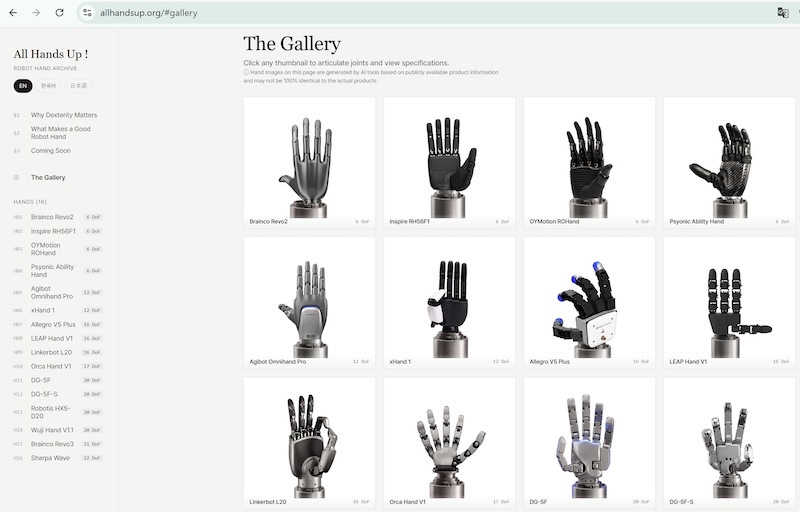
RLWRLD launches open platform to benchmark dexterous robotic hands
RLWRLD, a physical AI company with a proprietary robotics foundation model, RLDX-1, has announced the launch of “All Hands Up!”, an open web platform that provides technical reports and visualization tools based on the company’s firsthand experience operating a wide range of commercially available dexterous robot hands. All Hands Up! is designed to analyze and […]
Computing Robot simulation All Hands Up DexBench dexterous hands dexterous manipulation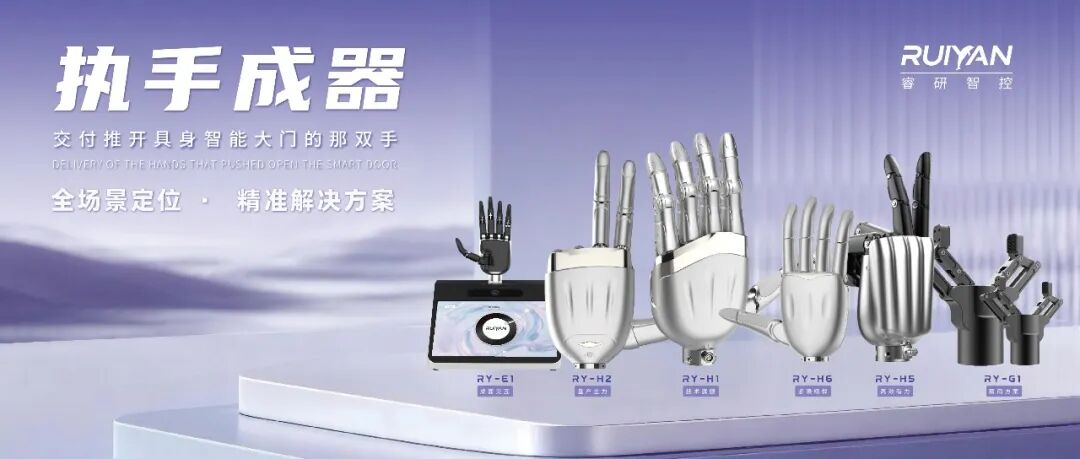
How Ruiyan Intelligent Control Became a Leading Supplier of Dexterous Hands in Robotics
Shenzhen-based Ruiyan Intelligent Control has swiftly established itself as a prominent supplier of dexterous hands for leading embodied AI companies in China. The firm has gained significant market traction by prioritizing reliability and innovative engineering, effectively addressing critical challenges within the industry. Notably, Ruiyan has achieved this success without relying on traditional marketing strategies. Their dedication to quality and performance has resulted in impressive customer retention rates, solidifying their growing influence in the robotics sector.
Dexterous Hands Robotics Embodied Intelligence Engineering Reliability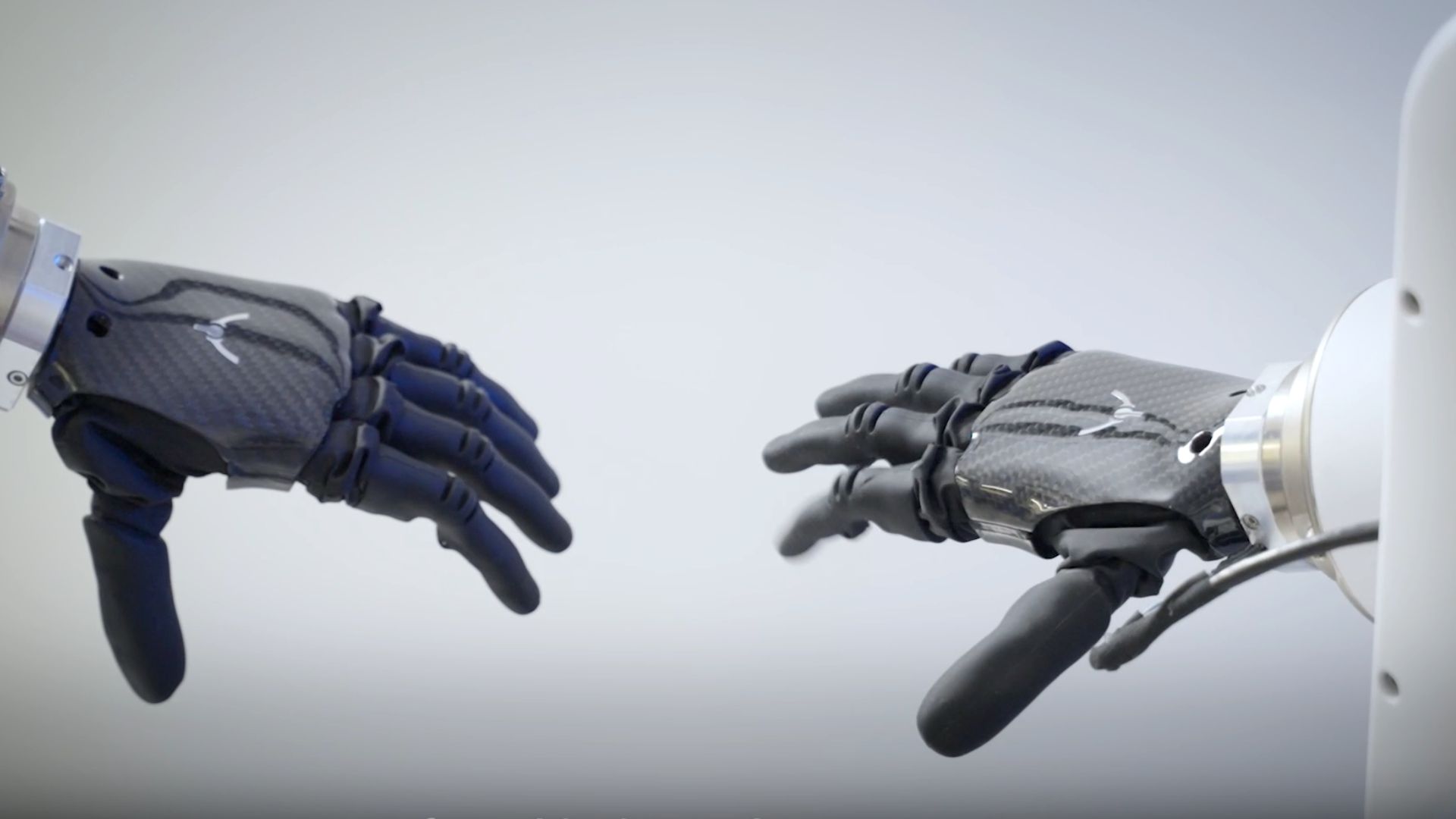
Prosthetic hands’ data helps robots get finer control for precise manipulation
ABB Robotics has announced a collaboration with California-based bionic company PSYONIC to enhance the development of more dexterous robotic systems. This partnership aims to leverage PSYONIC's expertise in bionic technology to create advanced robotic solutions that can perform intricate tasks with greater precision and adaptability. The initiative is part of ABB's ongoing commitment to innovation in robotics, seeking to address the growing demand for versatile robotic applications across various industries. The collaboration was officially unveiled in October 2023, marking a significant step forward in the integration of bionic technology into robotic systems. By combining their strengths, both companies hope to push the boundaries of what is possible in robotic dexterity, ultimately improving efficiency and productivity in sectors such as manufacturing, healthcare, and beyond.
AI and Robotics
China’s Xiaomi unveils robotic arm that enables remote, hands-free home EV charging
Xiaomi, the prominent Chinese technology company, recently unveiled its strategic vision for the future of smart home technology during a press event held in Beijing. This announcement, made on October 15, 2023, highlights the company's commitment to enhancing user experience through innovative products and seamless integration of smart devices. The initiative aims to address the growing demand for interconnected home environments, driven by an increase in remote work and digital lifestyles. By leveraging advancements in artificial intelligence and the Internet of Things, Xiaomi plans to create a more intuitive and responsive ecosystem that simplifies everyday tasks for consumers. During the event, executives showcased a range of new products designed to work harmoniously within this ecosystem, emphasizing the importance of user-friendly interfaces and energy efficiency. The company also outlined its plans for expanding partnerships with other tech firms to enhance compatibility and functionality across various platforms. Xiaomi's vision reflects a broader trend in the tech industry, where companies are increasingly focused on creating smart solutions that cater to the evolving needs of consumers. As the market for smart home devices continues to grow, Xiaomi's proactive approach positions it as a key player in shaping the future of home automation.
Energy
Sharpa brings dexterous robot hands to Nvidia and Unitree humanoid reference design
Sharpa has unveiled the integration of its Wave tactile robot hands into the Unitree H2 Plus humanoid robot reference design, marking a significant advancement in robotics technology. This collaboration makes the Unitree H2 Plus the first dexterous humanoid platform to utilize Sharpa's tactile manipulation technology within Nvidia’s Isaac GR00T development framework. The companies aim to enhance the capabilities of robotics developers and researchers by providing a sophisticated platform that combines advanced tactile feedback with humanoid robotics. This integration is expected to facilitate innovative developments in the field, enabling more nuanced and effective interactions between robots and their environments.
Humanoids News automation news dexterous manipulation humanoid robots nvidia
NC AI, Posco DX join hands in robot AI model development
NC AI announced on Sunday that it has entered into a strategic business agreement with Posco DX to collaborate on the development of a robot foundation model and to foster broader technical cooperation. The signing ceremony, which took place recently, featured key figures including Kim Min-jae, the chief technology officer at NC AI, and Yoon Suk-june, the head of the robot automation center at Posco DX, along with senior officials from both organizations. This partnership aims to explore long-term cooperation strategies that will enhance their competitiveness in the fields of robotic intelligence technologies and industrial artificial intelligence.
All News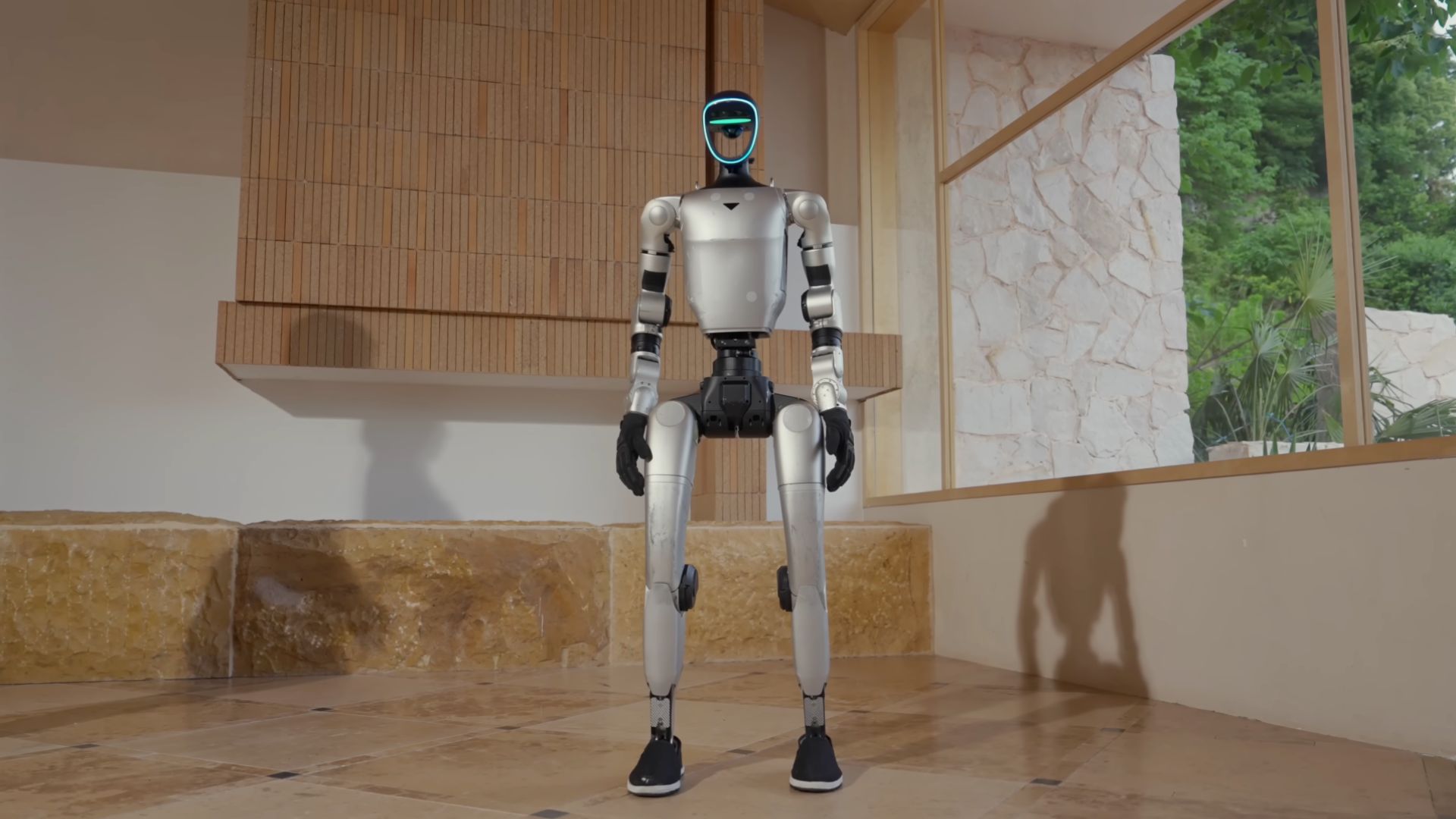
Tokyo summit wows audience with humanoids and robotic hands that can thread a needle
In Japan, robotics developers are unveiling cutting-edge humanoid robots designed to execute intricate tasks, such as assembling delicate components and assisting in healthcare settings. This showcase, taking place at the annual International Robot Exhibition in Tokyo, highlights the rapid advancements in robotics technology and its potential applications in various industries. The event, which runs from November 15 to 18, aims to demonstrate how these sophisticated machines can enhance productivity and support human workers. By integrating artificial intelligence and advanced sensors, these robots are not only improving efficiency but also addressing labor shortages in sectors like manufacturing and elder care. As the demand for automation continues to rise, developers are eager to illustrate the capabilities of their innovations and explore partnerships that could further advance the field of robotics.
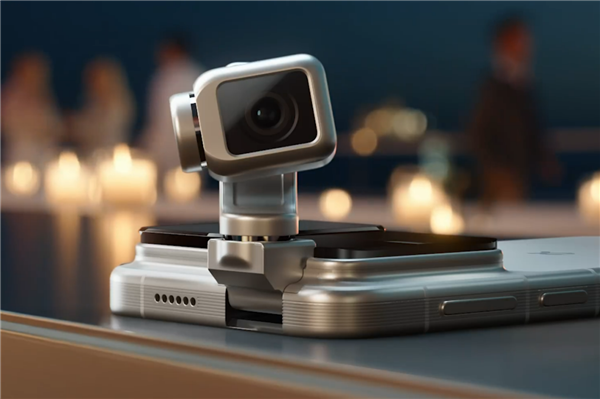
World's First Robot Phone Unveiled: Honor CEO Says, 'We’ve Given Phones Hands and Feet!'
At the Mobile World Congress (MWC) 2026, Honor CEO Zhao Jian unveiled the groundbreaking Robot Phone, which boasts a dynamic camera and advanced AI capabilities that aim to revolutionize mobile technology. This launch signifies Honor's strategic expansion into the robotics sector, as the event also featured a humanoid robot that captivated attendees with its impressive dance performance. This move underscores Honor's ambition to establish itself as a leader in the AI ecosystem, showcasing the company's commitment to innovation and technological advancement in an increasingly competitive market.
Robot Phone Humanoid Robots AI Technology Mobile Innovation
Leading Internet Giants Invest in Hangzhou's Robotics Company for Innovative Dexterous Hands
Xynova Future, a robotics company based in Hangzhou, has successfully raised hundreds of millions in Pre-A funding, with JD.com leading the investment round and significant backing from major players like Xiaomi. The funding aims to support the company's mission to develop advanced dexterous hands for humanoid robots, a technology designed to enhance the interaction between digital intelligence and real-world applications. This investment marks a significant step in the evolution of robotics, as Xynova Future seeks to innovate and expand the capabilities of humanoid robots in various sectors.
Dexterous Robotics Humanoid Robots Investment in Technology AI Robotics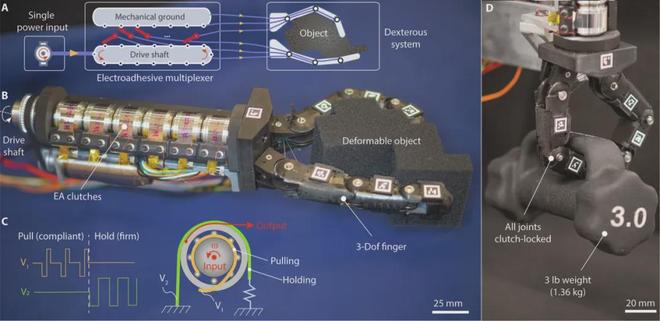
Breakthrough in Robotic Hands: One Motor Drives Six Joints, Capable of Gentle Foam Handling and Lifting 3 Pounds
A research team at Northwestern University has unveiled an innovative robotic hand that operates using a single motor to control six joints, thanks to a groundbreaking electric adhesive clutch system. This design enables the robotic hand to seamlessly transition between gentle and strong gripping, enhancing its versatility in robotic manipulation. The development aims to improve the functionality of robotic systems, making them more adaptable for various tasks.
Robotic Hands Electric Adhesive Clutch Soft Robotics Robotics Technology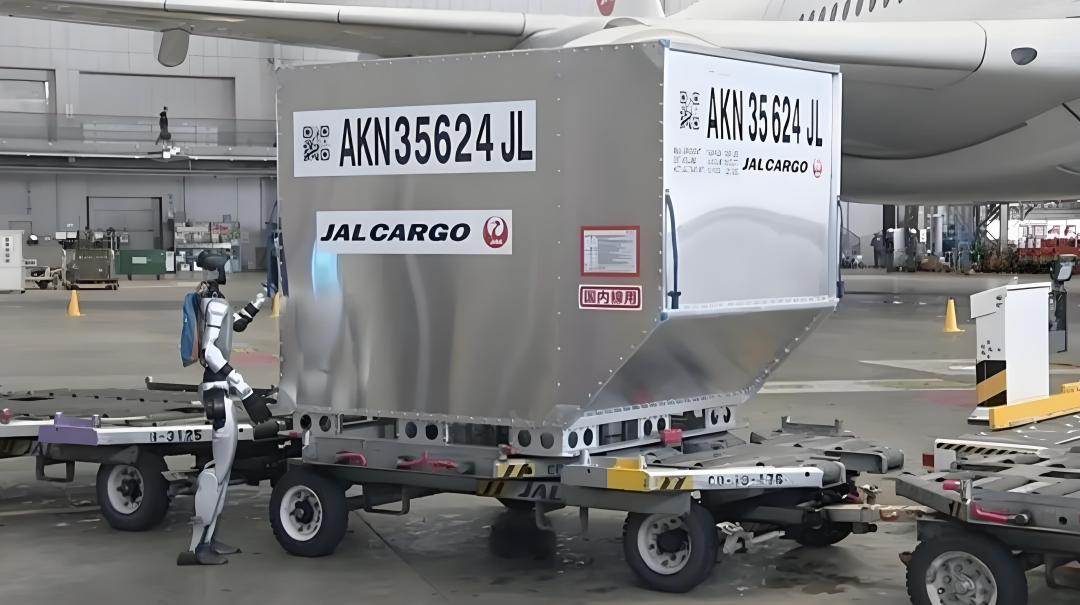
Japan Hands Over the 'Robot Kingdom' Title to China
Japan is embarking on a new chapter in its robotics landscape by partnering with Chinese companies to implement humanoid robots in practical settings. A pilot project is set to launch at Tokyo's Haneda Airport, where these robots will take on various ground handling tasks. This initiative marks a significant shift for Japan, which has long been recognized as a leader in robotics, as it increasingly turns to Chinese technology to enhance its operational efficiency. The collaboration aims to streamline airport operations and improve service delivery, showcasing a growing trend of international cooperation in the robotics sector.
Humanoid Robots Robotics Collaboration AI Technology Automation
Breaking the Delivery Barrier: Who Can Solve the Impossible Triangle of Dexterous Robot Hands?
In 2025, InTime Robotics marked a significant achievement by delivering more than 10,000 dexterous robot hands within a single year, setting a new industry record. This milestone underscores the complexities involved in scaling production while ensuring performance, cost-effectiveness, and reliability. Fang Hainan, the Chief Marketing Officer of InTime Robotics, addressed these challenges during his presentation at the China Embodied Intelligence and Humanoid Robotics Industry Conference. The event served as a platform for discussing advancements in robotics and the future of automation, highlighting the company's commitment to innovation in the field.
Dexterous Robotics Manufacturing Supply Chain Robotics Technology
Affordable humanoid robot kit at $15,000 pushes advanced robotics into public hands
The development of humanoid robots is increasingly shifting from confidential corporate laboratories to public demonstrations and collaborations. Major technology companies and startups are unveiling their advancements in robotics at various industry events and exhibitions, showcasing their latest prototypes and capabilities. This transition is occurring in 2023, as organizations aim to attract investment and public interest in the burgeoning field of robotics. The motivation behind this shift is to accelerate innovation and foster partnerships that can enhance the functionality and integration of humanoid robots into everyday life. By engaging with the public and potential investors, these companies hope to highlight the practical applications of their technologies, ranging from healthcare assistance to customer service. Demonstrations often involve live interactions with the robots, allowing audiences to witness their abilities in real-time. This hands-on approach not only showcases the robots' advanced features but also addresses public curiosity and concerns about the future of human-robot interaction. As the race to develop humanoid robots intensifies, the industry is poised for significant advancements that could reshape various sectors and redefine the relationship between humans and machines.
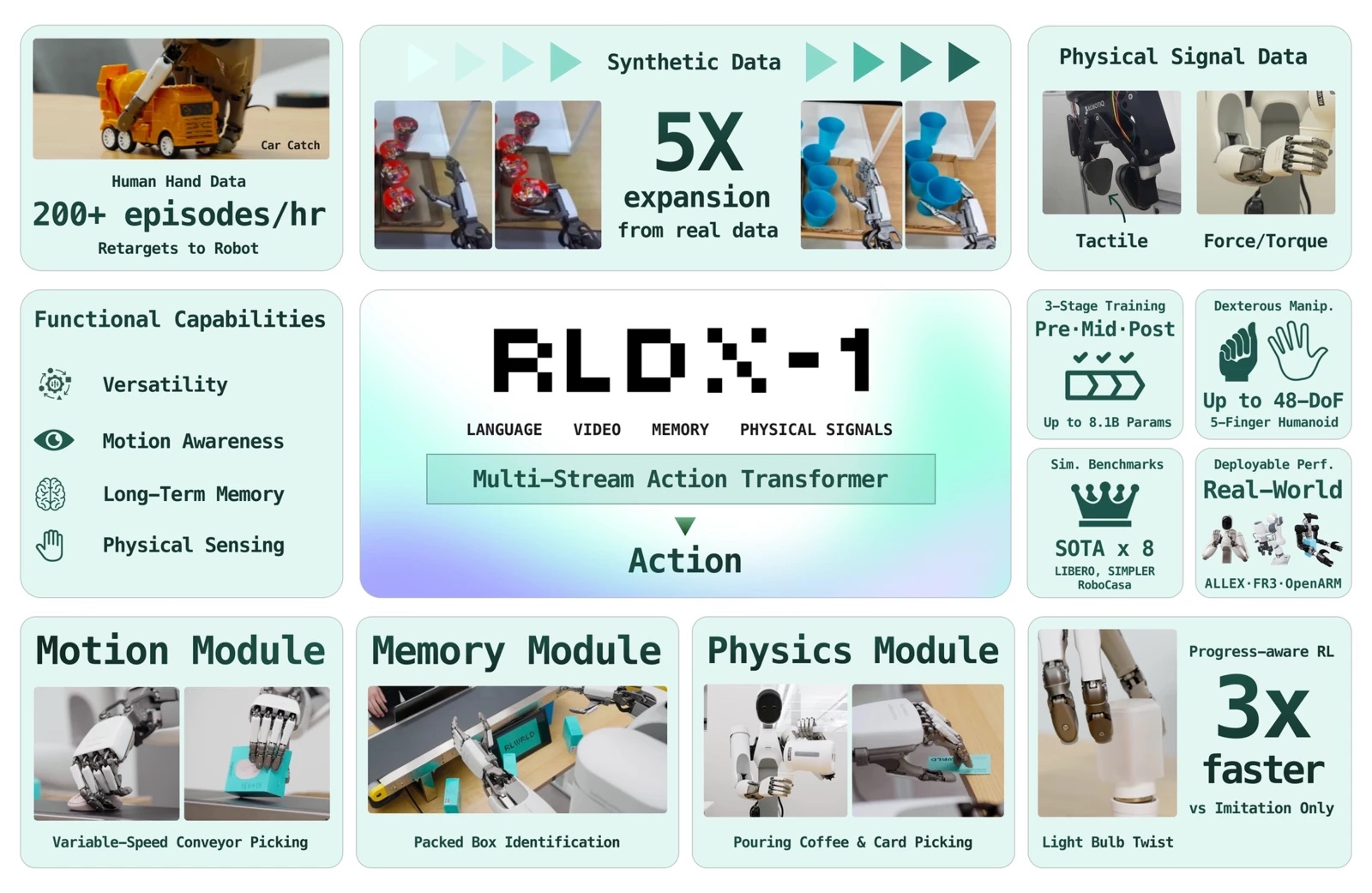
RLWRLD releases RLDX-1, a dexterity-first foundation model for robot hands
RLWRLD has unveiled its latest innovation, the RLDX-1, a foundation model designed specifically for robotic hands. This new model aims to enhance dexterity by incorporating features such as context memorization and force sensing, which are often absent in current robotic models. The release of RLDX-1 marks a significant advancement in the field of robotics, addressing critical limitations that have hindered the performance of robotic hands.
Artificial Intelligence Artificial Intelligence / Cognition Design / Development Development Tools / SDKs / Libraries Grippers Human Robot Interaction / Haptics
Video Friday: AI Gives Robot Hands Human-Like Dexterity
IEEE Spectrum robotics has released its weekly roundup of notable robotics videos, along with a calendar of upcoming robotics events scheduled for 2026. Key events include ICRA 2026 in Vienna from June 1-5, and the Summer School on Multi-Robot Systems in Prague from July 29 to August 4. Among the highlights is the introduction of GENE-26.5, an AI brain that enables robots to perform complex tasks such as cooking, conducting lab experiments, and playing the piano, showcasing significant advancements in robotic capabilities. Another featured robot, Labububot, is a unique creation that critiques social robots through its design, merging various pop culture elements into a single entity. In other developments, NASA's Jet Propulsion Laboratory is testing next-generation helicopter rotor blades on Mars, achieving speeds that exceed Mach 1 in a simulated Martian atmosphere. Additionally, Boston Dynamics is balancing commercial interests with robotics research through its Atlas robot, while the Robomechanics Lab has introduced Sally, a magnetic-wheeled robot designed for inspecting steel structures, capable of navigating challenging interior corners. These innovations reflect the ongoing evolution in robotics, driven by advancements in AI and engineering, as the field continues to explore new applications and capabilities.
Humanoid-robots Video-friday Manipulation Robot-videos Autonomous-robots Quadruped-robots
QNX to bring hands-on demonstrations and new research to the Robotics Summit
QNX is inviting attendees of the Robotics Summit & Expo to visit Booth 307 for an opportunity to experience its latest demonstrations and research developments. The event, which showcases advancements in robotics, provides a platform for QNX to engage with industry professionals and showcase its innovative technologies. By participating in this expo, QNX aims to highlight its contributions to the robotics field and foster connections with potential collaborators and clients.
Artificial Intelligence Artificial Intelligence / Cognition Autonomous Mobile Robots (AMRs) Design / Development Events Humanoids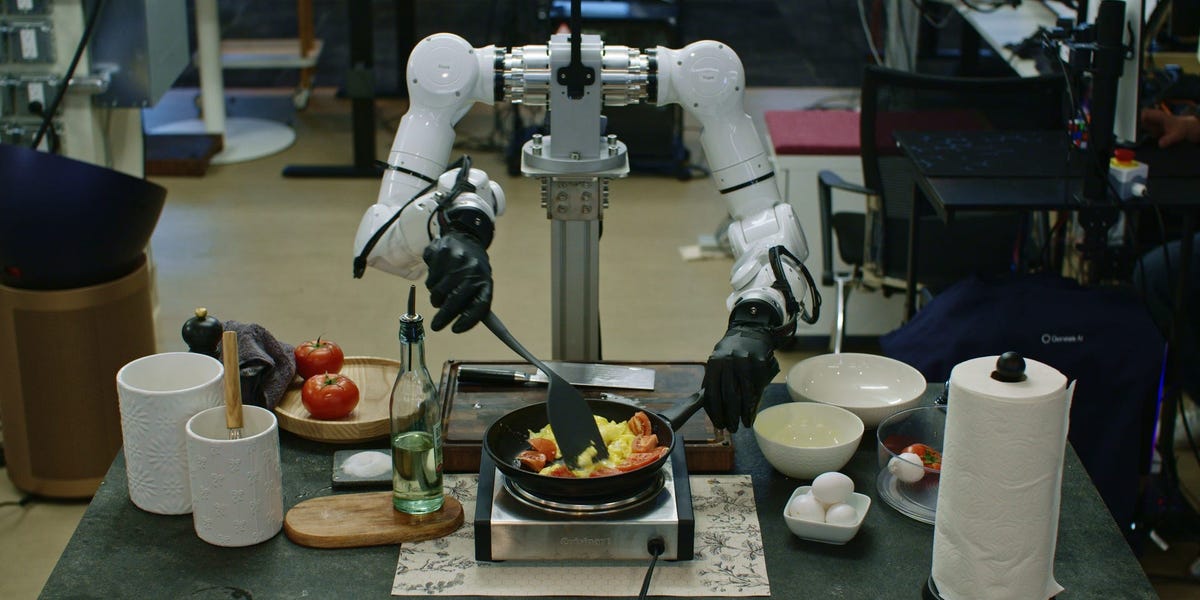
Take a look at these hands: Genesis AI says it taught a robot to cook and play piano close to human-level performance
Genesis AI has announced the development of advanced robotic hands that exhibit dexterity and performance comparable to that of human hands. CEO Zhou Xian revealed this breakthrough during a recent presentation, highlighting the company's commitment to pushing the boundaries of artificial intelligence and robotics. The announcement comes as part of Genesis AI's ongoing efforts to innovate within the tech industry and enhance the capabilities of robotic systems. This advancement could have significant implications for various sectors, including manufacturing, healthcare, and service industries, where precision and adaptability are crucial. The technology is expected to be further refined and tested in the coming months, with the potential for commercial applications in the near future.
Tech robots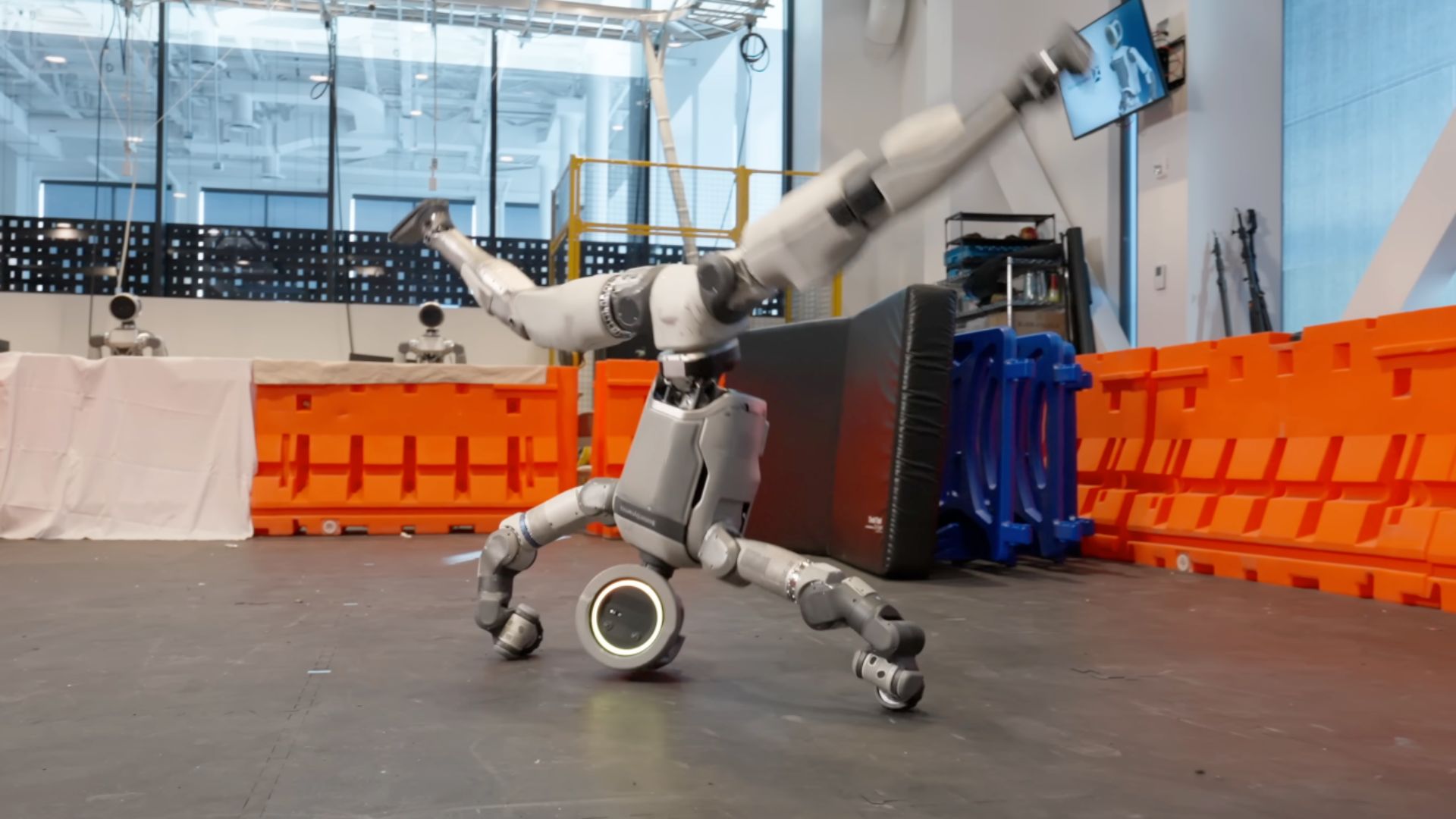
Watch Boston Dynamics’ Atlas humanoid robot amazes with flawless handstand
Boston Dynamics has unveiled new test footage of its Atlas humanoid robot, demonstrating significant advancements in its capabilities. The footage, released recently, highlights the robot's agility and precision as it navigates complex environments, showcasing its ability to perform tasks such as running, jumping, and even parkour maneuvers. This development comes as part of the company's ongoing efforts to enhance robotic technology for potential applications in various fields, including logistics, disaster response, and personal assistance. The engineers at Boston Dynamics aim to push the boundaries of robotics, making machines that can adapt to dynamic settings and assist humans in challenging situations. The release of this footage not only illustrates the progress made since the robot's initial introduction but also sparks discussions about the future of humanoid robots in everyday life.
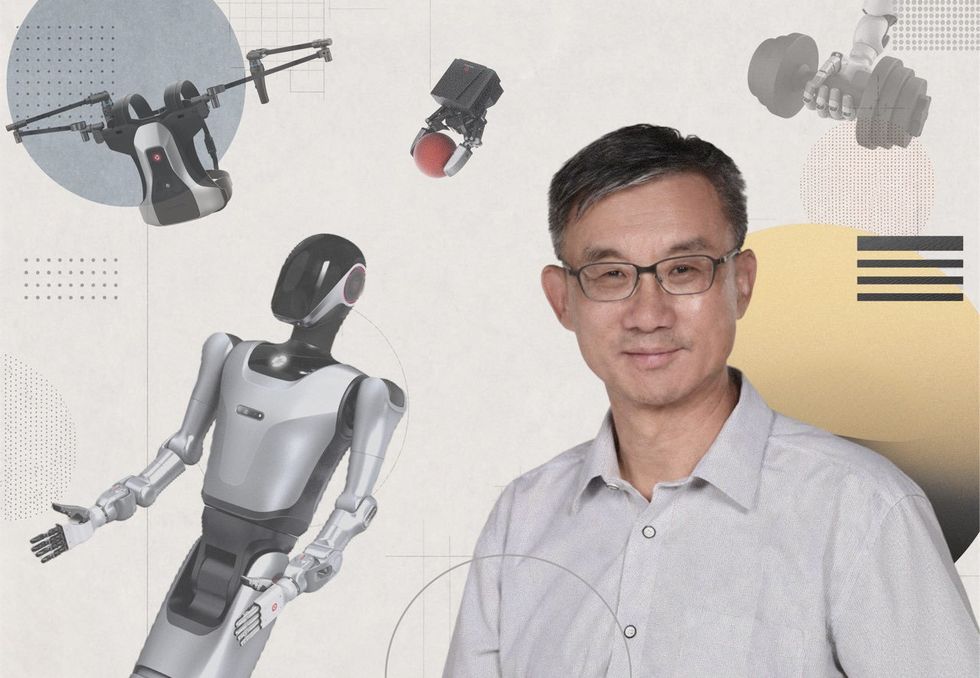
DAIMON Robotics Wants to Give Robot Hands a Sense of Touch
In April 2023, DAIMON Robotics, a Hong Kong-based company, launched Daimon-Infinity, touted as the world's largest omni-modal robotic dataset for physical AI. This extensive dataset, which includes high-resolution tactile sensing data from over 80 real-world scenarios and 2,000 human skills, aims to enhance robot manipulation capabilities across various tasks, from household chores to industrial assembly lines. The initiative is backed by collaborations with prominent partners, including Google DeepMind, Northwestern University, and the National University of Singapore. Prof. Michael Yu Wang, co-founder and chief scientist of DAIMON, emphasized the importance of tactile feedback in improving robotic dexterity, advocating for a shift from the traditional Vision-Language-Action (VLA) model to a more integrated Vision-Tactile-Language-Action (VTLA) framework. This transition is crucial for enabling robots to perform complex manipulation tasks effectively, especially in environments where visual data alone is insufficient. Recognizing a significant data gap in the robotics industry, DAIMON has committed to open-sourcing 10,000 hours of its dataset to support broader research and development efforts. The company aims to accelerate the deployment of embodied AI by providing high-quality tactile data, which is essential for training robots to interact with their surroundings more naturally and effectively. As the robotics landscape evolves, DAIMON's innovative approach positions it as a key player in advancing the capabilities of humanoid robots in real-world applications.
Type-sponsored Factory-robots Tactile-sensing Ai-models Embodied-intelligence
Robot Talk Episode 152 – Dexterous robot hands, with Rich Walker
Claire recently spoke with Rich Walker, a key figure at Shadow Robot Company, regarding their innovative robotic hands designed for both research and industrial applications. Walker, who has been with the company since its inception, transitioned from a background in software and systems engineering to a management role, where he has played a pivotal part in the company's research and development initiatives. The discussion highlighted the advancements in robotic technology and the potential impact these developments could have across various sectors. Shadow Robot Company aims to enhance automation and precision in tasks traditionally performed by humans, showcasing the growing intersection of robotics and industry.

What It Takes to Make Humanoid Robots Move Like Humans: The Engineering Behind Joints, Hands, and Precision Control
Recent advancements in humanoid robotics have highlighted a significant shift in design and manufacturing practices. Engineers and researchers are increasingly moving away from traditional discrete component assembly methods, opting instead for integrated joint modules. These innovative units combine motors, gearboxes, sensors, and drive electronics into compact systems, streamlining the production process and enhancing the functionality of humanoid robots. This transition is driven by the need for more efficient and versatile robotic systems capable of performing complex tasks in various environments. As this trend continues to evolve, it is expected to accelerate the development of more sophisticated humanoid robots, paving the way for broader applications in industries such as healthcare, manufacturing, and service sectors. The integration of these components not only simplifies assembly but also improves the overall performance and reliability of robotic systems, making them more adaptable to real-world challenges.
High Contrast & Technology Breakthrough: Behind the Billion-View Phenomenon of 'Hands' Bringing Robots into Everyday Life
Recent advancements in dexterous robotic hands are paving the way for their integration into everyday life, moving from mere demonstrations to practical applications. Experts predict that by 2026, these innovative technologies will see widespread adoption, driven by significant market growth and increasing demand for automation in various sectors. The evolution of these robotic hands showcases their potential to enhance productivity and efficiency, making them a vital component in the future of robotics. As industries continue to explore their capabilities, the impact of dexterous robotic hands is expected to reshape how tasks are performed, ultimately transforming both professional and personal environments.
Dexterous Robots Robotics Technology AI Automation
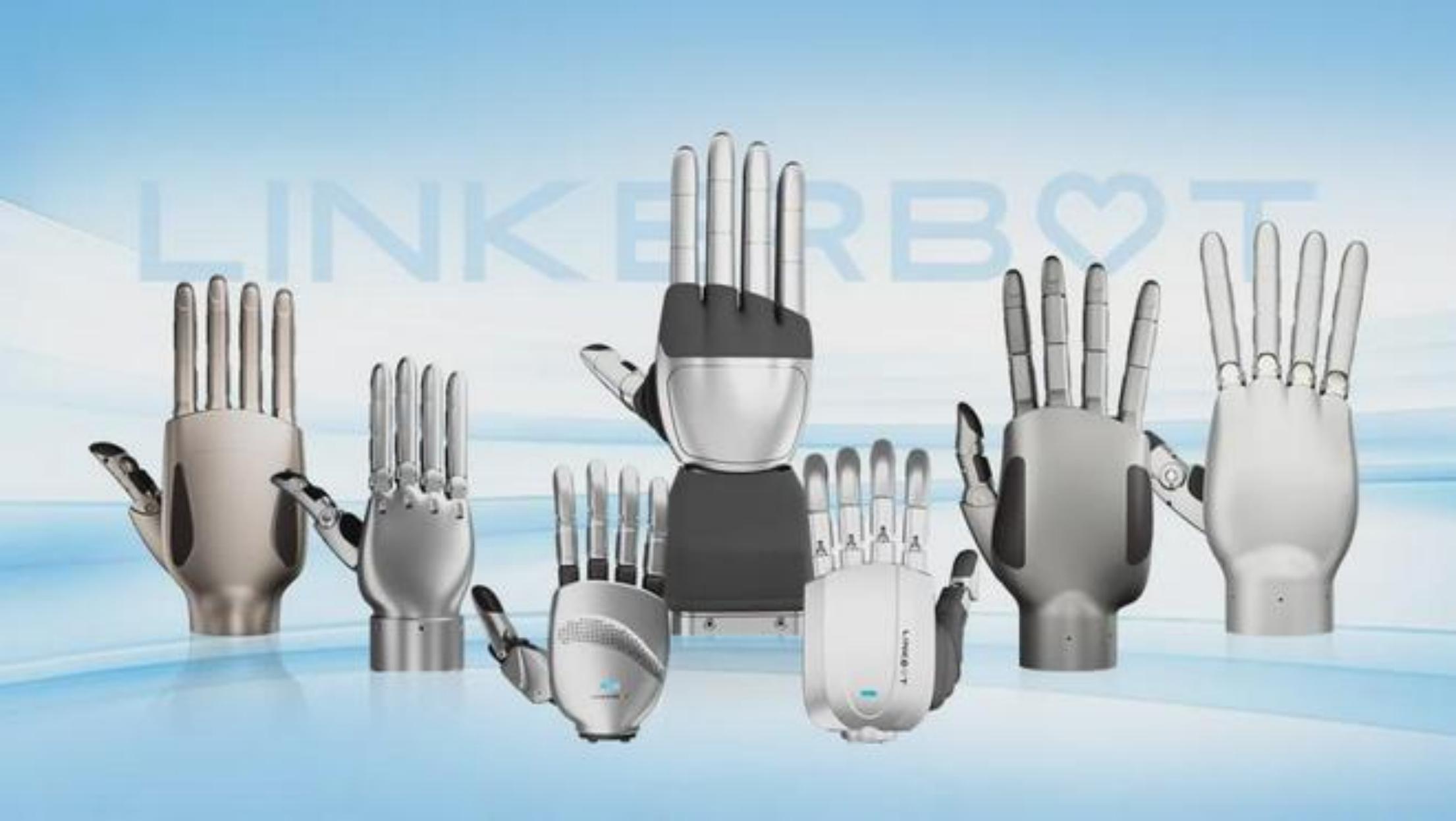
Exploring physical AI: Linkerbot works on giving robots human-like hands to act in the real world
Linkerbot, a robotics company, is advancing the integration of artificial intelligence into the physical realm by developing robotic hands that mimic human dexterity. This initiative comes as AI technology continues to evolve, moving beyond digital applications to interact with the real world. The company's focus on creating hands that can perform tasks with human-like precision aims to enhance the functionality of robots in various industries. NVIDIA CEO Jensen Huang has highlighted the significance of such innovations, emphasizing the potential for these advancements to revolutionize how machines operate in everyday environments. As Linkerbot pushes the boundaries of robotics, the implications for automation and human-robot collaboration are becoming increasingly profound.
On the Cusp AI Highlight News Robotics
CES 2026: Roborock releases the world's first robotic vacuum with wheel-leg architecture as it joins hands with Real Madrid Football Club
At CES 2026, Roborock made headlines with the introduction of the Saros Rover, a groundbreaking robotic vacuum featuring a unique wheel-leg architecture that enables it to navigate stairs and slopes with remarkable agility. This innovative product marks a significant advancement in robotic cleaning technology. In addition to the Saros Rover, Roborock announced a strategic partnership with Real Madrid Football Club, further enhancing its brand visibility and market reach. The company also expanded its smart cleaning product lineup with the launch of the Saros 20 and the RockMow X1 LiDAR, showcasing its commitment to innovation in home and garden maintenance solutions.
Robotics Smart Home Consumer Electronics AI Technology PartnershipsRobotics needs a service framework.
RSF defines a common language for robot service capability, lifecycle operations, certification pathways, and service-provider networks.
Join the RobotToday community on LinkedIn
Daily robotics news, in-depth analysis, conference highlights, and discussions with professionals worldwide.







