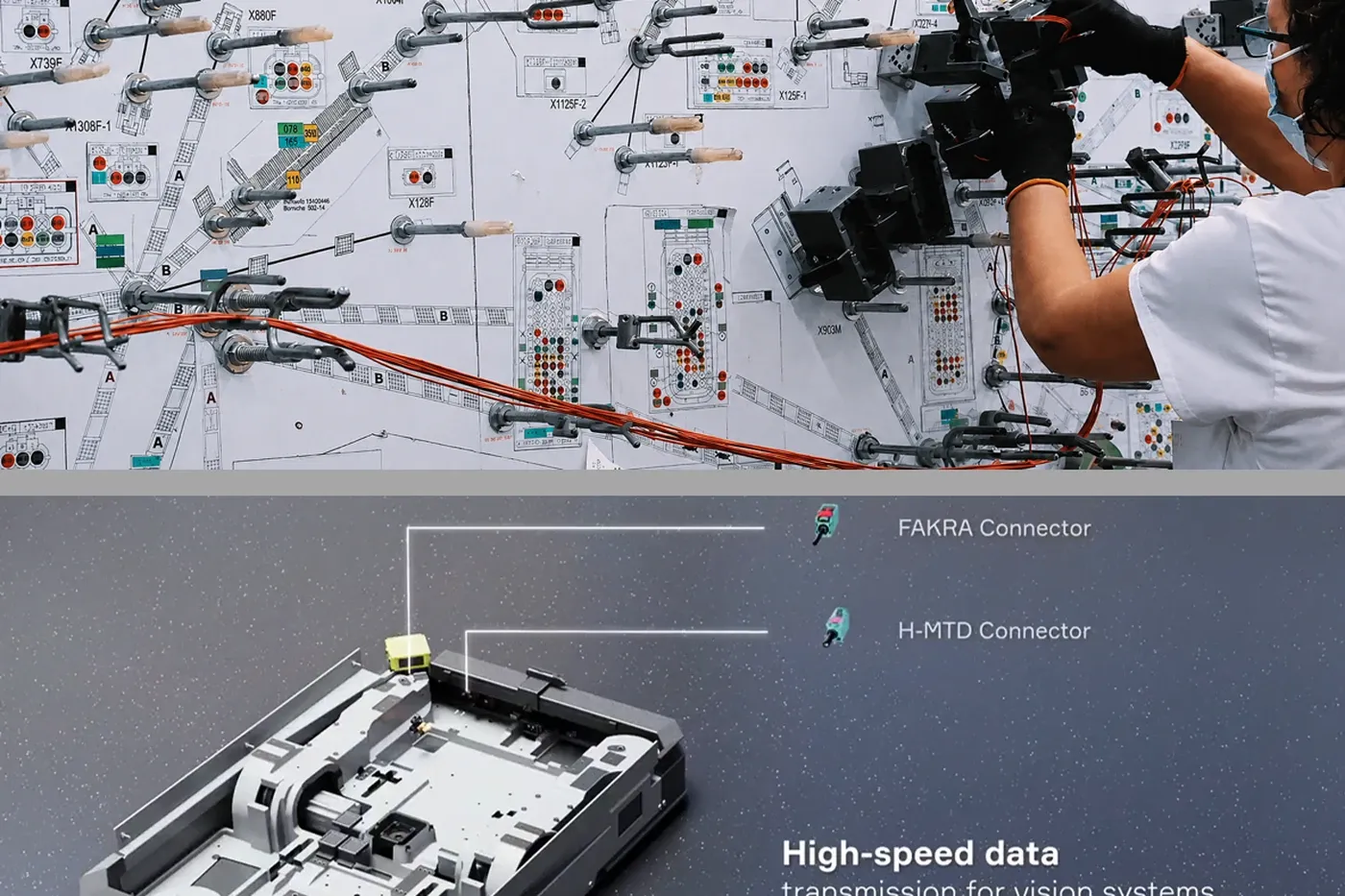
Recent advancements in humanoid robotics have highlighted a significant shift in design and manufacturing practices. Engineers and researchers are increasingly moving away from traditional discrete component assembly methods, opting instead for integrated joint modules. These innovative units combine motors, gearboxes, sensors, and drive electronics into compact systems, streamlining the production process and enhancing the functionality of humanoid robots. This transition is driven by the need for more efficient and versatile robotic systems capable of performing complex tasks in various environments. As this trend continues to evolve, it is expected to accelerate the development of more sophisticated humanoid robots, paving the way for broader applications in industries such as healthcare, manufacturing, and service sectors. The integration of these components not only simplifies assembly but also improves the overall performance and reliability of robotic systems, making them more adaptable to real-world challenges.



What It Takes to Make Humanoid Robots Move Like Humans: The Engineering Behind Joints, Hands, and Precision Control
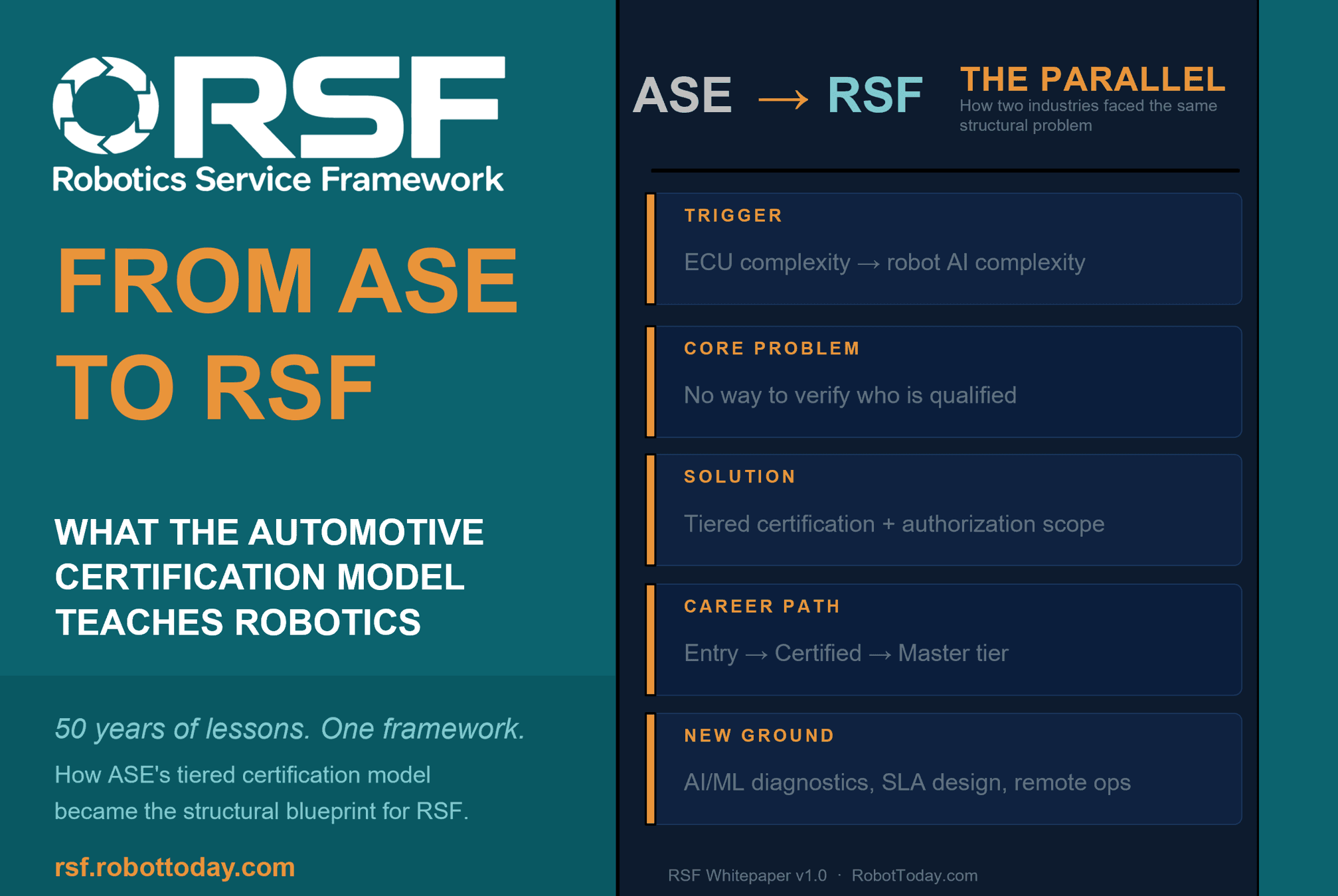
Robotics needs a service framework.
RSF defines a common language for robot service capability, lifecycle operations, certification pathways, and service-provider networks.
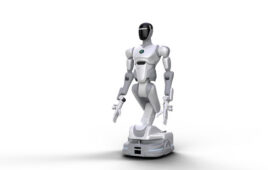
Advancements in Humanoid Robotics Driven by Power Management Solutions
The latest episode of Designing the Future highlights the significant progress in humanoid robotics, driven by advancements in speed, mobility, and dexterity. As these technologies evolve, the role of power management becomes increasingly critical, particularly in the context of battery and fuel cell usage. Engineers face challenges in converting energy f...
Humanoids
Nous Research Secures New Funding Talks at $1.5 Billion Valuation for Hermes Agent
Nous Research, the creator of the open-source Hermes agent, is in discussions to secure a new funding round led by Robot Ventures, aiming for a valuation of $1.5 billion. The company is looking to raise at least $75 million, following a previous $50 million Series A funding announced just three months prior. This funding round is significant as it reflect...
AI Startups Venture
Mitsubishi Motors to Begin Mass Production of Humanoid Robots by 2027
Mitsubishi Motors has announced plans to start mass production of humanoid robots at its factory in Japan by 2027. In collaboration with the Tokyo University startup Highlanders, the company aims to produce 1,000 units per month initially, utilizing existing space in its Kyoto engine plant. The robots will first be deployed in Mitsubishi's own facilities ...
Humanoid Robots Manufacturing Automation AI Technology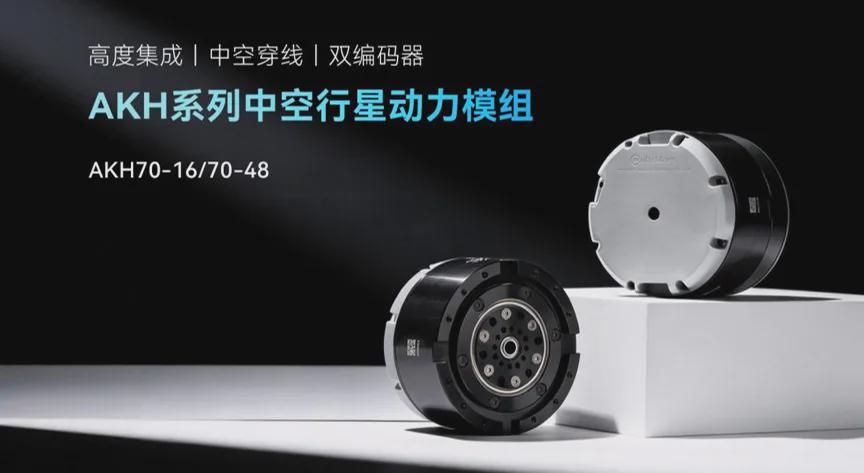
CubeMars Launches New Hollow Planetary Power Modules for Humanoid Robot Joints
In 2026, humanoid robots are approaching a critical point for industrial application. CubeMars has launched two specialized hollow planetary power modules, AKH70-16 and AKH70-48, which are crucial for enhancing flexibility and load capacity in robotic joints. These modules integrate brushless motors, planetary gear reducers, encoders, and driver boards, a...
Humanoid Robots Robotic Joints Power Modules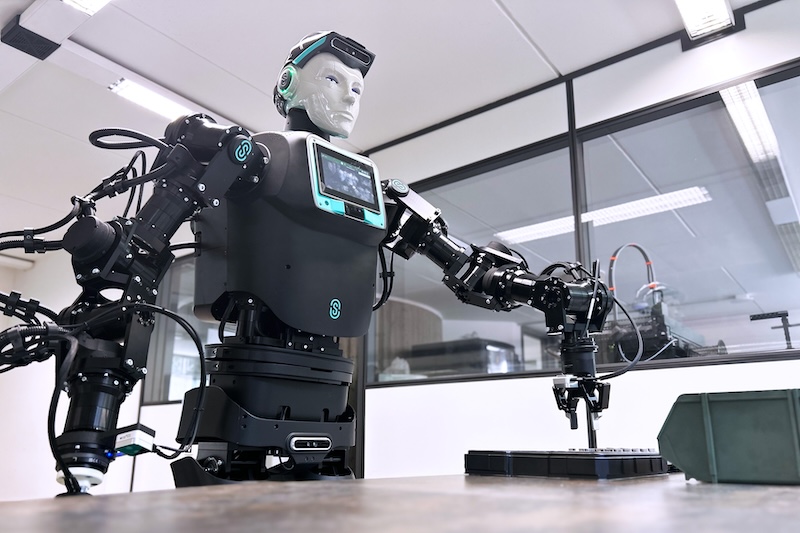
STMicroelectronics Invests in Oversonic Robotics to Enhance Humanoid Robot Development
Oversonic Robotics, an Italian cognitive robotics firm known for RoBee, has announced a strategic investment from STMicroelectronics, Fondazione ENEA Tech Biomedical, and SpotInvest. This investment aims to accelerate Oversonic's industrial, technological, and international growth, particularly in the cognitive humanoid robotics sector. The involvement of...
Humanoids News artificial intelligence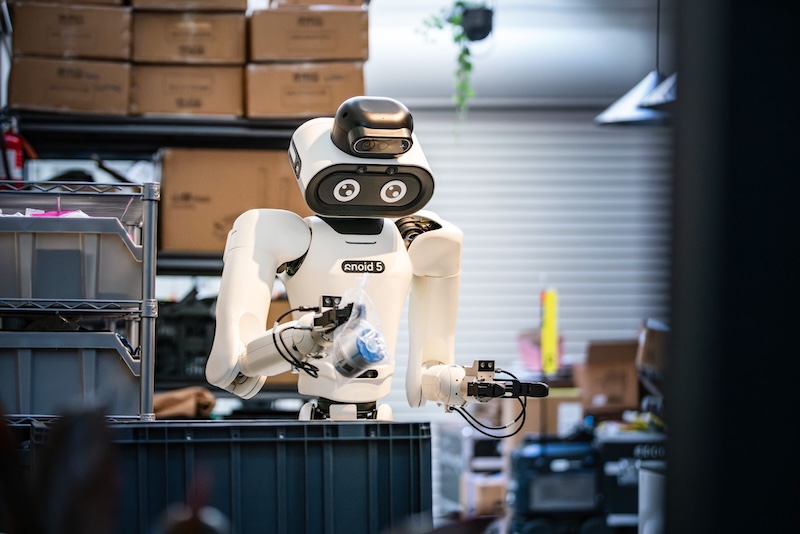
Robot.com Introduces R-noid Humanoid Robot for Challenging Labor Markets
Robot.com has officially launched R-noid, a humanoid robot designed to tackle repetitive and hard-to-fill jobs across various industries. Deployed under a Robot-as-a-Service model, R-noid can achieve autonomous operation within eight to twelve weeks, addressing significant staffing challenges in sectors like healthcare and food services. The introduction ...
Humanoids News automation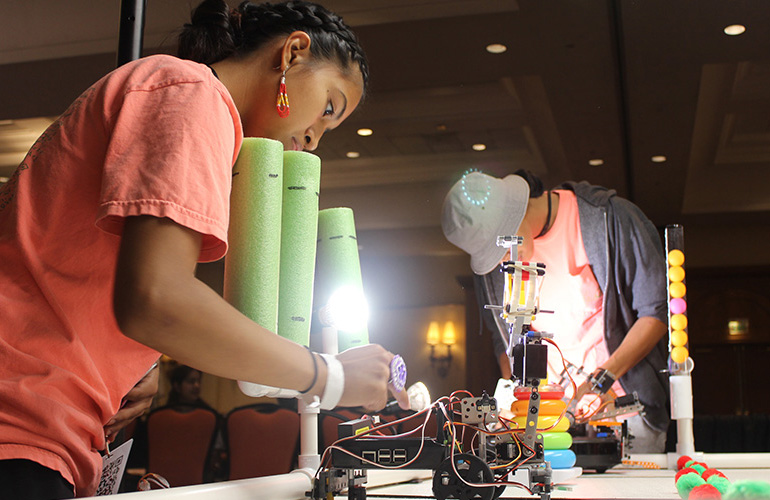
KISS Institute Launches BotBall to Enhance STEM Education with Student-Led Robotics
The KISS Institute for Practical Robotics (KIPR) has introduced BotBall, a robotics program designed to foster creativity and critical thinking among students. This initiative emphasizes student-led engineering, allowing participants from elementary to high school to engage in hands-on learning using a standardized kit. The program ensures a level playing...
Autonomous Mobile Robots (AMRs) Educational News
ROBOTTODAY Weekly July 6 – 10, 2026
This week in robotics: AI² Robotics raises $735M for wheeled humanoids, Unitree G1 performs first live surgery, Dexmal launches DexOS platform, Agility Robotics announces SPAC, and Ondas acquires DZYNE for $875.8M. July 6–10, 2026.
RobotToday Weekly
Humanoid Robot H1 Completes First Live Gallbladder Surgery Under Surgeon Control
In July 2026, a humanoid robot successfully performed the world's first live gallbladder surgery on a pig under the control of a surgeon. This groundbreaking procedure, documented by Nature and featured on the front page of the New York Post, has sparked significant discussions in the tech community about the implications of humanoid robots in surgical se...
Humanoid Robots Surgical Robotics AI in Healthcare
1X Enhances NEO Humanoid Robot with Advanced 25-DOF Hands for Versatile Tasks
Norwegian robotics firm 1X has introduced new 25-degree-of-freedom (DOF) tendon-driven hands for its NEO humanoid robot, marking a significant advancement in robotic dexterity. These hands feature 22 actuated joints across the fingers and palm, along with three at the wrist, enabling NEO to perform tasks such as assembling LEGO models and catching balls w...
AI and Robotics
Physical AI Landscape: From Digital Intelligence to the Embodied Physical World
A comprehensive industry analysis of Physical AI — covering Embodied AI, Field AI, Factory AI, VLM, World Model, VLA, and the VLA vs WAM architecture debate. Includes 20+ companies, 28 references, and the RobotToday Physical AI Landscape diagram. July 2026.
Artificial Intelligence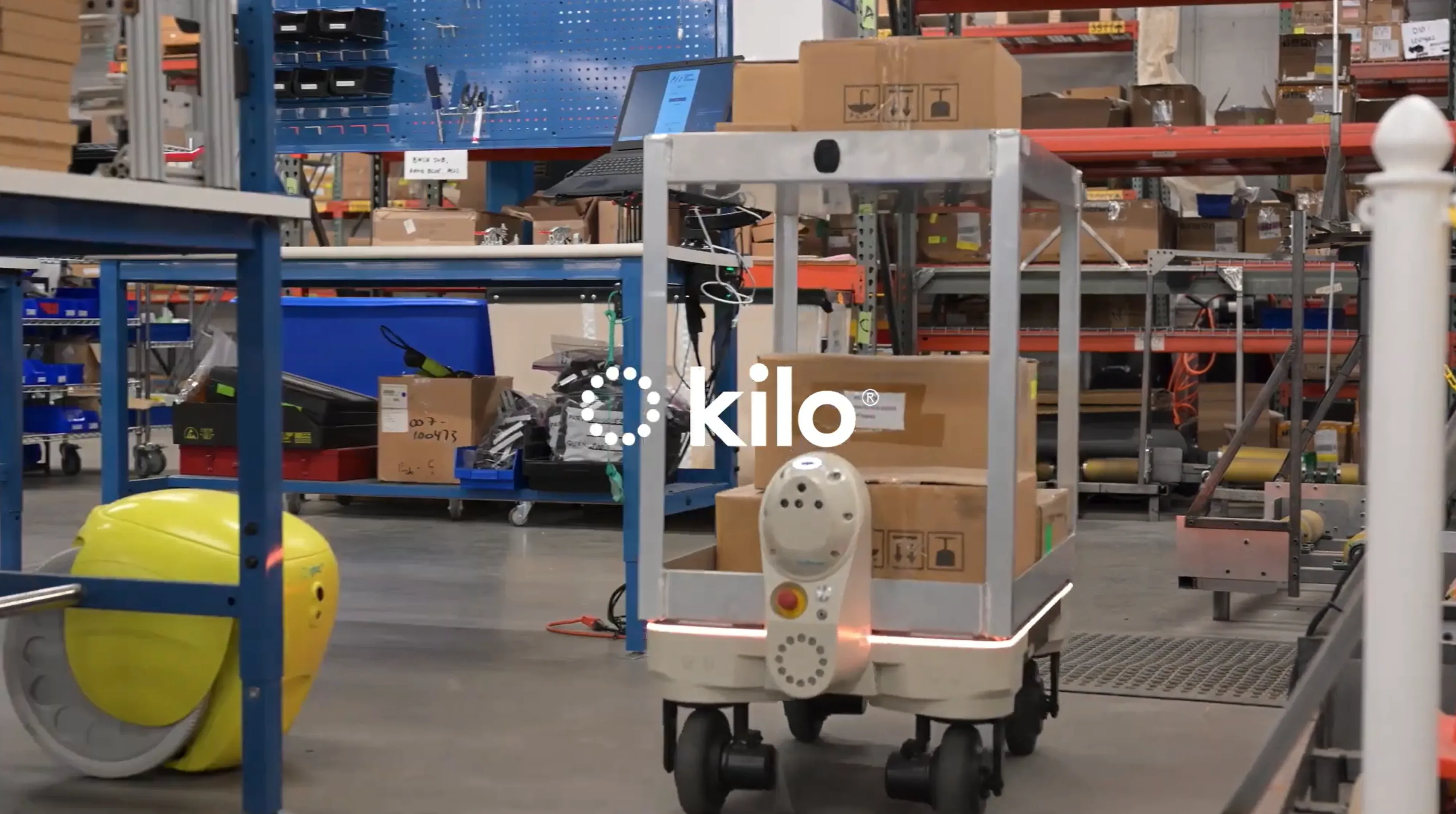
Piaggio Fast Forward Brings kilo® Autonomous Mobile Robot to Automate 2026
Piaggio Fast Forward showcases kilo®, an infrastructure-free collaborative AMR (300 lb payload, 360° LiDAR), at Automate 2026 booth #17054.
Market and Business News
Humanoid M.AX Alliance
Korea, Republic of (South)
The Humanoid M.AX Alliance, established in April 2025, is a consortium comprising 224 entities focused on advancing Korea's humanoid robotics sector. Key initiatives include developing shared Robot AI Foundation Models, conducting R&D on next-gen humanoid technologies, and collaborating on AI semiconductors and mobility batteries. The Alliance also emphasizes startup acceleration and talent development through partnerships with leading universities.

Kind Humanoid (Acq. by 1X)
United States
NEO is an advanced humanoid robot designed for versatile applications in domestic and commercial environments. It utilizes artificial intelligence algorithms for natural language processing and machine learning to enhance user interaction. The robot is equipped with a modular hardware architecture, enabling scalability and customization. Key features include real-time data processing, autonomous navigation, and integration with IoT devices for smart home functionality.

Rotaku (humanoid robotics; limited public info)
United States
The humanoid robots developed feature a height of 1.7m, a weight of 45kg, and 22 degrees of freedom, enabling complex manipulation tasks. The system utilizes a robust SDK for high- and low-level control, alongside a data analytics stack for telemetry management. Advanced simulation environments support reinforcement learning for policy optimization, ensuring effective deployment in real-world scenarios.

ASRock Industrial Computer Corporation
Taiwan
ASRock Industrial, a global leader in edge computers and industrial motherboards, delivers high-performance industrial computers, motherboards, and mini PCs. Subscribe for the Latest Automate Show Updates Copyright © 2013-2026 A3 Automate.

B&R Industrial Automation
Austria
At the center of B&R’s approach is a unified automation architecture that combines powerful control, flexible I/O, intuitive HMI, motion, and integrated safety in one cohesive environment. The company gives system integrators, OEMs, and project-driven organizations the performance, openness, and.

Herr Industrial, Inc
United States
US provider of industrial paint finishing systems, air pollution control, material handling, and control systems since 1971. Delivers turnkey automation solutions for metal, plastic, and wood finishing with installation and maintenance services.
HERL (Human Engineering Research Lab)
United States
Joint University of Pittsburgh and US Department of Veterans Affairs laboratory conducting rehabilitation engineering research. Develops mobility devices, assistive technologies, and medical-grade products for people with disabilities.

Joanneum Research Assoc (AT)
Austria
Joanneum Research Institute for Robotics and Flexible Production conducts applied R&D in industrial robot systems, production automation and robot safety, offering feasibility analysis, consulting and testing in a robotics solution centre.

St Petersburg National Research U of ITMO
Russian leading research university (ITMO University) specializing in information technology, optical engineering, and photonics. Active research programs in AI, robotics, computer vision, and cyber-physical systems.

Robot Care Systems
Netherlands
The URL resolves to Robots.nu, an informational portal covering personal, service, care, and educational robots. The site aggregates overviews and news about robots used in homes, healthcare, and workplaces, targeting general audiences exploring robotic technology applications.

Top Grade Healthcare (CN)
Top Grade Healthcare is a Chinese healthcare products and services company. It has limited verifiable presence in robotics; however, the company is listed in context of healthcare automation and senior care robotic applications in the Chinese market.

Xenex Healthcare Services
United States
Xenex Healthcare Services manufactures the LightStrike UV disinfection robot, which uses pulsed xenon UV technology to reduce microbial load in hospital rooms. Provides workflow consulting alongside the robotic system to improve room turnover efficiency.


Leave a comment