Industry Briefing
A single destination for timely, editor-curated robotics news from around the world.
Skild AI Introduces S1 Robot Foundation Model for Learning from Video Demonstrations
Skild AI has launched the S1, a groundbreaking robotics foundation model that allows robots to learn manipulation tasks from just one video demonstration. This innovative model eliminates the need for task-specific fine-tuning or post-training, streamlining the learning process for robotic systems. The significance of the S1 model lies in its use of in-context learning, which parallels the prompting techniques utilized in large language models. This capability enables operators to simply demonstrate a task via video, making it easier for robots to acquire new skills efficiently and effectively. Looking ahead, the implications of the S1 model could reshape how robots are trained and deployed across various industries. As Skild AI continues to develop this technology, industry professionals should monitor advancements and potential applications of the S1 model in real-world scenarios. No further timeline was disclosed at the time of publication.
Computing Design News Software artificial intelligence Autonomous robots
Skild AI Launches S1, Its Flagship Robot Foundation Model for In-Context Learning
Skild AI has introduced S1, its flagship robot foundation model designed to enable in-context learning for robotics. The model allows robots to learn complex tasks by observing a single video, a significant advancement since the company's founding in 2023, during which it raised nearly $1.7 billion in funding. The importance of S1 lies in its ability to streamline the learning process for robots, which traditionally require extensive post-training for new tasks. Skild AI co-founder and CEO Deepak Pathak emphasized that S1 can handle long-duration tasks, such as repotting plants or cooking, by utilizing diverse training data sources, including human videos and teleoperation data. Looking ahead, Skild AI aims to enhance the model's performance, particularly for humanoid robots, although current efforts are generalized across various tasks. Pathak noted that the model's adaptability is crucial, as demonstrated by its ability to learn new actions, like flipping pancakes, from observing human behavior. No further timeline was disclosed at the time of publication.
Artificial Intelligence Artificial Intelligence / Cognition Design / Development News Fetch skild ai
Xiaomi Open-Sources Its Embodied-AI Foundation Model Xiaomi-Robotics-1 for Developers
Xiaomi has announced the open-source release of its embodied-AI foundation model, Xiaomi-Robotics-1, on August 5. This release encompasses the entire process from real-robot post-training to model deployment, along with code for benchmark evaluations. The model was pretrained on over 100,000 hours of UMI data and underwent post-training on more than 10,000 hours of cross-embodiment data. The significance of this release lies in its potential to enhance the development of embodied AI applications. By providing access to the full training and deployment process, Xiaomi aims to foster innovation and collaboration within the AI community. The model, first introduced in July as an “out-of-the-box” solution, is designed to streamline the integration of AI into robotic systems. Looking ahead, developers and researchers will likely explore the capabilities of Xiaomi-Robotics-1 in various applications. The open-source nature of the project, which includes links to the project website, GitHub repository, and Hugging Face page, is expected to encourage widespread adoption and experimentation. No further timeline was disclosed at the time of publication.
News Feed
Tencent Open-Sources Three Embodied Foundation Models for Enhanced Robot Performance
Tencent has announced the open-source release of three embodied foundation models during the WAIC 2026 event. These models include a Visual Language Model (VLM) designed for scene understanding, the RxBrain cognitive model that facilitates planning with visual states, and the VLA model, which supports continuous action at frequencies between 500 to 1000Hz. This development is significant as it aims to enhance robot reaction speed and cognitive capabilities, addressing critical challenges in robotic performance. The introduction of these models is expected to advance the field of robotics by providing developers with powerful tools to improve the efficiency and effectiveness of robotic systems. Looking ahead, the industry will be keen to observe how these open-source models are adopted and integrated into various robotic applications. No further timeline was disclosed at the time of publication.
Technology
Noetra Initiates Development of Japan's Multimodal AI Foundation Model for Robotics
Noetra, in collaboration with key partners including Sony, SoftBank, NEC, and Honda Motor, has launched extensive R&D for a multimodal foundation model aimed at enhancing AI-enabled robotics in Japan. This initiative is part of a broader effort to develop sovereign AI technologies within the country, supported by investments from 44 companies across various sectors, primarily manufacturing. The significance of this development lies in its potential to position Japan as a leader in physical AI. By creating a robust multimodal foundation model, Noetra aims to improve industrial competitiveness and address societal challenges through advanced AI capabilities, including natural language processing and multimodal data understanding. Looking ahead, Noetra plans to construct AI computing infrastructure with Nvidia's advanced GPUs, with operations expected to commence in June 2028. The phased development will culminate in a comprehensive omni-modal foundation model by fiscal 2028, ultimately striving for a “Real-world Native AI” by fiscal 2030, which will be capable of understanding physical properties in real-world applications.
Artificial Intelligence News Robot simulation ai agents AI infrastructure artificial intelligence
Generalist's GEN-1 Model Expands Support for Diverse Robot End Effectors
Generalist has announced that its GEN-1 foundation model now supports a wide array of robot end effectors, ranging from five-fingered hands to specialized tools. This advancement showcases the model's ability to learn sensorimotor policies that can adapt across various physical interactions, demonstrating the versatility of a single AI model in robotics. The significance of this development lies in GEN-1's extensive pretraining on a diverse dataset, which includes over half a million hours of real interaction data with approximately 9,000 variations of end effectors. This training enables the model to understand complex physical interactions, such as geometry, contact, and dynamics, allowing it to apply learned knowledge across different tools and tasks effectively. Looking ahead, Generalist is actively studying how each new end effector influences the pretrained model and is expanding its dataset to include more variations. The company is also exploring the implications of switching end effectors mid-task, which could enhance the model's adaptability and reasoning capabilities in real-world applications. No further timeline was disclosed at the time of publication.
Artificial Intelligence Artificial Intelligence / Cognition Design / Development End Effectors / Grippers News Technologies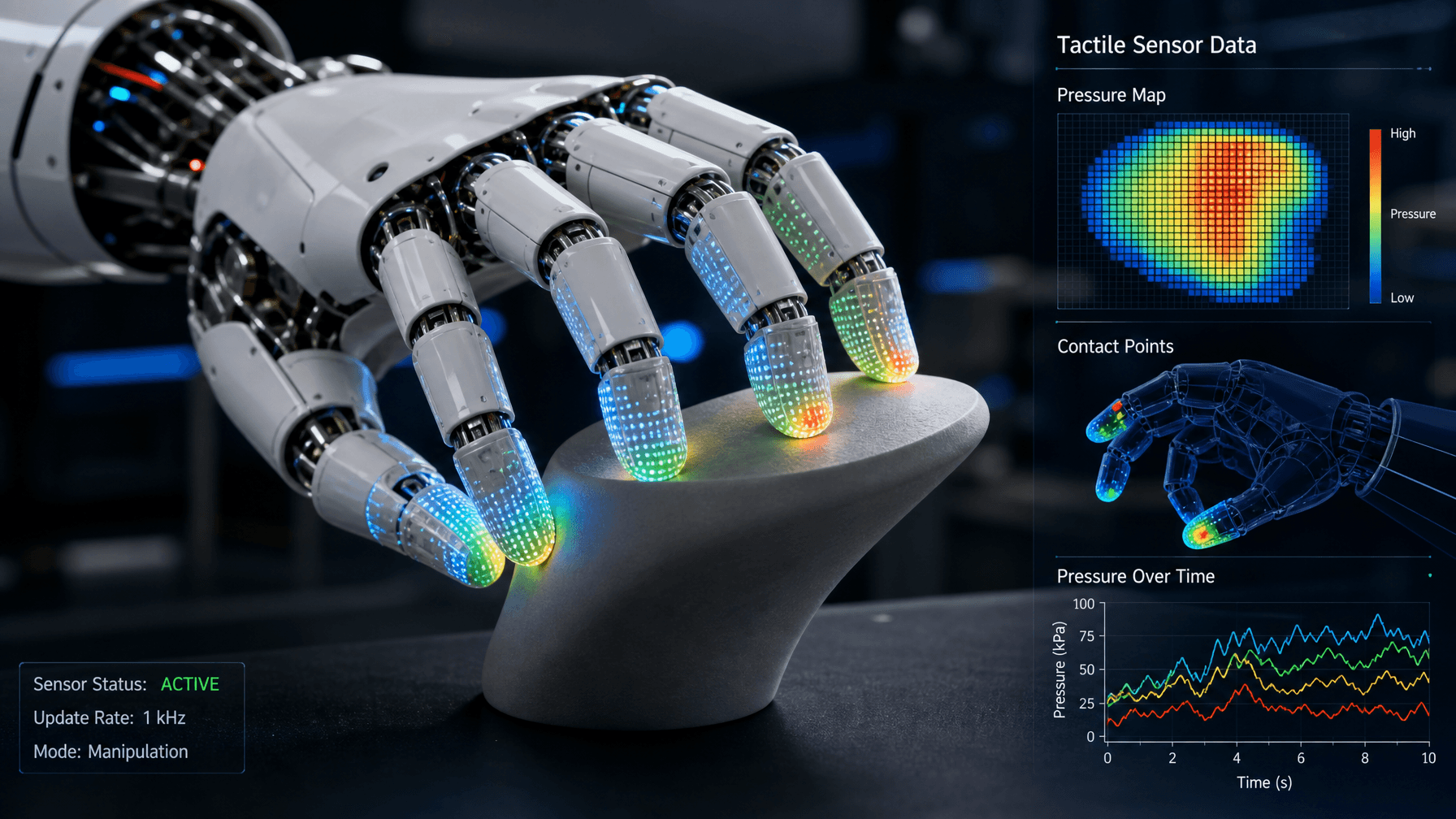
PHANES AI Launches TouchWorld Tactile Model for Enhanced Robot Dexterity
PHANES AI, established by 28-year-old Yang Shuo from HIT, has introduced TouchWorld, a tactile foundation model designed to enhance robotic manipulation capabilities. This model enables robots to perform precise physical tasks by incorporating a sense of touch, marking a significant advancement in robotic dexterity and interaction with their environment. The introduction of TouchWorld is significant as it allows robots to predict and react to tactile stimuli, which is crucial for applications requiring fine motor skills. This development could lead to improved performance in various sectors, including manufacturing and healthcare, where dexterous manipulation is essential for tasks such as assembly or surgical procedures. Looking ahead, the impact of TouchWorld on the robotics industry will be closely monitored, particularly regarding its adoption in real-world applications. No further timeline was disclosed at the time of publication, but the potential for this technology to transform robotic capabilities is substantial.
Technology
Shanghai AI Laboratory Launches Intern Physical World Model W0 for Robotics Applications
Shanghai Artificial Intelligence Laboratory has introduced the Intern physical world model W0, which features native force-tactile sensing and duplex collaboration capabilities. This model is designed to enhance robotics applications by integrating with Intern InkStone and the science model S2, facilitating closed-loop processes in both wet and dry lab environments. The release of the Intern W0 model is significant as it aims to improve the efficiency of tasks such as lipid nanoparticle synthesis, which is crucial in various scientific and industrial applications. By enabling seamless collaboration between different models, the Shanghai AI Laboratory is positioning itself at the forefront of advancements in robotics and AI technologies. Looking ahead, industry observers should monitor how the integration of the Intern W0 with existing systems will impact research and development in robotics. No further timeline was disclosed at the time of publication.
Faraday Future Launches Nine New Robot Models to Dominate U.S. Market
Faraday Future (FF) announced the launch of nine new robot models during a press conference on September 19, 2023. These models include humanoid, quadruped, and wheeled-arm robots, marking a significant expansion in FF's product lineup aimed at achieving market dominance in the U.S. robotics sector. This move is notable as it positions FF as the company with the most diverse range of robot models in the U.S. market. Unlike the automotive industry, where multiple models cater to different price points, the robotics market focuses on the return on investment for specific applications. FF's strategy relies on broad scene coverage to secure orders, but the simultaneous launch of nine products raises questions about the company's ability to manage multiple supply chains and after-sales systems. Following the launch, industry observers will be keen to see which of the nine models successfully integrates into real-world applications such as inspections, education, and security. While the launch emphasizes FF's ambition, the actual performance and delivery of these robots in operational settings will ultimately determine their success in the market.
Robotics Humanoid Robots Automation AI Supply Chain
Digua Robotics and Giga Vision Collaborate to Integrate World Models into Edge AI Chips
On September 14, Digua Robotics and Giga Vision announced a strategic collaboration focused on integrating their respective technologies. Giga Vision will provide world models, embodied foundational models, and real-world application experience, while Digua Robotics will contribute an edge AI computing platform, algorithm toolchain, and robotics ecosystem. The initial integrated model chosen is GigaBrain-0.7, utilizing the Xuri S600 hardware base and GigaWorld's capabilities. This partnership aims to create an affordable, integrated solution for embodied intelligence at the edge. GigaWorld will handle scene generation, action consequence prediction, strategy evaluation, and retraining of failure samples, providing a virtual training environment for robots. GigaBrain will serve as the edge intelligence core, managing natural language tasks, spatial perception, task decomposition, skill routing, and decision-making, while the Xuri S600 will support multimodal reasoning and task scheduling. Looking ahead, both companies plan to accelerate the practical application of GigaBrain-0.7 across various robotic platforms, including industrial manufacturing and home services. The success of this collaboration will depend on the performance of GigaBrain-0.7 in real-world robotic applications, particularly in terms of task success rates and system stability.
Robotics AI Edge Computing Embodied Intelligence
Unitree Launches Project Page for UnifoLM-WLA-1.0 Humanoid Foundation Model
On September 10, Unitree announced the UnifoLM-WLA-1.0, a humanoid foundation model featuring approximately 6 billion parameters. This model has been trained on around 2,500 hours of real-robot data, enabling it to perform 64 distinct tasks based on a single checkpoint. The introduction of UnifoLM-WLA-1.0 is significant as it represents a substantial advancement in humanoid robotics, leveraging extensive real-world data to enhance performance and versatility. The project aims to push the boundaries of what humanoid robots can achieve, potentially impacting various applications in robotics and automation. Currently, the project page is live, but the release of code, weights, and datasets is still pending. Stakeholders in the robotics field should monitor this project closely for updates on the availability of these resources and the implications of this model in practical applications.

ACE Robotics and NTU S-Lab Release Open-Source Puffin-World Multimodal Model
ACE Robotics and NTU S-Lab have announced the open-source release of Puffin-World, a multimodal world model that integrates physics, geometry, and appearance. This model utilizes the Puffin-16M dataset and achieves state-of-the-art camera absolute pose errors, reporting sub-degree accuracy across four public benchmarks. The significance of this release lies in its potential to enhance various applications in robotics and computer vision by providing a unified framework for understanding complex environments. By achieving such high accuracy in pose estimation, Puffin-World could facilitate advancements in autonomous navigation and scene understanding. Looking ahead, the impact of Puffin-World on the robotics community will be closely monitored, particularly in how it influences future research and development in multimodal models. No further timeline was disclosed at the time of publication.

Scalabot Unveils HERON-World Model with Enhanced Multiplayer Mode for Robotics
Scalabot has introduced the HERON-World Model, a new action-conditioned world model aimed at enhancing robotic understanding and future prediction capabilities. This model utilizes a three-tier data pyramid, incorporating real robot teleoperation data, simulation data, and first-person human operation videos to improve the robot's interaction with the environment. The significance of this development lies in its ability to extend the boundaries of world models from physical to social reasoning. By employing a diverse range of data sources, HERON-World Model aims to create a robust learning loop that allows robots to adapt and respond to dynamic environments, thereby advancing embodied intelligence from single-task capabilities to more general, transferable skills. Looking ahead, Scalabot's focus on integrating real-world data with simulation and human interaction videos will be crucial for the ongoing evolution of robotics. The HERON-World Model's current evaluation score stands at 75.80, indicating its potential impact on the industry. No further timeline was disclosed at the time of publication.
World Models Robotics AI Machine Learning Data Strategy
Large Models Transform Humanoid Robots from Tools to Partners
Humanoid robots are evolving from simple tools to complex partners, driven by advancements in large models. The architecture of these robots consists of a 'cerebellum' for motion control and a 'brain' for understanding tasks and making decisions. Companies like Yushutech and Tesla are at the forefront of this transformation, utilizing technologies such as VLA and world models. This shift is significant as it addresses the limitations of traditional decision-making processes in robots, which relied heavily on pre-defined rules and structures. The introduction of large models allows for more adaptive and intelligent behavior, enabling robots to learn and adjust in real-time rather than being constrained by rigid programming. This evolution is crucial for deploying robots in dynamic, real-world environments. Looking ahead, the competition between VLA and world model approaches will shape the future of humanoid robotics. As companies like Yushutech prepare for IPOs, the industry is keenly observing which technology will dominate. No further timeline was disclosed at the time of publication.
Humanoid Robots AI Robotics Machine Learning
Anthropic Launches Model Hardware Standard for AI-Enabled Robotics
On August 27, Anthropic officially released a research preview of the Model Hardware Standard (MHS). This unified specification is designed for the safe operation of physical devices by AI agents, enabling models like Claude to directly interpret and control robots, scientific instruments, and industrial equipment. The MHS aims to replicate the success of the Model Context Protocol (MCP) in the software domain, which serves as a universal language for AI interactions with applications like Gmail and Slack. By establishing standardized 'dialogue rules' between AI and hardware, MHS simplifies programming interfaces into basic commands such as 'read' and 'write', allowing devices to discover and communicate across networks without the need for specialized coding. Notably, MHS enables AI to understand previously unseen devices by incorporating essential information like weight and safety limits directly into the standard. Anthropic's collaboration with the Janelia Research Campus has led to the initial preview being made available to select research labs and advanced manufacturers, with plans for open-sourcing after the preview period. The AI-driven robotics market is projected to reach a trillion-dollar valuation by 2035, highlighting the significance of MHS in bridging AI capabilities with physical operations.
AI Robotics Model Hardware Standard Scientific Research Automation Technology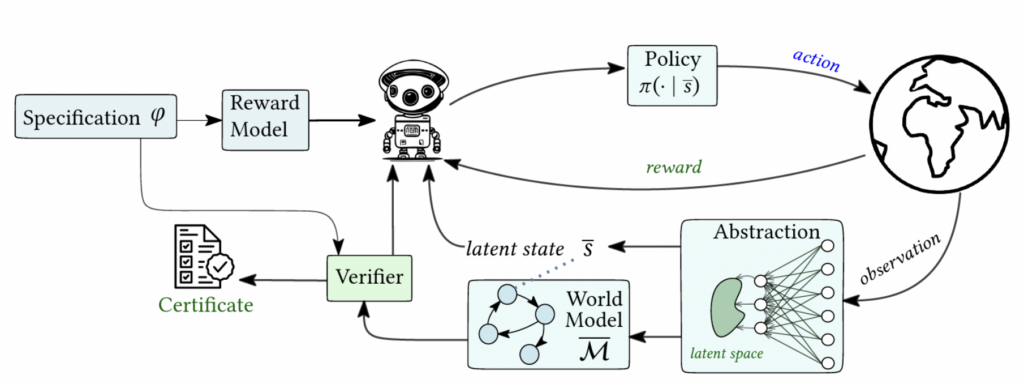
Florent Delgrange Wins AAMAS 2026 Blue Sky Award for Foundation World Models Research
Florent Delgrange received the Best Blue Sky Paper Award at AAMAS 2026 for his research on Foundation World Models for agents that adapt in dynamic environments. His work addresses the challenge of ensuring that autonomous agents continue to learn effectively while maintaining reliable behavior in changing conditions. This research is significant as it proposes a structured approach to agent learning that integrates reinforcement learning and formal methods. Delgrange emphasizes the need for agents to adapt to evolving environments while ensuring that their decision-making remains trustworthy, highlighting the importance of continuous reliability in real-world applications. Looking ahead, Delgrange envisions a foundation world model that is reusable across various tasks and adaptable to changing conditions. This model aims to enhance decision-making by providing agents with a comprehensive understanding of their environment, which is crucial for maintaining safety and performance in multi-agent systems. No further timeline was disclosed at the time of publication.
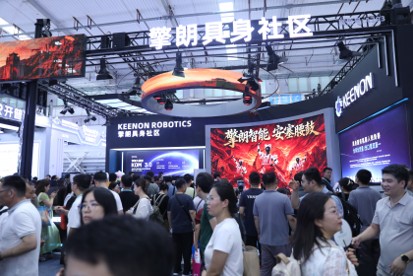
Keenon Robotics Unveils KOM 3.0 Model at 2026 World Robot Conference in Beijing
From August 19 to 23, 2026, the World Robot Conference (WRC) took place at the Yichuang International Exhibition Center in Beijing. The event, themed 'Human-Machine Symbiosis, Integration of Production and Demand,' featured over 300 exhibitors and more than 2,000 exhibits. Keenon Robotics showcased its XMAN series humanoid robots alongside specialized robots for delivery and cleaning, creating an 'embodied community' that demonstrated the capabilities of the KOM 3.0 model. The KOM 3.0 model represents a significant advancement in intelligent robotics, enabling robots to autonomously execute long-range tasks with a closed-loop system. This model integrates a latent space world model within its service industry VLA architecture, allowing robots to not only perceive and understand their environment but also to predict and make decisions before taking action. This leap towards a 'predict-decision-execute' framework enhances the robots' operational efficiency and reliability. Looking ahead, Keenon Robotics aims to further commercialize humanoid robots, emphasizing the importance of real-world application over mere demonstrations. The company has established itself as a leader in the service robotics sector, with over 100,000 units shipped globally. No further timeline was disclosed at the time of publication.
Service Robots AI Robotics Automation
Xiaomi Achieves Stability with AI Models, Self-Built Chips, and Humanoid Robots
Xiaomi reported a revenue of 108.92 billion yuan in Q2 2026, marking a significant stabilization amidst fierce competition. The company's attributable net profit has doubled, reflecting its successful diversification beyond traditional markets like phones and cars. This growth is attributed to several key advancements, including the MiMo-V2.5 model, which has dominated OpenRouter's monthly and weekly call charts. Additionally, Xiaomi's self-developed Xuanjie chip has successfully passed mass verification, showcasing the company's commitment to in-house technology development. Furthermore, a new humanoid robot has been deployed in factory settings, achieving a remarkable 98% success rate. This indicates Xiaomi's strategic shift towards robotics and AI, positioning the company for future growth. No further timeline was disclosed at the time of publication.

Acorn Robot Pioneers Instinct-Based Robot Operation Logic Amid VLA Model Trends
In early 2026, Acorn Robot diverged from mainstream narratives in embodied intelligence, which focused on VLA (Vision-Language-Action) models. The company, founded by a Tsinghua University mechanical engineering professor and his eight doctoral students, is exploring a unique approach centered on operational instincts. This 'bottom-up' strategy aims to endow robots with inherent operational capabilities through interaction with the physical world, rather than relying on extensive data and large models. This innovative direction is significant as it challenges the conventional 'imitation learning' paradigm. Acorn Robot posits that operational behaviors may stem from innate 'internal expectations' rather than explicit action planning. By embedding these instincts into robots, the company believes they can develop stable operational skills autonomously, without needing to mimic vast amounts of human data. As the industry progresses, attention will be on how Acorn Robot's approach addresses challenges such as data scarcity, real-time execution constraints, and the need for hardware-specific adaptations. No further timeline was disclosed at the time of publication.
Robotics Operational Intelligence Tactile Perception AI Models
Kong Tao Joins Xiaomi to Lead Foundation Model Development for Robotics
Kong Tao, the former head of the robotics team at ByteDance, has reportedly joined Xiaomi in 2025. He is now leading a team focused on developing foundation models for robots, bringing several colleagues from ByteDance along with him. This move is significant as Xiaomi's robotics division is expanding, currently employing around 200 individuals. The foundation-model team operates independently within the robotics sector, indicating a strategic focus on advanced AI capabilities in robotics. Xiaomi has already launched the Xiaomi-Robotics-1 foundation model and is actively testing humanoid robots in manufacturing settings. Observers should watch for further developments in Xiaomi's robotics initiatives and potential impacts on the competitive landscape in the robotics industry.
News Feed
China's New Export Trio: Robots, AI Models, and Innovative Pharmaceuticals
China is redefining its export landscape with a new trio of products: robots, AI models, and innovative drugs. This shift is exemplified by wall-climbing cleaning robots being utilized in Australia and Chinese large language models (LLMs) powering Brazilian energy grids. This transformation in exports is significant as it highlights China's growing capabilities in advanced technology and pharmaceuticals, moving beyond traditional manufacturing. The introduction of these products indicates a strategic pivot towards high-tech solutions that cater to global demands, enhancing China's position in international markets. Looking ahead, it will be crucial to monitor how these innovations impact global supply chains and competition. The ongoing development and deployment of these technologies could reshape perceptions of Chinese products and influence future trade dynamics. No further timeline was disclosed at the time of publication.

Foundation Robotics Unveils Advanced Robotic Hand That Catches Baseballs with Precision
Foundation Robotics has released a video showcasing its innovative robotic hand that successfully catches a baseball mid-air, demonstrating significant advancements in robotic dexterity and control. This development is crucial as it illustrates how enhanced mechanical design and motion planning are enabling robotic hands to perform intricate tasks with human-like precision, a key requirement for industrial applications. Looking ahead, the focus will be on how this tendon-driven architecture and advanced control systems can further improve the capabilities of humanoid robots in handling diverse tools and objects, enhancing their utility in complex environments. No further timeline was disclosed at the time of publication.
AI and Robotics
Muka Robotics' LJM Model Secures Global Second Place at WorldArena Using 32 GPUs
Muka Robotics has achieved a remarkable feat with its LJM Latent Joint-conditional Model, securing the second position globally at WorldArena with a motion quality score of 89.17 using only 32 Zhenwu 810E GPUs. This accomplishment highlights the model's innovative dual-expert architecture, which emphasizes physical understanding rather than solely focusing on video generation quality. This achievement is significant as it showcases Muka Robotics' commitment to advancing the field of robotics by prioritizing physical logic in its models. The successful integration of a limited number of GPUs to achieve high motion quality demonstrates the potential for efficiency in computational resources while maintaining performance standards in robotics applications. Looking ahead, it will be important to monitor how Muka Robotics continues to develop its technologies and whether this dual-expert architecture will influence future models in the industry. No further timeline was disclosed at the time of publication.
Technology
Mimic Robotics Unveils FLUX-mimic Video-Action Models at Audi's Factory
Mimic Robotics has launched FLUX-mimic, an advanced Video-Action Model developed with Black Forest Labs, designed for industrial automation. This model allows robots to learn complex manipulation tasks in real-world settings, significantly reducing the time required for training and deployment. The introduction of FLUX-mimic is crucial as it addresses the limitations of traditional robot learning methods, which often rely on extensive demonstration data. By utilizing a generative video model, FLUX-mimic can fine-tune tasks with as little as 30 minutes of data, compared to the 30 hours typically needed, thereby streamlining the deployment process. Looking ahead, Mimic Robotics is collaborating with Audi to implement FLUX-mimic in their highly automated production network. This partnership aims to enhance the efficiency of industrial automation, paving the way for smart factories where AI and robots work alongside human employees to optimize production processes.
Artificial Intelligence Computing Design News audi Black Forest Labs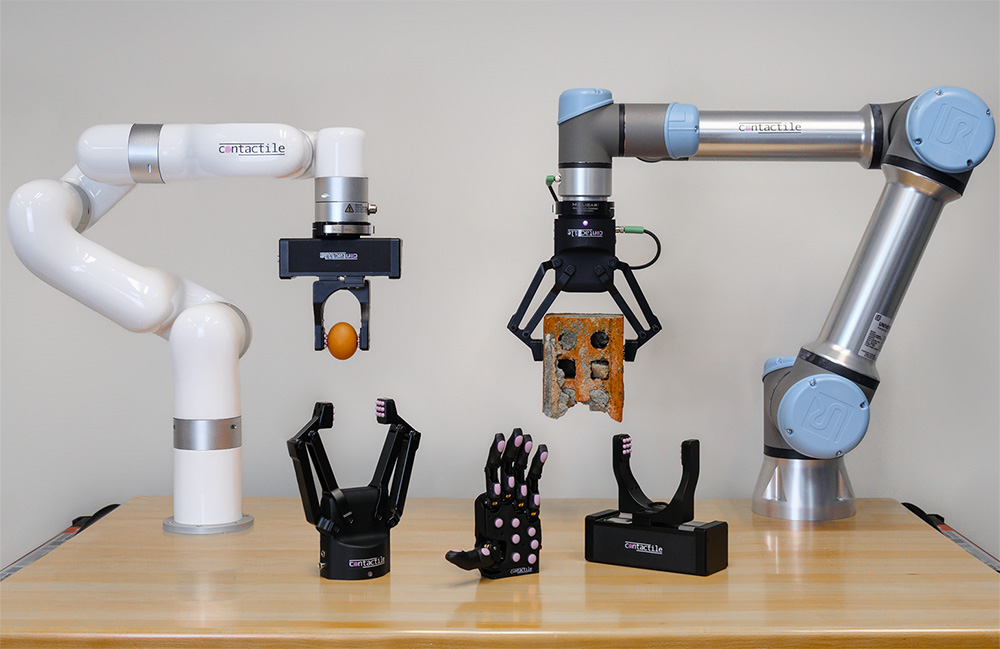
Contactile Introduces Friction-Based Tactile Sensors for Enhanced Robot World Models
Contactile has developed tactile sensors for robotic hands and grippers that enhance world models in robotics. These sensors address the limitations of current conditioning methods, which primarily rely on visual inputs and joint encoders, by incorporating friction as a critical input. This advancement is essential for improving robots' ability to generalize across various surfaces and objects. The significance of this development lies in its potential to transform robot learning. By making friction a first-class input, robots can better predict the outcomes of their actions and adapt to novel tasks without extensive memorization. This shift could lead to more capable robotic systems that can operate effectively in contact-rich environments, where traditional conditioning methods fall short. Looking ahead, the integration of Contactile's tactile sensors into robotic systems could revolutionize how robots interact with their environments. As the field of robot learning continues to evolve, the emphasis on accurate conditioning will be crucial for deploying effective world models. No further timeline was disclosed at the time of publication.
Artificial Intelligence Artificial Intelligence / Cognition Assembly Design / Development End Effectors / Grippers Grippers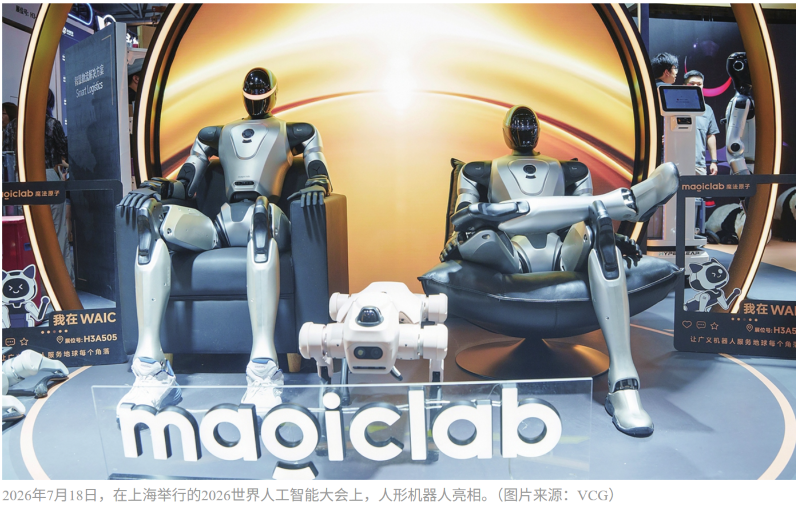
China Leads Global Humanoid Robot Market with Over 400 Unique Models Developed
As of July 20, the Ministry of Industry and Information Technology reported that China has developed over 400 humanoid robot models, accounting for more than half of the global total. Additionally, autonomous quadruped robots represent nearly 70% of global sales. The penetration rate of AI technology in large-scale enterprises has surpassed 30%, with global downloads of open-source AI models exceeding 10 billion. The humanoid robots range from models like the G1 and H1 from Yushu Technology to the Expedition series from Zhiyuan, covering various applications in industrial, research, service, and domestic settings. In the quadruped robot sector, Chinese companies hold a global market share close to 70%, with products from Yushu Technology, Yundongchu, and Xiaomi widely used in inspection, surveying, logistics, and consumer markets. As of June 30, China has established 5.102 million 5G base stations, accelerating the commercial deployment of 5G-A networks. The Ministry has approved experimental frequency licenses in the 6GHz band, and the second phase of 6G technology trials is advancing rapidly. The demand for AI and green low-carbon industrial products remains strong globally, positioning China to transform AI innovations into mass production swiftly.
Humanoid Robots Quadruped Robots AI Technology Industrial Automation
RoboScience Unveils First Cloud-Based Large Model for Robotics at WAIC
At the WAIC, RoboScience showcased a groundbreaking cloud-based embodied large model named Visics, capable of controlling multiple robotic hands. This innovation allows for seamless switching between different robotic hands while maintaining operational efficiency, demonstrating the ability to recognize and grasp various objects autonomously within 30 seconds. The significance of this development lies in its potential to revolutionize robotic operations across diverse applications. By enabling a single model to adapt to various hand configurations, Visics enhances the versatility of robotic systems, allowing them to perform complex tasks without the need for extensive retraining when hardware changes occur. Looking ahead, the industry will be keen to observe how Visics performs in real-world scenarios and its ability to execute long-term tasks by integrating multiple actions. No further timeline was disclosed at the time of publication.
Robotics Cloud Computing AI Automation Object Recognition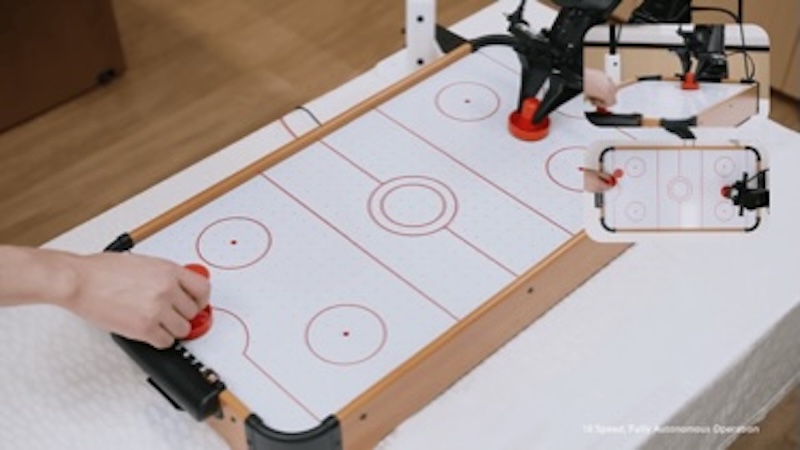
Robbyant Launches Upgraded LingBot-VLA 2.0 AI Model for Advanced Robotics
Robbyant, a company specializing in embodied AI under Ant Group, has unveiled the upgraded LingBot-VLA 2.0 model. This next-generation vision-language-action model enhances morphological generalization, degrees of freedom support, and deployment efficiency, addressing a critical gap in the embodied AI industry. The significance of LingBot-VLA 2.0 lies in its extensive pre-training on 60,000 hours of real-world data, which includes interactions from 20 different robot morphologies. This upgrade allows for improved whole-body control and dual-arm manipulation, achieving leading scores on benchmarks, thus demonstrating its effectiveness in industrial-scale deployment. Looking ahead, the introduction of a version optimized for efficient post-training and a threefold increase in inference efficiency positions LingBot-VLA 2.0 as a strong contender for real-time commercial applications. No further timeline was disclosed at the time of publication.
Computing Robot simulation artificial intelligence dual-arm robots embodied ai humanoid robots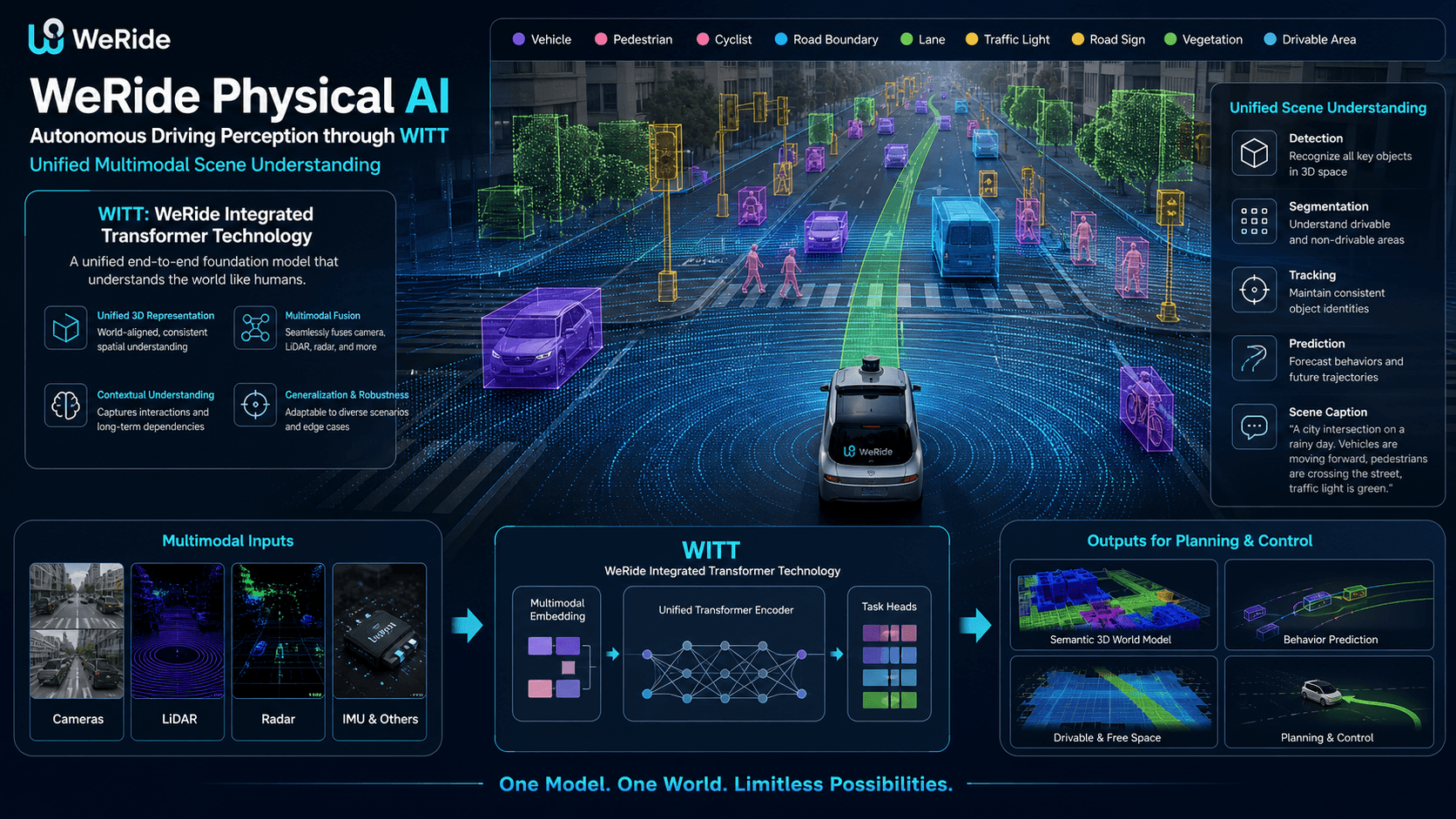
WeRide Launches WITT: A Physical AI Foundation Model for Multimodal Scene Understanding
WeRide has introduced WITT, a groundbreaking physical AI foundation model designed to enhance multimodal scene understanding. This model utilizes minimal physical fact units, which are crucial for applications in autonomous driving and robotics. The launch of WITT is significant as it aims to streamline the integration of various data types, improving the efficiency and effectiveness of AI systems in interpreting complex environments. This advancement could lead to more reliable autonomous systems that can better navigate real-world scenarios. Looking ahead, the implications of WITT's capabilities in the fields of autonomous driving and robotics will be closely monitored. No further timeline was disclosed at the time of publication.
Technology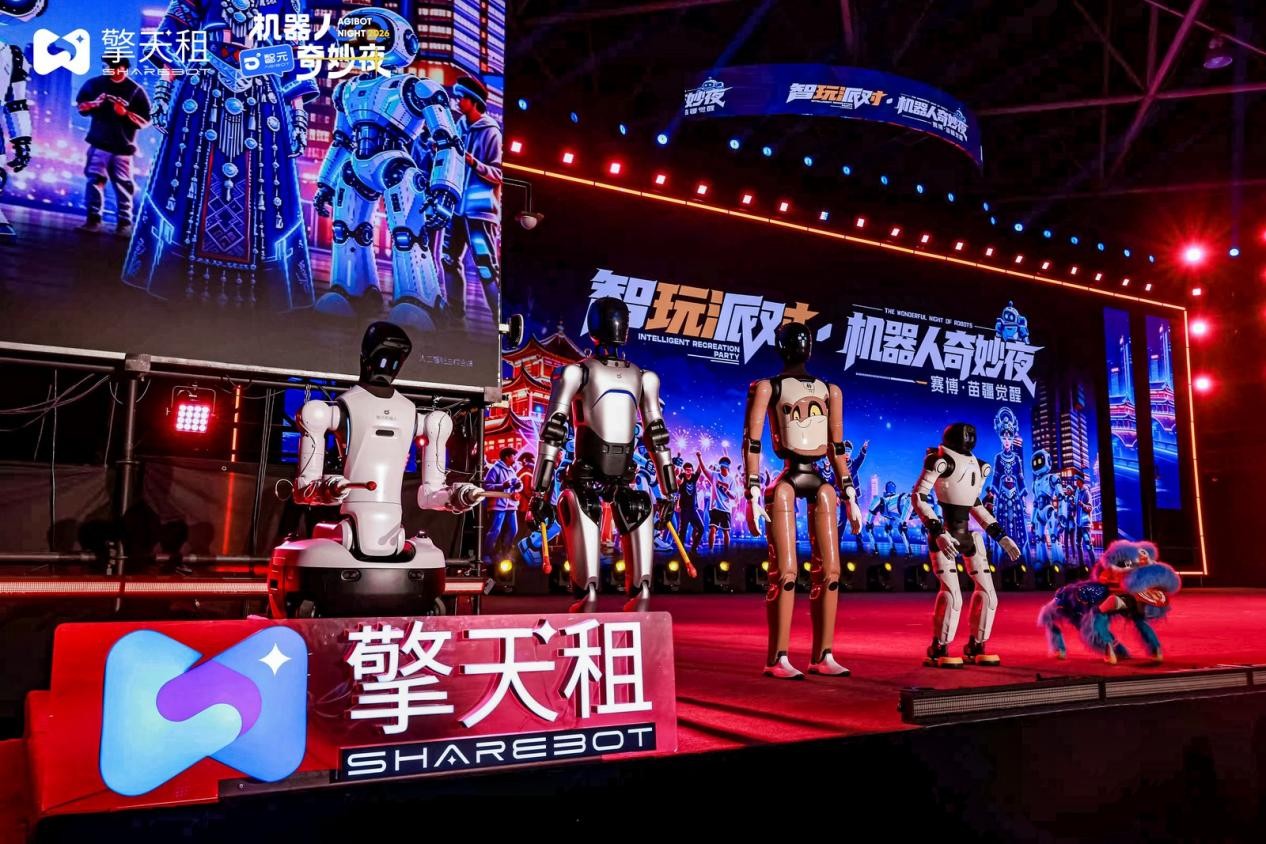
Robot Night Spectacle Debuts in Guiyang: A Revolutionary 'RaaS + Cultural Tourism' Model
The world's first 'Robot Night Spectacle' RaaS product, created by Qingtian Rental, made its stunning debut at the Guiyang International Exhibition Center. This groundbreaking event featured over a hundred robots and was co-hosted by Shenzhen Yancheng and Lingji Yidong, showcasing a diverse range of performances including dance, martial arts, and fashion shows. This event is significant as it marks a milestone in the RaaS industry, transforming the perception of robots from isolated appearances in commercial areas to a large-scale, cohesive performance. The 'Robot Night Spectacle' achieved several breakthroughs, including being the first large-scale RaaS cultural tourism product and demonstrating advanced robot group control technology in a commercial performance setting. Looking ahead, the project will run for 37 consecutive days starting July 11 in Guiyang, representing a major commercial deployment of Qingtian Rental's RaaS products. This initiative not only validates the efficiency of large-scale robot control but also aims to replicate the success of the 'Robot Night Spectacle' across China, enhancing the integration of AI and intelligent experiences in traditional cultural tourism.
Robot as a Service Cultural Tourism Robotics Technology Interactive Experiences
Xiaomi Launches Xiaomi-Robotics-U0 Foundation Model for Embodied AI Applications
Xiaomi has introduced the Xiaomi-Robotics-U0, a multimodal autoregressive foundation model featuring 38 billion parameters for embodied AI. This innovative model integrates four essential capabilities: embodied scene generation, embodied transfer, robot interaction video generation, and general-purpose image generation and editing. The significance of the Xiaomi-Robotics-U0 lies in its ability to create robot-ready environments from text prompts, adapt robot trajectories to new scenes while maintaining motion, and generate robot interaction videos based on task instructions. This advancement leverages extensive visual knowledge from the internet, enhancing the potential for embodied AI applications. Looking ahead, the impact of the Xiaomi-Robotics-U0 on the robotics and AI landscape will be closely monitored. Its capabilities could pave the way for more sophisticated robotic systems and applications, although no further timeline was disclosed at the time of publication.
News Feed
Control Method Developed for Heavy-Duty Hexapod Robot Navigating Border Terrains Using Simplified Model
A new control method has been developed for a heavy-duty hexapod robot designed to walk on border terrains, as reported in the Journal of Field Robotics. This method utilizes a simplified model to enhance the robot's navigation capabilities in challenging environments. The significance of this development lies in its potential applications in various sectors, including military and disaster response, where navigating difficult terrains is crucial. The heavy-duty hexapod robot's ability to traverse border terrains effectively could improve operational efficiency and safety in these scenarios. Looking ahead, the implications of this control method could lead to further advancements in robotic mobility and control systems. No further timeline was disclosed at the time of publication.
RESEARCH ARTICLE
Xiaomi Launches Robotics-U0: A Unified 38B-Parameter Generative Model for Robotics
Xiaomi has unveiled Robotics-U0, an advanced embodied generative model featuring 38 billion parameters. This innovative model is designed to perform multiple tasks, including scene generation, embodied transfer, video generation, and text-to-image capabilities, all within a single unified architecture. The introduction of Robotics-U0 is significant as it represents a leap forward in the integration of various robotic functions into one cohesive system. By unifying these four tasks, Xiaomi aims to enhance the efficiency and versatility of robotic applications, potentially transforming how robots interact with their environments and process information. Looking ahead, industry observers will be keen to see how Robotics-U0 is adopted across different sectors and its impact on the development of future robotic technologies. No further timeline was disclosed at the time of publication.
Technology
Stardust AI Launches Lumo-2: Innovative Robot Action Model for Home Automation
On July 15, Stardust AI introduced its second-generation embodied base model, Lumo-2, which is the industry's first household latent world-action model. This launch includes the physical AI symbiotic agent, Agent Philia, enhancing their full-stack architecture of AI models, embodied operating systems, and rope-driven entities. The company will showcase its 'trinity' multi-scenario implementation solutions at the World Artificial Intelligence Conference in Shanghai from July 17 to 20. Lumo-2 autonomously performs 22 complex household tasks, demonstrating industry-leading capabilities in task range and complexity. This model addresses the challenges faced by robots in open environments, such as the inability to explain actions and the high costs of training complex skills. By predicting future scenarios before generating actions, Lumo-2 aims to overcome these bottlenecks and improve the practical execution of robotic tasks. Looking ahead, Stardust AI plans to enhance the scalability of Lumo-2 by expanding training data diversity and exploring efficient data engineering paradigms. The team is also focused on advancing real-world interactive learning to enable robots to adapt and evolve autonomously in dynamic environments. No further timeline was disclosed at the time of publication.
Household Robotics Physical AI AI Models Robotic Automation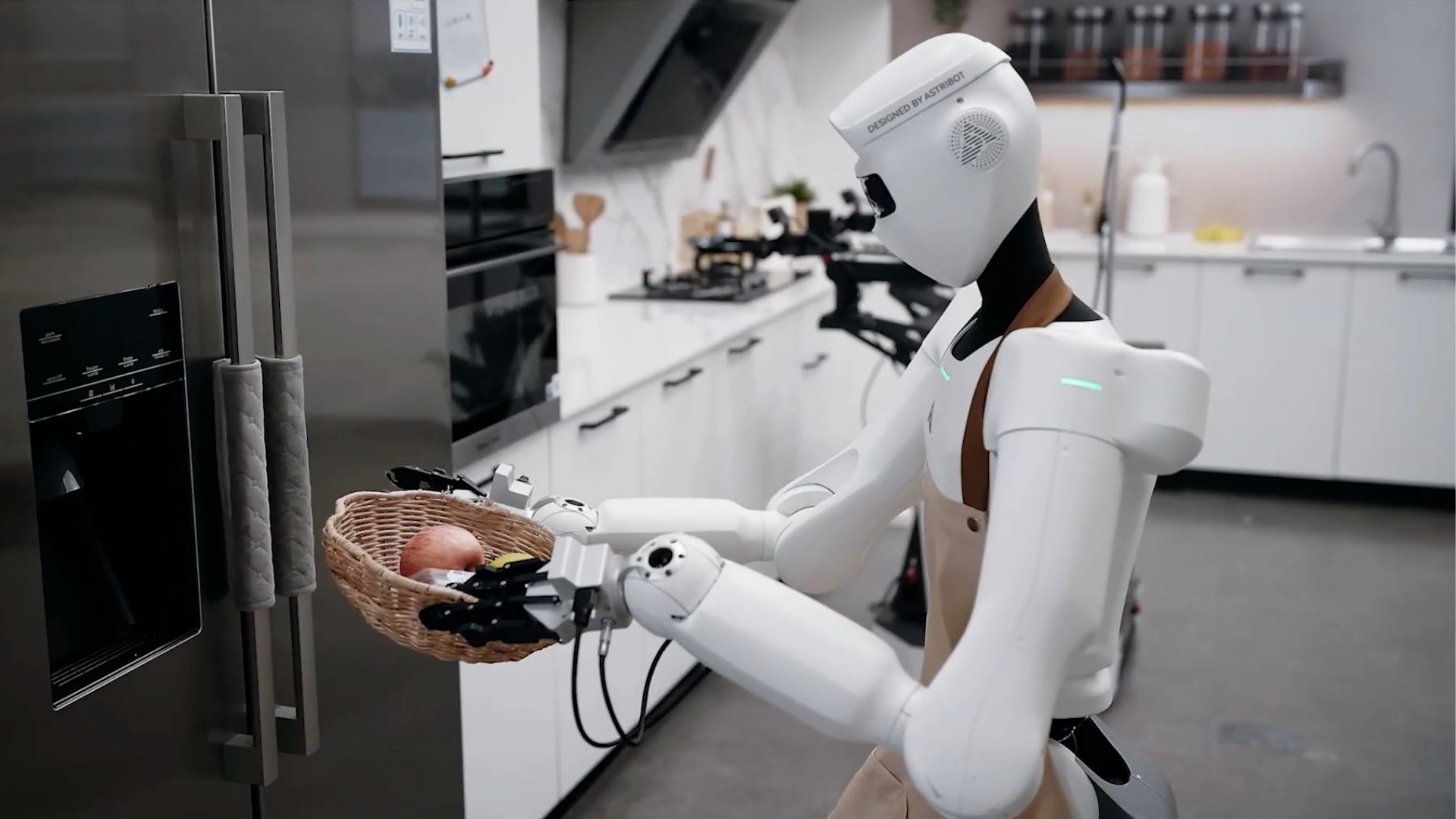
Robbyant Launches LingBot-VA 2.0, the First Embodied-Native AI Model for Robotics
Robbyant, a company under China's Ant Group, has introduced LingBot-VA 2.0, touted as the first embodied-native video-action world model specifically designed for robotics. Unlike traditional models adapted from digital content, LingBot-VA 2.0 is built from the ground up for physical-world tasks, enhancing physical accuracy and execution efficiency through its autoregressive architecture. This innovation is significant as it marks a departure from conventional robotics models that often compromise real-world performance by relying on video generation systems. Robbyant's approach allows for better prediction of how robot actions affect their environment, thus improving generalization and operational effectiveness in real-world applications. Looking ahead, Robbyant's LingBot-VA 2.0 is expected to advance the capabilities of robots in various tasks, demonstrated through its performance in complex scenarios such as preparing breakfast and unpacking deliveries. No further timeline was disclosed at the time of publication.
AI and Robotics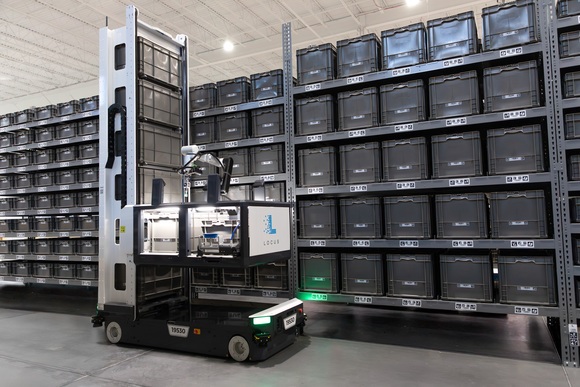
Autonomous process chains in the robots-to-goods model
Locus Robotics has introduced the Locus Array, an advanced automation system designed to enhance the efficiency of increasingly autonomous warehouse operations. This innovative technology aims to streamline the Robots-to-Goods model, facilitating a more effective integration of robotic systems within supply chain processes. The announcement underscores the growing trend towards automation in logistics, driven by the need for improved productivity and accuracy in inventory management. By implementing the Locus Array, companies can expect to optimize their warehouse workflows, reduce operational costs, and respond more swiftly to market demands. This development marks a significant step forward in the evolution of automated logistics solutions.
Allgemein Automation Fördertechnik & Handling Lagerlogistik & Materialfluss Mobile Robotik
FF Unveils Nine New Robots, Yet U.S. Market Demands More Than Variety
On September 19, FF launched nine new robot models, including humanoid, quadruped, and wheeled-arm types, along with four industry solutions targeting K12 education, research, security, and inspection. This ambitious rollout stands out in an industry where many competitors are still refining single products for mass production. The significance of this launch lies in FF's strategy to cover a wide range of scenarios, betting that this breadth will attract orders. However, the simultaneous release of nine products introduces complexities in supply chains and after-sales systems, which could be as challenging as manufacturing a vehicle. The company aims to establish a strong foothold in the U.S. robotics market with its comprehensive offerings. Looking ahead, the market will soon see the specifications and pricing for these nine robots. However, the critical factor will be which model successfully integrates into real-world applications, such as inspection routes or classrooms. The challenge remains that while having a diverse product lineup is beneficial, the true test will be in delivering proven performance in specific scenarios.
Robotics Automation Security Solutions K12 Education Manufacturing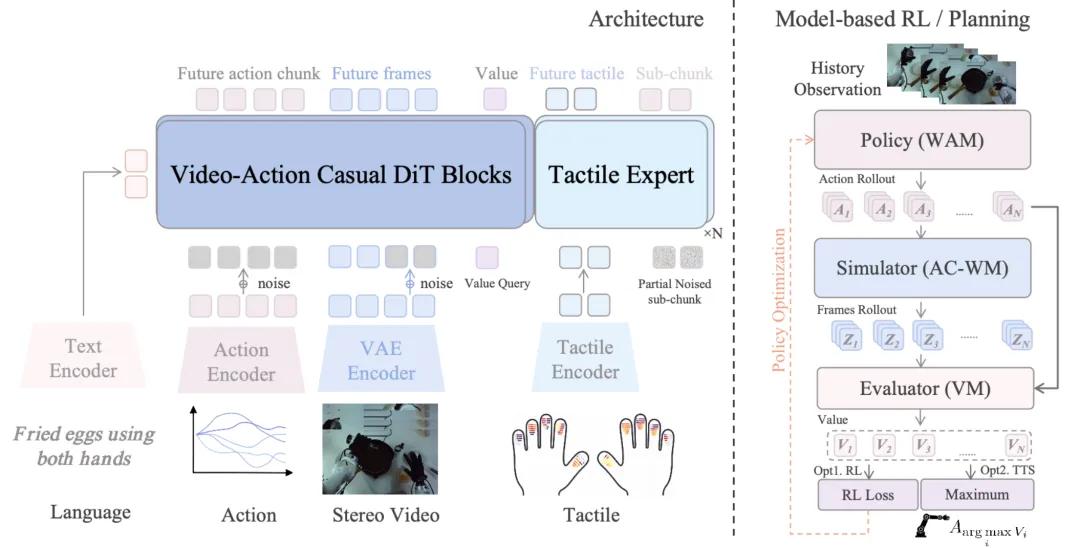
Lifelong Learning in Robotics: Launch of Motus2 Self-Evolving World Model
On September 10, at the Bund Conference, Luo Yihang, co-founder and CEO of Shengshu Technology, unveiled Motus2, a self-evolving general world model aimed at robotic dexterous manipulation. Unlike traditional robots that rely on explicit instructions, Motus2 enables robots to learn autonomously from their actions and outcomes, marking a significant advancement in embodied intelligence. The importance of this development lies in the growing interest in world models, with over 55 companies in China publicly claiming to work on them, 12 of which have reached unicorn status. In the first half of the year alone, funding in the embodied intelligence sector exceeded 46 billion yuan, with 70% directed towards the top 20 companies. However, despite the surge in interest, many existing world models struggle with physical adherence and controllability, raising concerns about their practical applications. Looking ahead, the 2026 CVPR WorldArena Track1 will evaluate world models based on various criteria, including visual quality and physical adherence. Motus2 aims to bridge the gap between action, prediction, and evaluation, allowing robots to not only predict outcomes but also assess their desirability, thereby enhancing their decision-making capabilities. No further timeline was disclosed at the time of publication.
Robotics Artificial Intelligence World Models Machine Learning
Impact of Task Complexity on Skill Retention in Surgical Robot Teleoperation Training
A recent study has revealed the influence of task complexity on skill retention in the teleoperation of surgical robots. This research provides a framework aimed at enhancing training methodologies for surgeons operating robotic systems. Understanding how different levels of task complexity affect surgeons' ability to retain skills is crucial for developing effective training programs. Improved training methods can lead to better surgical outcomes and increased efficiency in robotic surgeries, which is vital in the evolving landscape of medical technology. Looking ahead, the focus will be on implementing the proposed framework in surgical training programs to assess its effectiveness. No further timeline was disclosed at the time of publication.

Supply Chain Challenges Hinder Humanoid Robot Development Despite AI Advances
The primary bottleneck for humanoid robots is not just AI model limitations but also supply chain constraints. A recent McKinsey report highlights that critical hardware components such as precision motor systems and tactile sensing are high-risk areas that won't automatically improve with algorithm upgrades. Renesas Vice President Ivo Marocco emphasizes that the complexity of ecosystem and system integration poses a greater challenge than solving AI issues. Despite expectations for humanoid robots to become mainstream, Omdia data forecasts only 13,000 units shipped globally by 2025, a figure that pales in comparison to automotive and industrial automation markets. Renesas aims to cover 30% of the bill of materials (BOM) costs for humanoid robots, with a long-term goal of reaching 70%. However, this target is often misunderstood as immediate market share, when in fact it represents a future product mix goal. The transition from 30% to 70% BOM coverage faces significant hurdles, particularly in high-risk hardware components. While automotive and industrial components can be repurposed, they do not address the unique challenges of humanoid robots. Renesas is focusing on system-level solutions and has established a physical AI and robotics lab in Beijing to support customers through the entire engineering validation process. The company anticipates a compound annual growth rate of 40% in the physical AI market by 2030-2035, although consumer humanoid robots are expected to take over five years to achieve significant market presence.
Humanoid Robots Supply Chain AI Hardware Components
Skild AI Introduces S1 Robot Model Utilizing NVIDIA Physical AI for Task Learning
Skild AI has launched its S1 robot foundation model, designed to learn new tasks from a single video demonstration. This innovative approach utilizes in-context learning, allowing the robot to understand and execute tasks without the need for extensive reprogramming. The model was developed using NVIDIA AI infrastructure, highlighting a collaboration aimed at enhancing adaptable robot intelligence in dynamic environments. The significance of the S1 model lies in its ability to perform unfamiliar tasks, such as plant potting and pancake making, by interpreting video prompts. This method drastically reduces the time and resources typically required for retraining robots, achieving a success rate of 66% in executing new multistep tasks. Skild AI's approach marks a pivotal shift in robotics, moving away from fixed programming to a more flexible, experience-based learning model. Looking ahead, Skild AI is actively deploying the S1 model in various applications, including manufacturing and logistics, with over 60 partnerships established. The collaboration with NVIDIA and Foxconn aims to enhance precision in assembly tasks, showcasing the potential for robots to adapt in real-time to changing conditions on the factory floor. No further timeline was disclosed at the time of publication.
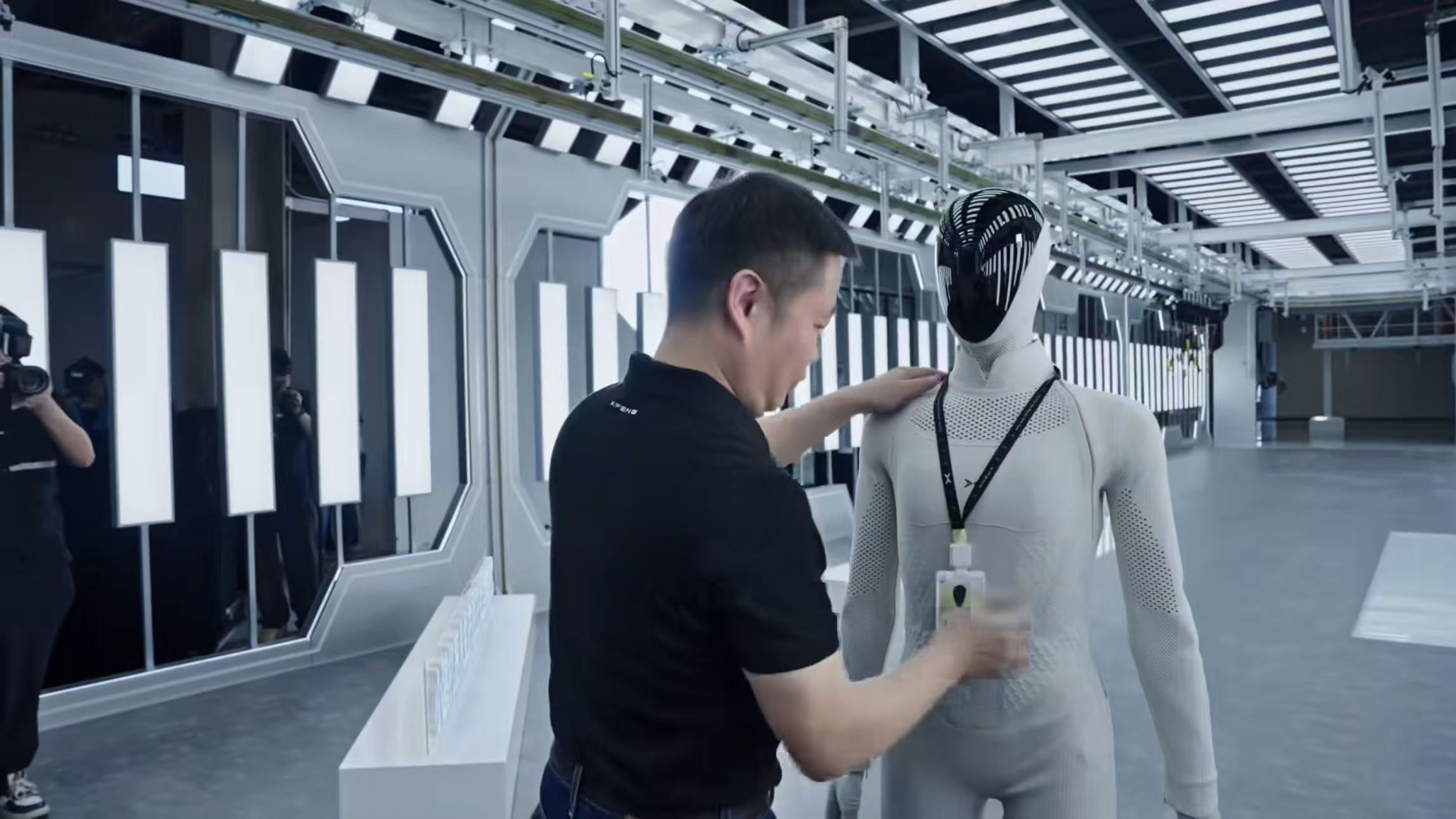
XPeng Launches Automated Production Line for Humanoid Robots with First IRON Model
XPeng has officially commenced operations of its automated production line for humanoid robots, with the first IRON robot successfully completing its final assembly and autonomously walking off the line. This milestone signifies XPeng's transition from research and development to mass production of humanoid robots, which are still in the early stages of commercialization. The significance of this development lies in XPeng's claim that IRON is the world's first high-level general-purpose humanoid robot produced on an automated line. The production line, designed by XPeng's team, integrates automotive manufacturing and quality-control systems tailored for humanoid robot assembly, with over 80% of its core processes automated. Looking ahead, XPeng plans to scale production of IRON by the end of 2026, with commercial deliveries expected in 2027. The company aims to position IRON for tasks that are dangerous or repetitive, while also expanding its applications. XPeng's recent funding round raised over $900 million to support its robotics business, indicating strong investor interest in the future of humanoid robots.
Heavy Hitters AI Highlight News Robotics
Insights from the 2026 World Robot Conference: Specialized Robots Gain Traction Over General-Purpose Models
At the 2026 World Robot Conference, a clear trend emerged indicating that the embodied intelligence industry is shifting focus from creating general-purpose robots to developing specialized solutions that deliver real value in specific scenarios. Innovations in areas such as garment sewing, biomedical applications, and airport luggage handling highlight this transition. The significance of this shift lies in the ability of specialized robots to address industry-specific challenges, such as labor shortages and rising costs in garment production. For instance, Aitu's humanoid robot is designed solely for garment sewing, showcasing its capability to autonomously identify fabrics and perform precise stitching without the need for constant reprogramming. Looking ahead, the conference revealed advancements in collaborative robotics, with companies exploring multi-robot systems for enhanced efficiency. Notably, Xingyuan Intelligence demonstrated a novel multi-robot collaboration in a jumping rope task, indicating a trend towards more complex interactions among robots. No further timeline was disclosed at the time of publication.
Specialized Robots Industrial Automation Biomedical Robotics Robotic Collaboration
Xiamen Tong'an District Launches Investment Model with 'Scenario Lists' for Robotics Firms
At the 26th China International Investment and Trade Fair, Xiamen's Tong'an district unveiled an innovative investment strategy using 'scenario lists' to highlight specific market demands in robotics and smart technology. This initiative is designed to draw in global companies by tackling key challenges within the hard tech industry. The introduction of 'scenario lists' is significant as it aims to stimulate collaboration and innovation across various sectors, including artificial intelligence and smart construction. By clearly defining market needs, Tong'an district seeks to create a conducive environment for robotics firms to thrive and contribute to technological advancements. Looking ahead, it will be important to monitor how effectively this investment model attracts international enterprises and whether it leads to tangible developments in the robotics sector. No further timeline was disclosed at the time of publication.
Robotics Smart Technology Investment AI Construction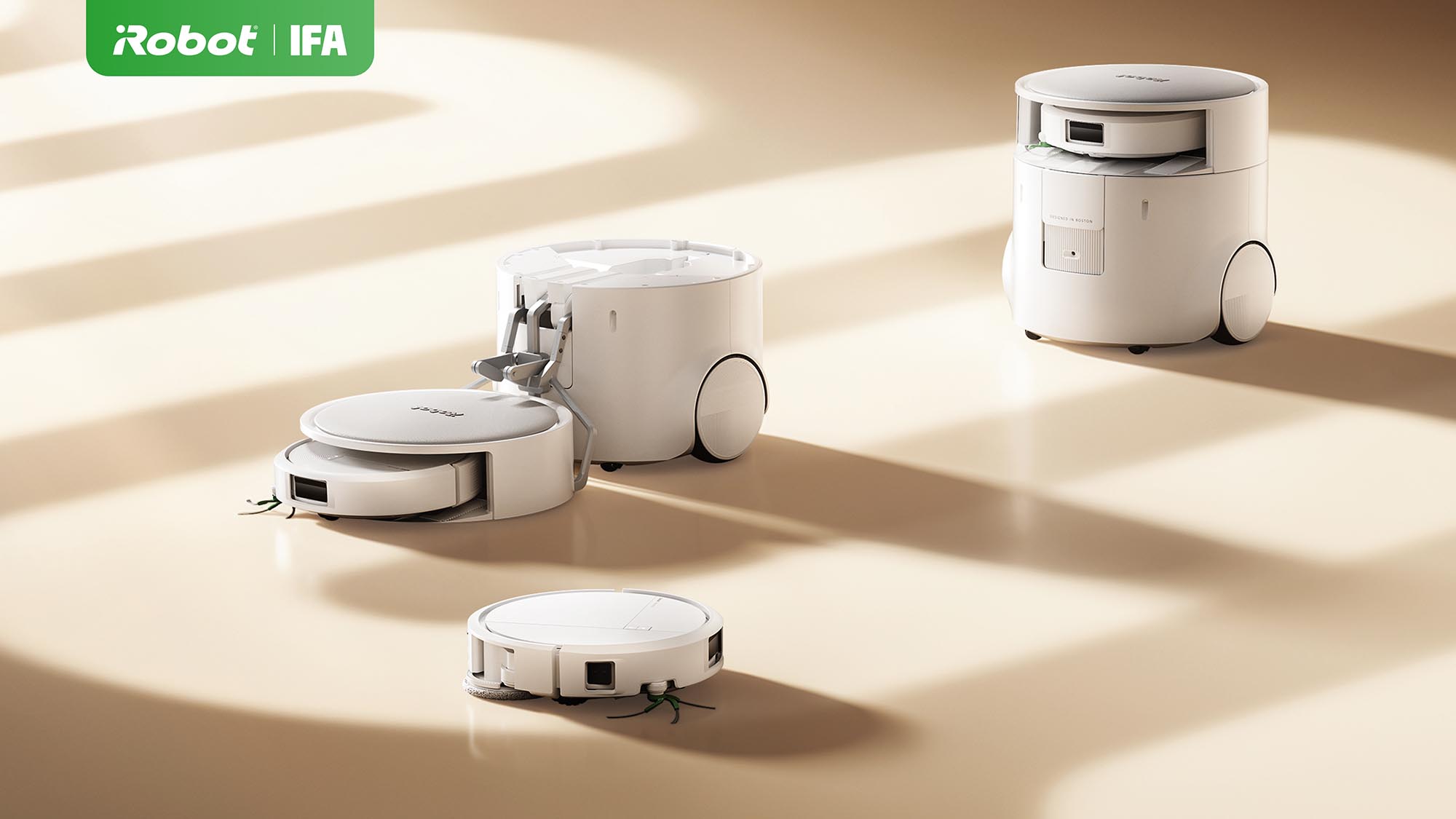
iRobot Unveils Roomba Duo Concept Model at IFA 2026 Featuring Dual-Robot Design
iRobot introduced the Roomba Duo, a concept model of a robotic vacuum cleaner, at IFA 2026 in Berlin on September 4. This innovative design features two robots that can share cleaning tasks, including a companion robot for tight spaces and a main robot for powerful vacuuming and floor washing. The Roomba Duo's dual-robot system utilizes AI to allocate cleaning areas in real-time, enhancing coverage efficiency. The main robot boasts a cylindrical design, equipped with a high-performance motor and a large battery for robust suction and cleaning capabilities. However, iRobot has stated that there are no plans for commercial release of this concept model. As the robotics market evolves, the introduction of the Roomba Duo highlights iRobot's commitment to innovation in home cleaning solutions. Observers should watch for potential developments in dual-robot systems and how they may influence future product offerings. No further timeline was disclosed at the time of publication.

AGIBOT Unveils Embodied AI Robotics at IFA 2026 with New Models and Certifications
AGIBOT presented its newest embodied AI robotics innovations at IFA 2026, including the AGIBOT A3 humanoid and AGIBOT X2 Ultra. These robots are designed for various applications, such as retail, industrial operations, and commercial cleaning. The significance of this showcase lies in AGIBOT's commitment to enhancing robotic capabilities in practical environments. The announcement of TÜV Rheinland certifications for its robots further underscores the company's dedication to safety and quality standards in robotics. Looking ahead, AGIBOT's partnership with Tekpoint aims to strengthen its foothold in the European market. No further timeline was disclosed at the time of publication.
AI Robotics Humanoid Robots Commercial Cleaning Retail Technology European Market Expansion
JAKA Robotics Addresses Patent Claims, Highlights Self-Development in Robotics Technology
On September 2, JAKA Robotics issued an official statement regarding overseas patent litigation, asserting that it does not infringe on the opposing party's patents based on comprehensive technical tracing and patent comparison analysis. This confidence stems from over a decade of the company's full-stack self-developed technology system. The performance of a robot is rooted in hundreds of precision components, including reducers, servo systems, and controllers, which directly influence the machine's accuracy, load capacity, and reliability. As Chinese robotics companies accelerate their entry into the global market, the originality of technology and intellectual property rights are becoming critical competitive factors, making JAKA's self-development path significant in this context. Looking ahead, JAKA Robotics aims to enhance its general intelligent robot capabilities, evolving from collaborative robots to embodied intelligent robots. The company has successfully integrated core components and developed over 60 self-developed collaborative robots in its production base, achieving a closed-loop verification of its technological strength. No further timeline was disclosed at the time of publication.
Collaborative Robots Humanoid Robots AI Robotics Technology
Exploring Centralized and Decentralized Power Models in Swarm Robotics
Swarm robotics systems are influenced by their power architecture, which affects coordination efficiency and fault tolerance in multi-agent environments. Centralized models rely on unified infrastructure for energy management, while decentralized approaches distribute control among individual robotic units. These differences lead to operational trade-offs in communication latency and adaptive responsiveness. Understanding power topology is crucial for robotics engineers and AI researchers, as it impacts autonomous decision-making and task execution. In dynamic environments, such as UAV swarms, maintaining operational continuity requires adaptive routing awareness to prevent disruptions caused by changing positions or communication ranges. The challenges of power architecture underscore its importance in evaluating swarm models. Centralized power models excel in structured environments like warehouses, optimizing synchronization and workload efficiency. However, they face scalability and vulnerability issues. Conversely, decentralized models enhance fault tolerance and scalability but can suffer from communication congestion as swarm size increases. The balance between these architectures is vital for effective swarm robotics deployment.
Artificial Intelligence Autonomous Mobile Robots (AMRs) Batteries / Power Supplies Drones Industrial Robots Networking / Connectivity
Humanoid Robots Achieve Success in International Rental Market with G1 Model
The Yushu G1 humanoid robot has successfully entered the overseas rental market, commanding a rental fee of $3,000 per day. With a base price of $16,000 for the standard version and $30,000 for the advanced version, the economic model shows that renting the G1 just ten times can cover hardware costs, leading to substantial profit thereafter. This rental approach is particularly appealing as it lowers the barriers for companies lacking technical expertise and operational experience. The daily rental pricing significantly reduces ownership and trial costs, allowing clients to experience the latest robot versions while transferring maintenance risks to the rental platform. While the rental market is thriving, founder Wang Xingxing acknowledges that humanoid robots are still far from being widely adopted in industrial settings. Despite fluctuations in the stock market, the G1's strong performance capabilities and open architecture have established a clear commercialization path for humanoid robots in entertainment and event sectors.
Humanoid Robots Robot Rental RaaS Entertainment Technology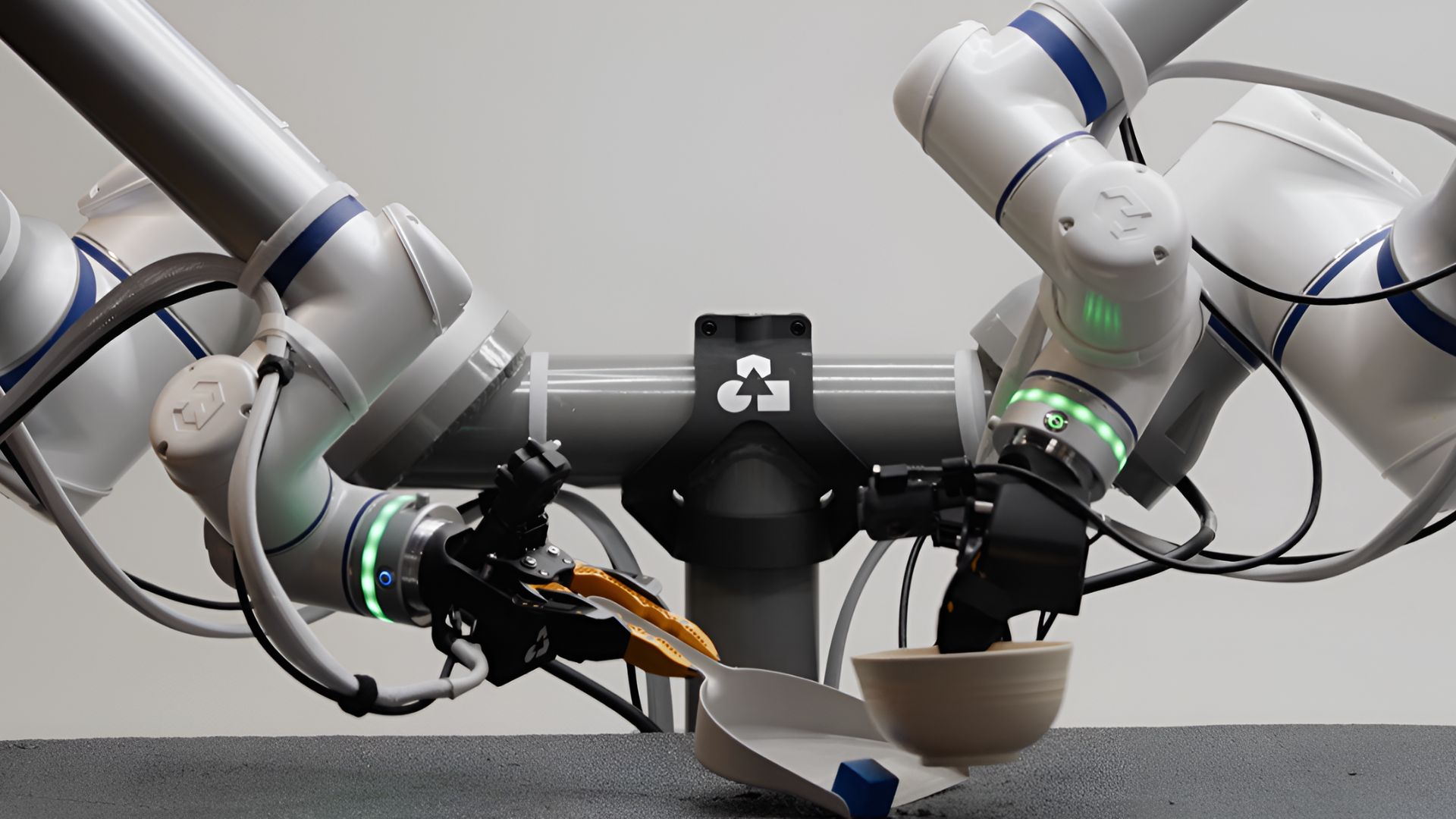
Generalist AI's GEN-1.5 Robot Learns Tasks from 3 to 12 Seconds of Demonstration
Generalist AI has developed a new robot foundation model, GEN-1.5, capable of learning physical tasks from a single demonstration lasting just 3 to 12 seconds. This innovative approach allows the robot to attempt tasks immediately without requiring gradient updates or fine-tuning, marking a significant advancement in robotics. The importance of GEN-1.5 lies in its ability to infer task requirements from short sensorimotor demonstrations, achieving an average success rate of 59% across 10 physical tasks with just one demonstration. When provided with five minutes of task-specific data, its success rate increased to 83%, showcasing the model's efficiency and adaptability in learning. Looking ahead, GEN-1.5's capability to combine physical prompts and generalize beyond specific actions presents exciting possibilities for future applications in robotics. The model's performance in adapting to new tasks with minimal data and steps indicates a shift in how robots can be trained and utilized in various environments. No further timeline was disclosed at the time of publication.
AI and RoboticsRobotics needs a service framework.
RSF defines a common language for robot service capability, lifecycle operations, certification pathways, and service-provider networks.
Join the RobotToday community on LinkedIn
Daily robotics news, in-depth analysis, conference highlights, and discussions with professionals worldwide.