

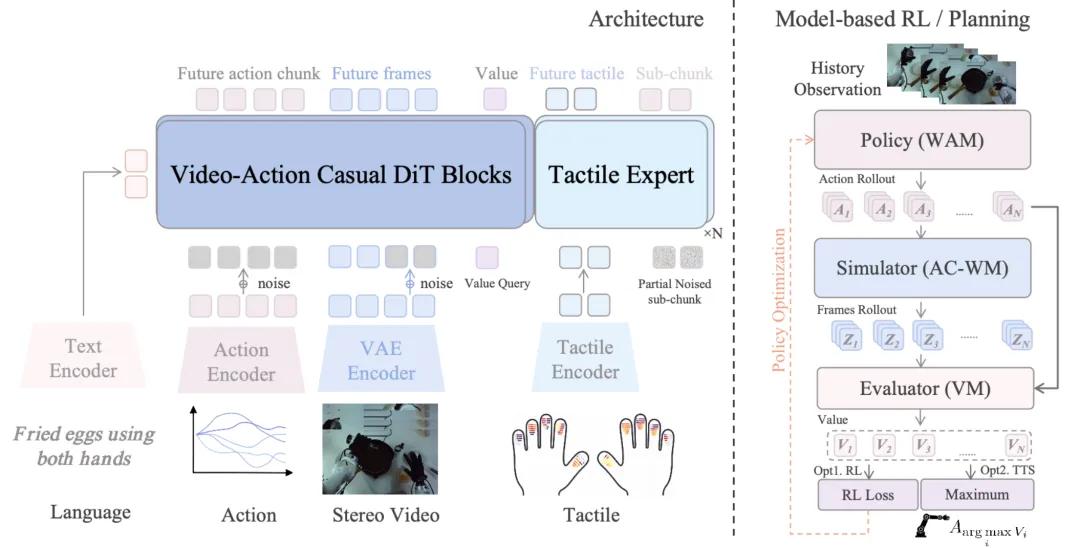
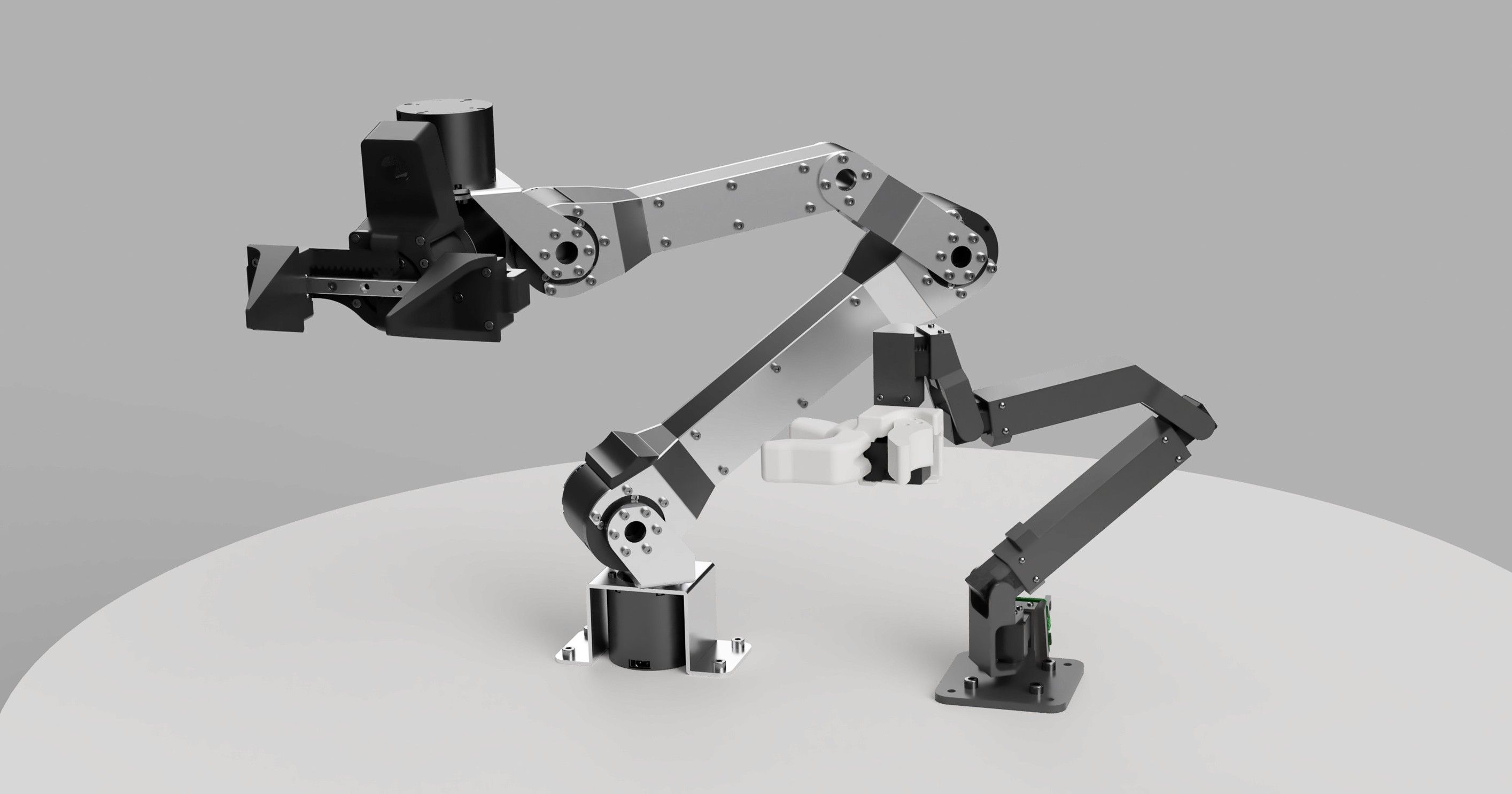
On September 10, at the Bund Conference, Luo Yihang, co-founder and CEO of Shengshu Technology, unveiled Motus2, a self-evolving general world model aimed at robotic dexterous manipulation. Unlike traditional robots that rely on explicit instructions, Motus2 enables robots to learn autonomously from their actions and outcomes, marking a significant advancement in embodied intelligence.
The importance of this development lies in the growing interest in world models, with over 55 companies in China publicly claiming to work on them, 12 of which have reached unicorn status. In the first half of the year alone, funding in the embodied intelligence sector exceeded 46 billion yuan, with 70% directed towards the top 20 companies. However, despite the surge in interest, many existing world models struggle with physical adherence and controllability, raising concerns about their practical applications.
Looking ahead, the 2026 CVPR WorldArena Track1 will evaluate world models based on various criteria, including visual quality and physical adherence. Motus2 aims to bridge the gap between action, prediction, and evaluation, allowing robots to not only predict outcomes but also assess their desirability, thereby enhancing their decision-making capabilities. No further timeline was disclosed at the time of publication.
Editor's Note
The robotics industry is witnessing a transformative shift with the introduction of self-evolving models like Motus2. This innovation highlights the need for robots to not only perform tasks but also to learn from their experiences, which could significantly enhance automation processes across various sectors. As competition intensifies, companies must focus on developing robust world models that prioritize physical adherence and controllability to meet market demands.





























Leave a comment