

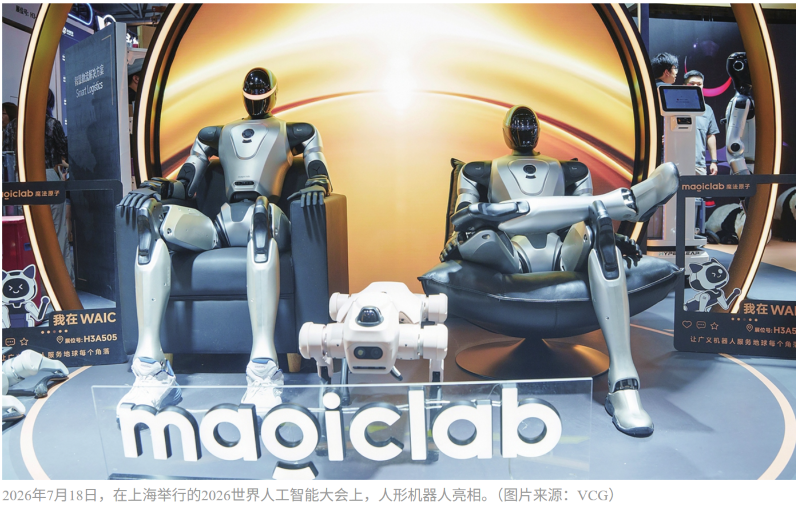
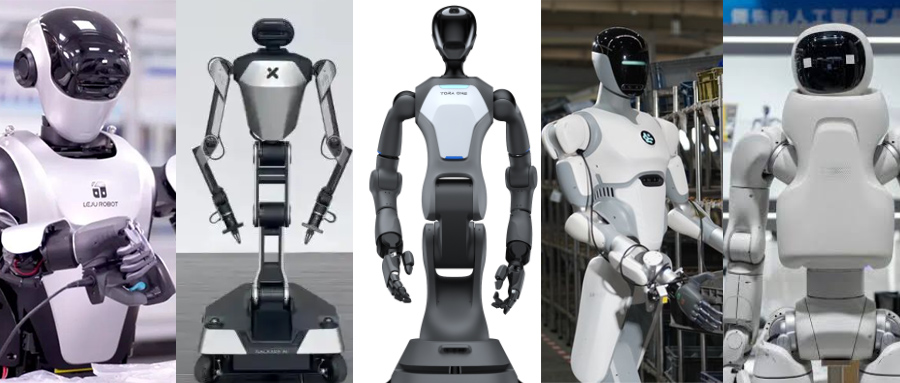
As of July 20, the Ministry of Industry and Information Technology reported that China has developed over 400 humanoid robot models, accounting for more than half of the global total. Additionally, autonomous quadruped robots represent nearly 70% of global sales. The penetration rate of AI technology in large-scale enterprises has surpassed 30%, with global downloads of open-source AI models exceeding 10 billion.
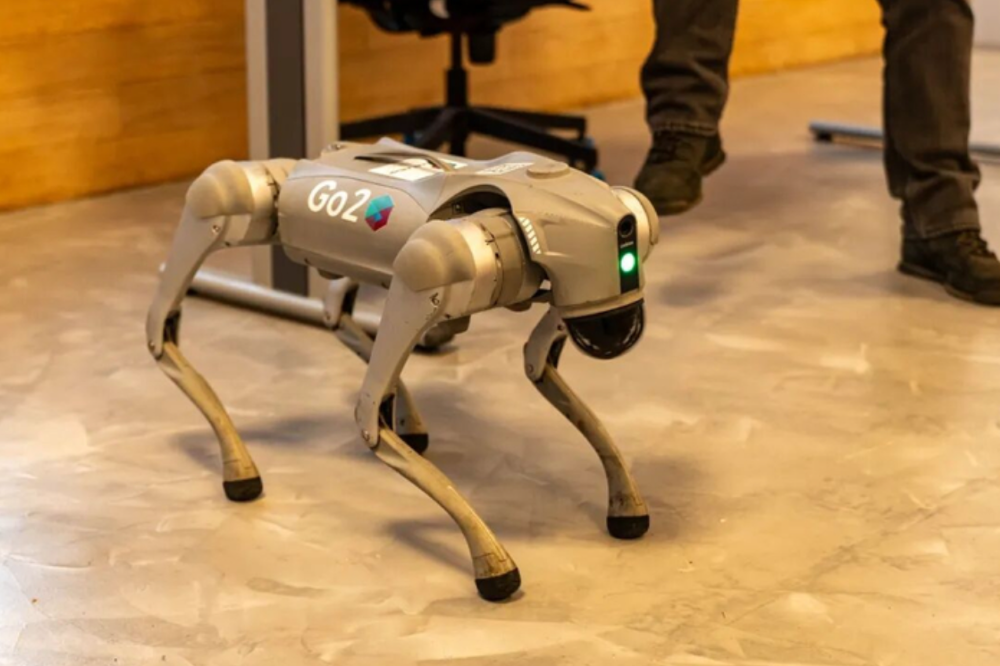
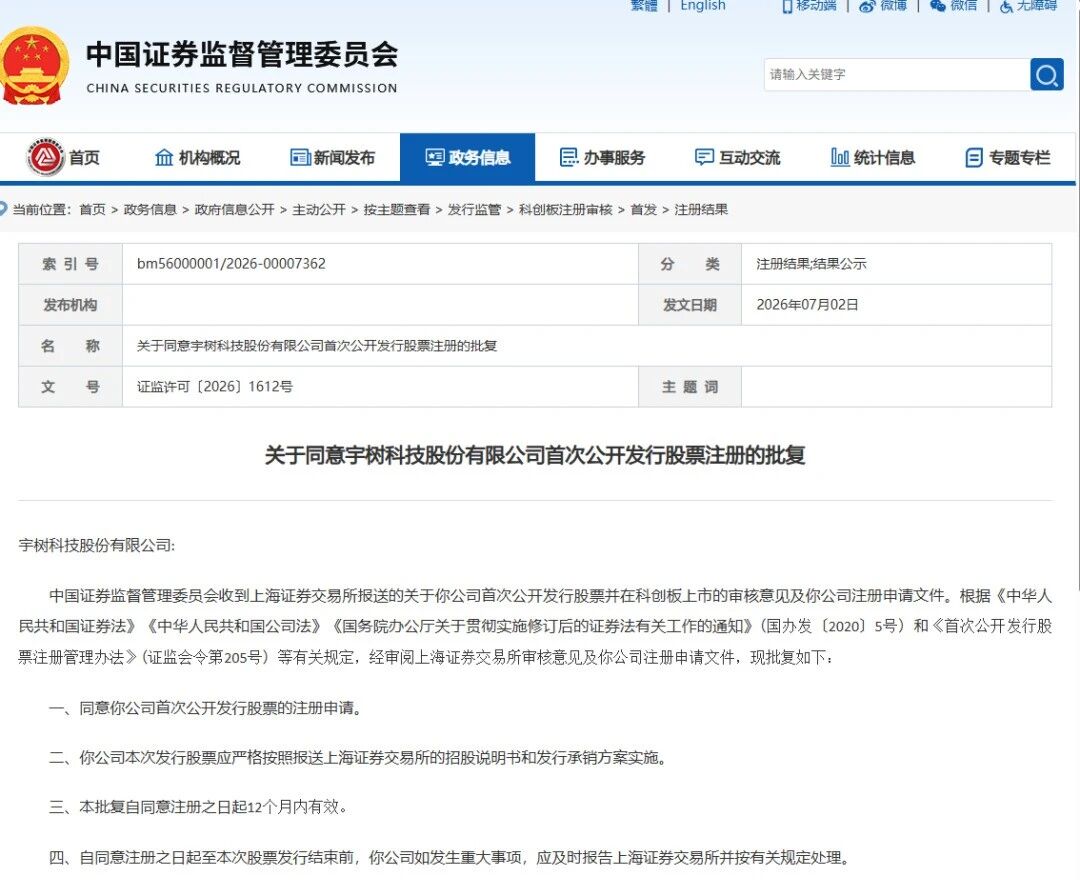
The humanoid robots range from models like the G1 and H1 from Yushu Technology to the Expedition series from Zhiyuan, covering various applications in industrial, research, service, and domestic settings. In the quadruped robot sector, Chinese companies hold a global market share close to 70%, with products from Yushu Technology, Yundongchu, and Xiaomi widely used in inspection, surveying, logistics, and consumer markets.
As of June 30, China has established 5.102 million 5G base stations, accelerating the commercial deployment of 5G-A networks. The Ministry has approved experimental frequency licenses in the 6GHz band, and the second phase of 6G technology trials is advancing rapidly. The demand for AI and green low-carbon industrial products remains strong globally, positioning China to transform AI innovations into mass production swiftly.
Editor's Note
China's rapid advancements in humanoid and quadruped robotics highlight its significant role in the global robotics landscape. The country's ability to integrate AI technologies across various sectors, coupled with its expansive manufacturing capabilities, positions it as a leader in the robotics market. This shift from experimental technologies to mass production is crucial for enterprises looking to leverage AI in their operations.

























Leave a comment