

Industry Briefing
A single destination for timely, editor-curated robotics news from around the world.
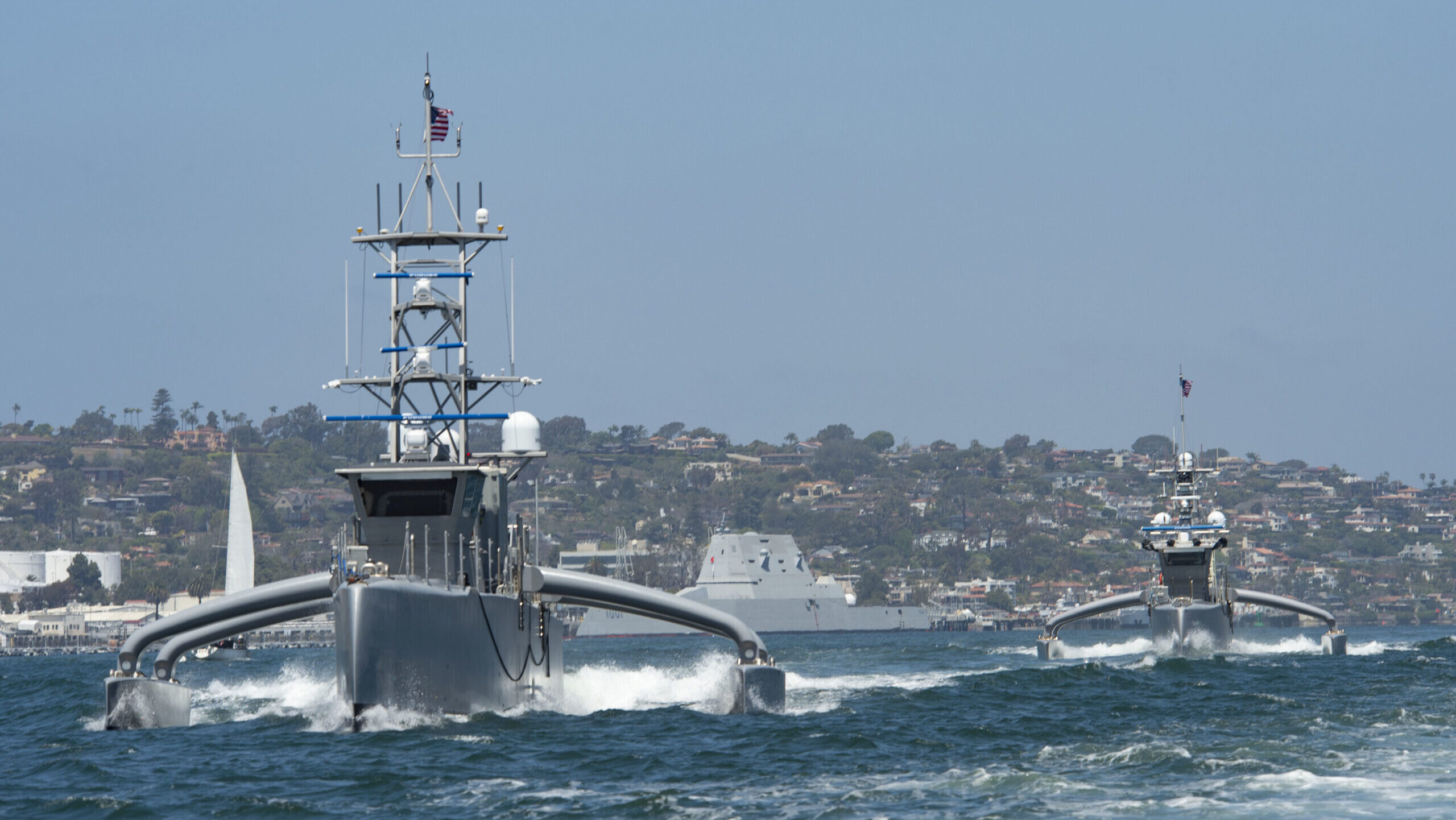
Navy Initiates Phase II for Medium Unmanned Surface Vessel Project, Seeks Innovative Solutions
The Navy has launched Phase II of its medium unmanned surface vessel (MUSV) project, inviting innovative solutions for integration and testing. The solicitation notice, released on September 23, emphasizes the need for adaptable and resilient designs that can address evolving maritime threats. This initiative is significant as it aims to enhance the Navy's capabilities in unmanned operations, with specific requirements for vessels to operate unmanned for at least 10 days and accommodate a payload of two standard 20-foot shipping containers. The focus on open-architecture autonomy and rapid production scalability reflects the Navy's commitment to modernizing its fleet. Looking ahead, vendors with successful proposals will demonstrate their vessels at sea, evaluated on criteria such as speed and fuel efficiency. The Navy's MUSV Marketplace, announced earlier this year, aims to streamline procurement processes for maritime autonomous systems, allowing both new and existing vendors to participate in this evolving landscape.
Naval Warfare Drones MUSV Navy Unmanned
Daxiao Robotics and China Petroleum Launch Intelligent Robot Project in Shanghai Gas Station
Daxiao Robotics has partnered with China Petroleum Shanghai Sales Company to trial an intelligent robot project at gas station convenience stores. The pilot at the Kunlun Haoke convenience store is now operational, where robots manage order picking, handling, and packaging based on real-time inventory data. This initiative is significant as it addresses the challenges of traditional manual operations in gas station convenience stores, which are evolving into integrated hubs for storage, order fulfillment, and local delivery. The project aims to enhance operational efficiency amid rising online orders and the need for flexible inventory management. Looking ahead, the collaboration will focus on optimizing robot performance in high-density environments with multiple SKUs. The results from this pilot will serve as a standardized model for future implementations across other convenience stores under China Petroleum, potentially expanding the application of intelligent robotics in the sector.
Intelligent Robotics Retail Automation Gas Station Services Supply Chain Technology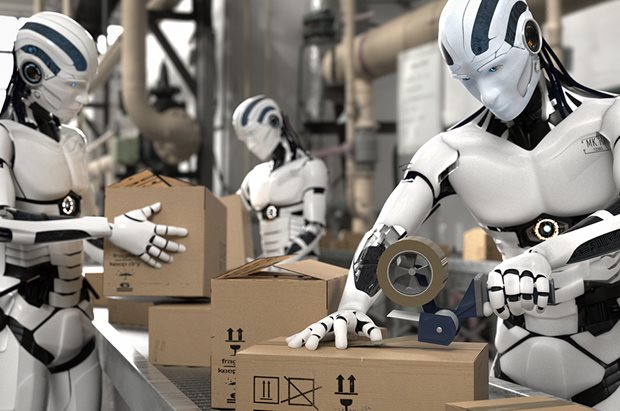
Huizhou Zhongkai's Embodied Intelligence Industrial Park Project Secures 1.031 Billion Investment
The Huizhou Zhongkai District has approved the Embodied Intelligence Industrial Park project, which will feature a digital infrastructure platform. The project, with a total investment of 1.031 billion yuan, spans 135,600 square meters and is set to commence on December 1, 2026. It aims to deploy 80 intelligent robotic workstations and 4,800 IoT data collection points, alongside an AGV intelligent logistics system. This initiative is significant as it represents a substantial investment in the embodied intelligence sector, focusing on enhancing production and logistics capabilities. The project will also establish a range of digital systems including MES, PLM, and ERP, which will facilitate comprehensive factory operations. The infrastructure aims to reduce the R&D costs for companies within the park by providing shared resources and systems. Looking ahead, the success of the project will depend on its ability to attract sufficient embodied intelligence enterprises and the intended use of the 80 robotic workstations, whether for production or scenario validation. No further timeline was disclosed at the time of publication.
Embodied Intelligence Industrial Automation IoT Smart Robotics
The Rise and Fall of AI Projects: Notable Shutdowns and Lessons Learned
Relay, an AI-driven workflow automation tool, ceased operations on Monday after struggling to compete with larger platforms like OpenAI and Google. Launched five years ago, Relay aimed to automate email and task workflows but ultimately could not justify its existence as a standalone product. This shutdown exemplifies a broader trend, with approximately 42% of AI initiatives abandoned by their parent companies, according to S&P Global Market Intelligence. The challenges faced by AI startups often stem from insufficient funding, technical hurdles, and fierce competition. This has led to a growing 'AI graveyard' of projects that failed to meet expectations. Even industry giants like OpenAI have experienced setbacks, including a failed redesign of ChatGPT and the discontinuation of standalone applications like ChatGPT Atlas and Operator, which were integrated back into the main platform. Looking ahead, the industry must learn from these failures to foster more sustainable AI innovations. As companies like Apple and Microsoft continue to develop AI features, the focus will be on overcoming engineering challenges and user retention issues. No further timeline was disclosed at the time of publication.
AI evergreens Microsoft OpenAI siri ai
Project Zenith Aims to Disrupt Mac's Dominance with Preconfigured AI-Ready Windows PC
Project Zenith, a developer-focused PC with a preset AI coding environment, aims to challenge Apple's dominance in the market. This system features specific hardware optimized for AI execution, starting with AMD's Ryzen AI Halo processor and plans to expand its processor support in the future. The significance of Project Zenith lies in its unified memory and preconfigured tools that streamline the development process from the initial setup. It integrates Windows Subsystem for Linux (WSL) deeply, allowing easier access to AI tools typically reliant on Linux environments, thus reducing potential issues developers face when transitioning between systems. Looking ahead, the introduction of Microsoft eXecution Containers (MXC) for local AI agent execution is noteworthy, although currently in early preview. As the market evolves, the effectiveness of Project Zenith in providing a competitive alternative to Mac's AI capabilities will be closely monitored.

France Fast-Tracks Rafale F5 Development Following FCAS Fighter Project Setback
France is expediting the development of the Rafale F5 standard, responding to the collapse of its next-generation fighter collaboration with Germany. The French defense procurement agency, DGA, has initiated contracts for high-risk technical areas, including navigation and radar systems, with the aim of having the F5 operational by around 2033. This acceleration is significant as the F5 will not only extend the Rafale's operational relevance but also enhance France's combat-air capabilities into the 2030s and beyond. The F5 standard represents the most extensive modernization of the Rafale, shifting from incremental upgrades to a comprehensive overhaul that includes advanced systems like the Thales RBE2-XG radar, which utilizes gallium nitride technology for improved performance. Looking ahead, the F5's enhanced capabilities may reduce the urgency for a Rafale replacement and increase its export potential. The DGA's contracts involve key players such as Dassault Aviation, Thales, MBDA, and Safran, marking a collaborative effort to ensure the Rafale remains a cornerstone of France's air power strategy.
Air Air Forces Drones Fighters French Air Force News & Features
Lonely Robot Project Ends with Collaborative Songwriting Twist
On September 11, the final album of the Lonely Robot project was released, featuring the song 'The River' co-written with Jez Fielder. This marks the first collaboration in the project's eleven-year history, which has produced five albums. The theme of the last album revolves around the concept of endings, highlighting that loneliness can be shared. The significance of this collaboration lies in its reflection of personal experiences, as both Mitchell and Fielder are adopted individuals. This partnership allowed for a more honest exploration of themes like memory and identity, contrasting the project's previously solitary narrative. Mitchell's decision to collaborate indicates a shift in the creative process, moving away from the strictly individualistic approach that characterized earlier works. Looking ahead, it remains uncertain whether this truly marks the end of the Lonely Robot project. Mitchell has other musical endeavors, and the future direction of his storytelling is still open. No further timeline was disclosed at the time of publication.
Music Collaboration Rock Music Album Release Artistic Journey
Unitree Launches Project Page for UnifoLM-WLA-1.0 Humanoid Foundation Model
On September 10, Unitree announced the UnifoLM-WLA-1.0, a humanoid foundation model featuring approximately 6 billion parameters. This model has been trained on around 2,500 hours of real-robot data, enabling it to perform 64 distinct tasks based on a single checkpoint. The introduction of UnifoLM-WLA-1.0 is significant as it represents a substantial advancement in humanoid robotics, leveraging extensive real-world data to enhance performance and versatility. The project aims to push the boundaries of what humanoid robots can achieve, potentially impacting various applications in robotics and automation. Currently, the project page is live, but the release of code, weights, and datasets is still pending. Stakeholders in the robotics field should monitor this project closely for updates on the availability of these resources and the implications of this model in practical applications.
ErasmusMC Launches KIEM HighTech Project Replicate for Healthcare Robotics
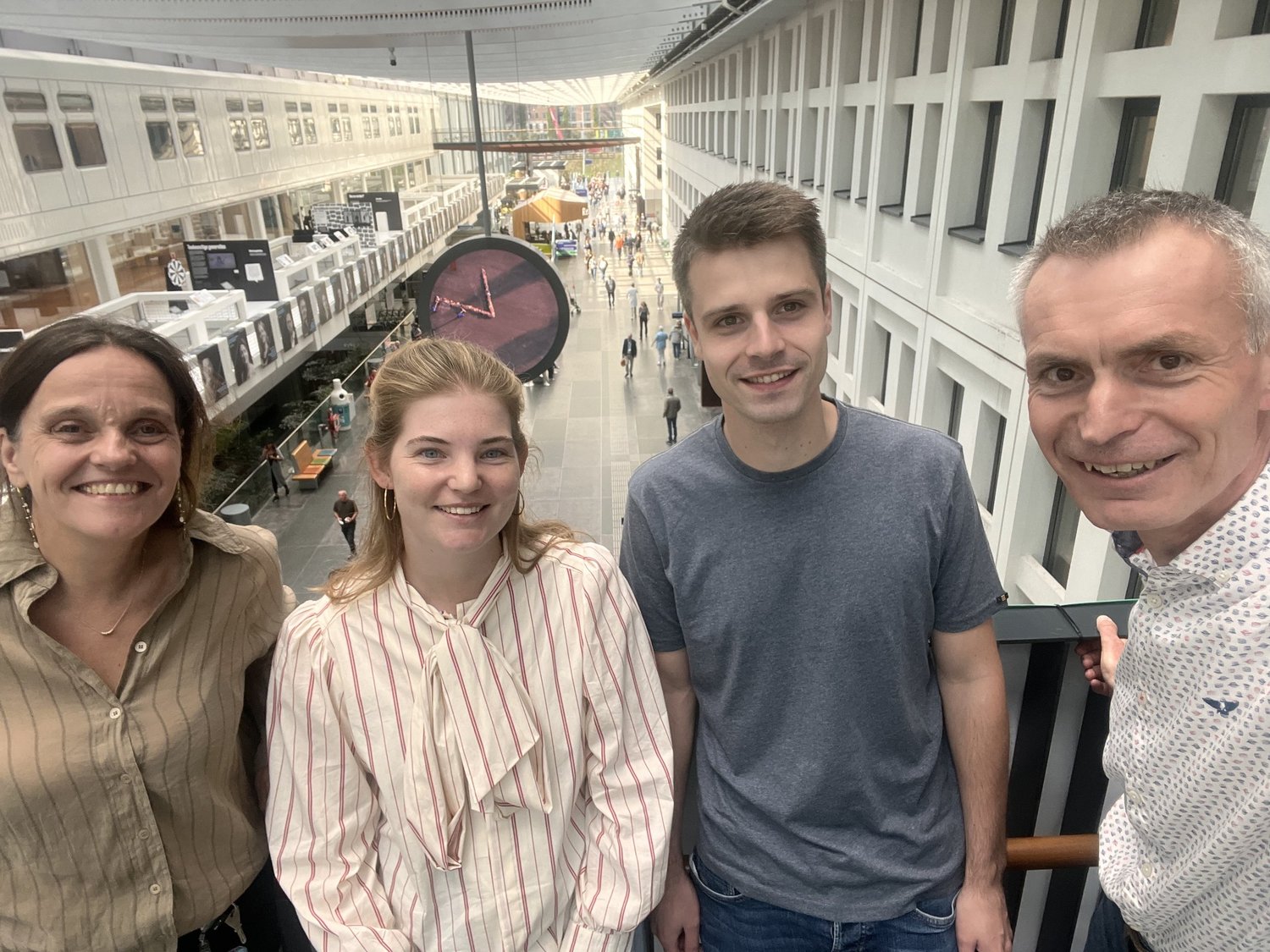
On September 1, the KIEM HighTech project Replicate commenced at ErasmusMC in Rotterdam. Key participants included Jan Benders from HAN University of Applied Sciences, Joep Selten from Ambyon, and Karenin van Grafthorst from ErasmusMC, with NLrobotics joining as a consortium partner for dissemination. The project addresses the growing labor market shortage in healthcare by automating logistical tasks, allowing healthcare professionals to focus on human interaction. Ambyon is developing the mobile care robot Ambyon One, which has already undergone initial practical testing at ErasmusMC. To ensure safe navigation among patients and staff, the robot's behavior will be practiced in a virtualized hospital environment using advanced simulation technologies. The consortium will work on an open-source 3D Gaussian Splatting workflow and a prototype sensor kit over the coming months. Results will be shared through GitLab, a journal article, and an NLrobotics event. The project is funded by Regieorgaan SIA and will run until August 31, 2027.
Zorg Medisch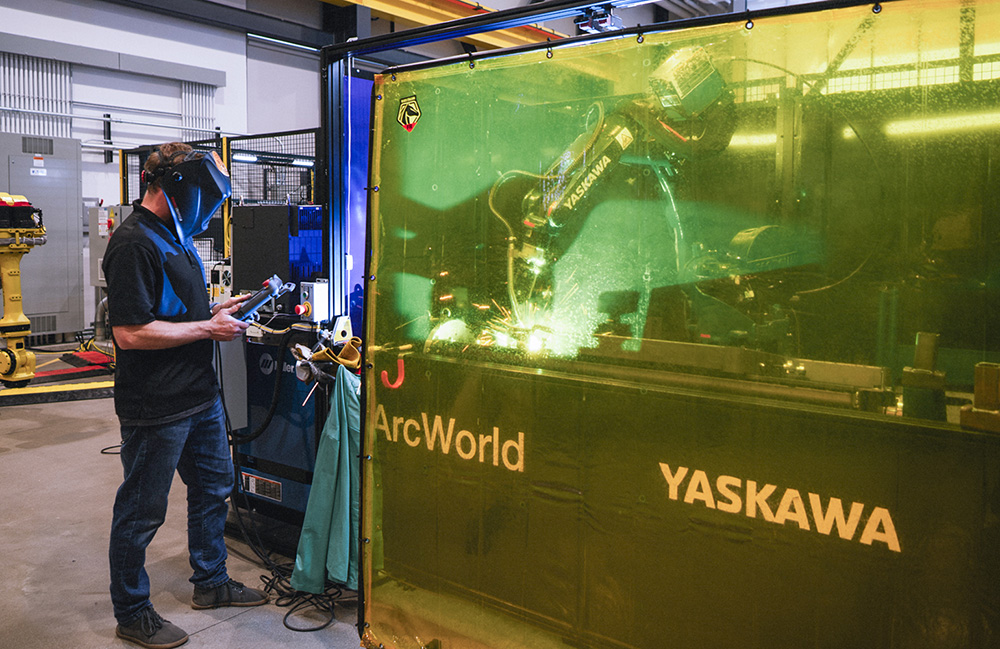
ARM Institute Secures $90 Million for Ten Military Manufacturing Modernization Projects
The ARM Institute has been awarded nearly $90 million for ten projects aimed at modernizing military manufacturing. This funding comes from the Organic Industrial Base (OIB) Modernization Challenge initiated by the Office of the Undersecretary of War Manufacturing Technology Office, supporting the U.S. Department of War's efforts to enhance defense manufacturing through innovative technologies and workforce development. This initiative is significant as it involves fifteen member organizations working to address complex automation challenges at twelve military manufacturing sites across the U.S. The ARM Institute emphasizes the importance of a skilled workforce in implementing these technological advancements, ensuring that workers are prepared to operate alongside new systems and processes. Looking ahead, the ARM Institute will focus on workforce readiness as a critical component of each project, identifying necessary skills and potential upskilling opportunities. No further timeline was disclosed at the time of publication.
Defense / Security Financial Investments Manufacturing Markets / Industries News
UK Defence Innovation Initiates Project PANOPTES to Enhance Integrated C-UAS Capabilities
The UK Defence Innovation (UKDI) has officially launched Project PANOPTES, which focuses on developing integrated counter-unmanned aerial systems (C-UAS) capabilities for enhanced force protection. This initiative is significant as it addresses the growing threat posed by mass drone attacks, ensuring that military forces are better equipped to safeguard their operations and personnel against such risks. Looking ahead, stakeholders will be keen to monitor the progress of Project PANOPTES and its impact on the UK's defense strategies against drone threats. No further timeline was disclosed at the time of publication.
News
Challenges in Automation Projects: When Processes Overshadow Outcomes
An automation project faced significant challenges when a client's lack of an internal team led to a missed GMP package in the original quote. Despite the completion of site acceptance testing, a critical liquid integrity issue remained unaddressed, highlighting the disconnect between process adherence and project outcomes. This situation illustrates the risk of prioritizing procedural compliance over achieving the intended results, particularly in GMP life sciences, where quality processes are essential. The importance of quality processes in automation projects cannot be overstated, as they ensure consistency and minimize gaps. However, as teams become more specialized, they may lose sight of the project's original goals, focusing instead on narrow metrics that do not contribute to the overall success. This shift can lead to a scenario where the project supports the process rather than the other way around, ultimately compromising the desired outcomes. Moving forward, it is crucial for project teams to maintain a holistic view of their objectives and ensure accountability for the final results. This includes recognizing when established procedures may no longer align with practical realities and being willing to adapt. No further timeline was disclosed at the time of publication.
Process / Digital Transformation
Dreame Cancels Electric Hypercar Project After Brief Automotive Ambitions
Dreame, a Chinese company known for robot vacuums, has canceled its electric hypercar program, including the rocket-assisted version unveiled earlier this year. This decision marks a significant shift from the company's initial plans for a 1,876-horsepower electric supercar and a luxury SUV, which were first announced in 2025. The cancellation highlights the challenges faced by companies outside the traditional automotive sector when attempting to enter the electric vehicle market. Dreame's ambitious plans, including a hypercar capable of accelerating from 0 to 62 mph in just 1.8 seconds, faced practical hurdles that ultimately led to the project's termination. Reports indicate that the automotive division, known as the Star Project, expanded rapidly but was followed by layoffs as the project was wound down. Looking ahead, Dreame has stated that technologies developed during the automotive project may be integrated into its existing smart home and mobility products. The cancellation serves as a reminder of the complexities involved in transitioning from concept to mass production in the EV industry, where many companies have struggled despite initial enthusiasm.
Transportation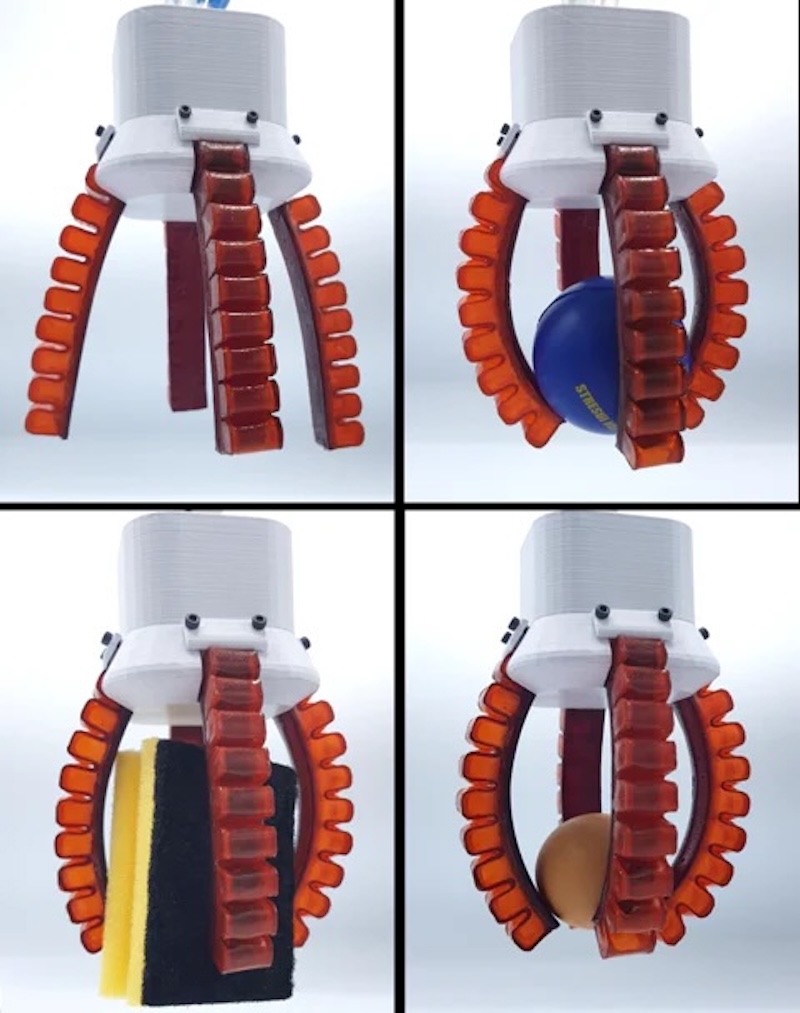
VUB Leads RESSORT Project to Enhance Soft Robots with Sensing and Adaptation Capabilities
Vrije Universiteit Brussel (VUB) is spearheading the RESSORT project, a four-year initiative funded by the European Union's Horizon Europe program. This project aims to advance soft robotics by enabling these robots to sense, repair, and adapt to their environments, with applications in healthcare, food handling, and industrial inspection. The significance of RESSORT lies in its potential to transform soft robots into more sustainable and reliable solutions. By integrating innovative technologies such as self-healing materials and variable-stiffness structures, the project seeks to overcome existing limitations that have kept soft robots primarily in laboratory settings. This advancement could lead to safer interactions with humans and delicate objects. Looking ahead, RESSORT plans to develop three demonstrators to validate its technologies in real-world scenarios. One key application is a personalized soft exosuit for rehabilitation, designed to provide tailored support to patients. The project also aims to create an adaptive robotic system for the food industry, enhancing the ability to handle fragile products effectively.
Features Research Robotics Science adaptive robots brubotics
ARM Institute Issues Project Call for U.S. Defense Manufacturing Technology Innovations
The ARM Institute has launched Project Call 27-01, inviting proposals for technologies aimed at enhancing U.S. defense manufacturing capabilities. This initiative seeks innovations in areas such as metalwork, drones, munitions, and shipbuilding, with a focus on dual-use technologies that can benefit both military and civilian sectors. This project call is significant as it aligns with the U.S. Department of War's (DoW) objectives to improve defense manufacturing efficiency and reduce costs. The ARM Institute emphasizes the importance of validated transition plans that include government stakeholders, which can facilitate smoother integration into the DoW's commercial industrial base and organic industrial base. Looking ahead, concept papers must be submitted by September 16, 2026, with a series of deadlines leading up to the final project execution beginning February 1, 2027. The ARM Institute aims to foster collaboration and innovation within its community of over 500 members, addressing funding and engineering challenges in defense technology development.
Artificial Intelligence Autonomous Mobile Robots (AMRs) Collaborative Robots Defense / Security Drones Manufacturing
Digital DNA Project Aims to Extend Human Presence Through Robotics
The Digital DNA project, launched by the organization 'Veterans for America' in July 2026, proposes a radical concept of preserving loved ones in robotic forms for up to 500 years. By utilizing a tactile suit equipped with 40 sensors, the project aims to record an individual's movements, physiological responses, and behaviors to create a 'digital DNA' profile that can be transferred to humanoid robots or holograms. This initiative raises significant ethical questions regarding identity and memory, as the digital replicas created would not possess consciousness or true memories, but rather mimic human behavior. The project is part of a larger plan called 'QAIAx,' which envisions the establishment of 300 'micro-cities' managed predominantly by AI and robots, ultimately accommodating one million residents. The pricing for this 'immortality' service is substantial, with costs reaching up to $1 million for a 500-year preservation. While the project has been registered on ClinicalTrials.gov, its claims remain unverified. The Digital DNA project challenges the boundaries of robotics, pushing discussions from mere productivity to profound questions about human identity and the implications of technological advancements.
Digital Immortality Robotics AI Ethics Human-Computer Interaction
Vertical Aerospace Secures $4.6M for Electric Aircraft Charging and Cooling Project
Vertical Aerospace is spearheading a UK-supported initiative to enhance electric aircraft charging and liquid-cooling systems, addressing critical infrastructure challenges that could accelerate the commercial viability of electric aviation. The ECLiPSE project, which includes collaboration with the University of Bath and InnCat Ltd., aims to develop high-power charging and thermal management solutions to lower costs and improve operational efficiency for electric aircraft. This project is significant as it aligns with the growing demand for electric vertical take-off and landing (eVTOL) aircraft, which necessitate rapid recharging capabilities at airports and vertiports. With a total investment of approximately $4.5 million, including $2.3 million in government funding, ECLiPSE is set to enhance charging performance and reduce infrastructure size, ultimately facilitating more frequent flights from existing facilities. Looking ahead, the technologies developed through ECLiPSE may extend beyond aviation, potentially benefiting other electrified transport sectors. Vertical Aerospace is also in discussions with the UK Government for additional funding to support its global production sites, emphasizing the need for robust charging infrastructure to support the transition to zero-emission flight.
Transportation
Honeywell spearheads VERTI-GO project to establish eVTOL regulations in Europe
Honeywell is leading the VERTI-GO project, which aims to develop regulatory frameworks for electric vertical takeoff and landing (eVTOL) aircraft in European airspace. This initiative is crucial as the demand for eVTOLs grows, necessitating clear guidelines to ensure safety and efficiency in urban air mobility. The establishment of these regulations is significant for the future of air transportation, as it will facilitate the integration of eVTOLs into existing air traffic systems. By addressing safety, operational, and environmental concerns, the VERTI-GO project aims to pave the way for widespread adoption of eVTOL technology across Europe. Looking ahead, stakeholders will be monitoring the progress of the VERTI-GO project closely, particularly as it seeks to finalize its regulatory recommendations. The outcomes of this initiative could influence global standards for eVTOL operations, making it a pivotal development in the aviation sector. No further timeline was disclosed at the time of publication.
Transportation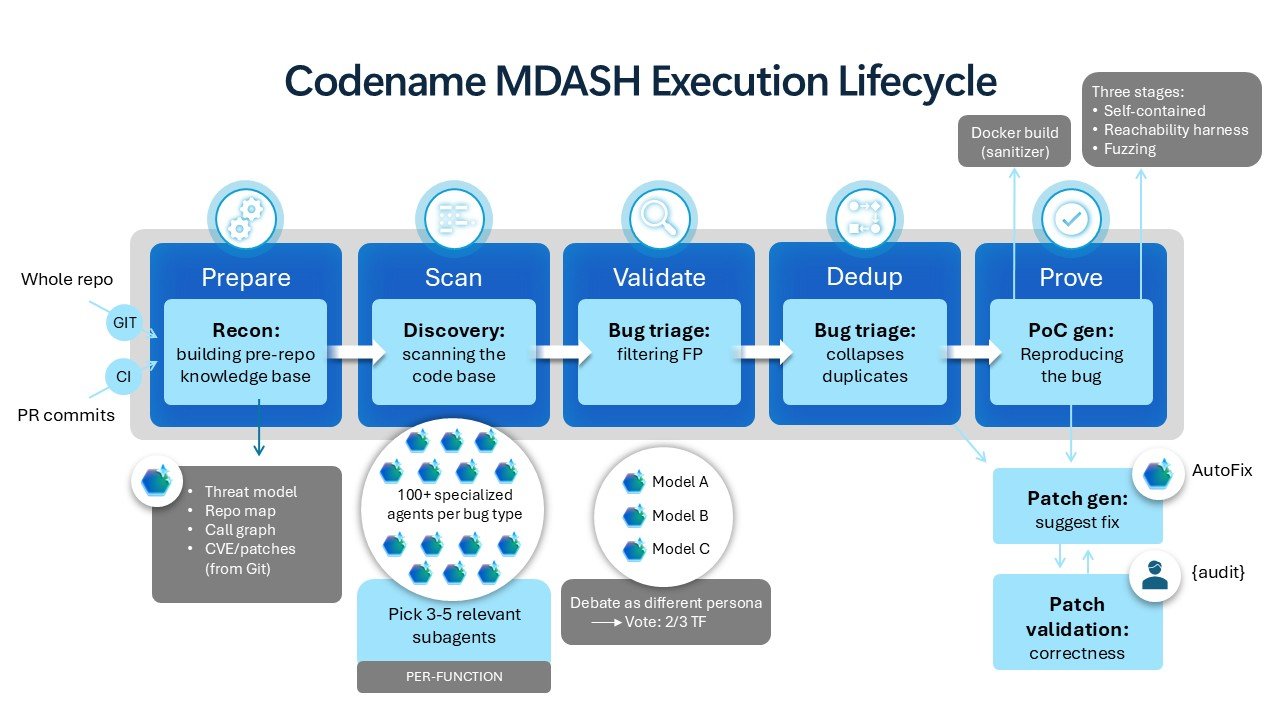
Microsoft Plans to Launch AI Security Tool 'Project Perception' in July 2026
Microsoft is set to introduce 'Project Perception', an AI-driven security tool, in July 2026. This initiative aims to enhance the detection of vulnerabilities in IT systems, led by Hayete Gallot, the new EVP of security. The project will integrate advanced AI technologies, including MDASH, into existing products like Microsoft Defender and GitHub Code Security. The significance of Project Perception lies in its potential to revolutionize security measures by utilizing AI to proactively identify and address vulnerabilities. The integration of MDASH, which employs over 100 specialized AI agents for vulnerability assessment, is expected to improve the accuracy of security reports, reducing the noise typically associated with traditional tools. Looking ahead, the collaboration between Project Perception and existing Microsoft security products will streamline the vulnerability reporting process for IT administrators. No further timeline was disclosed at the time of publication.

T3 Defense Secures 60% Ownership in Israeli Drone Manufacturer Project35
T3 Defense has successfully acquired a 60% stake in Project35, an Israeli firm focused on drone technology. This acquisition highlights T3 Defense's commitment to expanding its capabilities in the drone sector, particularly in the development of aerial interceptors and counter-uncrewed aerial vehicle systems. The significance of this acquisition lies in T3 Defense's strategic move to enhance its portfolio in the rapidly evolving drone industry. By integrating Project35's expertise in drone manufacturing and C-UAV systems, T3 Defense aims to strengthen its position in the market and respond to increasing demand for advanced aerial technologies. Looking ahead, industry observers will be keen to see how T3 Defense leverages this acquisition to innovate and expand its product offerings. No further timeline was disclosed at the time of publication.
News
JD Group Launches First RoboBase Project in Guangzhou to Foster Robotics Ecosystem
On July 11, JD Group signed a comprehensive strategic cooperation agreement with the Guangdong provincial government, focusing on nine key areas including digital economy and modern logistics. The first physical benchmark of this agreement, the RoboBase project, commenced construction in the Huangpu Science City, Guangzhou. This marks JD's first RoboBase globally, covering approximately 190,000 square meters, with completion expected by the end of 2028 and an anticipated annual output value of about 1.75 billion yuan. The RoboBase project aims to integrate high-end manufacturing, technological innovation, and ecological services, concentrating on core robotic components, complete machine manufacturing, and high-end intelligent equipment. JD's approach is unique as it positions itself as an 'industrial infrastructure operator' rather than directly engaging in robot manufacturing. This strategy is designed to support robotics companies by providing a conducive environment for their operations. Looking ahead, JD's RoboBase will facilitate long-term testing for robots across various real-world scenarios, including JD MALL and logistics parks. The project also emphasizes talent development through partnerships with vocational schools in Guangdong. No further timeline was disclosed at the time of publication.
Robotics Ecosystem High-End Manufacturing Technological Innovation Supply Chain Solutions
SpaceX IPO Provides Indirect Investment Opportunity in Starmind Project
Starmind does not have a standalone stock or ticker; investors can gain exposure through SpaceX (ticker: SPCX), which began trading on Nasdaq after its IPO on June 12, 2026. Starmind is integrated within SpaceX, contributing to the company's AI and space initiatives, and its performance directly influences SPCX shares. The significance of Starmind lies in its role as a division of SpaceX, which encompasses other projects like Starlink and Starship. As of early July 2026, SPCX shares are trading between $149 and $150, significantly lower than their 52-week high of $225.64. The project’s milestones, such as AI1 prototype updates, can impact SpaceX's stock performance, making it essential for investors to monitor these developments closely. Looking ahead, the early 2027 launch of AI1 prototype satellites is a critical milestone that could provide verifiable data affecting Starmind's valuation and, consequently, SPCX stock. No further timeline was disclosed at the time of publication, but the upcoming events will be pivotal for investors tracking the relationship between Starmind and SpaceX's stock performance.

SpaceX's Starmind Project: Supplier Strategy and Chip Manufacturing Plans for 2026
SpaceX's Starmind project, aimed at deploying up to 1 million AI satellites, was filed with the FCC on January 30, 2026. The initiative is designed to minimize reliance on external suppliers, with CEO Elon Musk stating that current chip production capabilities only meet 2% of the projected needs. The first satellite, AI1, is set for prototype launches in early 2027, featuring a 70-meter wingspan and a modular payload system that allows for interchangeable chips from various suppliers. The significance of Starmind lies in its ambitious supply chain strategy, which seeks to transition from external hardware suppliers to a fully integrated Musk-owned facility by 2028. The Gigasat manufacturing site in Bastrop, Texas, is expected to be operational by the end of 2027, with plans for high-volume production of the D3 chip, specifically designed for space applications. This approach aims to consolidate chip manufacturing processes under the Terafab joint venture, which has an estimated initial investment of $55 billion. Looking ahead, the next milestone for Starmind is the launch of AI1 prototypes in early 2027, while the full-scale chip production at Terafab is projected to ramp up significantly thereafter. However, analysts express skepticism regarding the feasibility of achieving Musk's ambitious compute goals, which may require substantial investment and time to establish the necessary manufacturing capabilities.
SpaceX Launches Starmind Project for 1 Million AI Satellites by 2028
SpaceX has officially named its orbital AI infrastructure project 'Starmind,' which aims to deploy a constellation of up to 1 million satellites. This initiative, confirmed by Elon Musk on June 22, 2026, will enable AI inference directly in space, utilizing solar energy rather than terrestrial power sources. The first satellite, designated AI1, was unveiled on June 8, 2026, and is designed to operate in sun-synchronous orbits. The significance of Starmind lies in its potential to overcome the limitations faced by ground-based data centers, such as land, power, and water constraints. By running AI computations in orbit, Starmind can provide a more efficient solution to the growing demand for AI computing power. The project leverages the existing Starlink infrastructure for data transmission, distinguishing its function from Starlink's internet relay capabilities. Looking ahead, SpaceX plans to begin hardware deployment with the AI1 satellite, while full-scale production and deployment of the satellite constellation are targeted for 2028. As of now, no Starmind satellites have been launched, and further engineering challenges remain to be addressed, particularly regarding the scalability of the satellite design.

Microsoft unveils next-generation platform "Project Solara," transitioning from GUI to AI agents.
At the Microsoft Build 2026 conference held in June, the tech giant unveiled "Project Solara," a groundbreaking platform designed to prioritize AI agents over traditional graphical user interfaces and mobile applications. This innovative system facilitates collaboration between cloud-based AI agents and edge devices, enabling a seamless user interface that transcends hardware limitations. The announcement included an overview of two conceptual models, illustrating a new vision for computing in the age of artificial intelligence. As Microsoft explores this "AI agent-first" approach, it raises questions about the future of user interaction and the potential transformations in technology.

Lumos Robotics Unveils Project EDGE, Distributing 100 Free Humanoids to Developers
Lumos Robotics has launched Project EDGE, a new initiative aimed at accelerating humanoid robot development by giving away 100 LUMOS NIX humanoid robots to universities, robotics labs, and creative technologists. This program, announced by CEO Yu Chao, seeks to enhance research in embodied AI, dynamic motion control, and human-robot interaction by providing capable hardware directly to researchers. The significance of Project EDGE lies in its potential to bridge the gap between hardware and software development in humanoid robotics. By offering high-performance LUMOS NIX robots equipped with advanced actuators and an onboard Rockchip RK3588 platform, Lumos aims to foster innovation in real-time inference and state estimation. The initiative also includes a full-stack open SDK, enabling researchers to focus on application deployment without the burden of low-level hardware debugging. Looking ahead, the success of Project EDGE will depend on Lumos's ability to manage the distribution and support of 100 humanoid robots globally. While the program is open for applications until all spots are filled, with a priority deadline of July 31, 2026, the challenge remains for Lumos to prove its manufacturing consistency and technical support capabilities as it ventures into this ambitious initiative.
Lumos Robotics Project Edge
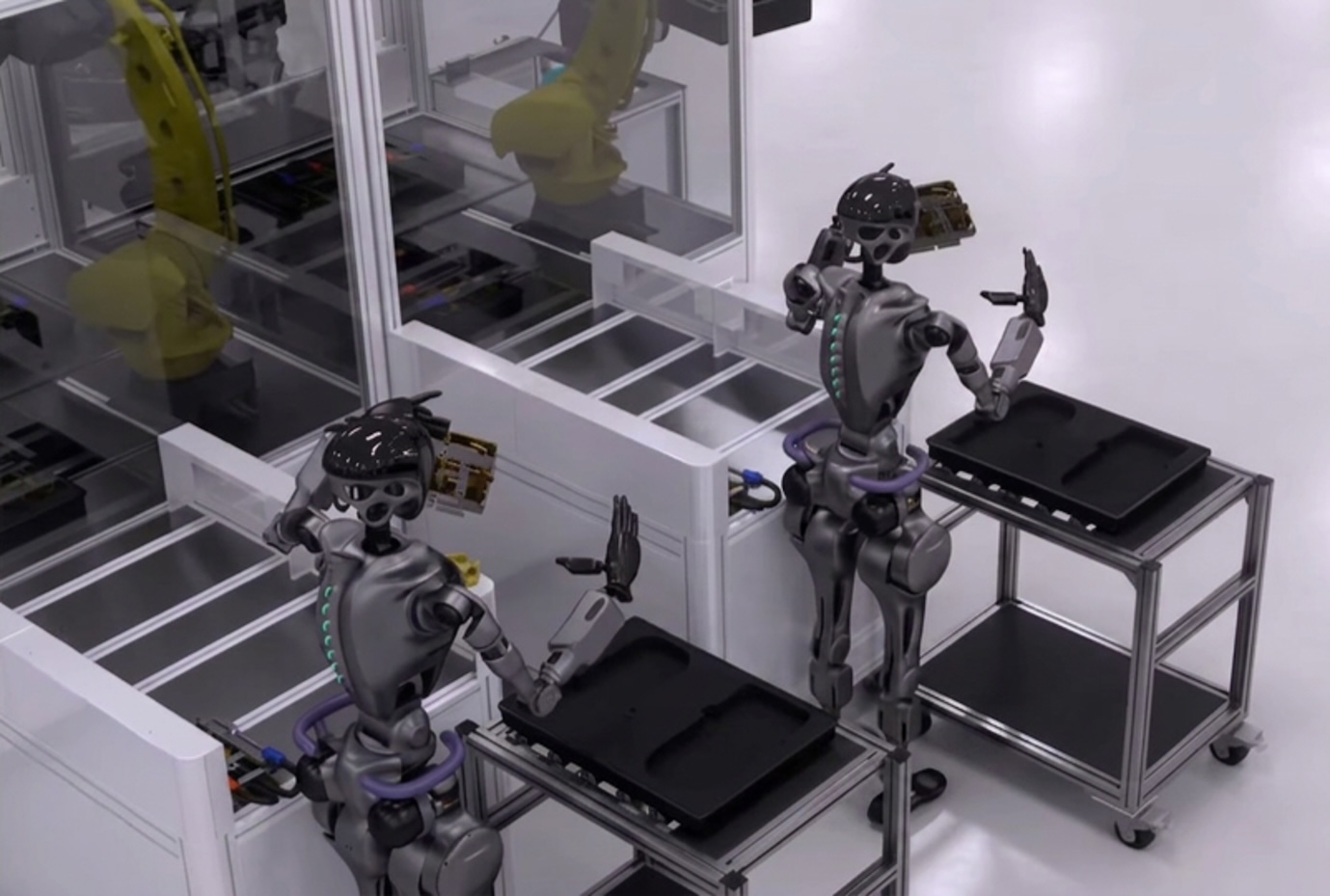
NewEra Project Introduces Smart Robotic Cells for Efficient Device Repair
In Germany, only one in four defective electronic devices is repaired today. The challenges often stem from labor costs, a shortage of skilled workers, and expensive replacement parts rather than technical issues. The NewEra project aims to address these challenges by utilizing two robotic arms that identify devices, open casings, diagnose damages, and replace defective components using sensor technology and machine learning techniques. This initiative is significant as it seeks to enhance the repair rate of electronic devices, which is crucial for sustainability and reducing electronic waste. By automating the repair process, the NewEra project could alleviate the burden of high labor costs and the skills gap in the workforce, making repairs more accessible and efficient. Looking ahead, the success of the NewEra project could pave the way for broader adoption of robotic solutions in the repair industry. No further timeline was disclosed at the time of publication.
Allgemein Anwendungen & Lösungen Automation
Kairos Power Secures Up to $100M from Samsung C&T for Google Nuclear Reactor Project
Kairos Power has partnered with Samsung C&T to develop a 50-megawatt demonstration reactor for Google, with completion targeted by 2030. The collaboration includes an equity investment of $70 million and additional engineering services, totaling up to $100 million, aimed at enhancing nuclear power capabilities. This partnership is significant as it aligns with the increasing demand for power from AI data centers, positioning Kairos Power among a new generation of nuclear startups. The deal builds on a previous agreement with Google, which seeks to generate approximately half a gigawatt of electricity by 2035, highlighting the urgency for innovative nuclear solutions in the energy sector. Looking ahead, Kairos Power is currently constructing two reactors in Oak Ridge, Tennessee, with Hermes 2 expected to begin operations in 2030. The company is utilizing advanced technologies, including fluoride salt cooling and TRISO fuel, to ensure safety and efficiency. The success of this project could pave the way for further developments in nuclear energy, particularly in meeting the growing energy needs of tech giants like Google.
Climate Kairos Power nuclear power
Saxion's Camille Buschman and W2R Drone Projects Win 2026 Robotics Awards
Camille Buschman from Saxion has been awarded the Talent Award, while Rob Vranken and Wouter Middel from W2R Drone Projects received the Project Award during Future Pulse 2026. The Robotics Awards celebrate talent and innovative projects in the Dutch robotics sector, highlighting the importance of individuals who develop and implement new technologies. The Talent Award recognizes young talent demonstrating knowledge, creativity, and innovation in robotics. Buschman's win emphasizes the crucial link between education and industry, as the sector rapidly evolves and requires individuals who can advance new technologies. The Project Award honors practical applications of technology, awarded to W2R Drones for their innovative projects that merge technical knowledge, innovation, and entrepreneurship. The awards ceremony at Future Pulse showcased the future of robotics, emphasizing the need for both new talent and strong practical projects in the ecosystem. No further timeline was disclosed at the time of publication.
Future Pulse Nieuws algemeen
Elon Musk Aims for 100 GW of Solar Manufacturing with Project Crystal Sun
Tesla Inc is intensifying its solar strategy with Project Crystal Sun, a proposed $10.1 billion solar-cell manufacturing plant in Texas. This initiative aims to establish 100 gigawatts of annual solar manufacturing capacity in the U.S., marking a significant expansion of Tesla's solar ambitions. The project is expected to create nearly 9,700 permanent jobs and involves substantial investments in real property and equipment. The importance of Project Crystal Sun lies in its potential to reshape Tesla's solar operations, especially after the company recently discontinued its Solar Roof tiles due to technological and installation challenges. By focusing on a comprehensive solar supply chain, from ingots to modules, Tesla is shifting its strategy towards large-scale manufacturing rather than residential solar integration. This move reflects a broader commitment to solar energy as a key component of the future. As the Lamar Consolidated Independent School District prepares to vote on tax incentives for the project, the outcome will be crucial for Tesla's plans. The company is also evaluating other U.S. locations for the facility, adding uncertainty to what could become its largest manufacturing investment. No further timeline was disclosed at the time of publication.

USA Rare Earth Partners with Pasqal and Riven Systems for Quantum AI in Rare Earth Supply Chain
USA Rare Earth has announced a collaboration with French quantum computing firm Pasqal and industrial AI company Riven Systems to enhance the separation of rare earth elements in the U.S. This initiative, revealed on September 17, aims to utilize quantum machine learning and automated lab experiments to identify more effective molecules for binding to rare earths. The significance of this project lies in its potential to create smaller, more energy-efficient processing facilities that can operate at lower costs. Currently, China dominates the rare earth supply chain, particularly in the separation of heavy rare earths. Alex Moyes, senior vice president at USA Rare Earth, highlighted the industry's challenge of separating Mixed Rare Earth Carbonate into individual oxides, which is crucial for advanced manufacturing. Looking ahead, Riven Systems will automate thousands of experiments to generate data for machine learning models, while Pasqal will benchmark these models against classical computing methods. This innovative approach could lead to the discovery of more effective extractants, ultimately reducing processing stages and environmental impact. No further timeline was disclosed at the time of publication.
AI and Robotics
Bay Area Science Forum Showcases Embodied Intelligence Initiatives in Dongguan
On September 15, the Bay Area Science Forum took place in Dongguan, focusing on embodied intelligence projects. The event, organized by the Bay Area Science Forum Secretariat and the Bay Area University, with support from the Dongguan Science and Technology Bureau, featured policy presentations, project showcases, and networking opportunities for government, academia, and industry representatives. Five projects from Bay Area University were highlighted during the showcase, including solutions for embodied intelligence robotics, autonomous multi-environment robotic systems, cross-scale autonomous medical robots, dynamic materials, and spatial intelligent engines. These projects address various aspects of embodied intelligence, attracting interest from participating companies and facilitating discussions on technical challenges, talent acquisition, and funding needs. The event concluded with a tour of the Bay Area University campus and its embodied intelligence laboratory. The university's leadership emphasized its commitment to high-level, internationalized education and collaboration with industry. The forum aims to effectively connect research resources and technological achievements with practical applications in Dongguan's robust manufacturing sector, indicating the potential for successful partnerships in the future.
Embodied Intelligence Robotics AI Technology Transfer Industry Collaboration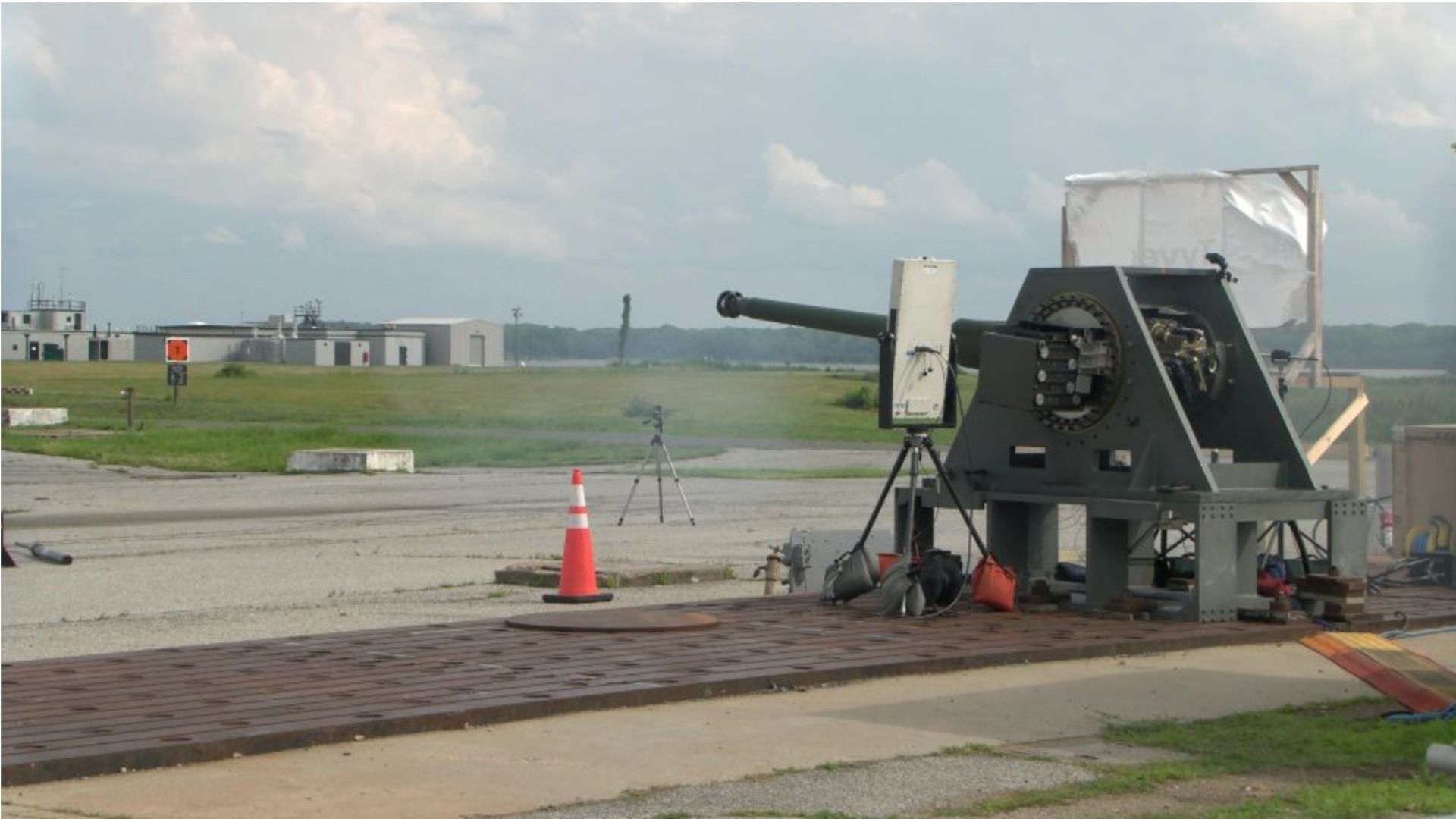
Northrop Grumman Advances 50mm Projectile Testing for Raid Hunter Air Defense System
Northrop Grumman has successfully conducted an aeroballistic test of a new 50mm round for its Raid Hunter air defense system. The test involved firing the projectile from an XM913 Chain Gun to validate its performance and gather flight data, which will aid in developing a guided, proximity-fuzed projectile. This development is significant as it enhances the Raid Hunter's capability to counter coordinated attacks from various aerial threats, including drone swarms and cruise missiles. The high-fidelity data collected during the test matched pre-test predictions, confirming the projectile's design and performance, which is crucial for the next development phase focused on guidance and proximity fuzing. Looking ahead, Northrop Grumman aims to integrate this advanced ammunition with its Bushmaster Chain Gun technology to create a high-rate defensive system. This combination is designed to effectively respond to mixed aerial threats, positioning Raid Hunter as a scalable and cost-effective solution for short-range air defense challenges.
Military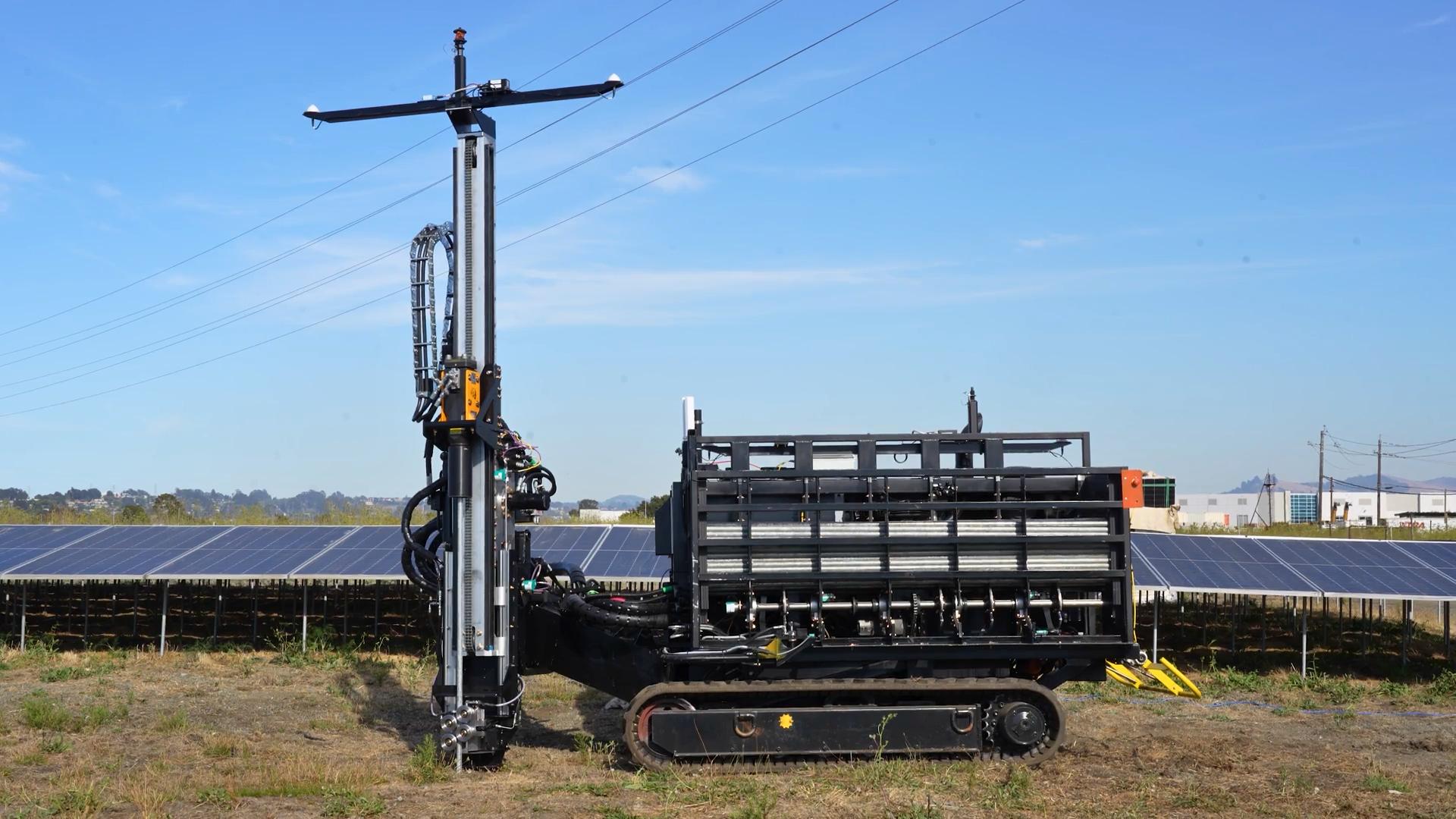
Planted Secures $31.8 Million to Enhance Robotic Solar Project Deployment
Planted has successfully raised $31.8 million to expand its fleet of autonomous construction robots and introduce Sage, a next-generation system aimed at enhancing solar project deployment. Sage is anticipated to be operational by late 2026, promising to deliver over double the productivity of Planted's current robots. This funding round, co-led by Piva Capital and RA Capital Management Planetary Health, with contributions from notable investors such as Google and Khosla Ventures, will enable Planted to scale its robotic fleet and meet growing demand. The company’s innovative solar construction system is designed to operate on challenging terrains and significantly increase energy production compared to traditional systems. Looking ahead, Planted's project pipeline exceeds 20 gigawatts, with plans to deploy 100 megawatts in 2026 alone. The introduction of Sage units will further enhance capacity as they are rolled out. No further timeline was disclosed at the time of publication.
AI AI Funding & Investment Robotics autonomous construction Breakthrough Energy Ventures funding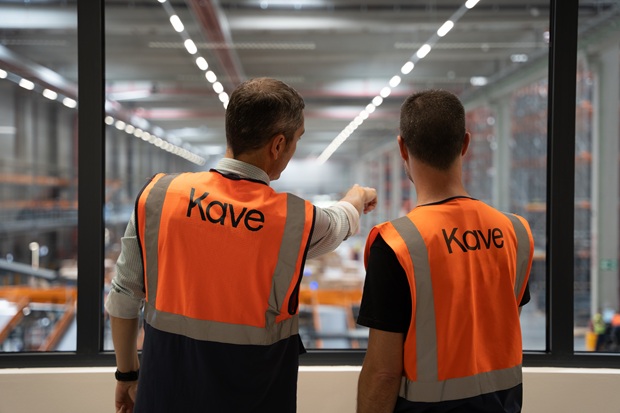
TGW Logistics to Automate Kave Home's New Distribution Center in Tordera, Spain
Kave Home has chosen TGW Logistics to implement automation at its new logistics hub in Tordera, Barcelona. This initiative is crucial for the company's growth and international expansion in the furniture and home décor market, enhancing operational capacity to meet increasing demand across various sales channels. The automated fulfillment center is set to launch by the end of 2028, featuring an integrated storage and order-picking system that utilizes miniload technology, high-bay automated warehouses, autonomous mobile robots (AMRs), and advanced palletizing processes. This solution will enable Kave Home to efficiently manage product flows for e-commerce, retail, and B2B operations. With the new logistics platform, Kave Home aims to achieve a capacity of 21,000 packages per day and expand storage to 93,000 pallet positions, significantly increasing its current volume. This expansion is expected to enhance delivery speed, picking accuracy, and provide a consistent omni-channel experience for customers. No further timeline was disclosed at the time of publication.
Industry News
Growing Demand for Robot Electronic Skin: Market Insights and Projections
The demand for electronic skin in humanoid robots is projected to reach 1.525 million square meters by 2030, with a market size of approximately 27.4 billion yuan. This shift indicates that electronic skin is transitioning from experimental samples to regular procurement items, as evidenced by a company receiving 13,000 orders for biomimetic skin in June alone. The significance of this demand lies in the evolving role of electronic skin, which enhances robots' capabilities in unstructured environments where visual data alone is insufficient. High-performance electronic skin, which collects various physical attributes, is essential for training models to understand object interactions, making it a critical component for robots operating in real-world scenarios. As humanoid robot manufacturers begin small-scale deliveries, the increase in electronic skin orders aligns with this trend. However, the integration of electronic skin with the design of the robots presents challenges, as factors like finger size and sensor layout must be collaboratively defined. The anticipated increase in demand and decrease in price hinges on the manufacturers' production capacity and the ability of electronic skin companies to maintain tactile precision while reducing costs.
Humanoid Robots Electronic Skin Tactile Sensors Robotics Technology
Paxini Leads 51 Standards Initiatives for Embodied Intelligence to Globalize Domestic Technology
Paxini has taken a proactive role in establishing a comprehensive standards system for embodied intelligence, participating in 51 international, national, and industry standards projects. This includes one international standard, 32 national standards, and 18 industry standards, focusing on key areas such as perception, data, and robotics. The establishment of a recognized standards framework is crucial for China's technology sector to enhance its global competitiveness. By leveraging its complete supply chain and advanced R&D capabilities, Paxini aims to fill gaps in domestic technical specifications and contribute to global industrial collaboration. Looking ahead, Paxini's ongoing efforts in standardization will play a significant role in shaping the future of the embodied intelligence industry. No further timeline was disclosed at the time of publication.
Embodied Intelligence Standardization Robotics AI Technology Development
JPMorgan Projects $320 Billion in Tesla Robotaxi Revenue by 2035, Mostly for Tesla Fleet
JPMorgan has projected that Tesla's robotaxi revenue could reach approximately $320 billion by 2035, with around $314 billion generated from a Tesla-owned fleet rather than individual vehicle owners. This shift in revenue expectations indicates a significant change in the business model, moving away from the idea of passive income for owners participating in a shared ride network. This analysis is crucial as it reframes the robotaxi opportunity for Tesla (NASDAQ:TSLA) as a capital-intensive mobility operator, similar to Waymo, rather than an asset-light software platform. The report highlights that Tesla is expected to retain most of the ride revenue, which could impact the financial outlook for individual vehicle owners who anticipated earning from the Tesla Network. Looking ahead, the success of this model will depend on Tesla's ability to scale Cybercab production, reduce operating costs, and secure widespread regulatory approvals. No further timeline was disclosed at the time of publication.
Goldman Sachs Projects 6.5 Million Humanoid Robots by 2035, Driving Market Growth
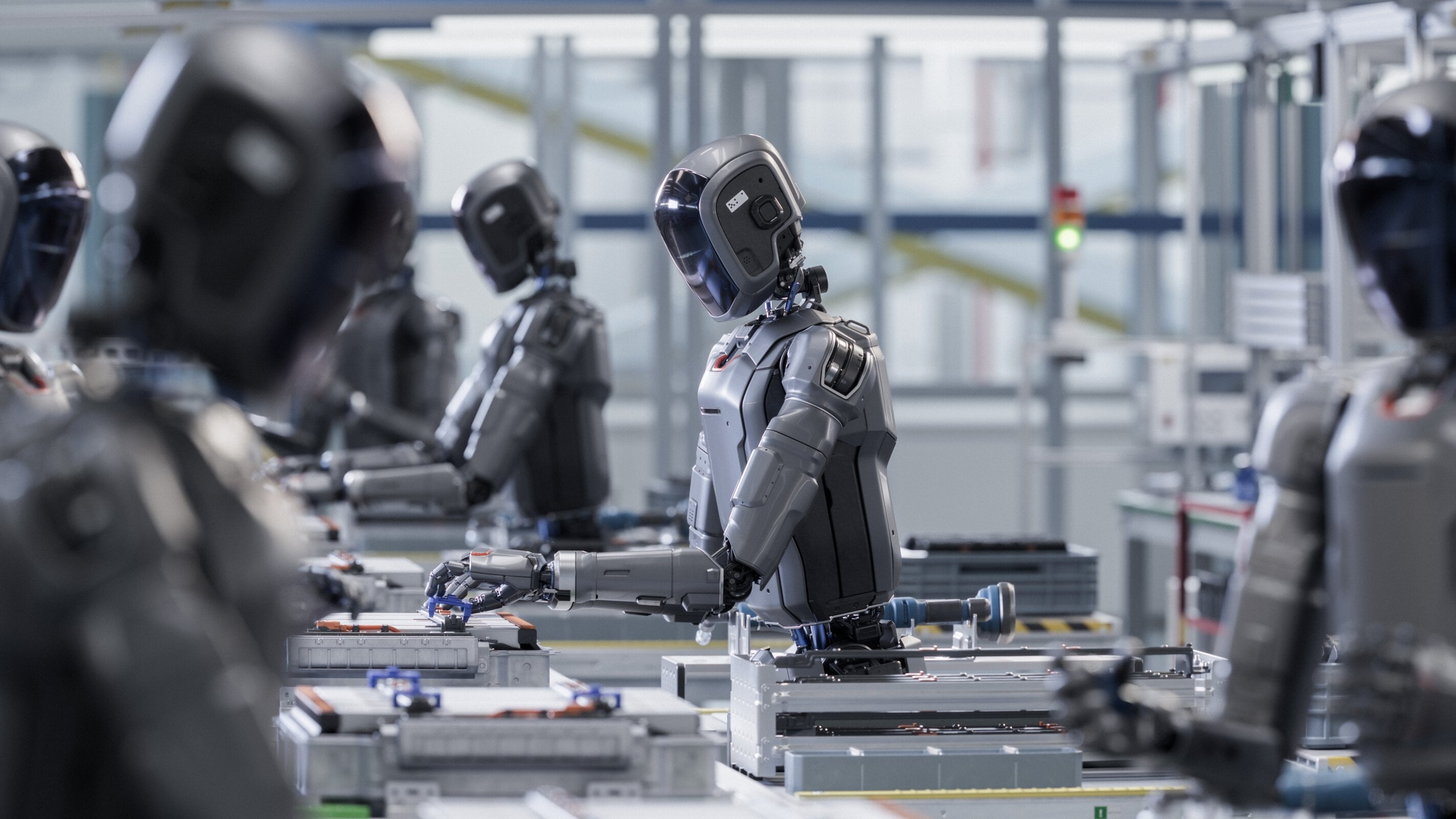
Goldman Sachs has projected that 6.5 million humanoid robots will be shipped globally by 2035, marking a significant increase from previous estimates. The firm anticipates a phased ramp-up, with 75,000 units expected in 2026 and 890,000 by 2030, representing a $138 billion market opportunity primarily in logistics, warehousing, and automotive sectors. This projection highlights the growing demand for humanoid robots and the necessary infrastructure to support their production, including dedicated production lines and factory-floor automation. The anticipated growth is also linked to a broader AI capital expenditure cycle, which is expected to influence various industries and technologies. Investors should monitor the developments in this sector, particularly the impact of potential AI regulation as flagged by leaders at Anthropic and OpenAI. No further timeline was disclosed at the time of publication.
Understanding Macrohard: The AI Project by Tesla and SpaceXAI Without Stock Ticker
Macrohard, also known as Digital Optimus, is a joint AI agent initiative between Tesla and xAI, now SpaceXAI, announced by Elon Musk on March 11-12, 2026. This project is not a corporation and has never issued stock, meaning there is no Macrohard stock available for purchase. Instead, investors interested in this initiative can buy shares of Tesla (TSLA) or SpaceX (SPCX). The significance of Macrohard lies in its innovative approach to AI, utilizing real-time video processing to enhance its capabilities beyond conventional AI agents. This project follows Tesla's $2 billion investment in xAI earlier in January 2026 and aims to leverage Tesla's AI4 chip technology, potentially creating a vast distributed computing network through AI-equipped vehicles. Looking ahead, the project has reportedly stalled internally, raising questions about its future viability. Investors should remain cautious, as Musk's announcements often coincide with internal challenges. No further timeline was disclosed at the time of publication.

SpaceX IPO Overview: Stock Performance, Earnings, and Future Projections
SpaceX (NASDAQ: SPCX) went public on June 12, 2026, raising $85.7 billion at $135 per share, marking the largest US IPO since Alibaba. The stock initially surged to $225.64 within three trading sessions but faced a decline after the August 6 insider lock-up expiry and the company's first earnings report. As of September 10, 2026, SPCX trades at approximately $148.76, valuing SpaceX at around $2 trillion. This IPO is significant as it reflects investor expectations for SpaceX's future revenue streams, particularly from Starlink, AI infrastructure, and Starship, projected to generate $100 billion annually by the end of 2026. The stock's volatility, with a 52-week range of $104.83 to $225.64, highlights the speculative nature of the investment, driven more by aspirations than by fundamentals, according to industry experts. Looking ahead, investors should monitor SpaceX's performance in its revenue segments, particularly Starlink, which reported $4.3 billion in Q2 2026 revenue and 12 million subscribers. The company's ability to meet its ambitious revenue targets will be crucial for maintaining investor confidence and stock stability. No further timeline was disclosed at the time of publication.

Addressing Workflow Gaps in Automation Projects for Improved Efficiency
In manufacturing plants, workflows often diverge between documented procedures and actual practices on the floor. This discrepancy leads to automation projects stalling, as the systems implemented follow the documented version, while undocumented exceptions continue to operate as usual. For instance, a scheduling or pricing call may rely on a single trusted individual, with no formal documentation outlining the approval process. The significance of addressing these gaps cannot be overstated. When automation is applied without considering these exceptions, they simply shift to informal channels like email or spreadsheets, creating new bypasses that undermine the intended efficiency. To mitigate this issue, it is crucial to identify and document these exceptions before scoping automation projects. To effectively capture these gaps, conducting a tabletop walkthrough can be beneficial. By having an employee unfamiliar with the workflow explain the process step by step, it becomes easier to identify points of confusion or undocumented approvals. These insights should be incorporated into the requirements document to ensure that automation is aligned with the actual workflow, thereby enhancing operational efficiency.
Process / Digital Transformation
Hai Robotics and Ferag Solutions Enhance Partnership for Warehouse Automation in EMEA
Hai Robotics and Ferag Solutions are expanding their collaboration across Europe, the Middle East, and Africa after five years of successful warehouse automation projects. This partnership aims to leverage Hai Robotics' Automated Case-handling Mobile Robot systems and Ferag Solutions' integration expertise to meet the growing demand for flexible warehouse automation. The collaboration is significant as it combines Hai Robotics' innovative automation technology with Ferag Solutions' regional knowledge and systems integration capabilities. This synergy is expected to provide businesses with immediate operational improvements while allowing them to adapt to changing demands in the logistics sector. Looking ahead, both companies plan to host regional webinars to share insights on warehouse automation challenges and opportunities. Several projects have already been signed, indicating a strong foundation for future growth and collaboration in developing scalable warehouse operations across the EMEA region.
Warehouse Automation Intralogistics Automated Mobile Robots Systems Integration
Hai Robotics and Ferag Solutions Enhance Partnership for Warehouse Automation in EMEA
Hai Robotics and Ferag Solutions are expanding their collaboration across Europe, the Middle East, and Africa after five years of successful partnership. This expansion follows several warehouse automation projects in the UK, where both companies combined their strengths to deliver innovative solutions. Hai Robotics will provide its Automated Case-handling Mobile Robot (ACR) systems, while Ferag Solutions will contribute its systems integration expertise. The significance of this partnership lies in its ability to meet the increasing demand for integrated warehouse automation solutions that enhance operational efficiency. The collaboration aims to offer businesses the flexibility to adapt to changing volumes and requirements, ensuring they remain competitive in a rapidly evolving market. Nicholas Hughes, Managing Director of Ferag Solutions, emphasized the trust and commitment that have developed between the two organizations, which are crucial for recommending solutions to customers. Looking ahead, Hai Robotics and Ferag Solutions plan to host regional webinars to share insights on warehouse automation challenges and opportunities. With several projects already signed, the companies are well-positioned to support more businesses in developing scalable and future-ready warehouse operations. No further timeline was disclosed at the time of publication.
Warehouse Automation Intralogistics Automated Robotics Supply Chain Solutions
Comau Implements Innovative Robotic Order Preparation System for EU MASTERLY Initiative
Comau has successfully designed and validated an advanced order preparation solution within Decathlon's e-commerce fulfillment operations. This deployment is part of the MASTERLY project, a European initiative aimed at enhancing the shift from traditional mass production to more flexible and customized manufacturing systems. The significance of this development lies in its potential to revolutionize warehouse logistics by utilizing Comau's MyCo collaborative robot, which operates on a ROS2-based software architecture. The system incorporates intelligent sensors and a sophisticated modular gripper, enabling it to autonomously perform picking, handling, and palletizing tasks across diverse product flows. Looking ahead, the focus will be on monitoring the effectiveness of this solution within Decathlon's logistics environment and its implications for broader applications in the manufacturing sector. No further timeline was disclosed at the time of publication.
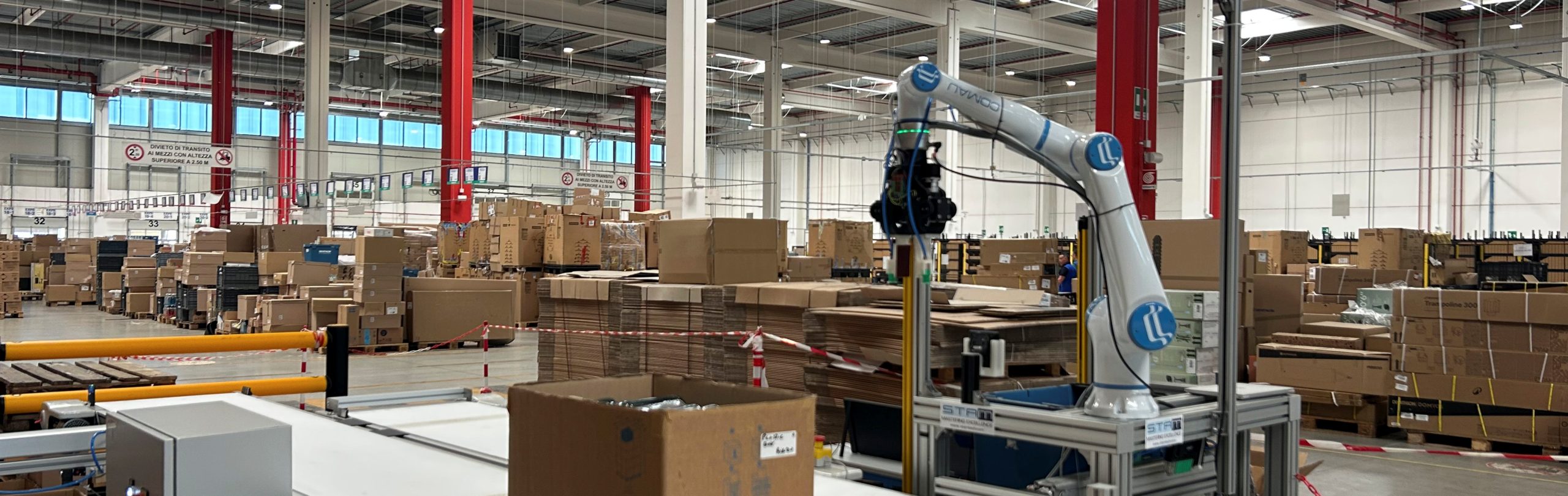
Comau Validates Order Preparation Solution for Decathlon in MASTERLY Project
Comau has successfully designed and validated an order preparation solution tested within Decathlon’s e-commerce fulfillment operations as part of the MASTERLY initiative. This European project aims to transition from traditional mass production to flexible, customized manufacturing systems, utilizing Comau’s MyCo collaborative robot and advanced modular gripper. The significance of this development lies in its ability to address evolving production challenges, such as supply chain disruptions and the need for rapid reconfiguration. The solution integrates intelligent sensors and a ROS2-based software architecture, enhancing operational flexibility and workplace ergonomics in human-centric environments. Looking ahead, the knowledge gained from this project will contribute to the evolution of Comau’s MyCo platform and its broader portfolio of intralogistics capabilities. No further timeline was disclosed at the time of publication.

Fugro Collaborates on EU's OCEANITY Project for Digital Twin Ocean Development
Fugro has joined the Horizon Europe-funded OCEANITY project to develop decision-ready applications for coastal and marine stakeholders as part of the European Digital Twin Ocean initiative. This project aims to provide insights for navigating climate and environmental challenges by allowing users to test decision outcomes before implementation. The significance of this initiative lies in its potential to enhance decision-making for coastal communities and maritime industries facing complex challenges due to climate change and environmental stressors. By integrating advanced modeling, AI, and socio-economic data, the OCEANITY project seeks to empower stakeholders with the tools necessary to explore various scenarios and their impacts on ecosystems and economies. Running from September 2026 to August 2029, the project will focus on developing three user-driven applications related to Coastal & Urban Resilience, Marine Spatial Planning, and Sustainable Maritime Operations. The collaboration involves a consortium led by CMCC, ensuring that the developed tools address real-world needs and challenges across Europe’s four sea basins.
fugro eu europe digital twin ocean oceanity
NASA's 'Slingshot' Project Aims to Map Minerals on Celestial Bodies for Future Exploration
NASA has initiated a project named 'Interworld Slingshot Resource Surveys' to explore mineral mapping on celestial bodies, including the moon. This initiative aims to replicate the success of the Landsat satellites, which have been monitoring Earth for over 50 years, by providing crucial mineral intelligence for future lunar missions. The significance of this project lies in its potential to enhance the United States' lunar ambitions, particularly in securing access to valuable resources like helium-3. By scouting for minerals before establishing a lunar base, NASA hopes to mitigate risks associated with space mining and exploration, as highlighted by principal investigator Pablo Sobron. As the project progresses, it will focus on testing Raman spectroscopy from significant distances, which poses challenges due to the faint nature of Raman scattering. The initial Phase 1 funding of up to $175,000 will support studies on photon detection and spacecraft technology, with hopes of advancing to Phase 2 funding for further development. No further timeline was disclosed at the time of publication.
Technology
AWS Japan Accelerates Physical AI Development with 51 Companies, 14 Projects Showcase Results
Amazon Web Services Japan (AWS Japan) held the final presentation of its 'Physical AI Development Support Program' on August 31, 2026. Out of 51 selected companies, 14 projects were showcased, highlighting advancements in humanoid full-body control, Vision-Language-Action (VLA) models, world models, and simulation-based learning data generation over the past six months. This initiative is significant as it aims to leverage Japan's extensive manufacturing expertise and on-site knowledge by integrating it with generative AI and cloud technologies. The program has seen companies develop humanoid robots, conduct hospital demonstrations, and quantify the effectiveness of simulation data, revealing areas where VLA struggles in industrial applications. Looking ahead, AWS Japan's support for startups in logistics, construction, manufacturing, and e-commerce warehouses will continue to be crucial. The program, which began in January 2026, has provided technical support, optimization of computational costs, community formation, and Go-to-Market assistance, backed by $6 million in AWS credits. No further timeline was disclosed at the time of publication.

ROBOTIS Showcases AI Sapiens K1 in Sim2Real Project OH! GYM!
ROBOTIS has showcased student projects utilizing the AI Sapiens K1 humanoid to transfer simulated movements to the real world. The OH! GYM! project includes activities such as obstacle courses, taekwondo, K-pop dance, and parkour, emphasizing the transition from software to physical robot. This demonstration, released on August 31, highlights the Sim2Real process, which aims to reduce costly or risky trials directly on hardware. The significance of this initiative lies in its potential to enhance the training of engineers and accelerate the development of new behaviors in humanoid robots. By providing a complete Sim2Real stack, including mechanical and electrical resources, robot software, simulation elements, and documentation, ROBOTIS enables teams to modify controllers and replicate experiments without relying solely on proprietary interfaces. The dynamic exercises chosen for OH! GYM! not only serve entertainment purposes but also require careful planning and adjustment to account for real-world discrepancies. Looking ahead, the success of the OH! GYM! program will depend on the availability of models, training protocols, and repeatable results across multiple robots. The resources promised by ROBOTIS will be crucial in determining whether the demonstrated movements can be replicated outside the original team, thus contributing to the scientific understanding of humanoid robotics.
RobotsRobotics needs a service framework.
RSF defines a common language for robot service capability, lifecycle operations, certification pathways, and service-provider networks.
Join the RobotToday community on LinkedIn
Daily robotics news, in-depth analysis, conference highlights, and discussions with professionals worldwide.







