Nebius Plans $40 Billion Spending by 2027 Amid Project Delays and Risks
- Published
- Source
- TechCrunch
During its third-quarter earnings call, Nebius announced a $40 billion spending plan for 2027, exceeding Wall Street expectations. This ambitious initiative relies on customer pre-payments and loans secured by customer contracts, which poses risks if projects face delays or cancellations. CEO Arkady Volozh acknowledged the challenges of building at this scale, especially as Microsoft, a key customer, is experiencing delays in its AI computing capacity at a New Jersey data center.
The significance of this plan lies in its potential impact on Nebius's financial stability, particularly as it depends heavily on timely project execution to avoid escalating costs. With Microsoft’s contract valued at up to $19.4 billion, any missed deadlines could lead to financial penalties and jeopardize future agreements. Reports indicate that Microsoft is tightening oversight on third-party projects, raising concerns for Nebius as it navigates these complexities.
Nebius's contract with Microsoft originally scheduled capacity deployment for 2025 and 2026, but now anticipates delivery in Q2 2027. The company has not disclosed whether Microsoft has accepted the revised timeline, and the situation remains fluid as both companies assess the implications of these delays on their partnership.
Original report
Nebius tests the neocloud playbook with $40 billion in planned spending
TechCrunch · Rebecca BellanThis briefing is an independently written summary based on publicly available reporting and is provided for industry information and news discovery. The original report and source publication are credited and linked where applicable. RobotToday does not claim ownership of third-party source material.
Rights concerns? Contact [email protected] with the relevant URL and details. We will review the matter and take appropriate action where warranted.
More related news
- 1
- 2
- 3
- 4
- 5
- 6
- 7
- 8
- 9
- 10
- 11
- 12
Related Suppliers

Nebius Group N.V.
Netherlands
Full-stack AI cloud company providing NVIDIA GPU infrastructure, with a dedicated managed cloud for robotics and physical-AI simulation, training and inference.
Microsoft Corporation (Robotics)
United States
Microsoft provides robotics developers ROS-on-Windows support, the AirSim open-source simulation platform, and Azure cloud services for robot fleets and AI.
STAR.VISION Aerospace Group Limited 地卫二空间技术(杭州)有限公司
China
Hangzhou AI-satellite maker co-developing CHERI, two AI-driven micro lunar rovers for Chang'e-8, with Zhejiang University and Turkey's METU.
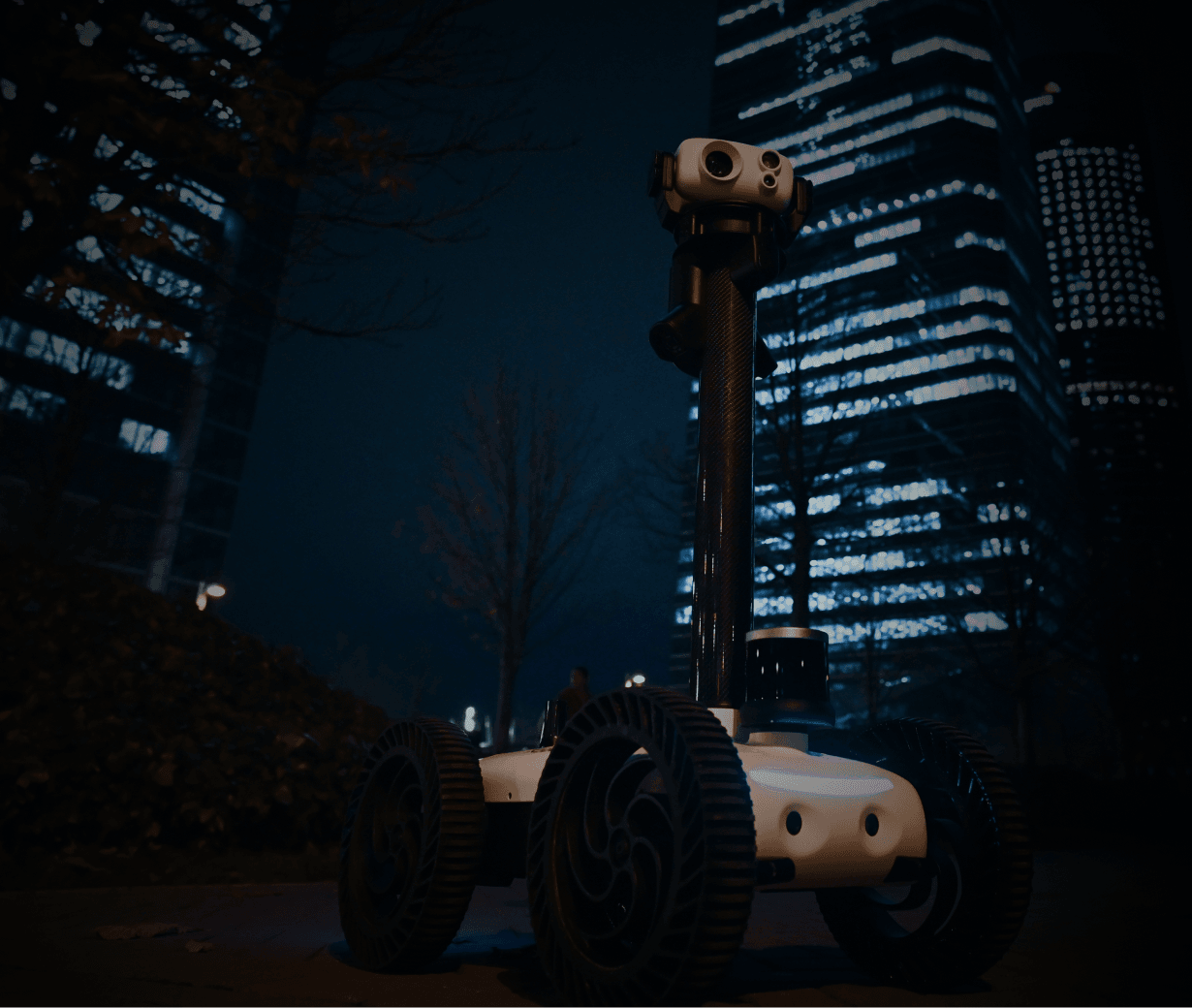
Star Robotics
Spain
Madrid-based company developing autonomous ground security and inspection robots, with the Watchbot platform deployed across industrial and commercial sites.
Rugged Robotics
United States
Houston-based RaaS company deploying autonomous robots that mark CAD designs directly onto construction floors for multi-trade layout.
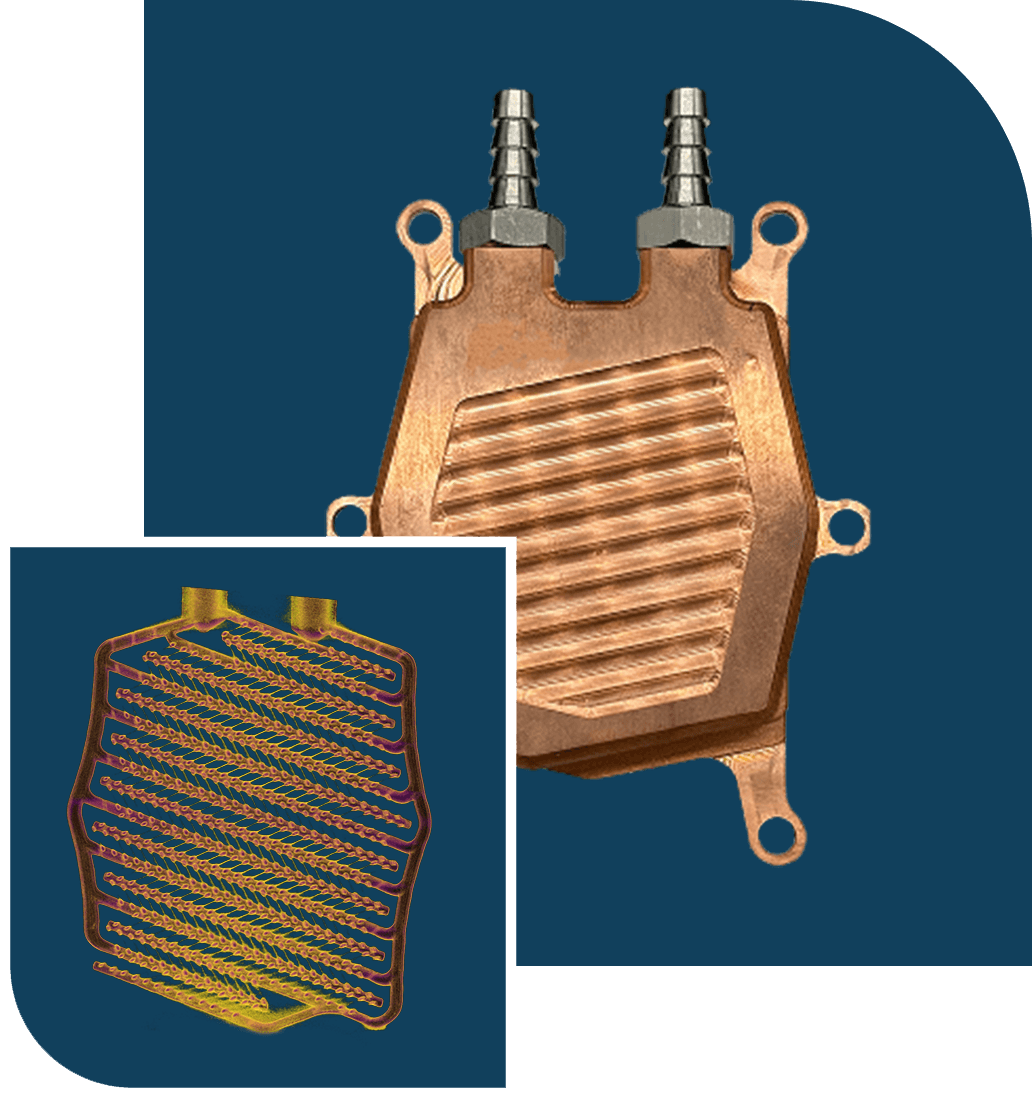
Alloy Enterprises Inc
United States
US thermal management maker founded 2020; patented Stack Forging™ yields leak-tight aluminum cold plates with 4× pressure drop reduction.
Antioch
United States
New York simulation software firm founded 2025; its cloud platform calibrates digital twins of robots and runs thousands of parallel tests, $40.5M raised.
Artificial, Inc.
United States
Palo Alto-based lab automation software company orchestrating life science workflows via its aLab Suite platform, founded 2017, backed by Microsoft M12.

Schwan Cosmetics International GmbH
Germany
Heroldsberg, Germany private-label cosmetics maker, Schwan-STABILO subsidiary since 1927; runs nine plants and an in-house machine-building unit.
DeepCtrls 深度智控
China
Nanjing energy-AI startup founded in 2018 by Tsinghua/Berkeley Lab alumni; its IoT platform targets at least 10% facility energy savings.
Gujian Robotics 杭州固建机器人科技有限公司
China
Hangzhou maker of magnetic-base dexterous welding robots and robotic steel-structure production lines for construction, bridges and shipbuilding.

ZELTWANGER Leaktesting & Automation GmbH
Germany
Dusslingen, Germany leak-test equipment maker within the ZELTWANGER group founded 1982; its ZED test stations serve automotive and EV battery makers.
Robotics needs a service framework.
RSF defines a common language for robot service capability, lifecycle operations, certification pathways, and service-provider networks.
Join the RobotToday community on LinkedIn
Daily robotics news, in-depth analysis, conference highlights, and discussions with professionals worldwide.