A single destination for timely, editor-curated robotics news from around the world.
General Atomics Aeronautical Systems, Inc. (GA-ASI) announced plans to produce Gambit aircraft in Europe, collaborating with local companies. The airframes are expected to be available for international procurement starting in 2027. This initiative is significant as it enhances European defense capabilities, allowing for greater collaboration and integration within the region. By partnering with European firms, GA-ASI aims to strengthen defense ties and promote local industry involvement in advanced military technology. Looking ahead, stakeholders should monitor the development of the Gambit aircraft and its implications for European defense procurement strategies. The timeline for international availability in 2027 will be crucial for potential buyers and partners in the defense sector.
BreakingDefense By Brittany Cianflone Jul 20, 2026 Air Warfare Sponsored Post Air Force APKWS Drones Europe
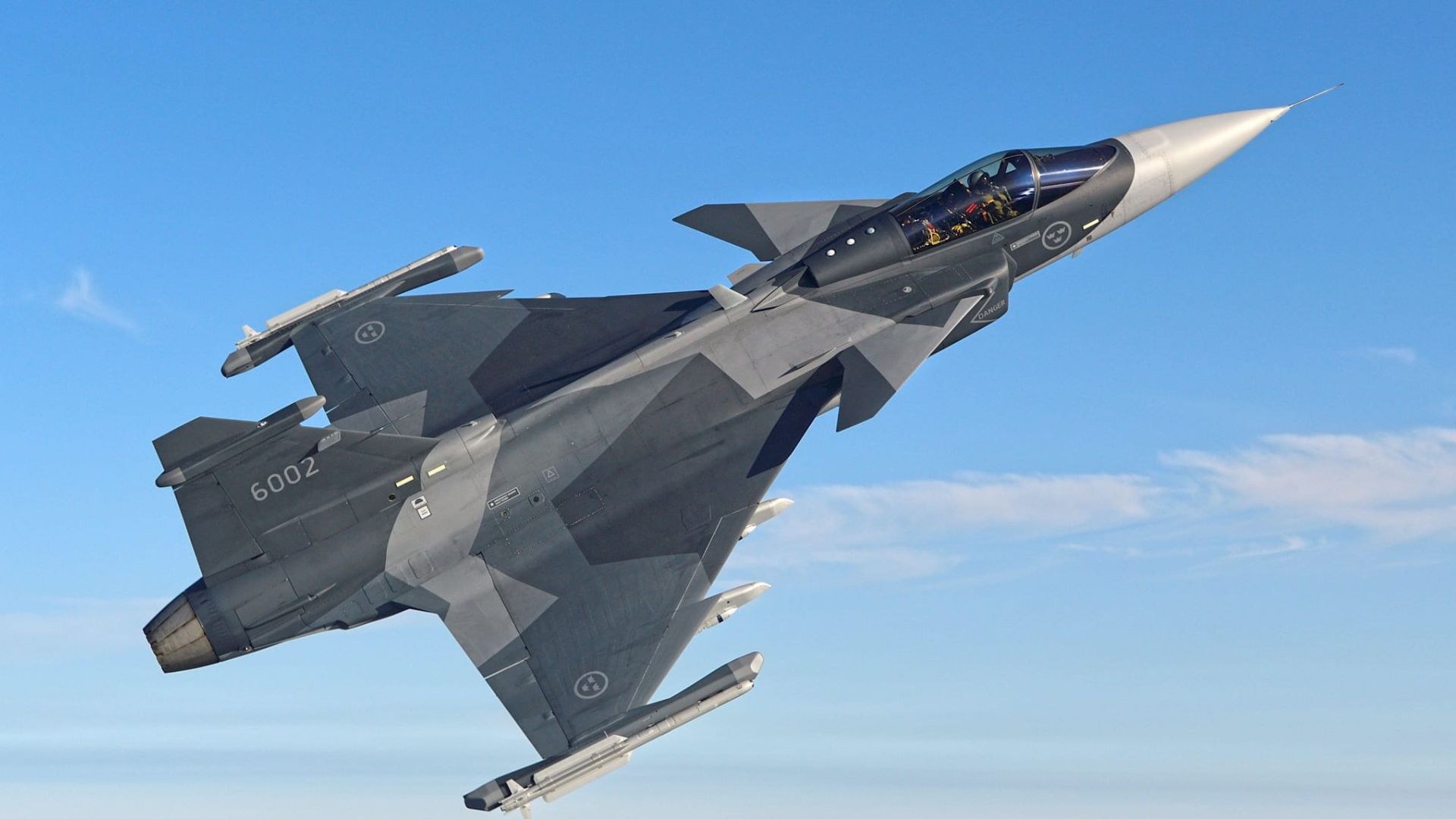
Canada's discussions regarding its future fighter fleet have progressed with a proposal for an advanced training and mission support network centered on the Saab Gripen. This initiative is contingent on Ottawa selecting the Gripen as part of its long-term air combat strategy, aiming to establish a domestic training capability rather than relying on foreign support. The significance of this proposal lies in its potential to reshape Canada's fighter procurement strategy, which may involve a mixed fleet of approximately 60 Gripens and 30 Lockheed Martin F-35As. This approach could reduce reliance on U.S. defense supply chains while maintaining necessary fifth-generation capabilities for NORAD and NATO missions. Looking ahead, if the Gripen is integrated into Canada's future force, the proposed training network would provide pilots and maintenance crews with domestic instruction and long-term support. No final decision has been made regarding the acquisition strategy, and the Canadian government has yet to confirm any changes to its fighter modernization program.
InterestingEngineering.com By Aamir Khollam Jul 17, 2026 Military
On July 16, Japan's Ministry of Economy, Trade and Industry announced a significant investment of 387.3 billion yen (approximately $2.4 billion) to support the AI company Noetra. This funding will be used to procure around 27,500 NVIDIA Rubin GPUs for the establishment of a national AI data center, marking one of the largest single-country chip procurements globally. This initiative is crucial as Japan aims to address its declining population and severe labor shortages. The government has set a clear target to capture over 30% of the global 60 trillion yen robotics market by 2040. Noetra, which was established in January 2026 and includes major companies like Sony, SoftBank, NEC, and Honda, aims to develop advanced multimodal AI models capable of understanding Japanese language and recognizing various forms of media. Looking ahead, Noetra plans to release its first general-purpose AI model by March 2027, followed by continuous iterations and specialized models for robotics applications. The deployment of the Rubin chips in a large data center in Sakai, Osaka, is scheduled for June 2028, positioning Japan to lead in the next era of AI and robotics integration.
leaderobot.com By Leaderobot Jul 17, 2026 AI Technology Robotics NVIDIA Chips Data Centers
The National Grid has unveiled a significant procurement plan aimed at acquiring 8,500 embodied intelligent devices, with an investment of 6.8 billion yuan. This initiative is designed to improve autonomous operations in various sectors, including power inspections, emergency responses, and logistics. The move is anticipated to have a substantial impact on the industry, with total investments expected to surpass 10 billion yuan by 2026. The strategic investment reflects the National Grid's commitment to advancing technology and enhancing operational efficiency in the energy sector.
leaderobot.com By Leaderobot Apr 25, 2026 Embodied Intelligence Power Robotics Autonomous Operations Industrial Automation
Over the past decade, the landscape of Robotic Process Automation (RPA) has evolved significantly. Initially characterized by basic screen-scraping bots that mimicked human interactions with legacy desktop applications, the technology has now advanced to include both attended and unattended bots. These modern bots are capable of managing user interface tasks within various enterprise systems such as ERP and CRM platforms, as well as billing tools that organizations are reluctant to phase out. As of October 2023, RPA has shifted towards an API-first approach, enabling more sophisticated orchestration that directly integrates with cloud services at various integration points. This transformation reflects the growing demand for automation solutions that enhance efficiency and streamline operations across industries. The shift not only highlights the technological advancements in RPA but also underscores the necessity for businesses to adapt to changing digital landscapes in order to remain competitive.
RoboticsAndAutomationNews.com By Sam Francis Jun 25, 2026 Automation Business Digital Automation ai agents automation anywhere automation news

The State Grid Corporation of China has announced a substantial investment of around 6.8 billion yuan aimed at acquiring 8,500 embodied intelligent devices by the year 2026. This initiative is centered on enhancing capabilities in power inspection, live working, emergency rescue, and logistics. The investment reflects a strategic shift towards embracing autonomous operations within the energy sector, signaling a commitment to modernizing infrastructure and improving operational efficiency. By integrating advanced technology, the State Grid Corporation aims to bolster its service delivery and response mechanisms in critical situations, ultimately enhancing the reliability of power supply across the nation.
leaderobot.com By Leaderobot Apr 26, 2026 Embodied Intelligence Power Grid Automation Robotics Procurement Energy Sector Innovation
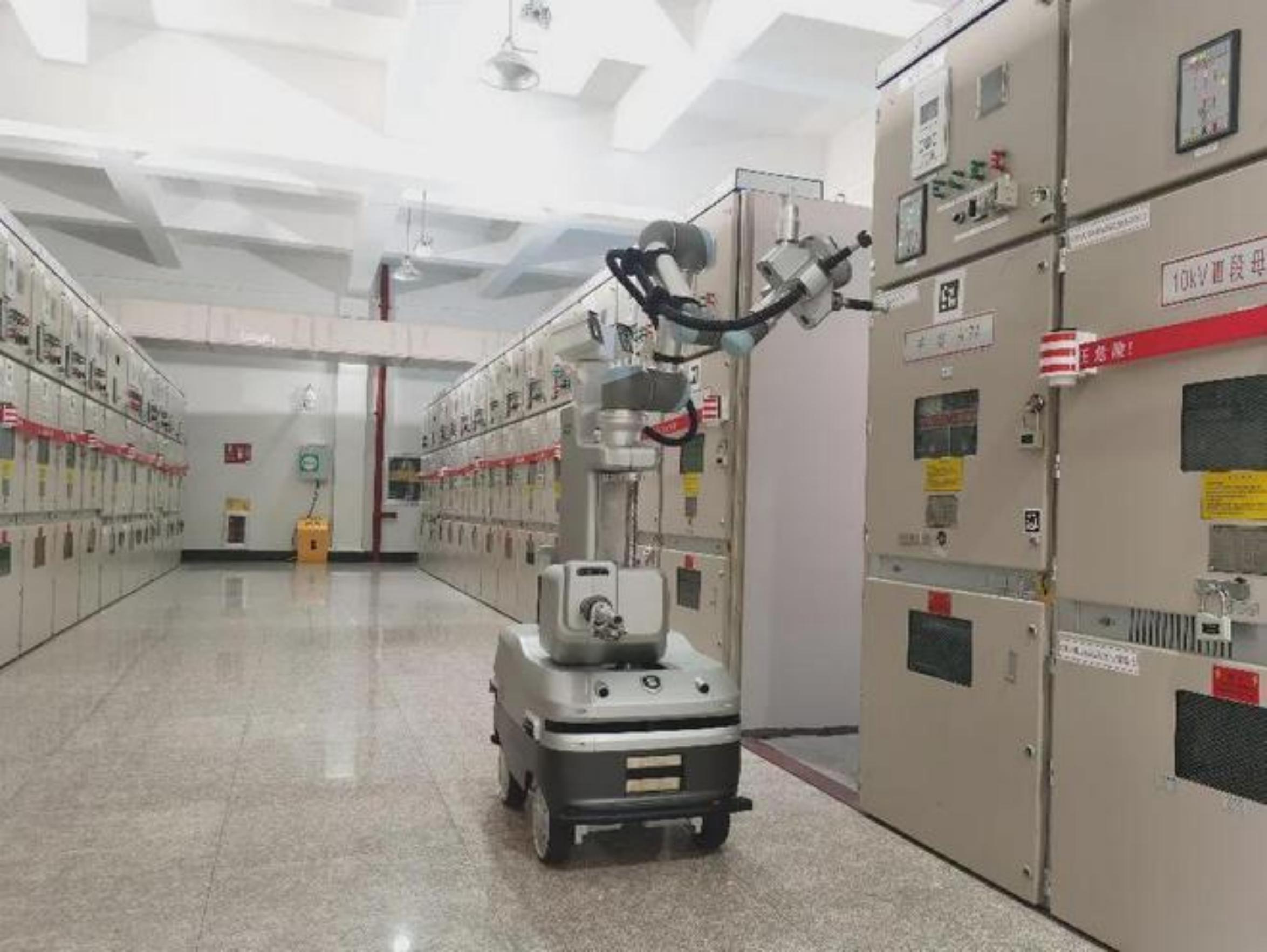
A bipartisan group of lawmakers has introduced a bill aimed at prohibiting the federal government from buying or utilizing robots manufactured in China. This legislative move comes amid growing national security concerns regarding the reliance on Chinese technology, highlighting the increasing tension between safeguarding national interests and the challenges posed by China's dominance in the robotics market. The bill reflects a broader effort to reassess and potentially limit the federal government's engagement with Chinese products, particularly in sectors deemed critical to national security. As discussions around the bill progress, it is expected to spark significant debate in Congress about the implications for trade and technology partnerships with China.
HumanoidsDaily By [email protected] (Humanoids Daily Staff) Mar 28, 2026 US China Geo political legislation
Amazon has reported that Amazon Business has reached $60 billion in annualized gross sales as of Q2 2026, catering to 11 million organizations globally. This growth reflects the platform's ability to serve a diverse range of customers, including hospitals, schools, and hotels, since its U.S. launch in 2015. The significance of this milestone lies in Amazon Business's role in streamlining procurement processes for organizations of all sizes. With over 1.8 million new organizations joining in the first half of the year, the platform has introduced AI-powered tools and expanded its product selection, enhancing the buying experience and enabling organizations to save time and money. Looking ahead, Amazon Business continues to innovate with new features aimed at improving procurement efficiency. No further timeline was disclosed at the time of publication, but the ongoing expansion of product offerings and delivery capabilities suggests a strong trajectory for future growth in the business procurement sector.
LogisticsBusiness By David Priestman 6 hours ago Couriers and Express eFulfilment Packaging and Ecommerce amazon prime procurement
The Pentagon's Drone Dominance Program has transitioned from competition to procurement, with the Department of War announcing its first order this week. This milestone coincides with the launch of Gauntlet II, a significant step in the initiative aimed at quickly deploying low-cost military drones. The program is designed to enhance the capabilities of emerging drone manufacturers, highlighting a shift towards a new generation of defense technology. As the military seeks to modernize its drone fleet, these developments underscore the growing importance of innovative companies in the defense sector.
Dronelife.com By Miriam McNabb Jun 19, 2026 Applications Blue UAS Defense defense Drone Manufacturing Drone News
A European defense technology company, Intelic, has launched a new platform called Intelic BASE, aimed at accelerating the deployment of unmanned systems across European militaries. Announced on May 4, 2026, in Amsterdam, this innovative procurement hub is designed to enhance interoperability among various defense systems, enabling governments to more efficiently locate and deploy drones. The initiative responds to the growing need for streamlined processes in military operations, ultimately improving the effectiveness of defense strategies in Europe.
Dronelife.com By Miriam McNabb May 04, 2026 Applications Defense defense Drone News Drone News Feeds Dual Use
The U.S. Air Force has announced a 90-day suspension of the competition for new ejection seats for the F-16 aircraft. This decision comes after the Air Force previously indicated plans to reopen the Next Generation Ejection Seat program, raising questions about the future of the procurement process. This suspension is significant as it sets the stage for a final decision regarding the competition for the ejection seats, which are critical for pilot safety during emergencies. The outcome of this decision could impact the timeline and direction of the Air Force's efforts to enhance the safety features of the F-16 fleet. As the Air Force evaluates its options, stakeholders will be watching closely for any developments regarding the Next Generation Ejection Seat program. No further timeline was disclosed at the time of publication.
BreakingDefense By Michael Marrow 6 hours ago Air Warfare Air Force B-1 Collins Aerospace f-15 f-16
MBDA showcased a new weapon at the recent exhibition, featuring a truck-mounted configuration. This upgraded version of the Advanced Short Range Air-to-Air Missile (ASRAAM) is designed for ground-launch capabilities. The significance of this development lies in its versatility, as the upgraded ASRAAM can also be integrated onto unmanned ground vehicles and unmanned surface vessels. This adaptability enhances operational flexibility for military applications. Looking ahead, industry stakeholders should monitor the integration of this weapon system into various platforms, as it may influence future military procurement strategies. No further timeline was disclosed at the time of publication.
BreakingDefense By Tim Martin and Elisabeth Gosselin-Malo 12 hours ago Air Warfare Global Land Warfare Air Force Army ASRAAM
On July 16, the Japanese government announced a plan to purchase 27,500 next-generation Rubin architecture AI chips from NVIDIA, totaling approximately $2.4 billion. This initiative aims to build a national AI data center and develop domestic robotics foundational models, marking one of the largest national GPU procurements globally. The project is coordinated by Noetra Corp., a policy-driven AI company set to launch in January 2026, with participation from major Japanese firms like Sony, SoftBank, NEC, and Honda. The Rubin chips will be deployed in a large data center in Sakai City, Osaka, with operations expected to begin in June 2028. Noetra aims to release its first general AI model by March 2027, followed by specialized AI models for robotics applications. Japan's investment reflects its response to ongoing demographic challenges and labor shortages. NVIDIA's CEO emphasized the potential for automation and AI to revitalize the economy. The Japanese government has set a goal to capture over 30% of the global robotics market by 2040, with the Rubin order being part of a broader strategy to reduce reliance on foreign technology and enhance national security.
leaderobot.com By Leaderobot Jul 17, 2026 AI Chips Robotics National AI Strategy Data Centers
Engfu Robotics has launched a comprehensive robot joint selection platform that allows users to customize parameters such as torque, speed, and weight. This platform aims to simplify the selection process for various stakeholders, including engineers and procurement professionals, by providing tailored recommendations based on extensive experience and an intelligent scoring system. The significance of this platform lies in its ability to connect customer needs with component solutions, leveraging Engfu's rich customization experience. The platform's supply chain database supports hundreds of components, enabling thousands of combinations, which enhances collaboration across the robotics industry. Looking ahead, Engfu Robotics continues to innovate in various areas, including gear reducers and motors. The company emphasizes that the development of embodied intelligence and robot joints requires collaboration among different companies, each contributing their strengths to meet customer demands effectively. No further timeline was disclosed at the time of publication.
leaderobot.com By Leaderobot Jul 17, 2026 Robot Joints Customization Supply Chain Robotics Technology
Blue Water Autonomy and Saildrone have initiated legal action against the U.S. Navy, asserting that their submissions met the requirements for the new MUSV marketplace. The lawsuits highlight the companies' contention that their proposals were compliant with the Navy's specifications, which is crucial for their competitive positioning in the defense sector. This legal dispute is significant as it underscores the challenges faced by companies in meeting military procurement standards and the implications of such lawsuits on future contracts. The outcome could influence how the Navy evaluates proposals and the overall dynamics of the MUSV marketplace, which is vital for advancing unmanned surface vehicle technologies. As the case unfolds, stakeholders should monitor the Navy's response and any potential changes to the MUSV marketplace criteria. The resolution of this dispute may set precedents for future engagements between defense contractors and military branches, impacting the broader landscape of defense procurement.
BreakingDefense By Diana Stancy Jul 16, 2026 Naval Warfare Blue Water Autonomy Drones MUSV Navy Saildrone
Re:Build Manufacturing has initiated direct commercial sales of its new lithium-ion battery packs designed for unmanned aerial vehicles (UAVs). This product line includes the Core, Power, and Performance series, which cater to various energy configuration needs. The launch is part of a broader manufacturing expansion at the company's Pennsylvania facility, aimed at producing Group 1, Group 2, and Group 3 unmanned aircraft systems (UAS). The introduction of these battery packs is significant as it addresses supply chain vulnerabilities in domestic aerospace hardware. UAV developers, particularly in dual-use, public safety, and military sectors, face stringent procurement regulations regarding component origins. Re:Build's assembly protocol utilizes non-FEOC battery cells to ensure compliance with National Defense Authorization Act (NDAA) procurement frameworks, thus enhancing the reliability of UAV operations. Looking ahead, Re:Build Manufacturing is set to provide dedicated engineering support for custom energy storage solutions, including Battery Management System (BMS) development. The company's advanced manufacturing facility in New Kensington, spanning 175,000 square feet, is designed to facilitate the transition from UAV prototyping to mass production, addressing common scaling challenges in the industry. No further timeline was disclosed at the time of publication.
InterestingEngineering.com By Aman Tripathi Jul 15, 2026 Military
Tesla has officially finalized its third-generation Optimus robot, aiming for a production capacity of 100,000 units annually. CEO Elon Musk has set a strict production timeline, requiring the company to ramp up to 1,000 units per week by September and stabilize at 2,000-2,500 units per week by year-end. Failure to meet these targets could result in a complete overhaul of the procurement team. This ambitious plan positions Tesla not just as an automotive company but as a leader in physical world AI, with Optimus as its flagship product. In contrast, domestic competitor Yushu Technology has received approval for its IPO, projecting over 5,500 units shipped by 2025, capturing 32.4% of the global market. However, Yushu's focus on research and education limits its industrial application, with only 9.01% of revenue coming from manufacturing and inspection. As the robotics industry approaches a critical window for large-scale applications between 2026 and 2028, the ability to establish a commercial loop in industrial applications will define market leaders. Yushu has the potential to evolve into a key player if it can leverage IPO funding to enhance its capabilities, but reliance on educational markets may hinder its growth prospects.
leaderobot.com By Leaderobot Jul 15, 2026 Humanoid Robots AI Industrial Automation Robotics
Taiwan has awarded contracts for dozens of sea drones to bolster its Coast Guard capabilities amid rising tensions with China. This decision reflects Taiwan's commitment to enhancing its maritime defense using U.S. technology as a countermeasure against China's expanding maritime operations in the region. The procurement of these sea drones is significant as it underscores Taiwan's proactive approach to strengthening its defense mechanisms in response to China's increasing maritime assertiveness. The move aims to enhance the Coast Guard's operational capabilities and ensure the security of Taiwan's waters. Looking ahead, further developments in Taiwan's defense strategy may emerge as the country continues to adapt to the evolving geopolitical landscape. No further timeline was disclosed at the time of publication.
Nikkei.com Jul 15, 2026
Elon Musk has officially approved the latest version of the Optimus Gen 3 robot, marking a significant milestone after over three years of development. With the production line nearing completion, Tesla has issued clear procurement guidelines to suppliers, aiming to ramp up production to 1,000 units per week by September and 2,000 to 2,500 units per week by year-end. This ambitious target of producing 100,000 units annually underscores Tesla's commitment to revolutionizing the labor landscape with robotics. The Optimus Gen 3 features a more compact design with 38 degrees of freedom and a refined dexterous hand, which has been a challenging aspect of its development. The production line is set to begin operations in late July to August, with a long-term plan for a second factory in Texas. As Tesla strives to catch up with competitors in the robotics sector, the success of the Optimus Gen 3 will depend on meeting production goals and effectively integrating the robot into various applications. The target of 100,000 units represents a critical turning point in this four-year journey, with the potential to reshape economic dynamics if realized.
leaderobot.com By Leaderobot Jul 14, 2026 Humanoid Robots AI Robotics Manufacturing Automation
JD.com has announced a significant investment of $1.4 billion to establish a nationwide RoboBase network, marking its transition from a logistics giant to an embodied AI platform. The initiative includes plans for the procurement of 300 million robots and the construction of over 80 bases throughout China. This strategic move is crucial as JD.com aims to enhance its technological capabilities and expand its operational reach in the rapidly evolving field of embodied AI. The establishment of the first RoboBase facility in Guangzhou signifies the company's commitment to integrating advanced robotics into its logistics and supply chain operations. Looking ahead, industry observers will be keen to see how JD.com executes its ambitious plans for robot procurement and the development of its RoboBase network. No further timeline was disclosed at the time of publication.
PanDaily.com By [email protected] (Pandaily) Jul 14, 2026 Technology
Midea Group's subsidiary KUKA has signed a strategic cooperation agreement with YINGKE Medical and YINGKE Recycling, valued at over 300 million RMB. This deal includes 1,500 industrial robots, 500 mobile and embodied intelligent robots, and 50 automated storage systems, showcasing Midea's commitment to expanding its industrial robotics capabilities. This partnership signifies a pivotal shift for Midea, transitioning from project-level procurement to a comprehensive group-level strategic collaboration. The collaboration aims to enhance production efficiency through advanced automation solutions, integrating AI visual recognition and adaptive grasping technologies. Looking ahead, Midea's focus on its ToB business model is expected to accelerate, with KUKA playing a crucial role in this transformation. The industry will be watching closely to see how this strategic partnership evolves and contributes to Midea's growth in the industrial automation sector. No further timeline was disclosed at the time of publication.
leaderobot.com By Leaderobot Jul 13, 2026 Industrial Robotics Automation Solutions Smart Manufacturing B2B Technology
Uplift360 has signed a multi-year framework agreement with the Directorate of Defence (DOD) in Luxembourg. This contract aims to enhance the supply of high-performance materials specifically for defence and aerospace applications across Europe. The agreement marks a significant step in bolstering the region's capabilities in advanced materials procurement. The importance of this contract lies in its potential to strengthen Europe's supply chain for critical materials used in defence and aerospace sectors. By partnering with Uplift360, Luxembourg aims to ensure a reliable source of high-performance materials, which are essential for the development and manufacturing of advanced technologies in these industries. This move reflects a growing emphasis on securing local supply chains amid global uncertainties. Looking ahead, stakeholders will be monitoring the implementation of this agreement and its impact on the supply chain dynamics within Europe. No further timeline was disclosed at the time of publication, but the contract is expected to play a pivotal role in enhancing material availability for defence and aerospace projects in the region.
Army-Technology By Jangoulun Singsit Jul 10, 2026 News
Ukrainian robotics firm RoverTech has developed the Zmyi, a versatile ground robot that has achieved an impressive average of 57 missions in the frontline kill zone. Weighing 800 kilograms and equipped with various configurations for tasks such as demining and combat, the Zmyi is designed to evade detection by enemy drones, making it a critical asset in Ukraine's defense strategy. The significance of the Zmyi lies in its ability to operate effectively in high-risk environments, outperforming typical uncrewed ground vehicles (UGVs) that usually complete only seven missions. This advancement reflects a broader trend in Ukraine's military technology, where UGVs are increasingly replacing traditional armored vehicles due to their lower cost and adaptability for urgent battlefield needs. Looking ahead, Ukraine's President Volodymyr Zelenskyy has ordered the procurement of 50,000 UGVs by the end of 2026, significantly increasing the military's robotic capabilities. As the conflict evolves, the integration of UGVs with aerial reconnaissance is expected to reshape frontline tactics, although no further timeline was disclosed at the time of publication.
IEEESpectrumRobotics By Tereza Pultarova Jul 10, 2026 Ground-robots Ukraine Unmanned-vehicles Ugvs Sensor-networks
The House Armed Services Committee is shifting its focus regarding military drones, emphasizing the establishment of standards, training, doctrine, and sustainment necessary for integrating unmanned systems into the core infrastructure of the U.S. military. This strategic move comes after years of congressional discussions primarily centered on procurement and supply chain security. The committee's proposal signals a significant transition in how the military views and utilizes drone technology, aiming to make these systems a permanent fixture within its operations. This change reflects a growing recognition of the importance of drones in modern warfare and military strategy.
Dronelife.com By Miriam McNabb Jul 01, 2026 Applications Defense defense DL Exclusive Drone News Drone News Feeds
Zhou Qunfei, a leading entrepreneur known for her influence in the technology sector, has made a notable investment in Crosswise Intelligence, a company specializing in robotics. This move marks a pivotal moment in the industry, reflecting a growing trend among key players to engage more deeply in the development of embodied intelligence technologies. The investment follows a series of successful funding rounds for Crosswise Intelligence, indicating a shift from traditional procurement practices to a more sustained commitment through long-term capital investment. This strategic decision underscores the increasing importance of innovation in robotics and the potential for transformative advancements in the field.
leaderobot.com By Leaderobot Jun 30, 2026 Embodied Intelligence Robotics Investment AI Technology
A source has expressed skepticism regarding a potential deal involving the Air Force, suggesting that while there may be positive aspects, taxpayers might not benefit significantly. The source emphasized the importance of the Air Force accurately defining its requirements to ensure the deal's success. This commentary comes amid ongoing discussions about military procurement strategies, highlighting the need for careful consideration of taxpayer interests in defense spending. The outcome of this deal remains contingent on the Air Force's ability to align its needs with the expectations of stakeholders.
BreakingDefense By Michael Marrow Jun 24, 2026 Air Warfare AETC Air Force Boeing Business & Industry Hidden Challenges of the T-7
NatPower has entered into a multi-year agreement with Tesla to supply and deploy over 25 gigawatt-hours of battery energy storage systems in European markets, with initial projects set for Italy and the United Kingdom. Announced on June 23, 2026, the partnership will see Tesla provide its Megapack technology, along with engineering, procurement, construction services, and energy trading optimization via its Autobidder platform. The projects, which will be owned and operated by NatPower, aim to streamline project development, financing, construction, and energy trading, facilitating large-scale battery deployment. The first phase includes five projects and is part of a larger initiative targeting over 100 GWh of storage capacity. NatPower anticipates that the full program could yield between $4 billion and $5 billion in construction value and generate over $15 billion in revenue over two decades. This agreement underscores the increasing significance of large-scale energy storage in Europe, driven by rising electricity demand, renewable energy integration, and the growth of data centers. As Europe seeks to enhance grid reliability and meet decarbonization goals, substantial storage additions will be necessary in the coming years. Tesla has established itself as a leading supplier of utility-scale battery systems, while NatPower continues to expand its role in energy infrastructure development. The storage assets from this agreement will provide essential grid balancing services and support electricity-intensive customers, including industrial facilities and data centers. NatPower CEO Fabrizio Zago emphasized the shift towards large-scale execution, while Tesla Energy Vice President Mike Snyder highlighted the integration of Tesla's capabilities to expedite battery deployments across Europe.
YahooFinance Jun 24, 2026
The U.S. government has implemented a ban on entities involved in the shipping of products manufactured in China to military-linked companies, which include major firms such as Boeing, Anduril, and MP Materials. This decision, announced recently, aims to strengthen national security by preventing potential military advantages that could arise from the exchange of goods between these nations. The measure reflects ongoing concerns about the influence of foreign entities on the U.S. defense supply chain and is part of a broader strategy to safeguard critical technologies. The enforcement of this ban is expected to impact various sectors, particularly those reliant on international trade with China, as the government seeks to tighten regulations around military procurement and partnerships.
ManufacturingDive.com By Sara Samora Jun 23, 2026
The U.S. Army has awarded two contracts to Palladyne AI, a defense and technology company, to conduct testing of its advanced artificial intelligence systems. This initiative, announced recently, aims to enhance military capabilities through innovative technology solutions. The contracts will facilitate the evaluation of Palladyne AI's systems in various operational scenarios, focusing on improving decision-making processes and operational efficiency. The collaboration underscores the Army's commitment to integrating cutting-edge technology into its operations to maintain strategic advantages. The testing is expected to take place at designated military facilities, with results potentially influencing future defense strategies and procurement decisions.
InterestingEngineering.com By Neetika Walter Jun 18, 2026 Military
A new presidential memorandum has been issued to address defense production bottlenecks, highlighting concerns about the United States' capacity to scale emerging technologies. This initiative, part of the Trump Administration's Drone Dominance program launched in June 2025, has primarily focused on aircraft, regulations, and procurement processes. The memorandum aims to streamline manufacturing challenges that could hinder the expansion of the U.S. drone industry. As discussions continue around regulatory reforms and domestic capabilities, this action underscores the urgent need for improvements in defense production to maintain competitiveness in the evolving technological landscape.
Dronelife.com By Miriam McNabb Jun 18, 2026 Applications Defense Drone News Drone News Feeds News US Government
In a significant development for Malaysia's military capabilities, the government has finalized a contract for the procurement of a self-propelled howitzer. This agreement comes after a lengthy and complex negotiation process aimed at enhancing the nation's defense arsenal. The signing took place recently, marking a pivotal moment in Malaysia's efforts to modernize its armed forces. The decision to pursue this advanced artillery system is driven by the need to strengthen national security and improve operational readiness in response to evolving regional threats. The acquisition process involved extensive discussions with various defense contractors to ensure the selection of the most suitable technology for the Malaysian Armed Forces.
BreakingDefense By Mike Yeo Jun 16, 2026 Global Land Warfare Army Asia caesar EUROSATORY 2026
In a strategic maneuver, a leading defense contractor has positioned itself to replace France's existing LRU arsenal, effectively sidelining rival bids, including a recent unexpected proposal from Lockheed Martin. This decisive action underscores the competitive landscape in military procurement, where companies vie for lucrative contracts to supply advanced weaponry. The decision comes amid heightened interest in modernizing France's defense capabilities, reflecting the nation's commitment to maintaining a robust military presence. By securing this opportunity, the contractor aims to enhance its portfolio and strengthen its foothold in the European defense market.
BreakingDefense By Elisabeth Gosselin-Malo Jun 15, 2026 Global Land Warfare Army Europe EUROSATORY 2026 france
Taiwan's burgeoning drone industry faces significant uncertainty following recent budget cuts enacted by the opposition-led legislature, which eliminated key domestic production programs from the government's primary defense budget. This decision, made on June 11, 2026, in Taichung, has raised concerns among industry experts about the potential impact on collaboration with U.S. partners. Companies in the region had been relying on government support to bolster their capabilities in the drone sector. The cuts come amid heightened tensions in Taiwan and ongoing discussions about defense strategies, particularly as the global demand for drones has surged due to conflicts such as the war in Ukraine. As a result, stakeholders in Taiwan's drone industry are now grappling with the implications of stalled procurement efforts, which could hinder their ability to compete and innovate in an increasingly competitive market.
Nikkei.com Jun 11, 2026
The Department of Defense has placed an order for 20,000 small FPV-style drones from ten different vendors. This significant procurement aims to enhance the military's operational capabilities and improve surveillance and reconnaissance efforts. The decision reflects an ongoing commitment to modernizing defense technology and adapting to evolving battlefield requirements. The drones are expected to be deployed in various military operations, providing troops with advanced tools for intelligence gathering and tactical advantages. The initiative underscores the importance of integrating innovative technologies into defense strategies to maintain national security.
BreakingDefense By Ashley Roque Jun 05, 2026 Air Warfare Land Warfare Pentagon Air Force Army Drone Dominance Program
Australia has decided to abandon plans to purchase a new Virginia-class submarine, opting instead to acquire a decommissioned submarine from the United States Navy. This decision reflects a strategic shift in Australia’s defense procurement approach, aiming to enhance its naval capabilities while managing costs. The change comes amid ongoing discussions about regional security and military readiness, highlighting the importance of maintaining a robust defense posture in the Indo-Pacific region. The acquisition of the ex-US Navy submarine is expected to provide Australia with immediate operational capabilities, allowing for a quicker integration into its fleet compared to a new build, which would require more time and resources.
BreakingDefense By Mike Yeo May 30, 2026 Global Naval Warfare Asia AUKUS Pillar 2 Drones Europe
In a significant move to streamline its software procurement, a new five-year blanket purchase agreement has been established, consolidating Microsoft 365 licenses into a single contract. This initiative aims to enhance efficiency and reduce administrative burdens associated with managing multiple licenses. The agreement, which is set to take effect immediately, will simplify the purchasing process for organizations looking to utilize Microsoft 365 services. By centralizing the licensing under one contract, stakeholders anticipate improved oversight and cost management, ultimately benefiting users across various sectors. The decision reflects a growing trend among businesses to optimize software expenditures while ensuring access to essential digital tools.
BreakingDefense By Mark Pomerleau May 27, 2026 Networks & Digital Warfare cloud cyber security Dell Microsoft networks
In December, Canada achieved a significant milestone by becoming the only non-European nation to join the €150 billion SAFE defense borrowing and procurement scheme. This strategic move allows Canada to access vital defense resources and funding, enhancing its military capabilities and fostering closer ties with European allies. The decision reflects Canada's commitment to strengthening its defense infrastructure amid evolving global security challenges. By participating in the SAFE initiative, Canada aims to bolster its defense procurement processes and ensure readiness in an increasingly complex geopolitical landscape.
BreakingDefense By Elisabeth Gosselin-Malo May 27, 2026 Global artillery canada Drones Europe European union
The U.S. Navy has announced that it has selected certain designs to advance in its ongoing procurement process, although specific companies involved have not been disclosed. This decision is part of the Navy's efforts to enhance its capabilities and modernize its fleet. The announcement comes as the Navy seeks to address evolving maritime challenges and improve operational readiness. The selection process is expected to play a crucial role in shaping future naval operations and ensuring that the Navy remains competitive in a rapidly changing defense landscape. Further details regarding the selected designs and the companies behind them are anticipated in the coming weeks.
BreakingDefense By Diana Stancy May 22, 2026 Naval Warfare Drones Medium Unmanned Surface Vessel MUSV Navy
In April 2026, the State Grid Corporation of China unveiled its "2026 Embodied Intelligence Development Plan," which aims to invest approximately 6.8 billion yuan in the procurement of around 8,500 embodied intelligent devices. This initiative is set to enhance operations in four key sectors: power inspection, live working operations, emergency rescue, and warehousing logistics. A significant component of the plan includes the acquisition of 500 humanoid robots designated for live working tasks, with a budget allocation of 2.5 billion yuan, averaging 5 million yuan per unit. This strategic move marks a pivotal transition in the power industry, shifting from small-scale trials to the large-scale deployment of humanoid robots. However, the ambitious plan raises critical questions regarding the technological infrastructure required for such robots, the justification of their pricing, the identification of primary suppliers, and the practical obstacles that must be overcome prior to widespread implementation. The procurement strategy also reflects a clear differentiation in functionality and pricing among the various types of robots, positioning humanoid robots at the premium end of the spectrum.
leaderobot.com By Leaderobot May 20, 2026 Robotics Automation AI
In April 2026, China's State Grid revealed an ambitious plan to acquire 8,500 intelligent devices, which will include 500 humanoid robots specifically designed for high-voltage operations. This initiative signifies a significant transition from previous pilot projects to a large-scale deployment of advanced technology in the energy sector. The move aims to enhance operational efficiency and safety in high-risk environments. However, it also raises critical questions regarding the technological specifications needed, the financial implications for the project, and the potential challenges suppliers may face in meeting these demands. As the State Grid embarks on this extensive procurement effort, the implications for the energy industry and the robotics market are expected to be profound.
leaderobot.com By Leaderobot May 20, 2026 Humanoid Robots Power Grid Automation Intelligent Devices Industrial Robotics
The U.S. Army is actively pursuing a more cost-effective version of its Patriot missile defense system in response to evolving threats from adversaries utilizing inexpensive drones and large numbers of ballistic missiles. The initiative aims to develop a new interceptor that would cost under $1 million, making it more affordable and easier to produce. This move reflects the Army's recognition of the need to enhance its defense capabilities against increasingly sophisticated and budget-friendly weaponry employed by potential enemies. The search for this budget-friendly solution underscores the Army's commitment to maintaining a competitive edge in modern warfare while addressing the financial constraints of military procurement.
TheWarZone By Joseph Trevithick May 18, 2026 Land Armies MIM-104 Patriot News & Features Surface-To-Air Missile Systems U.S. Army
The Boeing E-7 Wedgetail, an advanced airborne early warning and control aircraft, has seen a resurgence in support following its previous consideration for cancellation during the Trump administration. This shift in prospects comes as a result of mounting pressure from lawmakers advocating for the program and a new strategic approach within the Pentagon. The renewed interest in the E-7 highlights a changing attitude towards military procurement and modernization efforts, emphasizing the importance of maintaining advanced surveillance capabilities in the face of evolving global threats. As discussions continue, the future of the E-7 Wedgetail appears more secure, reflecting a broader commitment to enhancing the U.S. military's operational readiness.
BreakingDefense By Michael Marrow May 12, 2026 Air Warfare Pentagon Air Force Boeing Defense Budget 2027 E-3 Sentry
The U.S. Department of War’s Defense Contract Management Agency (DCMA) has officially added Elsight’s Halo connectivity platform to its Blue UAS List, reflecting an increasing emphasis on secure communications within U.S. drone policy. This designation signifies a significant shift in the government's approach to evaluating and procuring drone technologies, underscoring the importance of secure communication systems in military operations. The inclusion of Halo not only enhances the credibility of Elsight’s technology but also sets a precedent for allied suppliers in the drone industry. As the U.S. continues to prioritize secure and reliable communication in its defense strategies, this development could influence future procurement decisions and partnerships in the sector.
Dronelife.com By Miriam McNabb May 01, 2026 Applications Blue UAS BVLOS DCMA Defense Drone News
Units at Dugway Proving Grounds, located outside Salt Lake City, are currently conducting tests on operational firepower-limited (OFP-L) systems from three different manufacturers. This evaluation aims to assess the effectiveness and reliability of these systems in various operational scenarios. The testing is part of a broader initiative to enhance military capabilities and ensure that the armed forces are equipped with the most advanced technology available. The results from these tests will inform future procurement decisions and potentially shape the direction of military operations.
BreakingDefense By Carley Welch Apr 29, 2026 Air Warfare Naval Warfare Aerovironment Air Force Anduril Drones
State Grid Corp. of China has announced a significant procurement plan valued at 6.8 billion yuan (approximately $994.7 million) for the acquisition of 8,500 embodied AI units. This initiative marks a pivotal moment in the development of the robotics sector, as it establishes the first vertical market worth over 10 billion yuan dedicated to humanoid and quadruped robotics. The announcement underscores the company's commitment to advancing technology and enhancing operational efficiency within its infrastructure. By integrating these advanced robotic systems, State Grid aims to improve service delivery and optimize resource management in its operations.
HumanoidsDaily By [email protected] (Humanoids Daily Staff) Apr 29, 2026 Unitree Robotics Market Deep Robotics China AGIBOT UBTECH Robotics
Ukraine’s Defense Ministry is advancing its military capabilities by planning to acquire 25,000 unmanned aerial vehicles (UAVs) as part of its strategy for fully autonomous warfare. This initiative reflects the country's ongoing efforts to enhance its defense systems amid the ongoing conflict with Russia. The procurement aims to bolster Ukraine's operational effectiveness and adapt to modern warfare demands. The announcement comes as Ukraine seeks to leverage technology to gain a strategic advantage on the battlefield. The integration of these UAVs is expected to occur over the coming months, marking a significant step in the evolution of Ukraine's military tactics.
InterestingEngineering.com By Mrigakshi Dixit Apr 27, 2026
The U.S. Marine Corps is expediting its initiative to provide frontline units with advanced equipment designed to enhance operational capabilities. This strategic move, announced recently, aims to ensure that Marines are better prepared for modern warfare challenges. The acceleration comes in response to evolving threats and the need for improved readiness on the battlefield. By streamlining the procurement and deployment processes, the Marine Corps intends to integrate cutting-edge technology and resources more swiftly into its operations. This initiative reflects a broader commitment to maintaining military effectiveness and adapting to the dynamic nature of global security environments.
InterestingEngineering.com By Aamir Khollam Apr 24, 2026
As global adoption of robotics continues to surge, procurement and engineering teams are reassessing their strategies for managing lead times, component lifecycles, and sourcing risks. This shift is driven by the increasing volatility in semiconductor markets, which has heightened the challenges faced by these teams. The need for a more agile and responsive approach is becoming critical as companies strive to maintain efficiency and competitiveness in a rapidly evolving technological landscape. By adapting their processes, organizations aim to mitigate risks associated with supply chain disruptions and ensure a steady flow of essential components for their robotic systems.
roboticstomorrow-Robotics Feb 04, 2026
A recent report highlights the potential for the Royal Navy and the broader UK military to enhance their roles in the testing and procurement of new military technologies. This initiative aims to address the challenges posed by the fast-paced evolution of military capabilities. By adopting a more proactive approach, the UK military can ensure that it remains competitive and effective in modern warfare. The findings emphasize the importance of adapting to technological advancements to maintain national security and operational readiness.
ROVplanet.com By ROV Planet Jan 27, 2026 royal navy the royal united services institute (rusi) subsea craft (ssc)
Fugro has secured a significant contract with Mubadala Energy (South Andaman) RSC Limited to provide advanced soil investigation services for the South Andaman Deepwater Development, situated offshore Indonesia. This project is crucial as it will support the Front-End Engineering Design (FEED) and the subsequent Engineering Procurement and Construction (EPC) award, ultimately guiding the detailed design for the development of the Tangkulo Field. The collaboration underscores the importance of thorough geological assessments in ensuring the project's success and efficiency in the region's energy sector.
ROVplanet.com By ROV Planet Dec 17, 2025 fugro mubadala energy deepwater gas development offshore north sumatraRSF defines a common language for robot service capability, lifecycle operations, certification pathways, and service-provider networks.