Industry Briefing
A single destination for timely, editor-curated robotics news from around the world.
Selecting Effective Process Optimization Tools: Methods, Techniques, and Technologies
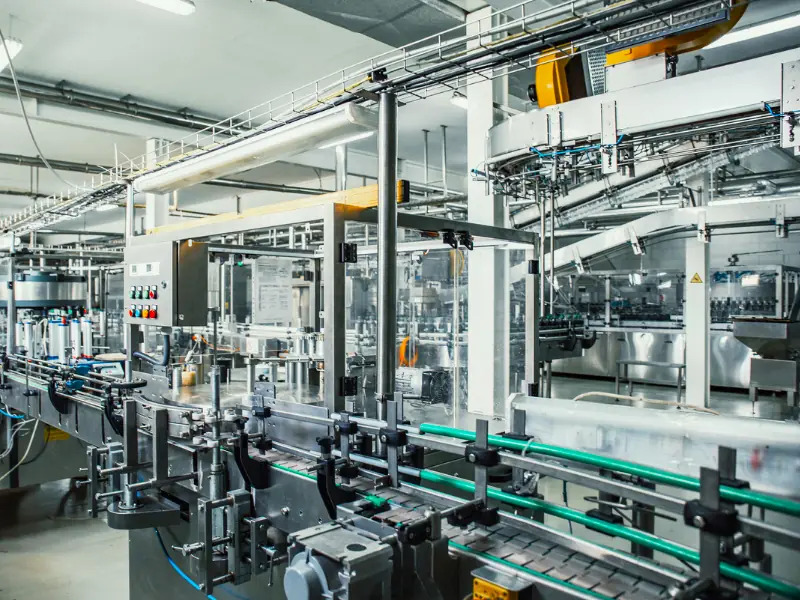
Organizations often face challenges not due to a lack of process optimization tools, but from selecting them without first identifying improvement needs. For instance, a team may invest in workflow software when the core issue is an unclear process, or apply Lean techniques to problems stemming from uncontrolled variation. Understanding the categories of process optimization tools—improvement methodologies, analytical techniques, and software—is crucial. Effective optimization starts with defining the problem and establishing a measurable baseline before integrating the right methods and technologies. Tools like Lean and Six Sigma are frameworks rather than standalone applications, and their effectiveness relies on proper implementation. Looking ahead, organizations should focus on aligning their optimization tools with specific performance issues and data availability. The combination of methods and technologies should aim to enhance outcomes without creating unacceptable trade-offs. No universal list of optimal tools exists, as the right choices depend on the unique context of each organization.
Computing Engineering Industry Software artificial intelligence bpm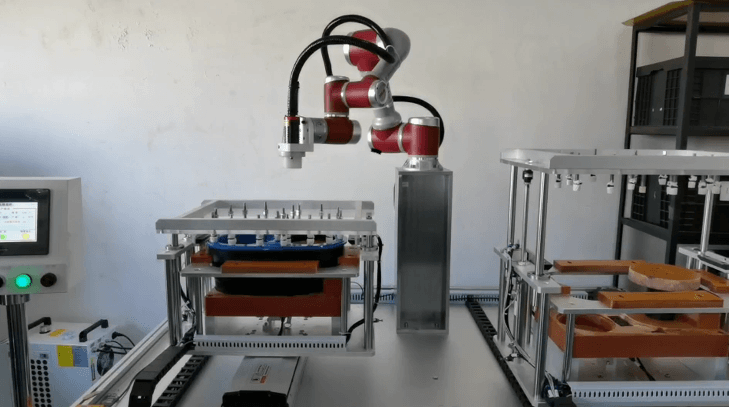
Key Features and Benefits of JAKA Collaborative Robots
In response to the evolving demands of the industrial sector, JAKA has introduced collaborative robots, or cobots, that prioritize agility over sheer power. As manufacturing cycles shorten and customization becomes essential, these robots offer a solution that minimizes downtime and enhances production efficiency. By eliminating the need for physical safety cages through advanced force-sensing technology, JAKA's cobots can be seamlessly integrated into existing workflows without requiring extensive changes to factory layouts. These robots can be deployed quickly, often becoming operational within a day, in stark contrast to traditional industrial robots that may take weeks to set up. They also improve workplace safety by taking on "Dirty, Dull, and Dangerous" tasks, allowing human workers to concentrate on more valuable roles such as quality control and process optimization. JAKA's approach to collaborative automation is encapsulated in their "Smart, Simple, Small" philosophy, which emphasizes user-friendly design and robust performance suitable for continuous industrial use. Notably, their cobots can be programmed and monitored via mobile devices, streamlining the setup process and eliminating the need for cumbersome equipment. With models like the JAKA Zu series offering payloads from 3kg to 20kg and the precision-focused JAKA A series achieving repeatability of ±0.02mm, the company aims to provide scalable solutions that deliver quick returns on investment. JAKA's commitment to innovation positions its cobots as essential tools for both small and large enterprises looking to enhance their manufacturing capabilities in the era of smart production.

Study on Offshore Wind Turbine Blade Repair Using Particle Swarm Optimization and Advanced Control Techniques
A recent study published in the Journal of Field Robotics explores innovative methods for repairing offshore wind turbine blades. The research focuses on utilizing a Particle Swarm Optimization-Backpropagation Neural Network combined with Improved Active Disturbance Rejection Control to enhance repair efficiency. This research is significant as it addresses the growing need for effective maintenance strategies in offshore wind energy, which is crucial for maximizing energy output and minimizing downtime. The integration of advanced algorithms aims to improve the precision and reliability of repair processes, ultimately contributing to the sustainability of wind energy. Looking ahead, the implications of this study could influence future developments in wind turbine maintenance technologies. No further timeline was disclosed at the time of publication.
RESEARCH ARTICLE
Study on Task Sequence Planning and Trajectory Optimization for Rebar Tying Robot End-Effectors
A recent study published in the Journal of Field Robotics focuses on task sequence planning and trajectory optimization specifically for the end-effectors of rebar tying robots. This research addresses the complexities involved in automating the rebar tying process, which is critical in construction and infrastructure projects. The significance of this study lies in its potential to enhance the efficiency and accuracy of rebar tying robots, thereby improving overall productivity in construction. By optimizing task sequences and trajectories, the research aims to reduce operational costs and time, which are essential factors in large-scale construction projects. Looking ahead, the implications of this research could lead to advancements in robotic automation within the construction industry. As the demand for efficient construction methods grows, further developments in trajectory optimization and task planning for rebar tying robots will be crucial. No further timeline was disclosed at the time of publication.
RESEARCH ARTICLE
Structural Optimization and Robotic Concrete Construction: Key Trends from 2015–2025
A team of researchers has pinpointed critical factors essential for transforming optimized concrete designs into dependable robotic construction processes. Their study highlights the importance of addressing fabrication constraints, integrating reinforcement, implementing effective sensing technologies, and ensuring rigorous quality control. By focusing on these elements, the researchers aim to enhance the reliability and efficiency of robotic construction workflows. This research is particularly relevant in the context of advancing construction technologies, as it seeks to bridge the gap between innovative design and practical application in the field.
Optimization of Magnetic Adsorption Units for Wall‐Climbing Robots via Integrated Response Surface Methodology and Genetic Algorithm
The Journal of Field Robotics has published an early view article highlighting advancements in robotic technology aimed at enhancing agricultural practices. Researchers from various institutions collaborated on this study, which was released in October 2023. The article focuses on the development of autonomous robots designed to improve efficiency in crop monitoring and harvesting processes. The motivation behind this research stems from the growing need for sustainable agricultural solutions to meet the demands of an increasing global population. By integrating advanced sensors and machine learning algorithms, these robots can analyze soil conditions, monitor plant health, and optimize harvesting schedules, ultimately reducing labor costs and increasing yield. The study outlines the methodologies employed in the design and testing of these robots, including field trials that demonstrate their effectiveness in real-world agricultural settings. The findings suggest that the implementation of such robotic systems could significantly transform traditional farming practices, offering a more sustainable approach to food production. This publication underscores the importance of innovation in agriculture and the potential for robotics to address critical challenges in the sector. As the demand for food continues to rise, the integration of technology in farming is becoming increasingly essential for ensuring food security and sustainability.
RESEARCH ARTICLE
AMD Launches Kria Module and Ryzen AI Embedded X100 for Robotics Control
AMD has introduced the Kria module and Ryzen AI Embedded X100 series, aimed at enhancing real-time control and processing for robotics applications. The new platform promises deterministic performance with unified memory architecture, targeting both firm and hard real-time control through advanced optimizations. This development is significant as it positions AMD as a competitive alternative to NVIDIA in the robotics sector, particularly for physical AI applications. The unified CPU-GPU-NPU memory architecture is designed to reduce latency and improve efficiency in tasks such as perception and sensor fusion, which are critical for robotic operations. Looking ahead, AMD's offerings, including the open-source AMD Robotics Sophie Suite and a curated Robotics Partner Network, will be crucial for developers seeking scalable solutions for various robotic applications. No further timeline was disclosed at the time of publication.
Artificial Intelligence Controllers Microprocessors / SoC Microprocessors / SoCs Motion Control News
Northwestern University Unveils Phantom Twist, an Almost Invisible Drone
At the RSS 2026 conference in Sydney, Northwestern University showcased the Phantom Twist drone, which is significantly harder to see in flight compared to traditional quadrotors. This drone achieves its stealthy appearance by spinning rapidly at 15 to 25 Hz, leveraging the limitations of human vision to create a motion blur that renders it nearly invisible. The development of Phantom Twist is significant as it represents a leap in drone design, utilizing computational optimization to minimize visibility. The drone's unique design allows it to maintain stability and control with just a single motor, making it an innovative solution in the field of robotics. Its design was generated through an iterative process aimed at reducing the visual overlap of components during flight. Looking ahead, Phantom Twist's design could lead to advancements in drone technology, particularly in applications requiring stealth. While currently controlled via an optical tracking system, further optimizations may enhance its capabilities. No further timeline was disclosed at the time of publication.
Robotics Drones Spinning-drones Invisible-drones Ai-design-optimization Uav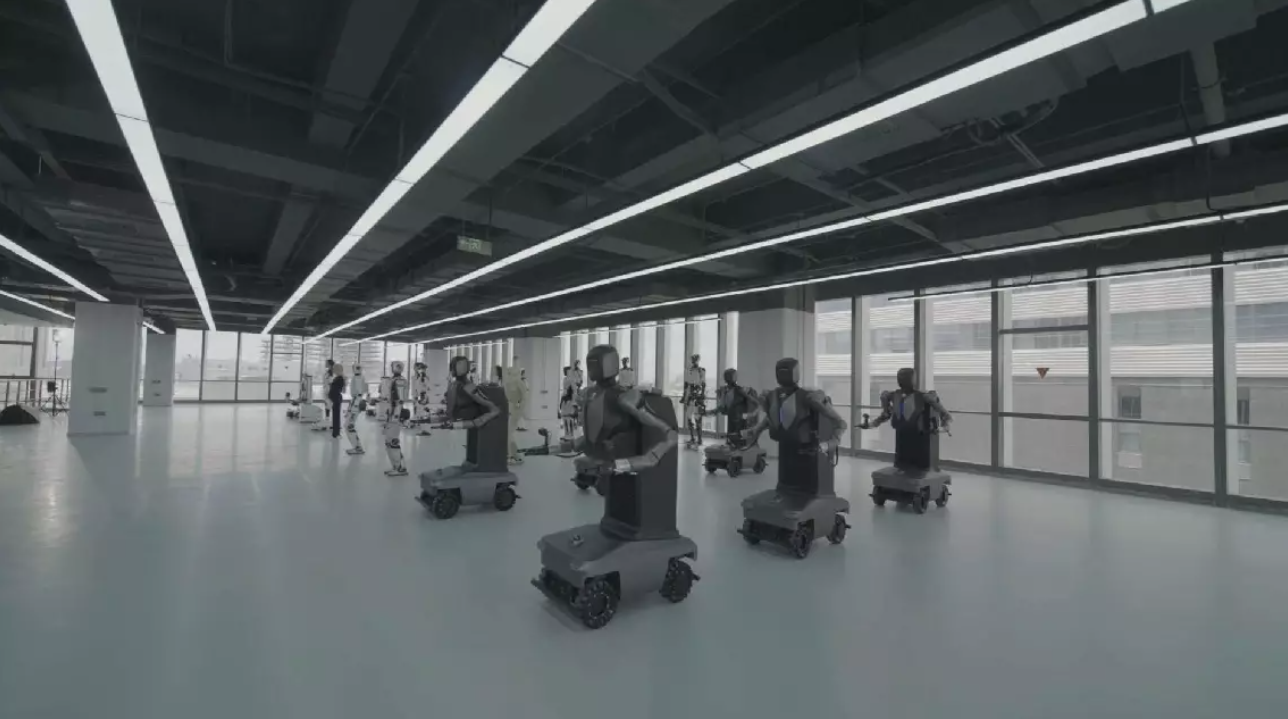
Shanghai Unveils Testing Platform for Humanoid Robot Mass Production
On July 18, during the 2026 World Artificial Intelligence Conference (WAIC), Shanghai launched a humanoid robot testing platform in the Zhangjiang Robot Valley of Pudong. This 6,800 square meter facility aims to bridge the gap between research and mass production, addressing the challenges faced by humanoid robots transitioning from lab to market. The platform features two modular flexible production lines capable of accommodating various robot configurations, with an annual production capacity of 2,000 units. Additionally, it includes a precision component assembly line and a dedicated testing area equipped with advanced testing equipment, enabling comprehensive performance validation of over 400 components and complete robots. Operated by a collaborative humanoid robot innovation center, the platform supports small and medium-sized enterprises with process transformation and production line optimization. It also offers financial incentives and collaborates with over 480 suppliers to develop industry standards, facilitating the rapid integration of humanoid robots into various sectors, including homes and supermarkets.
Humanoid Robots Mass Production Robotics Testing AI Development
The Escalating AI Arms Race in Software Engineering Technical Interviews
The landscape of software engineering job interviews is rapidly evolving due to the increasing use of AI by both candidates and employers. Applicants are employing AI assistants to enhance their performance during remote technical interviews, while companies are countering with AI tools designed to detect such assistance. This dynamic creates a competitive environment where the human element of hiring remains crucial despite the technological advancements. The rise of AI in hiring processes is largely driven by the current job market, which is characterized by a surplus of applicants and ongoing tech layoffs. Experts like AI hiring strategist Tatiana Teppoeva highlight that candidates often resort to AI tools as a response to automated hiring practices that may not favor them. This situation leads to a cycle where both parties leverage AI, potentially shifting the focus from genuine capability to algorithm optimization. As AI tools become more prevalent, concerns regarding their effectiveness and fairness have emerged. While some companies are embracing AI in interviews, others warn of the risks associated with bias and privacy. The need for human oversight in the hiring process is emphasized, as relying solely on AI could result in the exclusion of qualified candidates. No further timeline was disclosed at the time of publication.
Hiring-trends Interviews Ai-bias Software-engineering
Advanced metal 3D printing minimizes failure points in complex gas turbine designs
Metal additive manufacturing is increasingly being adopted in production-focused energy systems, moving beyond its traditional use in aerospace prototypes. This shift reflects a growing recognition of the technology's potential to enhance efficiency and reduce costs in various sectors. As companies seek innovative solutions to meet rising energy demands, the integration of metal additive manufacturing offers a pathway to streamline production processes and improve the performance of energy systems. This trend is gaining momentum as industry leaders invest in research and development to harness the benefits of this advanced manufacturing technique, which allows for greater design flexibility and material optimization. The transition is expected to reshape the landscape of energy production, paving the way for more sustainable and efficient systems in the future.
Innovation
"BioGeometry" secures hundreds of millions in strategic funding to create a "microscopic world model" in life sciences.
AI-native biotechnology company BaiAo Geometry has successfully secured several hundred million yuan in strategic financing, with investments led by the Shanghai Biomedical Innovation Transformation Fund, Guoke Investment, Dacheng Wisdom, and Xinglian Capital, alongside follow-on investments from GaoRong Capital and the Index AI Industry Innovation Fund. The funds will primarily support the ongoing development of their life sciences micro-world model, GeoFlow, and the advancement of their proprietary drug pipeline. Artificial intelligence is rapidly evolving along two main trajectories: digital AI, represented by large language and multimodal models, and physical AI, exemplified by autonomous vehicles and humanoid robots. Life AI is emerging as a promising frontier, a sentiment echoed by leading global investors and scientists. BaiAo Geometry's GeoFlow model, launched in 2024, aims to understand and design molecular interactions at an atomic level, enabling the creation of novel molecules that have never existed in nature. The company has iterated GeoFlow multiple times, achieving significant advancements in protein structure prediction and de novo design capabilities. By applying Test-Time Scaling technology, BaiAo Geometry enhances the success rate of protein designs without the need for extensive retraining. This innovation allows for the rapid generation and optimization of high-affinity binding molecules, significantly reducing the time and cost associated with traditional drug discovery processes. BaiAo Geometry has established over 20 business development collaborations with domestic and international pharmaceutical companies, focusing on high-specificity antibody design and vaccine development. The company is currently working on the next iteration of GeoFlow, which aims to expand modeling from individual molecules to entire molecular systems, further revolutionizing drug development in the biotechnology sector.

LoongForge Achieves 2.3x Training Throughput Improvement for GR00T N1.6 Model
LoongForge, a company led by Baido Baige, has announced significant improvements in the training process of its GR00T N1.6 VLA model. This optimization, which was implemented recently, has resulted in a remarkable 56.6% reduction in training cycles and a 2.3-fold increase in throughput. The enhancements specifically target challenges such as input/output blocking and inefficient scheduling, thereby greatly boosting the overall efficiency of the model's training process. These advancements are expected to streamline operations and improve performance in various applications.
AI Model Training Machine Learning Robotics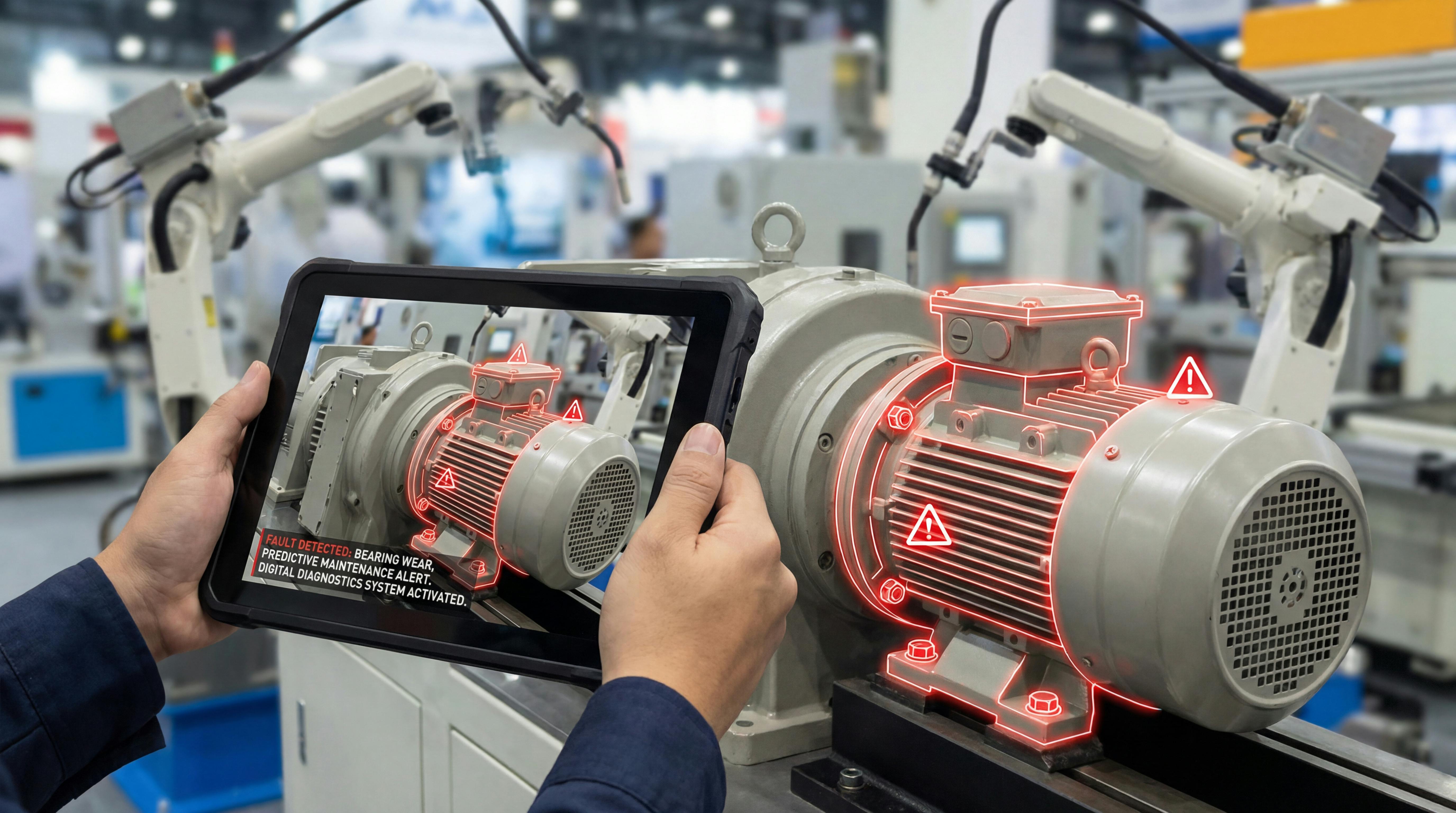
How Modern Drive Technologies Are Solving Industry’s Toughest Precision Challenges
Industry experts from Beckhoff and Siemens have highlighted the significant role of advanced technologies such as smart diagnostics, digital twins, and predictive maintenance in enhancing the accuracy of industrial machinery while minimizing downtime. This discussion took place during a recent industry conference, where the experts shared insights on how these innovations are transforming manufacturing processes. The integration of smart diagnostics allows for real-time monitoring of machinery, enabling operators to identify potential issues before they escalate. Digital twins, which create virtual replicas of physical assets, facilitate better understanding and optimization of machinery performance. Meanwhile, predictive maintenance strategies leverage data analytics to forecast equipment failures, ensuring timely interventions and reducing unexpected breakdowns. These advancements are crucial as industries strive to improve efficiency and reduce operational costs in an increasingly competitive market. By adopting these technologies, companies can not only enhance productivity but also extend the lifespan of their equipment, ultimately leading to significant cost savings. The collaboration between Beckhoff and Siemens exemplifies the industry's commitment to innovation and the continuous improvement of manufacturing practices.
Factory / Motion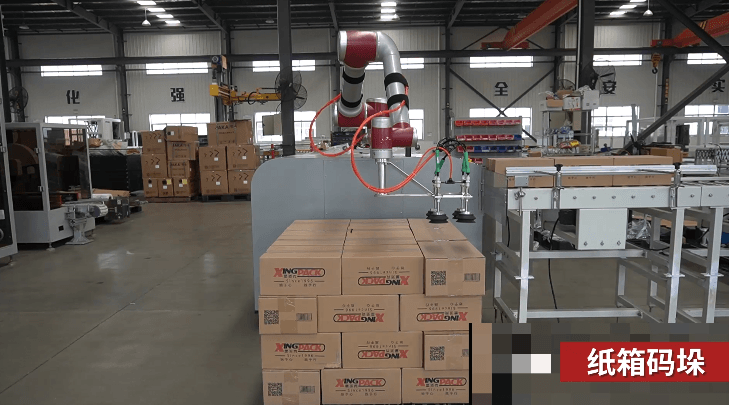
Global Market Outlook for Palletizing Robot Arms in New Energy Logistics
JAKA is closely monitoring the rapid expansion of the new energy logistics sector, particularly the growing demand for palletizing robot arms. This surge is driven by the need for sustainable and efficient logistics solutions that can lower labor costs, enhance operational safety, and improve throughput. The company is focusing on adaptable, high-performance robotic solutions, such as the JAKA Zu30, which can handle payloads up to 30 kg with remarkable precision, making it ideal for tasks like palletizing battery modules and assembling energy storage components. The Zu30 is designed for efficiency and precision, featuring IP65 protection for operation in challenging environments. Its compact design allows for collaborative automation, making it suitable for restricted spaces while seamlessly integrating into existing production lines. This flexibility enables logistics providers to scale their automation strategies in response to evolving market demands without significant infrastructure redesigns. Market trends indicate that the adoption of industrial welding robots and palletizing systems is influenced by factors such as energy storage growth and regulatory standards. Companies are increasingly recognizing the benefits of robotic automation, which not only reduces labor-intensive tasks but also enhances safety and consistency in material handling. JAKA is committed to refining its robotic solutions in line with these trends, offering guidance on system selection and workflow optimization. As the global market for palletizing robot arms in new energy logistics is set for significant growth, JAKA aims to deliver innovative solutions that support diverse logistics operations, ultimately contributing to the transformation of automated processes in this evolving sector.
Educational Robotic Arm in Action: Case Studies in High School Robotics Clubs
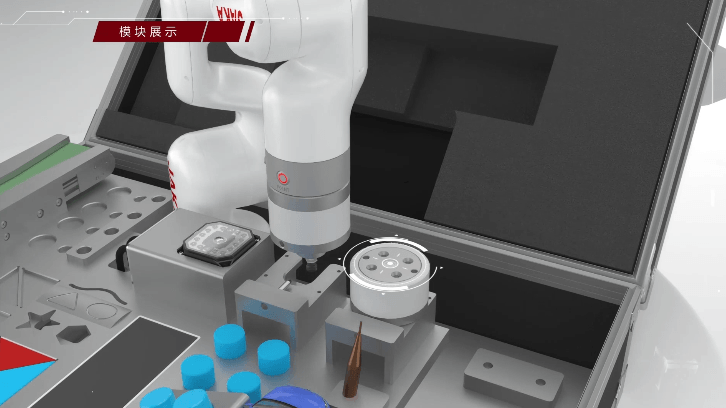
In recent years, high school robotics clubs have increasingly adopted educational robotic arms, such as the JAKA MiniCobo, to enhance student learning through hands-on experience with automation and programming. This versatile tool allows students to engage in various tasks, including sorting and assembly, while minimizing direct contact with potentially hazardous equipment, thereby creating a safer learning environment. The JAKA MiniCobo has become a central resource in several robotics clubs, where students have successfully programmed the arm to identify and separate components during projects. This adaptability enables students to explore multiple programming approaches and fosters collaboration as they work in teams to troubleshoot and refine their coding solutions. Educators have noted that the use of this robotic arm not only improves accuracy and efficiency but also teaches essential skills in workflow optimization and precision control, crucial for careers in engineering and STEM fields. Furthermore, the integration of the JAKA MiniCobo into extracurricular activities has significantly boosted student engagement. Students benefit from immediate feedback on their programming efforts and enjoy the creative freedom to design new tasks, simulating real-world industrial processes. This hands-on approach cultivates curiosity and confidence in technology, ultimately preparing students for future innovations. Overall, the incorporation of educational robotic arms like the JAKA MiniCobo in high school settings exemplifies the transformative potential of automation in education, equipping students with valuable skills while promoting a safe and engaging learning atmosphere.
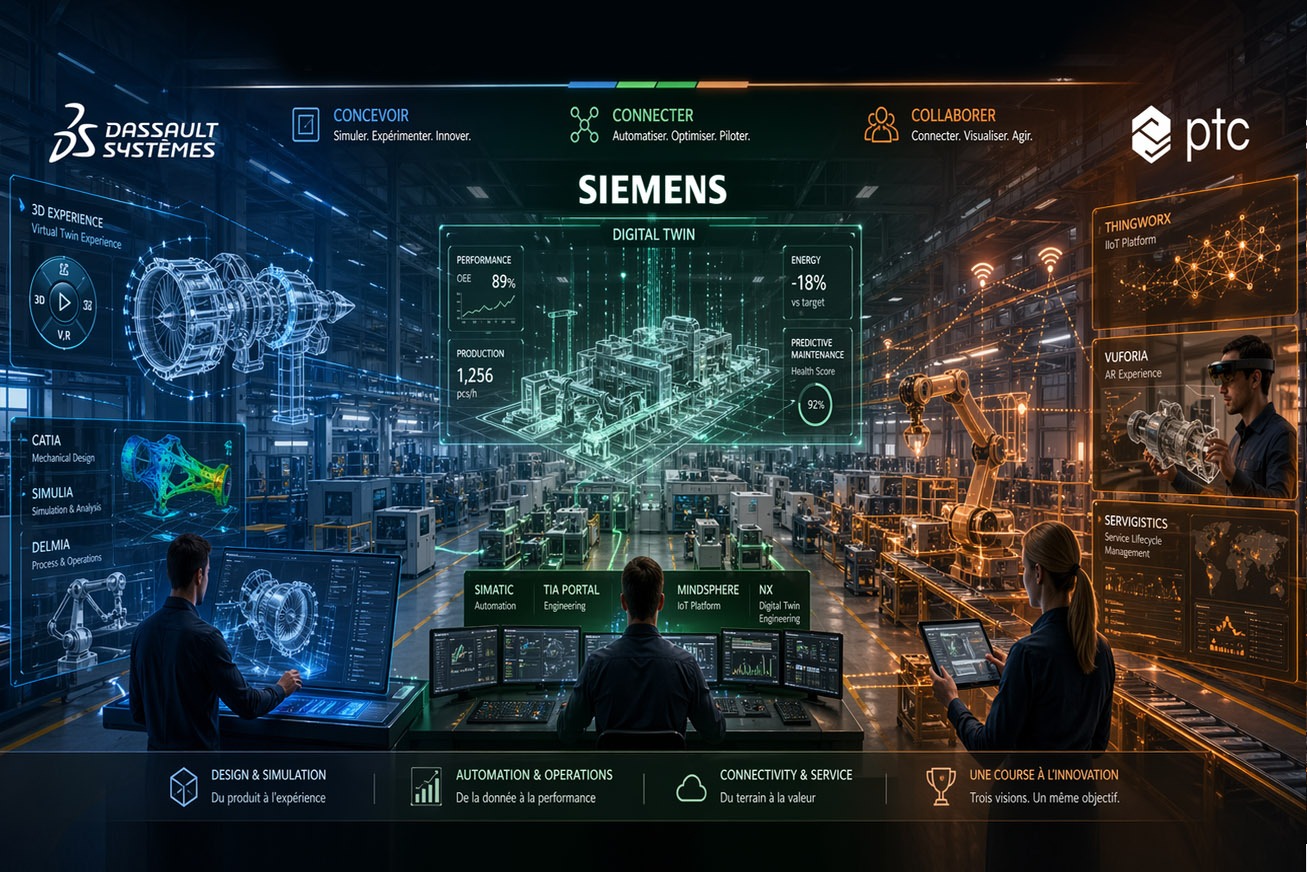
Dassault Systèmes vs Siemens vs PTC : qui gagne la bataille du digital twin ?
The digital twin technology is emerging as a cornerstone of the future industry, aiming to create accurate virtual representations of products, processes, or entire systems. This innovation enables real-time simulation, optimization, and prediction of behaviors. In this competitive landscape, three major players—Dassault Systèmes, Siemens, and PTC—are leading the charge in the battle for dominance in the digital twin market. The ongoing rivalry among these companies highlights the strategic importance of digital twins in enhancing operational efficiency and driving technological advancement. The article originally appeared in Robot Magazine, exploring the competitive dynamics shaping this transformative field.
À la une Actualités IA Industriel Robotique automatisation industrielle.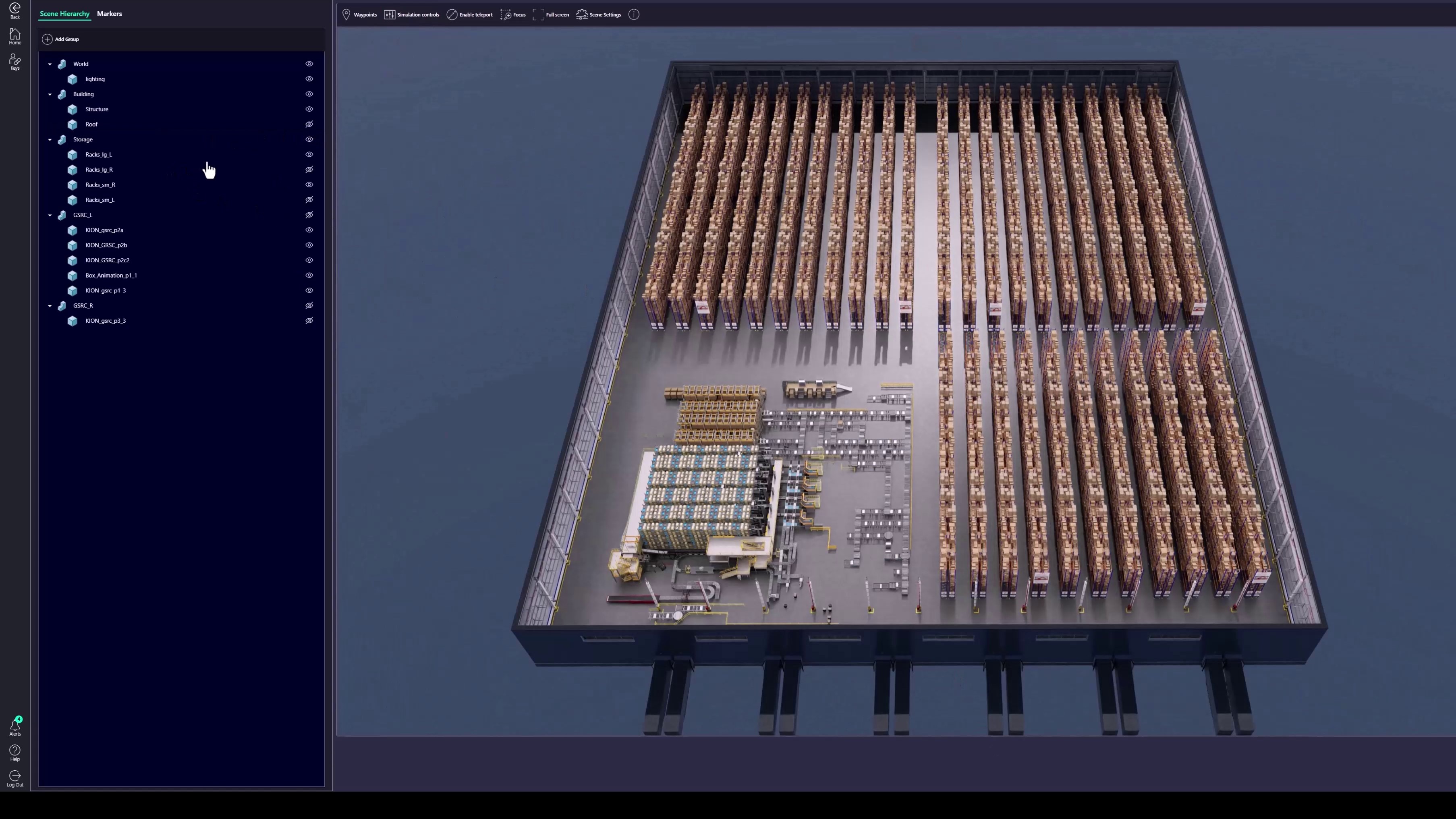
Siemens and KION partner to shape the supply chains of the future
Siemens and KION have announced a strategic partnership aimed at improving supply chain resilience and warehouse efficiency by utilizing advanced artificial intelligence, automation, and simulation technologies. The collaboration will harness Siemens' Digital Twin Composer software to develop digital twins of logistics processes, enabling real-time simulations and optimizations. This initiative is designed to address the growing demand for more efficient and adaptable supply chain solutions in today's dynamic market environment. By integrating these cutting-edge technologies, the partnership seeks to enhance operational performance and responsiveness in logistics operations.
intralogistics supply chain solutions industrial trucks forklift trucks warehouse trucks automation technology
New Adobe Premiere Color Grading Mode Accelerated on NVIDIA GPUs
The NAB Show 2026, scheduled for April 18-22 in Las Vegas, will highlight significant advancements in video editing applications, attracting more than 60,000 content professionals from the broadcast and media industries. This annual trade show serves as a platform for industry leaders to unveil innovative features and optimizations aimed at enhancing the video editing process. By fostering collaboration and showcasing cutting-edge technology, the event aims to address the evolving needs of content creators and professionals in the media landscape. Attendees can expect to engage with the latest tools and techniques that will shape the future of video production.
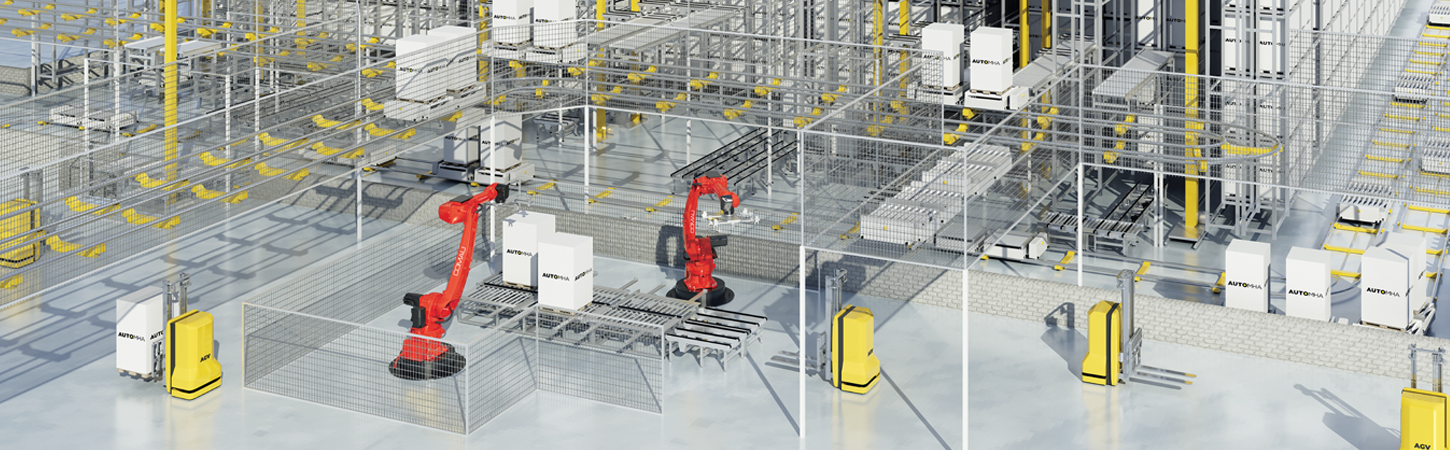
Automha and Comau to showcase integrated logistics automation solutions at Modex 2026
Comau has announced the renewal of its collaboration with Intecells, focusing on the optimization of cold plasma technology in industrial cell manufacturing processes. This partnership aims to enhance efficiency and performance in the production of advanced battery cells, which are crucial for the growing electric vehicle market. The renewed agreement underscores both companies' commitment to innovation and sustainability in manufacturing. By leveraging cold plasma technology, they seek to improve the quality and reliability of battery cells while reducing production costs. The collaboration is set to advance over the coming months, with both firms working closely to implement these technological enhancements in their manufacturing operations.

The Impact of Industrial Automation and Robotics on Global Supply Chain Resilience
Global supply chains are increasingly strained due to demand fluctuations, labor shortages, and heightened delivery accuracy requirements. Experts emphasize that enhancing supply chain resilience now extends beyond logistics optimization to include bolstering manufacturing capabilities through industrial automation and robotics. By implementing structured automation strategies, manufacturers can achieve greater control over production stability, consistency in inspections, and quicker responses to external disruptions. A reliable supply chain relies on predictable production processes, and automation significantly reduces variability associated with manual operations, particularly in inspection and quality assurance. Automated systems ensure consistent inspection outcomes, regardless of workforce changes, allowing supply chain partners to plan inventory and delivery schedules with greater confidence. Innovative solutions like the JAKA Zu3 Inspection system facilitate non-destructive testing and precise measurement of complex components, integrating seamlessly with existing production lines. This adaptability enables manufacturers to adjust inspection capacities swiftly in response to changing supply chain conditions, minimizing downtime. As labor availability remains unpredictable, replacing manual inspection with automated systems enhances efficiency and quality, allowing workers to focus on higher-value tasks. This transition supports long-term resilience, ensuring that production schedules remain reliable and delivery commitments can be met even under challenging circumstances. In summary, the integration of industrial automation and robotics is crucial for strengthening supply chain resilience, enhancing manufacturing stability, and enabling flexible deployment in response to global challenges.
An Adaptive Double Closed‐Loop Path Tracking Control Method for High‐Precision Autonomous Navigation of Agricultural Machinery
In a recent study published in the Journal of Field Robotics, researchers have unveiled significant advancements in robotic navigation systems, particularly focusing on autonomous vehicles. This groundbreaking research, conducted by a team of engineers and computer scientists, was released in May 2026 and highlights the integration of artificial intelligence with real-time data processing to enhance navigation accuracy. The study took place in various urban environments, where the team tested their innovative algorithms designed to improve obstacle detection and route optimization. The motivation behind this research stems from the increasing demand for safer and more efficient autonomous transportation solutions in densely populated areas. Through a series of simulations and field tests, the researchers demonstrated how their approach allows vehicles to adapt to dynamic conditions, such as changing traffic patterns and unexpected obstacles. This capability not only promises to reduce the likelihood of accidents but also aims to improve overall traffic flow. The findings are expected to have a profound impact on the future of urban mobility, potentially leading to widespread adoption of autonomous vehicles that can navigate complex environments with greater reliability. As cities continue to evolve, the integration of such advanced robotic systems could play a crucial role in shaping the future of transportation.
RESEARCH ARTICLE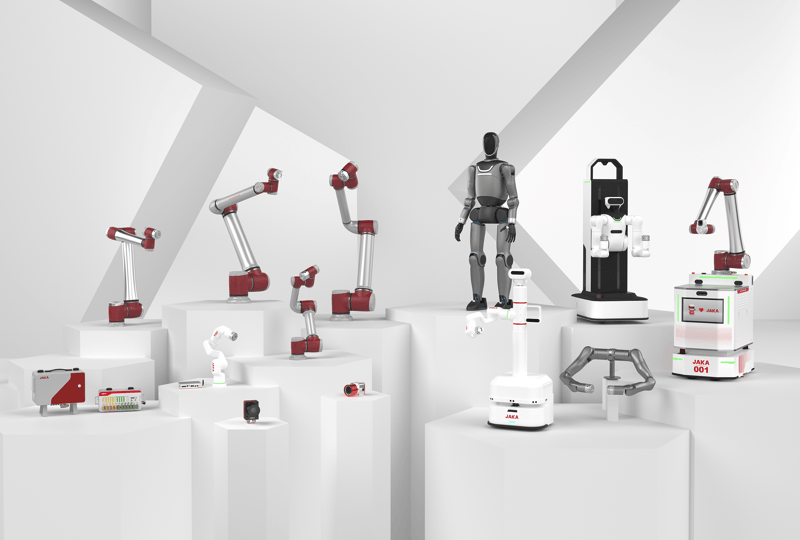
Beyond Cobots: Integrating Robotic Automation with AGVs and IIoT Systems
In recent years, manufacturing has experienced a significant transformation as companies shift from standalone automation to interconnected and flexible systems. JAKA, a leader in collaborative robot technology, has observed this evolution, where production environments are increasingly designed around coordinated robots, autonomous guided vehicles (AGVs), and Industrial Internet of Things (IIoT) platforms. This transition enables automation to adapt dynamically to real production conditions while ensuring safety and flexibility in workplaces that prioritize human interaction. Initially, collaborative robots were embraced for their ability to work safely alongside human operators, facilitating smoother automation processes. As their applications have matured, integrating these robots with AGVs and IIoT systems has become a logical progression. This integration allows for synchronized material handling and processing tasks, enhancing efficiency. IIoT connectivity further supports real-time data exchange, enabling predictive maintenance and improved process visibility, which is crucial for maintaining flexibility in production lines. AGVs play a pivotal role in extending automation beyond fixed workstations. When connected through IIoT infrastructure, these vehicles and robots can share crucial information, reducing idle time and manual interventions while enhancing workflow traceability. This coordination not only boosts operational efficiency but also increases transparency, allowing for continuous optimization and informed decision-making. To facilitate this integrated approach, JAKA has developed the Ai12, a collaborative robot designed for easy deployment through wireless teaching and graphical programming. This technology enhances safety and adaptability, allowing for seamless human-robot interaction. JAKA envisions a future where industrial robotic automation is not merely a collection of isolated machines but a cohesive system that evolves with production demands, fostering smarter and more responsive industrial environments.
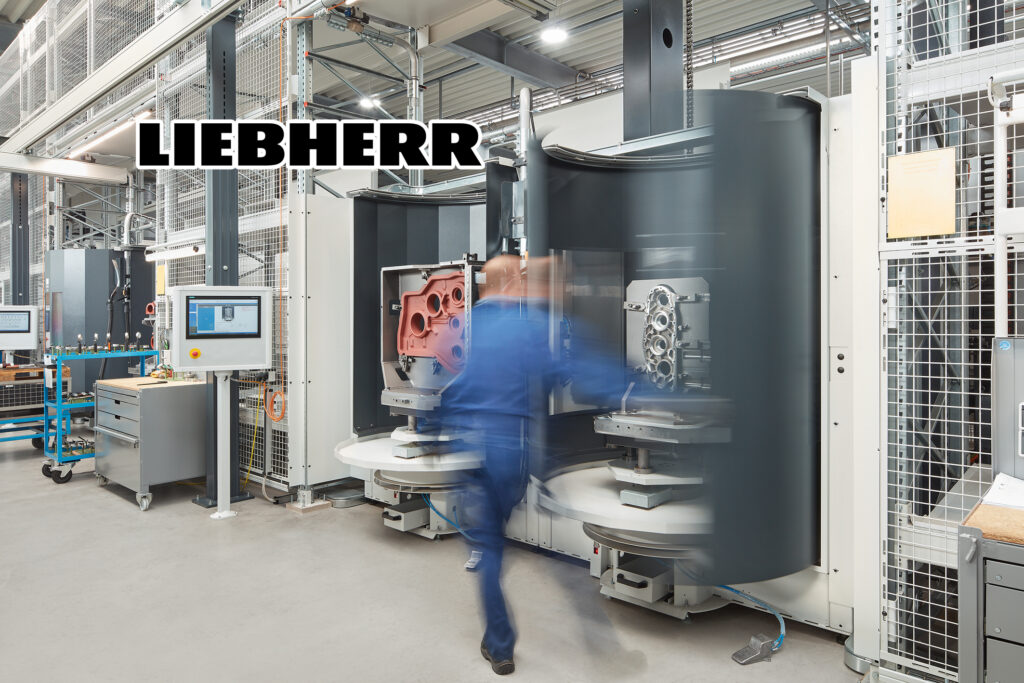
Palettisation automatisée : comment Liebherr booste la productivité
Liebherr-Verzahntechnik GmbH has announced the launch of a new range of modular and scalable palletizing solutions aimed at enhancing industrial productivity. This initiative comes in response to the growing need for optimization in production lines, which has become a strategic priority for manufacturers. The company’s recent communication highlights how these innovative solutions are designed to meet the evolving demands of the industry. By implementing these advanced palletizing systems, Liebherr aims to help businesses streamline their operations and improve efficiency in their manufacturing processes.
À la une Actualités IA Industriel Robotique automatisation industrielle.
Comau and Reis Robotics sign a cooperation agreement to pursue advanced automation projects across multiple industries
Comau has announced the renewal of its collaboration with Intecells, focusing on the optimization of cold plasma technology in industrial cell manufacturing processes. This partnership aims to enhance efficiency and performance in the production of energy storage solutions. The renewed agreement comes as the demand for advanced manufacturing techniques continues to grow, driven by the increasing need for sustainable energy solutions. By leveraging cold plasma technology, Comau and Intecells intend to improve the quality and reliability of cell production, ultimately contributing to the advancement of the energy sector. The collaboration is set to take place over the coming months, with both companies committed to innovative research and development in this field.

Into the Omniverse: How Industrial AI and Digital Twins Accelerate Design, Engineering and Manufacturing Across Industries
Companies across various industries are increasingly leveraging industrial AI, digital twins, AI physics, and accelerated AI infrastructure to enhance their design, simulation, and optimization processes. This technological shift allows organizations to refine products, processes, and facilities in a virtual environment before actual construction begins. By adopting these advanced tools, businesses aim to improve efficiency, reduce costs, and accelerate time-to-market for new innovations. The integration of these technologies is seen as a crucial step in staying competitive in a rapidly evolving market, enabling firms to make data-driven decisions and optimize their operations effectively.
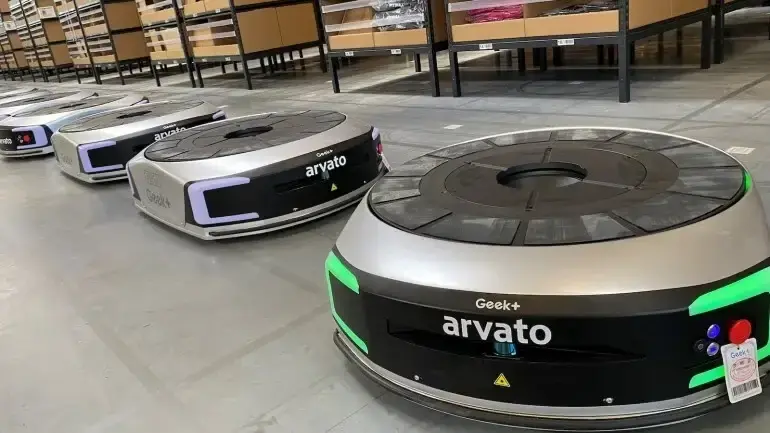
Arvato and Geek+ elevates Poland logistics hub with flexible Goods-To-Person robotics
Arvato, in collaboration with Geek+, has launched an advanced Goods-To-Person robotics system at its logistics center in Poznań, Poland. This initiative, which took place recently, is designed to improve picking efficiency and accommodate the increasing demands of the e-commerce sector. The implementation of Geekplus' P800 picking robots is expected to streamline the order picking process and enhance storage optimization. This move aligns with Arvato's broader automation strategy, enabling the company to better meet client needs in a highly competitive logistics environment.
Warehouse Robotics E-commerce Logistics Supply Chain Management Automation Technology Third-Party Logistics
What New Job Will AI Create in Logistics/Supply Chain Management?
Oscar Mendez, the Head of AI & Data Science at Locus Robotics, participated in a panel discussion with industry experts focused on the emerging role of the "AI fulfillment optimization manager." This event took place recently, highlighting the growing significance of artificial intelligence in supply chain management and logistics. The discussion aimed to explore how AI technologies are revolutionizing fulfillment processes, enhancing efficiency, and addressing the increasing demands of consumers for faster delivery times. By leveraging data-driven insights, the panelists examined the potential of AI to streamline operations and optimize resource allocation in warehouses and distribution centers. Mendez's insights contributed to a broader understanding of the transformative impact of AI on the logistics sector, emphasizing the need for businesses to adapt to these technological advancements to remain competitive.
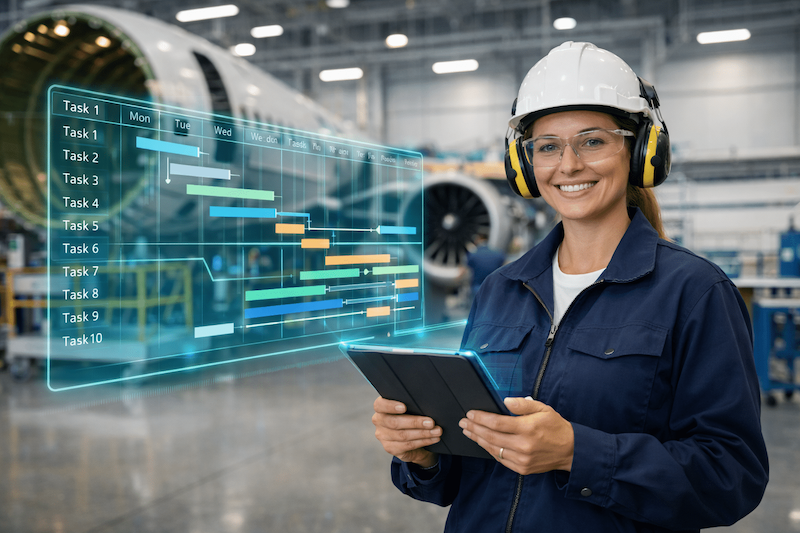
Top 7 AI Agent Platforms for Industrial Manufacturing in 2026
The manufacturing sector is undergoing a significant digital transformation, marked by substantial investments in Internet of Things (IoT) sensors, Manufacturing Execution Systems (MES), industrial analytics, and predictive maintenance solutions over the past decade. This shift has provided manufacturers with unparalleled operational visibility, enabling real-time monitoring of equipment, production lines, quality metrics, and material flows. Despite these advancements, production managers continue to face challenges in optimizing processes and improving efficiency. The integration of these technologies aims to enhance productivity and streamline operations, ultimately driving the industry towards a more data-driven future.
AI agents Manufacturing ai agents autonomous manufacturing digital manufacturing ERP integration
ABB and Salzburg researchers patent AI system to cut energy use in industrial robots
Salzburg University of Applied Sciences has partnered with ABB’s Machine Automation Division, B&R, to enhance energy efficiency in industrial automation through the application of artificial intelligence. This collaboration is centered at the Josef Ressel Center for Intelligent and Secure Industrial Automation (JRZ ISIA), where the two entities aim to translate cutting-edge research into viable solutions for industrial drive systems. By leveraging AI technologies, the initiative seeks to optimize energy consumption and improve operational efficiency in manufacturing processes, addressing the growing demand for sustainable industrial practices.
Industrial robots News abb ai in manufacturing AI optimization automation news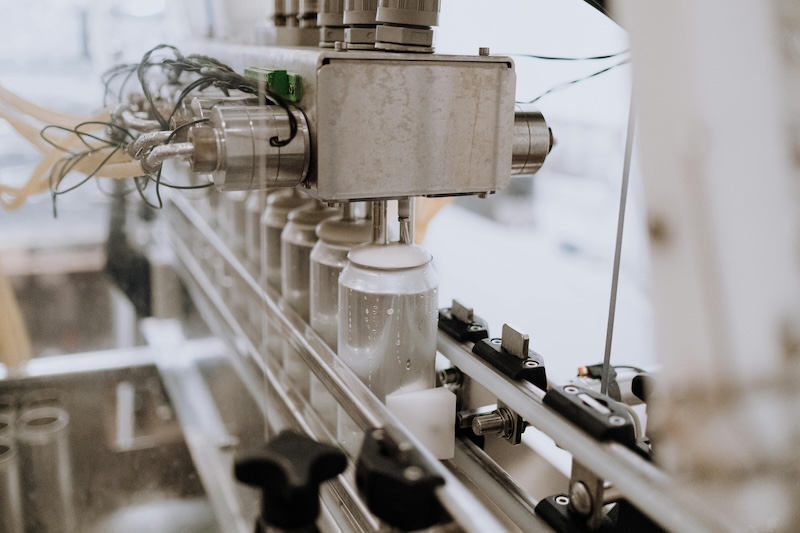
Application engineering for assembly systems is quietly becoming manufacturing’s biggest competitive edge
In a significant shift within the manufacturing sector, companies are increasingly focusing on application engineering to enhance assembly systems. This evolution is driven by the need for higher productivity and reduced error rates on the factory floor. Leading the charge is Atlas Copco, a prominent player in the industry, which is fully embracing this transformation. The emphasis is now on not just the machines themselves, but also on the engineering that connects and adjusts these machines in real-time to align with operational demands. As factories strive to optimize their processes, the integration of advanced engineering techniques is becoming essential for success in a competitive landscape.
Engineering Manufacturing application engineering assembly line automation assembly systems atlas copco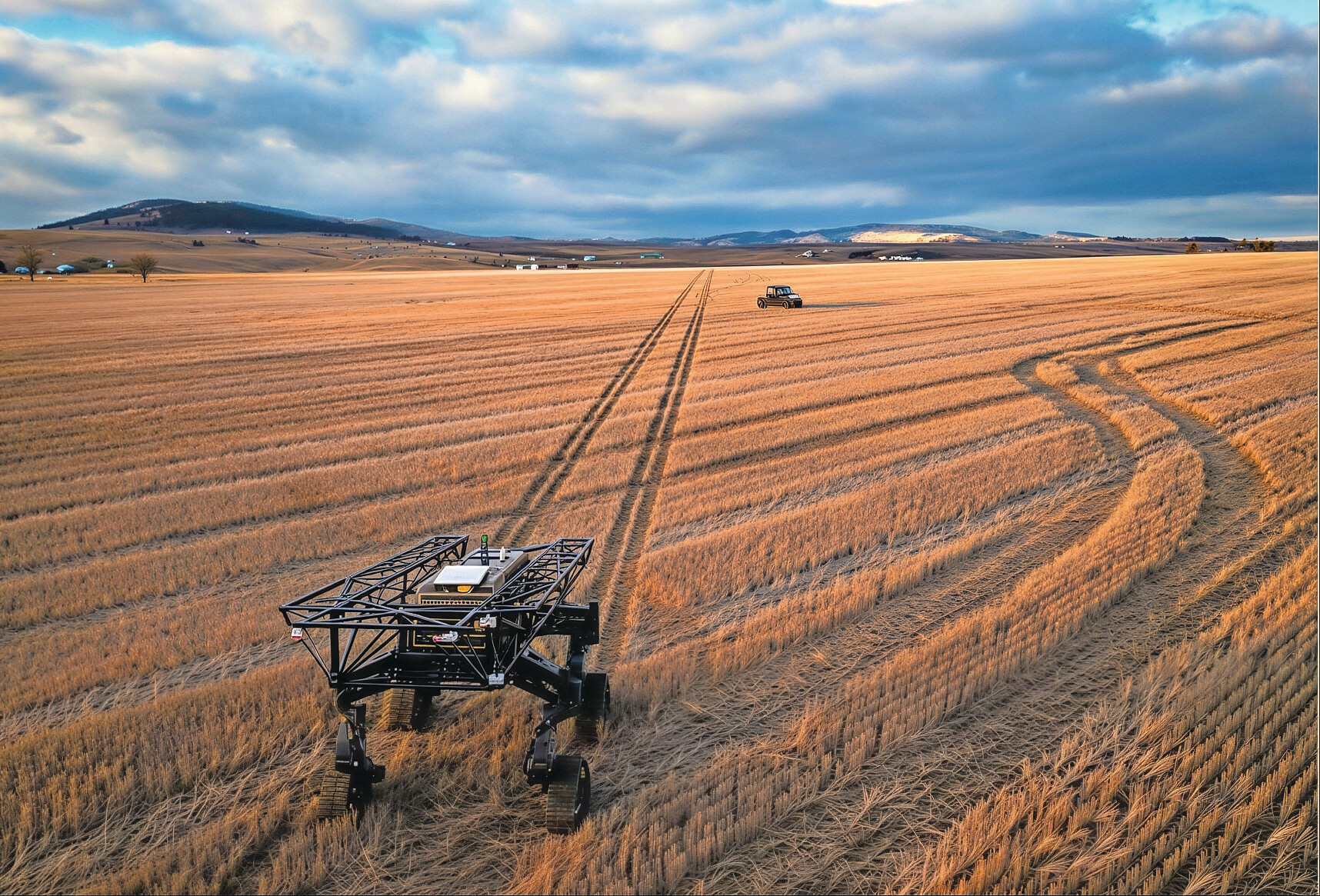
TerraClear launches autonomous TerraScout robot for field scouting
TerraClear has launched the TerraScout, an innovative autonomous robot aimed at enhancing precision farming through advanced technology. This robot is capable of capturing ultra-high-resolution imagery of agricultural fields and transforming that data into actionable insights for farmers. The introduction of the TerraScout comes as the agricultural industry increasingly seeks efficient solutions to optimize crop management and yield. By leveraging cutting-edge imaging technology, TerraClear aims to empower farmers with detailed information about their fields, ultimately improving decision-making processes and productivity. The rollout of the TerraScout marks a significant advancement in agricultural technology, reflecting a growing trend towards automation and data-driven farming practices.
Field robots autonomous farm equipment crop scouting precision agriculture weed control yield optimizationRobotics needs a service framework.
RSF defines a common language for robot service capability, lifecycle operations, certification pathways, and service-provider networks.