

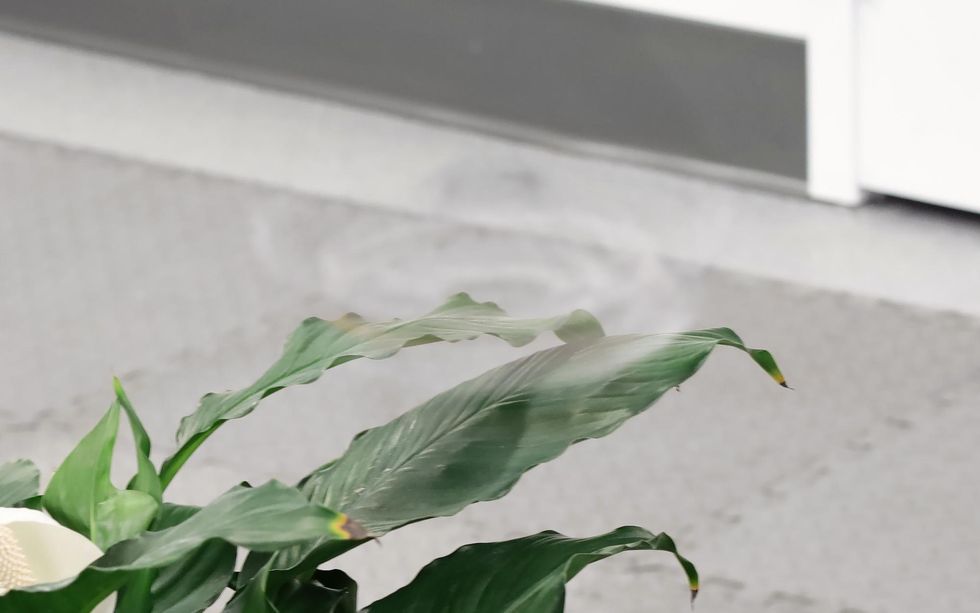
At the RSS 2026 conference in Sydney, Northwestern University showcased the Phantom Twist drone, which is significantly harder to see in flight compared to traditional quadrotors. This drone achieves its stealthy appearance by spinning rapidly at 15 to 25 Hz, leveraging the limitations of human vision to create a motion blur that renders it nearly invisible.
The development of Phantom Twist is significant as it represents a leap in drone design, utilizing computational optimization to minimize visibility. The drone's unique design allows it to maintain stability and control with just a single motor, making it an innovative solution in the field of robotics. Its design was generated through an iterative process aimed at reducing the visual overlap of components during flight.
Looking ahead, Phantom Twist's design could lead to advancements in drone technology, particularly in applications requiring stealth. While currently controlled via an optical tracking system, further optimizations may enhance its capabilities. No further timeline was disclosed at the time of publication.
Editor's Note
The introduction of Phantom Twist highlights the growing trend of utilizing computational design in robotics to enhance performance and functionality. As industries seek more discreet drone applications, this innovation could reshape how drones are deployed in sensitive environments, impacting sectors such as surveillance, environmental monitoring, and search and rescue operations.




























Leave a comment