


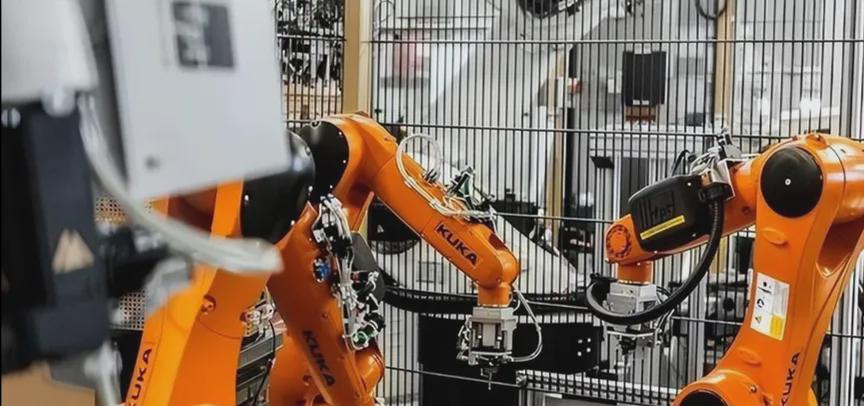
Global supply chains are increasingly strained due to demand fluctuations, labor shortages, and heightened delivery accuracy requirements. Experts emphasize that enhancing supply chain resilience now extends beyond logistics optimization to include bolstering manufacturing capabilities through industrial automation and robotics. By implementing structured automation strategies, manufacturers can achieve greater control over production stability, consistency in inspections, and quicker responses to external disruptions.
A reliable supply chain relies on predictable production processes, and automation significantly reduces variability associated with manual operations, particularly in inspection and quality assurance. Automated systems ensure consistent inspection outcomes, regardless of workforce changes, allowing supply chain partners to plan inventory and delivery schedules with greater confidence.
Innovative solutions like the JAKA Zu3 Inspection system facilitate non-destructive testing and precise measurement of complex components, integrating seamlessly with existing production lines. This adaptability enables manufacturers to adjust inspection capacities swiftly in response to changing supply chain conditions, minimizing downtime.
As labor availability remains unpredictable, replacing manual inspection with automated systems enhances efficiency and quality, allowing workers to focus on higher-value tasks. This transition supports long-term resilience, ensuring that production schedules remain reliable and delivery commitments can be met even under challenging circumstances.
In summary, the integration of industrial automation and robotics is crucial for strengthening supply chain resilience, enhancing manufacturing stability, and enabling flexible deployment in response to global challenges.































Leave a comment