

Industry Briefing
A single destination for timely, editor-curated robotics news from around the world.

Exploring Automation Intelligence: Opportunities and Challenges in AI for Manufacturing
The manufacturing sector is experiencing a surge in artificial intelligence (AI) applications, driven by recent advancements in speech, language, and content generation technologies. Engineers and technology leaders are keenly observing these developments to enhance quality, minimize rework, and increase throughput. However, many organizations face challenges in translating AI demonstrations into tangible business value, revealing the complexities of deploying AI in production environments. Despite significant investments in AI and machine learning (ML), the manufacturing industry is encountering hurdles similar to those faced during the initial wave of data science and ML in the context of Industry 4.0. Many early projects failed to deliver operational value due to the misalignment of algorithms designed for consumer behavior with the deterministic needs of industrial settings. As manufacturers increasingly seek actionable insights from their data, the need for a deeper understanding of AI technology and its application in industrial contexts becomes critical. Looking ahead, the emergence of automation intelligence, which integrates lessons from past experiences with current AI tools, offers a promising framework for addressing complex industrial challenges. As AI technologies like generative AI and foundation models continue to evolve, their successful implementation will depend on ensuring real-time grounding, safety, and regulatory compliance in manufacturing processes. No further timeline was disclosed at the time of publication.
Factory / Workforce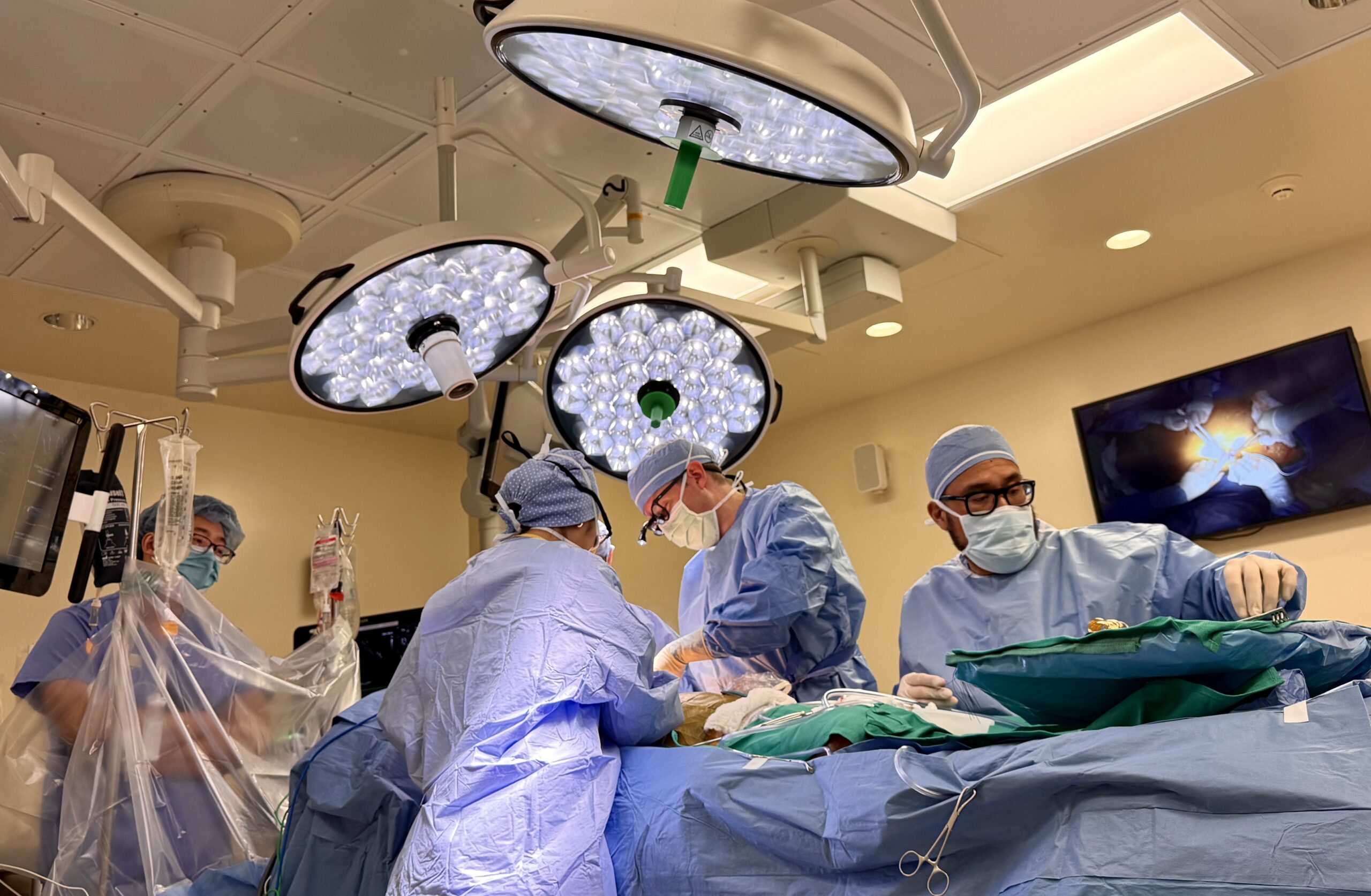
Advancements in Surgical Robots and Real-World Warehouse Automation Explored
The September 2026 digital issue of The Robot Report highlights significant advancements in surgical robotics and warehouse automation. It features case studies from El Camino Health, where the da Vinci system from Intuitive Surgical is utilized for coronary artery bypass grafting, emphasizing the need for precise motion control to enhance patient outcomes and reduce complications. This report is crucial for commercial robotics developers and end users as it illustrates the successful integration of robotic systems in healthcare and logistics. El Camino Health's implementation of robotic surgery not only alleviates cognitive burdens on staff but also improves care consistency and accessibility, showcasing the potential of surgical robots in modern medicine. Additionally, the report discusses the integration of autonomous mobile robots (AMRs) in warehouse operations, highlighting their independent capabilities compared to traditional automated guided vehicles. As AMRs become more prevalent in third-party logistics, retailers, and manufacturing, best practices for their deployment and maintenance will be essential for maximizing efficiency and investment returns. No further timeline was disclosed at the time of publication.
Autonomous Mobile Robots (AMRs) Case Study Controllers Digital Issues Healthcare Robotics Logistics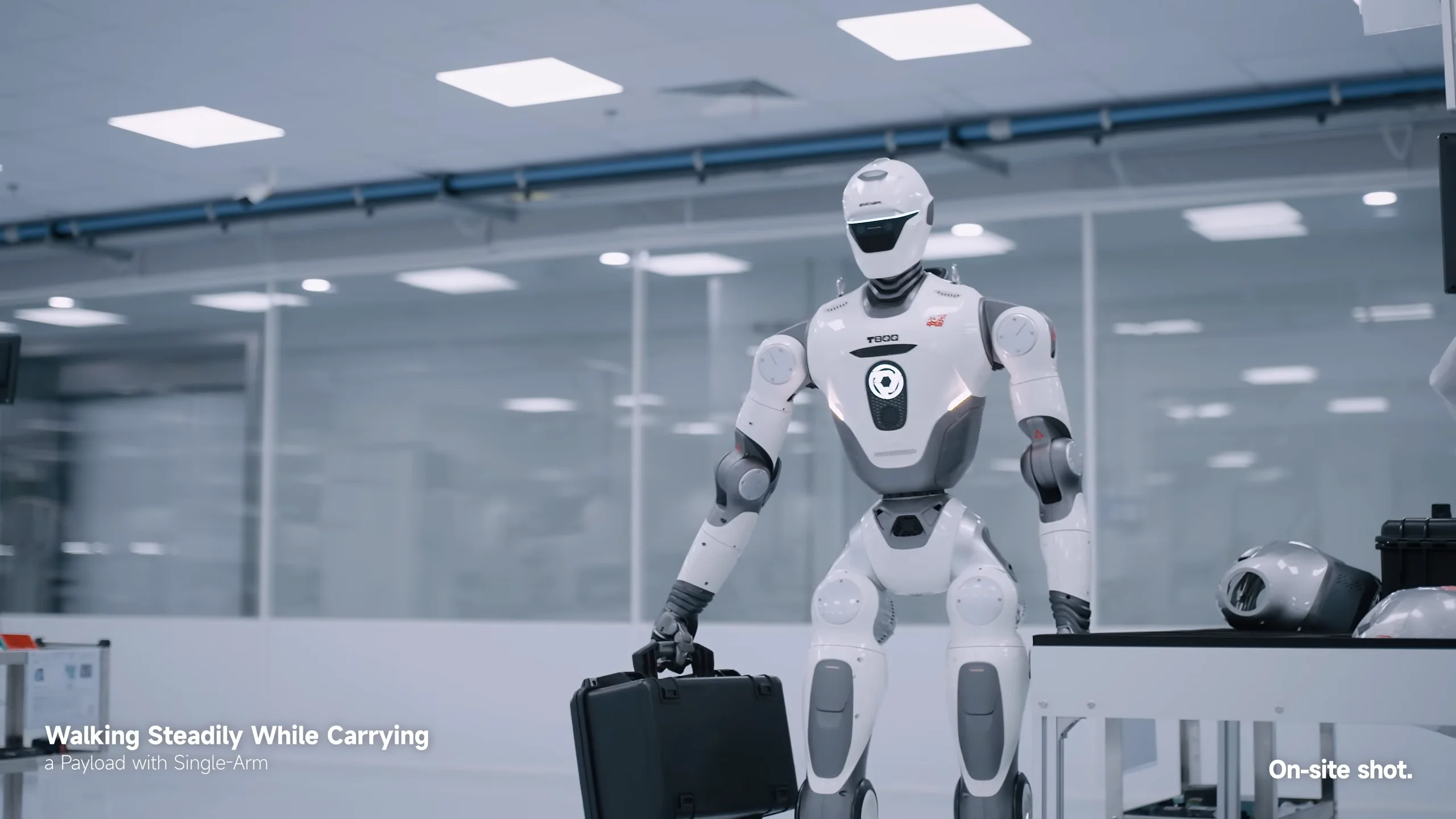
EngineAI's T800: Bridging Factory Automation and Combat Sports
EngineAI, a Shenzhen-based startup, is showcasing its T800 robot in two contrasting roles: as a factory worker and a combat participant. Recently, the company released a promotional video featuring the T800 performing industrial tasks at Luxshare-ICT, an Apple supplier, highlighting its capabilities in automated workflows and material handling. This dual presentation is significant as it reflects EngineAI's strategy to appeal to both industrial and entertainment sectors. The T800's participation in a combat event in San Francisco illustrates the company's commitment to pushing the limits of humanoid robotics, while also serving as a marketing tool to attract attention and investment. Looking ahead, EngineAI aims to scale its production capacity significantly, targeting a delivery capacity of ten thousand units. The company is leveraging its unique positioning in both factory automation and combat sports to generate interest and assure investors of the T800's versatility and potential in various applications. No further timeline was disclosed at the time of publication.
EngineAI REK T800 China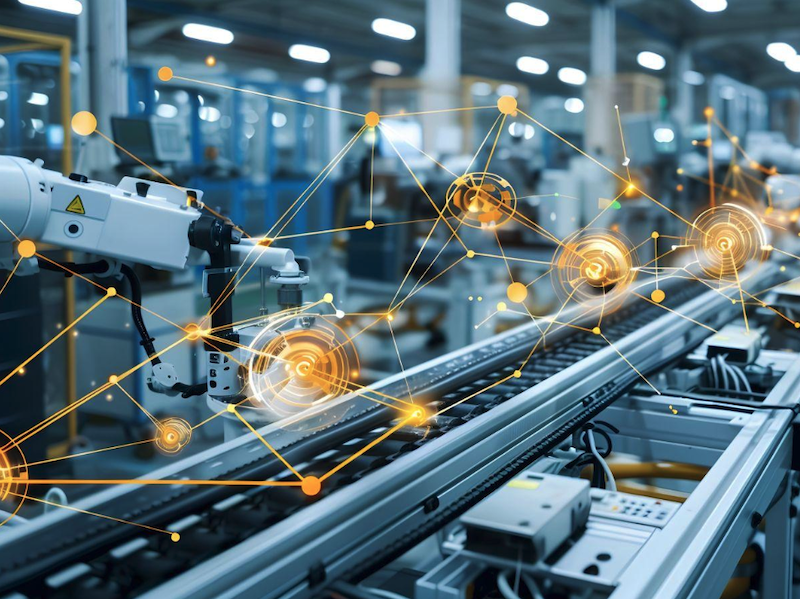
Evolving Industrial Networks to Support Modern Automation Demands
Industrial networks are undergoing significant changes as production floors integrate various technologies such as collaborative robots, machine-vision cameras, and automated guided vehicles. This shift transforms network planning into a critical operational task, as interruptions can disrupt production and hinder decision-making for robotics and automation teams. The importance of this evolution lies in the need for networks that can adapt to increasing data volumes and changing production requirements. It is essential to understand the distinct demands of different devices, such as machine-vision cameras versus temperature sensors, to ensure that latency-sensitive applications are prioritized and that the network can accommodate future growth without frequent redesigns. Looking ahead, organizations must focus on the access layer of their networks, ensuring adequate port density, fiber capacity, and redundancy. By planning with technologies like Juniper EX4400 access switching, companies can create robust networks that align with their evolving production systems and avoid bottlenecks as they expand their operations.
Automation Computing Internet access switching automation ethernet
Motion Controls Robotics, Inc. Expands Automation Portfolio with New Technologies and Expertise
Motion Controls Robotics, Inc. (MCRI) has announced an expansion of its automation portfolio by integrating new specialized automation technologies and intellectual property. This enhancement includes capabilities in tire manufacturing automation, robotic painting, precision fluid application, surface treatment, and other specialized manufacturing processes. This development is significant as it broadens MCRI's ability to support a wider range of operations within manufacturing plants. By adding experienced personnel with industry expertise, MCRI aims to improve efficiency and effectiveness in various manufacturing applications, thereby strengthening its market position. Looking ahead, MCRI's focus on enhancing its automation capabilities may lead to further innovations and partnerships in the automation sector. No further timeline was disclosed at the time of publication.

Emerson Unveils DeltaV Automation Platform for AI-Scale Data Center Management
Emerson has introduced its DeltaV Automation Platform for Data Centers, which features an automation portfolio tailored for AI-scale data centers. This platform integrates thermal, mechanical, and electrical subsystems within a scalable architecture, enhancing the monitoring and control of data center infrastructure. The significance of this development lies in its ability to reduce engineering efforts, simplify integration, and improve consistency across commissioning, operations, and maintenance. Nathan Pettus, president of Emerson’s process systems and solutions business, emphasized that data center performance is increasingly reliant on the collaboration of critical systems rather than individual components. Looking ahead, the DeltaV Automation Platform aims to provide operators with unified visibility and coordinated control, enabling predictable project commissioning and reliable large-scale operations. Emerson's platform includes the DeltaV distributed control system and DeltaV programmable logic controllers, both of which leverage AI technologies for enhanced integration of optimization models.
Factory / Analytics
The Importance of Companion Mobile Apps in Robotics and Automation Systems
Companion mobile apps are becoming essential in robotics and automation, allowing operators to manage machines remotely. As the International Federation of Robotics reported 542,000 industrial robot installations in 2024, the need for efficient monitoring and maintenance alerts has surged, making these apps integral to operations. The rapid growth of robot fleets, now exceeding 4.6 million units globally, necessitates real-time telemetry and role-based access in companion apps. These applications must provide offline functionality and timely alerts to prevent operational delays, as a five-minute lag in communication can lead to significant production losses. Looking ahead, the evolution of robotics-as-a-service is transforming companion apps to support features like usage-based billing and in-app payments. This shift indicates that the role of these apps will expand beyond monitoring to include handling regulated financial data, reflecting the changing landscape of industrial automation.
Automation Robotics Software automation companion apps cybersecurity
Barclays Report Predicts $200 Billion Market for Humanoid Robots by 2036
Barclays has released an in-depth report forecasting that the humanoid robot market could reach $200 billion by 2036. This projection highlights the optimistic expectations for future human-robot collaboration and underscores the significant potential of humanoid robots as the next generation of intelligent terminals. The report emphasizes that the core feature of Automation 3.0 is the transition from 'programmatic automation' to 'cognitive automation,' with humanoid robots being key enablers of this shift. Unlike previous automation generations that focused on repetitive tasks, the third phase addresses complex tasks in unstructured environments, where humanoid robots excel due to their human-like form and advanced perception capabilities. Key factors driving market growth include declining costs and enhanced perception abilities. The localization and mass production of core components like motors and sensors are rapidly reducing overall costs, making humanoid robots transition from 'high-end toys' to 'practical tools.' The report also notes a gradual market penetration path, starting with large-scale deployment in manufacturing and logistics before moving into retail and consumer applications. No further timeline was disclosed at the time of publication.
Humanoid Robots Automation 3.0 AI Market Trends Robotics Technology
The Importance of Nearshore Call Centers in Supporting Robotics and Automation
Robotics and automation are transforming various sectors, including manufacturing, healthcare, and logistics. While these technologies enhance efficiency and reduce costs, they still require human intervention for troubleshooting. Nearshore call centers have emerged as essential support systems, providing real-time assistance for complex technical issues that automated systems cannot resolve. As businesses increasingly adopt automation, the need for effective customer support becomes critical. Nearshore call centers offer a cost-effective solution, delivering high-quality support that enhances customer experience. These centers facilitate smoother communication and faster response times due to their proximity and cultural familiarity, ensuring that customers receive the personalized assistance they need when unexpected issues arise. Looking ahead, companies must balance operational efficiency with customer satisfaction. The role of nearshore call centers will continue to be vital in maintaining service standards, offering multilingual support, and ensuring that customers can easily access help. No further timeline was disclosed at the time of publication.
Business Communications artificial intelligence automation business automation contact centers
Nipper Enhances Driverless Pallet Transport Vehicles with B&R Automation Technology
Nipper has equipped its driverless pallet transport vehicles with automation technology from B&R to optimize space in modern production and warehouse environments. These vehicles are designed to operate in tight spaces where every square meter counts, sharing work areas with employees and pallets. The integration of B&R's technology enables safe, predictable, and efficient movements within centimeter precision. This development is significant as it addresses the challenges of maximizing space utilization in contemporary manufacturing and logistics settings. With limited room for error, the collaboration between Nipper and B&R aims to enhance operational efficiency and safety in environments where autonomous transport systems are increasingly common. The focus on centimeter-level movement precision is crucial for maintaining workflow in congested areas. Looking ahead, the industry will likely see more innovations in automation technology that cater to the needs of compact workspaces. As companies strive for greater efficiency and safety in their operations, the advancements made by Nipper and B&R could set a benchmark for future developments in driverless transport solutions. No further timeline was disclosed at the time of publication.
Allgemein Anwendungen & Lösungen Automation Fördertechnik & Handling Lagerlogistik & Materialfluss Mobile Robotik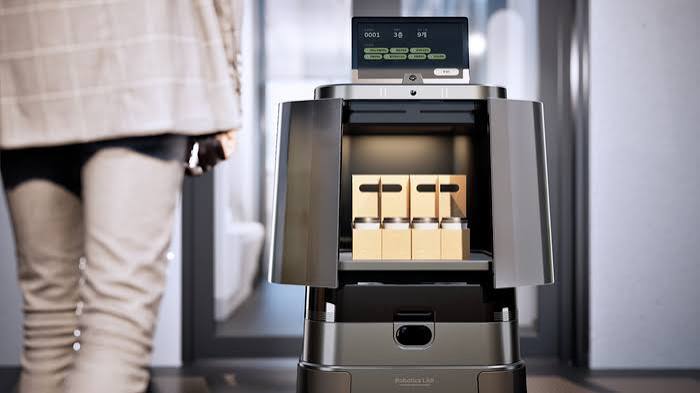
A Woman Assists a Serve Robotics Delivery Robot Stuck in Los Angeles
Recently in Los Angeles, a woman working at the city hall helped a Serve Robotics delivery robot that was stuck in a bush. She adjusted its wheels and pushed it back onto the sidewalk, allowing it to continue its journey. This incident sparked discussions about the moral implications of assisting robots that may replace human jobs. The situation highlights a critical issue: despite being marketed as autonomous, these delivery robots often require human intervention. Serve Robotics claims a 99.8% delivery success rate, but this translates to dozens of robots encountering issues daily across Los Angeles. When problems arise, pedestrians frequently step in before the company's support team can respond. This scenario reveals the uncomfortable truth about autonomous delivery: while robots can navigate most of their routes, they struggle with unexpected challenges. As seen in other cities, such as Chicago and Miami, the burden of resolving these issues often falls on the public, raising questions about the true nature of automation and its reliance on human support.
Delivery Robots Autonomous Technology Urban Infrastructure Human-Robot Interaction
Daniel Gaddy Joins Automation World as Lead Reporter with Industrial Expertise
Daniel Gaddy has recently been appointed as the lead reporter at Automation World, bringing extensive experience from Processing magazine, where he focused on the process industries. His background includes roles as managing editor and assistant editor, emphasizing multimedia content and industry insights. Gaddy's transition to Automation World is significant as he aims to cover critical issues in industrial automation, a field he is already familiar with from his previous work. His experience in the industrial sector positions him well to engage with thought leaders and explore innovative solutions relevant to automation. Looking ahead, Gaddy is eager to connect with industry professionals and welcomes story ideas and news items. No further timeline was disclosed at the time of publication.
Process
The Kitchen Robot Market: A Billion-Dollar Opportunity for Automation
The robotics industry is witnessing a significant shift as kitchen robots, particularly cooking robots, emerge as a key area for commercialization. Recent developments include Zhigu Tianchu securing nearly 100 million yuan in strategic funding, and partnerships between Haier Robotics and Xianglu Robotics to create the first fully autonomous AI cooking robot, CR3. Additionally, SoftBank Robotics has formed a strategic alliance with Bujing Technology to enhance their food AI platform. This trend is driven by the restaurant industry's urgent need for efficiency amid a growing shortage of chefs, with the Ministry of Human Resources and Social Security reporting that chefs have topped the list of most in-demand jobs for three consecutive years. A cooking robot capable of working 24/7 and ensuring standardized output aligns perfectly with the industry's challenges, making it a compelling investment once the payback period is reduced to under 12 months. Moreover, advancements in AI and sensor technologies are enabling robots to adapt to the complex kitchen environment, overcoming previous limitations. As consumer acceptance of smart cooking devices increases, particularly following the pre-prepared meal trend, cooking robots are positioned to become a significant breakthrough in the service robotics sector. The Chinese cooking robot market is projected to reach 3.81 billion yuan by 2025 and exceed 12.5 billion yuan by 2030, indicating substantial growth potential.
Cooking Robots AI Technology Restaurant Automation Smart Kitchen Service Robots
The Identity Challenge: Ensuring Robot Verification in Multi-Vendor Automation
The article discusses the critical issue of identity verification in multi-vendor automation environments. A single misconfigured agent can disrupt production lines without any alarms or warnings, leading to significant operational damage. This highlights the importance of establishing a robust identity layer to prevent such incidents. The significance of this issue lies in the potential for production delays and financial losses caused by unverified agents operating beyond their designated scope. As automation becomes increasingly complex, ensuring that each robot can prove its identity is essential for maintaining efficient and safe operations on the production floor. Looking ahead, companies must prioritize the development of solutions that address the identity verification gap in automation systems. No further timeline was disclosed at the time of publication.
Emerson Introduces New Ovation AI Agents to Enhance Automation in Power and Water Industries
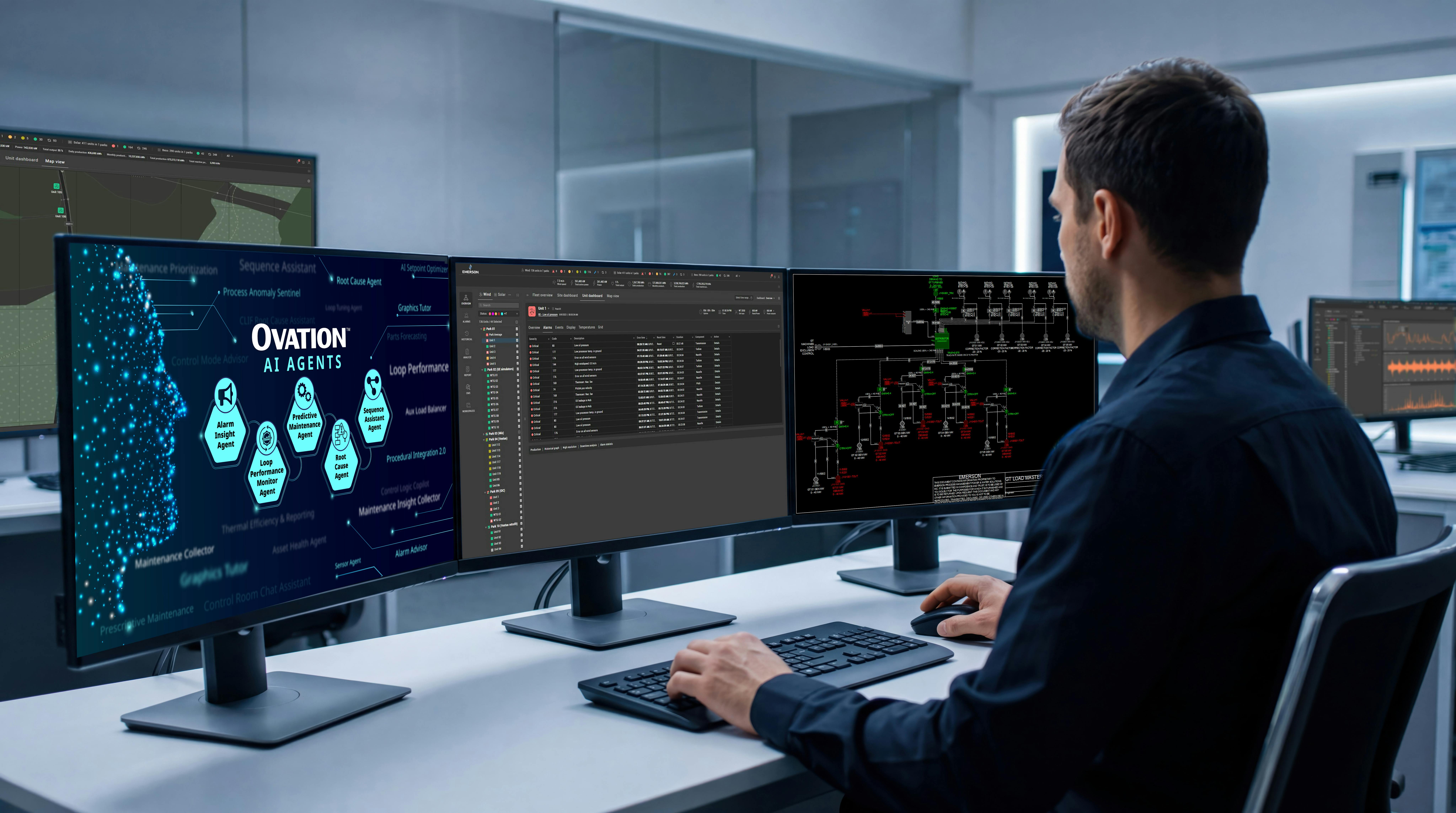
Emerson has launched five new Ovation AI Agents aimed at enhancing the capabilities of its Ovation Automation Platform 4.0 for the power and water sectors. These agents include the Sequence Assistant Agent, Alarm Insight Agent, Predictive Maintenance Agent, Root Cause Agent, and Loop Performance Monitor Agent, designed to provide critical insights by continuously monitoring and analyzing plant operations. This expansion is significant as it builds on the success of the Ovation Virtual Advisor, which offers real-time insights through natural language interaction. The new AI Agents operate autonomously, synchronizing with the Ovation 4.0 system to monitor equipment conditions and recommend optimizations, thereby empowering plant personnel to enhance operational efficiency and resilience. Looking ahead, the Ovation AI Agents will be deployed in phases, with the initial launch set for this fall. Customers will have the opportunity to implement these agents based on their specific operational needs, allowing for a tailored approach to automation and optimization as their requirements evolve.
Factory / Analytics
Harnessing Nonconformance Reporting for Continuous Improvement in Automation Projects
An organization's capacity to learn from mistakes is vital for long-term success. Nonconformance Reporting (NCRs) can reveal opportunities for learning and embed those lessons into processes, fostering a culture of continuous improvement. In the increasingly complex landscape of industrial automation, human error is inevitable, and organizations that thrive are those that effectively learn from their challenges. The significance of NCRs lies in their potential to transform from mere administrative tasks into powerful tools for capturing lessons learned and identifying systemic weaknesses. By focusing on organizational learning rather than individual blame, companies can cultivate an environment where employees feel encouraged to report issues early. This proactive approach leads to lasting improvements and a stronger organizational culture. Looking ahead, organizations should prioritize the implementation of effective NCR processes that drive investigation and root cause analysis. Techniques like the 'Five Whys' can help uncover underlying contributors to problems, enabling companies to enhance their processes rather than simply addressing surface-level symptoms. No further timeline was disclosed at the time of publication.
Factory / Digital Transformation
Honeywell International Inc. (HON): One of The Best Robotics Stocks to Buy Poised for Manufacturing Automation Opportunities
Honeywell International Inc. has emerged as a leading contender in the robotics sector, particularly in the realm of manufacturing automation. On June 9, 2026, the company introduced Experion Cognition, an AI-enabled control system aimed at enhancing autonomous operations. This innovative platform leverages Honeywell's extensive experience in process automation and incorporates advanced AI models to address anomalies in control room settings, thereby optimizing production efficiency. Experion Cognition is designed to seamlessly integrate into existing control room environments, enabling operators—regardless of their experience level—to manage plant operations effectively. By automating situation management, the platform addresses the ongoing industrial workforce shortage, allowing less experienced personnel to operate complex systems with greater ease. The system's AI features, including an Operations Assistant, can generate predictions within a span of 5 to 10 minutes. Dr. Hasan Karam, Chief Operating Officer of Borouge International, highlighted that this new solution establishes a benchmark for efficiency and innovation, paving the way for the first AI-autonomous operations within the petrochemical industry. As a global technology and manufacturing conglomerate, Honeywell specializes in automation, aerospace systems, and energy transition, providing essential hardware, software, and services that enhance the safety and sustainability of various industries. While investment in Honeywell carries inherent risks, analysts believe that its advancements in AI technology position it favorably for future growth.

Mouser Expands Industrial Automation Portfolio with New Manufacturer Additions to Support Next-Gen Systems
A recent expansion initiative aims to enhance access to essential technologies in artificial intelligence, connectivity, power, control, and sensing. This development is crucial for fostering the integration of industrial environments, which are becoming increasingly interconnected. By broadening the availability of these key technological components, the initiative seeks to support industries in adapting to modern demands and improving operational efficiency. The move is expected to facilitate innovation and growth across various sectors, positioning them to better meet the challenges of a rapidly evolving technological landscape.

Plus Automation achieves unmanned transport between floors in multi-story warehouses by automating AMR and elevators.
Plus Automation Co., Ltd. has implemented a new automated system at ASKUL's East Japan Distribution Center, known as ASKUL Kanto DC. The company introduced a pallet transport autonomous mobile robot (AMR) equipped with advanced 3D sensing technology, designated as the LUC-L1500V, along with an on-load detection camera. This initiative aims to enhance operational efficiency and streamline logistics processes within the distribution center. The deployment of this technology marks a significant step towards modernizing warehouse operations, reflecting the growing trend of automation in the logistics sector.

Industrial Robotics Market Report: Why Intelligent Automation Is Redefining Global Manufacturing
A significant transformation is occurring within global manufacturing ecosystems, driven by various factors impacting the industry. Manufacturers are grappling with rising labor shortages, which have intensified the need for innovative operational strategies. Concurrently, supply chain volatility and increasing wage pressures are compelling companies to reassess their production processes. Stricter quality requirements and a heightened demand for faster production cycles further contribute to this shift. As a result, manufacturers are exploring new approaches to enhance efficiency and adaptability in their operations. This evolution is not only a response to immediate challenges but also a proactive measure to remain competitive in an increasingly complex market. The ongoing changes reflect a broader trend towards modernization and resilience within the manufacturing sector, highlighting the necessity for businesses to evolve in response to external pressures and consumer expectations.

Import AI 452: Scaling laws for cyberwar; rising tides of AI automation; and a puzzle over gDP forecasting
A recent analysis highlights the potential of artificial intelligence (AI) to significantly transform the global economy. Experts predict that by 2030, AI could contribute an additional $15.7 trillion to the world’s GDP, driven by advancements in productivity and innovation across various sectors. This economic shift is expected to occur as businesses increasingly adopt AI technologies to streamline operations and enhance decision-making processes. The report, released in October 2023, emphasizes that industries such as healthcare, finance, and manufacturing stand to benefit the most from AI integration. In healthcare, for instance, AI can improve diagnostics and patient care, while in finance, it can optimize trading strategies and risk management. The manufacturing sector may see increased efficiency through automation and predictive maintenance. The motivation behind this economic revolution stems from the need for companies to remain competitive in an evolving market. As organizations face rising operational costs and the demand for faster service, AI offers solutions that can lead to substantial cost savings and improved customer experiences. To capitalize on these opportunities, businesses are encouraged to invest in AI research and development, as well as workforce training to ensure employees are equipped to work alongside advanced technologies. The transition to an AI-driven economy is expected to require collaboration between governments, private sectors, and educational institutions to create a supportive environment for innovation and growth. As the world approaches this pivotal shift, the implications of AI on job markets, economic inequality, and ethical considerations will also need to be addressed to ensure a balanced and inclusive economic future.
ROKAE Supports SERES with Flexible Automation Solutions
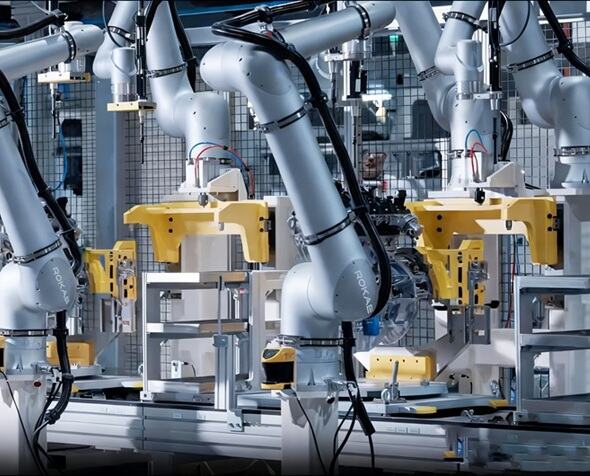
ROKAE Robotics has successfully implemented over 40 CR-series collaborative robots at SERES Power’s Changshou plant, marking a significant advancement in the intelligent manufacturing sector of the new energy vehicle industry. This deployment, which occurred recently, aims to enhance the plant's intelligent final assembly line, achieving full automation in critical production processes. The initiative reflects the growing trend towards automation in manufacturing, driven by the need for increased efficiency and productivity in the rapidly evolving automotive market.
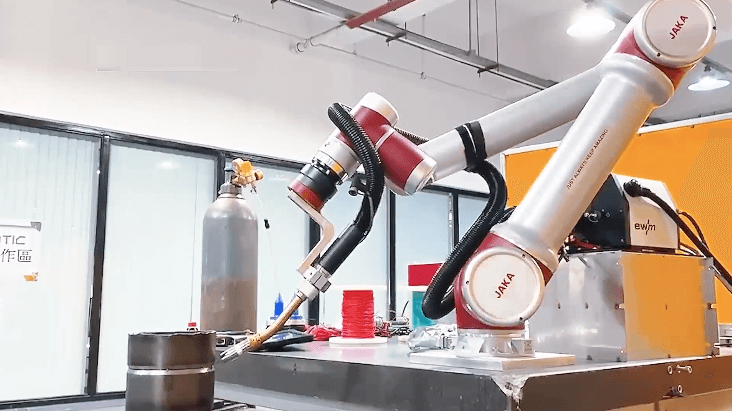
Why Are 6-Axis Robot Arms Important for Precision Automation Users?
JAKA, a specialist in collaborative robotics, has emphasized the critical role of six-axis robot arms in precision automation. These advanced robotic arms, designed to mimic the full range of motion of a human arm, offer unparalleled dexterity and flexibility necessary for complex tasks such as assembly and machine tending. By utilizing six points of rotation, these robots can position tools at precise angles, ensuring accuracy in operations like component insertion and sealant application. The company highlights that the efficiency of six-axis robots significantly enhances processes in machine tending and logistics. For instance, these robots can seamlessly handle tasks such as retrieving raw parts from conveyors, operating machinery, and managing finished components, thereby maximizing equipment uptime. Their compact design and user-friendly programming capabilities allow for quick deployment across multiple production lines, effectively addressing manual labor challenges. Moreover, JAKA prioritizes accessibility in automation, offering intuitive programming tools that enable users to leverage the full capabilities of the six-axis design without requiring extensive coding knowledge. This approach not only facilitates the replacement of manual labor but also allows teams to focus on higher-value tasks, making advanced precision automation more attainable. In summary, JAKA's six-axis robot arms are essential for precision users seeking to enhance production efficiency and product quality, providing the necessary dexterity to transform intricate operations into reliable automated processes.

Import AI 442: Winners and losers in the AI economy; math proof automation; and industrialization of cyber espionage
A recent debate among AI researchers has emerged regarding the nature of superintelligence, with experts divided on whether it represents a sudden phase change or a gradual evolution in artificial intelligence capabilities. This discussion gained momentum during a conference held in San Francisco in early October 2023, where leading figures in the field gathered to share insights and predictions about the future of AI. Proponents of the phase change theory argue that superintelligence will manifest abruptly, resulting from a breakthrough in AI development that could dramatically surpass human cognitive abilities. They warn that such a sudden leap could pose significant risks if not properly managed. Conversely, those advocating for the gradual shift perspective believe that advancements in AI will unfold incrementally, allowing society to adapt and implement necessary safeguards over time. The motivation behind this debate stems from the increasing integration of AI technologies into various sectors, raising concerns about ethical implications, safety, and the potential for unintended consequences. As AI systems become more sophisticated, understanding the trajectory of their development is crucial for policymakers, researchers, and the public. This ongoing discourse highlights the need for comprehensive strategies to address the challenges posed by advanced AI, regardless of whether its evolution is abrupt or gradual. As the conversation continues, experts emphasize the importance of collaboration across disciplines to ensure that the benefits of superintelligence can be harnessed while minimizing risks.

Import AI 440: Red queen AI; AI regulating AI; o-ring automation
A recent survey conducted among users of language models reveals a growing interest in the capabilities of large language models (LLMs). The survey, which took place in October 2023, sought to understand user engagement and perceptions regarding LLMs. Participants expressed curiosity about the extent of the models' training and their applications across various fields. The survey highlighted that many users are eager to explore the potential of LLMs in enhancing productivity, creativity, and problem-solving. As organizations increasingly integrate these technologies into their operations, understanding user experiences and expectations becomes crucial. The findings indicate that while many users are aware of the models' capabilities, there remains a significant gap in knowledge regarding their limitations and ethical considerations. This underscores the importance of ongoing education and transparency in the development and deployment of LLMs. As the technology continues to evolve, stakeholders are encouraged to engage in discussions about responsible usage and the future of artificial intelligence in society.
Robotics needs a service framework.
RSF defines a common language for robot service capability, lifecycle operations, certification pathways, and service-provider networks.
Join the RobotToday community on LinkedIn
Daily robotics news, in-depth analysis, conference highlights, and discussions with professionals worldwide.







