


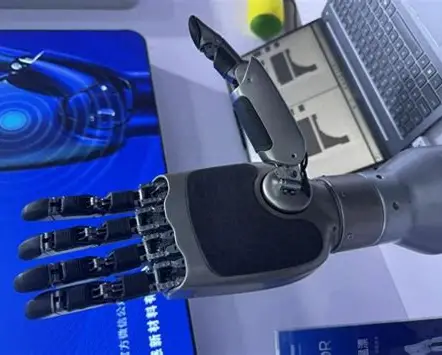
Barclays has released an in-depth report forecasting that the humanoid robot market could reach $200 billion by 2036. This projection highlights the optimistic expectations for future human-robot collaboration and underscores the significant potential of humanoid robots as the next generation of intelligent terminals.
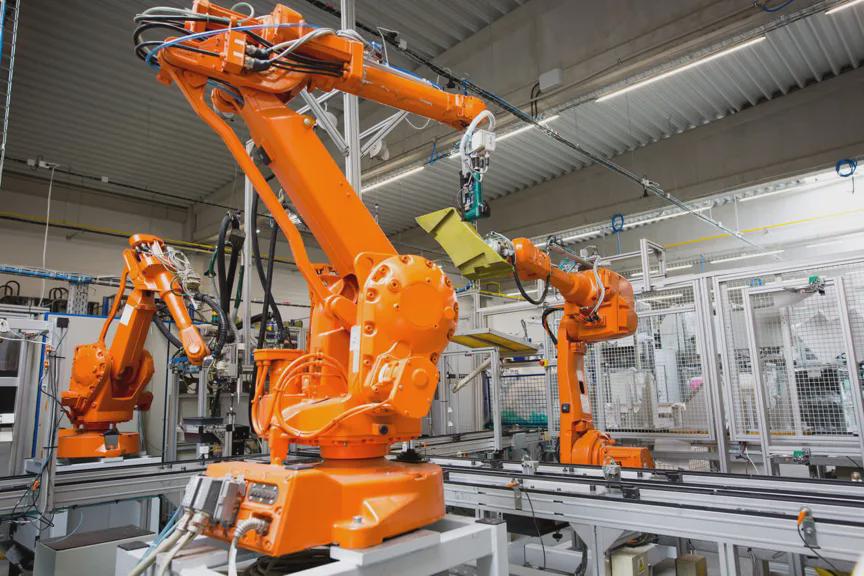
The report emphasizes that the core feature of Automation 3.0 is the transition from 'programmatic automation' to 'cognitive automation,' with humanoid robots being key enablers of this shift. Unlike previous automation generations that focused on repetitive tasks, the third phase addresses complex tasks in unstructured environments, where humanoid robots excel due to their human-like form and advanced perception capabilities.
Key factors driving market growth include declining costs and enhanced perception abilities. The localization and mass production of core components like motors and sensors are rapidly reducing overall costs, making humanoid robots transition from 'high-end toys' to 'practical tools.' The report also notes a gradual market penetration path, starting with large-scale deployment in manufacturing and logistics before moving into retail and consumer applications. No further timeline was disclosed at the time of publication.
Editor's Note
The humanoid robot market is poised for significant growth as technological advancements lower costs and improve capabilities. This evolution aligns with broader trends in automation, where cognitive functions become increasingly important. Stakeholders should monitor developments closely to capitalize on emerging opportunities in various sectors.

































Leave a comment