

Industry Briefing
A single destination for timely, editor-curated robotics news from around the world.

China Dominates Humanoid Robot Patents with 60.8% Share, Impacting Global Competition
China has significantly increased its share of humanoid robot patents, reaching 60.8% as of the first half of 2026, according to data from the Intellectual Property Office. This rise marks an increase from 51.8% in 2024, while the US and South Korea saw declines in their shares, holding 21.8% and 4.6%, respectively. The implications of China's patent dominance are profound for South Korea, which is striving to compete in the rapidly evolving robotics sector. The decline in South Korea's patent share from 6.3% in 2024 highlights the challenges it faces. Additionally, China leads in robot foundation models, holding 66.3% of IP5 patents in this area, further emphasizing its technological advancements. Looking ahead, the Korea Institute of S&T Evaluation and Planning indicates that South Korea is lagging in core robotics capabilities, with concerns that a delay in innovation could result in a significant technological gap. No further timeline was disclosed at the time of publication.
All News
XTEND AI Robotics, Inc. Receives U.S. Patent for NEST Autonomous Base Station Supporting Robotic Operations
XTEND AI Robotics, Inc. has been granted U.S. Design Patent No. D1,147,179 for its NEST autonomous base station. This patent, issued on September 8, 2026, recognizes the innovative design that allows robotic systems to autonomously deploy, recover, and recharge, thereby enhancing operational efficiency. The significance of this patent lies in its potential to support persistent robotic operations with minimal human intervention. By automating the deployment and recharging processes, XTEND's NEST aims to improve the reliability and effectiveness of robotic systems across various applications, reducing the need for constant human oversight. Looking ahead, industry stakeholders should monitor how XTEND leverages this patent to advance its technology and expand its market presence. The successful implementation of the NEST system could set new standards for autonomous operations in robotics, influencing future developments in the field. No further timeline was disclosed at the time of publication.
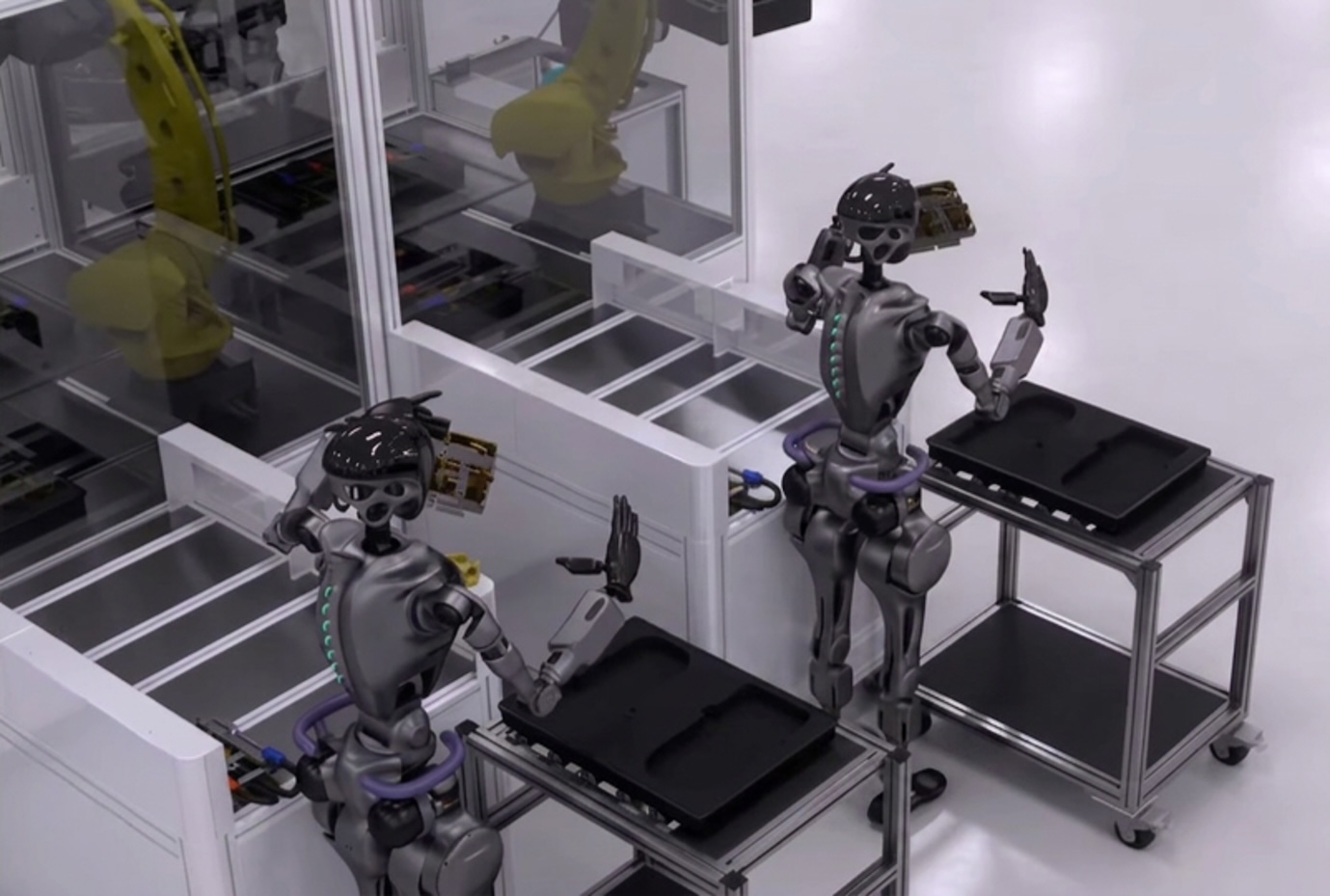
IBM Develops Patent for Autonomous Wireless Charging via Humanoid Robots' Feet
IBM has filed a patent application for a system that allows humanoid robots to autonomously recharge by standing on specially designed floor tiles. This innovative approach combines wireless power transmission, RFID positioning, and electromagnets in the robot's boots and the floor, enabling robots to recharge without manual intervention or docking stations. The significance of this technology lies in its potential to enhance the operational efficiency of humanoid robots in industrial settings. As companies increasingly deploy these robots in factories and warehouses, the ability to autonomously recharge addresses the critical issue of battery capacity, allowing robots to transition seamlessly between work and charging. Looking ahead, the implementation of this technology could revolutionize how humanoid robots are utilized in various sectors. The patent highlights the importance of precise alignment for effective wireless power transfer, suggesting that future developments will focus on refining this system to ensure reliability and efficiency in autonomous charging operations. No further timeline was disclosed at the time of publication.

Teradyne Robotics Initiates Patent Infringement Case Against JAKA Robotics Over Universal Robots Patents
Teradyne Robotics A/S has filed a patent infringement lawsuit against JAKA Robotics GmbH, alleging violations of three Universal Robots patents. The case, filed on August 24, 2026, in the Unified Patent Court's Copenhagen Local Division, involves both hardware and software related to JAKA's collaborative robots sold in Europe. This lawsuit is significant as it highlights the ongoing competition in the collaborative robotics market, where Teradyne Robotics is a leading developer with over 100,000 robots sold since its inception in 2005. The patents in question cover essential aspects of robotic technology, including programmable systems and joint safety mechanisms, which are critical for the functionality of collaborative robots. Moving forward, it will be important to monitor how JAKA Robotics responds to the allegations, as they have stated they have not received official notification of the lawsuit. The outcome of this case could impact the competitive landscape in the collaborative robotics sector, particularly in Europe, where both companies operate extensively. No further timeline was disclosed at the time of publication.
China Collaborative Robots News JAKA Robotics Teradyne Robotics Universal Robots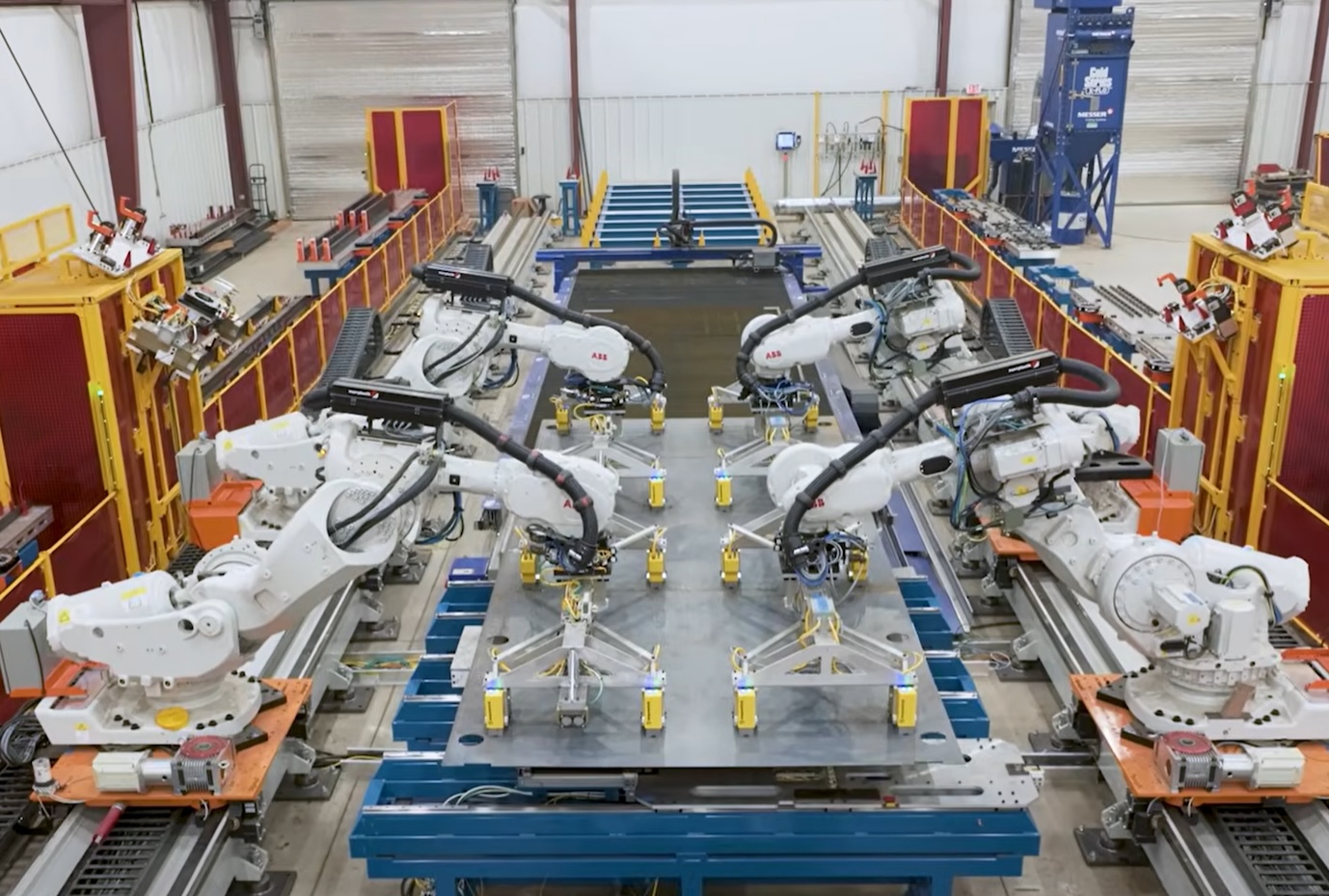
JAKA Initiates Legal Proceedings After Teradyne Robotics Patent Infringement Claims
JAKA has announced its decision to pursue legal action in response to allegations of patent infringement made by Teradyne Robotics. The announcement follows Teradyne's public statement regarding the alleged infringement, which JAKA claims was made without prior communication to them. JAKA emphasizes that it had not received any direct or indirect notification from Teradyne or its legal representatives regarding these claims. This legal action is significant as it highlights the ongoing tensions in the robotics industry concerning intellectual property rights. JAKA's response indicates a firm stance against what it perceives as unfounded allegations, which could have implications for both companies involved. The outcome of this legal battle may influence future patent-related disputes within the sector. As the situation develops, stakeholders in the robotics industry should monitor the proceedings closely. The legal ramifications could set precedents for how patent infringement cases are handled in the future. No further timeline was disclosed at the time of publication.
Law and Regulation News Robotics cobots collaborative robots intellectual property
JAKA Robotics Responds to Teradyne's Patent Infringement Lawsuit with Legal Action
JAKA Robotics has publicly countered a lawsuit filed by Teradyne Robotics, alleging patent infringement related to collaborative robot arms. The dispute escalated as JAKA sought injunctive relief against what it describes as Teradyne's misleading public statements regarding the lawsuit. JAKA claims it was unaware of any legal proceedings until informed by Teradyne's social media announcement. The significance of this legal battle lies in the implications for both companies in the collaborative robotics market. JAKA asserts that it has developed its technology independently, holding over 300 patents globally, and that it has conducted thorough analyses to ensure compliance with patent laws. The company argues that Teradyne's claims are unfounded and potentially damaging to its reputation. Looking ahead, the outcome of this dispute could influence market dynamics and perceptions of product quality in the robotics sector. JAKA's response highlights concerns over anti-competitive practices, while Teradyne maintains that the legal process is underway. No further timeline was disclosed at the time of publication.
China Collaborative Robots News Robots / Platforms Compliance JAKA Robotics
Teradyne Robotics Initiates Patent Infringement Case Against JAKA in Europe
Teradyne Robotics A/S has launched a patent infringement lawsuit at the European patent court against JAKA, a Chinese competitor. The case involves allegations of infringement on both software and hardware patents held by Teradyne Robotics, specifically related to its subsidiary, Universal Robots A/S, which is recognized as the leading manufacturer of collaborative industrial robots. This legal action underscores the competitive landscape in the collaborative robot market, where Teradyne Robotics aims to protect its intellectual property rights against what it claims are infringements by JAKA. The outcome of this case could have significant implications for both companies, particularly in the European market where collaborative robots are increasingly in demand. Industry observers should monitor the developments of this case closely, as it may set precedents for future patent disputes in the robotics sector. No further timeline was disclosed at the time of publication.
Teradyne Robotics Files Patent Infringement Case Against JAKA in Copenhagen
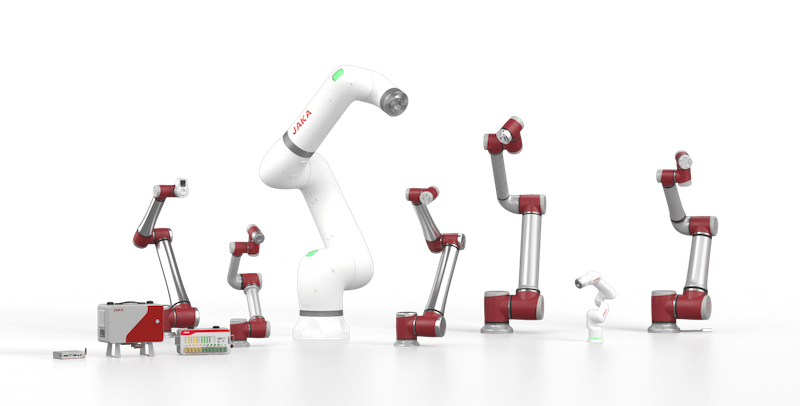
Teradyne Robotics A/S has filed a patent infringement lawsuit at the Unified Patent Court in Copenhagen against a German subsidiary of Chinese company JAKA. The case involves allegations of infringement concerning both software and hardware patents related to Teradyne's Universal Robots A/S, a leader in collaborative industrial robots. This legal action is significant as it underscores Teradyne Robotics' commitment to protecting its intellectual property rights against what it deems illegal copying and infringement. Jean-Pierre Hathout, president of the Teradyne Robotics Group, emphasized the importance of safeguarding their technologies to ensure customers receive innovative automation solutions that comply with safety standards. Looking ahead, the outcome of this case could have implications across Europe, affecting 17 of the 18 EU Member States involved in the Unified Patent Court. Additionally, the case may extend its reach to countries outside the UPC Agreement, such as the United Kingdom and Spain. No further timeline was disclosed at the time of publication.
Business Law and Regulation News cobots collaborative robots industrial robotics
Huawei and HP Ink Multi-Year Global Patent Cross-Licensing Agreement for Wi-Fi Technology
Huawei and HP Inc. have entered into a multi-year global patent cross-licensing agreement that encompasses Huawei's extensive Wi-Fi portfolio. This agreement includes provisions for the latest Wi-Fi 7 standard, reflecting both companies' commitment to advancing wireless technology. This partnership is significant as it allows both Huawei and HP to leverage each other's innovations in Wi-Fi technology, potentially enhancing their product offerings and competitive positioning in the market. The inclusion of the Wi-Fi 7 standard indicates a forward-looking approach to meet the growing demand for high-speed wireless connectivity. Looking ahead, industry stakeholders will be keen to observe how this agreement influences product development and market strategies for both companies. No further timeline was disclosed at the time of publication.

Huawei and HP Ink Multiyear Global Patent Cross-Licensing Agreement for Wi-Fi Technologies
Huawei and HP Inc. have entered into a multiyear global patent cross-licensing agreement, announced on August 26. This agreement specifically covers certain Huawei Wi-Fi patents, allowing HP access to designated Huawei Wi-Fi technologies while granting Huawei reciprocal patent rights from HP. The significance of this agreement lies in its focus on intellectual property licensing, which is crucial for both companies as they navigate the competitive landscape of technology. The deal does not entail any new hardware products or joint commercial projects, emphasizing the importance of patent rights in the tech industry. Looking ahead, it will be important to monitor how this agreement influences the development of Wi-Fi technologies and the competitive dynamics between Huawei and HP. No further timeline was disclosed at the time of publication.
News Feed
Kawasaki Reveals Patented Designs for Corleo, Its Innovative Robotic Horse
Kawasaki Heavy Industries has unveiled a set of patented designs for its robotic horse, Corleo, which integrates hydrogen energy, AI, and biomimetic technology. This project aims to create an unprecedented all-terrain personal mobility tool, replacing traditional wheels with four biomimetic mechanical legs that can independently move and absorb shocks. The core design features a 150cc hydrogen fuel engine that acts as a generator, powering independent motors at each leg joint, ensuring long-range and eco-friendliness with emissions of only pure water. The AI system enhances the riding experience by scanning terrain in real-time, assessing foot placements, and maintaining balance based on the rider's weight shifts, offering a unique 'walking-style electrification' experience. Looking ahead, Kawasaki plans to launch a riding simulator and digital models based on Corleo's movement data by 2027. The company has established the 'SAFE ADVENTURE' project team, led by the president, and is collaborating with Nvidia to accelerate development using physics AI and simulation tools. No further timeline was disclosed at the time of publication.
Robotic Mobility Hydrogen Energy AI Technology Biomimetic Design
Sony Files Patent for Human-Like Robotic Hand Indicating Interest in Humanoid Robotics
Sony has submitted a US patent application for a robotic hand featuring a human-like opposable thumb, signaling ongoing research in humanoid robotics. The patent, published on August 6, outlines a hand mechanism designed to replicate the critical movements of the human thumb, essential for object manipulation. This development is significant as it highlights Sony's historical involvement in robotics, which has often been overlooked. The patent addresses a complex mechanical challenge in robotic manipulation: mimicking the thumb's unique range of motion. The design incorporates three rotation points, allowing for flexing and opposing movements, which could enhance the adaptability of robotic systems. Looking ahead, while there are no current plans for commercialization, the implications of a mechanically adept opposable thumb extend beyond humanoid robots. Potential applications could include service robots and remotely operated machines that require dexterity in handling tools and objects designed for human use. No further timeline was disclosed at the time of publication.
Design Robotics dexterous manipulation embodied ai humanoid robotics humanoid robots
Compact Hexapod 6-DOF Alignment System Offers Patented Overload Protection Features
The Compact Hexapod 6-DOF alignment system has been designed to support any-orientation mounting and six-axis motion. This flexibility allows for seamless integration into various optical and photonics systems, enhancing their operational capabilities. The introduction of patented overload protection is significant as it ensures the system's reliability and longevity, safeguarding against potential damage during operation. This feature is crucial for applications that require precise alignment and positioning in sensitive environments. Looking ahead, industry professionals should monitor advancements in hexapod technology and its applications in optical systems. The integration of such innovative features may lead to broader adoption in sectors that demand high precision and adaptability. No further timeline was disclosed at the time of publication.

Yushu Technology's IPO Advances Despite Patent Litigation from Luweimei Company
On July 30, 2026, the Supreme People's Court of China ruled on a patent infringement and malicious litigation case involving Yushu Technology. Luweimei Company filed two lawsuits against Yushu Technology just five days after acquiring a patent for an electronic dog, during a critical IPO disclosure period. The court found that Yushu Technology's products did not infringe on the patent and deemed Luweimei's actions as malicious litigation, ordering Luweimei to compensate Yushu Technology for legal expenses. This ruling is significant as it establishes clear judicial standards for identifying malicious litigation in patent cases. The court emphasized that patent rights should not be used as tools to disrupt market competition. Luweimei's actions, which included multiple lawsuits and unusual claims for damages, were criticized for lacking integrity and for attempting to exploit the patent system. Looking ahead, the implications of this ruling may influence how patent litigation is approached in the robotics industry and beyond. The court's stance against malicious litigation could deter similar actions in the future. No further timeline was disclosed at the time of publication.
Patent Litigation IPO Legal Precedents Technology Innovation
China's Supreme Court Rules Patent Lawsuits Against Unitree Robotics as Malicious
China's Supreme People’s Court has determined that two patent lawsuits against Unitree Robotics regarding its Go2 and A2 robot dogs were malicious. The lawsuits were based on a patent titled 'An Electronic Dog,' which the court found to be invalid, rejecting the infringement claims made by the plaintiff, Luweimei Company. Notably, Luweimei obtained the patent just five days before initiating the first lawsuit. The significance of this ruling lies in the court's dismissal of the plaintiff's claims, which initially sought RMB500 in compensation but escalated to RMB80 million during the appeal, only to revert back to RMB500. The patent authority in China invalidated the patent on March 12, reinforcing the court's decision. Additionally, Unitree's counterclaim in the A2 case was upheld, resulting in Luweimei being ordered to pay RMB80,000 in legal costs and RMB3,700 in court fees. Looking ahead, this ruling could have implications for future patent litigation in the robotics sector, particularly regarding the validity of patents and the potential for malicious lawsuits. No further timeline was disclosed at the time of publication.
News Feed
Tesla Revives UK Lawsuit Against InterDigital for 5G Patent License Terms
On July 27, 2024, Tesla successfully revived its lawsuit in London against InterDigital and Avanci, seeking a patent license for its upcoming 5G vehicles in the UK. The automaker aims for the court to establish fair, reasonable, and non-discriminatory (FRAND) terms for using patents owned by InterDigital and licensed by Avanci. This legal battle is significant as it addresses the obligations of patent holders to license their patents under FRAND terms, especially when part of a patent pool. The Supreme Court's ruling in favor of Tesla emphasizes the importance of equitable licensing practices in the automotive sector, particularly as manufacturers transition to advanced technologies like 5G. Looking ahead, the case is set to return to the High Court for further proceedings. Stakeholders will be closely monitoring how the court will define FRAND terms and the implications for patent licensing in the automotive industry, especially with the increasing integration of 5G technology in vehicles.
XTEND Receives U.S. Patent for Drone Autonomy Technology Enhancing Mission Efficiency
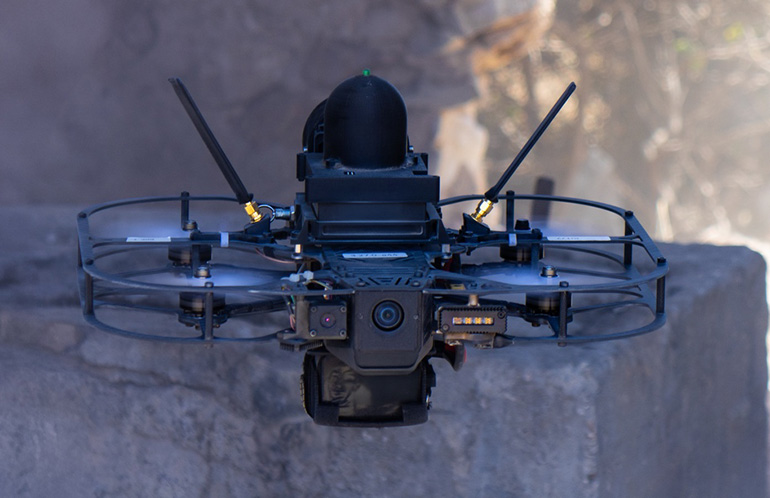
XTEND Reality Inc. has secured a U.S. patent for its autonomous navigation technology, specifically U.S. Patent No. 12,222,735, which allows drones to navigate toward operator-designated destinations without reliance on the surrounding environment. This patent, also granted in Israel, supports the company's mission to enhance drone autonomy in complex operational settings, reducing operator workload and improving mission execution reliability. The significance of this patent lies in its ability to enable drones to adapt their navigation in real-time while maintaining focus on mission objectives. As autonomous operations grow in defense, security, and public safety sectors, this technology positions XTEND favorably in a competitive landscape, reinforcing its software foundation, XOS, for next-generation autonomous systems. Looking ahead, XTEND is set to participate in the Gauntlet II phase of the U.S. Department of War's Drone Dominance Program, which will test autonomous systems in August at Fort Carson, Colorado. No further timeline was disclosed at the time of publication regarding additional developments related to this patent or upcoming projects.
Controllers Defense / Security Investments Mergers & Acquisitions News Unmanned Aerial Systems / Drones
JAKA Robotics Addresses Patent Claims, Highlights Self-Development in Robotics Technology
On September 2, JAKA Robotics issued an official statement regarding overseas patent litigation, asserting that it does not infringe on the opposing party's patents based on comprehensive technical tracing and patent comparison analysis. This confidence stems from over a decade of the company's full-stack self-developed technology system. The performance of a robot is rooted in hundreds of precision components, including reducers, servo systems, and controllers, which directly influence the machine's accuracy, load capacity, and reliability. As Chinese robotics companies accelerate their entry into the global market, the originality of technology and intellectual property rights are becoming critical competitive factors, making JAKA's self-development path significant in this context. Looking ahead, JAKA Robotics aims to enhance its general intelligent robot capabilities, evolving from collaborative robots to embodied intelligent robots. The company has successfully integrated core components and developed over 60 self-developed collaborative robots in its production base, achieving a closed-loop verification of its technological strength. No further timeline was disclosed at the time of publication.
Collaborative Robots Humanoid Robots AI Robotics Technology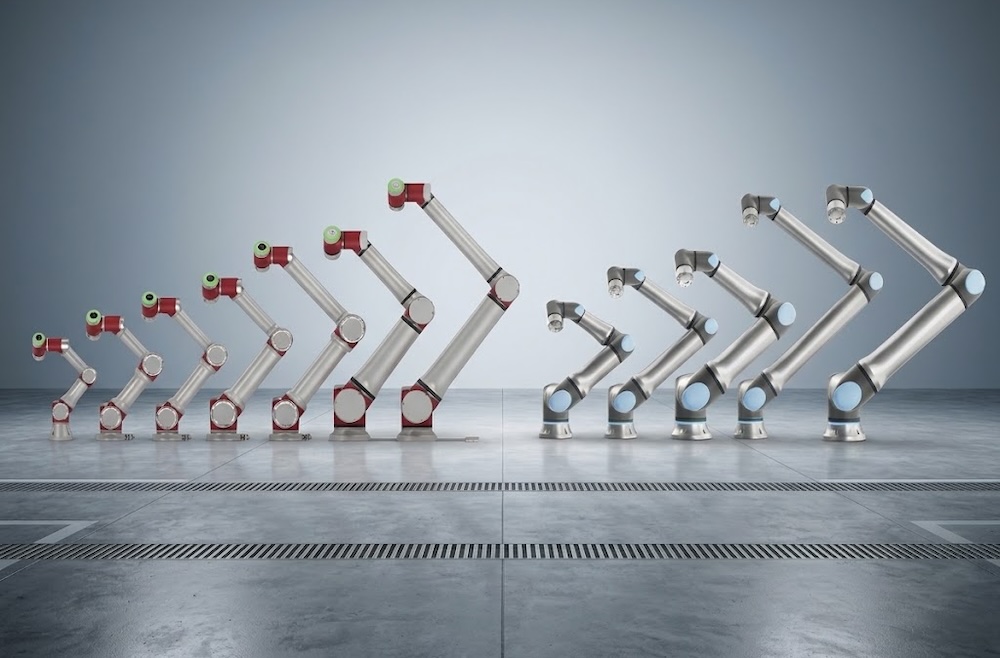
Teradyne Robotics Files Patent Infringement Lawsuit Against JAKA in Europe
Teradyne Robotics has initiated a patent infringement lawsuit against JAKA, a German subsidiary of the Chinese robotics company, alleging violations related to Universal Robots' collaborative robots. This marks Teradyne's second significant legal action against a Chinese robotics firm in Europe this year, following a copyright infringement case against Elite Robots. The lawsuit, filed with the Unified Patent Court in Copenhagen, claims that JAKA's products infringe multiple patents covering both hardware and software aspects of Universal Robots' offerings. Teradyne Robotics' interest in JAKA arose after observing similarities between their robot designs, prompting an investigation that suggested potential patent violations. As the case unfolds, a ruling from the Unified Patent Court could have extensive implications across 17 EU member states and potentially affect countries outside the UPC Agreement. Teradyne Robotics emphasizes its commitment to protecting its intellectual property rights against what it views as unfair competition in the robotics sector.
China Cobot Arms Collaborative Robots Investments News JAKA Robotics
Sodyo Introduces RangeMark for Automatic Target Recognition in Drones Without GPS
Sodyo Ltd. has unveiled its RangeMark technology, enabling autonomous drones to identify objects from up to 0.6 miles away using only a standard camera. This innovation eliminates the reliance on GPS and external networks, providing deterministic confirmation of marked objects through machine-readable visual codes. The significance of RangeMark lies in its ability to enhance the accuracy of drone operations across various sectors, including defense, infrastructure inspection, emergency response, and industrial automation. Unlike traditional AI vision systems that infer object identity, RangeMark offers a reliable method for confirming the identity of objects, even in complex environments where GPS signals may be unavailable. Looking ahead, Sodyo plans to license RangeMark to drone manufacturers and system integrators, aiming for integration into existing and future autonomous platforms. The technology will be showcased at the Commercial UAV Expo Americas 2026, marking its commercial debut and the company's pursuit of partnerships in both defense and commercial drone markets. No further timeline was disclosed at the time of publication.
Military
China Dominates Humanoid Robotics Innovation, US Leads in Patent Quality: Report
A recent LexisNexis patent analysis reveals that China is at the forefront of humanoid robotics innovation, occupying six of the top ten spots for innovative startups globally. Chinese companies such as Fourier, AgiBot, LimX Dynamics, and Pudu Robotics lead the rankings, showcasing the country's rapid advancements in this field. The significance of this report lies in its indication of China's growing dominance in humanoid robotics, with projections showing that by the end of 2025, China will hold 73% of the world’s active morphology-related patent portfolio. This rapid innovation is highlighted by a doubling of patent activity in interaction systems and a fivefold increase in control and planning architectures over the past decade. Despite China's lead in quantity, the report notes that the U.S. excels in patent quality, with American inventors contributing significantly to global portfolio strength. As competition intensifies between the two nations, recent U.S. legislative actions reflect concerns over national security and supply chain vulnerabilities in advanced technologies.
AI and Robotics
Intel reveals new XBM memory architecture patent to reduce AI memory costs by bypassing HBM silicon interposer.
On July 8, Intel revealed a recently filed patent application for a new high-bandwidth memory architecture called Cross-Batch Memory (XBM). This innovative design aims to reduce advanced packaging costs and alleviate the "memory wall" bottleneck faced by AI chips. By eliminating the silicon interposer required for High Bandwidth Memory (HBM) and utilizing UCIe interconnect technology along with an integrated redundancy repair mechanism, XBM enhances efficiency. The patent outlines a back-end transistor (BEOL) DRAM stacking design that maintains packaging dimensions similar to HBM4 while improving scalability and supporting defect repair to boost yield.
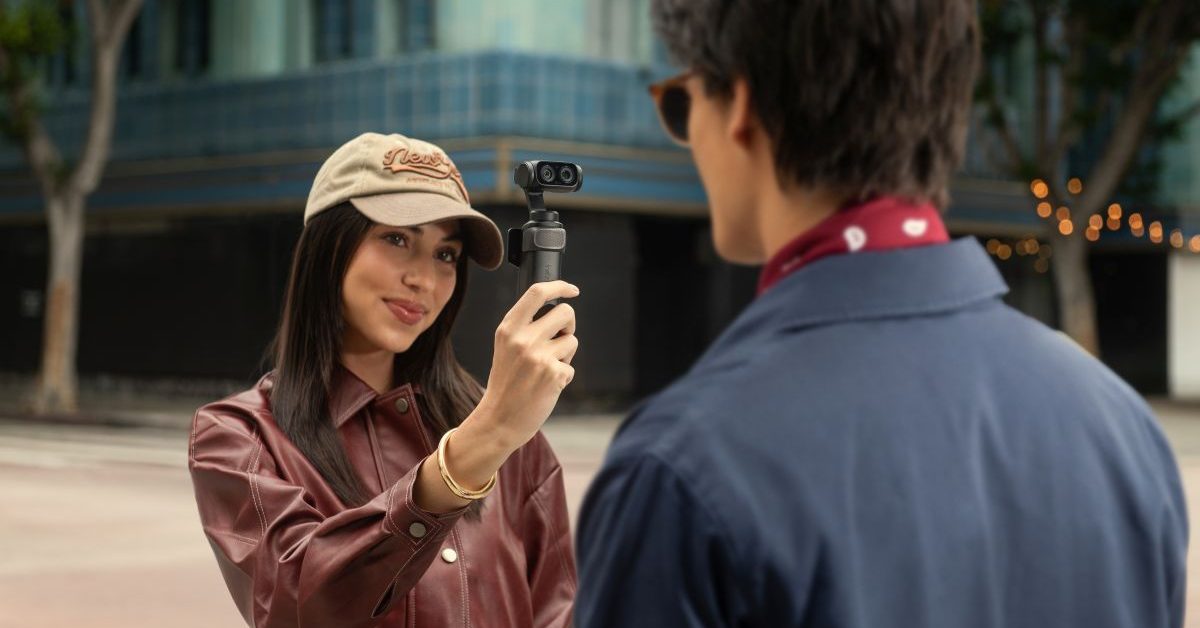
DJI, Insta360 shift patent war from US to China
DJI and Insta360 have decided to discontinue their patent lawsuits in the United States, but the legal conflict has not come to an end. Instead, the two companies have redirected their rivalry to China, where they are now engaged in accusations against one another regarding the infringement of essential camera technologies. This shift marks a significant development in their ongoing competition, as both companies seek to protect their intellectual property and market positions in the rapidly evolving tech landscape.
News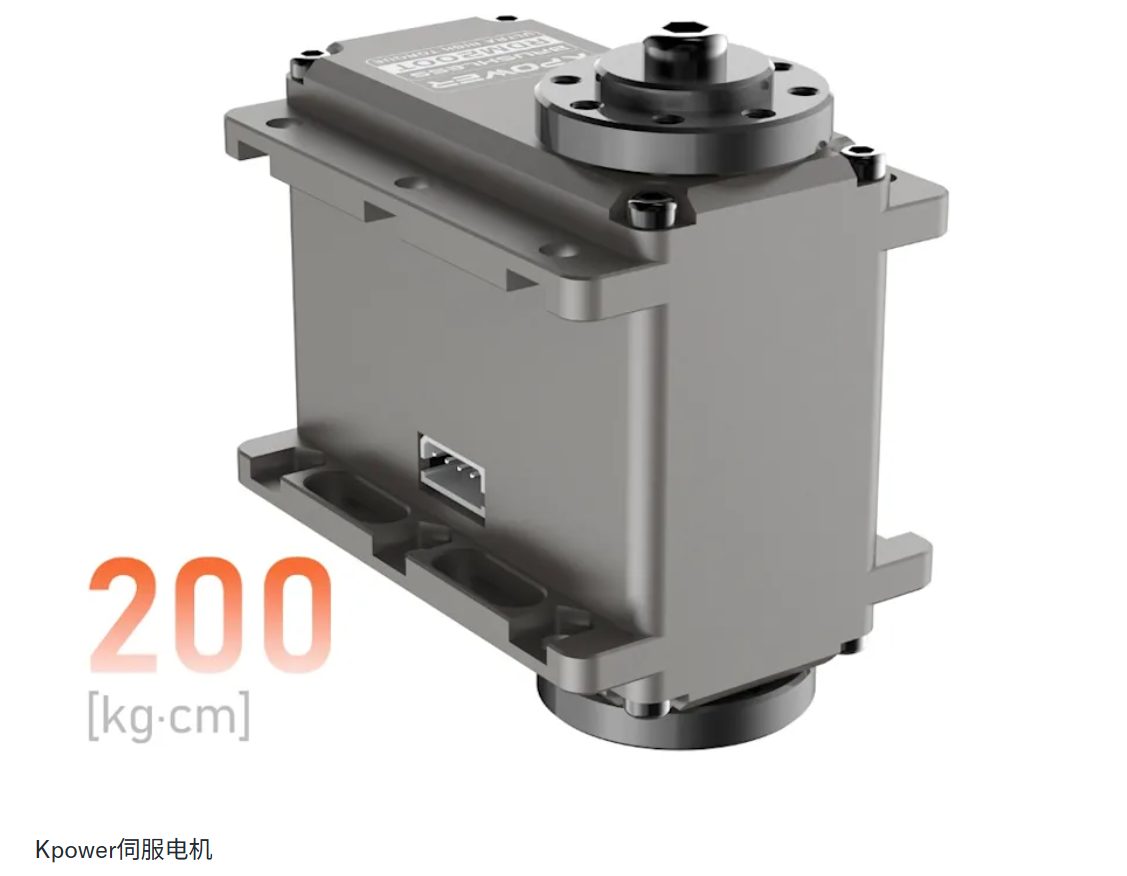
Kpower Secures Patent for Side-Output Robot Servo Motor, Revolutionizing Lightweight Robot Joints
Kpower has secured a patent for its cutting-edge side-output robot servo system, which effectively tackles significant challenges in the robotics industry, including cantilever force defects and intricate assembly processes. This innovative technology not only extends the lifespan of servo motors by more than 60% but also minimizes vertical height, making it particularly suitable for humanoid robot joints. The company aims to offer a reliable and compact solution for the lightweight robotics sector, thereby reinforcing its competitive edge in the precision drive technology market.
Servo Motors Robotics Automation Manufacturing Technology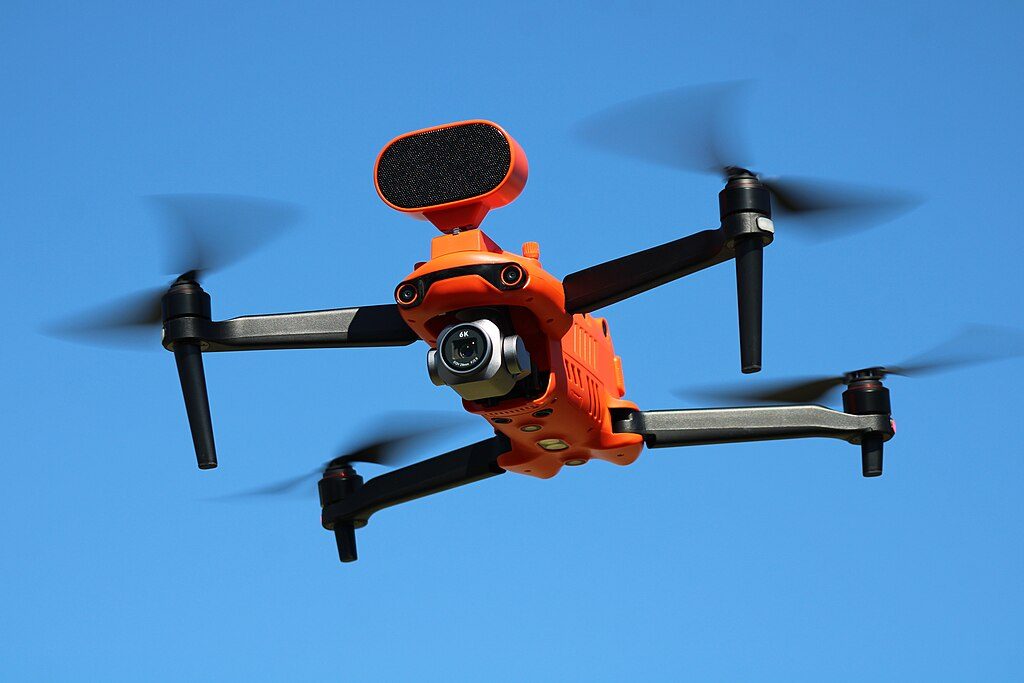
Proposed Patent Bill Could Have Major Implications for Drone Industry Intellectual Property
A newly introduced bill in Congress, the Prohibiting Adversarial Patents Act of 2026 (PAPA), aims to address concerns over certain foreign technology companies by making specific patents unenforceable while retaining ownership rights. Sponsored by Rep. Scott Fitzgerald (R-WI), the legislation seeks to expand U.S. scrutiny into the realm of intellectual property rights, particularly impacting the drone industry. The bill reflects growing apprehension regarding the influence of foreign entities on American innovation and aims to safeguard domestic technological advancements. If passed, PAPA could significantly alter the landscape of patent enforcement, particularly for companies operating within the drone sector.
Drone Manufacturing Drone News Drone News Feeds Drones in the News News US Government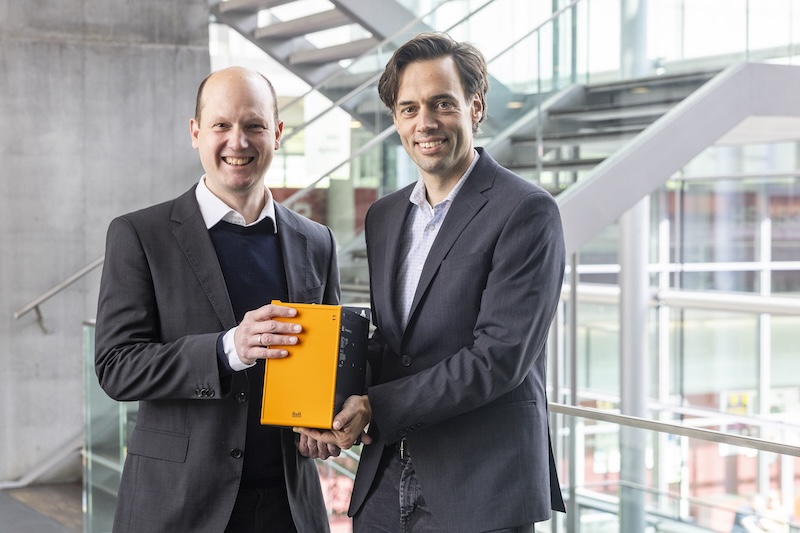
ABB and Salzburg researchers patent AI system to cut energy use in industrial robots
Salzburg University of Applied Sciences has partnered with ABB’s Machine Automation Division, B&R, to enhance energy efficiency in industrial automation through the application of artificial intelligence. This collaboration is centered at the Josef Ressel Center for Intelligent and Secure Industrial Automation (JRZ ISIA), where the two entities aim to translate cutting-edge research into viable solutions for industrial drive systems. By leveraging AI technologies, the initiative seeks to optimize energy consumption and improve operational efficiency in manufacturing processes, addressing the growing demand for sustainable industrial practices.
Industrial robots News abb ai in manufacturing AI optimization automation news
China's Dominance in Embodied Intelligence Patents Surpasses Electric Vehicles
China has emerged as a dominant force in the global patent landscape for embodied intelligence, securing more than 53% of all related patents. This sector, characterized by its complexity and the integration of various engineering disciplines, surpasses even that of electric vehicles. The significant increase in patent filings underscores China's dynamic innovation ecosystem and highlights its potential to reshape industrial standards. As the country continues to invest in advanced technologies, its leadership in embodied intelligence positions it at the forefront of future technological developments.
Embodied Intelligence Robotics Patents Artificial Intelligence Technology Innovation
Locus Robotics Acquires Nexera Robotics, Advancing a Patented Breakthrough in Mobile Manipulation
Locus Robotics has announced its acquisition of Vancouver-based Nexera Robotics, a move aimed at enhancing its capabilities in mobile manipulation. The acquisition, revealed on May 19, 2026, will integrate Nexera's patented NeuraGrasp™ technology into Locus's existing AI platform, significantly expanding the range of SKUs that the Locus Array can autonomously handle. This advancement is expected to open new categories and improve efficiency in warehouse operations, addressing challenges that have historically limited robotic picking capabilities. Rick Faulk, CEO of Locus Robotics, emphasized the importance of AI-driven mobile manipulation for the future of warehouse robotics, stating that the ability to efficiently grasp a wide variety of inventory is crucial for creating value in the coming decade. The NeuraGrasp™ technology combines AI intelligence, sensory inputs, and computer vision, allowing a single gripper to adapt to various item characteristics, thereby enhancing reliability in real-world warehouse conditions. The acquisition follows the successful launch of Locus Array at MODEX 2026, where it garnered significant market interest and recognition as a top innovation. With Nexera now wholly owned by Locus Robotics, the integration of NeuraGrasp™ is expected to accelerate the company's growth and broaden its market reach, positioning it at the forefront of the autonomous fulfillment industry.
Unitree granted two humanoid robot design patents, ships over 5,500 units in 2025
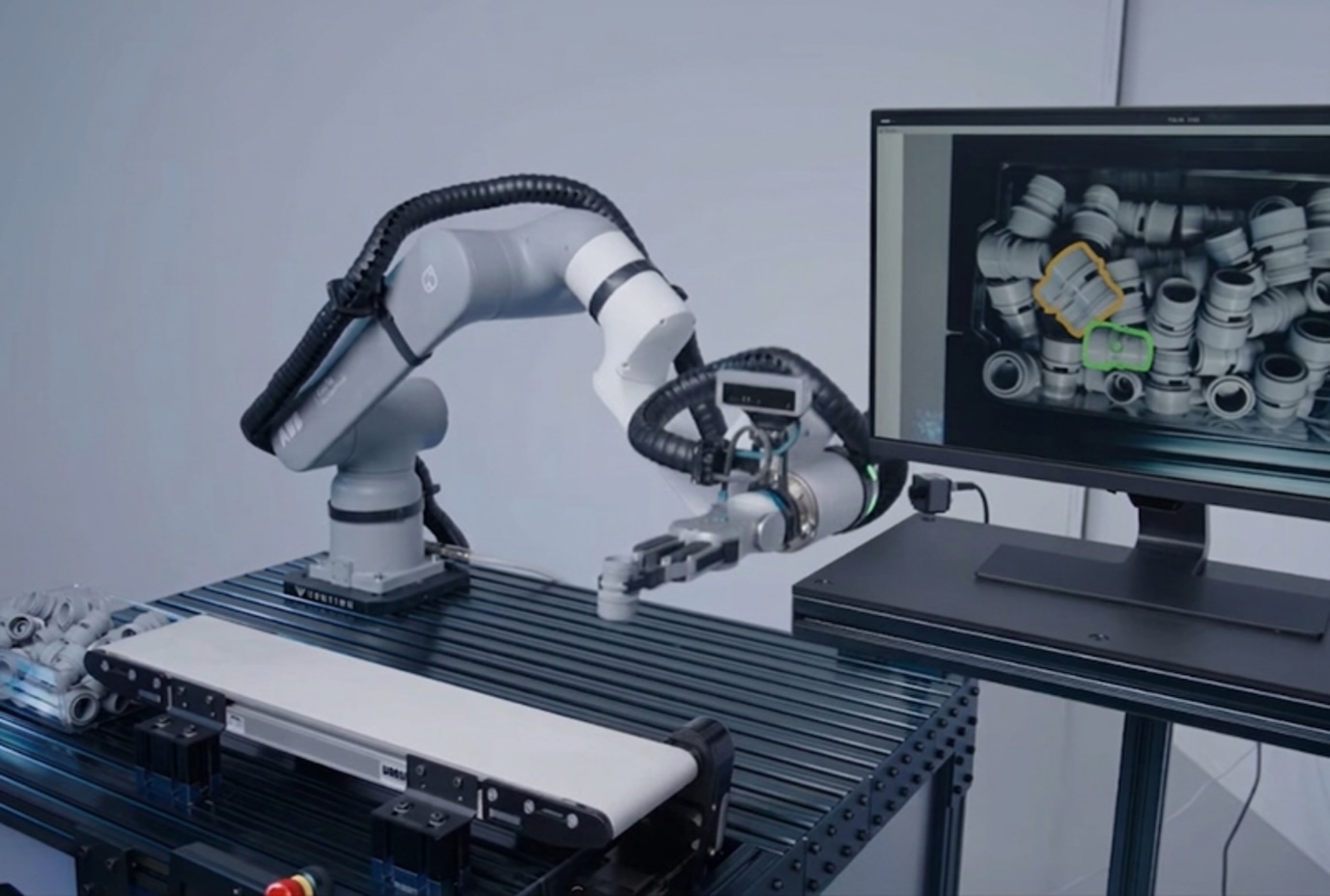
Unitree Robotics, a Chinese robotics company, has recently received two design patents for its humanoid robots, as revealed by the National Intellectual Property Administration of China. The patents, which were approved on January 6 and January 20, focus on innovative designs that prioritize simplified structures and modular architecture. This strategic approach aims to facilitate future functional expansions of the robots, reflecting the company's commitment to advancing humanoid robotics technology.
News FeedRobotics needs a service framework.
RSF defines a common language for robot service capability, lifecycle operations, certification pathways, and service-provider networks.
Join the RobotToday community on LinkedIn
Daily robotics news, in-depth analysis, conference highlights, and discussions with professionals worldwide.







