


Kawasaki Heavy Industries has unveiled a set of patented designs for its robotic horse, Corleo, which integrates hydrogen energy, AI, and biomimetic technology. This project aims to create an unprecedented all-terrain personal mobility tool, replacing traditional wheels with four biomimetic mechanical legs that can independently move and absorb shocks.
The core design features a 150cc hydrogen fuel engine that acts as a generator, powering independent motors at each leg joint, ensuring long-range and eco-friendliness with emissions of only pure water. The AI system enhances the riding experience by scanning terrain in real-time, assessing foot placements, and maintaining balance based on the rider's weight shifts, offering a unique 'walking-style electrification' experience.
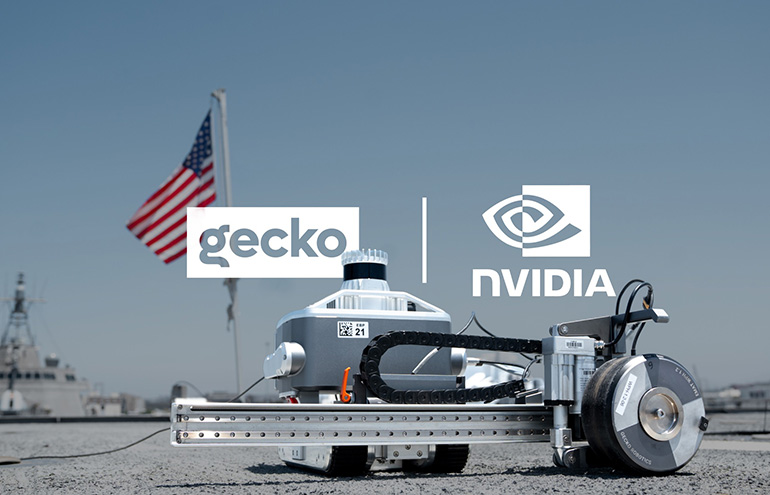
Looking ahead, Kawasaki plans to launch a riding simulator and digital models based on Corleo's movement data by 2027. The company has established the 'SAFE ADVENTURE' project team, led by the president, and is collaborating with Nvidia to accelerate development using physics AI and simulation tools. No further timeline was disclosed at the time of publication.
Editor's Note
Kawasaki's Corleo represents a significant advancement in personal mobility solutions, merging cutting-edge technologies from both the motorcycle and robotics sectors. This innovation could reshape outdoor exploration and transportation, highlighting the growing trend of integrating AI and sustainable energy in mobility products.




























Leave a comment