Industry Briefing
A single destination for timely, editor-curated robotics news from around the world.

Hybrid Operations at Antwerp Terminal
Inform Software and PSA Antwerp have successfully launched the Integrated Terminal Scheduler (ITS) at Europa Terminal, marking a significant milestone in the terminal's modernization efforts. This implementation, which took place in March 2026, aims to enhance operational efficiency by optimizing the management of the entire horizontal transport chain, including Automated Stacking Cranes, Straddle Carriers, and Quay Cranes. The ITS software is designed to support the terminal's full operational capacity, facilitating smoother and more effective logistics operations. This advancement reflects the ongoing commitment to modernizing port operations and improving service delivery in the logistics sector.
Ports & Maritime TMS and Telematics INFORM Software Integrated Terminal Scheduler optimization software PSA Antwerp
Study on Offshore Wind Turbine Blade Repair Using Particle Swarm Optimization and Advanced Control Techniques
A recent study published in the Journal of Field Robotics explores innovative methods for repairing offshore wind turbine blades. The research focuses on utilizing a Particle Swarm Optimization-Backpropagation Neural Network combined with Improved Active Disturbance Rejection Control to enhance repair efficiency. This research is significant as it addresses the growing need for effective maintenance strategies in offshore wind energy, which is crucial for maximizing energy output and minimizing downtime. The integration of advanced algorithms aims to improve the precision and reliability of repair processes, ultimately contributing to the sustainability of wind energy. Looking ahead, the implications of this study could influence future developments in wind turbine maintenance technologies. No further timeline was disclosed at the time of publication.
RESEARCH ARTICLE
Study on Task Sequence Planning and Trajectory Optimization for Rebar Tying Robot End-Effectors
A recent study published in the Journal of Field Robotics focuses on task sequence planning and trajectory optimization specifically for the end-effectors of rebar tying robots. This research addresses the complexities involved in automating the rebar tying process, which is critical in construction and infrastructure projects. The significance of this study lies in its potential to enhance the efficiency and accuracy of rebar tying robots, thereby improving overall productivity in construction. By optimizing task sequences and trajectories, the research aims to reduce operational costs and time, which are essential factors in large-scale construction projects. Looking ahead, the implications of this research could lead to advancements in robotic automation within the construction industry. As the demand for efficient construction methods grows, further developments in trajectory optimization and task planning for rebar tying robots will be crucial. No further timeline was disclosed at the time of publication.
RESEARCH ARTICLE
10 Best Workforce Management Software Platforms in 2026
As businesses navigate the complexities of modern workforce management, the need for effective solutions has become increasingly apparent. Organizations are facing challenges such as dispersed teams, fluctuating workloads, and heightened demands for efficiency. In response to these issues, many companies are turning to workforce management software to streamline operations and enhance oversight. By centralizing workforce planning and performance tracking, these tools aim to provide better visibility and consistency in managing employee productivity. The shift towards digital solutions reflects a broader trend of adapting to the evolving landscape of work, where traditional manual planning methods are proving inadequate. As of October 2023, this transition is seen as essential for businesses seeking to maintain competitive advantages in a rapidly changing environment.
Business Software ADP Workforce Now automation news BambooHR Calabrio
The Escalating AI Arms Race in Software Engineering Technical Interviews
The landscape of software engineering job interviews is rapidly evolving due to the increasing use of AI by both candidates and employers. Applicants are employing AI assistants to enhance their performance during remote technical interviews, while companies are countering with AI tools designed to detect such assistance. This dynamic creates a competitive environment where the human element of hiring remains crucial despite the technological advancements. The rise of AI in hiring processes is largely driven by the current job market, which is characterized by a surplus of applicants and ongoing tech layoffs. Experts like AI hiring strategist Tatiana Teppoeva highlight that candidates often resort to AI tools as a response to automated hiring practices that may not favor them. This situation leads to a cycle where both parties leverage AI, potentially shifting the focus from genuine capability to algorithm optimization. As AI tools become more prevalent, concerns regarding their effectiveness and fairness have emerged. While some companies are embracing AI in interviews, others warn of the risks associated with bias and privacy. The need for human oversight in the hiring process is emphasized, as relying solely on AI could result in the exclusion of qualified candidates. No further timeline was disclosed at the time of publication.
Hiring-trends Interviews Ai-bias Software-engineering
Autonomous Asset Optimization? Honeywell Redesigns Making this a Reality
A company is advancing its efforts to enhance autonomous asset optimization for manufacturers by leveraging data foundations and predictive technologies. This initiative aims to streamline operations and improve efficiency within the manufacturing sector. By integrating advanced data analytics and predictive modeling, the company seeks to empower manufacturers to make informed decisions that can lead to significant cost savings and operational improvements. The focus on these technologies comes at a time when the industry is increasingly looking for innovative solutions to adapt to evolving market demands and challenges. Through this strategic approach, the company is positioning itself as a leader in the drive towards smarter manufacturing practices.
Factory / Plant Maintenance
Inverse Kinematics Solution and Application of a 5‐DoF Robotic Arm Based on an Improved Dung Beetle Optimization Algorithm
In a recent study published in the Journal of Field Robotics, researchers explored advancements in robotic navigation systems, highlighting their potential applications in various industries. The study, conducted by a team of engineers and computer scientists, was released in May 2026 and focuses on improving the efficiency and accuracy of autonomous vehicles in complex environments. The research was motivated by the growing demand for reliable navigation solutions in sectors such as agriculture, logistics, and urban planning. By integrating advanced algorithms and sensor technologies, the team demonstrated how these innovations could enhance the performance of robots in real-world scenarios, addressing challenges such as obstacle detection and path optimization. The findings suggest that implementing these improved navigation systems could lead to significant cost savings and increased productivity across multiple fields. The study emphasizes the importance of continued research and development in robotics to keep pace with the evolving needs of various industries.
RESEARCH ARTICLE
Deep Learning‐Driven Steering Angle Prediction and Scene Understanding via Harmonic Carpet Weaver Optimization
In June 2026, the Journal of Field Robotics published a comprehensive study examining advancements in robotic technologies and their applications in various fields. This research highlights the contributions of leading experts in robotics, who analyzed the latest innovations and their potential to enhance efficiency and safety in sectors such as agriculture, manufacturing, and disaster response. The study emphasizes the growing importance of integrating artificial intelligence and machine learning into robotic systems to improve their adaptability and functionality. Researchers conducted extensive field tests to evaluate the performance of these robots in real-world scenarios, demonstrating their effectiveness in tasks ranging from precision farming to search and rescue operations. The motivation behind this research stems from the increasing demand for automation and the need for more reliable and intelligent robotic solutions to address complex challenges faced by industries today. By providing empirical data and insights, the study aims to inform policymakers, industry leaders, and researchers about the transformative potential of robotics. As the field continues to evolve, the findings presented in this publication are expected to influence future developments and investments in robotic technologies, ultimately shaping the landscape of automation in the coming years.
RESEARCH ARTICLE
REQDGAN‐TUA: A Reflection Equivariant Quantum Graph Attention Framework With Tactical Unit Optimization for Intelligent Fault Diagnosis in Industrial Robotics
A recent study published in the Journal of Field Robotics highlights advancements in robotic technology, focusing on the development of autonomous systems capable of navigating complex environments. Conducted by a team of researchers from various institutions, the study was released in May 2026 and aims to enhance the efficiency and safety of robotic operations in fields such as agriculture, search and rescue, and environmental monitoring. The researchers utilized cutting-edge algorithms and machine learning techniques to enable robots to interpret and respond to dynamic surroundings. This innovation is particularly significant as it addresses the growing demand for automation in sectors where human intervention can be hazardous or inefficient. By testing these autonomous systems in real-world scenarios, the team demonstrated their potential to operate effectively in unpredictable conditions, which could revolutionize how tasks are performed in challenging environments. The findings underscore the importance of continued investment in robotics research to improve safety, productivity, and operational capabilities across various industries. This study not only contributes to the academic field but also has practical implications for industries looking to integrate advanced robotics into their operations, paving the way for a future where robots can work alongside humans more seamlessly.
RESEARCH ARTICLE
KBQ‐RRT*: A Smoothness‐Enhanced Kinematic Bidirectional Quick‐RRT* Via Dual‐Tree Optimization for Autonomous Navigation in Complex Orchards
In May 2026, the Journal of Field Robotics published a significant study highlighting advancements in robotic technology. Researchers from various institutions collaborated to explore innovative applications of robotics in field environments, aiming to enhance efficiency and safety in agricultural practices. The study was conducted over several months, focusing on the integration of autonomous systems in crop management and monitoring. The research team utilized a combination of machine learning algorithms and sensor technologies to develop robots capable of performing tasks such as planting, weeding, and harvesting with minimal human intervention. This initiative was driven by the need to address labor shortages in agriculture and to improve productivity in the face of increasing global food demands. Field tests were conducted in diverse agricultural settings, demonstrating the robots' ability to adapt to varying conditions and perform complex tasks autonomously. The findings suggest that the implementation of these robotic systems could revolutionize farming practices, reduce costs, and promote sustainable agriculture. The study's implications extend beyond agriculture, as the methodologies developed could be applied to other sectors requiring automation and precision in fieldwork. As the demand for innovative solutions grows, this research marks a pivotal step towards the future of robotics in various industries.
RESEARCH ARTICLE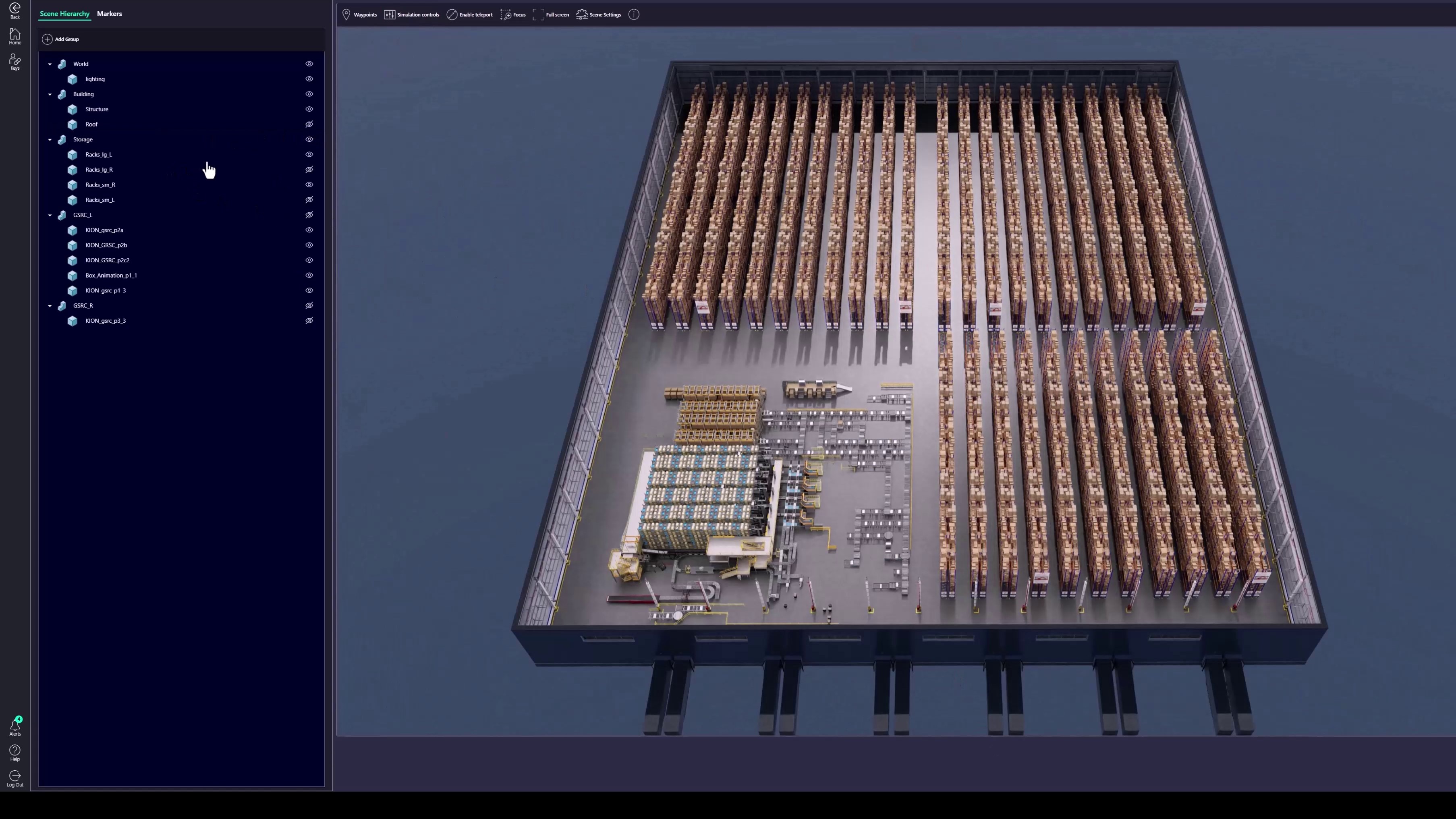
Siemens and KION partner to shape the supply chains of the future
Siemens and KION have announced a strategic partnership aimed at improving supply chain resilience and warehouse efficiency by utilizing advanced artificial intelligence, automation, and simulation technologies. The collaboration will harness Siemens' Digital Twin Composer software to develop digital twins of logistics processes, enabling real-time simulations and optimizations. This initiative is designed to address the growing demand for more efficient and adaptable supply chain solutions in today's dynamic market environment. By integrating these cutting-edge technologies, the partnership seeks to enhance operational performance and responsiveness in logistics operations.
intralogistics supply chain solutions industrial trucks forklift trucks warehouse trucks automation technology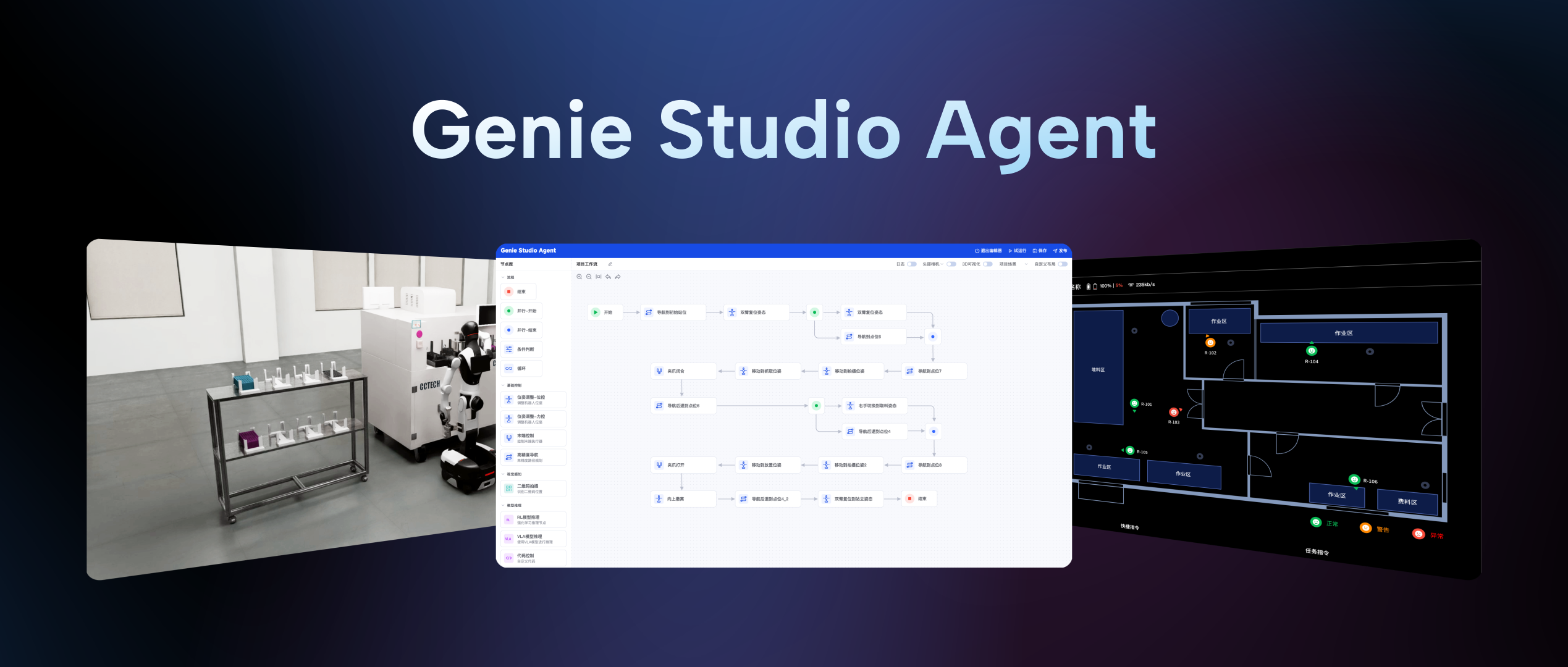
AGIBOT Launches Genie Studio Agent to Enable Scalable Robot Deployment
AGIBOT has introduced Genie Studio Agent, a zero-code platform aimed at simplifying and scaling the deployment of robots. Launched recently, this innovative tool enables users without programming skills to design intricate workflows using a user-friendly visual interface. The platform addresses the complexities associated with deploying robots in real-world scenarios by offering a robust software infrastructure that encompasses simulation features, reinforcement learning for ongoing optimization, and proactive management tools. This initiative is part of AGIBOT's commitment to making robotic technology more accessible and efficient for a broader range of users.
robotics AI automation software development technology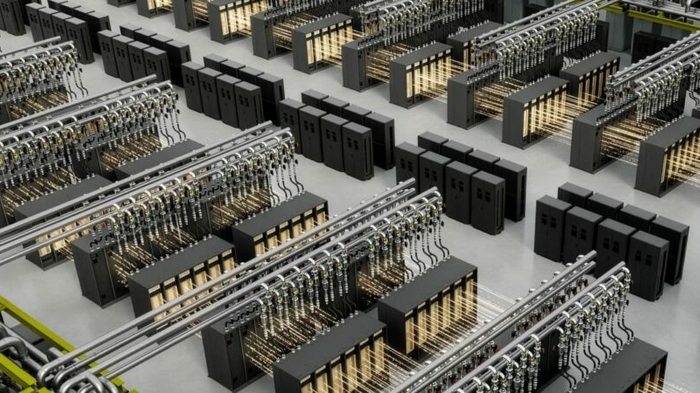
Performance per Watt: Key Metric for AI Infrastructure Efficiency and Profitability
Power constraints are critical for AI infrastructure, influencing revenue and profitability based on token generation within a fixed power budget. Performance per watt emerges as a vital metric, reflecting real-world results and shaping the scalability of AI factories in a power-limited environment. The NVIDIA Blackwell NVL72 platform exemplifies this metric, delivering the highest performance per watt and enabling organizations to maximize revenues while minimizing token costs. As AI models evolve, the need for architectural optimizations becomes essential, with the latest NVIDIA GB300 NVL72 achieving up to 25 times the performance per watt compared to previous generations. Looking ahead, NVIDIA's Vera Rubin platform aims to enhance energy efficiency further, while tools like DynoSim help teams optimize their performance. The ongoing improvements in software and the design of rack-scale systems highlight the importance of engineering rigor in managing the complexities of AI factory operations. No further timeline was disclosed at the time of publication.
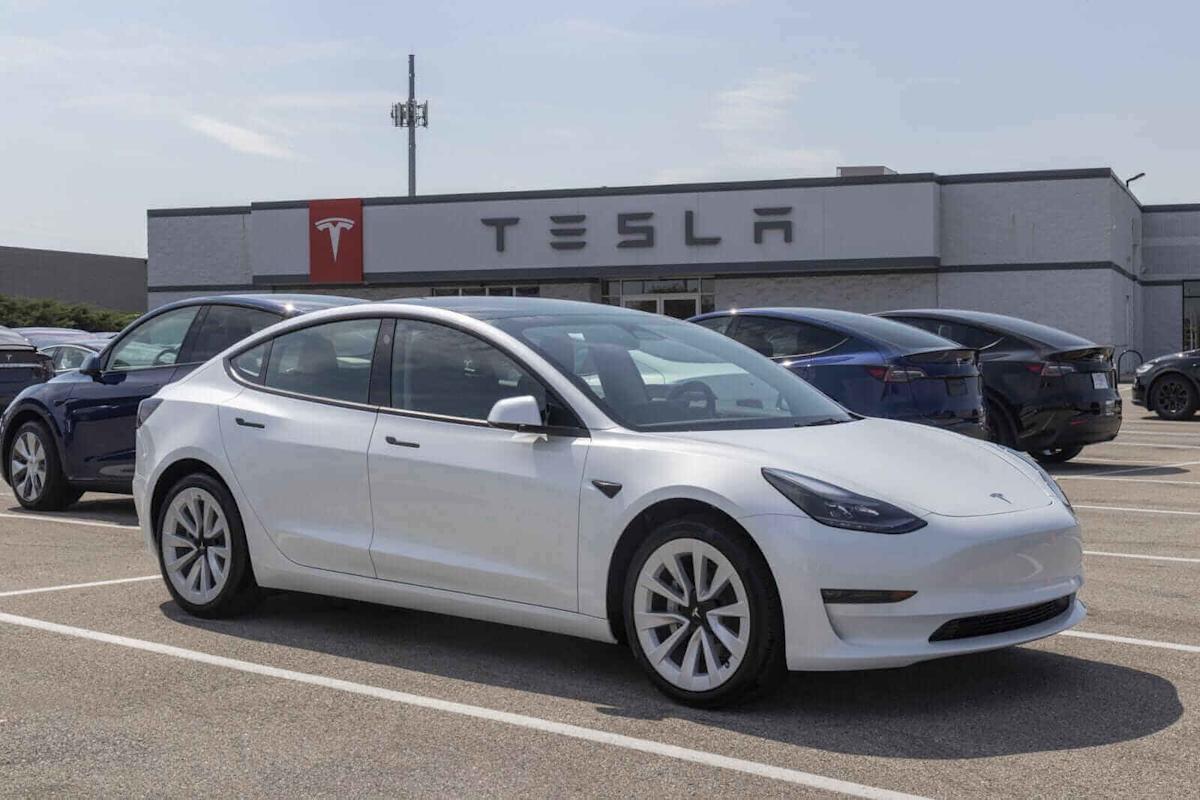
Tesla Hikes Model Y Prices as Wall Street Focuses on AI. Whether You Are Betting on Cars or Robots, TSLA Stock Is Overstretched Here.
Tesla Inc. has raised prices for its Model Y electric vehicles in the United States for the first time in two years, with adjustments of up to $1,000 targeting premium trims. The price of the Model Y Premium rear-wheel drive and all-wheel drive has increased to $45,990 and $49,990, respectively, while the Model Y Performance all-wheel drive sees a smaller increase of $500, bringing its price to $57,990. The base models remain unchanged at $39,990 and $41,990. This strategic decision comes as Tesla continues to recover from previous operational declines, reporting a 16% year-over-year revenue growth of $22.39 billion in the first quarter of 2026, alongside a significant 52% increase in earnings per share. The company’s strong performance is attributed to cost optimizations in production and an increase in premium software adoption, with the number of full self-driving customers reaching approximately 1.3 million. Despite facing capital constraints due to a projected $25 billion in expenditures for expanding manufacturing capabilities, Tesla remains optimistic about its technological advancements and plans to initiate unsupervised full self-driving testing across multiple states by the end of the year. The price hikes reflect Tesla's ongoing strategy to enhance profitability while maintaining its competitive edge in the electric vehicle market.
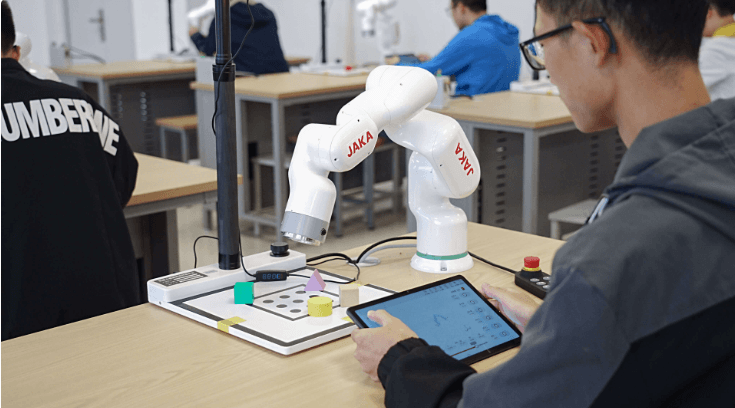
Industrial Automation and Robotics for Educators: Training the Next Generation
The rapid evolution of industrial automation and robotics is reshaping global manufacturing, leading to an increased need for a skilled workforce adept at managing advanced machinery. As educators strive to connect theoretical engineering principles with the practical demands of modern smart factories, there is a pressing requirement for classroom tools that reflect real-world equipment. By 2026, the integration of robotics into STEM curricula is expected to be crucial for fostering critical thinking and technical literacy among students. Educational programs are shifting towards "Embodied Intelligence," where learners engage with sophisticated technologies like industrial robot arms, enhancing their understanding of vision systems, sensor feedback, and machine learning. This hands-on experience equips students with essential skills in industrial safety, workflow optimization, and predictive maintenance, preparing them for careers as automation engineers and technicians. However, challenges persist, including the high costs and complexities associated with traditional industrial robots, which often require specialized facilities and safety measures. To address these issues, educational institutions are exploring "all-in-one" solutions that prioritize safety and usability while maintaining industrial-grade performance. JAKA Robotics is stepping up to meet these educational needs by providing tools that facilitate a safe learning environment. Their JAKA Academy offers a comprehensive training platform with courses ranging from basic operations to advanced software development. The versatile JAKA Zu and S series robots are designed for both research and classroom use, allowing students to engage in practical tasks and develop innovative AI-driven workflows. By incorporating JAKA's technology into educational settings, students are empowered to become the next generation of leaders in industrial automation.
Top 7 AI Agent Platforms for Industrial Manufacturing in 2026
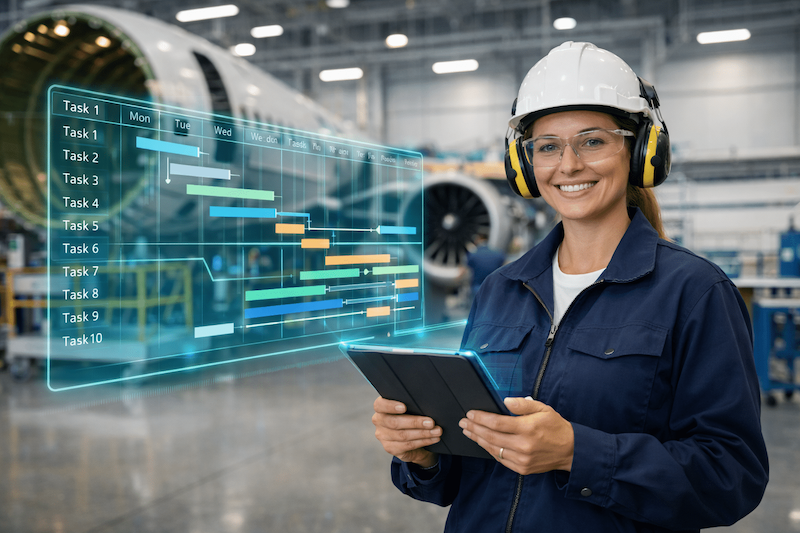
The manufacturing sector is undergoing a significant digital transformation, marked by substantial investments in Internet of Things (IoT) sensors, Manufacturing Execution Systems (MES), industrial analytics, and predictive maintenance solutions over the past decade. This shift has provided manufacturers with unparalleled operational visibility, enabling real-time monitoring of equipment, production lines, quality metrics, and material flows. Despite these advancements, production managers continue to face challenges in optimizing processes and improving efficiency. The integration of these technologies aims to enhance productivity and streamline operations, ultimately driving the industry towards a more data-driven future.
AI agents Manufacturing ai agents autonomous manufacturing digital manufacturing ERP integration
How Equipment Asset Management Practices Must Evolve for Industry 4.0 to Deliver on its Promise
Industry 4.0 is poised to revolutionize manufacturing and supply chain management through the integration of connected sensors and intelligent systems. This technological advancement enables machines to predict failures, production lines to self-optimize based on real-time demand, and supply chains to adapt autonomously without human oversight. Despite the substantial investments and credible case studies showcasing its potential, many companies are hesitant to fully embrace these innovations. The reluctance stems from concerns over implementation challenges, workforce adaptation, and the need for a cultural shift within organizations. As the industry continues to evolve, understanding and addressing these barriers will be crucial for harnessing the full benefits of Industry 4.0.
Engineering Industry ai in manufacturing asset reliability automation news condition monitoring
Japan's Leaders in Robotics and Manufacturing Leverage NVIDIA Cosmos for Physical AI Advancements
NVIDIA has announced that Japan's leaders in physical AI are utilizing the NVIDIA Cosmos™, Isaac™, Metropolis, and Jetson™ platforms to enhance the deployment of intelligent machines across various sectors including manufacturing and robotics. The introduction of Cosmos 3 Edge aims to provide advanced capabilities for real-time reasoning and action prediction in robots, marking a significant step in integrating intelligence into physical systems. This initiative is crucial as Japan's established strengths in robotics and manufacturing position it to lead in the next wave of AI development. Jensen Huang, NVIDIA's CEO, emphasized the unique opportunity for Japan to reinvent modern manufacturing through intelligent technologies, combining its heritage in precision engineering with NVIDIA's advanced platforms. Looking ahead, NVIDIA is expanding the Cosmos Coalition to include Japan's physical AI leaders, enabling collaboration on open world models. This coalition will facilitate the testing and optimization of physical AI systems, potentially transforming operations across various industries such as logistics, healthcare, and construction. No further timeline was disclosed at the time of publication.
Variable Launches DMuon Optimizer to Improve Distributed Muon Model Infrastructure Efficiency by 30%
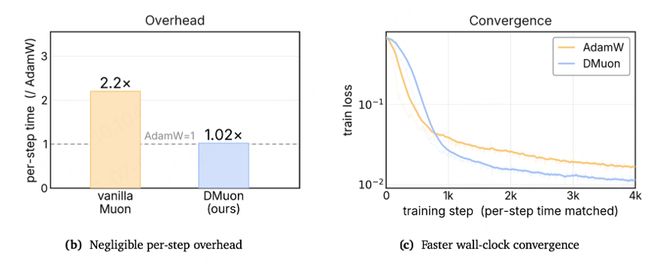
Variable Robotics has introduced the DMuon optimizer, enhancing the distributed Muon model infrastructure's efficiency by approximately 30%. This new optimizer addresses the additional computational and communication costs associated with using Muon in distributed training, which previously resulted in an end-to-end step time 2.2 times longer than AdamW. The significance of DMuon lies in its ability to maintain the faster convergence benefits of the Muon optimizer while reducing the end-to-end step time to just 1.02 times that of AdamW. This improvement is achieved through fine-grained communication optimization, computation-aware load balancing, and a high-performance kernel system, making DMuon a viable option for embodied model training without requiring changes to parameter update rules or training frameworks. Looking ahead, DMuon is expected to become a new default choice for embodied model training, as it effectively mitigates the redundant computations and communication overhead that previously hindered Muon's performance in distributed environments. No further timeline was disclosed at the time of publication.
Neural Network Optimization Distributed Training Machine Learning Infrastructure AI Models
NVIDIA and DeepMind Lead Robotics Simulation Debate with New Industrial Applications
The field of embodied intelligence is witnessing a fierce debate over the best approach to training robots for industrial applications. One faction advocates for simulation-based training, leveraging structured environments to generate synthetic data, while the opposing view emphasizes the necessity of real-world data to handle complex physical interactions and unpredictable scenarios. Key players include NVIDIA, DeepMind, and Intrinsic, each with unique strategies and technologies. NVIDIA's Omniverse platform and Isaac Sim engine exemplify the simulation approach, enabling comprehensive digital twins of factories for training and optimization. Their collaboration with BMW on a digital twin project in Hungary showcases the potential of synthetic data in logistics and robotic movements. However, challenges remain in achieving the necessary fidelity for force control and physical interactions, prompting NVIDIA to seek partnerships with companies like Hexagon Robotics. Conversely, DeepMind's use of the MuJoCo physics engine has demonstrated that pure simulation can achieve industrial-grade precision in specific tasks, such as sorting with known rigid models. Yet, this method's effectiveness is limited to scenarios with minimal contact and force control. Intrinsic aims to transform simulation into a comprehensive development tool for industrial robots, focusing on lowering barriers for small manufacturers. The ongoing challenge of the SIM2REAL gap remains a critical factor in the success of these approaches.
Robotics Industrial Automation Simulation Technology AI
2026 Zhangjiang Conference on Embodied Intelligence Supply Chain: Forum Agenda Released
The 2026 Zhangjiang Conference on Embodied Intelligence Supply Chain is set to take place, featuring seven specialized forums designed to tackle critical challenges within the industry. Scheduled for a date yet to be announced, the conference will focus on essential topics such as the transition from simulation to real-world applications and the optimization of core component costs. This event aims to deliver in-depth insights into the practical applications of embodied intelligence, emphasizing a deeper understanding of foundational elements and exploring pathways for commercialization. By addressing these key issues, the conference seeks to advance the field and foster innovation in embodied intelligence technologies.
Embodied Intelligence Robotics Supply Chain Manufacturing Data Innovation
"BioGeometry" secures hundreds of millions in strategic funding to create a "microscopic world model" in life sciences.
AI-native biotechnology company BaiAo Geometry has successfully secured several hundred million yuan in strategic financing, with investments led by the Shanghai Biomedical Innovation Transformation Fund, Guoke Investment, Dacheng Wisdom, and Xinglian Capital, alongside follow-on investments from GaoRong Capital and the Index AI Industry Innovation Fund. The funds will primarily support the ongoing development of their life sciences micro-world model, GeoFlow, and the advancement of their proprietary drug pipeline. Artificial intelligence is rapidly evolving along two main trajectories: digital AI, represented by large language and multimodal models, and physical AI, exemplified by autonomous vehicles and humanoid robots. Life AI is emerging as a promising frontier, a sentiment echoed by leading global investors and scientists. BaiAo Geometry's GeoFlow model, launched in 2024, aims to understand and design molecular interactions at an atomic level, enabling the creation of novel molecules that have never existed in nature. The company has iterated GeoFlow multiple times, achieving significant advancements in protein structure prediction and de novo design capabilities. By applying Test-Time Scaling technology, BaiAo Geometry enhances the success rate of protein designs without the need for extensive retraining. This innovation allows for the rapid generation and optimization of high-affinity binding molecules, significantly reducing the time and cost associated with traditional drug discovery processes. BaiAo Geometry has established over 20 business development collaborations with domestic and international pharmaceutical companies, focusing on high-specificity antibody design and vaccine development. The company is currently working on the next iteration of GeoFlow, which aims to expand modeling from individual molecules to entire molecular systems, further revolutionizing drug development in the biotechnology sector.

Microsoft and NVIDIA unveil next-gen PCs capable of 1 petaflop performance.
Microsoft and NVIDIA have unveiled a next-generation PC equipped with the NVIDIA RTX Spark, boasting an impressive AI performance of up to 1 petaflop. This announcement was made recently as part of their ongoing collaboration to enhance computing power. The new system features significant optimizations for Windows, aiming to expand the ecosystem of local AI agents, applications, and games. This development reflects both companies' commitment to advancing AI technology and improving user experiences across various platforms.

LoongForge Achieves 2.3x Training Throughput Improvement for GR00T N1.6 Model
LoongForge, a company led by Baido Baige, has announced significant improvements in the training process of its GR00T N1.6 VLA model. This optimization, which was implemented recently, has resulted in a remarkable 56.6% reduction in training cycles and a 2.3-fold increase in throughput. The enhancements specifically target challenges such as input/output blocking and inefficient scheduling, thereby greatly boosting the overall efficiency of the model's training process. These advancements are expected to streamline operations and improve performance in various applications.
AI Model Training Machine Learning Robotics
Thermal Runaway Limits in Embodied AI Batteries: The Electrically Debondable Tape Solution
In the evolving landscape of power battery and Embodied AI development, the industry is witnessing a significant shift from purely data-driven approaches to a hybrid model that combines physical modeling with data optimization. This transition is driven by the limitations encountered in existing Battery AI technologies, which have struggled to deliver optimal performance solely through data analysis. By integrating established electrochemical theories, such as solid electrolyte interphase (SEI) layer growth and lithium plating, researchers and developers are laying a robust foundation for future advancements. This hybrid approach aims to enhance the efficiency and effectiveness of battery technologies, addressing the growing demand for improved energy storage solutions. The move towards this innovative paradigm reflects the industry's commitment to overcoming current challenges and fostering sustainable energy advancements.
Energy Engineering Manufacturing
The Roboteon Difference
Roboteon is making significant strides in the warehouse automation market with its innovative solutions that emphasize interoperability across various Warehouse Management Systems (WMS) and robotic platforms. The company has developed a comprehensive and functionally-rich platform that encompasses everything from core integration to advanced execution, optimization, and orchestration of tasks. By leveraging artificial intelligence and advanced simulation techniques, Roboteon enhances decision-making and operational efficiency within warehouses. Their deep domain expertise, particularly in integrating robots with existing WMS and automation systems, positions them as a leader in this rapidly evolving sector.

Award Registration! Top Scholars Discuss Micro Robots and Autonomous Navigation Innovations
A recent Cell Press Live event brought together three prominent experts to explore the latest advancements in autonomous navigation technologies. The discussion covered a range of applications, including self-driving cars, drones, and innovative drug delivery systems. Scheduled for a future date, the event offers free registration for attendees eager to gain insights into cutting-edge research in micro-robotics, light-driven robots, and optimization frameworks for enhancing autonomous systems. This initiative aims to inform and engage the public in the rapidly evolving field of autonomous technology, showcasing how these innovations can transform various industries.
Micro Robots Autonomous Navigation Soft Robotics AI Drug Delivery Systems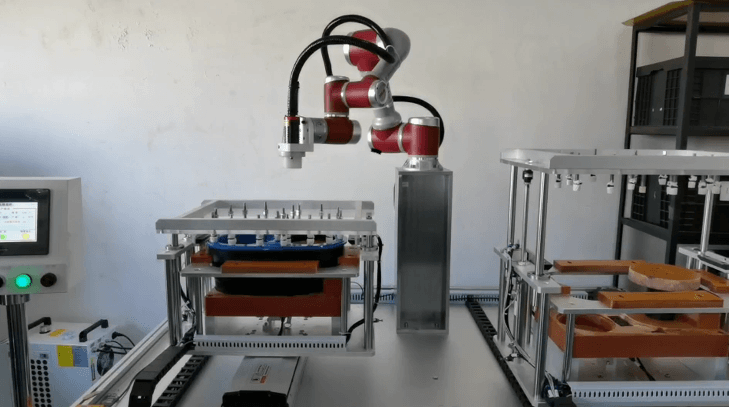
Key Features and Benefits of JAKA Collaborative Robots
In response to the evolving demands of the industrial sector, JAKA has introduced collaborative robots, or cobots, that prioritize agility over sheer power. As manufacturing cycles shorten and customization becomes essential, these robots offer a solution that minimizes downtime and enhances production efficiency. By eliminating the need for physical safety cages through advanced force-sensing technology, JAKA's cobots can be seamlessly integrated into existing workflows without requiring extensive changes to factory layouts. These robots can be deployed quickly, often becoming operational within a day, in stark contrast to traditional industrial robots that may take weeks to set up. They also improve workplace safety by taking on "Dirty, Dull, and Dangerous" tasks, allowing human workers to concentrate on more valuable roles such as quality control and process optimization. JAKA's approach to collaborative automation is encapsulated in their "Smart, Simple, Small" philosophy, which emphasizes user-friendly design and robust performance suitable for continuous industrial use. Notably, their cobots can be programmed and monitored via mobile devices, streamlining the setup process and eliminating the need for cumbersome equipment. With models like the JAKA Zu series offering payloads from 3kg to 20kg and the precision-focused JAKA A series achieving repeatability of ±0.02mm, the company aims to provide scalable solutions that deliver quick returns on investment. JAKA's commitment to innovation positions its cobots as essential tools for both small and large enterprises looking to enhance their manufacturing capabilities in the era of smart production.
How Modern Drive Technologies Are Solving Industry’s Toughest Precision Challenges
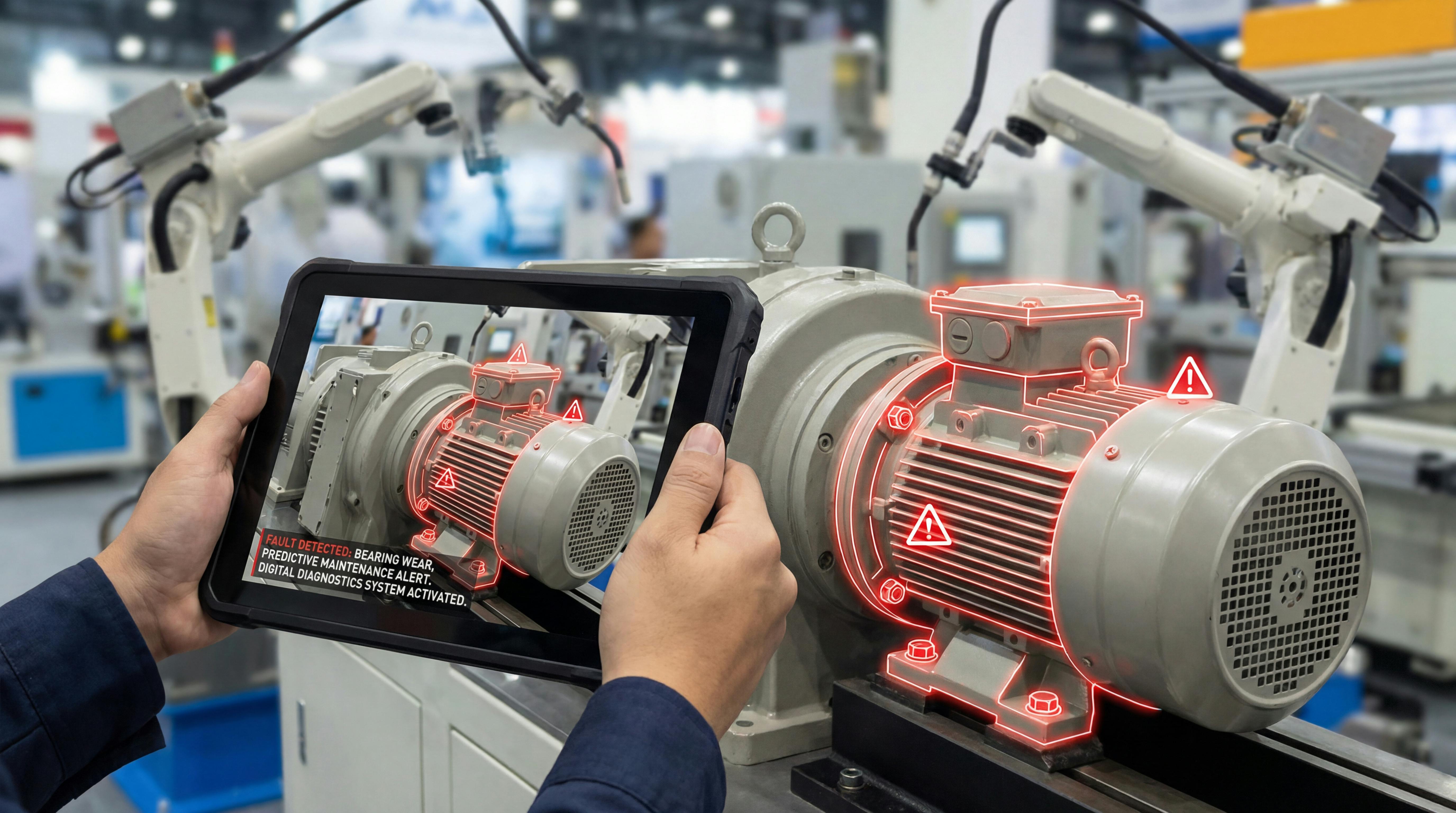
Industry experts from Beckhoff and Siemens have highlighted the significant role of advanced technologies such as smart diagnostics, digital twins, and predictive maintenance in enhancing the accuracy of industrial machinery while minimizing downtime. This discussion took place during a recent industry conference, where the experts shared insights on how these innovations are transforming manufacturing processes. The integration of smart diagnostics allows for real-time monitoring of machinery, enabling operators to identify potential issues before they escalate. Digital twins, which create virtual replicas of physical assets, facilitate better understanding and optimization of machinery performance. Meanwhile, predictive maintenance strategies leverage data analytics to forecast equipment failures, ensuring timely interventions and reducing unexpected breakdowns. These advancements are crucial as industries strive to improve efficiency and reduce operational costs in an increasingly competitive market. By adopting these technologies, companies can not only enhance productivity but also extend the lifespan of their equipment, ultimately leading to significant cost savings. The collaboration between Beckhoff and Siemens exemplifies the industry's commitment to innovation and the continuous improvement of manufacturing practices.
Factory / Motion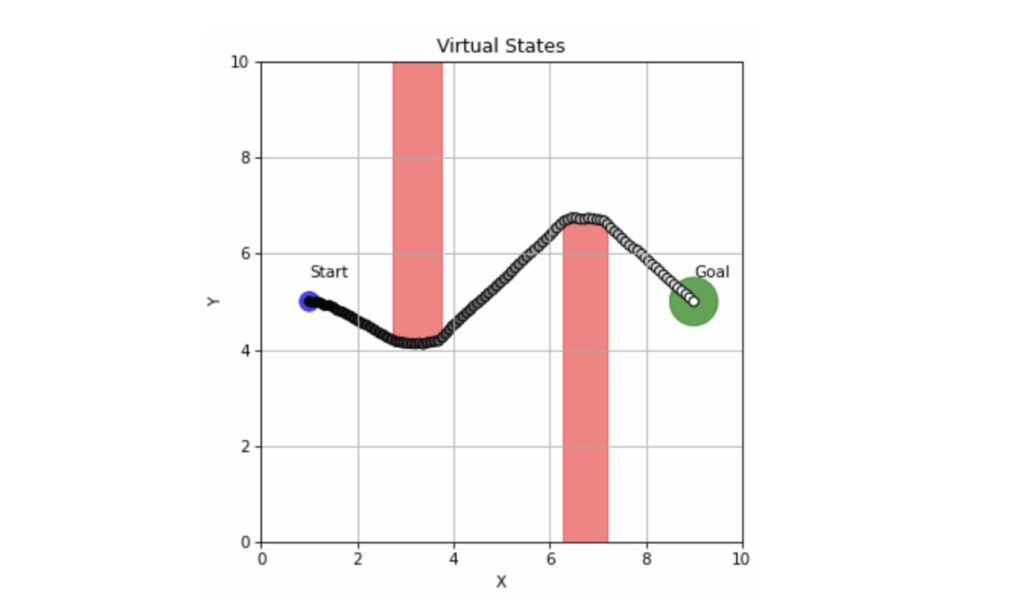
Gradient-based planning for world models at longer horizons
A team of researchers, including Mike Rabbat, Aditi Krishnapriyan, Yann LeCun, and Amir Bar, has introduced GRASP, a new gradient-based planning method designed for learned dynamics in world models. This innovative approach addresses the challenges of long-horizon planning, which has proven to be fragile and inefficient with existing models. GRASP enhances planning by lifting trajectories into virtual states, allowing for parallel optimization across time, and incorporating stochastic elements to facilitate exploration. The development of GRASP comes in response to the limitations of current world models, which, despite their ability to predict complex sequences in high-dimensional spaces, struggle with optimization and can easily fall into local minima. The researchers emphasize that while powerful predictive models exist, effective control and planning remain significant hurdles. By utilizing a collocation-based approach, GRASP optimizes both actions and states, improving computational efficiency and robustness against adversarial vulnerabilities inherent in state gradients. The method also introduces exploration through Gaussian noise in state updates, enhancing the ability to navigate complex planning landscapes. Preliminary results indicate that GRASP significantly outperforms traditional methods in success rates and time efficiency for long-horizon planning tasks. The researchers view GRASP as a foundational step towards more advanced world model planners, with future work aimed at integrating the method into reinforcement learning systems and exploring diffusion-based world models. The full details of the study can be found in their published paper.
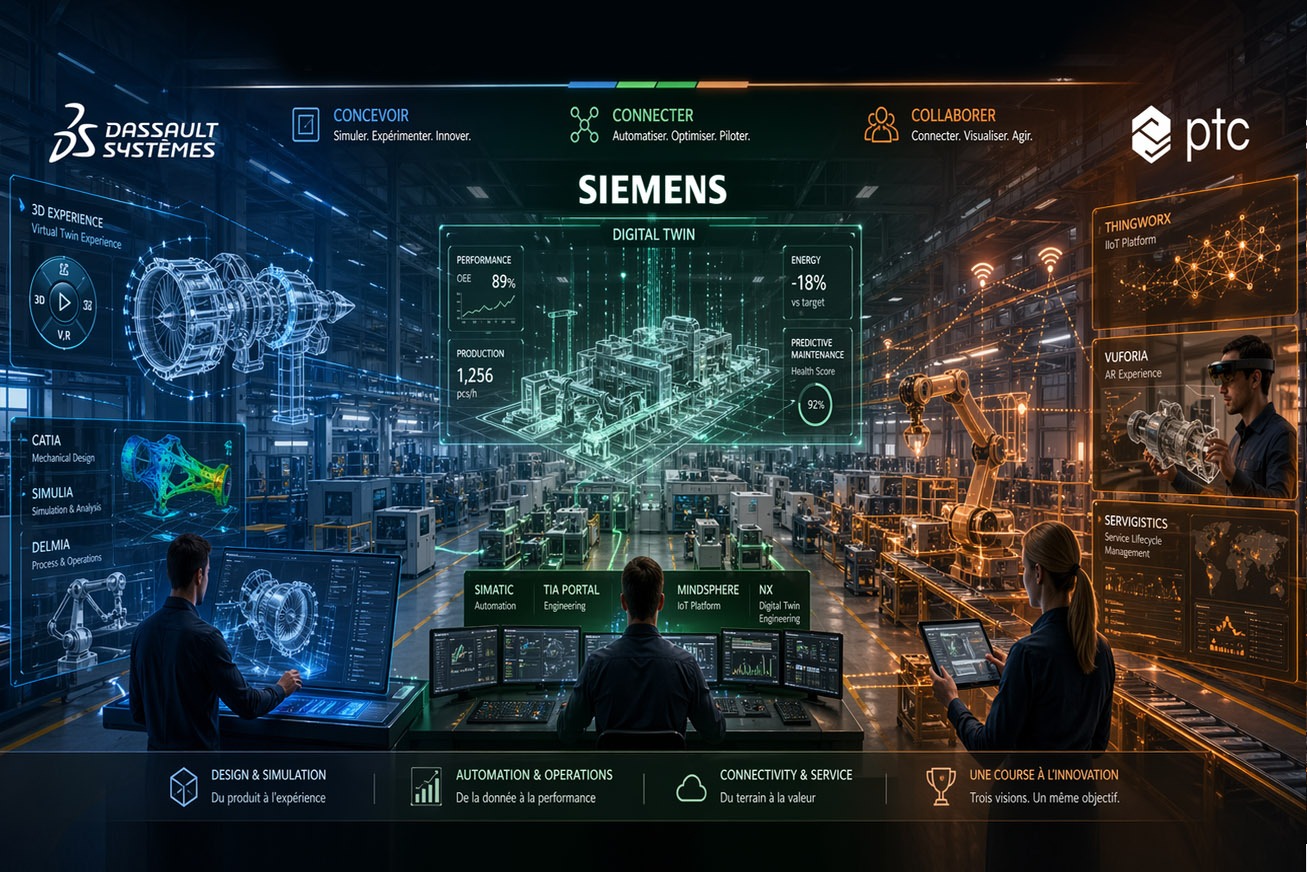
Dassault Systèmes vs Siemens vs PTC : qui gagne la bataille du digital twin ?
The digital twin technology is emerging as a cornerstone of the future industry, aiming to create accurate virtual representations of products, processes, or entire systems. This innovation enables real-time simulation, optimization, and prediction of behaviors. In this competitive landscape, three major players—Dassault Systèmes, Siemens, and PTC—are leading the charge in the battle for dominance in the digital twin market. The ongoing rivalry among these companies highlights the strategic importance of digital twins in enhancing operational efficiency and driving technological advancement. The article originally appeared in Robot Magazine, exploring the competitive dynamics shaping this transformative field.
À la une Actualités IA Industriel Robotique automatisation industrielle.
The Impact of Industrial Automation and Robotics on Global Supply Chain Resilience
Global supply chains are increasingly strained due to demand fluctuations, labor shortages, and heightened delivery accuracy requirements. Experts emphasize that enhancing supply chain resilience now extends beyond logistics optimization to include bolstering manufacturing capabilities through industrial automation and robotics. By implementing structured automation strategies, manufacturers can achieve greater control over production stability, consistency in inspections, and quicker responses to external disruptions. A reliable supply chain relies on predictable production processes, and automation significantly reduces variability associated with manual operations, particularly in inspection and quality assurance. Automated systems ensure consistent inspection outcomes, regardless of workforce changes, allowing supply chain partners to plan inventory and delivery schedules with greater confidence. Innovative solutions like the JAKA Zu3 Inspection system facilitate non-destructive testing and precise measurement of complex components, integrating seamlessly with existing production lines. This adaptability enables manufacturers to adjust inspection capacities swiftly in response to changing supply chain conditions, minimizing downtime. As labor availability remains unpredictable, replacing manual inspection with automated systems enhances efficiency and quality, allowing workers to focus on higher-value tasks. This transition supports long-term resilience, ensuring that production schedules remain reliable and delivery commitments can be met even under challenging circumstances. In summary, the integration of industrial automation and robotics is crucial for strengthening supply chain resilience, enhancing manufacturing stability, and enabling flexible deployment in response to global challenges.
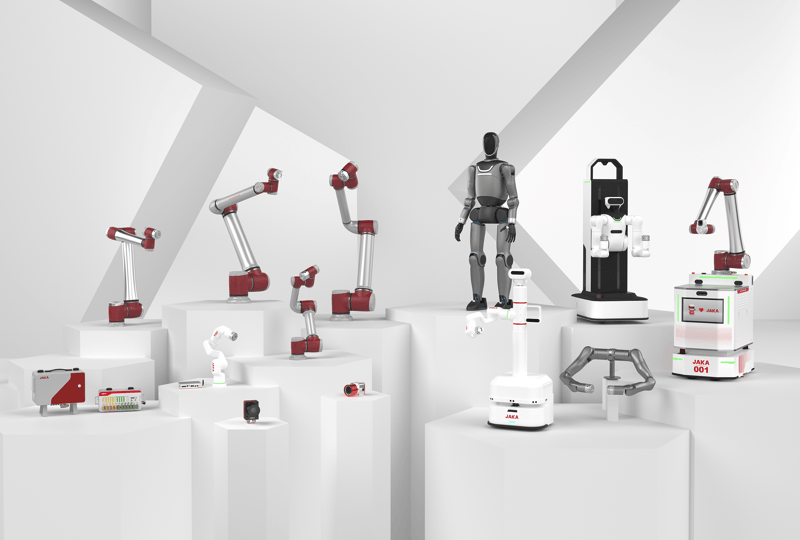
Beyond Cobots: Integrating Robotic Automation with AGVs and IIoT Systems
In recent years, manufacturing has experienced a significant transformation as companies shift from standalone automation to interconnected and flexible systems. JAKA, a leader in collaborative robot technology, has observed this evolution, where production environments are increasingly designed around coordinated robots, autonomous guided vehicles (AGVs), and Industrial Internet of Things (IIoT) platforms. This transition enables automation to adapt dynamically to real production conditions while ensuring safety and flexibility in workplaces that prioritize human interaction. Initially, collaborative robots were embraced for their ability to work safely alongside human operators, facilitating smoother automation processes. As their applications have matured, integrating these robots with AGVs and IIoT systems has become a logical progression. This integration allows for synchronized material handling and processing tasks, enhancing efficiency. IIoT connectivity further supports real-time data exchange, enabling predictive maintenance and improved process visibility, which is crucial for maintaining flexibility in production lines. AGVs play a pivotal role in extending automation beyond fixed workstations. When connected through IIoT infrastructure, these vehicles and robots can share crucial information, reducing idle time and manual interventions while enhancing workflow traceability. This coordination not only boosts operational efficiency but also increases transparency, allowing for continuous optimization and informed decision-making. To facilitate this integrated approach, JAKA has developed the Ai12, a collaborative robot designed for easy deployment through wireless teaching and graphical programming. This technology enhances safety and adaptability, allowing for seamless human-robot interaction. JAKA envisions a future where industrial robotic automation is not merely a collection of isolated machines but a cohesive system that evolves with production demands, fostering smarter and more responsive industrial environments.

Top 5 Trends of the Collaborative Robot Industry in 2026
The collaborative robot industry is poised for significant transformation in 2026, influenced by evolving manufacturing structures and workforce expectations. As companies shift towards higher mix and lower volume production, there is an increasing emphasis on integrating collaborative robots into operational workflows rather than treating them as standalone automation solutions. This change is driven by the need for stable quality and scalable growth in production environments. Key trends for 2026 include a focus on practical intelligence, where manufacturers prioritize robots that offer stable operation and predictable performance over complex features. Additionally, the demand for flexible deployment is rising, as production lines become more dynamic, necessitating robots that can be easily redeployed and adapted without extensive reprogramming. Integration capabilities are also crucial, with robots needing to work seamlessly alongside vision systems and existing automation tools. Inspection automation is emerging as a rapidly growing application, enhancing efficiency and maintaining quality, particularly for small-batch production. Solutions like the JAKA AL are designed for high compatibility with external devices, facilitating non-destructive testing and automated measurements. Furthermore, workforce optimization is becoming a priority, as delegating repetitive inspection tasks to robots reduces operator fatigue and allows skilled workers to concentrate on more complex responsibilities. In summary, the trends shaping the collaborative robot industry in 2026 reflect a shift towards practicality, flexibility, and integration, addressing real manufacturing challenges and enhancing operational efficiency. JAKA is committed to aligning its solutions with these industry directions to ensure long-term value in evolving production settings.

NetEase denies reports of replacing all outsourced workers with AI
NetEase has clarified that recent reports suggesting the company intends to replace all outsourced workers with artificial intelligence are inaccurate. The tech giant explained that the recent personnel changes are part of standard business adjustments and staff turnover related to specific projects. These changes include the optimization of certain outsourced roles that involve basic skill sets, which is a routine aspect of their operations. NetEase emphasized that these adjustments will not impact overall business operations.
News Feed
Into the Omniverse: How Industrial AI and Digital Twins Accelerate Design, Engineering and Manufacturing Across Industries
Companies across various industries are increasingly leveraging industrial AI, digital twins, AI physics, and accelerated AI infrastructure to enhance their design, simulation, and optimization processes. This technological shift allows organizations to refine products, processes, and facilities in a virtual environment before actual construction begins. By adopting these advanced tools, businesses aim to improve efficiency, reduce costs, and accelerate time-to-market for new innovations. The integration of these technologies is seen as a crucial step in staying competitive in a rapidly evolving market, enabling firms to make data-driven decisions and optimize their operations effectively.
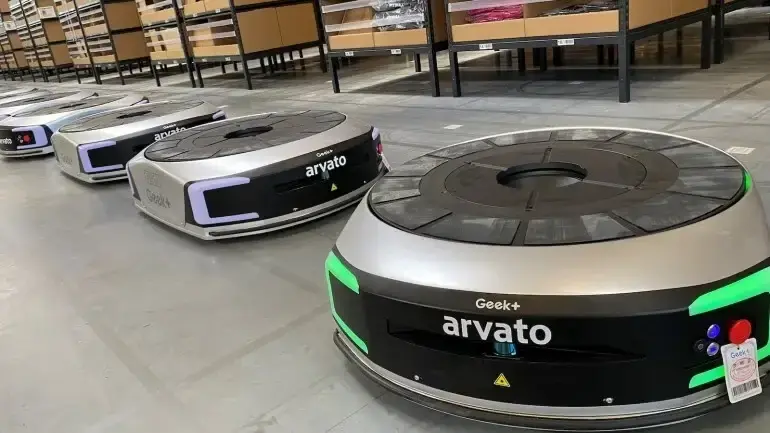
Arvato and Geek+ elevates Poland logistics hub with flexible Goods-To-Person robotics
Arvato, in collaboration with Geek+, has launched an advanced Goods-To-Person robotics system at its logistics center in Poznań, Poland. This initiative, which took place recently, is designed to improve picking efficiency and accommodate the increasing demands of the e-commerce sector. The implementation of Geekplus' P800 picking robots is expected to streamline the order picking process and enhance storage optimization. This move aligns with Arvato's broader automation strategy, enabling the company to better meet client needs in a highly competitive logistics environment.
Warehouse Robotics E-commerce Logistics Supply Chain Management Automation Technology Third-Party Logistics
What New Job Will AI Create in Logistics/Supply Chain Management?
Oscar Mendez, the Head of AI & Data Science at Locus Robotics, participated in a panel discussion with industry experts focused on the emerging role of the "AI fulfillment optimization manager." This event took place recently, highlighting the growing significance of artificial intelligence in supply chain management and logistics. The discussion aimed to explore how AI technologies are revolutionizing fulfillment processes, enhancing efficiency, and addressing the increasing demands of consumers for faster delivery times. By leveraging data-driven insights, the panelists examined the potential of AI to streamline operations and optimize resource allocation in warehouses and distribution centers. Mendez's insights contributed to a broader understanding of the transformative impact of AI on the logistics sector, emphasizing the need for businesses to adapt to these technological advancements to remain competitive.
MIT Technology Review releases 2025 ’50 Smartest Companies’ list, recognizes Deepseek, Game Science and Unitree Robotics
At the EmTech China 2025 Global Technology Summit held last Friday, MIT Technology Review announced its prestigious annual list of the “50 Smartest Companies.” Among the distinguished honorees were Deepseek, Game Science, and Unitree Robotics. Deepseek stood out for its remarkable achievement in algorithm optimization, demonstrating world-class model performance while maintaining low training costs, marking a significant advancement in resource efficiency within the tech industry. The summit highlighted these companies' innovative contributions to technology, underscoring the importance of efficiency and performance in the rapidly evolving landscape.
News Feed
ABB and Salzburg researchers patent AI system to cut energy use in industrial robots
Salzburg University of Applied Sciences has partnered with ABB’s Machine Automation Division, B&R, to enhance energy efficiency in industrial automation through the application of artificial intelligence. This collaboration is centered at the Josef Ressel Center for Intelligent and Secure Industrial Automation (JRZ ISIA), where the two entities aim to translate cutting-edge research into viable solutions for industrial drive systems. By leveraging AI technologies, the initiative seeks to optimize energy consumption and improve operational efficiency in manufacturing processes, addressing the growing demand for sustainable industrial practices.
Industrial robots News abb ai in manufacturing AI optimization automation news
How Automation Improves Service Consistency in Pest Control Operations
In the rapidly growing $15 billion pest control industry, companies face significant challenges as they expand into new territories. The primary concern is not the prevalence of pests but rather the potential for human error, which can jeopardize operational consistency. As businesses scale, the risk of technicians overlooking essential procedures or arriving late increases, leading to customer dissatisfaction and potential damage to the company's reputation. To combat these issues, pest control operations are implementing rigorous training programs and standardized protocols to ensure that all employees adhere to best practices, regardless of location. By focusing on operational excellence, these companies aim to maintain high service standards and foster customer trust in a competitive market.
Automation Environment Health AI scheduling automation news automation software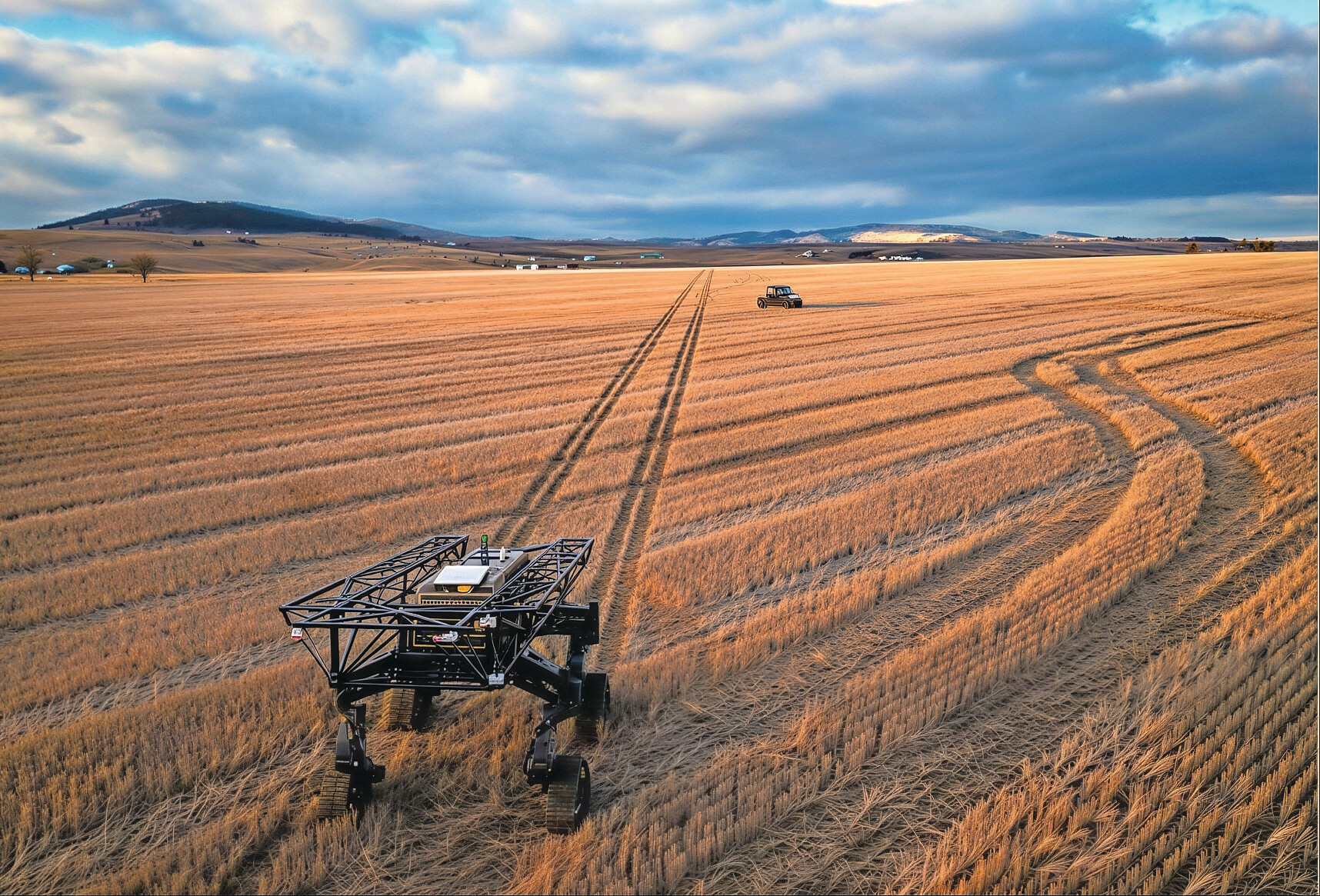
TerraClear launches autonomous TerraScout robot for field scouting
TerraClear has launched the TerraScout, an innovative autonomous robot aimed at enhancing precision farming through advanced technology. This robot is capable of capturing ultra-high-resolution imagery of agricultural fields and transforming that data into actionable insights for farmers. The introduction of the TerraScout comes as the agricultural industry increasingly seeks efficient solutions to optimize crop management and yield. By leveraging cutting-edge imaging technology, TerraClear aims to empower farmers with detailed information about their fields, ultimately improving decision-making processes and productivity. The rollout of the TerraScout marks a significant advancement in agricultural technology, reflecting a growing trend towards automation and data-driven farming practices.
Field robots autonomous farm equipment crop scouting precision agriculture weed control yield optimizationRobotics needs a service framework.
RSF defines a common language for robot service capability, lifecycle operations, certification pathways, and service-provider networks.