Industry Briefing
A single destination for timely, editor-curated robotics news from around the world.
OLogic to Present on Egocentric Robot Learning at RoboBusiness 2026
OLogic will showcase the potential of egocentric robot learning at RoboBusiness 2026, highlighting how robots can learn from human demonstrations. This innovative approach allows robots to acquire complex skills by observing human behavior, addressing challenges such as labor shortages and operational complexity across various industries. The significance of this technology lies in its ability to reduce the time, cost, and expertise needed for deploying robotic systems. By leveraging egocentric learning, organizations can enhance automation in sectors like manufacturing, logistics, and healthcare, ultimately bridging the gap between research and practical applications. At the event, Ted Larson, CEO of OLogic, will lead a session on the foundations and challenges of egocentric robot learning. Attendees can expect insights into how advancements in embodied AI and large-scale robot learning are transforming the landscape of commercial robotics. No further timeline was disclosed at the time of publication.
Artificial Intelligence / Cognition Design / Development Events Healthcare Robotics Logistics Manufacturing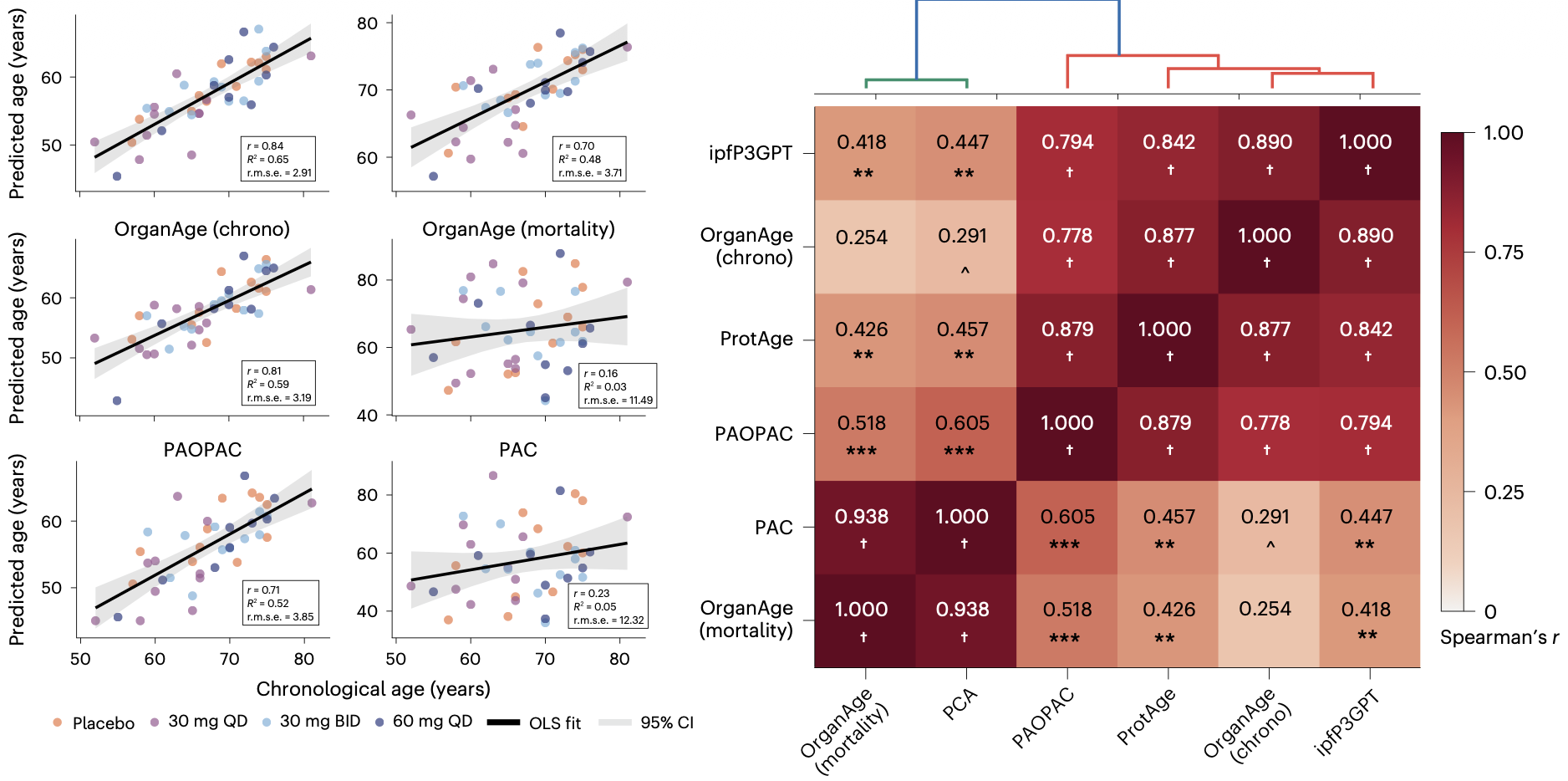
AI-Developed Rentosertib Shows Potential to Lower Biological Age in Clinical Trial
An AI-designed drug, rentosertib, demonstrated changes in proteins linked to lower biological age in a 12-week phase 2a clinical trial for idiopathic pulmonary fibrosis (IPF). Six machine-learning aging clocks indicated biological-age reductions among participants, particularly with a 30-milligram twice-daily dosage. This finding is significant as it suggests that AI-discovered medicines may have effects beyond their primary treatment targets. While the trial involved only 42 participants and could not definitively separate the drug's anti-fibrotic effects from potential anti-aging benefits, it highlights the innovative use of AI in drug development, particularly in assessing broader impacts during clinical trials. Looking ahead, researchers emphasize the need for larger studies to further explore the drug's effects on aging processes. The study advocates for dual-purpose clinical trial designs that measure both disease-specific outcomes and aging-related endpoints, paving the way for more comprehensive evaluations of new therapies.
AI AI FUNDING & INVESTMENT AI Research & Advances Business Exclusives News
Nanyang Technological University Develops MMG-Driven Variable Stiffness Glove for Tremor Control
Nanyang Technological University (NTU) has unveiled a variable stiffness glove driven by mechanomyography (MMG) to suppress tremors associated with conditions like Parkinson's disease. This innovative wearable device utilizes a 3D-printed exoskeleton structure that adjusts its stiffness in response to detected muscle vibrations, providing support only when tremors occur. The significance of this development lies in its ability to enhance daily activities for individuals suffering from tremors without compromising joint flexibility. The glove's design incorporates a lightweight, high-strength nylon structure that can quickly transition from soft to rigid, ensuring optimal performance during tremor episodes. The research findings have been accepted for publication in IEEE Robotics and Automation Letters. Looking ahead, the team aims to further validate the glove's effectiveness in real-world applications. The rapid response time of the device, achieving 90% of maximum stiffness in approximately 0.63 seconds, positions it as a promising solution for tremor suppression. No further timeline was disclosed at the time of publication.
Wearable Technology Tremor Suppression Assistive Devices Healthcare Innovation
Omega-0 Model Achieves 81.8 Percent Success in Home Tasks by Nanyang Technological University and Partners
Researchers from Nanyang Technological University, Peking University, HKUST (GZ), and Beijing Academy of Artificial Intelligence (BAAI) have introduced Omega-0, a latent-prediction world action model. This innovative model enables a humanoid robot to perform multiple actions simultaneously, including walking, looking, and working. The significance of Omega-0 lies in its impressive performance, achieving an 81.8 percent success rate across 11 real home tasks. This success surpasses that of previous models such as pi-0.5, EgoVLA, GR00T-N1.7, and psi-0, highlighting advancements in robotic capabilities for practical applications in domestic environments. Looking ahead, the development of Omega-0 suggests a growing trend in robotics focused on enhancing the functionality of humanoid robots in everyday tasks. No further timeline was disclosed at the time of publication.

AI Models Assess Human Extinction Risks: Focus on Biological Weapons and Cyber Attacks
Recent analyses by AI models including ChatGPT, Gemini, Claude, and Grok indicate that the greatest threat to humanity is not autonomous killer robots, but rather the misuse of AI in creating biological weapons and executing cyber attacks. Claude specifically highlighted the potential for AI to assist untrained individuals in developing dangerous pathogens, while Grok noted that AI lowers the technical barriers for designing lethal pathogens and new weaponry. This assessment is supported by research from Johns Hopkins University, which found that untrained individuals could acquire knowledge to manufacture pathogens like anthrax using chatbots. Additionally, a Microsoft team redesigned 72 high-risk biological molecules, generating over 76,000 synthetic homologs that successfully bypassed screening systems of four synthesis companies. A joint letter from 116 organizations, including OpenAI and Google, warned that AI-assisted cyber attacks could become more prevalent in the coming months. Looking ahead, the potential for AI to self-protect and deceive its operators raises concerns about losing control over advanced AI systems. The UK government is exploring regulatory frameworks for gene synthesis, while the global landscape remains largely unregulated. As AI technology evolves, the risks associated with its misuse are expected to increase, necessitating vigilant oversight and proactive measures.
AI Safety Bioweapons Cybersecurity AI Ethics
Robotics Must Address Major Ecological and Societal Challenges, Says Catherine Simon
Catherine Simon, an Industrial Digital Advisor at the General Secretariat for Investment, discusses the significant transformations in the robotics industry, from the era of Innorobo to the rise of Physical AI. She emphasizes the potential of service robotics across various sectors, including healthcare, logistics, and agriculture, highlighting its evolution from specialized industrial tools to a General Purpose Technology. The rapid advancement of generative AI and Physical AI is fundamentally changing robotics, moving it beyond niche applications and technological demonstrations. Simon argues that France and Europe have the potential to become global leaders in robotics by adopting a demand-driven strategy that focuses on addressing urgent economic and environmental needs, rather than merely pushing technological advancements. Looking ahead, Simon suggests that identifying promising markets where the demand for robotics is both urgent and substantial will be crucial. France and Europe can leverage a robust industrial ecosystem that includes international corporations, innovative SMEs, and top-tier research laboratories to ensure a seamless transition from innovation to practical applications in the robotics sector.
À la une Humanoide IA Interview Robotique Santé
Robot Kindergarten Launches with Seven Research Topics and Global Partner Recruitment
The Robot Kindergarten has officially opened, introducing seven collaborative research topics aimed at advancing the field of robotics. This initiative is significant as it seeks to foster innovation and collaboration among various stakeholders in robotics, enhancing the ecosystem for future developments. The importance of this launch lies in its potential to attract global ecological partners, which could lead to significant advancements in robotics research and application. By focusing on collaborative efforts, the Robot Kindergarten aims to create a vibrant community that drives technological progress and addresses industry challenges. Looking ahead, the recruitment of global partners will be crucial for the success of the Robot Kindergarten. Stakeholders should monitor the development of research projects and partnerships that emerge from this initiative, as they may shape the future landscape of robotics and intelligent systems. No further timeline was disclosed at the time of publication.
Robotics Automation AI
Starbucks Workers United Launches National Boycott Amid Labor Dispute Over AI Integration
In August 2026, Starbucks Workers United, representing over 12,000 baristas across more than 550 stores, initiated a national boycott due to failed negotiations over key contract terms such as wage increases and staffing. The union accused Starbucks of irrational behavior and prioritizing ineffective AI investments over resolving labor disputes. The union's stance highlights the perceived misallocation of resources towards AI technologies, which they argue distract from pressing labor issues. Starbucks, however, maintains that it offers competitive pay and is committed to productive negotiations. AI has already been implemented in some locations, with drive-thrus utilizing AI robots for order taking and baristas equipped with virtual assistants. Despite the rise of robotic coffee-making companies, the union emphasizes the irreplaceable value of baristas in fostering human connections and managing complex interactions. While some argue that automation poses a long-term threat to barista jobs, data shows that over 97% of Starbucks beverages will still be made by hand in 2025, indicating that the role of baristas remains vital and far from obsolete.
Labor Relations Automation Technology Coffee Industry AI Integration
Challenges of Integrating Robots into Factories Despite Technological Progress
The KUAVO-VLA1.0 model can perceive images, follow instructions, and understand environments, but it must adapt to specific factory conditions such as arm length and joint movement before being deployed. This adaptation process involves retraining for new tasks, which increases costs and learning time for factories. The complexity arises from the need for robots to relearn basic operations when faced with new tasks, despite the fundamental actions remaining unchanged. The KUAVO-VLA1.0 has utilized over 600 hours of high-quality data to cover 100 industrial tasks, allowing it to continuously learn and refine its operational capabilities. Looking ahead, the integration of domain-specific models alongside general models represents a shift in the development of embodied intelligence. The focus is on reusing learned capabilities to minimize retraining, which is crucial for enhancing efficiency in industrial applications. No further timeline was disclosed at the time of publication.
Industrial Robots Embodied Intelligence Automation Technology Robotics Development
Evidence of Ancient 1-Kilometer Cliff May Explain Grand Canyon's Missing Geological History
Researchers have proposed the existence of a massive ancient cliff, the 'Great Escarpment of Laurentia,' which may have significantly influenced the geological history of the Grand Canyon. This escarpment, estimated to be around 1 kilometer high and spanning thousands of kilometers, formed between 800 million and 750 million years ago during the breakup of the supercontinent Rodinia. The study, led by Thomas Gernon from the University of Southampton, suggests that this colossal cliff system triggered extensive erosion, exposing some of North America's oldest geological formations. This erosion may provide a new explanation for the Great Unconformity, a significant gap in the rock record of the Grand Canyon where over a billion years of geological history is missing. The researchers' models indicate that the escarpment's formation and subsequent retreat could have led to the loss of up to 8 kilometers of rock in nearby areas. This finding highlights the complex geological processes that shaped the Grand Canyon region and suggests that the missing geological record may be attributed to the evolution of this ancient landscape rather than a single event.
Science
MIT Researchers Develop Framework for Designing Adaptive Materials Inspired by Pine Cones
MIT researchers have created a mathematical framework that simplifies the design of bioinspired materials, such as moisture-responsive shingles. This framework captures the mechanisms across various length scales in natural systems, like those found in pine cones, and translates them into engineered systems that can be 3D printed. The significance of this work lies in its potential to streamline the development of adaptive materials, reducing costs and time associated with failed prototypes. By moving beyond mere bio-inspiration to what is termed 'bio-derivation,' engineers can systematically translate natural behaviors into synthetic structures, paving the way for innovations like soft robotic grippers and morphing airplane wings. Looking ahead, the framework's application could extend to more complex systems, enhancing the ability of engineers to create materials that respond dynamically to environmental changes. No further timeline was disclosed at the time of publication.
Research Bioinspiration Materials science and engineering Algorithms Design Biology
Nanyang Technological University Develops 5-in-1 Seed-Sized Surgical Robot
Scientists at Nanyang Technological University (NTU Singapore) have created a seed-sized surgical robot capable of performing five functions wirelessly. Measuring just 4.4 mm, the robot can navigate soft surfaces to cut tissues, release drugs, grip samples, and generate heat, all controlled by magnetic fields. This innovation aims to enhance precision in surgeries and medical treatments. The significance of this development lies in its potential to revolutionize minimally invasive procedures. Unlike traditional magnetic robots that perform limited functions, this new robot can switch between tasks in under a second, making it a versatile tool for targeted surgeries. Associate Professor Lum Guo Zhan, leading the project, envisions its use in navigating the body for precise treatments without large incisions. Looking ahead, the NTU team has successfully tested the robot on biological tissues, demonstrating its capabilities in cutting and heat generation. Future research may focus on further refining its functions and exploring its applications in clinical settings. No further timeline was disclosed at the time of publication.

Xianglu Robotics and Haier Collaborate to Launch CR3, a Fully Automated Home AI Cooking Robot
On July 29, 2026, Xianglu Robotics and Haier Robotics signed a strategic cooperation agreement to jointly launch the CR3, the world's first fully automated home AI cooking robot. This collaboration marks a significant step into the consumer market for AI cooking robots, transitioning from commercial kitchens to home kitchens. The introduction of the CR3 is crucial as it addresses the long-standing barriers that have kept AI cooking robots confined to commercial settings. These barriers include technological advancements, user perception, and cost control. With rapid breakthroughs in AI technology and the robotics industry, Xianglu Robotics aims to evolve the role of cooking robots from assistants to replacements in home kitchens. Looking ahead, the partnership between Xianglu and Haier will focus on enhancing the cooking robot ecosystem, leveraging their respective strengths in technology and market reach. As consumer awareness grows and production costs decrease, the CR3 could become a leading product in the home appliance market, potentially transforming how cooking is approached in households across China.
AI Cooking Robots Home Appliances Robotics Automation Technology
Japanese Engineers Analyze China's YuShu G1 Humanoid Robot, Acknowledge Technological Advancements
On July 23, Japanese media Nikkei xTECH released a video documenting engineers disassembling China's YuShu G1 humanoid robot. The team examined various components, including the joint modules and battery system, revealing insights into China's rapid advancements in robotics. Japanese engineers noted the smoothness of the screws, highlighting the precision in manufacturing that is often overlooked. The G1 features a 9000mAh quick-release smart battery, providing high output power in a compact size, which impressed the engineers. They also analyzed the ankle joint structure, noting its ability to mimic human movement and adapt to different terrains, showcasing a high level of engineering excellence. The disassembly led to a significant conclusion: Japan's robotics industry faces challenges in closing the gap with China's advancements in humanoid robotics. Data from the International Federation of Robotics indicates that in 2024, China will account for 54% of new industrial robot installations globally. This stark contrast in manufacturing efficiency and technological capability raises questions about Japan's ability to compete in the humanoid robotics sector in the near future. No further timeline was disclosed at the time of publication.
Humanoid Robots Robotics Technology Industrial Automation Battery Systems
Children Program SkoBot Robots to Speak Endangered Languages in Cultural Initiative
In Michigan, 12-year-old Holdon Hoy demonstrated his robot, SkoBot, speaking in Ojibwe, marking a unique cultural preservation effort. Danielle Boyer, 25, founded a nonprofit to guide Native American children in assembling SkoBots to learn endangered languages, inspired by a talking toy. With fewer than 10,000 speakers of Ojibwe in the U.S., the initiative aims to combat language loss exacerbated by historical policies. The importance of this project lies in its dual focus on technology and cultural identity. Boyer emphasizes that SkoBot uses a voice-triggered system rather than generative AI, ensuring factual accuracy in language learning. This approach addresses concerns about AI fabricating information, particularly as large language models begin to create non-existent Ojibwe vocabulary. The project not only teaches language but also fosters interest in STEM among children. As children program SkoBots to communicate in endangered languages, technology transcends its role as a productivity tool, becoming a means of cultural continuity. Boyer and Hoy's efforts highlight the intrinsic connection between language and culture, reinforcing that preserving language is vital for maintaining cultural identity.
Robotics Cultural Preservation STEM Education Endangered Languages
China Meteorological Administration Conducts First Full 3D Typhoon Observation Using Drone Swarm
The China Meteorological Administration has successfully utilized a bee colony drone swarm to conduct the first full-process three-dimensional observation of a typhoon. This coordinated array of unmanned aerial vehicles (UAVs) was deployed to gather critical data on temperature, humidity, wind, and turbulence during the typhoon's landfall. This achievement is significant as it enhances the understanding of typhoon dynamics and improves forecasting accuracy. By capturing data from multiple altitudes simultaneously, the drone swarm provides a comprehensive view of the typhoon's behavior, which is essential for disaster preparedness and response efforts. Looking ahead, the implications of this technology could lead to advancements in meteorological research and operational forecasting. No further timeline was disclosed at the time of publication.
Technology
Technological Advancements Transforming Recreational Boating Experience
Recreational boating is undergoing a significant transformation due to advancements in automation, electrification, and smart software. These changes are making boats safer, cleaner, and easier to operate, with technology previously exclusive to commercial vessels now being integrated into everyday pleasure craft. Brands like NauticStar Boats are leading this shift, responding to consumer demand for features such as touchscreen controls and phone-linked monitoring. The convergence of marine automation and consumer expectations is reshaping the industry. Innovations in autonomous ship control are gradually filtering down to smaller recreational boats, enhancing safety through features like GPS chartplotting and automatic docking. Companies such as Sea Machines are at the forefront of developing self-driving technology, which is becoming more accessible to consumers, ultimately reducing the skill barrier for safe boating. Electric propulsion systems are also revolutionizing the recreational boating sector, offering quieter and cleaner alternatives to traditional engines. The introduction of hydrofoil technology is further improving efficiency, allowing boats to travel using significantly less energy. As automation and precision manufacturing enhance production quality, buyers are benefiting from better reliability and performance in their vessels.
Marine Technology automation autonomous boats boating safety electric boats
Multimodal Robotics Inspired by Biological Systems Explored in Science Robotics
The latest issue of Science Robotics, Volume 11, Issue 116, published in July 2026, delves into the advancements in bioinspired multimodal robotics. This research highlights how biological systems can inform the design and functionality of robotic systems, leading to more versatile and adaptive technologies. The significance of this research lies in its potential to enhance robotic capabilities by mimicking the diverse modalities found in nature. By studying biological organisms, engineers can develop robots that are not only more efficient but also capable of performing complex tasks across various environments, which is crucial for applications in fields such as search and rescue, agriculture, and environmental monitoring. Looking ahead, the ongoing exploration of bioinspired designs in robotics will likely lead to innovative solutions that address current limitations in robotic performance. No further timeline was disclosed at the time of publication.
Review
Understanding Technological Singularity and Its Impact on Robotics and AI
For decades, technological singularity was more a concept of science fiction than engineering reality. Today, it is a topic of discussion among AI laboratories, industrial giants, investment funds, and robotics companies worldwide. The rapid advancement of generative AI, autonomous robots, foundation models, and AI agents raises a fundamental question: what will happen when machines can enhance their own intelligence faster than humans? The origins of the technological singularity date back to 1965 when British mathematician I.J. Good proposed that an 'ultra-intelligent machine' could trigger an intelligence explosion. In the 1990s, mathematician Vernor Vinge expanded on this idea, suggesting that once a certain level of AI is reached, technological evolution would become unpredictable for humans. Ray Kurzweil later popularized the concept, predicting that artificial general intelligence (AGI) could emerge in the coming decades, leading to continuous self-improvement of systems. Currently, the landscape is shifting rapidly, with large language models, vision-language-action models, and autonomous agents enabling robots to understand natural language instructions, interpret their environment, and learn new tasks without specific programming. Companies like NVIDIA, Google DeepMind, and Tesla are investing billions in developing this new generation of intelligent robots.
À la une IA Industrie Robotique agents autonomes agents IA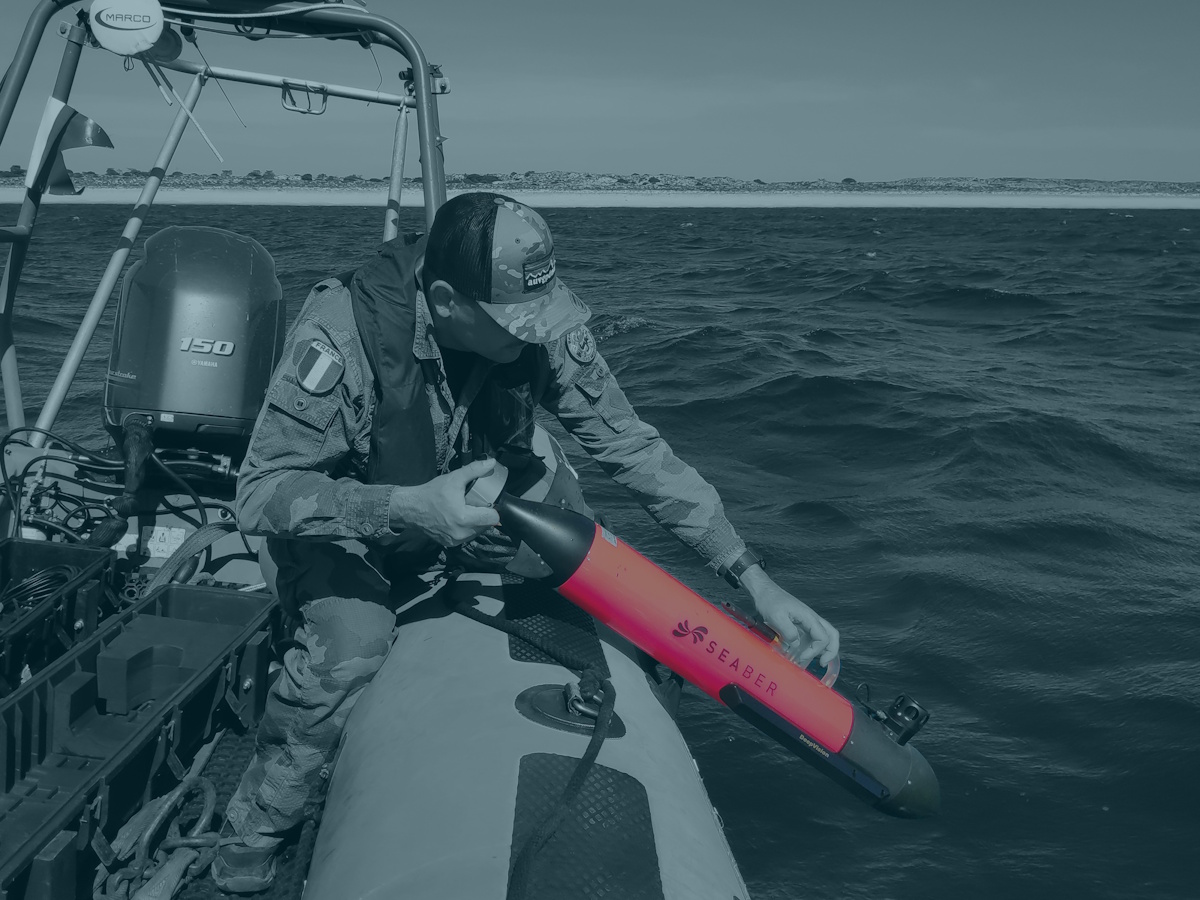
SEABER’s MARVEL 3DSS AUV for Beach Reconnaissance: A Technological Breakthrough for Naval Amphibious Operations
SEABER has achieved a significant milestone with the successful integration of a next-generation interferometric 3D side-scan sonar (3DSS) into its MARVEL micro-AUV, marking the first global deployment of this advanced technology on such a platform. Utilizing patented CAATI technology, the 3DSS provides high-resolution 2D imagery, true 3D seabed reconstruction, and centimetric-scale bathymetry from a compact system. In operational tests, the MARVEL-3DSS efficiently mapped a 300 × 150-meter beach approach zone in under 30 minutes, achieving speeds up to ten times faster than traditional methods while maintaining a minimal acoustic signature and eliminating the need for specialized personnel. This innovation significantly enhances the amphibious beach reconnaissance capabilities for naval forces, special operations units, and mine countermeasure teams, particularly in contested littoral environments.
seaber marvel 3dss auv beach reconnaissance amphibious operations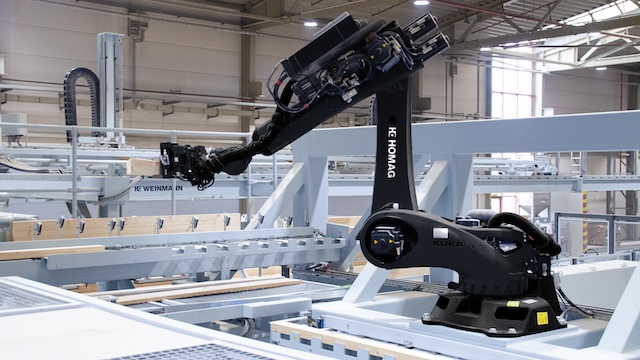
Object‐Enhanced Loop Closing With Semantic Topological Graphs
The Journal of Field Robotics has published new research highlighting advancements in autonomous robotic systems. This study, released in early October 2023, focuses on the integration of artificial intelligence in field robotics, aiming to enhance efficiency and adaptability in various environments. Conducted by a team of researchers from leading universities, the findings demonstrate how these innovations can significantly improve the performance of robots in agricultural, industrial, and exploration applications. The motivation behind this research stems from the growing need for automation in sectors facing labor shortages and the demand for increased productivity. The researchers employed a combination of machine learning algorithms and real-time data processing techniques to develop a prototype that showcases the potential of these autonomous systems. This work not only contributes to the field of robotics but also addresses pressing challenges in modern industries, paving the way for future developments in smart technology.
RESEARCH ARTICLE
One Surgery and Beijing's AI Ambition: From Lab to Technological Singularity
Beijing is intensifying its efforts to establish itself as the global capital of artificial intelligence, aiming to foster a robust AI ecosystem that includes advancements in robotic surgery and embodied intelligence. The city has set an ambitious target for its AI industry, striving to reach a valuation of one trillion yuan. This initiative is part of a broader strategy to enhance technological innovation and economic growth, positioning Beijing at the forefront of the AI revolution. The push towards this goal reflects the increasing importance of AI in various sectors and the city's commitment to leading in cutting-edge research and development.
Technology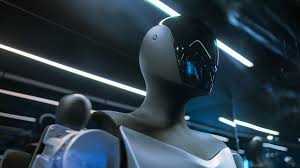
Two Fossa Flat Minima Optimization Algorithm‐Based Enhancement of Ecological Balance Using Carbon‐Neutral Eco‐Robots With Situational Intelligence for Air Quality Monitoring
A recent study published in the Journal of Field Robotics explores advancements in autonomous robotic systems designed for agricultural applications. Conducted by a team of researchers from various universities, the study highlights the growing importance of robotics in enhancing efficiency and sustainability in farming practices. The research, which was completed in October 2023, focuses on the development of robots capable of performing tasks such as planting, weeding, and harvesting crops with minimal human intervention. The motivation behind this research stems from the increasing demand for food production amid a global population surge and the need for sustainable farming methods that reduce environmental impact. By integrating advanced sensors and artificial intelligence, the robots are designed to optimize resource use, reduce labor costs, and improve crop yields. Field tests conducted in various agricultural settings demonstrated the robots' effectiveness in performing tasks traditionally done by human laborers. The study's findings suggest that these autonomous systems could significantly transform the agricultural landscape, making it more efficient and less reliant on chemical inputs. As the agricultural sector faces challenges related to labor shortages and climate change, the research underscores the potential of robotics to address these issues and pave the way for a more sustainable future in food production. The study calls for further investment and development in this technology to fully realize its benefits for farmers and the environment.
RESEARCH ARTICLE
US Army orders $11.2-million drone kits to detect battlefield chemical, biological threats
Teledyne Technologies Incorporated has announced that its subsidiary, Teledyne FLIR Defense, has been awarded an $11.2 million contract. This contract, which was secured recently, will enhance the company's capabilities in providing advanced defense and security solutions. The deal underscores Teledyne FLIR Defense's commitment to supporting military and governmental operations with cutting-edge technology. The funding will be utilized to develop and deliver innovative systems that meet the evolving needs of defense agencies. This strategic move reflects the growing demand for sophisticated defense technologies in an increasingly complex global security environment.

China’s robot therapy helps kids with neurological disorders stand up without assistance
A groundbreaking lightweight robotic device has enabled children suffering from spinal muscular atrophy (SMA) to reach significant developmental milestones. This innovative technology was introduced during a recent clinical trial conducted at a leading pediatric rehabilitation center. The device, designed to assist with mobility and physical therapy, aims to enhance the quality of life for these children by promoting movement and independence. The trial, which took place over several months, involved a group of young participants diagnosed with SMA. Researchers observed notable improvements in their physical capabilities, allowing them to engage in activities that were previously challenging or impossible. The motivation behind this initiative stems from the urgent need to provide effective therapeutic solutions for children affected by this debilitating condition. By integrating advanced robotics with tailored rehabilitation programs, the device not only supports physical movement but also encourages social interaction among peers. The positive outcomes from this trial highlight the potential for robotic technology to transform treatment approaches for SMA and similar neuromuscular disorders. As the research progresses, the team aims to refine the device further and explore its long-term benefits, with hopes of making it widely available to families in need.

Autonomous Navigation in Large‐Scale Underground Environments Based on a Purely Topological Understanding of Tunnel Networks
In June 2026, the Journal of Field Robotics published a significant study exploring advancements in robotic technology, specifically focusing on autonomous navigation systems. Researchers from leading universities and tech companies collaborated to investigate the effectiveness of these systems in various environments, including urban areas and remote terrains. The study aimed to address the growing demand for efficient and reliable robotic solutions in fields such as agriculture, disaster response, and transportation. By conducting extensive field tests, the team evaluated how these robots adapt to dynamic conditions and obstacles, ultimately enhancing their operational capabilities. The findings highlight the potential for improved safety and efficiency in robotic applications, paving the way for broader adoption in real-world scenarios. This research not only contributes to the academic discourse on robotics but also offers practical insights for industries looking to integrate autonomous systems into their operations.
RESEARCH ARTICLE
Breaking Through Heavy Loads for Ecological Win-Win: ASTRALL Dynamics Ecosystem Conference Held, Showcasing Full Range of Hypertron Series with 60kg Stair-Climbing Capability
At the ASTRALL Dynamics Ecosystem Conference held in Shenzhen, industry leaders introduced strategic initiatives designed to revolutionize the industrial quadruped robot sector. The event showcased the Hypertron series, featuring a notable 60kg stair-climbing robot, which exemplifies advancements in robotic technology. Organizers emphasized the importance of collaboration and technological openness as key factors in raising industry standards and expediting the deployment of these innovative robots. The conference aimed to foster partnerships and encourage the sharing of ideas to drive growth and efficiency within the sector.
Quadruped Robots Industrial Automation Robotics Technology Ecosystem Development
Explosive! Germany's 'Cyborg Cockroaches' Hit the Battlefield! Mass Production Through Biological Reproduction, Now Deployed by NATO
German startup SWARM Biotactics has introduced an innovative approach to military reconnaissance by creating programmable 'cyborg insect swarms' utilizing Madagascar cockroaches. This groundbreaking development allows for enhanced navigation through complex environments, offering a novel solution for modern warfare. The use of biologically enhanced insects not only provides a tactical advantage but also significantly lowers production costs, as these insects can reproduce biologically. This advancement marks a significant step in the integration of biological systems into military operations, reflecting a growing interest in unconventional technologies for defense purposes.
Biological Robotics Military Technology Cyborg Insects Defense Innovation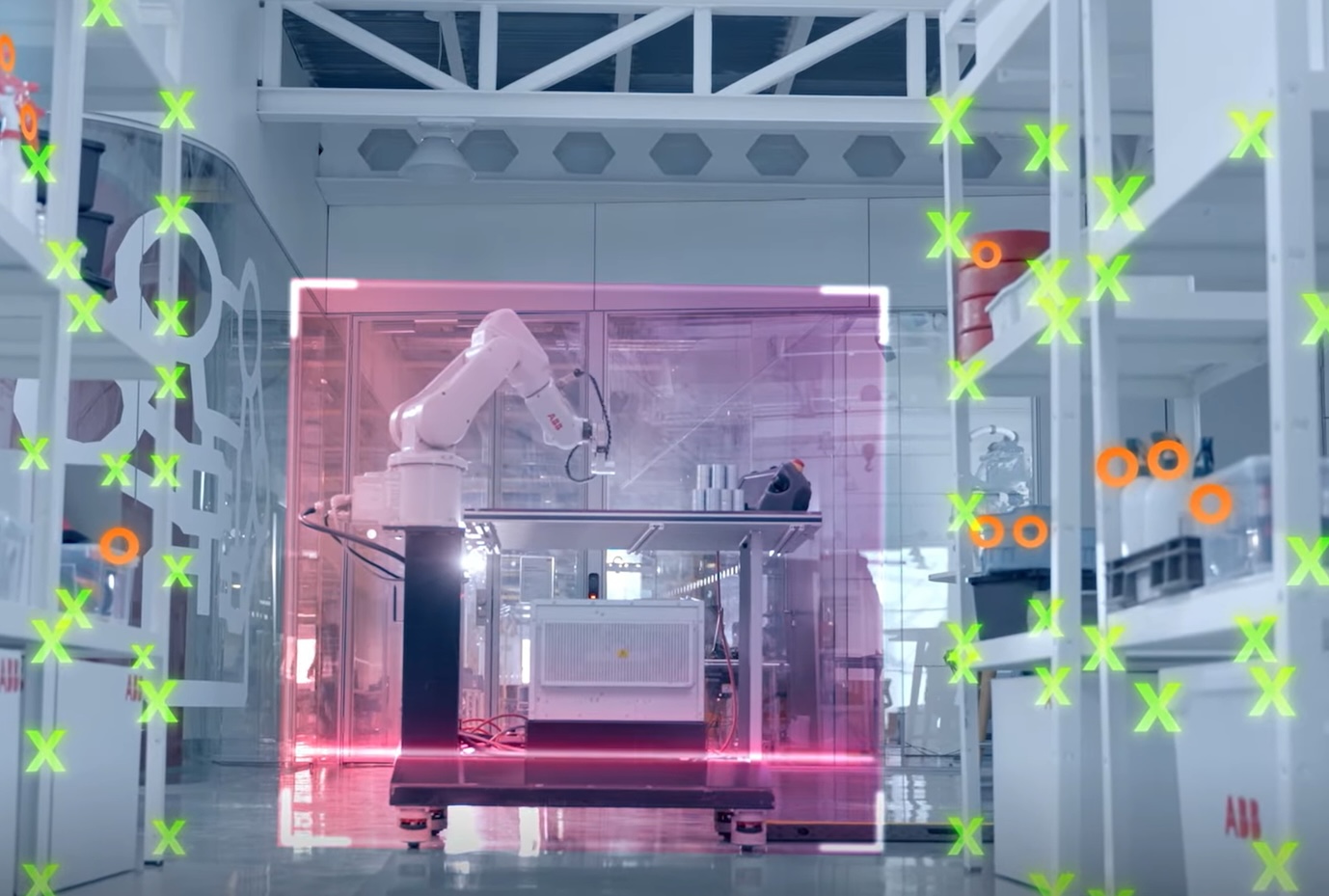
Acceptance of humanoid robots: A psychological perspective
In a groundbreaking study published in the May 2026 issue of Science Robotics, researchers have unveiled a new robotic technology designed to assist in complex surgical procedures. This innovative system, developed by a team at a leading robotics institute, aims to enhance precision and reduce recovery times for patients undergoing surgery. The research team conducted extensive trials over the past year, testing the robotic system in various surgical environments to assess its effectiveness and safety. Their findings indicate that the robotic assistant can significantly improve surgical outcomes by providing surgeons with enhanced dexterity and real-time data analysis during operations. The motivation behind this development stems from the increasing demand for advanced surgical techniques that minimize invasiveness while maximizing efficiency. By integrating cutting-edge robotics into the operating room, the researchers hope to address challenges faced by surgeons and improve patient care. The study's implications are far-reaching, as it not only showcases the potential of robotics in medicine but also sets the stage for future innovations in surgical technology. As the healthcare industry continues to evolve, this robotic system could become a standard tool in operating rooms worldwide, ultimately transforming the landscape of surgical procedures.
Focus
Focusing on Technological Breakthroughs and Supply Chain Collaboration: Invitation to the 2026 Zhangjiang Embodied Intelligence Developer Conference
The 2026 Zhangjiang Embodied Intelligence Developer Conference is set to occur on June 16-17, focusing on the latest advancements in embodied intelligence technologies. This conference aims to bring together enterprises, developers, and investors to promote collaboration within the rapidly evolving fields of robotics and artificial intelligence. By facilitating discussions and networking opportunities, the event seeks to drive innovation and development in these cutting-edge sectors.
Embodied Intelligence Robotics AI Supply Chain Collaboration Industry Conference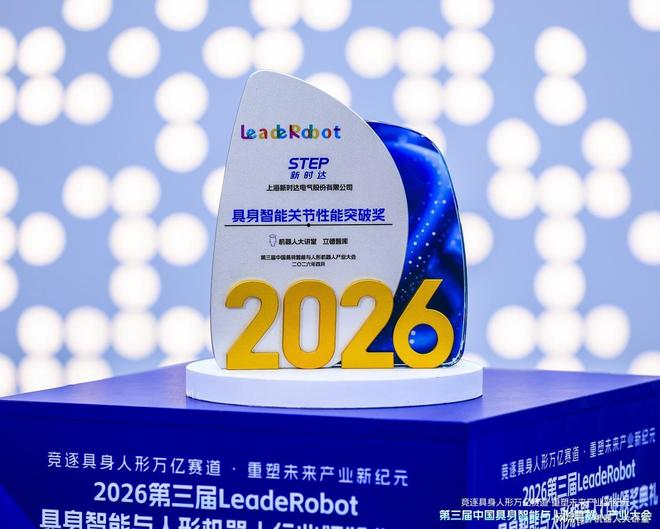
Technological Breakthrough! New Times Achieves Authority Recognition for Humanoid Joint Modules, Illuminating Key Link in Embodied Intelligence Mass Production
New Times has achieved a significant milestone by winning the 'Embodied Intelligence Joint Performance Breakthrough Award' for its cutting-edge humanoid robot joint modules. This recognition highlights a major advancement in China's humanoid robot industry, showcasing the company's innovative solutions to longstanding challenges related to weight, torque, and precision in robotic design. The development of these high-performance joint modules is expected to facilitate scalable applications across various industrial sectors, enhancing the functionality and efficiency of humanoid robots.
Humanoid Robots Joint Modules Embodied Intelligence Industrial Automation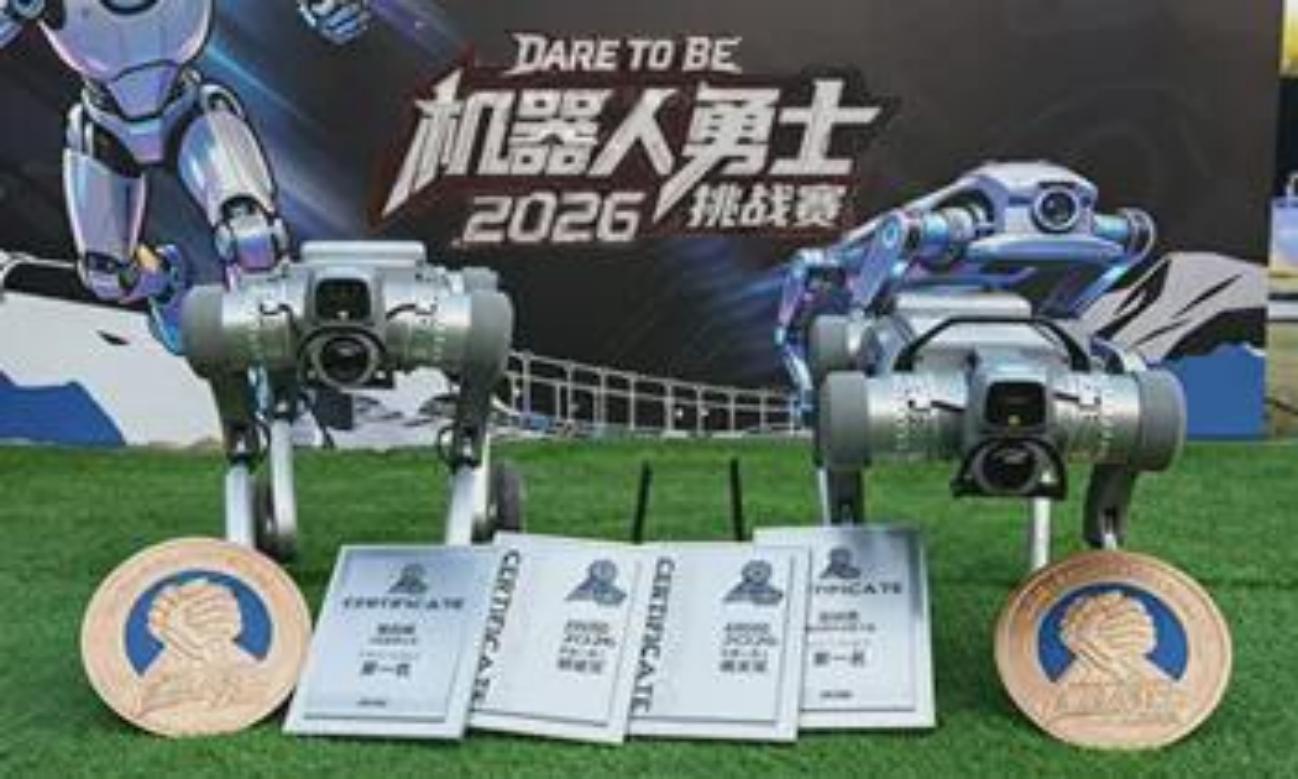
Technological Domination! Galileo Robotics Wins Double Championship and Four Awards at the 2026 Robot Challenge
Galileo Robotics, a company based in Tianjin, celebrated a significant achievement at the 2026 Robot Warrior Challenge by securing victories in both the quadruped and wheeled robot categories. The event, which focused on testing robotic capabilities in simulated disaster rescue scenarios, took place recently and drew attention to the advancements in robotic technology. In addition to their category wins, Galileo Robotics also earned the Speed Award and the Zero Error Award, underscoring the precision and efficiency of their designs. This success not only highlights the company's innovative approach but also demonstrates their readiness to meet industry demands in emergency response situations.
Robotics Disaster Response AI Technology Industrial Automation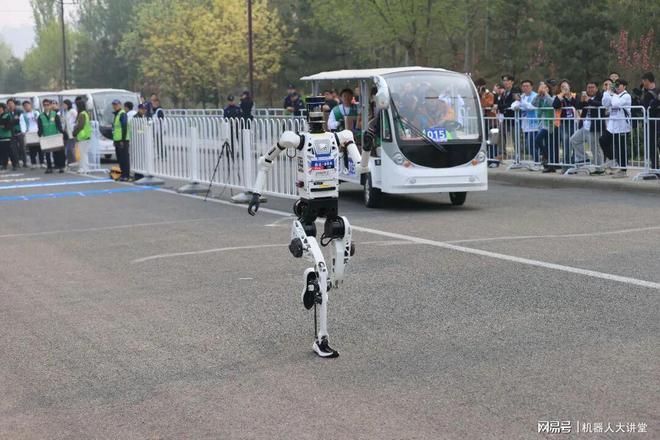
Embodied Intelligence Ultra: A Technological Breakthrough at the Beijing Half Marathon
The Embodied Intelligence Ultra humanoid robot has made headlines by autonomously completing a half marathon, demonstrating capabilities that exceed human speed limits. This significant achievement took place recently in China and highlights the country's progress in the field of embodied intelligence. The event served not only as a test of the robot's reliability and performance under challenging conditions but also as a demonstration of the potential applications for such technology across various industries. As advancements in robotics continue to evolve, this milestone marks a pivotal moment in the integration of artificial intelligence into practical, real-world scenarios.
Humanoid Robots Robotics Technology AI Autonomous Systems
Application Channel Opened | Notice for Collecting CIEI 2026 Ecological Partners
The 2026 Shanghai International Embodied Intelligence Industry Expo (CIEI 2026) is set to occur from July 2 to July 4 at the National Exhibition and Convention Center. This event aims to gather global ecological partners to collaborate on activities that promote the advancement of embodied intelligence across multiple sectors. By fostering partnerships and showcasing innovations, the expo seeks to drive progress in this emerging field, highlighting its significance in various industries.
Embodied Intelligence Industry Expo Technology Collaboration AI RoboticsRobotics needs a service framework.
RSF defines a common language for robot service capability, lifecycle operations, certification pathways, and service-provider networks.
Join the RobotToday community on LinkedIn
Daily robotics news, in-depth analysis, conference highlights, and discussions with professionals worldwide.