

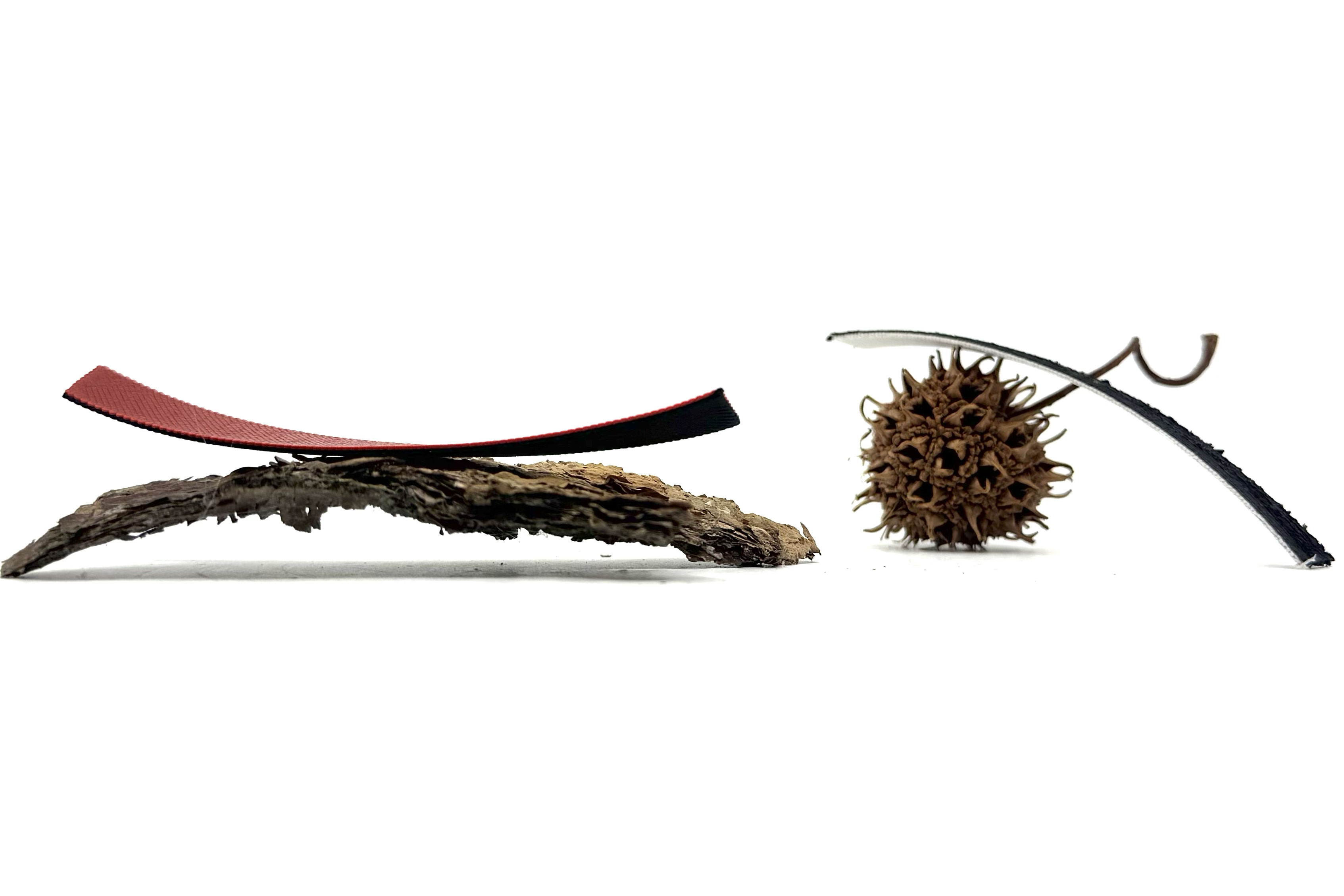
MIT researchers have created a mathematical framework that simplifies the design of bioinspired materials, such as moisture-responsive shingles. This framework captures the mechanisms across various length scales in natural systems, like those found in pine cones, and translates them into engineered systems that can be 3D printed.
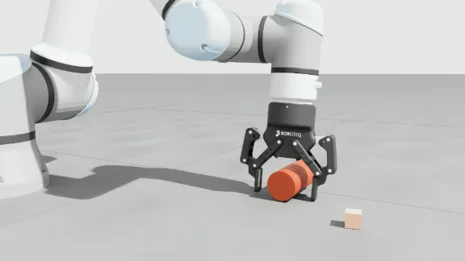
The significance of this work lies in its potential to streamline the development of adaptive materials, reducing costs and time associated with failed prototypes. By moving beyond mere bio-inspiration to what is termed 'bio-derivation,' engineers can systematically translate natural behaviors into synthetic structures, paving the way for innovations like soft robotic grippers and morphing airplane wings.
Looking ahead, the framework's application could extend to more complex systems, enhancing the ability of engineers to create materials that respond dynamically to environmental changes. No further timeline was disclosed at the time of publication.
Editor's Note
The development of this framework by MIT researchers represents a significant advancement in the field of material science and engineering. By leveraging biological principles, the framework not only enhances the design process but also opens avenues for innovative applications in adaptive materials and soft robotics, which are increasingly relevant in modern manufacturing and automation.
Copyright Notice
This briefing is an independently written summary based on publicly available reporting and is provided for industry information and news discovery. The original report and source publication are credited and linked where applicable. RobotToday does not claim ownership of third-party source material.
Rights concerns? If you believe any material in this briefing infringes your copyright or other rights, please contact [email protected] with the relevant URL and details. We will review the matter and take appropriate action where warranted.






























Leave a comment