Industry Briefing
A single destination for timely, editor-curated robotics news from around the world.
Systemic AI Enhances Scalable Industrial Automation in Manufacturing Plants
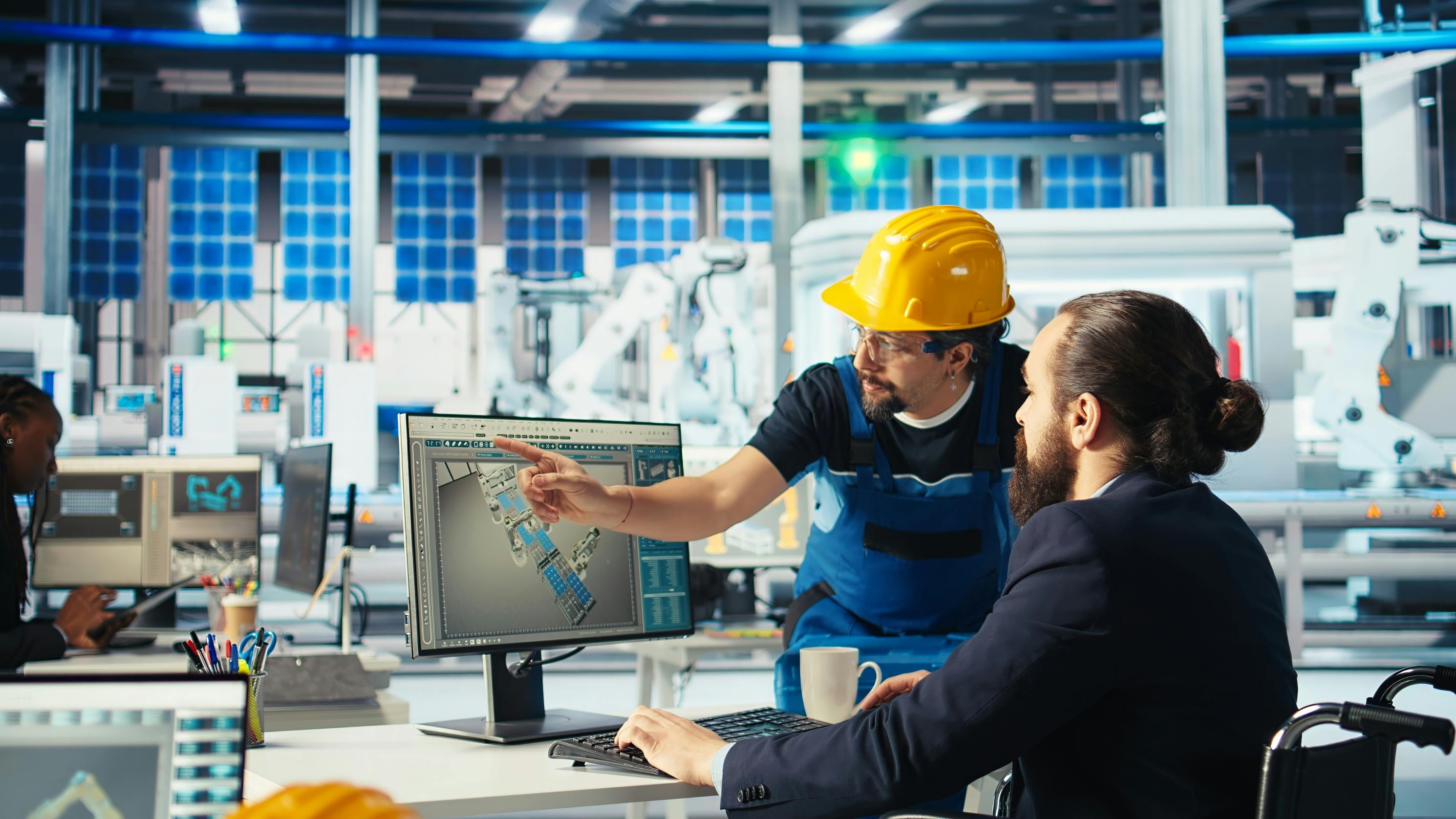
Manufacturers are increasingly frustrated with AI's limited scalability, as pilots often fail to replicate success across different sites. Accenture's research indicates that leading firms are adopting 'systemic AI,' which integrates intelligence directly into production systems, linking decision-making with physical execution across various operational levels. This approach contrasts with previous Industry 4.0 initiatives that focused on isolated automation. The significance of systemic AI lies in its ability to optimize the entire production lifecycle, from design to execution, thereby preventing errors before they occur. By applying AI early in asset and product development, manufacturers can secure cost and performance efficiencies prior to capital investment. Reports indicate that companies utilizing systemic AI experience substantial efficiency improvements, including a US aerospace manufacturer that eliminated traceability errors during the engineering-to-manufacturing transition. Looking ahead, manufacturers are encouraged to integrate their systems and data to facilitate real-time decision-making across all functions. This involves overcoming the challenges of connecting enterprise, operational, and engineering systems. A shared semantic layer can enhance AI's reasoning capabilities across these systems, allowing for more consistent actions and improved outcomes in manufacturing processes.
Factory / Digital Transformation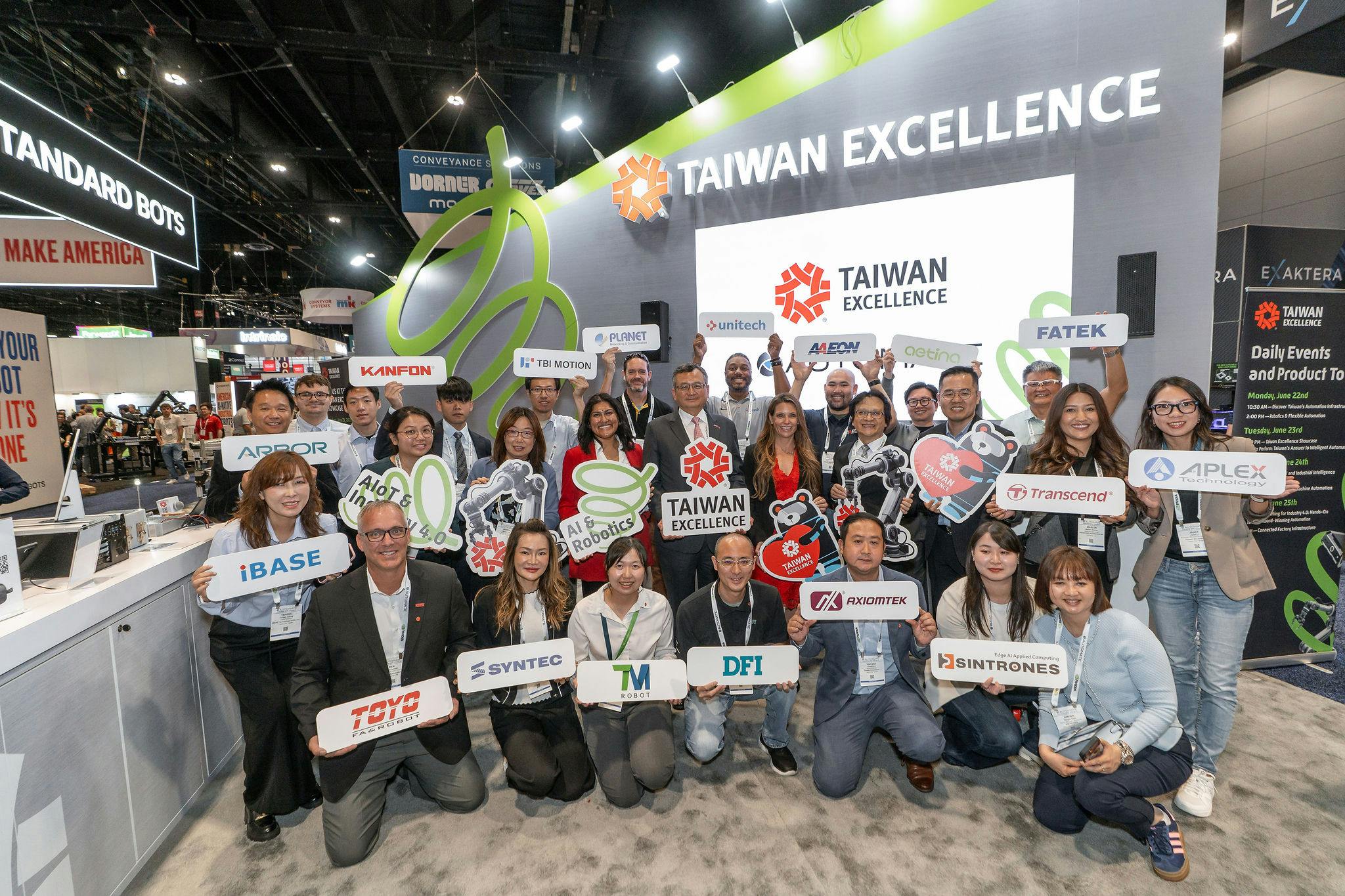
Taiwan's Ecosystem Fuels Next-Gen Manufacturing with Smarter Automation Solutions
The Taiwan Excellence Pavilion showcased 23 exhibitors presenting advanced solutions in edge AI, robotics, and smart manufacturing infrastructure. As manufacturers seek enhanced flexibility and intelligent operations, the integration of technologies across the factory floor is becoming crucial, driving demand for motion control, industrial computing, and machine vision. Taiwan's role as a global contributor in automation technologies is bolstered by its concentrated ecosystem focused on precision engineering and innovation. The Taiwan Excellence Award highlights exceptional Taiwanese products based on research, design, quality, and marketing, reflecting the nation's capability to support intelligent industrial systems. At Automate 2026, the pavilion demonstrated how foundational technologies assist OEMs and manufacturers in creating intelligent production environments. The emphasis on data-driven and AI-enabled automation solutions indicates a shift towards responsive manufacturing, where edge computing plays a vital role in real-time decision-making and advanced applications like predictive maintenance.
Factory / Digital Transformation
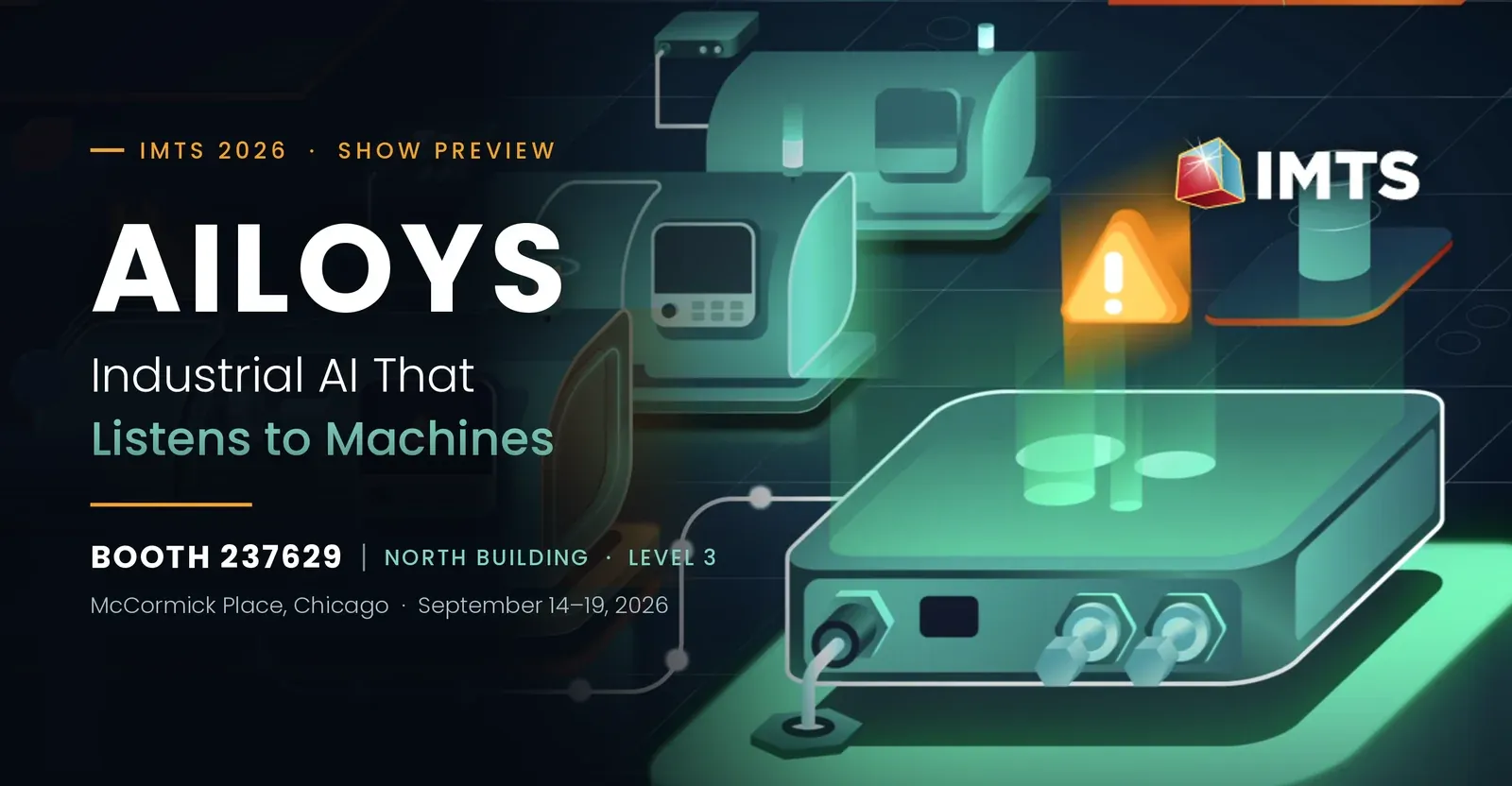
IMTS 2026 Showcases Industrial AI and Automation Transforming Manufacturing
IMTS 2026 is set to highlight the advancements in industrial AI, automation, additive manufacturing, and digital technologies that are transforming the manufacturing landscape. As U.S. manufacturing orders, output, and productivity continue to rise, this event will provide manufacturers with a unique opportunity to explore these innovations firsthand. The significance of IMTS 2026 lies in its role as a platform for manufacturers to engage with cutting-edge technologies that are reshaping production processes. The event will feature a range of solutions aimed at enhancing efficiency and productivity in manufacturing, reflecting the current upward trend in the sector. Looking ahead, attendees can expect to see a variety of demonstrations and discussions focused on the latest advancements in industrial technologies. No further timeline was disclosed at the time of publication.

Training and Upskilling, Not Automation, Key to Productivity Growth in Manufacturing
Recent insights indicate that while innovation in automation and robotics is ongoing, the immediate solution to productivity growth does not stem from these technologies. Instead, the focus should be on training and upskilling the workforce, which is becoming increasingly critical for manufacturers in the automotive and machine-building sectors. This emphasis on workforce development highlights a significant challenge for manufacturers, as the lack of skilled labor may hinder their ability to fully leverage technological advancements. As industries evolve, the need for a well-trained workforce will become a bottleneck, impacting productivity and competitiveness in the market. Looking ahead, companies must prioritize investment in training programs to address this skills gap. No further timeline was disclosed at the time of publication, but the ongoing shift towards upskilling suggests that manufacturers will need to adapt their strategies to ensure they can meet future demands effectively.

Rockwell Automation and Augury Partner to Enhance Agentic AI for Manufacturing
Rockwell Automation and Augury have formed a partnership to integrate their AI workflows, focusing on agentic AI to enhance industrial performance and maintenance reliability. This collaboration combines Augury's Industrial AI Workforce with Rockwell's AI-infused products, including the Fiix CMMS and FactoryTalk Optix, aiming to streamline maintenance processes for manufacturers. The significance of this partnership lies in its potential to transform how manufacturers approach maintenance. By shifting from reactive measures to proactive maintenance planning, the integration of AI technologies can lead to improved operational efficiency and reduced downtime. The partnership seeks to create a connected workflow that enhances decision-making and task execution based on real-time machine health data. Looking ahead, the focus will be on how effectively this partnership can implement agentic AI in real-world manufacturing settings. The ability to turn machine data into actionable insights and prioritize maintenance tasks will be crucial for manufacturers aiming to optimize their operations. No further timeline was disclosed at the time of publication.
Factory / Analytics
Humanoid Robots Transforming Brownfield Factories for Industrial Automation
Humanoid robots are emerging as a transformative force in manufacturing, particularly in brownfield factories. Their ability to adapt to existing human-centric environments allows for seamless integration into production workflows, minimizing the need for extensive modifications. This adaptability is crucial as manufacturers seek to modernize facilities without incurring significant capital investment or operational disruption. The significance of humanoid robots lies in their unique design and functionality, which enable them to perform a wide range of tasks in dynamic environments. Unlike traditional automated guided vehicles (AGVs) and autonomous mobile robots (AMRs), humanoids can navigate and adjust to changing conditions, making them well-suited for environments built around human dimensions. This capability positions them as a viable solution for manufacturers looking to enhance automation in legacy systems. Looking ahead, organizations must focus on workforce training and process reevaluation to ensure effective human-robot collaboration. The integration of a robust digital thread and the creation of digital twins will be essential for simulating interactions and validating workflows before deploying humanoids in production. No further timeline was disclosed at the time of publication.
Factory / Robotics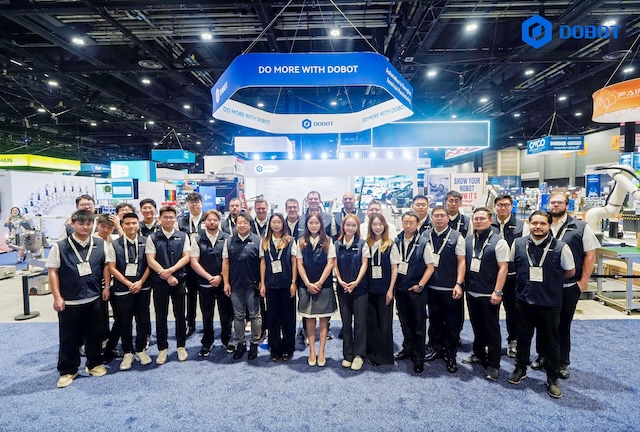
DOBOT Unveils Intelligent Automation Solutions at Automate 2026 to Enhance American Manufacturing
DOBOT showcased its latest intelligent automation solutions at Automate 2026, emphasizing the theme 'DO MORE WITH DOBOT.' The company highlighted how its collaborative robots and AI-powered technologies can enhance efficiency and flexibility in American manufacturing. Key demonstrations included solutions for various industries such as automotive and food & beverage, showcasing the integration of robotics in real-world applications. The significance of DOBOT's presentation lies in its commitment to strengthening American manufacturing through advanced automation. By demonstrating a comprehensive portfolio of application-driven solutions, DOBOT illustrated the potential of intelligent robotics to address industrial challenges and accelerate the transition to smart manufacturing. The showcased technologies aim to improve production processes across sectors, enhancing overall operational efficiency. Looking ahead, DOBOT's focus on integrated automation ecosystems and collaborative robotics indicates a trend towards more accessible and scalable solutions for manufacturers. The company's innovations, including humanoid robots and advanced programming capabilities, suggest a future where human-robot collaboration becomes increasingly seamless. No further timeline was disclosed at the time of publication.
DOBOT Automate 2026 collaborative robots industrial automation automation solutions humanoid robot
Exploring Automation Intelligence: Opportunities and Challenges in AI for Manufacturing
The manufacturing sector is experiencing a surge in artificial intelligence (AI) applications, driven by recent advancements in speech, language, and content generation technologies. Engineers and technology leaders are keenly observing these developments to enhance quality, minimize rework, and increase throughput. However, many organizations face challenges in translating AI demonstrations into tangible business value, revealing the complexities of deploying AI in production environments. Despite significant investments in AI and machine learning (ML), the manufacturing industry is encountering hurdles similar to those faced during the initial wave of data science and ML in the context of Industry 4.0. Many early projects failed to deliver operational value due to the misalignment of algorithms designed for consumer behavior with the deterministic needs of industrial settings. As manufacturers increasingly seek actionable insights from their data, the need for a deeper understanding of AI technology and its application in industrial contexts becomes critical. Looking ahead, the emergence of automation intelligence, which integrates lessons from past experiences with current AI tools, offers a promising framework for addressing complex industrial challenges. As AI technologies like generative AI and foundation models continue to evolve, their successful implementation will depend on ensuring real-time grounding, safety, and regulatory compliance in manufacturing processes. No further timeline was disclosed at the time of publication.
Factory / Workforce
Manufacturers Assess Automation ROI by Evaluating IT Reliability and Downtime Costs
Manufacturers typically calculate the return on investment (ROI) for automation by focusing on labor savings and increased throughput. However, a critical factor often overlooked is the cost associated with automation downtime, which can significantly impact overall profitability. This aspect of IT reliability is essential for determining the true financial benefits of robotic systems in smart manufacturing environments. Understanding the hidden costs of automation downtime is vital for manufacturers aiming to optimize their operations. When automation systems experience failures, the resulting downtime can negate the anticipated labor savings and throughput gains. This highlights the importance of investing in reliable IT infrastructure to ensure continuous operation and maximize the ROI of automation investments. Looking ahead, manufacturers should prioritize strategies that enhance IT reliability to mitigate downtime risks. No further timeline was disclosed at the time of publication, but ongoing assessments of automation systems will be crucial in refining ROI calculations and ensuring sustainable manufacturing practices in the future.

ForwardX Robotics Releases Whitepaper on Scaling AMRs in Existing Manufacturing Facilities
ForwardX Robotics has launched a new whitepaper that explores the engineering capabilities necessary for deploying and scaling autonomous mobile robots (AMRs) in existing manufacturing environments. This initiative comes as manufacturers seek to enhance automation in their facilities while ensuring production continuity. The whitepaper highlights the potential of AMRs to improve internal material flow in brownfield environments, which often require minimal changes to existing factory infrastructure. However, it also addresses the unique challenges posed by these environments, which extend beyond simple robot navigation. As the industry moves towards greater automation, stakeholders should monitor how ForwardX Robotics' insights can influence the adoption of AMRs in brownfield settings. No further timeline was disclosed at the time of publication.

Blum-Novotest to Showcase Innovative Measuring Technology for Automation at IMTS 2026
Blum-Novotest, a prominent supplier of advanced measuring and testing technology, will present key innovations at IMTS 2026 in Chicago, IL. The company aims to demonstrate how its products can enhance automation in machining processes, contributing to the concept of lights-out manufacturing. The significance of Blum-Novotest's participation lies in its commitment to advancing automation in the manufacturing sector. By showcasing its innovative solutions, the company emphasizes the importance of precision and efficiency in machining, which are critical for achieving fully automated production environments. As IMTS 2026 approaches, industry professionals should watch for Blum-Novotest's product demonstrations and insights into how their technology can facilitate seamless automation. No further timeline was disclosed at the time of publication.

Pharmaceutical Manufacturing's Unique Challenges in Embracing Automation
Pharmaceutical manufacturing is increasingly adopting automation to enhance productivity and address labor shortages, but the approach differs from other industries. Unlike typical manufacturing environments, any changes in pharmaceutical production processes require validation to ensure compliance with strict quality and regulatory standards, prioritizing patient safety. Despite these challenges, the demand for automation in the pharmaceutical sector is growing due to workforce shortages, supply chain disruptions, and rising medicine demands. Companies are investing in various technologies, including automated material handling and predictive analytics, to improve operational agility while adhering to compliance requirements. Organizations must carefully assess where automation can add value without complicating processes or introducing regulatory risks. The focus should be on integrating automation into a broader operational strategy that enhances resilience and flexibility, enabling manufacturers to adapt to evolving demands while maintaining high-quality standards.
Process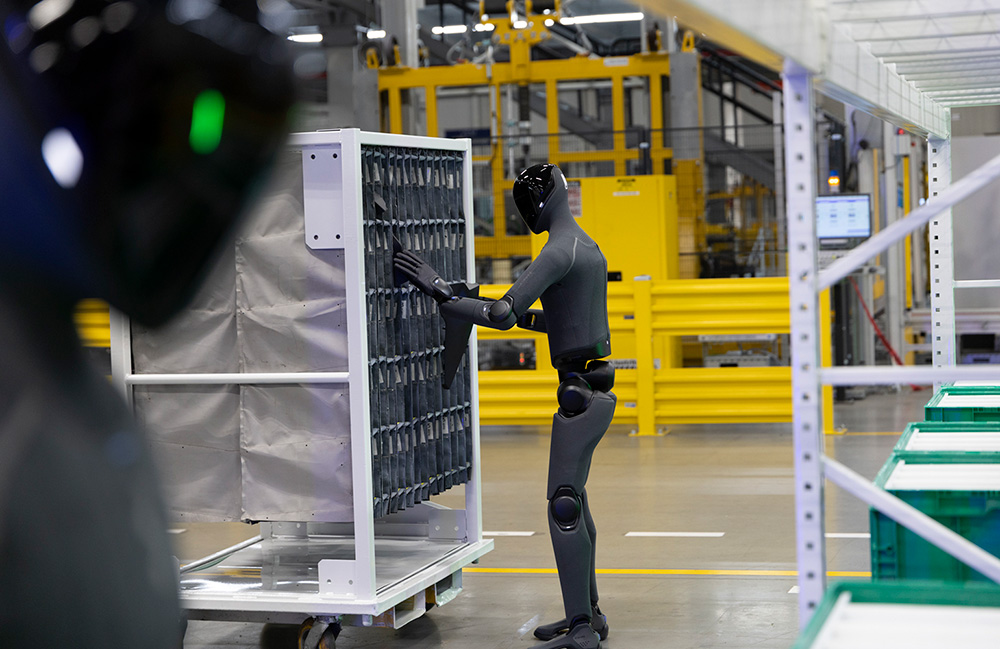
BMW to Deploy Figure 03 Humanoid Amid Cost Challenges in Manufacturing Automation
BMW announced plans to deploy the Figure 03 humanoid robot at its Spartanburg, S.C. plant following a successful pilot with Figure 02. Despite advancements in AI and robotics, the high costs associated with humanoid automation remain a significant barrier for manufacturers. Current robotic unit economics make it difficult to justify the investment, especially when specialized robots outperform humanoids in productivity. The evolution of physical AI has led to improved manipulation capabilities, with robots now able to perform tasks previously deemed challenging. However, the conversation has shifted from whether robots can perform tasks to whether their costs can be justified. Human oversight remains essential, particularly in unexpected situations, with some developers relying on teleoperation, which limits scalability. While humanoids offer flexibility for various tasks, their cost-effectiveness is questioned compared to specialized robots optimized for specific workflows. For instance, humanoids achieve around 1,000 picks per hour in parcel sorting, while specialized robots can reach up to 3,000 picks per hour. The primary challenge for humanoid robots lies in their economics, as they are currently too expensive for widespread adoption in most applications.
Humanoids News Opinion
Honeywell International Inc. (HON): One of The Best Robotics Stocks to Buy Poised for Manufacturing Automation Opportunities
Honeywell International Inc. has emerged as a leading contender in the robotics sector, particularly in the realm of manufacturing automation. On June 9, 2026, the company introduced Experion Cognition, an AI-enabled control system aimed at enhancing autonomous operations. This innovative platform leverages Honeywell's extensive experience in process automation and incorporates advanced AI models to address anomalies in control room settings, thereby optimizing production efficiency. Experion Cognition is designed to seamlessly integrate into existing control room environments, enabling operators—regardless of their experience level—to manage plant operations effectively. By automating situation management, the platform addresses the ongoing industrial workforce shortage, allowing less experienced personnel to operate complex systems with greater ease. The system's AI features, including an Operations Assistant, can generate predictions within a span of 5 to 10 minutes. Dr. Hasan Karam, Chief Operating Officer of Borouge International, highlighted that this new solution establishes a benchmark for efficiency and innovation, paving the way for the first AI-autonomous operations within the petrochemical industry. As a global technology and manufacturing conglomerate, Honeywell specializes in automation, aerospace systems, and energy transition, providing essential hardware, software, and services that enhance the safety and sustainability of various industries. While investment in Honeywell carries inherent risks, analysts believe that its advancements in AI technology position it favorably for future growth.

Semiconductor Review: Enhancing Semiconductor Manufacturing Through Intelligent Automation
Teradyne has been acknowledged by Semiconductor Review as the leading provider of semiconductor test and robotic solutions, highlighting the company's significant advancements in the integration of artificial intelligence within the semiconductor industry. This recognition comes amid a growing trend where the boundaries between semiconductor testing and factory automation are increasingly merging. The award underscores Teradyne's commitment to innovation and excellence in developing technologies that enhance efficiency and precision in semiconductor manufacturing. As the industry evolves, the incorporation of AI is expected to play a crucial role in streamlining operations and improving overall productivity.

Interview with MTC’s Mike Wilson: ‘Automation is not optional if the UK wants to rebuild manufacturing’
During the 1980s, the UK underwent a significant economic transformation, often associated with the policies of then-Prime Minister Margaret Thatcher. This period marked a decisive shift from a manufacturing-based economy to one increasingly dominated by services, finance, retail, and consumer spending. As the country embraced these changes, the manufacturing sector diminished in importance, reflecting broader trends seen in other Western economies, particularly the United States. This evolution was driven by a combination of government policies aimed at deregulation and privatization, which sought to stimulate economic growth and enhance competitiveness in a rapidly changing global market. The lasting impact of this transition continues to shape the UK’s economic landscape today.
Economy Features Manufacturing Technology automation news British manufacturing
America to Showcase Live CNC Machining, Manufacturing Automation, and Cobot Demonstrations at IMTS 2026
SW North America is set to exhibit at Booth #338250, where it will present a range of innovations in smart manufacturing. The showcase will include live machining demonstrations, collaborative robots, and applications tailored for the aerospace sector, alongside CNC manufacturing automation. This event aims to illustrate the advancements and future potential of manufacturing technologies. Attendees will have the opportunity to engage with interactive displays that highlight these cutting-edge solutions, emphasizing the company's commitment to driving progress in the industry.

JTEKT to showcase automation and digital integration solutions for manufacturing at "ROBOT TECHNOLOGY JAPAN 2026."
JTEKT Corporation will participate in the upcoming "ROBOT TECHNOLOGY JAPAN 2026," scheduled to take place from June 11 to June 13, 2026, at the Aichi Sky Expo. The event is organized by News Digest Co., Ltd. This exhibition aims to showcase advancements in robotics technology and foster collaboration within the industry. JTEKT's involvement highlights its commitment to innovation and leadership in the robotics sector.
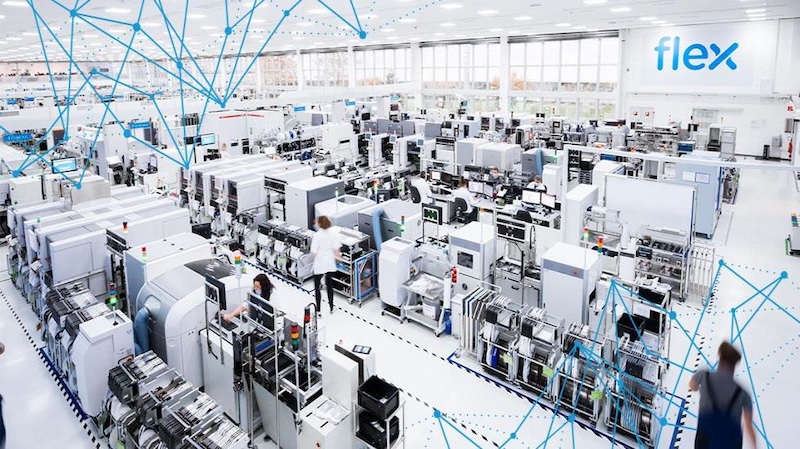
Scaling automation in contract manufacturing: Interview with Rodrigo DallOglio of Flex
Manufacturers are increasingly turning to automation to enhance productivity, quality, and resilience amid rising product complexity. This shift is evident as technologies like collaborative robots, autonomous mobile robots (AMRs), and advanced physical AI are transitioning from experimental stages to widespread implementation in large-scale production settings. The move towards automation is driven by the need to streamline operations and meet the demands of modern manufacturing. As companies adapt to these technological advancements, they are finding new ways to optimize their processes and improve overall efficiency in the factory environment.
Features Manufacturing amrs automation news autonomous mobile robots cobots
Industrial Robotics Market Report: Why Intelligent Automation Is Redefining Global Manufacturing
A significant transformation is occurring within global manufacturing ecosystems, driven by various factors impacting the industry. Manufacturers are grappling with rising labor shortages, which have intensified the need for innovative operational strategies. Concurrently, supply chain volatility and increasing wage pressures are compelling companies to reassess their production processes. Stricter quality requirements and a heightened demand for faster production cycles further contribute to this shift. As a result, manufacturers are exploring new approaches to enhance efficiency and adaptability in their operations. This evolution is not only a response to immediate challenges but also a proactive measure to remain competitive in an increasingly complex market. The ongoing changes reflect a broader trend towards modernization and resilience within the manufacturing sector, highlighting the necessity for businesses to evolve in response to external pressures and consumer expectations.
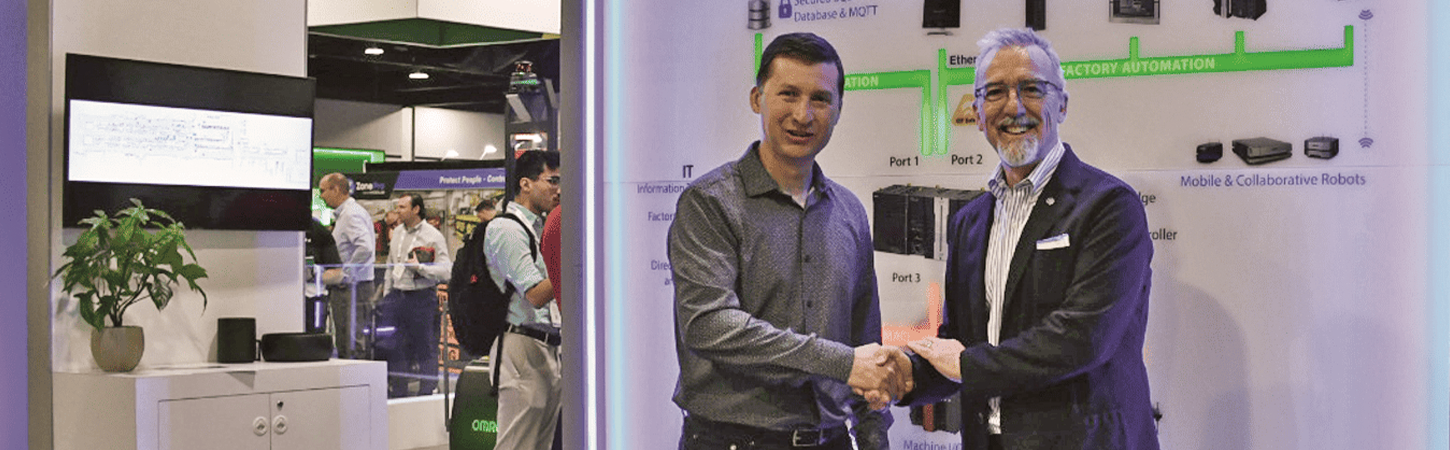
COMAU and OMRON Robotics to collaborate on expanding advanced industrial automation solutions across light industry, electronics, and medical manufacturing
COMAU and OMRON Robotics have entered into a strategic collaboration agreement to enhance the adoption and deployment of advanced industrial automation solutions for manufacturers globally. This partnership, announced recently, aims to leverage both companies' expertise in robotics and automation technology to streamline manufacturing processes and improve operational efficiency. By combining their resources and knowledge, COMAU and OMRON intend to address the growing demand for innovative automation solutions in various industries. The collaboration reflects a commitment to driving technological advancements that support manufacturers in navigating the complexities of modern production environments.

Flex and Teradyne Robotics Expand Partnership to Scale Intelligent Automation Across Global Manufacturing
Flex is enhancing its global manufacturing capabilities by incorporating Teradyne Robotics solutions, aimed at standardizing automation processes and boosting productivity. This initiative marks a significant expansion of their 20-year partnership, which has primarily focused on manufacturing Teradyne's semiconductor test equipment. The collaboration now extends into the realm of intelligent automation, allowing Flex to produce core robotics components that facilitate scalable production and enable rapid deployment of automation solutions worldwide. This strategic move underscores Flex's commitment to advancing its manufacturing footprint and meeting the growing demand for automated technologies.

KUKA unveils vision for Automation 2.0 as Physical AI reshapes global manufacturing
KUKA Group is spearheading the evolution of industrial automation, introducing its latest initiative, KUKA AMP, at the NVIDIA GTC conference. This event, held recently, showcases the company's commitment to advancing what it terms ‘Automation 2.0.’ By integrating Physical AI into its systems, KUKA aims to enhance the capabilities of industrial automation, making processes more efficient and intelligent. The presentation highlights the potential of this technology to transform manufacturing environments, reflecting KUKA's strategic focus on innovation and adaptation in a rapidly changing industry landscape.
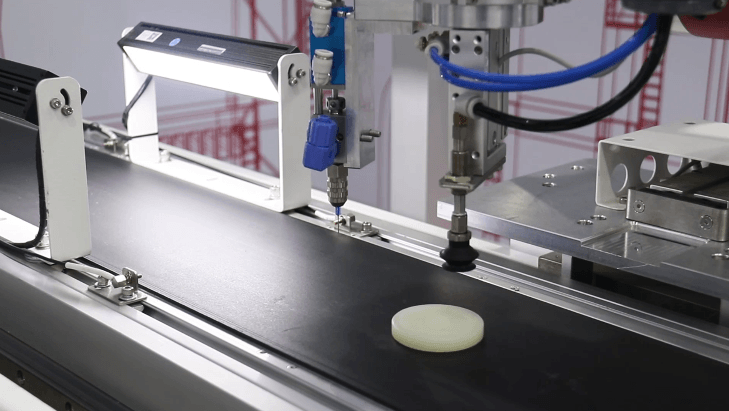
The Rise of Cobots in Manufacturing: Trends Shaping the Global Automation Market
The manufacturing industry is experiencing a transformative shift as automation technologies advance, with JAKA leading the way in the integration of collaborative robots, or cobots. These machines are designed to work alongside human operators, enhancing productivity while prioritizing safety. The adoption of cobots is expanding beyond niche applications to various sectors, including assembly, electronics, automotive, and precision engineering. JAKA's Zu series exemplifies how intelligent automation can optimize complex tasks like screwdriving, ensuring speed, accuracy, and reliability in production processes. A notable trend in modern manufacturing is the increasing use of 6-axis robot arm systems, which provide enhanced flexibility and adaptability. JAKA's robotic solutions can perform multiple functions such as assembly, material handling, and inspection, with the ability to adjust torque independently for different product requirements. This innovation has enabled clients to reduce manual labor and maintain consistent quality across production lines, particularly in high-mix, low-volume environments. The focus on efficiency and safety is driving the adoption of cobots, with JAKA integrating advanced control algorithms and sensors to create collaborative workspaces. The JAKA Zu series facilitates safe and reliable automated screwdriving, reducing repetitive strain injuries and improving production predictability. As the demand for intelligent automation grows, JAKA remains committed to providing flexible and precise solutions that meet the evolving needs of modern factories, positioning cobots as a vital component in the future of manufacturing.

Robot Talk Episode 145 – Robotics and automation in manufacturing, with Agata Suwala
Claire recently engaged in a discussion with Agata Suwala, a Technology Manager at the Manufacturing Technology Centre, focusing on the integration of robotics to enhance sustainability in manufacturing systems. Suwala, who has over ten years of experience in research and development, is at the forefront of innovation in automation and robotics. The conversation highlighted the importance of adopting advanced manufacturing technologies to reduce environmental impact and improve efficiency. By leveraging robotics, manufacturers can streamline processes, minimize waste, and create more sustainable production methods. This dialogue underscores the growing trend in the industry to prioritize sustainability through technological advancements, reflecting a broader commitment to environmental responsibility in manufacturing practices.
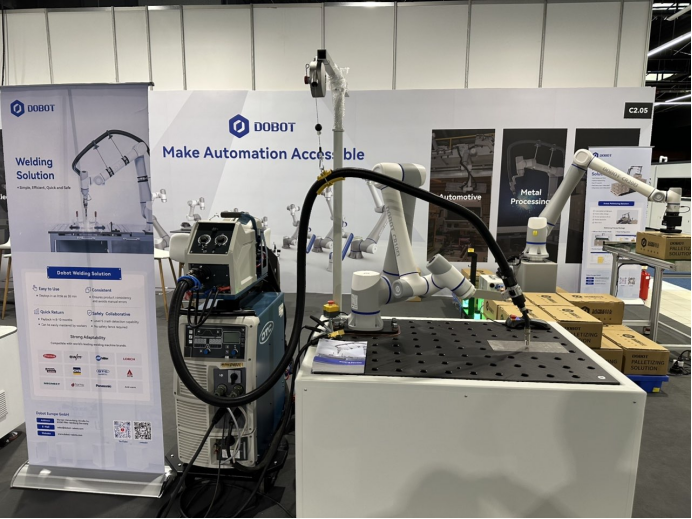
Robotic Welding Automation: How Cobot Welders Transform Manufacturing
Robotic welding, a cutting-edge technology in manufacturing, has gained significant attention for its efficiency and precision. This innovation, particularly through the use of collaborative robots (cobots), has revolutionized traditional welding processes. As industries seek to enhance productivity and reduce labor costs, cobot welders have emerged as a solution, allowing for safer and more effective operations alongside human workers. The rise of robotic welding has been particularly notable in recent years, with advancements in automation technology driving its adoption across various sectors. Manufacturers are increasingly integrating these systems into their production lines to streamline processes and improve output quality. The ability of cobots to work in tandem with human operators not only boosts efficiency but also minimizes the risk of workplace injuries, addressing safety concerns prevalent in welding environments. As companies continue to embrace this technology, the impact of robotic welding on the manufacturing landscape is becoming increasingly evident. By automating complex tasks, businesses can focus on higher-level operations and innovation, ultimately leading to greater competitiveness in the market. The ongoing evolution of robotic welding signifies a transformative shift in how products are manufactured, highlighting the importance of adapting to technological advancements in the industry.
robot arm collaborative robot cobot dobot dobot robotics
Teradyne Robotics and Analog Devices Enter Strategic Partnership to Accelerate the Adoption of AI and Advanced Robotics-Driven Collaborative Automation in Manufacturing
Teradyne Robotics, a division of Teradyne, Inc., has announced the launch of its latest advanced robotics solutions aimed at enhancing automation in various industries. This development, revealed during a press event in North Reading, Massachusetts, underscores the company's commitment to innovation in robotics technology. The new solutions are designed to improve efficiency and productivity for manufacturers facing increasing demands for automation. By leveraging cutting-edge technologies, Teradyne Robotics aims to address the challenges of labor shortages and rising operational costs that many businesses are currently experiencing. This initiative reflects the growing trend towards automation as companies seek to streamline operations and remain competitive in a rapidly evolving market.
Robotics needs a service framework.
RSF defines a common language for robot service capability, lifecycle operations, certification pathways, and service-provider networks.
Join the RobotToday community on LinkedIn
Daily robotics news, in-depth analysis, conference highlights, and discussions with professionals worldwide.