Industry Briefing
A single destination for timely, editor-curated robotics news from around the world.
K-Scale Labs Delivers First K-Bot Humanoid, Sells Out Second Batch
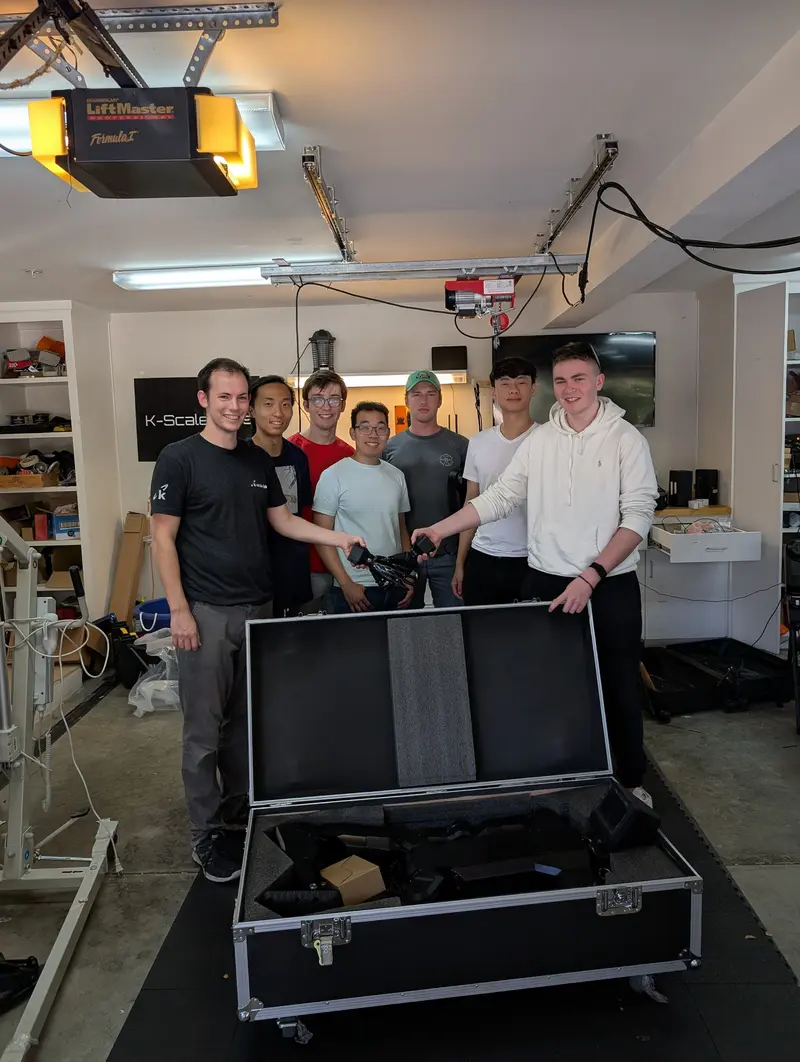
An open-source robotics startup has achieved a significant milestone by shipping its inaugural developer-focused humanoid robot, the K-Bot. This launch has generated strong early demand, leading to the rapid sell-out of the second batch of orders. The company’s innovative approach aims to empower developers by providing accessible robotic technology, fostering further advancements in the field.
k-scale k-bot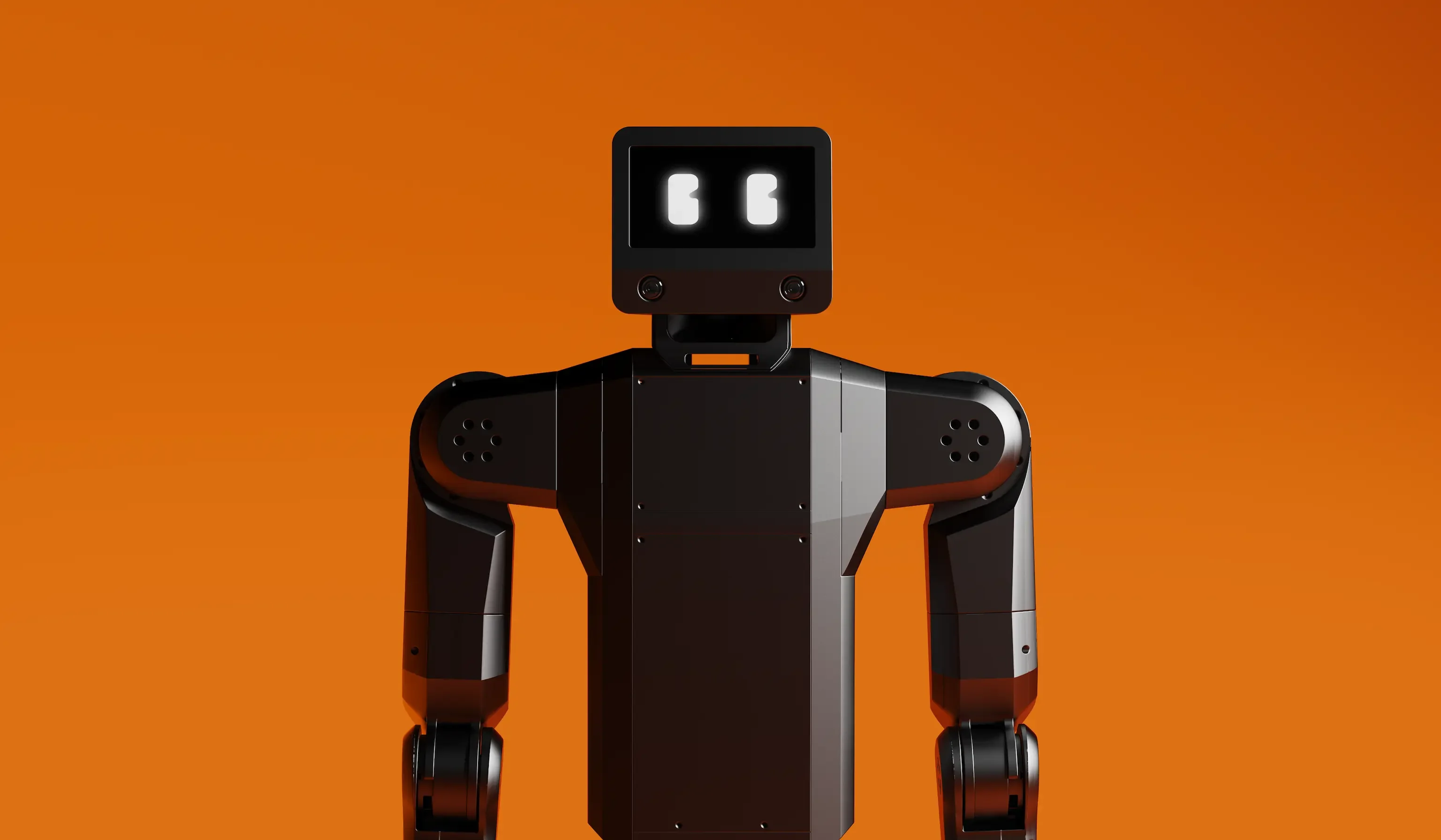
K-Scale Labs Cancels K-Bot Orders, Open-Sources All IP After Funding Fails
An open-source robotics startup has announced significant layoffs, reducing its workforce to a minimal team, as it struggles to secure a lead investor necessary for mass production. The decision, made by the company's CEO, comes alongside the refunding of deposits to customers who had pre-ordered products. In a bid to maintain transparency and support the community, the startup will release all its hardware and software designs to the public. This move marks the end of the company's efforts to bring its innovative robotics solutions to market, highlighting the challenges faced by startups in securing funding and achieving scalability in a competitive industry.
k-scale k-bot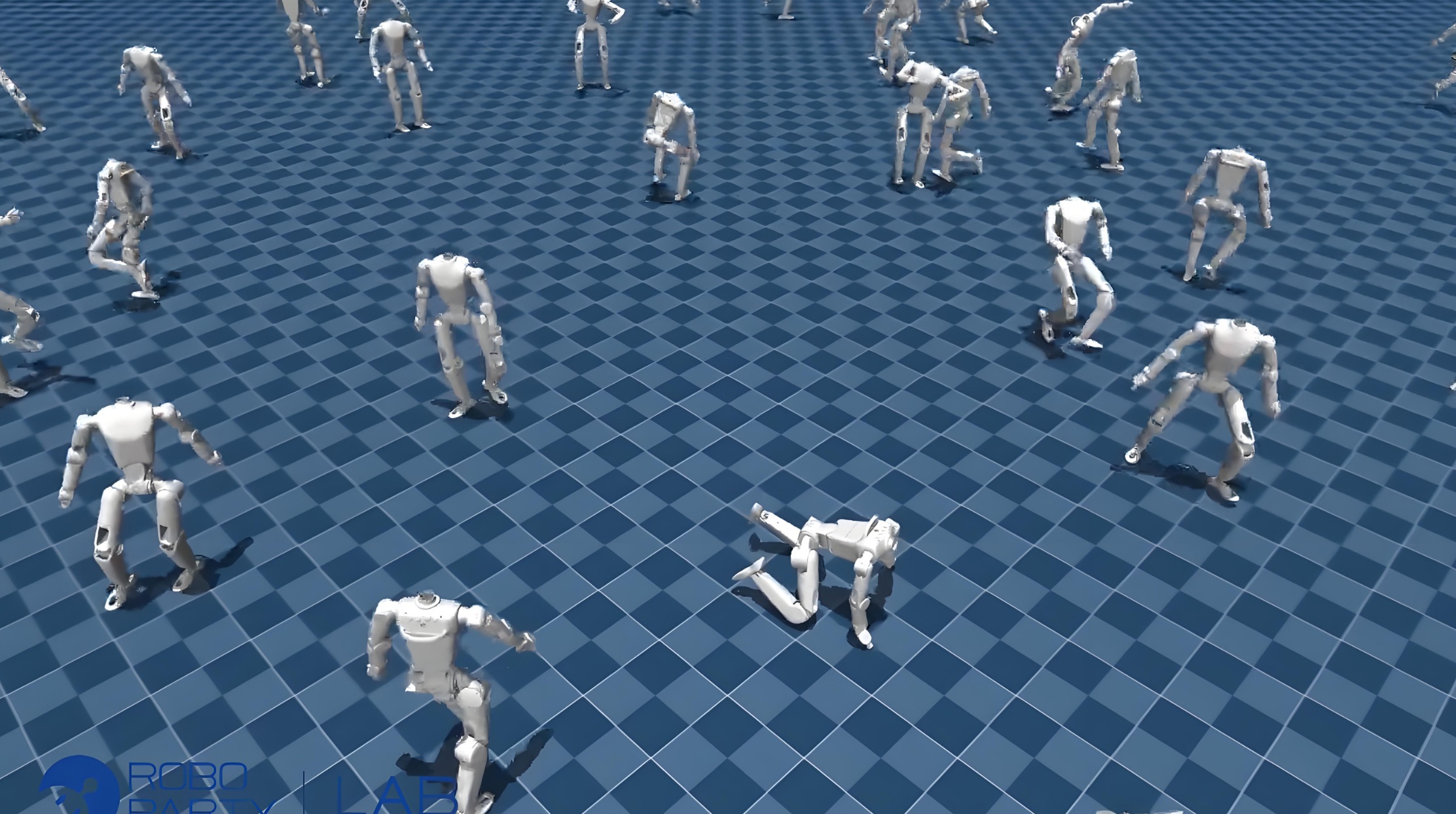
RoboParty Launches Open Source Framework for Next-Gen Humanoid Robot Development
In the past two years, the humanoid robot industry has seen numerous impressive demonstrations, but a shift is emerging in the second half of 2026. Companies are now focusing on developing training frameworks, development platforms, data tools, open-source models, and various R&D infrastructures. The competition is evolving from showcasing superior robots to enabling more developers to create robots faster. Recently, RoboParty established RoboParty Lab (RPLab) and introduced Party OS, an open-source embodied intelligence R&D foundation for next-generation humanoid robots. Alongside this, they released three R&D infrastructures: MimicLite, UFO, and hhtools. This move signifies a transition from merely demonstrating capabilities to building a robust R&D ecosystem that fosters collaboration and scalability within the developer community. As humanoid robots move from laboratories to practical applications in factories, warehouses, and homes, the industry is shifting its focus toward creating a reproducible, collaborative, and scalable R&D system. The emphasis is now on sustaining and accelerating development capabilities, marking a significant change in industry dynamics over the past year.
Humanoid Robots R&D Infrastructure Open Source Embodied AI Robot Development Tools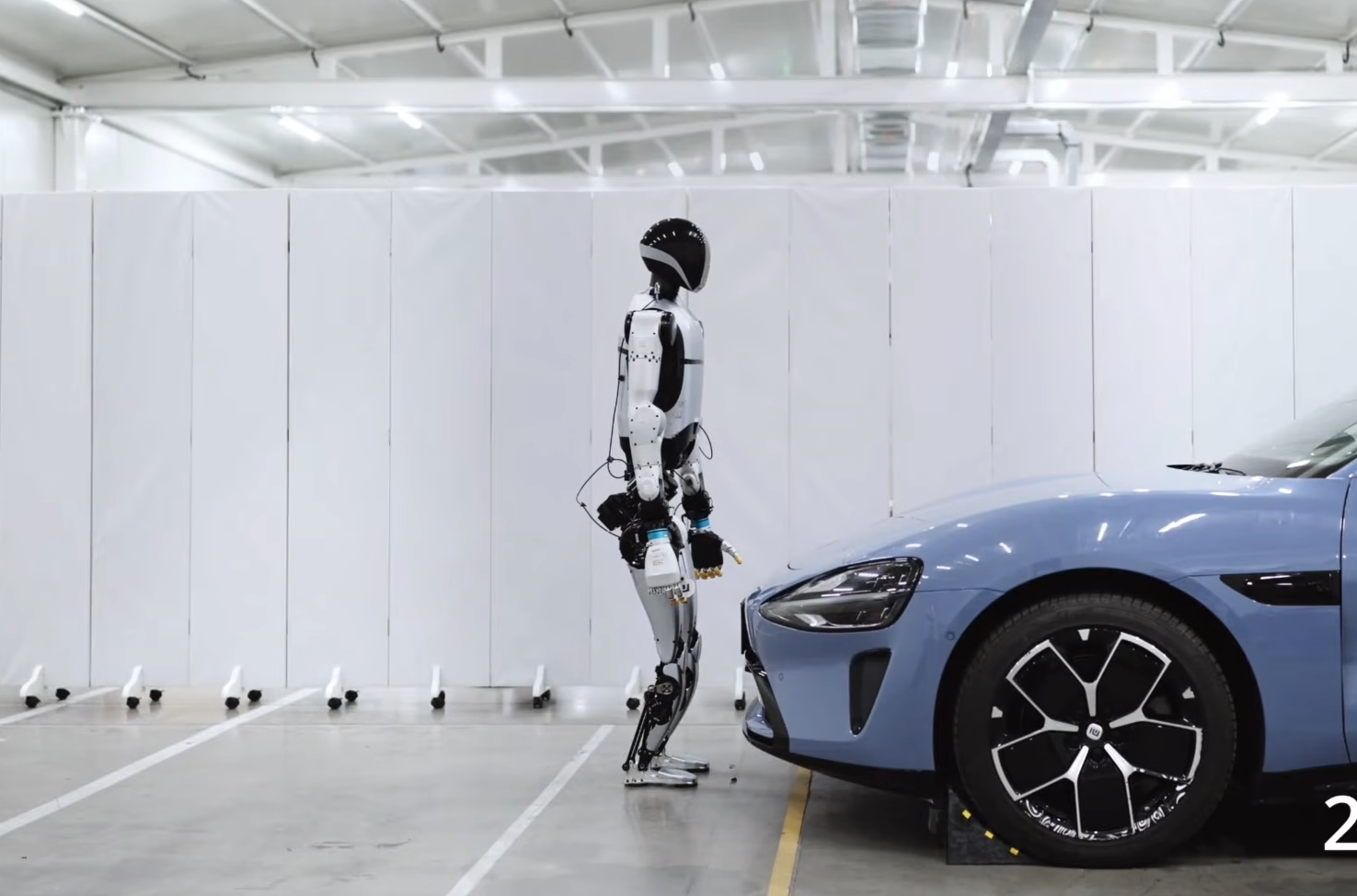
Xiaomi's Humanoid Robot Achieves 98% Success Rate in Automotive Production Tasks
Xiaomi has made significant advancements in deploying its humanoid robot on automotive production lines, achieving a 98% success rate at a self-tapping nut loading station. This improvement narrows the gap to human workers' qualification rates to just one percentage point, showcasing the robot's enhanced capabilities after four months of development. The importance of this development lies in Xiaomi's ability to expand the robot's role in manufacturing, as it has successfully taken on additional tasks such as center console side panel sorting and parts bin folding and recycling, both achieving a 90% success rate. This marks a significant milestone in the robot's operational capabilities, particularly in handling flexible workpieces, which are typically more challenging than rigid components. Looking ahead, Xiaomi's continued focus on refining its humanoid robot's perception and manipulation skills will be crucial for further integration into automotive assembly operations. No further timeline was disclosed at the time of publication.
AI and Robotics
WAIC 2026 Unveils Top Innovations in AI and Robotics at Shanghai Event
The World Artificial Intelligence Conference (WAIC) 2026, held from July 17 to 20 in Shanghai, showcased groundbreaking advancements in AI and robotics. With over 1,100 exhibitors and more than 3,000 products, the event highlighted ten key innovations, including the Shuguang 8000 AI supercomputer cluster and Ant Group's robotic pharmacy that completes a full workflow in just 90 seconds. These innovations are significant as they represent a leap in computational power and collaborative robotics, pushing the boundaries of what is possible in AI applications. The Shuguang 8000, a domestically produced AI supercomputer, supports a range of applications from scientific computing to AI inference, while the robotic pharmacy exemplifies the efficiency of integrating multiple robotic configurations. Looking ahead, the advancements presented at WAIC 2026 indicate a transformative decade for AI, robotics, and their impact on various sectors. The event's focus on high-performance computing and intelligent robotics sets the stage for future developments that could redefine work and daily life. No further timeline was disclosed at the time of publication.
Supercomputing Robotics AI Technology Smart Pharmacy Biotechnology
Qiyuan T1: The First Transformable Personal Robot Unveiled in Shanghai
The Qiyuan T1, the world's first transformable personal robot, was unveiled in Shanghai on July 14. This innovative robot can autonomously switch between a humanoid form and a quadrupedal 'robot dog' form, adapting to various environments without user intervention. This breakthrough is significant as it allows the Qiyuan T1 to navigate spaces that may not be suitable for a single form, enhancing its usability in both indoor and outdoor settings. The robot features advanced capabilities such as flexible force control for human interaction and the ability to carry items in its quadrupedal mode. The Qiyuan T1 will make its public debut at the World Artificial Intelligence Conference from July 17 to 20, 2026. As the personal robotics market evolves, the Qiyuan T1 sets a new standard for versatility and functionality in personal robots.
Transformable Robots Personal Robotics AI Technology Human-Robot Interaction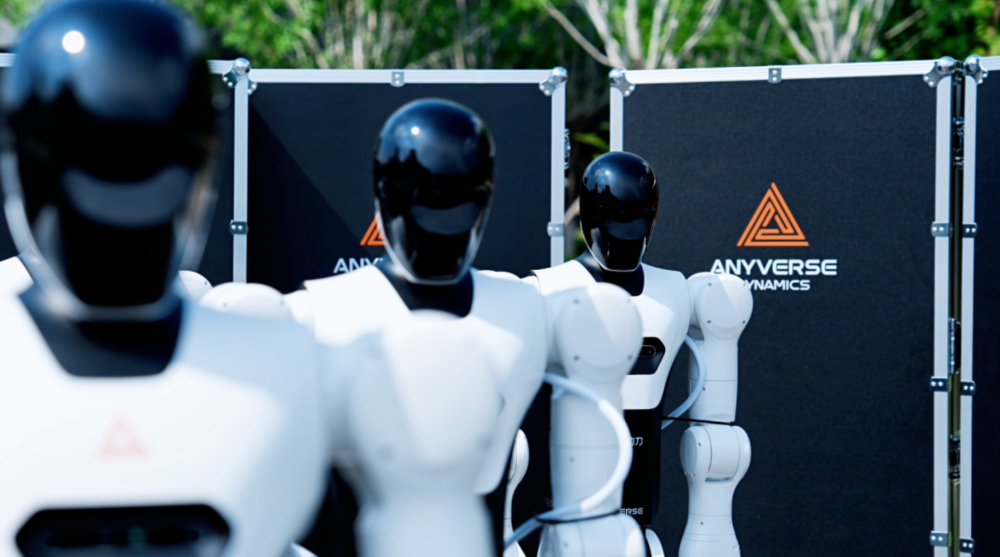
Automakers Seek Reliable Robots for Long-Term Performance Over Flashy Demonstrations
At the 2026 Embodied Intelligence Industry Integration Conference, industry leaders emphasized the need for robots that can operate reliably for extended periods without errors. Executives from companies like Beijing Galaxy General Robotics and Changan Automobile highlighted that automakers prioritize robots capable of consistent performance over flashy capabilities. The discussion revealed that many applications in automotive manufacturing, such as material handling and quality inspection, still lack effective solutions. High labor intensity and safety concerns drive the demand for robots that can maintain precision and efficiency over long operational hours, as noted by industry experts. Looking ahead, the focus will shift towards developing adaptable robots that can quickly integrate into various factory layouts without extensive reprogramming. The concept of 'Design for Robot' was introduced, aiming to reshape factory processes around robotic capabilities. No further timeline was disclosed at the time of publication.
Industrial Robotics Manufacturing Automation Automotive Technology Robotic Process Automation
LA High School Students Engage with Real Robotics at Faraday Future Headquarters This Summer
A group of K-12 students in Los Angeles has been hands-on with real humanoid robots and industrial-grade robotic dogs at Faraday Future's headquarters this summer. On July 15, Faraday Future announced that its EAI Robotics Summer Camp, in collaboration with the Lynwood and El Segundo school districts, has entered its second week, alongside a partnership with Triple I, a full-cycle education organization in the U.S. The summer camp is notable for using actual robotics equipment rather than toy kits or computer simulators. Students have worked with Faraday Future's own robots, including the Navi, an educational four-legged robot priced under $2,000, the industrial-grade Aegis, and the humanoid robot Master. The camp employs a five-day progressive learning structure, culminating in students programming and debugging real hardware. Participants have transformed from beginners to capable of autonomous system demonstrations within just one week. Faraday Future's Co-CEO Chen Zhe emphasized the importance of immersive engineering experiences for students and how their feedback aids product iteration and course design. He believes education will be a key application area for scaling consumer robotics in its early stages, as Faraday Future aims to bridge classroom learning with practical experience and home education.
Robotics Education Hands-on Learning Consumer Robotics Programming STEM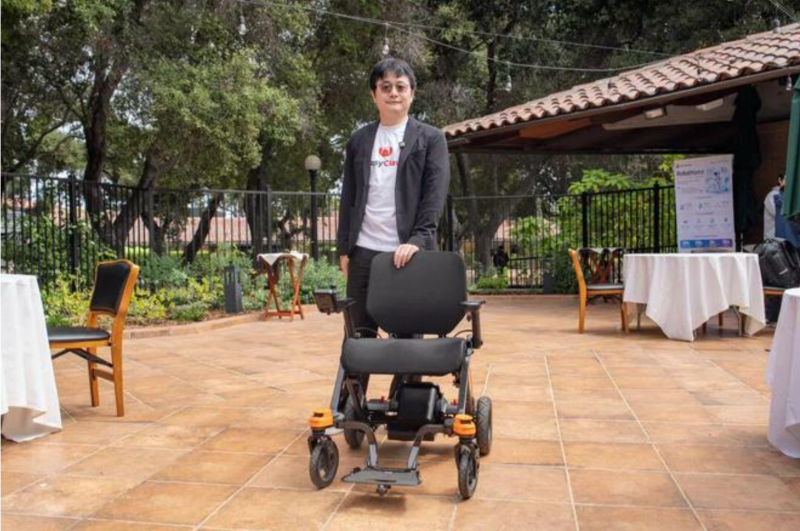
Smart Wheelchair Captivates Attention at Stanford AI Summit Over Humanoid Robots
At the Humanity & AGI Summit held at Stanford University, a smart wheelchair presented by Fu Sheng, Chairman of Cheetah Mobile, garnered significant attention, overshadowing humanoid robots. Attendees were drawn to the wheelchair's autonomous obstacle avoidance and user-friendly features, prompting many to experience it firsthand. The interest in the smart wheelchair highlights a critical shift in the robotics landscape, as Fu Sheng noted that humanoid robots are unlikely to achieve commercial scalability in the next five to ten years. He emphasized that the current limitations in software and hardware development hinder the practical application of humanoid robots, with most sales directed towards research institutions rather than commercial markets. Looking ahead, the focus on practical solutions like the smart wheelchair suggests a growing recognition that functionality is more important than form in robotics. As the industry continues to evolve, the demand for effective, user-centric products will likely shape future innovations, steering attention away from humanoid designs towards more practical applications.
Smart Wheelchairs Humanoid Robots AI Technology Robotics Assistive Devices
Tombot's AI-Driven Robotic Dog Receives Over 23,000 Preorders for Senior Emotional Support
Tombot, a robotics company based in Los Angeles, has announced the completion of a $7 million Series A3 funding round led by Caduceus Capital Partners and Wavemaker 360. This brings the company's total funding to over $13 million, with more than 23,000 preorders for Jennie, an AI-driven robotic Labrador puppy, already secured before product delivery. The significance of Jennie lies in its potential to address the growing issue of loneliness among seniors, particularly those suffering from dementia and mild cognitive impairment. With over 300 million individuals globally affected by these conditions, Tombot aims to provide a medical-grade emotional support device that requires no feeding, walking, or maintenance, thus offering a viable companionship option for the elderly. Looking ahead, Tombot's focus will be on continuous updates to Jennie's behavior and voice commands through an accompanying mobile app. The response from investors and the market indicates a serious consideration of robotic companions as a solution to the pressing challenges of aging populations and caregiver shortages. No further timeline was disclosed at the time of publication.
Emotional Support Robots Elderly Care Technology AI Companions Robotics
Jining Transforms into a Robotics Hub, Redefining Its Industrial Identity
Jining, a historic city known as the hometown of Confucius and Mencius, is redefining its industrial identity through robotics. In July, the 2026 'Robot+' Innovation Development Conference took place in Jining, attracting 165 upstream and downstream robotics companies and showcasing ten practical application scenarios. The city, one of Shandong's four major robotics industry hubs, is drawing national capital with its unique approach. As a top 100 city for advanced manufacturing in China, Jining encompasses 38 of the 41 major industrial categories, including engineering machinery and biomedicine. Thousands of enterprises are advancing digital transformation and automation upgrades. The demand for robotics is particularly strong in heavy industries, coal mining, and logistics, with significant opportunities for mining robots and warehouse automation. Jining's development strategy involves differentiated growth across its districts, focusing on core components, drones, and service robots. The city has established a 500 million yuan investment fund for robotics and is prioritizing projects in key areas such as industrial robots and special-purpose mining robots. As Jining embraces robotics, it illustrates the synergy between its rich cultural heritage and intelligent manufacturing.
Robotics Industrial Automation Smart Manufacturing AI Technology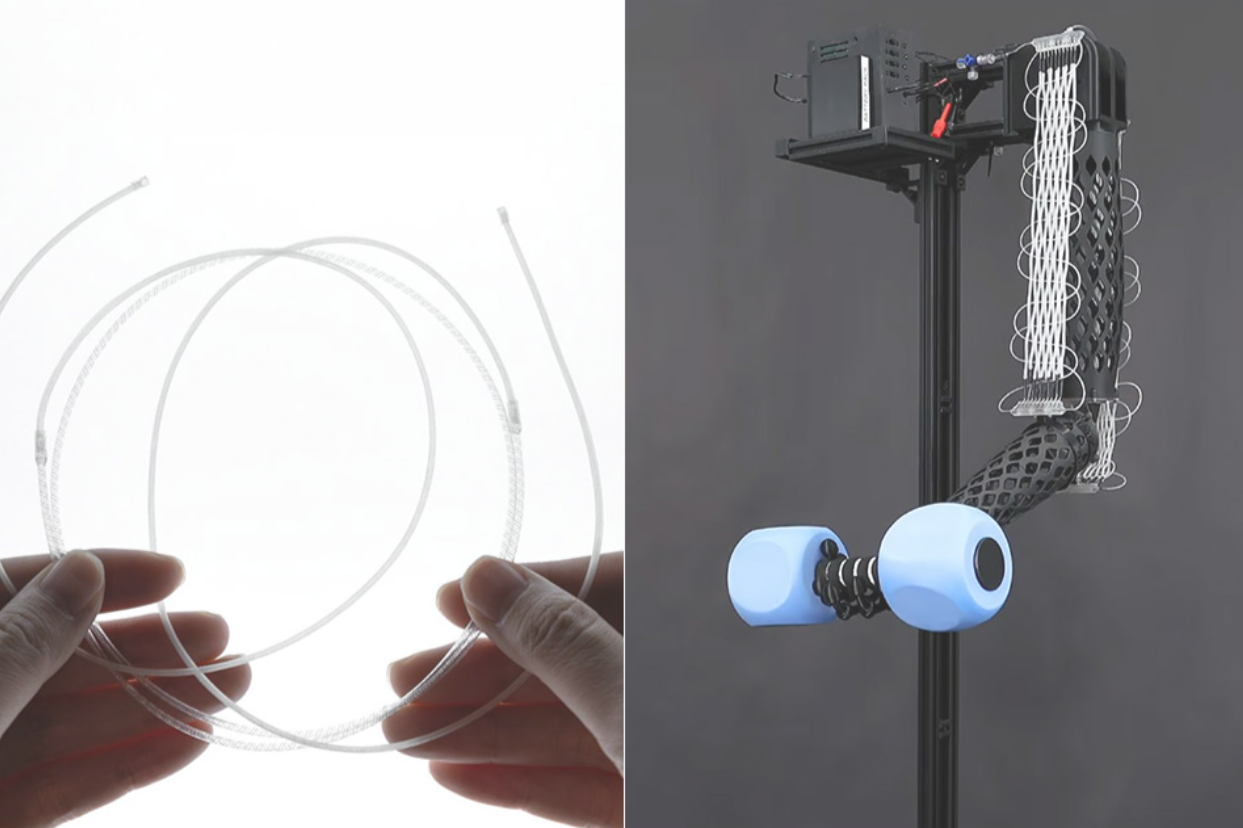
MIT Develops Innovative 'Fiber Muscles' for Robots to Imitate Natural Muscle Movement
Researchers from MIT Media Lab and Bari Polytechnic University have unveiled a groundbreaking technology in soft robotics, detailed in the journal Science Robotics. They have developed 'fiber muscles' that operate silently and efficiently, eliminating the need for external pumps and bulky components traditionally used in robotic joints. This innovation is significant as it addresses the limitations of current robotic systems, which rely on motors and gearboxes that generate noise and require heavy parts, impacting flexibility and energy efficiency. The new system integrates miniature pumps within the muscle fibers, allowing for a self-contained, lightweight, and quiet operation that mimics human muscle movement. Looking ahead, this technology could revolutionize the design of soft robots, enabling them to be embedded in robotic arms, wearable exoskeletons, or prosthetics. The potential for these fiber muscles to enhance human-robot interaction and create more adaptable robotic systems is promising, suggesting a future where the physical boundaries of human-robot coexistence may become more fluid.
Soft Robotics Robotic Actuators Bio-inspired Technology Wearable Robotics
Bomen Technology's IPO Launches in Yizhuang, Marking Fourth Robot Listing by Li Zexiang
Bomen Technology (Beijing) Co., Ltd. has recently passed the listing hearing on the Hong Kong Stock Exchange, with CITIC Securities (Hong Kong) as the exclusive sponsor. The company's core business focuses on direct drive modules in robotic joints, projecting a shipment of over 8.5 million units by 2025, capturing a 61.1% market share in China's consumer robot direct drive module sector. It is the first and only company globally to exceed 5 million units shipped. The significance of this IPO lies in Bomen's innovative approach to robotics, which eliminates traditional gearboxes to enhance performance and responsiveness. Founded by Zhang Di, a protégé of Professor Li Zexiang, Bomen has demonstrated the engineering feasibility of direct drive solutions, resulting in modules that are half the size of conventional designs, with doubled lifespan and reduced noise. This advancement is crucial for the consumer robotics market, where space and efficiency are paramount. Looking ahead, Bomen Technology aims to continue its rapid growth trajectory, having completed 12 funding rounds since 2020, raising nearly 650 million yuan with a post-investment valuation of approximately 3.2 billion yuan. If successful, Bomen will become the fourth company in Li Zexiang's network to go public, following three previous IPOs in the robotics sector.
Consumer Robotics Direct-Drive Technology Robot Modules IPO Automation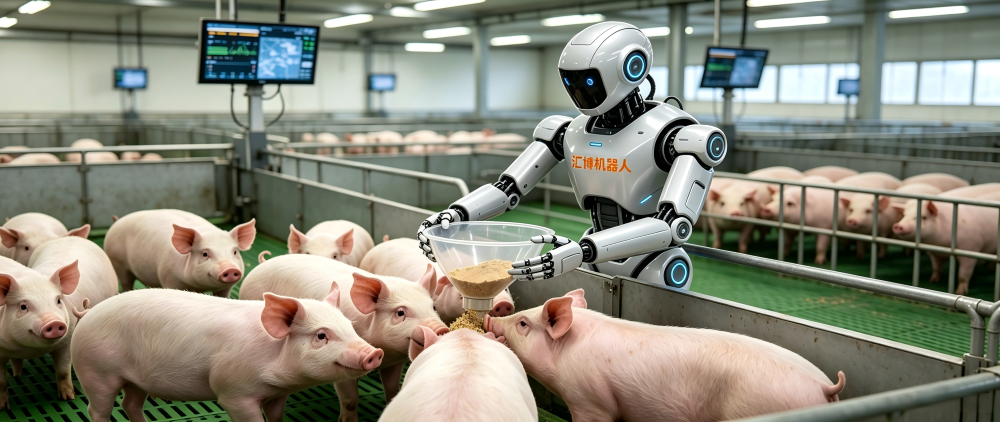
Jinke Smart Agriculture Reduces Robotics Investment from 650 Million to 60 Million Amid Market Challenges
On July 10, Jinke Smart Agriculture's stock surged, prompting speculation about its acquisition of Jiangsu Huibo Robotics. Initially, Jinke planned to invest 650 million yuan to gain control over Huibo, which specializes in humanoid robotics for pig farming. However, by late June, the investment was drastically reduced to 60 million yuan, raising concerns about the viability of the acquisition. This significant cut in investment reflects the broader challenges faced by Jinke, as its revenue is projected to decline by 18.26% in 2025, with a net profit drop of 78.59%. The domestic pig market struggles with prices below 12 yuan per kilogram, while production costs remain high. The shift towards robotics is seen as a potential solution to reduce labor costs and improve efficiency in pig farming. Looking ahead, the feasibility of the investment hinges on whether the robotics can operate effectively in the harsh conditions of pig farming. The debate continues on whether humanoid robots are necessary for the tasks at hand, as their design may offer advantages in precision and flexibility compared to traditional robotic forms. No further timeline was disclosed at the time of publication.
Humanoid Robots Agricultural Robotics Pig Farming AI Technology
Norwegian Firm AutoAgri Transitions to Uncrew Robotics, Expanding Global Reach
Norwegian technology company AutoAgri has rebranded as Uncrew Robotics, reflecting its strategic shift towards international markets and a broader product portfolio. The new name emphasizes the company's core capability of enabling unmanned vehicle operations, enhancing safety, efficiency, and reducing costs and emissions. The rebranding comes after over six years of development in autonomous agricultural machinery, with the company now also targeting the defense sector. Uncrew Robotics continues to operate from its facility in Vanvikan, Norway, ensuring close oversight of production while expanding its offerings to include retrofitting traditional vehicles into unmanned platforms. The company’s latest product, the IC12, is a fully electric multipurpose carrier designed for precise agricultural operations. As Uncrew Robotics broadens its focus, industry watchers should note its modular design philosophy and ongoing commitment to innovation in unmanned vehicle technology. No further timeline was disclosed at the time of publication.
Autonomous vehicles autonomous technology electric tractors Multipurpose field robots retrofit kits robotic harvesting
Stardust AI Launches Lumo-2: Innovative Robot Action Model for Home Automation
On July 15, Stardust AI introduced its second-generation embodied base model, Lumo-2, which is the industry's first household latent world-action model. This launch includes the physical AI symbiotic agent, Agent Philia, enhancing their full-stack architecture of AI models, embodied operating systems, and rope-driven entities. The company will showcase its 'trinity' multi-scenario implementation solutions at the World Artificial Intelligence Conference in Shanghai from July 17 to 20. Lumo-2 autonomously performs 22 complex household tasks, demonstrating industry-leading capabilities in task range and complexity. This model addresses the challenges faced by robots in open environments, such as the inability to explain actions and the high costs of training complex skills. By predicting future scenarios before generating actions, Lumo-2 aims to overcome these bottlenecks and improve the practical execution of robotic tasks. Looking ahead, Stardust AI plans to enhance the scalability of Lumo-2 by expanding training data diversity and exploring efficient data engineering paradigms. The team is also focused on advancing real-world interactive learning to enable robots to adapt and evolve autonomously in dynamic environments. No further timeline was disclosed at the time of publication.
Household Robotics Physical AI AI Models Robotic Automation
Xiaomi Robotics Launches Open Source U0 Model with Significant Performance Enhancements
On July 15, Xiaomi Robotics unveiled the open-source Xiaomi-Robotics-U0, a multimodal autoregressive foundational model with 38 billion parameters. This release follows the introduction of the VLA model Xiaomi-Robotics-0 in February, marking a significant advancement in embodied intelligence. The code and model weights are now available on GitHub, HuggingFace, and the Modao community. The importance of the U0 model lies in its ability to generate vast amounts of training data in virtual environments while receiving high-density validation feedback from real-world factory lines. The model achieved a success rate of 98% in dual-side operations at a car factory, just 1% shy of human performance. U0's design allows for efficient multi-task training without compromising the general visual understanding and spatial reasoning inherited from large-scale pre-training. Looking ahead, U0's capabilities in generating training data for embodied tasks present a controlled and efficient solution for enhancing model performance. Its integration with real-world validation processes at Xiaomi's automotive factory creates a robust feedback loop, ensuring continuous improvement and practical application of the technology. No further timeline was disclosed at the time of publication.
Robotics AI Machine Learning Automation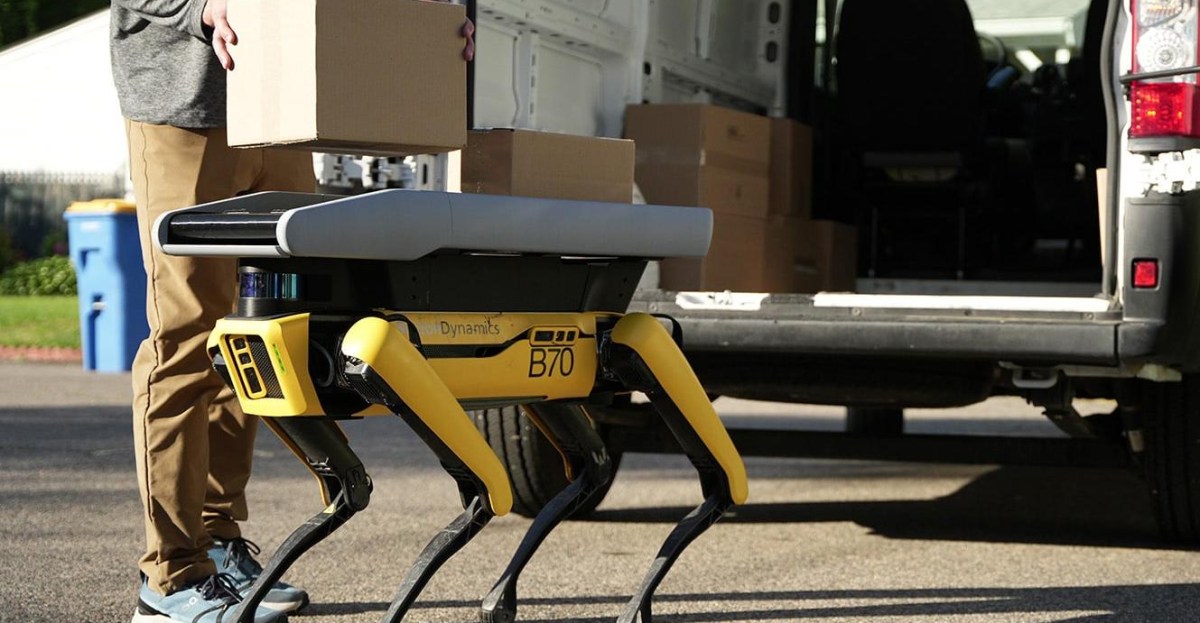
Boston Dynamics Tests Spot Robot for Last-Mile Delivery Solutions
Boston Dynamics is exploring the use of its Spot robot for package deliveries, equipped with a new conveyor belt accessory. This innovation aims to autonomously transport packages from vehicles to customers' doorsteps, potentially easing the workload of delivery drivers. The initiative is significant as it addresses the challenges of last-mile delivery, where human navigational skills are often required to overcome obstacles like stairs and cluttered pathways. Boston Dynamics is currently in discussions with major logistics companies to transition from demonstrations to a full pilot project. Looking ahead, the company believes Spot's ability to navigate uneven terrain will enhance its effectiveness in suburban environments. This could not only alleviate physical strain on delivery drivers but also increase their efficiency, allowing them to handle more packages. No further timeline was disclosed at the time of publication.
Gadgets News Robot Tech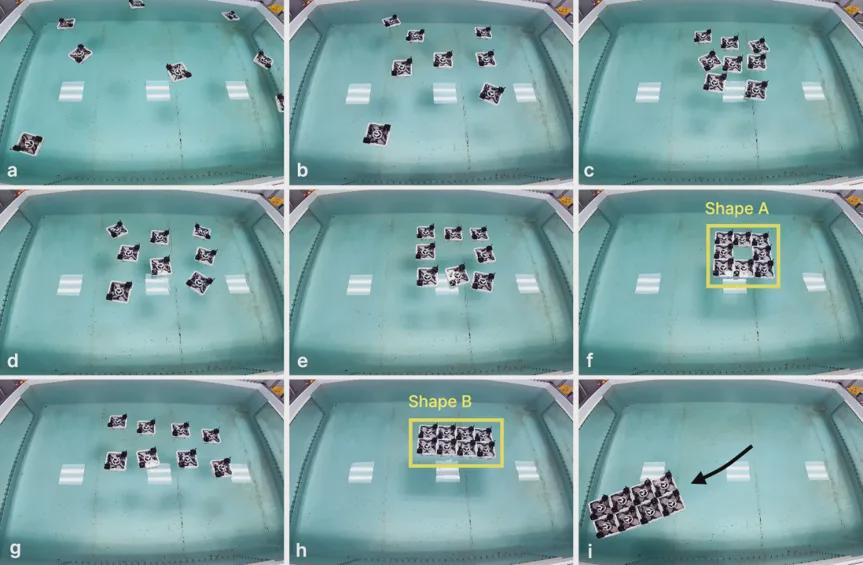
MIT Team Unveils Transformable Robot Fleet for Advanced Water Navigation
A team from MIT, along with collaborators from the University of Wisconsin-Madison, KU Leuven, and Politecnico di Milano, has developed a fleet of eight modular robot boats capable of transforming and navigating water autonomously. Each boat measures 21 cm on each side and can connect to form larger floating platforms, demonstrating advanced coordination without remote control. The significance of this development lies in its potential applications in complex environments where traditional navigation methods may fail. The robots can autonomously handle positioning, collision avoidance, and movement control, adapting their configurations based on tasks, similar to how fire ants form rafts during floods. Looking ahead, the research team has categorized their system as a Modular Self-Reconfigurable Robot (MSRR) system, which allows for dynamic reconfiguration and enhanced functionality. No further timeline was disclosed at the time of publication.
Modular Robotics Autonomous Systems Water Navigation Distributed Control Robotics Research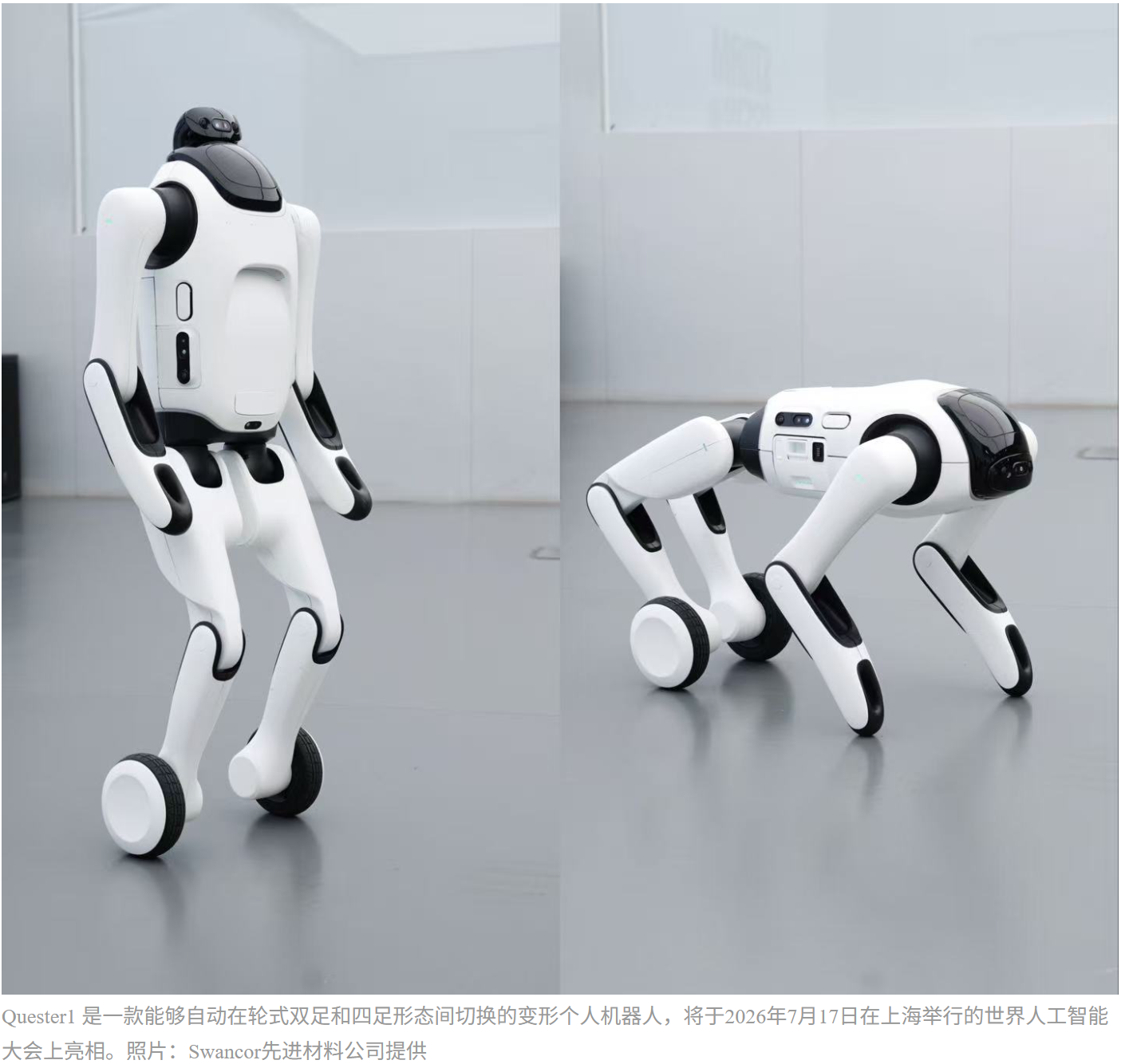
Swancor Advanced Materials to Launch World's First Shape-Shifting Personal Robot at WAIC
Swancor Advanced Materials is set to unveil the Quester1, the world's first shape-shifting personal robot, at the 2026 World Artificial Intelligence Conference (WAIC) on July 17. This innovative robot can automatically switch between bipedal and quadrupedal modes without manual disassembly, showcasing a unique 'transformable cross-modal integration architecture' that enables smooth transitions. The Quester1 is designed for various environments, with its bipedal form ideal for flat surfaces and intricate tasks, while the quadrupedal mode excels in navigating stairs and rough terrain. CEO Tian Hua emphasized that this product aims to redefine personal robotics for consumer markets, marking Swancor's first foray into the consumer robotics sector. As the Quester1 prepares for its debut, it highlights the rapid development of transformable robotics in China. The WAIC will feature over 1,100 companies and more than 300 product launches, indicating a significant shift towards embodied intelligence in robotics. No further timeline was disclosed at the time of publication.
Personal Robots Shape-Shifting Technology AI Robotics Consumer Robotics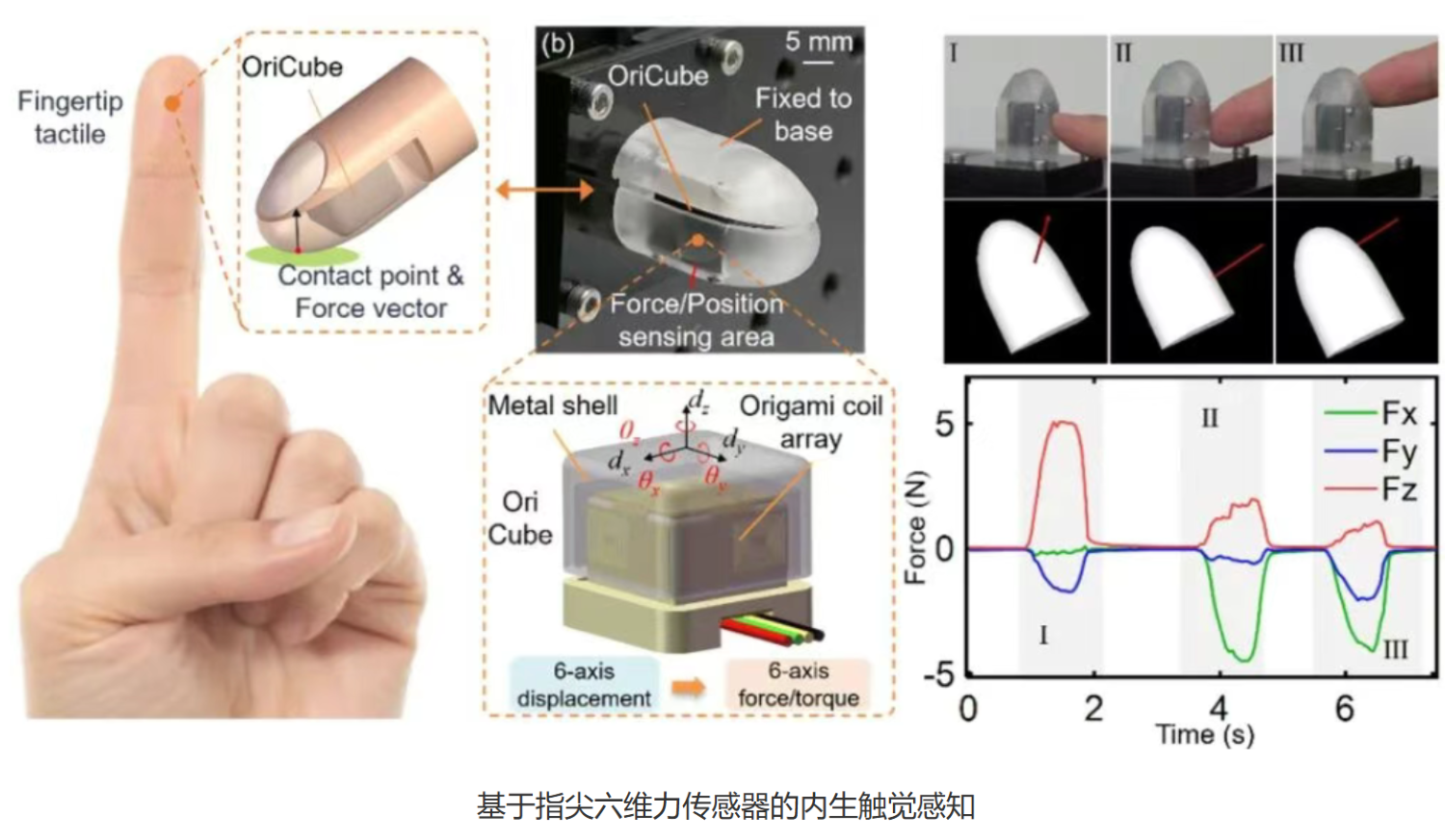
Chinese University Develops OriCube Sensor to Enhance Robot Tactile Sensitivity
Researchers from the University of Science and Technology of China have developed the OriCube, a compact six-dimensional force/moment sensor that mimics human fingertip sensitivity. Measuring just 14×14×12 mm and weighing 4 grams, it achieves a remarkable resolution of 3 millinewtons within a 23-newton range, allowing it to detect even the lightest touch, such as a feather. This innovation is significant as it addresses the limitations of current robotic tactile solutions, which often rely on electronic skin or array sensors that face challenges like complex wiring and data processing. By embedding the OriCube directly into the fingertips of robotic hands, the sensor captures minute force changes and calculates precise contact points and force vectors, offering a new approach to tactile perception in robotics. The OriCube has demonstrated low power consumption of 45 milliwatts, minimal crosstalk, and high measurement accuracy. Its ability to sense both delicate touches and withstand impacts positions it as a robust solution for enhancing robotic dexterity in uncertain environments. No further timeline was disclosed at the time of publication.
Robotics Tactile Sensors Force Sensing Artificial Intelligence
Chinese Company Wins Red Dot Award for Panda-Inspired Delivery Robot Design
The Shenzhen-based company, Wandachang Innovation Intelligent Co., has won the prestigious Red Dot Award for its Panda-inspired meal delivery robot, known as Xiong Da. This recognition highlights the robot's unique design that embodies Eastern aesthetics, setting it apart in a market often dominated by minimalist technology. The significance of this award lies in its affirmation of Wandachang's commitment to blending cultural heritage with advanced robotics. The Xiong Da robot features a bionic design inspired by the giant panda, integrating a SLAM positioning system and multi-sensor technology for efficient navigation in narrow spaces. This innovative approach positions the robot as not just a tool, but a companion that resonates emotionally with users. Looking ahead, Wandachang aims to expand its intelligent service system for healthcare and wellness, leveraging its award-winning design to tell the story of Chinese manufacturing on a global stage. No further timeline was disclosed at the time of publication.
Robotics Product Design Cultural Aesthetics Healthcare Technology
Post-00s PhD Team Secures Funding for Biomimetic Flapping Robot Development
A team of PhD students born after 2000 has developed a biomimetic flapping robot capable of fluid navigation, announced by Eagle Eye Intelligent Wings. The company recently completed a Series A funding round, raising tens of millions of yuan, led by Yuanhe Puhua with participation from Futen Capital and Houxue Capital. This marks the third funding round for the company within three months since its establishment 15 months ago. The funding will primarily support the mass production of their first consumer product, the 'Eagle X,' and the development of the next-generation flapping robot and fluid simulation engine. Founded in March 2025 in Shenzhen, Eagle Eye Intelligent Wings is among the early companies focusing on embodied intelligent flapping robots. The core team consists of over ten members from Shanghai Jiao Tong University, all born after 2000, with notable achievements in research. The 'Eagle X' has completed over 3,000 hours of flight testing and is set to launch on Kickstarter in Q3 of this year. The next-generation product will feature approximately 15 degrees of freedom, allowing for independent wing adjustments. The Vortrix fluid simulation engine is expected to be opened for external use, enhancing training for flying robots and optimizing aerodynamics for fixed-wing aircraft and wind turbine blades. No further timeline was disclosed at the time of publication.
Biomimetic Robots AI Fluid Dynamics Robotics Drone Technology
AI Agents Develop Virtual Environments for Essential Robot Training Data
Robots are becoming more visible in public spaces, captivating onlookers. However, they still lack the versatility needed for tasks in kitchens or factories, primarily due to a significant data bottleneck. Similar to human learning, robots acquire skills through experience, but the process of physically training them in various environments is labor-intensive and time-consuming. This challenge highlights the need for innovative solutions to streamline robot training. By utilizing AI agents to create virtual playgrounds, developers can simulate diverse scenarios, allowing robots to learn efficiently without the constraints of physical environments. This approach could significantly reduce the time and resources required for training, ultimately accelerating the deployment of robots in practical applications. Looking ahead, the development of these virtual training environments may pave the way for more capable robots in various industries. As AI technology continues to evolve, it will be essential to monitor advancements in virtual training methodologies and their impact on robot performance and adaptability. No further timeline was disclosed at the time of publication.
Robotics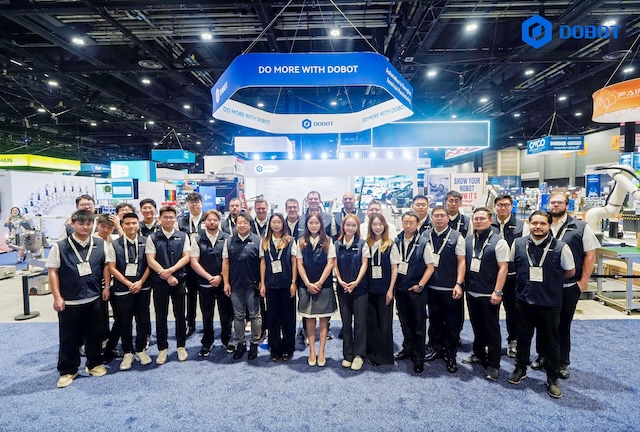
DOBOT Unveils Intelligent Automation Solutions at Automate 2026 to Enhance American Manufacturing
DOBOT showcased its latest intelligent automation solutions at Automate 2026, emphasizing the theme 'DO MORE WITH DOBOT.' The company highlighted how its collaborative robots and AI-powered technologies can enhance efficiency and flexibility in American manufacturing. Key demonstrations included solutions for various industries such as automotive and food & beverage, showcasing the integration of robotics in real-world applications. The significance of DOBOT's presentation lies in its commitment to strengthening American manufacturing through advanced automation. By demonstrating a comprehensive portfolio of application-driven solutions, DOBOT illustrated the potential of intelligent robotics to address industrial challenges and accelerate the transition to smart manufacturing. The showcased technologies aim to improve production processes across sectors, enhancing overall operational efficiency. Looking ahead, DOBOT's focus on integrated automation ecosystems and collaborative robotics indicates a trend towards more accessible and scalable solutions for manufacturers. The company's innovations, including humanoid robots and advanced programming capabilities, suggest a future where human-robot collaboration becomes increasingly seamless. No further timeline was disclosed at the time of publication.
DOBOT Automate 2026 collaborative robots industrial automation automation solutions humanoid robot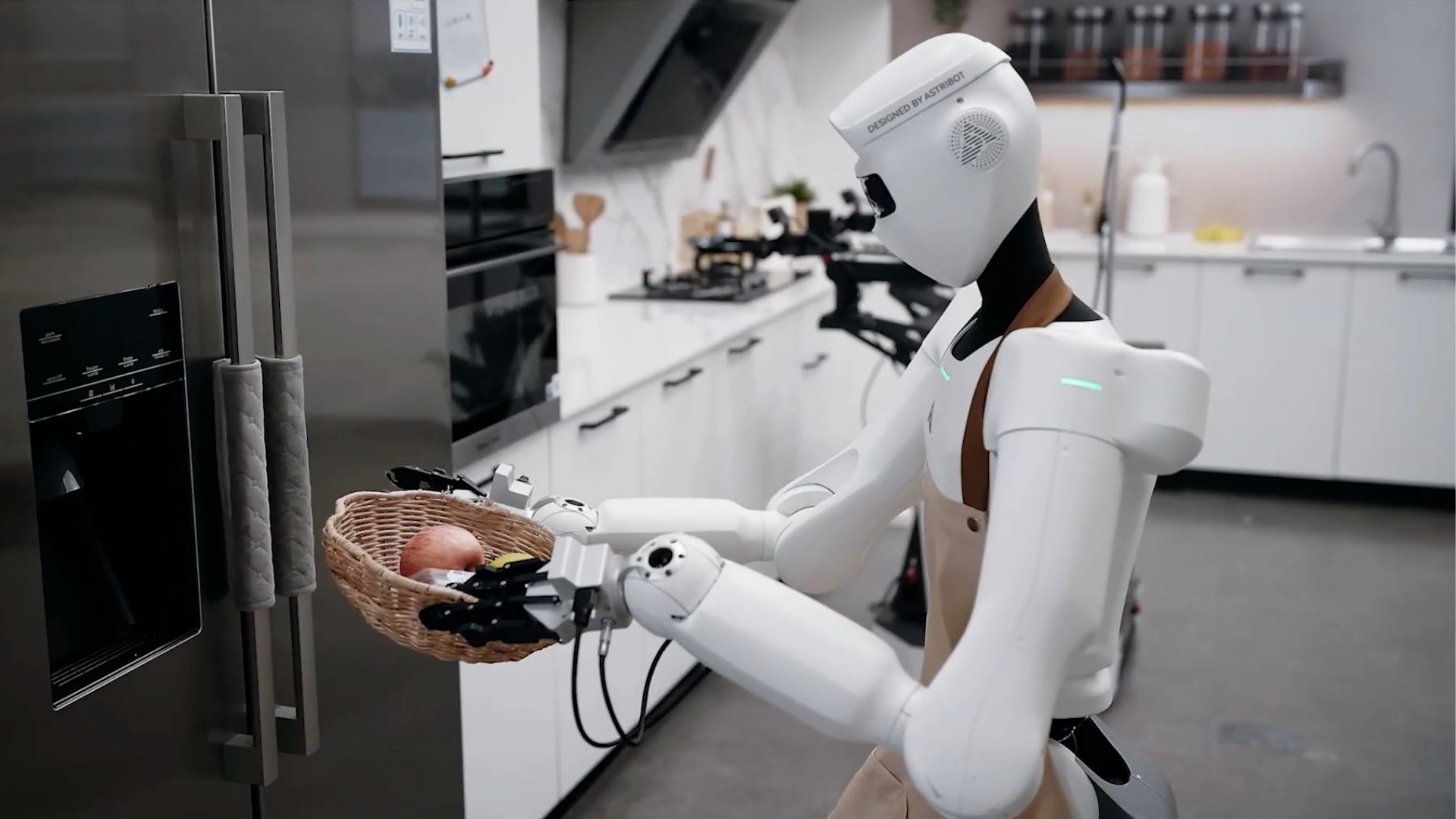
Robbyant Launches LingBot-VA 2.0, the First Embodied-Native AI Model for Robotics
Robbyant, a company under China's Ant Group, has introduced LingBot-VA 2.0, touted as the first embodied-native video-action world model specifically designed for robotics. Unlike traditional models adapted from digital content, LingBot-VA 2.0 is built from the ground up for physical-world tasks, enhancing physical accuracy and execution efficiency through its autoregressive architecture. This innovation is significant as it marks a departure from conventional robotics models that often compromise real-world performance by relying on video generation systems. Robbyant's approach allows for better prediction of how robot actions affect their environment, thus improving generalization and operational effectiveness in real-world applications. Looking ahead, Robbyant's LingBot-VA 2.0 is expected to advance the capabilities of robots in various tasks, demonstrated through its performance in complex scenarios such as preparing breakfast and unpacking deliveries. No further timeline was disclosed at the time of publication.
AI and Robotics
Japanese Researchers Develop Floating Companion Robot Inspired by Fictional Characters
Researchers at Keio University in Tokyo have created a silent, floating companion robot that mimics the movement of animated creatures. This innovative prototype, inspired by characters like Tinker Bell and Pokémon’s Mew, is designed to be approachable and safe for indoor environments. The significance of this development lies in its potential to enhance human-robot interaction at home. Unlike traditional drones, this soft floating robot utilizes helium for buoyancy, resulting in quieter operation and lower energy consumption, making it a more natural companion for users. Looking ahead, the researchers have established a systematic interaction design framework for soft floating robots, which could lead to advancements in mobility and human interaction. No further timeline was disclosed at the time of publication.
AI and Robotics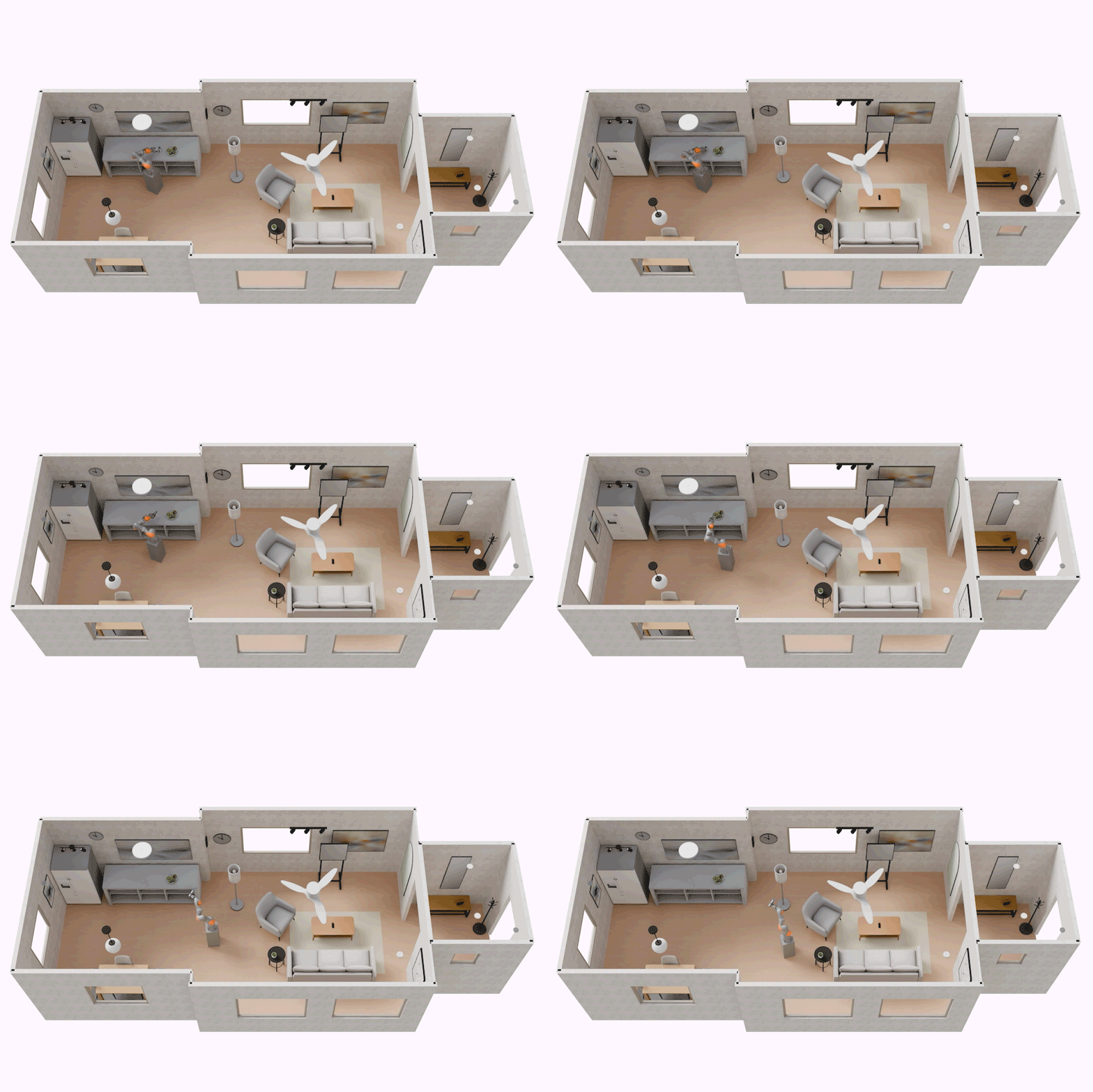
MIT and Toyota Develop SceneSmith to Enhance Robot Training with AI-Generated Environments
MIT and the Toyota Research Institute have introduced SceneSmith, a system that utilizes AI agents to create realistic 3D environments for robot training. This innovation addresses the significant challenge of generating diverse simulation content, which is crucial for teaching robots various tasks in a cost-effective manner. The SceneSmith system employs three AI agents, leveraging the advanced vision-language model GPT-5.2, to design intricate indoor scenes. These environments, featuring up to six times more objects than previous methods, allow robots to practice skills in a rich virtual playground, ultimately reducing the need for extensive real-world testing. As the research progresses, the effectiveness of these AI-generated environments will be closely monitored. The team has already demonstrated that robots can successfully navigate and perform tasks in these virtual settings, indicating a promising future for robotic training methodologies. No further timeline was disclosed at the time of publication.
Research Robotics Artificial intelligence Simulation Computer science and technology Machine learning
Robot Umpires in South Korea's Baseball League Reduce Bias Against Star Hitters
In 2024, South Korea's professional baseball league implemented robot umpires for ball-and-strike calls, leading to a notable reduction in favoritism towards star hitters. This shift indicates that while renowned batters may have benefited from human umpires in the past, the introduction of technology has leveled the playing field. The significance of this change lies in its potential to enhance fairness in the game. By relying on robot umpires, the league aims to eliminate subjective calls that often favor well-known players, thereby promoting a more equitable competition among all athletes. This move could reshape how players are evaluated and how games are officiated. Looking ahead, it will be important to monitor the ongoing impact of robot umpires on player performance and game dynamics. As the technology continues to evolve, further adjustments may be necessary to ensure that the integrity of the game is maintained. No further timeline was disclosed at the time of publication.
Robotics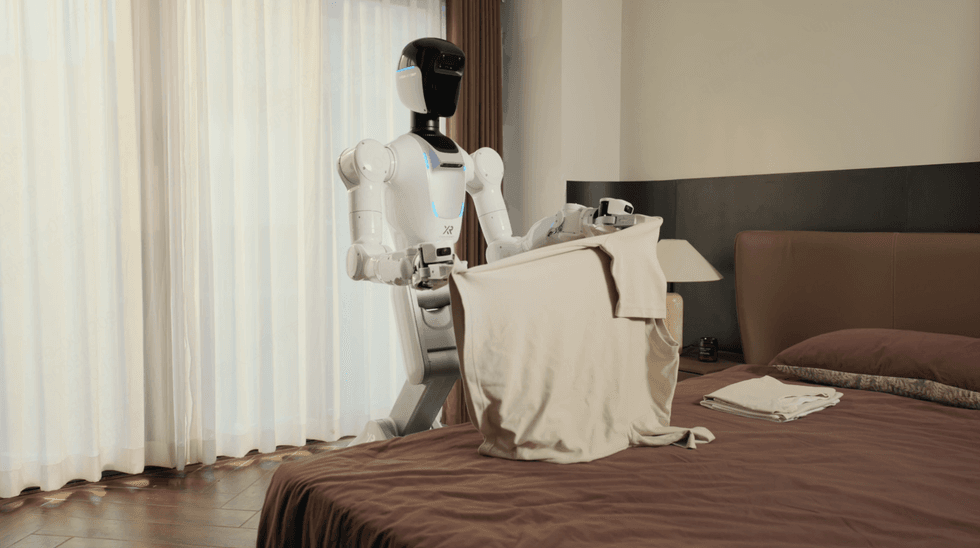
X Square Robot Develops Integrated Stack for General-Purpose Robotics
X Square Robot, a Chinese company focused on embodied AI, is pioneering an integrated stack for general-purpose robots. This stack combines data learning, a world model for predicting physical changes, and an action model that integrates perception, planning, reasoning, and decision-making. The company emphasizes the importance of quality interaction data over sheer quantity, utilizing its Universal Manipulation Interface (UMI) to enhance data collection. The significance of X Square Robot's approach lies in its potential to unify various aspects of robotic intelligence, addressing the fragmented nature of current systems. By prioritizing interaction quality and establishing a closed inspection loop for data validation, the company aims to create a more effective learning environment for robots. This method not only reduces costs but also enhances the reliability of the training data, which is crucial for developing general-purpose robots capable of performing diverse tasks. Looking ahead, X Square Robot's WALL-WM world model represents a shift towards event-based action prediction, allowing for more coherent and context-aware robotic behavior. As the company continues to refine its models and data collection methods, the broader robotics community will be watching for independent validation of its results and the potential implications for the future of general-purpose robotics.
Home-robots Type-sponsored Large-language-models Embodied-intelligence Ai-robots Robot-learning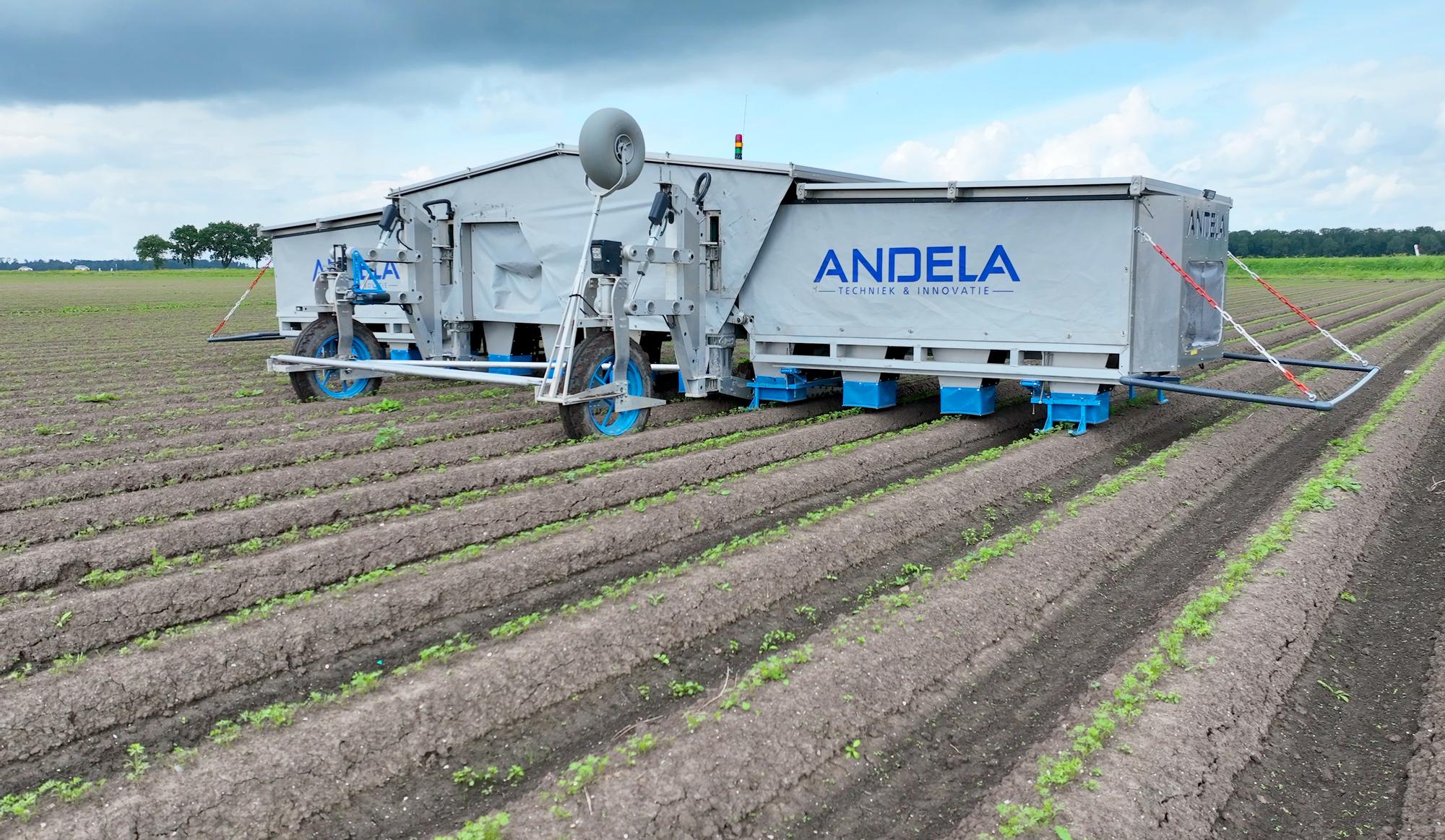
Challenges in Reducing Costs of Agricultural Robots Like the Andela Weeder
The Andela Robot Weeder is priced at approximately €800,000 (US$961,000), raising questions about the factors influencing its cost. Unlike traditional machinery, the price of agricultural robots is increasingly determined by the economic value they provide rather than manufacturing costs. This shift in perspective complicates the business case for growers, as the value derived from labor replacement and efficiency gains becomes paramount. As labor shortages and restrictions on herbicides grow, the competition landscape for agricultural robots may change significantly. Robots may not need to compete solely on price against traditional methods like chemical weed control. Instead, they could emerge as essential tools, altering the pricing dynamics in the market. While advancements in technology will likely enhance the performance of agricultural robots, this does not guarantee a decrease in their prices. The value proposition for farmers will focus more on the economic benefits rather than the cost of production, making the future of pricing in this sector uncertain. No further timeline was disclosed at the time of publication.
Crop solutions autonomous farm farm management mechanical weeder robotics weed control
The Importance of Nearshore Call Centers in Supporting Robotics and Automation
Robotics and automation are transforming various sectors, including manufacturing, healthcare, and logistics. While these technologies enhance efficiency and reduce costs, they still require human intervention for troubleshooting. Nearshore call centers have emerged as essential support systems, providing real-time assistance for complex technical issues that automated systems cannot resolve. As businesses increasingly adopt automation, the need for effective customer support becomes critical. Nearshore call centers offer a cost-effective solution, delivering high-quality support that enhances customer experience. These centers facilitate smoother communication and faster response times due to their proximity and cultural familiarity, ensuring that customers receive the personalized assistance they need when unexpected issues arise. Looking ahead, companies must balance operational efficiency with customer satisfaction. The role of nearshore call centers will continue to be vital in maintaining service standards, offering multilingual support, and ensuring that customers can easily access help. No further timeline was disclosed at the time of publication.
Business Communications artificial intelligence automation business automation contact centers
Advancements in Embodied Intelligence: Robots Learning Through Experience
A robot in a warehouse near Austin has fallen for the 4,000th time without assistance, showcasing the progress of embodied intelligence. This technology allows machines to physically interact with the world, fundamentally changing how they learn. Instead of merely processing information, these robots learn through experience, such as understanding gravity by knocking over objects. Embodied intelligence is gradually integrating into daily life, with humanoid robots working on assembly lines and assisting police in Hangzhou. In Malaysia, the Prime Minister introduced an AI digital twin to handle citizen inquiries autonomously. However, in Europe, there is growing concern about job displacement, with unions negotiating wage structures in anticipation of humanoid robot deployment. The societal divide is evident: while Asian countries view robots as helpful assistants, Europeans express fears of job loss. The future of embodied intelligence will depend on societal acceptance, highlighting a complex relationship between technology and human values. No further timeline was disclosed at the time of publication.
Embodied Intelligence Robotics AI Technology Human-Robot Interaction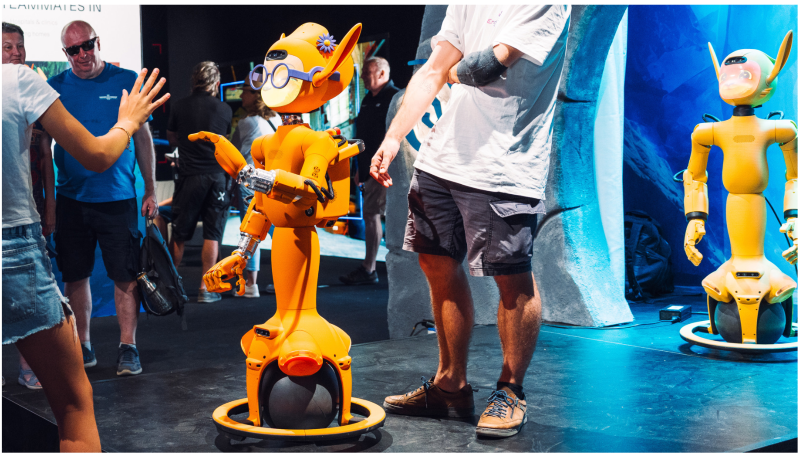
At Goodwood, Robots Explore Their Role in Enhancing Human Experience
At the Goodwood Cricket Ground, a fox-eared robot on roller skates greeted visitors without imitating humans or threatening to replace them, showcasing its unique identity. This event, part of the FOS Future Lab's Intelligent Systems Zone, featured three exhibitors presenting diverse answers to the question of what intelligent machines should do for humanity. One Sheffield startup, led by Raspberry Pi co-founder Liz Upton, demonstrated a method for programming robots using simple English. A robotic arm responded to natural language commands, with COO Eleanor Tang-Smith emphasizing the goal of making robots perform tasks that humans find tedious. Meanwhile, a large screen displayed a real-time reconstruction of Goodwood's famous Taylor Garage, merging digital and physical worlds seamlessly. The fox-eared robotic dogs, designed in Paris, avoided the 'uncanny valley' by engaging with humans through expressive features. They are already in use in hospitals and airports for tasks like transporting and assisting, allowing humans to focus on more urgent matters. The event highlighted three approaches to human-robot interaction, emphasizing the importance of language, vision, and gestures in redefining the interface between humans and machines.
Robotics AI Spatial Computing Human-Robot Interaction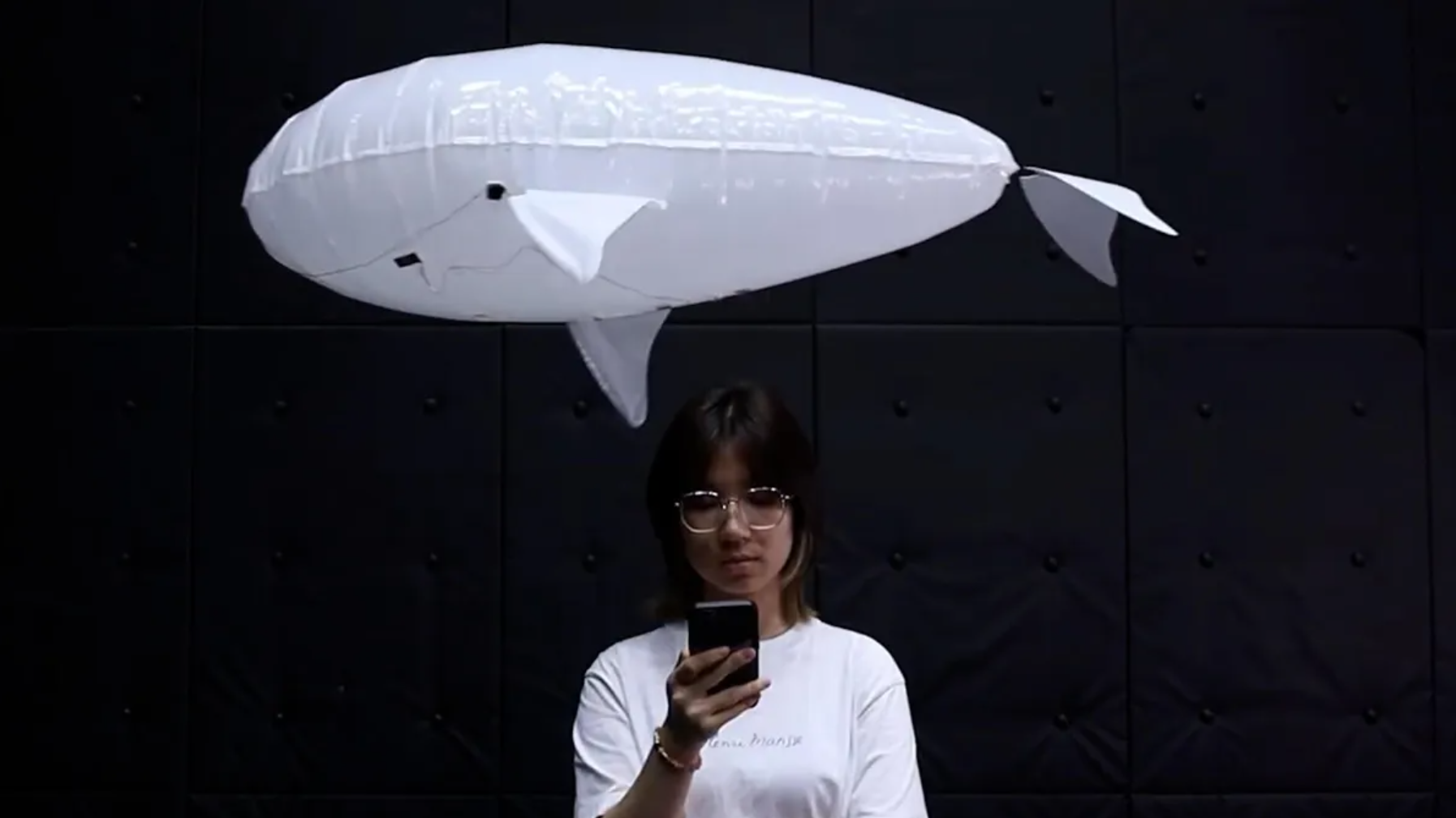
New Soft Floating Robot Inspired by Animation Aims to Enhance Human Connection
Researchers from Keio University and MIT Media Lab have unveiled a soft floating robot designed to foster emotional connections without traditional robotic features. Unlike conventional robots, this helium-filled creation resembles a white whale, responding to human touch with gentle movements rather than mechanical sounds or speech. The significance of this innovation lies in its ability to bypass the 'uncanny valley' effect, which often causes discomfort when robots closely mimic human appearance. By avoiding human-like features and instead utilizing soft materials and subtle movements, the robot can convey intentions and emotions, making it a safer and more approachable companion in everyday environments. Looking ahead, the research team plans to integrate multimodal interactions, allowing the robot to sense human posture, voice, and gaze to enhance its floating interactions. This approach aims to create a gentle presence that accompanies humans without the need for speech or complex thought, marking a new era in human-robot coexistence.
Soft Robotics Human-Robot Interaction Emotional AI Floating Robots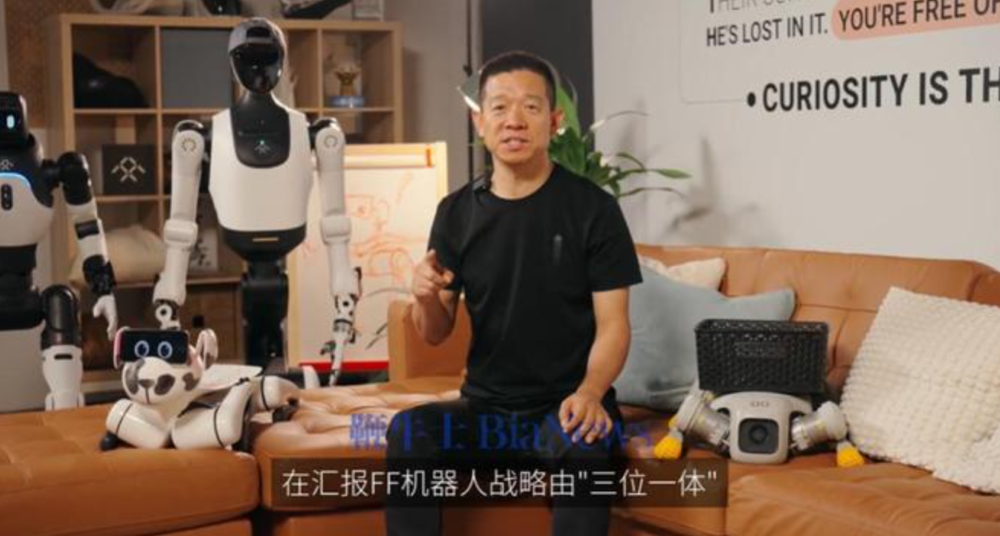
FF Robotics Upgrades Strategy with 'Quad-Core Intelligence' Ecosystem and 2000 Units Target
On July 13, FF founder Jia Yueting announced the upgrade of FF Robotics' strategy from a 'Trinity' model to a 'Quad-Core Intelligence' ecosystem. This strategic iteration follows the launch of four major robot series in February and the completion of the 'Full-Form EAI Robot World' in June, marking a significant advancement in embodied intelligence. The upgrade introduces a new core module focused on industry productivity solutions and a developer platform, targeting four key sectors: education, industrial, security, and inspection. Jia emphasized that this shift aims to transition from standalone capabilities to a comprehensive system that addresses industry-specific pain points, facilitating the practical application of FF robots in real-world scenarios. Looking ahead, FF aims to achieve a sales target of 2000 units by the end of the year, with the Q3 launch of the first FF EAI Robot Productivity Practical League to showcase real-world applications. This initiative, alongside the sales goal, is expected to validate the effectiveness of robots as productivity tools, moving beyond mere demonstrations to practical utility.
Robotics Artificial Intelligence Industry Solutions Productivity Tools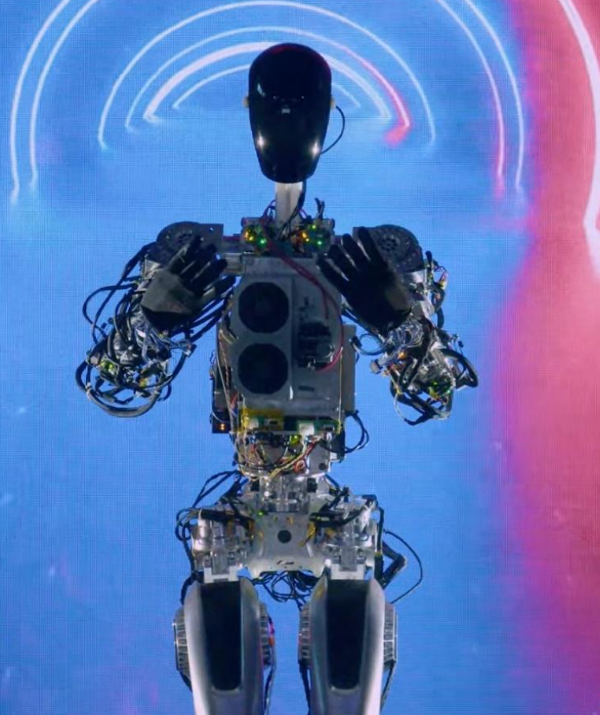
Optimus Robots to Construct Lunar Outpost by End of 2026 Under Musk's Plan
Elon Musk has announced that Tesla's Optimus humanoid robots will lead the construction of a lunar outpost by the end of 2026. SpaceX plans to launch essential construction materials, including modular living quarters and energy equipment, to the Moon using the Starship rocket. The deployment of robots aims to minimize human safety risks and efficiently handle repetitive heavy labor tasks. The rationale behind using robots instead of humans is to reduce complexity and enhance operational efficiency. According to Jim Cantrell, a member of the SpaceX founding team, robots only require sunlight and occasional maintenance, allowing them to work continuously. Upon arrival on the Moon, the Optimus robots will autonomously unload materials, prepare the lunar surface, and assemble prefabricated habitats while also extracting water ice for life support and fuel. Musk envisions the Moon as a testing ground for Mars colonization, with plans to send astronauts to the Moon within 2-3 years and establish a self-sustaining city by 2036. However, challenges remain, including the need for successful orbital refueling of the Starship and overcoming harsh lunar conditions. No further timeline was disclosed at the time of publication.
Humanoid Robots Space Exploration Lunar Colonization Construction Robotics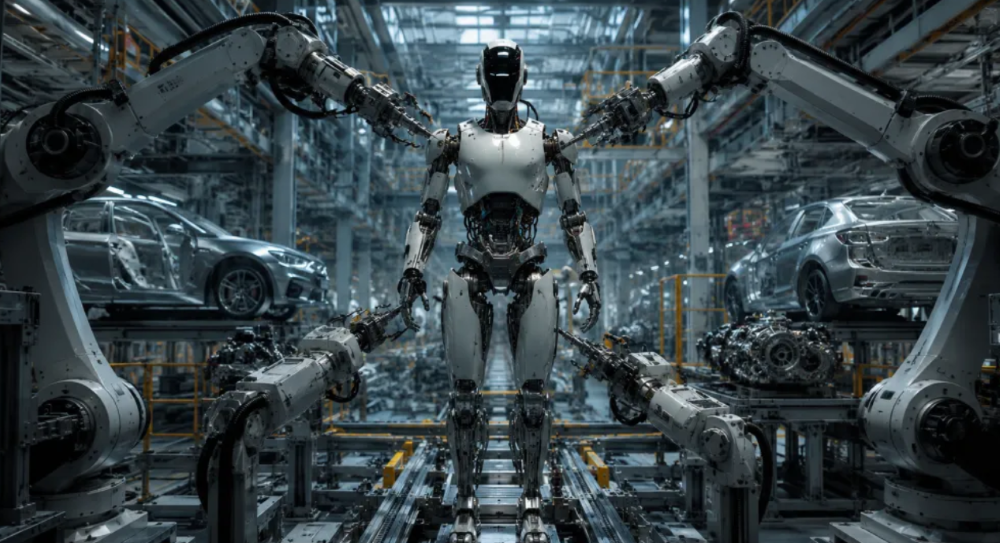
Mitsubishi Motors to Begin Mass Production of Humanoid Robots by 2027
Mitsubishi Motors has announced plans to start mass production of humanoid robots at its factory in Japan by 2027. In collaboration with the Tokyo University startup Highlanders, the company aims to produce 1,000 units per month initially, utilizing existing space in its Kyoto engine plant. The robots will first be deployed in Mitsubishi's own facilities for tasks such as parts handling and engine assembly. This initiative is a response to Japan's aging population and the resulting labor shortages in the manufacturing sector, prompting a shift towards automation. By developing these robots for internal use, Mitsubishi aims to address its own workforce challenges before considering external sales. The humanoid robots, standing approximately 175 cm tall, will feature stable walking and grasping capabilities, controlled by an AI system. As the global humanoid robot market is projected to reach $729 billion by 2050, Mitsubishi's production plans represent a significant step for a traditional automaker entering this space. The company's pragmatic approach of first utilizing the robots internally reflects its strategy to tackle labor shortages while exploring future market opportunities. No further timeline was disclosed at the time of publication.
Humanoid Robots Manufacturing Automation AI Technology Robotics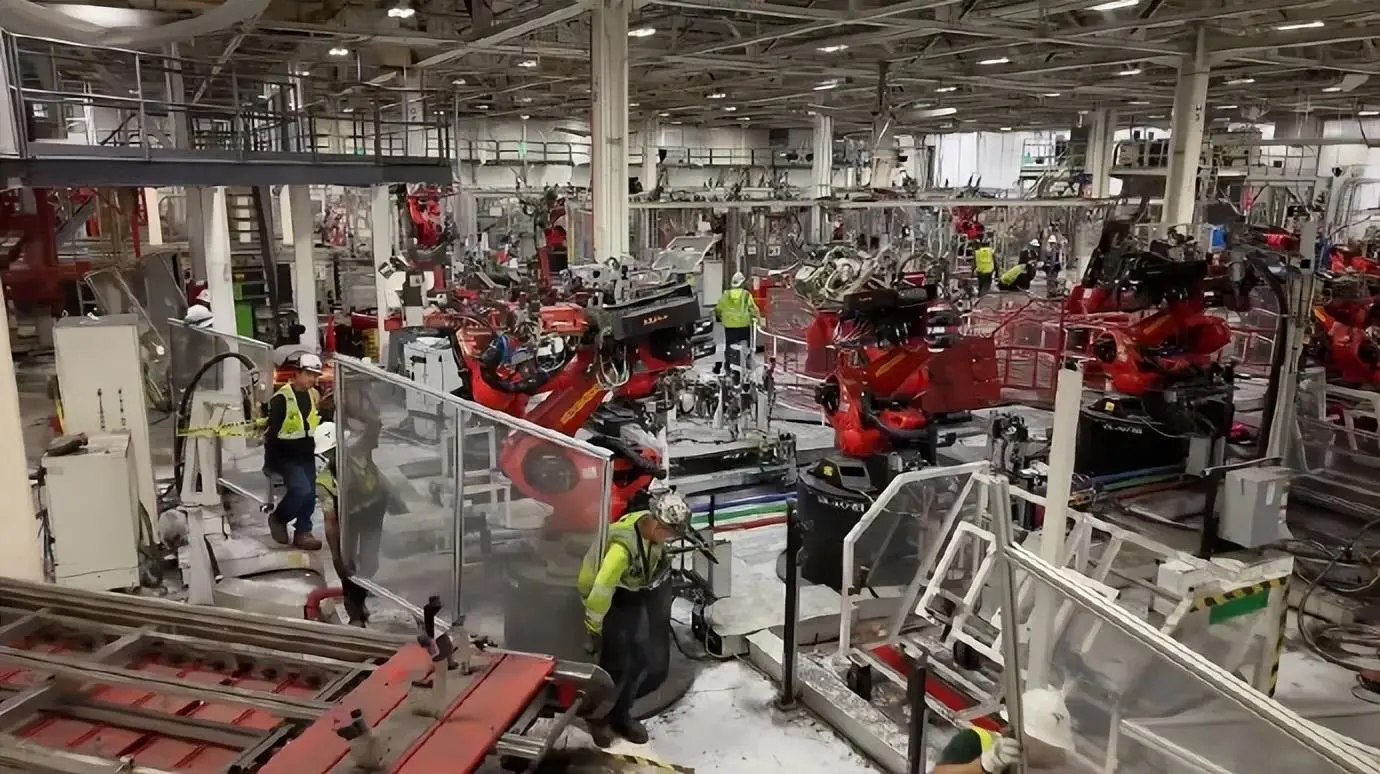
Tesla Completes Dismantling of 14-Year-Old Production Line for Optimus Robots
Tesla has officially dismantled the production line for its Model S and Model X vehicles at its Fremont factory, marking the end of a 14-year era. The entire process took just 46 days, as captured in a video released by Tesla, which stated, 'End of an era.' These flagship models have been pivotal in establishing Tesla's reputation in the luxury electric vehicle market since their launch in 2012. The dismantling is part of Tesla's strategic shift from traditional automotive manufacturing to robotics and artificial intelligence. The space will be repurposed for the production of the Optimus humanoid robots, with a target annual production capacity of up to 1 million units. Elon Musk has emphasized this transition, indicating a significant change in Tesla's focus and operations. The new production line for Optimus is expected to begin large-scale production by late July to August 2023, with plans to achieve a weekly output of 1,000 units by September and increase to 2,000 to 2,500 units by the end of the year. This marks a pivotal moment for Tesla as it aims to redefine its identity in the tech-driven landscape of robotics.
Humanoid Robots Robotics AI Manufacturing Tesla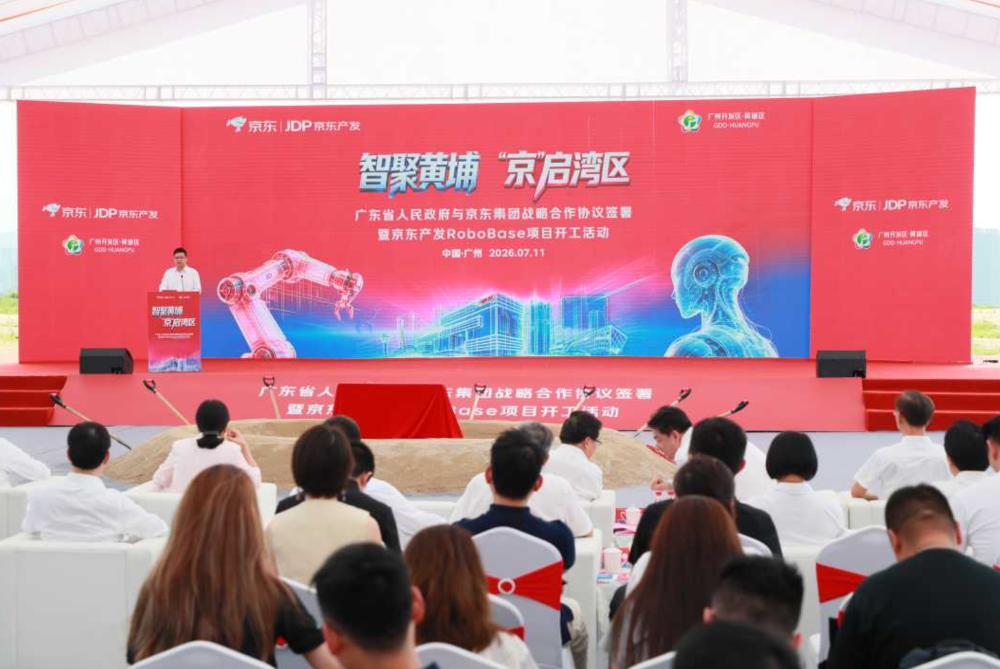
JD Group Launches First RoboBase Project in Guangzhou to Foster Robotics Ecosystem
On July 11, JD Group signed a comprehensive strategic cooperation agreement with the Guangdong provincial government, focusing on nine key areas including digital economy and modern logistics. The first physical benchmark of this agreement, the RoboBase project, commenced construction in the Huangpu Science City, Guangzhou. This marks JD's first RoboBase globally, covering approximately 190,000 square meters, with completion expected by the end of 2028 and an anticipated annual output value of about 1.75 billion yuan. The RoboBase project aims to integrate high-end manufacturing, technological innovation, and ecological services, concentrating on core robotic components, complete machine manufacturing, and high-end intelligent equipment. JD's approach is unique as it positions itself as an 'industrial infrastructure operator' rather than directly engaging in robot manufacturing. This strategy is designed to support robotics companies by providing a conducive environment for their operations. Looking ahead, JD's RoboBase will facilitate long-term testing for robots across various real-world scenarios, including JD MALL and logistics parks. The project also emphasizes talent development through partnerships with vocational schools in Guangdong. No further timeline was disclosed at the time of publication.
Robotics Ecosystem High-End Manufacturing Technological Innovation Supply Chain Solutions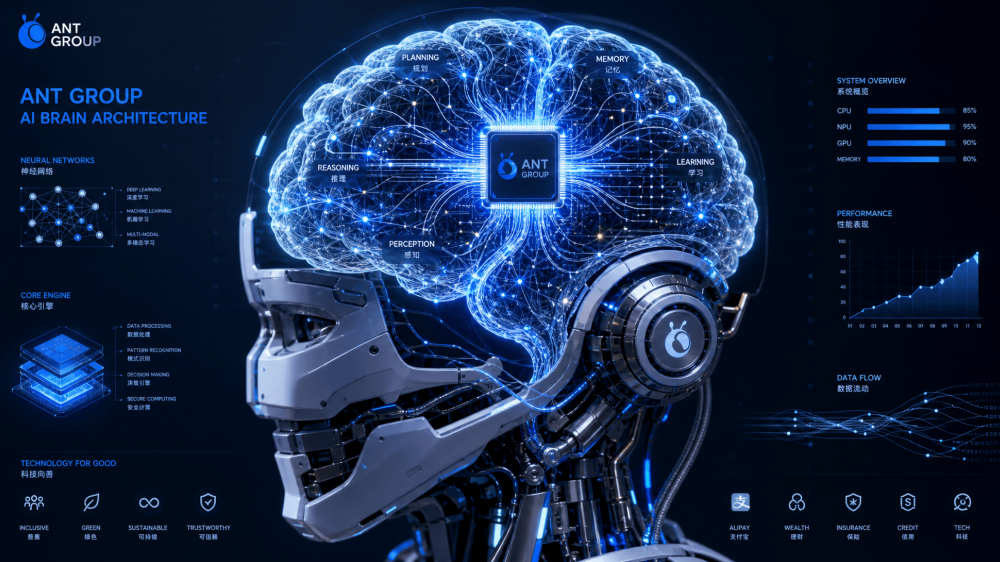
Ant Group's Robotics Subsidiary Introduces Innovative Robot Brain Technology
Ant Group's robotics subsidiary, Robbyant, has adopted a unique approach by prioritizing the development of a robot brain over hardware design. This strategy leverages the AI infrastructure behind Alipay, which processes billions of payment transactions daily, to enhance robots' ability to perceive their environment and make autonomous decisions. The introduction of the LingBot-VA 2.0 marks a significant advancement as it is the world's first embodiment-native pre-trained VA base model, specifically tailored for robots. In real-world tests, robots equipped with this model achieved a remarkable success rate of 93.6% in dual-arm tasks, showcasing the potential of this innovative technology. As hardware becomes increasingly standardized, the focus on software intelligence and data advantages is emerging as a new competitive edge. Ant Group's initiative to create a robot brain from its extensive payment data aims to bridge the gap between the digital and physical worlds, positioning Robbyant as a leader in the robotics field.
Robotics AI Machine Learning Automation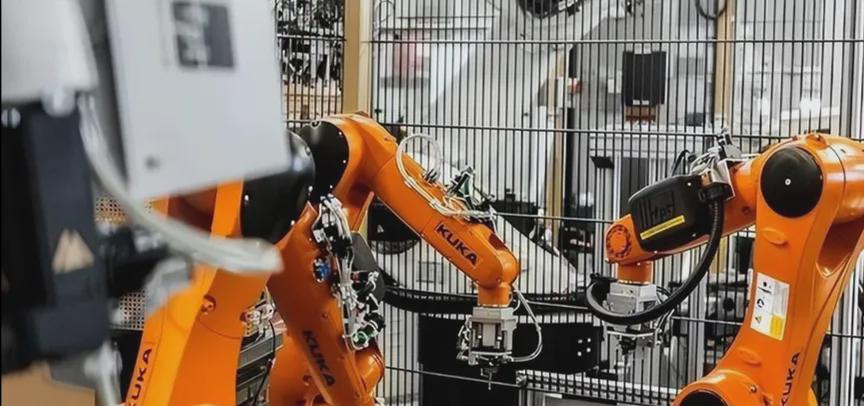
Midea Group Signs 300 Million RMB Strategic Deal to Expand Industrial Robotics
Midea Group's subsidiary KUKA has signed a strategic cooperation agreement with YINGKE Medical and YINGKE Recycling, valued at over 300 million RMB. This deal includes 1,500 industrial robots, 500 mobile and embodied intelligent robots, and 50 automated storage systems, showcasing Midea's commitment to expanding its industrial robotics capabilities. This partnership signifies a pivotal shift for Midea, transitioning from project-level procurement to a comprehensive group-level strategic collaboration. The collaboration aims to enhance production efficiency through advanced automation solutions, integrating AI visual recognition and adaptive grasping technologies. Looking ahead, Midea's focus on its ToB business model is expected to accelerate, with KUKA playing a crucial role in this transformation. The industry will be watching closely to see how this strategic partnership evolves and contributes to Midea's growth in the industrial automation sector. No further timeline was disclosed at the time of publication.
Industrial Robotics Automation Solutions Smart Manufacturing B2B Technology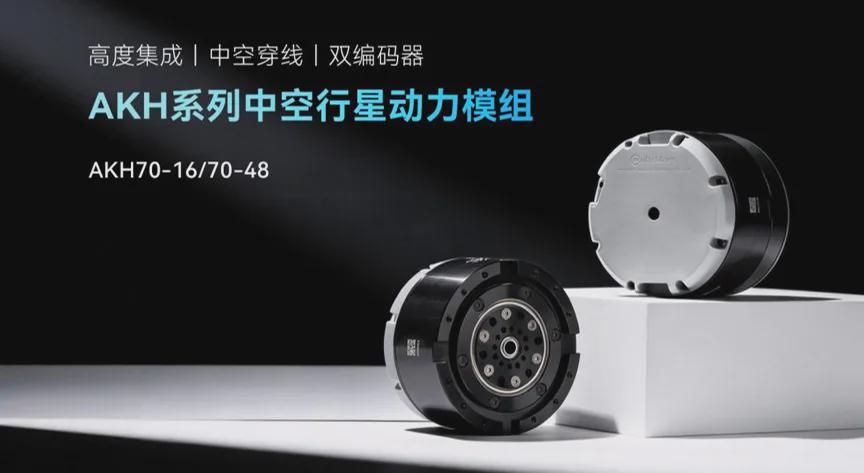
CubeMars Launches New Hollow Planetary Power Modules for Humanoid Robot Joints
In 2026, humanoid robots are approaching a critical point for industrial application. CubeMars has launched two specialized hollow planetary power modules, AKH70-16 and AKH70-48, which are crucial for enhancing flexibility and load capacity in robotic joints. These modules integrate brushless motors, planetary gear reducers, encoders, and driver boards, addressing common wiring issues with a 7mm hollow structure. The AKH70-16 focuses on lightweight applications, featuring a peak torque of 85Nm and a compact design, making it suitable for joints like the neck and elbow. In contrast, the AKH70-48 emphasizes high torque and stability, with a peak torque of 222Nm, ideal for heavy-load joints such as hips and knees. Both modules share advanced technologies, including dual encoder feedback and multi-mode control, which improve precision and operational efficiency. As the humanoid robot industry transitions from prototype development to commercial production, CubeMars's ability to control the entire manufacturing process positions it as a key player. The company’s self-developed capabilities ensure stable delivery and quality, addressing the challenges faced by robotic enterprises in scaling production and meeting market demands. No further timeline was disclosed at the time of publication.
Humanoid Robots Robotic Joints Power Modules Automation Technology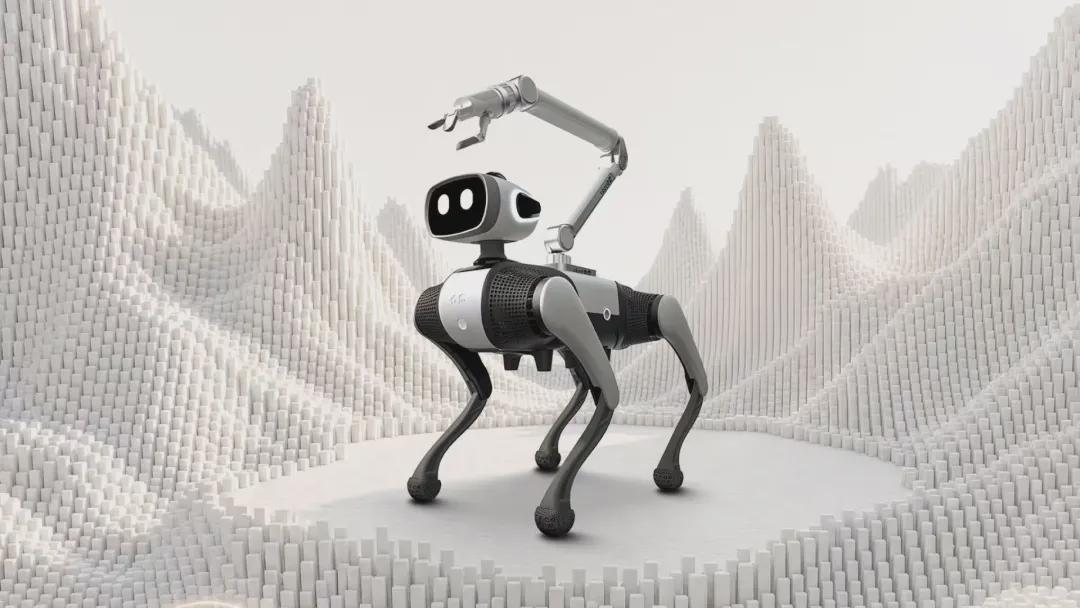
Vbot Launches Daitou EDU: A Versatile Quadruped Robot Development Platform
Vbot has introduced the Daitou EDU, a quadruped robot development platform designed for real-world applications. Unlike traditional robots that focus on speed and agility, the Daitou EDU emphasizes the importance of practical use cases in various sectors, such as property management and healthcare. The significance of the Daitou EDU lies in its advanced capabilities, including 128 TOPS edge computing power, integrated perception hardware, and autonomous mobility features. This platform allows developers to create applications without starting from scratch, addressing the gap between robotic capabilities and practical applications in diverse environments. Looking ahead, the Daitou EDU represents a shift in the robotics industry towards creating adaptable robots that can be redefined for multiple scenarios. As developers begin to leverage its features, the potential for innovative applications in various fields will expand, raising questions about the future roles of robots in everyday life.
Quadruped Robots Robotics Development Embodied Intelligence AI Applications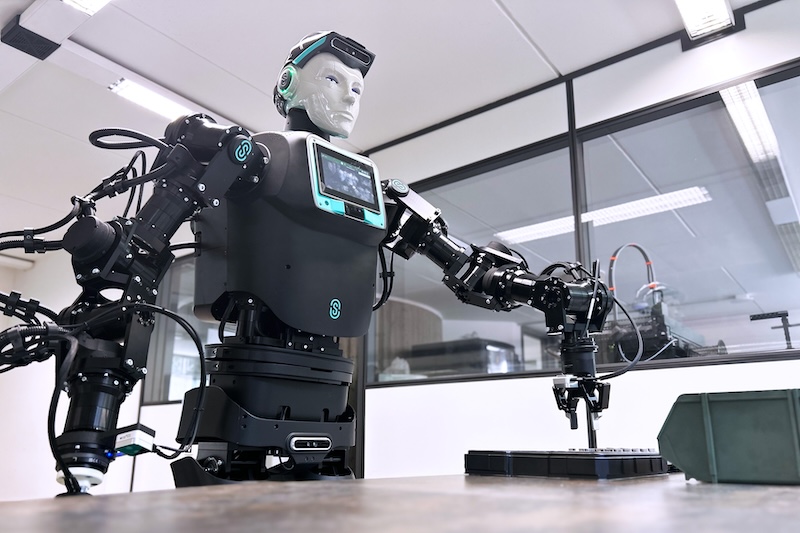
STMicroelectronics Invests in Oversonic Robotics to Enhance Humanoid Robot Development
Oversonic Robotics, an Italian cognitive robotics firm known for RoBee, has announced a strategic investment from STMicroelectronics, Fondazione ENEA Tech Biomedical, and SpotInvest. This investment aims to accelerate Oversonic's industrial, technological, and international growth, particularly in the cognitive humanoid robotics sector. The involvement of STMicroelectronics, a leader in semiconductors, is expected to bolster Oversonic's technological advancements and support its expansion into the U.S. market. The partnership will enhance the development of RoBee, the first certified cognitive humanoid robot designed for complex environments, and facilitate applications in manufacturing and healthcare. Looking ahead, Oversonic plans to focus on expanding its technological platform and applications while strengthening its team and industrial capacity. The company views the U.S. as a key market for its cognitive humanoid robotics, aiming for significant growth in both commercial and industrial sectors. No further timeline was disclosed at the time of publication.
Humanoids News artificial intelligence automation cognitive robotics deep tech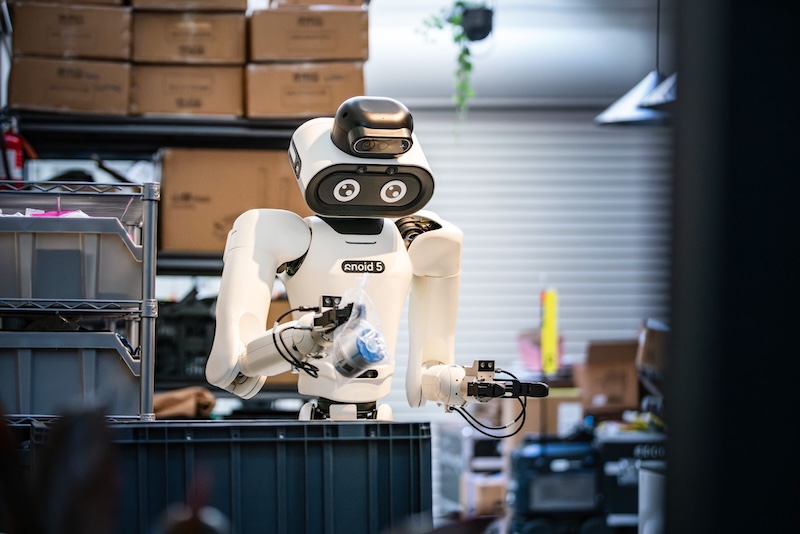
Robot.com Introduces R-noid Humanoid Robot for Challenging Labor Markets
Robot.com has officially launched R-noid, a humanoid robot designed to tackle repetitive and hard-to-fill jobs across various industries. Deployed under a Robot-as-a-Service model, R-noid can achieve autonomous operation within eight to twelve weeks, addressing significant staffing challenges in sectors like healthcare and food services. The introduction of R-noid is crucial as industries face high turnover rates, with quick-service restaurants experiencing over 130 percent staff turnover and hotel operators reporting critical staffing gaps. R-noid aims to alleviate these issues by taking on roles that are difficult to staff, allowing human workers to focus on more skilled tasks. Looking ahead, Robot.com is collaborating with FieldAI to integrate advanced AI capabilities into R-noid, enhancing its operational efficiency in dynamic environments. No further timeline was disclosed at the time of publication.
Humanoids News automation fieldai formic hospitality automation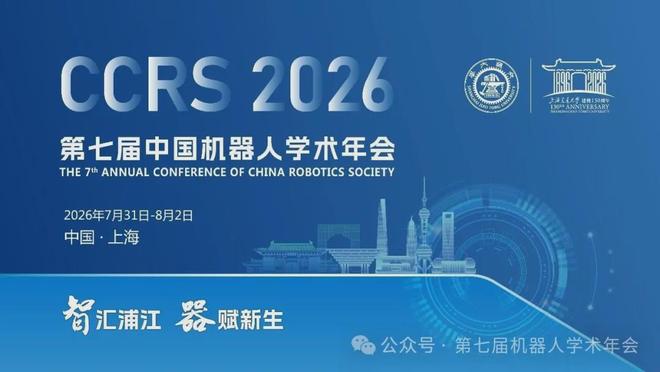
7th China Robotics Academic Annual Conference Scheduled for July 2026 in Shanghai
The 7th China Robotics Academic Annual Conference (CCRS 2026) is set to take place from July 31 to August 2, 2026, at the National Exhibition and Convention Center in Shanghai. The event is co-hosted by several prominent organizations, including the Robotics Branch of the Chinese Mechanical Engineering Society and the Robotics Professional Committee of the Chinese Automation Society, with Shanghai Jiao Tong University and the Shanghai Robotics Society as the local organizers. This year's conference theme is 'Intelligent Integration at the Huangpu River, New Life for Robotics.' It will feature discussions on various topics such as industrial robots, medical robots, service robots, and AI+ robotics. The event aims to attract over 200 renowned experts and scholars in the robotics field, facilitating in-depth academic exchanges through keynote speeches and specialized forums, with an expected attendance of over 3,000 participants. Attendees are reminded to register before payment and to provide proof of student status if applicable. The conference will also serve as a platform for showcasing technologies and products from leading companies in robotics and artificial intelligence. No further timeline was disclosed at the time of publication.
Robotics AI Industrial Robots Medical Robots Conference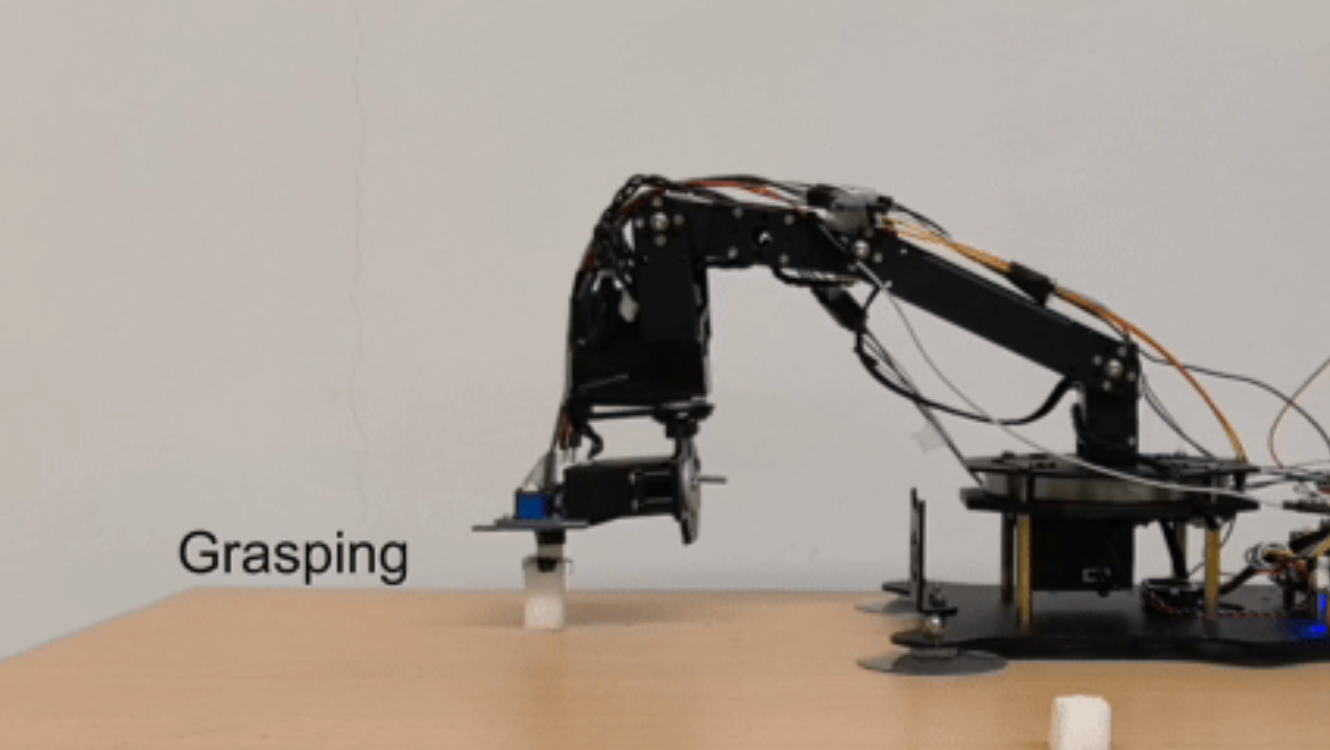
Soft Graphene Muscle Enables Robots to Maintain Stability for Over 13 Hours
Researchers from Sun Yat-sen University and Tsinghua University have developed a soft robot capable of maintaining stability against disturbances for over 13 hours. This innovation utilizes an ultrathin soft muscle, known as Soft Graphene Muscle (SGM), which integrates self-sensing, electrothermal actuation, and disturbance control without the need for external sensors. The significance of this development lies in its potential to enhance the operational capabilities of soft robots in real-world environments. Traditional soft robots often struggle with stability due to their flexible structures, which can amplify disturbances. The SGM's ability to adaptively balance objects heavier than itself marks a significant advancement in soft robotics, moving closer to practical applications. Future developments to watch include the potential for further integration of sensing and control within soft materials, as well as the implications for deploying soft robots in complex environments. The research was published in eScience, highlighting the collaborative efforts of experts in biomedical engineering and integrated circuits from both universities.
Soft Robotics Adaptive Control Robotics Engineering AI Material Science
Flexible Soft Sensor Enables Robotic Action Without Traditional Electronics
Researchers have developed a new soft sensor that allows soft robots to convert touch into action without relying on traditional electronic components. This innovation addresses a critical limitation in soft robotics, which often depend on bulky electronic sensors and actuators. The sensor is made from flexible materials, enhancing the robot's adaptability for various applications, including minimally invasive surgery and deep-sea exploration. The significance of this development lies in its potential to simplify the design and functionality of soft robots. By eliminating the need for electronic sensors and circuits, the new soft sensor reduces weight and complexity, making robots more efficient and reliable in challenging environments. This advancement could lead to broader applications in sectors where traditional electronics may fail, such as in wet or high-pressure conditions. Looking ahead, the next steps involve further testing and refinement of the soft sensor technology. Researchers aim to explore its integration into existing soft robotic systems and assess its performance in real-world scenarios. No further timeline was disclosed at the time of publication.
Robotics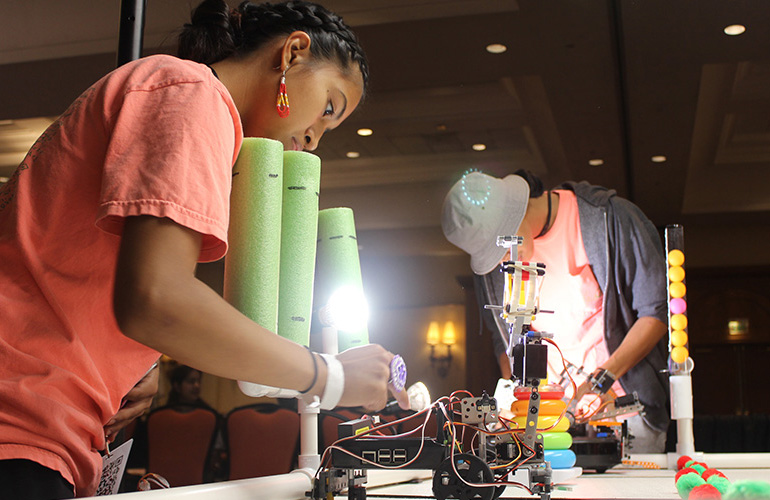
KISS Institute Launches BotBall to Enhance STEM Education with Student-Led Robotics
The KISS Institute for Practical Robotics (KIPR) has introduced BotBall, a robotics program designed to foster creativity and critical thinking among students. This initiative emphasizes student-led engineering, allowing participants from elementary to high school to engage in hands-on learning using a standardized kit. The program ensures a level playing field by providing all teams with the same materials, promoting accountability and project management skills without adult intervention during competitions. BotBall challenges traditional educational models by integrating real programming languages like C and Python into its curriculum, demonstrating that students can handle complex coding at an early age. The Junior Botball Challenge (JBC) further innovates by allowing up to five students to collaborate on a single robot, shifting the focus from competition to inquiry-driven problem solving. This approach encourages teamwork and a deeper understanding of both mechanics and software among participants. As the school year approaches, KIPR is expected to release more details about the upcoming competition schedule. The BotBall program represents a significant shift in STEM education, moving away from conventional roles and fostering a new generation of students who are well-versed in both engineering and programming disciplines. No further timeline was disclosed at the time of publication.
Autonomous Mobile Robots (AMRs) Educational News competition education workforceRobotics needs a service framework.
RSF defines a common language for robot service capability, lifecycle operations, certification pathways, and service-provider networks.