Industry Briefing
A single destination for timely, editor-curated robotics news from around the world.

Hungarian Startup ABZ Innovation to Launch Non-Military Drone Production in the US
ABZ Innovation, a Hungarian startup, is set to initiate non-military drone production in the United States next year. This move follows the company's plans to expand its output in Hungary, as stated by its CEO. The decision to establish a foothold in the US market is significant for ABZ Innovation, as it aims to tap into the growing demand for non-military drones. This expansion reflects the company's commitment to increasing its production capabilities and reaching a broader customer base. Looking ahead, industry observers will be keen to see how ABZ Innovation's US production plans unfold and what impact it may have on the competitive landscape of the drone market. No further timeline was disclosed at the time of publication.

U.S. Military's Top Officer Highlights Cislunar Space as New Battlefield
General Dan Caine, the chairman of the Joint Chiefs of Staff, emphasized the need for the U.S. military to prepare for engagements extending into cislunar space during a keynote address at the Air & Space Forces Association's conference on September 16. He noted that the modern battlefield now spans from the seabed to the vicinity of the moon, highlighting the strategic importance of this region as both the U.S. and China plan to establish bases near the moon's south pole. Caine's remarks underscore the urgency for the U.S. military to adapt to potential conflicts in cislunar space, where future operations may not guarantee uncontested access or secure areas. He stressed that maintaining U.S. dominance in space is crucial for ensuring the ability to strike globally and sustain military operations. The Space Force's strategy includes operating weapons in Earth orbit to defend against space-enabled attacks, as confirmed by General Douglas Schiess. As the competition for lunar resources intensifies, particularly with China's advancements in lunar exploration, the U.S. military's focus on cislunar operations will be pivotal. Observers should watch for developments in military strategies and technologies that address the challenges posed by this new frontier. No further timeline was disclosed at the time of publication.
Aerospace Technology
Military Humanoid Robots in Engineering Validation Phase Amid Global Defense Research Trends
The global embodied intelligence industry is increasingly capturing the attention of national defense research, with humanoid robots expected to enhance their mobility, dexterity, and environmental perception by 2025-2026. Chinese manufacturers dominate the global humanoid robot shipment market, providing a substantial hardware foundation for military research. Various military research institutions are exploring potential battlefield applications, including urban warfare and infiltration, with simulations indicating that usable prototype systems may emerge within 5-10 years. However, despite advancements, there is currently no public evidence that armed humanoid robots have been officially deployed in combat units, as most projects remain in laboratory and training validation phases. The battlefield presents complex conditions that impose stringent reliability and endurance standards, far exceeding those of commercial products. Challenges such as high energy consumption and complex repair processes hinder the operational capabilities of humanoid robots in high-intensity combat scenarios. Tactically, humanoid robots are not the sole optimal solution for battlefield unmanned equipment. More mature technologies like wheeled and tracked vehicles are already fulfilling reconnaissance and logistics roles at lower costs. The dual-use technology approach emphasizes the importance of civilian advancements in robotics for military applications, while military requirements can drive improvements in civilian products. The path forward involves addressing environmental adaptability, energy consumption, and cost issues to ensure humanoid robots can reliably operate in harsh conditions and meet tactical and economic demands.
Humanoid Robots Military Robotics Dual-Use Technology Robotics Research
Seasats Secures $24 Million in Orders for Lightfish USVs to Enhance Military Surveillance
Seasats, based in New Zealand, has reported securing $24 million in funded orders for its Lightfish unmanned surface vessel (USV) in August and early September. These orders include boats for the US Navy and Marine Corps, indicating a rising demand for small, long-endurance USVs among military users. The Lightfish, an 11-foot solar-powered drone boat, is designed for Intelligence, Surveillance, and Reconnaissance (ISR) missions. Its ability to operate autonomously for extended periods allows military forces to monitor vast maritime areas without deploying crewed vessels, thus providing a cost-effective solution for persistent maritime awareness. Looking ahead, Seasats aims to expand its offerings through its robot-as-a-service (RaaS) model, which allows military customers to utilize the USVs without the need for extensive maintenance and training infrastructure. No further timeline was disclosed at the time of publication.
Innovation Military
ARM Institute Secures $90 Million for Ten Military Manufacturing Modernization Projects
The ARM Institute has been awarded nearly $90 million for ten projects aimed at modernizing military manufacturing. This funding comes from the Organic Industrial Base (OIB) Modernization Challenge initiated by the Office of the Undersecretary of War Manufacturing Technology Office, supporting the U.S. Department of War's efforts to enhance defense manufacturing through innovative technologies and workforce development. This initiative is significant as it involves fifteen member organizations working to address complex automation challenges at twelve military manufacturing sites across the U.S. The ARM Institute emphasizes the importance of a skilled workforce in implementing these technological advancements, ensuring that workers are prepared to operate alongside new systems and processes. Looking ahead, the ARM Institute will focus on workforce readiness as a critical component of each project, identifying necessary skills and potential upskilling opportunities. No further timeline was disclosed at the time of publication.
Defense / Security Financial Investments Manufacturing Markets / Industries News
Public Opposition Surges Against FCC's Military-Grade Drone Proposal
The Federal Communications Commission (FCC) has concluded the comment period for its proposal that may limit the import and sale of specific foreign-produced drones. An analysis by Pilot Institute revealed that out of 3,824 public comments, 3,770, or approximately 98.6%, opposed the proposal, highlighting significant dissent among stakeholders. This overwhelming opposition is crucial as it reflects the concerns of individuals and organizations directly affected by the proposed regulations. The FCC's initial assessment suggested that the economic and supply-chain impacts would be minimal, but Pilot Institute's findings challenge this notion, indicating potential adverse effects on small businesses and public safety operations. Looking ahead, the FCC must consider these public comments as it deliberates its next steps. The analysis underscores the importance of stakeholder input in shaping regulations that could significantly impact various sectors, including agriculture and public safety. No further timeline was disclosed at the time of publication.
DJI Drone News Drone News Feeds Drones in the News LiDAR News
China's Updated Defense Law Enhances Military Use of AI and Drones
China's revised defense law is set to facilitate the integration of artificial intelligence and drones into military operations. This legislative change aims to enhance the capabilities of the Chinese military, allowing for more advanced technological applications in defense strategies. The significance of this development lies in its potential to reshape military engagements and defense strategies globally. By embracing AI and drone technology, China is positioning itself to improve its military efficiency and effectiveness, which could have far-reaching implications for international security dynamics. Looking ahead, it will be crucial to monitor how this law influences China's military modernization efforts and its impact on regional and global military balances. No further timeline was disclosed at the time of publication.
Military
Military Engages Drones with AV Directed-Energy System at the Border
A military task force utilized an AV directed-energy system to engage and defeat drones suspected of reconnaissance activities. While the specific location of the drone engagement remains undisclosed, it is suggested that these drones may have been operated by a drug cartel. This operation highlights the increasing use of advanced technologies in military applications to counter aerial threats. The deployment of directed-energy systems represents a significant advancement in military capabilities, particularly in border security operations. By effectively neutralizing potential reconnaissance drones, the military aims to enhance its operational readiness against threats posed by illicit activities, such as drug trafficking. This incident underscores the importance of integrating innovative technologies to address evolving security challenges. Looking ahead, it will be crucial to monitor the military's ongoing efforts to implement directed-energy systems in various operational contexts. The effectiveness of these technologies in real-world scenarios will likely influence future military strategies and funding allocations. No further timeline was disclosed at the time of publication.
Land Warfare Aerovironment Army Counter UAS cUAS directed energy Drones
White House Unveils New Military Tech Strategy Prioritizing AI, Undersea, and Outer Space
The White House has released a new National Security Science & Technology Strategy, outlining a four-tiered priority framework for military technology, emphasizing artificial intelligence, undersea capabilities, and outer space. This strategy seeks to balance high-cost mega-programs with lower-cost innovations, reflecting a modernized approach to military tech acquisition. This new strategy is significant as it aims to maintain U.S. technological superiority in critical areas while addressing emerging threats, particularly from competitors like China. The focus on AI and autonomy, alongside traditional military strengths, underscores the evolving landscape of defense technology and the need for a diverse arsenal. Looking ahead, the strategy highlights the importance of building technological resilience through potentially transformative technologies, such as biotechnology and quantum technology. No further timeline was disclosed at the time of publication.
Air Warfare Naval Warfare Networks & Digital Warfare Pentagon Space AI & Autonomy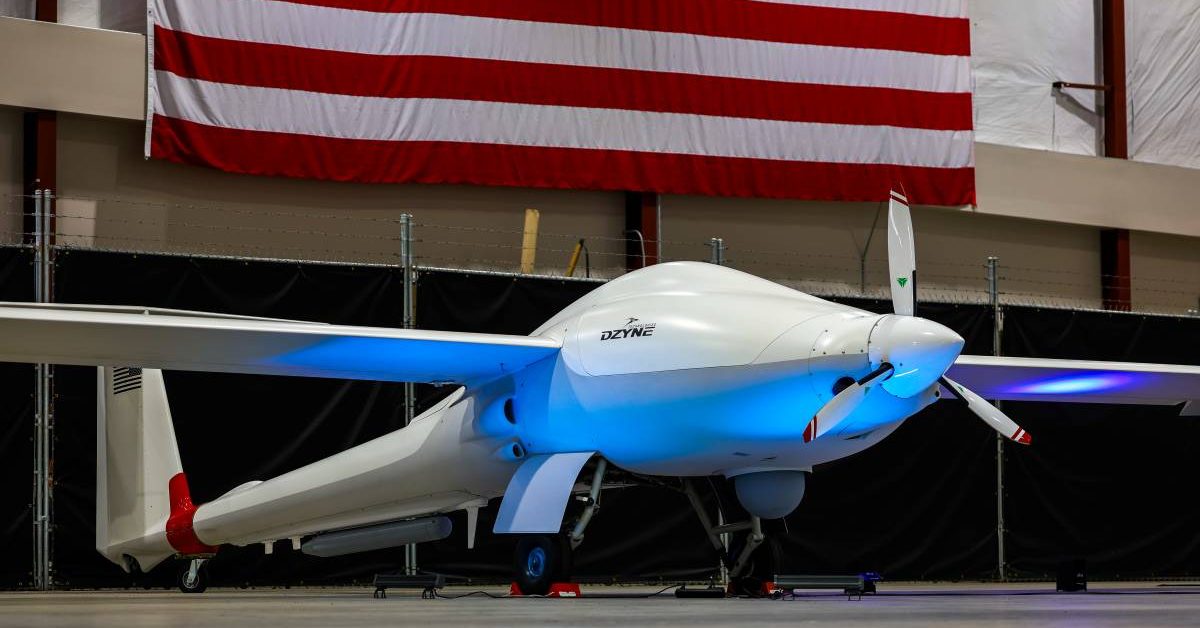
Ondas Launches New Drone Training Hub in Ohio for Military Operators
Ondas has inaugurated a new training, testing, and flight operations facility in Springfield, Ohio, aimed at enhancing its defense drone capabilities. This site, part of the National Advanced Air Mobility Center of Excellence, will serve as the Midwest hub for Ondas Sentinel, the company's autonomous defense division, which now includes DZYNE Technologies following its acquisition in July. The facility will focus on operator training, mission planning, and live flight operations for Ondas' long-endurance drone, ULTRA, developed through an Air Force Research Laboratory rapid development program. Its strategic location near Wright-Patterson Air Force Base and the Ohio Air National Guard’s 178th Wing positions Ondas to collaborate closely with key military organizations, enhancing operational readiness and customer engagement with its drone technology. Looking ahead, Ondas aims to establish this facility as a long-term training and operational base to meet the increasing demand for autonomous defense drones. No further timeline was disclosed at the time of publication.
News
Rakuten Collaborates with German Startup Helsing to Introduce Military Drones in Japan
Rakuten Group Inc. is partnering with defense AI startup Helsing to introduce military drones to Japan. This collaboration aims to enhance Japan's defense capabilities by leveraging advanced drone technology from the German startup. The partnership is significant as it reflects Japan's growing interest in integrating cutting-edge military technology to bolster its defense strategy. By working with Helsing, Rakuten is positioning itself at the forefront of defense innovation in the region. Looking ahead, it will be important to monitor the progress of this collaboration and any developments regarding the deployment of these military drones in Japan. No further timeline was disclosed at the time of publication.

Maximizing Drone Utilization: The Importance of Human-Guided Autonomy for Militaries
The increasing deployment of drones in military operations necessitates a strategic approach to autonomy. This involves assessing both industrial and operational frameworks to optimize the effectiveness of drone technology. Understanding how to best implement human-guided autonomy is crucial for militaries aiming to enhance their operational capabilities. The integration of autonomous systems can lead to improved efficiency and effectiveness in various military applications, making it a vital area of focus. Looking ahead, militaries must prioritize the development of strategies that leverage human-guided autonomy in drone operations. This will not only enhance current capabilities but also prepare forces for future challenges in warfare. No further timeline was disclosed at the time of publication.
Features
Innovative 3D-Printable Robot Clips to Guitar and Plays Like a Human
A new 3D-printable robot has been developed that can clip onto a guitar and play it similarly to a human. This innovation combines advanced robotics with musical performance, showcasing the potential of robotics in creative fields. The significance of this robot lies in its ability to bridge technology and art, providing musicians with a unique tool that can enhance their performances. By mimicking human playing techniques, the robot opens new avenues for musical expression and collaboration. Looking ahead, it will be interesting to see how this technology evolves and integrates with existing musical instruments. The potential for further advancements in 3D printing and robotics could lead to even more sophisticated musical robots in the future. No further timeline was disclosed at the time of publication.
AI and Robotics Innovation
Air Force Funds Research on Wireless Power Beaming for Military Drones to Extend Flight Time
The Air Force has initiated a research project to explore wireless power beaming for drones, led by Reach Power and the University of Nebraska-Lincoln’s NIMBUS Lab. This effort aims to enable unmanned aircraft to operate longer without needing battery swaps, enhancing their role in military communications and ISR missions. This research is significant as it addresses the critical limitation of battery life in small drones, potentially allowing them to function as persistent communication and surveillance nodes. By reducing the need for frequent landings to recharge, the project could simplify logistics and operational demands on military personnel. Looking ahead, the study will assess the feasibility of using wireless power to sustain perched drones during extended missions. A successful outcome could revolutionize military drone operations, improving battlefield communications and expanding the use of unmanned systems in intelligence, surveillance, and reconnaissance roles. No further timeline was disclosed at the time of publication.
Innovation Military
Italy's Major Military Deployment to the Gulf Gains Attention
Italy has initiated a significant military deployment to the Gulf, marking one of its most notable missions in recent years. This operation is distinguished not only by the number of personnel involved but also by the specialized capabilities that are being sent, which are considered scarce and valuable. The importance of this deployment is underscored by its strategic implications in the region. Analysts have highlighted that the quality of the military assets being dispatched is crucial, reflecting Italy's commitment to enhancing its presence and influence in the Gulf area. Looking ahead, observers will be monitoring the outcomes of this mission and its impact on Italy's military strategy and international relations in the Gulf. No further timeline was disclosed at the time of publication.
Air Warfare Global Air Force bahrain counter-drone Europe
US Firms Face Challenges as Europe Seeks ITAR-Free Defense Solutions
US companies aiming to access expanding European defense budgets are encountering a significant obstacle: Europe's preference for ITAR-free weaponry. Concerns over the US International Traffic in Arms Regulations (ITAR) have intensified, prompting European nations to seek greater autonomy in their defense procurement strategies. Honeywell Aerospace CEO Jim Currier highlighted this trend, emphasizing the EU's desire for more sovereign control over defense funding and technology. This shift is crucial as skepticism regarding US-European relations grows, leading European partners to increasingly reject ITAR restrictions. Zone 5's chief strategy officer, Tom Kanewske, noted that potential European collaborators are now more inclined to avoid US weapons systems due to fears that ITAR could hinder their technological contributions. This sentiment reflects a broader industry trend towards seeking independence from US-controlled components in defense systems. Looking ahead, the implications of this movement could reshape defense partnerships and procurement strategies across Europe. GA-ASI plans to manufacture Gambit aircraft in Europe, with international procurement expected to begin in 2027. As European nations push for ITAR-free solutions, US firms will need to adapt to this evolving landscape to maintain their foothold in the European defense market. No further timeline was disclosed at the time of publication.
Global Pentagon Business & Industry Eric Fanning Europe FMS. foreign military sales
Foundation Future Industries Deploys 'Phantom MK-1' Robotic Soldiers in Ukraine for U.S. Military
Foundation Future Industries has deployed two 'Phantom MK-1' humanoid robots to the front lines in Ukraine, marking a significant step in military robotics. These robots, standing 1.8 meters tall and weighing 80 kilograms, are designed for combat, capable of operating firearms such as handguns and M-16 rifles. They have already been utilized for reconnaissance and logistics tasks since their arrival in February. This development is crucial as it highlights a shift in military technology, with Foundation Future Industries taking a path contrary to many robotics firms that have pledged against weaponizing their products. The company has secured a $24 million research contract with the U.S. military to explore the feasibility of robotic operations across various branches, including the Army, Navy, and Air Force. Looking ahead, Foundation plans to introduce an upgraded version, the 'Phantom MK-2', which is expected to have double the payload capacity of its predecessor. As debates around autonomous weapons and ethical implications continue, the actions of Foundation Future Industries raise significant questions about the future of warfare and the role of robotics in combat scenarios.
Humanoid Robots Military Robotics AI Technology Defense Innovation
Lantronix and Swarmer Develop New Edge-Computing Platform for Military Drones
U.S. defense technology firms Lantronix and Swarmer are collaborating to create a compact computing platform that enhances small military drones' onboard processing power by four times. This new system integrates Lantronix’s Open-Q 6490CS System-on-Module with Swarmer’s autonomy software, aiming to improve autonomous operations for Group 1 unmanned aircraft systems. The significance of this development lies in its potential to enable small, cost-effective drones to perform complex tasks such as visual navigation, automated target recognition, and object tracking without relying on cloud computing. This capability is particularly crucial for military operations in environments with disrupted GPS signals and electronic warfare, as highlighted by the ongoing needs of Ukraine and allied forces. Looking ahead, the collaboration aims for a production commitment exceeding 10 years, ensuring the platform's adaptability for future defense programs. No further timeline was disclosed at the time of publication.
Military
FCC Proposes New Drone Categories That Impact Military and Agricultural Sectors
On July 21, the Federal Communications Commission (FCC) announced it is seeking public comment on potential restrictions regarding the importation and sale of foreign-produced 'military-grade' drones. Among the proposed categories is one that could significantly affect agriculture: aerosol drones capable of dispensing pesticides, referred to as 'economic poison' under FAA regulations. This inclusion raises concerns for agricultural spraying drones, particularly those from foreign manufacturers. The implications of this proposal are noteworthy for the agriculture sector, as precision spraying has emerged as a rapidly growing application for commercial drones. The FCC's actions suggest a dual approach: while it aims to limit certain foreign drone categories, it is also working to facilitate trusted agricultural drone suppliers, as evidenced by recent conditional approvals granted to manufacturers like Ceres Air. As the FCC moves forward with this rulemaking, the agriculture industry should closely monitor developments. The final decision on whether to adopt, modify, or exempt certain categories of drones will likely hinge on public feedback received during the comment period, which could shape the future landscape of agricultural drone use.
Agriculture Applications Drone Manufacturing Drone News Featured - Agriculture News
US Military Faces Ban on Humanoid Robots from Chinese Companies Under New Defense Bill
The US has enacted a defense bill prohibiting the military from procuring humanoid robots linked to China and other foreign adversaries. This measure, part of the National Defense Authorization Act (NDAA), reflects heightened concerns over national security and data privacy regarding foreign autonomous systems. This restriction targets humanoid robots associated with nations such as China, Russia, and Iran, marking a significant escalation in the US-China technology rivalry. The NDAA aims to curb the use of Chinese technology in critical sectors, extending beyond semiconductors and telecommunications to include advanced humanoid robotics. Experts indicate that this military restriction highlights growing apprehension in Washington regarding China's advancements in robotics and AI. While the NDAA focuses on military applications, it suggests a phased approach, potentially leading to broader restrictions on civilian use in the future. No further timeline was disclosed at the time of publication.
Military
BETA Technologies Unveils Militarized MV250 Aircraft with GE and Sikorsky Collaboration
BETA Technologies has introduced a militarized, unmanned version of its A250 aircraft, now designated as the MV250, featuring a hybrid-electric powertrain. This new variant, developed in collaboration with GE Aerospace and Sikorsky, aims to fulfill the rigorous demands of defense missions. BETA anticipates the MV250 will be ready for military exercises by next year and could enter production by 2028. The MV250 is designed for various military applications, including logistics, reconnaissance, and strike missions, boasting a range of 1,300 nautical miles and a payload capacity of up to 2,000 pounds. BETA's CEO, Kyle Clark, emphasized the aircraft's efficiency and performance, which are critical for military operations. The hybrid-electric powertrain, based on GE's CT7 turbine engine, is expected to provide significant range improvements over all-electric models. As BETA targets the Pentagon and international buyers, the MV250's development reflects a broader trend in the advanced air mobility sector, where companies are increasingly focusing on military applications. No further timeline was disclosed at the time of publication.
Air Warfare Networks & Digital Warfare Air Force Anduril Beta Technologies cyber security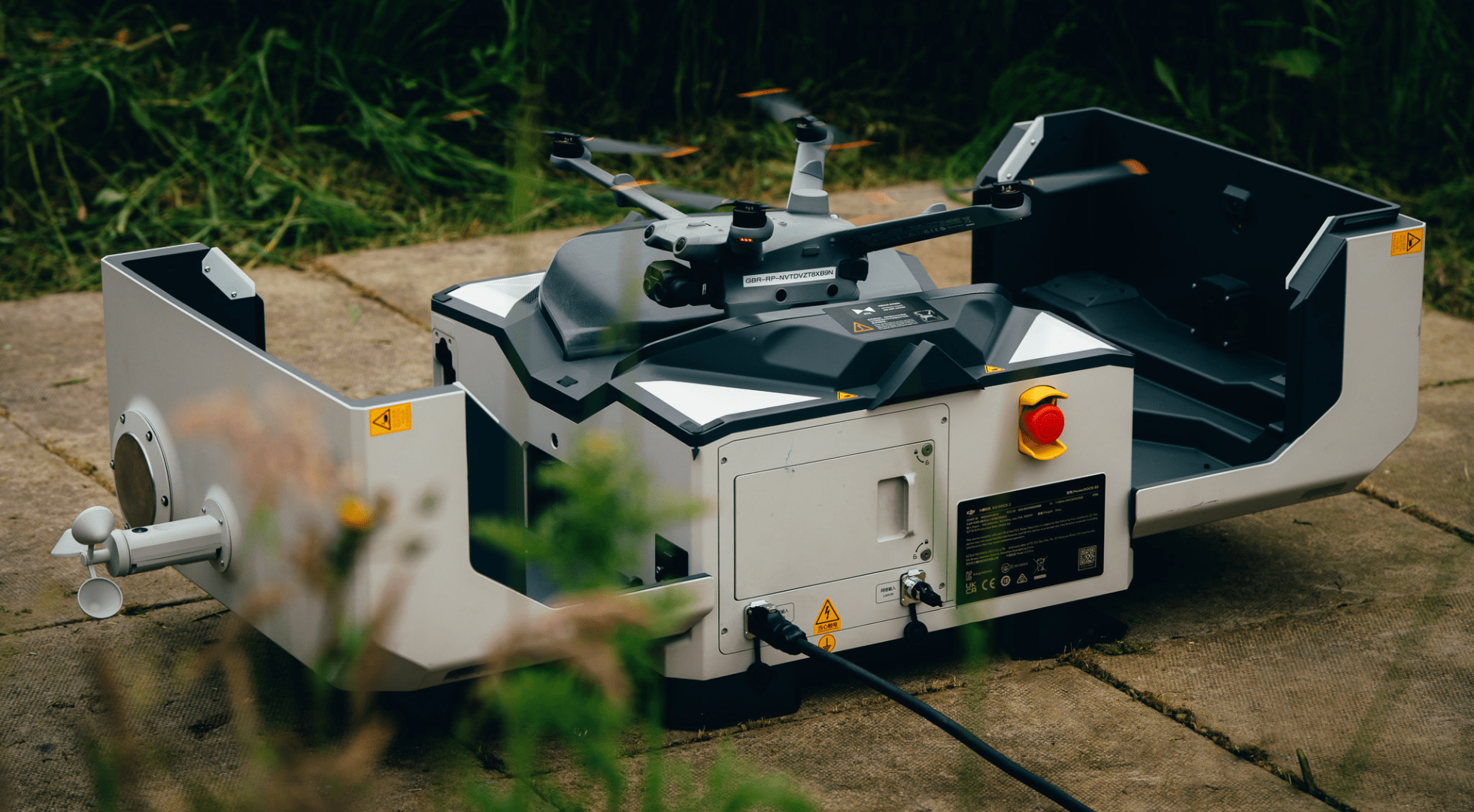
FCC Proposes Ban on Sales of Certain Military-Grade Foreign Drones to Reshape U.S. Market
The Federal Communications Commission (FCC) is advancing its initiative to reform the U.S. drone market by seeking public input on a proposed ban on the import, marketing, or sale of specific categories of foreign-produced military-grade drones listed on its Covered List. This move follows a previous decision to restrict certain foreign uncrewed aircraft systems due to national security concerns. This proposal is significant as it reflects the FCC's evolving strategy, which now includes establishing regulatory pathways for domestic manufacturers that comply with U.S. security standards. The FCC aims to provide greater certainty for companies investing in U.S.-based production while addressing potential national security risks associated with foreign drones. Comments on the proposed restrictions are due 30 days after the notice is published in the Federal Register. The FCC is also extending exemptions for trusted manufacturers until January 1, 2028, and has permanently removed expiration dates for certain approved drones and components, ensuring stability in the supply chain for compliant products.
Applications defense Defense Drone News Drone News Feeds Drone Swarms
Seven AI Technologies Enhancing Military Drone Swarms' Intelligence and Effectiveness
Military drone swarms are becoming a pivotal advancement in autonomous warfare, enabling multiple unmanned systems to operate collectively rather than individually. This capability is heavily reliant on artificial intelligence, which aids drones in interpreting sensor data, navigating complex environments, and communicating effectively, thereby reducing the burden on human operators. The significance of these advancements lies in their ability to enhance operational resilience. Swarm intelligence allows drones to function as a coordinated unit, utilizing decentralized algorithms to manage interactions, maintain formations, and adapt to challenges, inspired by natural collective behaviors. Programs like DARPA’s OFFSET have explored these concepts, demonstrating how autonomous systems can collaborate in intricate missions, particularly in urban settings. Looking ahead, the integration of edge AI technology is crucial for military drone swarms. This innovation enables drones to process data onboard, ensuring functionality even when connectivity to command centers is compromised. As these technologies evolve, their impact on military operations and strategies will be significant, with ongoing developments to watch closely.
AI and Robotics
Saronic Announces $3 Billion Shipyard in Texas for Military and Commercial Ships
Maritime defense technology company Saronic has revealed plans to construct a $3 billion shipyard named Port Alpha in Brownsville, Texas. The facility aims to enhance U.S. shipbuilding capabilities for both defense and commercial vessels, with construction expected to commence later this year and operations slated to begin in 2028. The establishment of Port Alpha is significant as it aligns with U.S. government efforts to bolster domestic shipbuilding and reduce dependence on foreign production. Initially, the shipyard will develop approximately 835 acres, with potential expansion to nearly 4,400 acres, allowing for the construction of ships up to 1,200 feet long. Saronic plans to manufacture both crewed and autonomous ships, incorporating advanced technologies to enhance efficiency. Looking ahead, Saronic anticipates creating up to 10,000 direct jobs over the next decade, contributing significantly to the local economy. The project is expected to generate over $160 billion in economic impact for Cameron County and $264.5 billion across Texas. No further timeline was disclosed at the time of publication.
Military Transportation
Drones, Satellites, and Unified Controls Transform ISR Capabilities for US Military
Airborne intelligence, surveillance, and reconnaissance (ISR) are crucial for achieving information superiority in modern warfare. As threats evolve, the integration of drone technology and satellite capabilities is essential for effective information gathering and sharing. The US Air Force plans to accelerate its Massed Modular Aircraft (MMA) program, aiming to deploy 100 drones by 2029 and 500 by 2032, significantly increasing its ISR capabilities. The importance of ISR extends beyond traditional airborne platforms, as the US military recognizes the need for space-based ISR and counter-satellite strategies. The US Space Force Delta 7 is tasked with monitoring adversarial activities and analyzing threats, particularly from nations like Russia and China, which are enhancing their own ISR capabilities in space. This evolving landscape underscores the necessity for the US to maintain its information advantage in all domains of warfare. Looking ahead, the focus will be on the standardization of control interfaces for drone operations, as emphasized by Lt. Gen. Christopher Niemi. The US Marine Corps is also developing its own ISR capabilities, aiming for a common controller software solution. No further timeline was disclosed at the time of publication.
Air Warfare AFA Focus 2026 Air Force Drones intelligence surveillance and reconnaissance ISR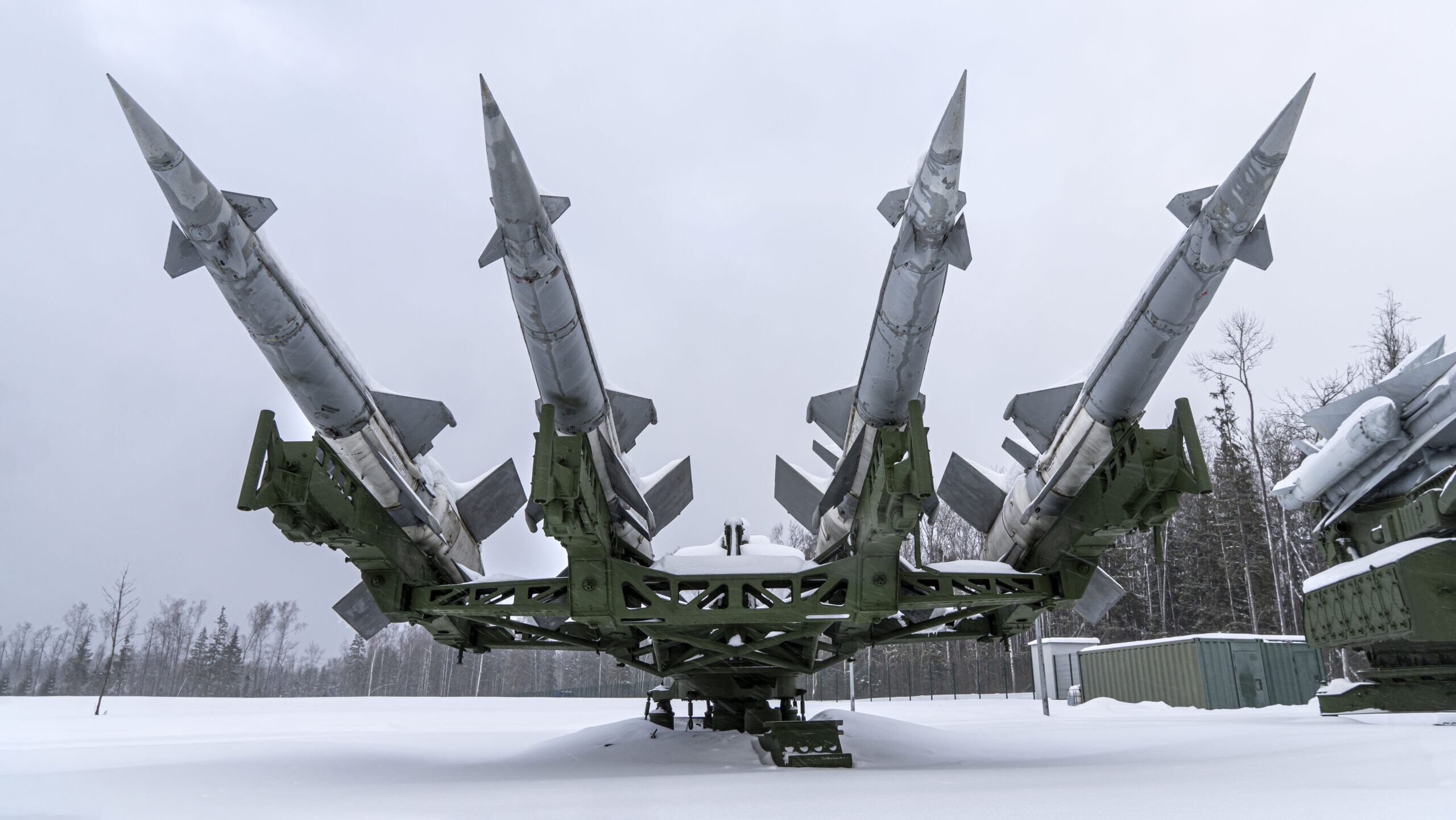
NATO Must Shift Focus to Reproducibility of Russian Military Capabilities
The ongoing conflict in Ukraine has provided the Russian military with significant combat experience, prompting NATO to analyze Moscow's adaptations in warfare. However, the future threat from Russia may hinge more on its ability to replicate successful strategies across different units rather than merely adapting them. This shift in focus is crucial for NATO's military planning. NATO's current assessments emphasize what Russia has learned, such as advancements in unmanned systems and electronic warfare. Yet, the real challenge lies in whether newly formed Russian units can sustain and reproduce these capabilities after personnel changes and casualties. Understanding this distinction will help NATO refine its intelligence and operational strategies against Russian forces. Looking ahead, NATO must develop a new intelligence framework that prioritizes force-generation capabilities over traditional assessments. This includes monitoring changes in military education, training standards, and the performance of newly formed units. By doing so, NATO can gain early insights into the evolving capabilities of the Russian military, which may not be immediately evident through conventional inventories.
Global Opinion Drones Europe FPV NATO
Eurenco to Enter Drone Market with Production of Military-Specific Explosive Heads
At the Eurosatory exhibition held in mid-June in Villepinte, France, Eurenco announced its plans to enter the drone market by producing specific military explosive heads. The company stated it is capable of manufacturing between 10,000 and 15,000 explosive heads per month. This move is significant as it positions Eurenco to meet the growing demand for drone munitions, reflecting a broader trend in military technology where drones are increasingly utilized in combat scenarios. The production capacity of 10,000 to 15,000 units monthly indicates a strong commitment to scaling operations in this emerging market. Looking ahead, industry observers will be keen to see how Eurenco's entry into the drone munitions sector will influence competition and innovation in military applications. No further timeline was disclosed at the time of publication.
Drones
Anthropic Reports Misuse of Claude AI by Iran and Russia for Military Applications
Anthropic PBC has reported that its AI model, Claude, has been misappropriated for military purposes by Iran and Russia. The misuse includes efforts to develop kamikaze drone swarms, missile navigation systems, and research associated with potential biological weapons. This situation raises significant concerns regarding the security implications of AI technologies. The involvement of state actors like Iran and Russia in military applications of AI highlights the urgent need for regulatory frameworks to prevent misuse and ensure responsible development and deployment of AI systems. Looking ahead, stakeholders in the AI and defense sectors should monitor developments related to the misuse of AI technologies. The ongoing research and military applications could lead to further advancements in weaponry, necessitating a collaborative approach to address these challenges. No further timeline was disclosed at the time of publication.

Israel Defense Forces Establish New Branch for Unmanned Systems and AI Integration
The Israel Defense Forces (IDF) are launching a new branch dedicated to unmanned systems and artificial intelligence, as announced by Chief of Staff Lt. Gen. Eyal Zamir. This initiative aims to adapt to the rapidly evolving battlefield, emphasizing the integration of robotics, drones, and AI technologies. The establishment of the Unmanned Systems and Artificial Intelligence Branch is a significant step for the IDF, reflecting a strategic shift towards modern warfare capabilities. Zamir highlighted that these advancements will enhance operational effectiveness and save lives, marking a transformative moment for military operations. Looking ahead, the IDF plans to fully inaugurate this new branch by early December. The focus will be on harnessing technologies across land, air, and sea domains, with an emphasis on maritime capabilities as part of the IDF’s broader multi-year plan, Hoshen. No further timeline was disclosed at the time of publication.
Air Warfare Global Land Warfare AI & Autonomy Air Force Army
PDW CEO Emphasizes Domestic Drone Production and Component Manufacturing for U.S. Military
James Slider, CEO of PDW Holdings, highlighted the necessity of establishing domestic production for drones and their critical components to support the U.S. military. He emphasized that while America excels in innovation, the real challenge lies in scaling production effectively. PDW has secured a conditional loan of up to $820 million from the Department of War to enhance domestic manufacturing capabilities. The urgency for U.S. drone production is underscored by the ongoing conflict in Ukraine, which has shown the importance of rapid drone deployment and the need for resilient supply chains. Slider pointed out that the U.S. must learn from Ukraine's strategy, as innovation alone does not equate to capability without production. The reliance on foreign supply chains for essential drone components poses significant risks to U.S. defense readiness. Looking ahead, the focus will be on increasing domestic manufacturing to reduce dependence on foreign sources, particularly for critical components like rare-earth magnets. Slider's comments reflect a broader industry concern about maintaining a robust supply chain to ensure the U.S. military can effectively respond to emerging threats. No further timeline was disclosed at the time of publication.
DL Exclusive Drone News Drone News Feeds Dual Use Feature 1 News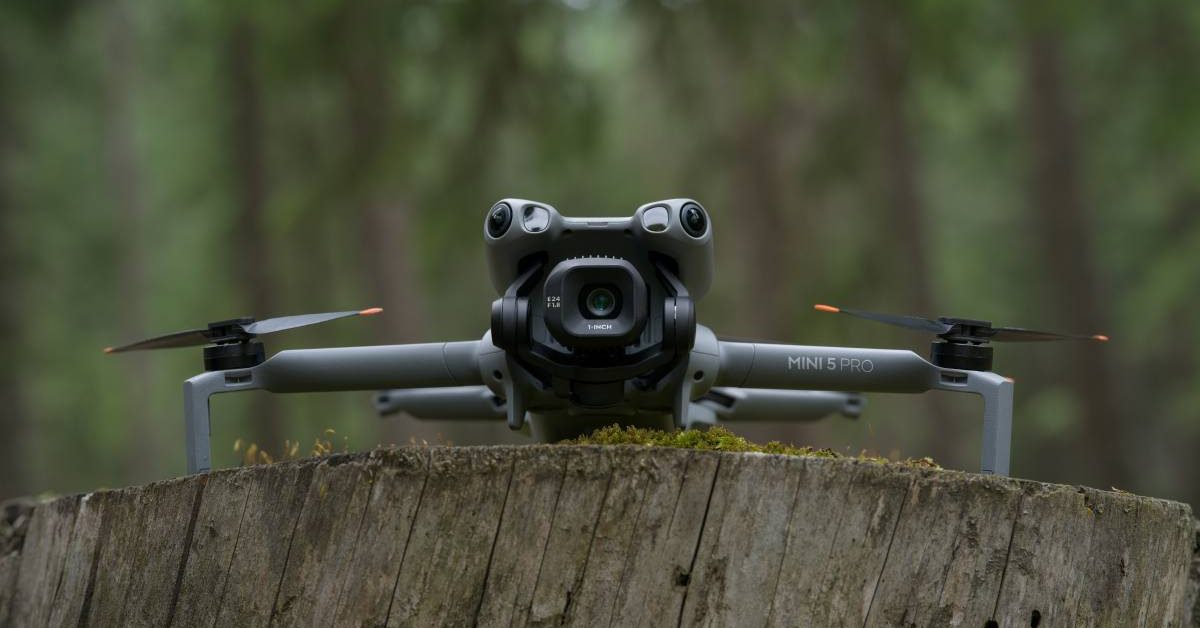
DJI Challenges FCC's Proposed Drone Ban Over Military-Grade Classification Concerns
DJI has voiced strong opposition to the FCC's proposed ban on certain drone imports, which could impact popular models like the Mini 5 Pro and Air 3S. The proposal aims to restrict foreign-made drones classified as 'military-grade,' raising concerns about the classification of technologies commonly used in civilian applications. The significance of this proposal lies in its broad definition of military-grade capabilities, which includes technologies such as thermal cameras and LiDAR sensors. DJI argues that these technologies are integral to many commercial drones and should not be categorized as military hardware. The company asserts that the FCC's classification lacks a legal foundation, as it was not established in the original National Security Determination. Moving forward, the outcome of this proposal could reshape the drone market in the U.S. DJI's filing raises critical questions about the FCC's authority to impose such restrictions. As the situation develops, stakeholders in the drone industry will be closely monitoring the implications for both manufacturers and consumers alike. No further timeline was disclosed at the time of publication.
News
China's Military Advances in Humanoid Robotics for Combat Readiness
Last month in Beijing, bipedal humanoid robots impressed audiences at the 2nd World Humanoid Robot Games, where they excelled in speed and manipulation. However, the event caught the attention of China's defense sector, which is pushing to integrate these robots into military operations. The PLA Daily has called for accelerated development to transition laboratory robotics into combat-ready units, reflecting a significant shift in military strategy influenced by lessons from the Ukraine conflict. The analysis of over 100 military procurement documents reveals that China is planning for the deployment of humanoid robots on the battlefield. Research from the National University of Defense Technology indicates that these robots could operate alongside human soldiers in urban environments within five to ten years. Recent military exercises have already incorporated humanoid platforms into tactical simulations, demonstrating their potential for reconnaissance and security tasks. As China develops its humanoid capabilities, the American defense industry remains cautious, with major firms like Boston Dynamics refusing to weaponize their robots. The contrasting approaches highlight the competitive landscape in military robotics, with China's domestic supply chain providing a significant advantage in production and integration of humanoid technology. No further timeline was disclosed at the time of publication.
US China Foundation
Chinese Military Scientists Support Trump's Battleship Plan with Large-Caliber Gun Defense Against Drones
Chinese military scientists have endorsed a segment of Donald Trump’s proposed battleship fleet, suggesting that large-caliber naval guns could effectively counter drone swarms. Their research indicates that explosive shells could scatter fragments over a wide area, potentially damaging multiple drones in a single shot. This approach aligns with ongoing discussions within the US Navy regarding the need to adapt naval defense strategies in response to the increasing threat posed by inexpensive drones. The significance of this research lies in its implications for naval warfare, particularly as modern warships typically rely on advanced missile systems and lasers. The study highlights the potential for large-caliber guns to serve as area weapons, offering a cost-effective solution to engage swarms of drones without the need for direct hits. The findings suggest that a single shell could damage approximately 1.19 drones in a swarm of 30, emphasizing the need for a reevaluation of ammunition expenditure in the face of mass drone attacks. Looking ahead, the researchers advocate for a comprehensive defense strategy that integrates large-caliber guns with electronic warfare and laser systems. This multi-layered approach could enhance the defensive capabilities of warships, addressing the challenge posed by the cost disparity between inexpensive drones and costly interceptors. No further timeline was disclosed at the time of publication.
Military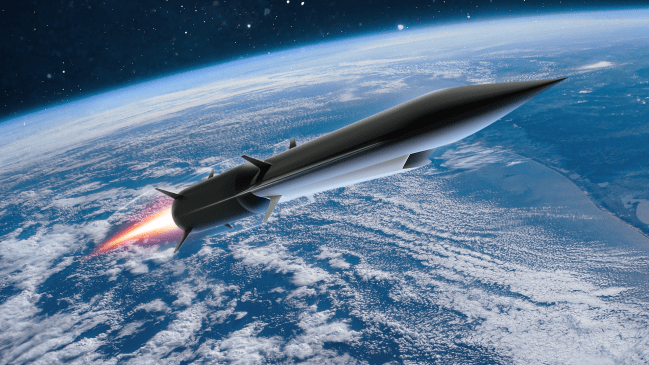
GE Aerospace Secures Contract to Develop Next-Gen Hypersonic Test Platform for US Military
GE Aerospace has been awarded a contract by the Defense Innovation Unit (DIU) to enhance the development of a liquid-fueled hypersonic test platform under the HyCAT program. This initiative aims to expedite hypersonic flight testing, addressing critical bottlenecks in systems designed for speeds exceeding Mach 5. The new test platform will serve as a test bed for flight demonstrations and data generation for future hypersonic systems. This contract builds on initial funding received in 2023, with GE Aerospace set to design a combined booster and cruiser configuration, facilitating more efficient testing without the need for dedicated flight-test vehicles. Looking ahead, the project is on track for significant milestones, including preliminary design reviews and subsystem testing scheduled for 2025 and 2026. This aligns with the US military's goal to enhance hypersonic flight-test infrastructure, enabling faster identification of issues and quicker iterations in technology development.
Military
HII Aims for 15% Increase in Shipyard Throughput Using Robotics for Navy Warships
HII, the largest military shipbuilder in the US, is targeting a 15% increase in shipyard throughput this year to expedite deliveries to the US Navy. The strategy involves workforce expansion, infrastructure upgrades, and enhanced use of technology, particularly physical AI, in shipbuilding operations. Currently, around 40 ships are under construction or modernization at HII's Ingalls and Newport News facilities. This initiative is significant as it highlights the need for skilled workers and modernized production infrastructure to support higher volumes in the US maritime industrial base. HII's plan includes hiring skilled workers, modernizing shipyard infrastructure, and expanding the industrial base for naval construction. Eric Chewning, HII’s executive vice president, emphasized the importance of building on current momentum to deliver ships at an increased pace. Looking ahead, HII plans to outsource over 2 million hours of work in 2026, marking a 178% increase from 2024. This distributed shipbuilding strategy aims to enhance shipbuilding capacity and resilience in the supply chain. As demand for naval vessels grows, HII's approach underscores the critical role of advanced manufacturing technologies in boosting US shipbuilding capacity.
Military
Continuous Composites Secures Navy Contract for Innovative UAV Component Manufacturing
Continuous Composites has been awarded a Phase II SBIR contract by the U.S. Navy to develop composite aircraft components that integrate electrical power conductors within their structures. This innovative approach aims to reduce the reliance on traditional wiring and connectors in unmanned aerial vehicles (UAVs), transforming structural components into active elements of the aircraft's electrical system. The significance of this project lies in its potential to streamline UAV design and manufacturing. By embedding electrical functions directly into composite materials, Continuous Composites can enhance the efficiency of UAVs while minimizing the complexity associated with conventional wiring systems. The Phase II work will build on successful demonstrations from Phase I, where engineers validated the concept of multifunctional composite parts with minimal impact on structural performance. Looking ahead, the focus will be on developing higher-capacity electrical pathways that can withstand operational loads. Engineers will conduct tests to ensure that electrical conductors are properly isolated within the composite without compromising structural integrity. No further timeline was disclosed at the time of publication.
Military
FCC Maintains September 2 Deadline for Comments on Proposed Drone Restrictions
The Federal Communications Commission (FCC) has rejected requests to extend the comment period for a proposal that may limit the importation and marketing of specific foreign-produced drones and components. Comments are due by September 2, 2026, regarding a proposal from July 21 that addresses foreign-produced UAS and critical components on the FCC’s Covered List, which meet the proposed 'military-grade' definition. This proposal is significant as it could impact technologies commonly used in commercial drone operations, raising concerns within the broader drone industry. The FCC's definition of 'military-grade' includes technologies that are not exclusively for defense, such as those used in agricultural UAS. The Commission is seeking feedback on whether the proposed categories accurately reflect military-grade classifications, particularly in relation to multi-UAS applications like light shows. No further timeline was disclosed at the time of publication. The proposed restrictions will not affect domestically produced or non-military-grade UAS and components, nor will they hinder the use of equipment already purchased under existing authorizations. Exemptions include items on the Blue UAS Cleared List and those granted Conditional Approval by relevant federal departments.
Drone News Drone News Feeds Feature 1 News US Government Commercial Drone Alliance
Finland and Sweden Enhance Military Cooperation to Strengthen Counter-Drone Capabilities
Finland and Sweden have agreed to bolster military collaboration by enhancing Finland's counter-drone capabilities amid rising tensions due to Russia's war against Ukraine. Finland's Ministry of Defence emphasized this initiative as a demonstration of the two nations' commitment to regional security and NATO's eastern flank. Minister Antti Häkkänen highlighted the importance of existing air and maritime cooperation in this joint effort. The significance of this collaboration lies in the recent aerial incursions Finland has experienced, which are linked to the ongoing conflict in Ukraine. Reports indicate that Sweden has approved sending Gripen fighter jets and warships to assist Finland in patrolling areas along the Finnish-Russian border. Finland's President Alexander Stubb expressed confidence in the strength of their partnership, stating that mutual trust enhances their security. Looking ahead, Finland has allocated €50.2 million ($58.3 million) for new counter-drone capabilities, with €44 million designated for the Finnish Border Guard. No further timeline was disclosed at the time of publication.
Air Warfare Global Air Force Drones Europe Finland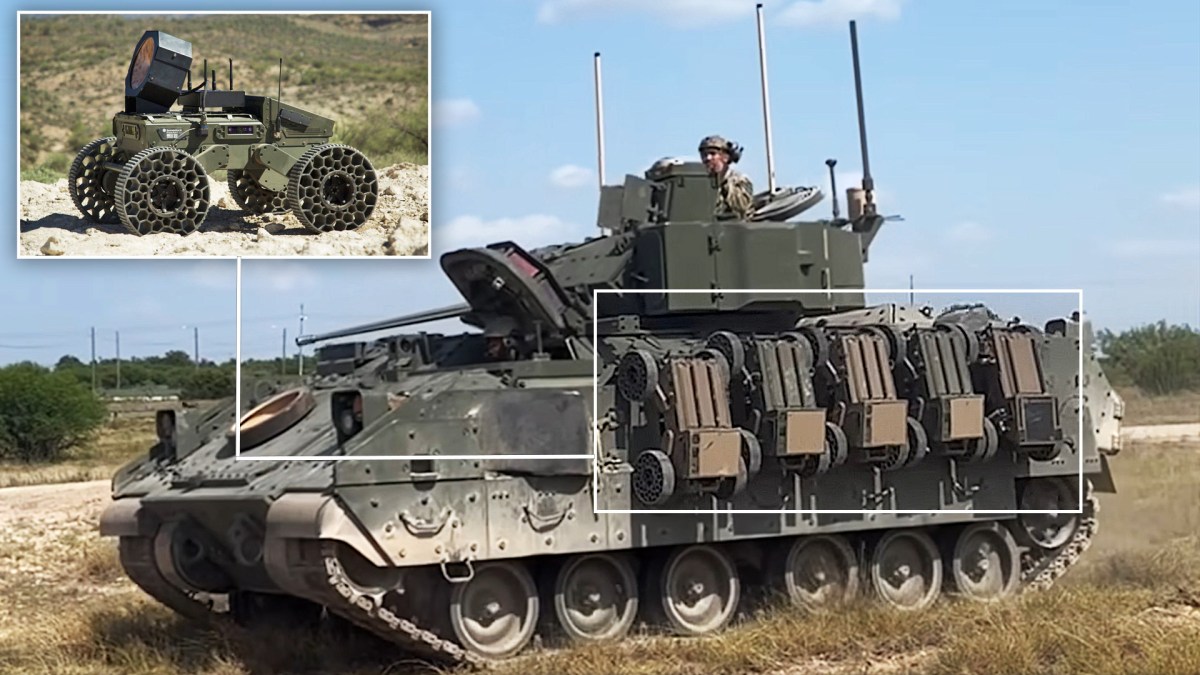
Bradley Fighting Vehicle Demonstrates Swarming Ground Drones in Recent Military Exercise
During a recent test exercise, U.S. Army soldiers utilized a Bradley Fighting Vehicle to transport FireAnt uncrewed ground vehicles (UGVs). These versatile 4×4 UGVs can be adapted for various missions, including electronic warfare and reconnaissance. The integration of Bradleys as carriers for swarms of UGVs like the FireAnt could significantly enhance operational capabilities. This development is crucial as it aligns with the U.S. Army's Transformation In Contact (TIC) modernization initiative, which aims to incorporate advanced technologies into military operations. Swarmbotics AI, the developer of the FireAnt, showcased this capability during the Pegasus Charge 3 exercise, where the Bradley was seen carrying five FireAnt UGVs. The potential for these UGVs to operate in swarms could revolutionize battlefield tactics and strategies. Looking ahead, the effectiveness of the FireAnts in operational scenarios remains to be fully understood, particularly regarding their deployment and control from the Bradley. As the Army continues to test and evaluate these systems, the focus will be on how these UGVs can be integrated into existing military frameworks and their impact on future combat operations. No further timeline was disclosed at the time of publication.
Land Armies Armored Vehicles M2/3 Bradley News & Features U.S. Army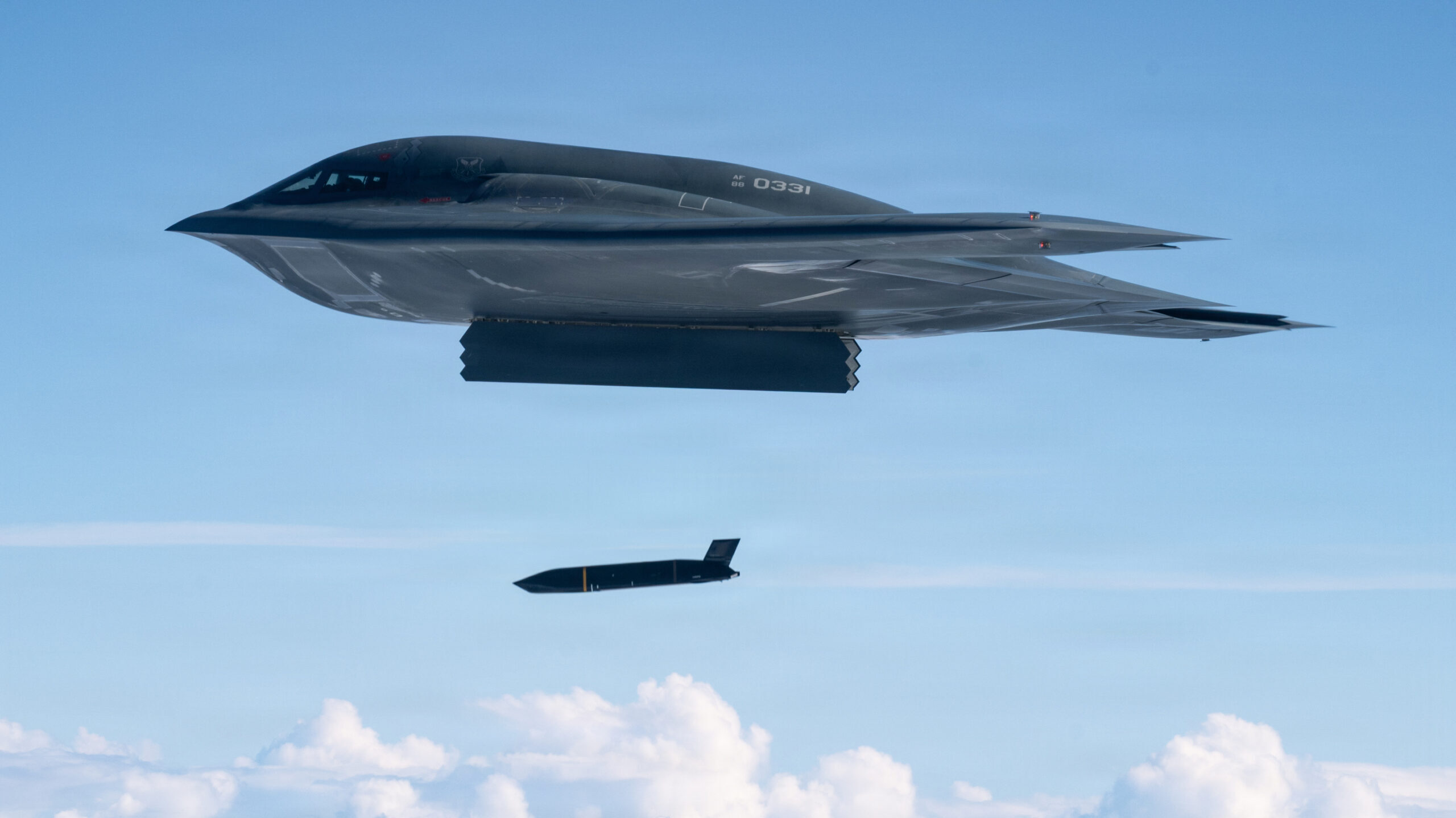
US Military Showcases Advanced Ship-Sinking Capabilities During Summer Naval Exercises
This summer, the US military demonstrated its enhanced ship-sinking capabilities during multinational exercises in the Pacific, including Exercise Valiant Shield and RIMPAC. Notably, a B-2 bomber launched an AGM-158C Long Range Anti-Ship Missile (LRASM) at a decommissioned vessel, marking a significant advancement in stealthy long-range attacks. The importance of these exercises lies in their role in showcasing the US military's commitment to counter-maritime operations, as emphasized by Gen. Kevin Schneider. The exercises involved collaboration with forces from Japan, Canada, New Zealand, and Australia, enhancing joint operational proficiency in various domains. Looking ahead, the use of advanced technologies like Unmanned Surface Vessels (USVs) during RIMPAC indicates a shift towards more complex, multi-domain operations. No further timeline was disclosed at the time of publication.
Global Naval Warfare Asia B-2 bomber Drones In Focus Pacific Modernization
Study Reveals China Can Only Meet 60% of Military Drone Demand in Conflict
A recent study from the Beijing Institute of Technology indicates that China's drone industry may only fulfill about 60% of military drone orders during a high-intensity conflict. This estimate was derived from an AI model simulating a threefold increase in wartime demand, taking into account factors such as inventories and supplier capabilities. The significance of this finding lies in the understanding that modern warfare is increasingly reliant on industrial capacity and production mobilization for military equipment. The research led by Professor Zhang Jihai highlighted that even with measures like overtime and converting civilian factories, the supply chain struggles to meet demand, achieving only 63.4% order fulfillment under simulated high-intensity conditions. Looking ahead, the study compared various mobilization strategies, revealing that an AI-led approach outperformed traditional methods, achieving a fulfillment rate of approximately 58%. As military demand continues to evolve, the ability to adapt supply chains and increase funding will be crucial for meeting future military needs. No further timeline was disclosed at the time of publication.
Military
Drones Transform Military and Infrastructure Protection Strategies
Drones are changing the landscape of military operations and the protection of critical infrastructure. They offer innovative solutions for safeguarding deployed forces and government sites, enhancing security measures significantly. The adoption of drones in these sectors is crucial as they provide a non-traditional approach to countering threats. This shift not only improves operational efficiency but also ensures better protection for citizens and vital assets. Looking ahead, the continued evolution of drone technology will likely lead to further advancements in military and infrastructure security. No further timeline was disclosed at the time of publication.
Features
China's PLA Analyzes Lessons from the Iran Conflict for Military Modernization
China's People's Liberation Army (PLA) is studying the Iran conflict to evaluate its modernization concepts, which have not been tested in major combat for nearly five decades. The PLA believes that the conflict reinforces its focus on 'intelligentized' and systems-oriented warfare, emphasizing the importance of interconnected systems over individual platforms. The insights gained from the Iran war highlight the shift towards 'systems competition' and the need for resilience and cost efficiency in military operations. PLA scholars argue that future military advantages will depend on disrupting enemy networks rather than direct confrontations, with artificial intelligence playing a crucial role in enhancing operational effectiveness. Looking ahead, the PLA aims to integrate lessons from the Iran conflict into its military strategies, particularly in air and missile defense economics. The focus will be on balancing advanced systems with low-cost weapons and ensuring robust intelligence preparation to support AI-driven operations. No further timeline was disclosed at the time of publication.
Air Warfare Global Opinion A2/AD Air Force AMS War Research Institute
Drones Illuminate Atmospheric Boundary Layer for Military and Energy Traders
Drones are being utilized to gather data that sheds light on the poorly observed boundary layer of the atmosphere. This information is crucial for military strategists and energy traders who rely on accurate atmospheric data for decision-making. The ability to observe this boundary layer is significant as it can influence weather patterns and forecasts, which are essential for military operations and energy market strategies. By enhancing the understanding of this atmospheric layer, drones are providing valuable insights that can lead to more informed strategic planning. Looking ahead, the continued use of drones for atmospheric data collection may expand, potentially leading to improved weather forecasting and strategic military applications. No further timeline was disclosed at the time of publication.

U.S. Military Unprepared for Domestic Drone Swarm Attacks, Says NORAD Deputy Commander
The Deputy Commander of United States Northern Command (NORTHCOM) and North American Aerospace Defense Command (NORAD), Army Lt. Gen. Joseph Jarrard, stated that the U.S. is currently unprepared to defend against drone swarm attacks within its homeland. During the Space and Missile Defense Symposium in Huntsville, Alabama, he emphasized the lack of necessary sensors and effectors to address such threats. Jarrard's remarks highlight significant gaps in U.S. military capabilities, particularly in domain awareness and response systems for drone threats. He pointed out that while drone attacks are increasingly common globally, the U.S. has yet to develop effective mitigation strategies. This admission follows previous concerns raised about the military's readiness, especially after incidents like the Chinese spy balloon event in 2023. Looking ahead, the military must prioritize enhancing its drone defense systems to counter threats similar to Ukraine's Operation Spiderweb, which successfully targeted Russian air bases. The evolving drone technology landscape necessitates urgent action to safeguard critical infrastructure and personnel from potential domestic drone attacks.
Air Americas Around The Globe Counter-Unmanned Aerial Vehicles (C-UAS) Drones Land
L3Harris Advances Affordable Munitions to Meet Modern Military Challenges
L3Harris is addressing the urgent need for capable and affordable precision munitions in modern military operations. As nations face increasingly complex threats, the ability to deliver advanced capabilities at scale and speed is critical. With over 1,200 unmanned aerial vehicles delivered, L3Harris is positioned to meet the demand for affordable mass production while maintaining combat effectiveness. The shift in defense acquisition emphasizes the importance of producing affordable capabilities without sacrificing quality. L3Harris is focusing on modular designs and leveraging commercial components to enhance producibility and reduce costs. This approach allows for the rapid integration of systems across various platforms, ensuring operational relevance in prolonged military engagements. Looking ahead, L3Harris aims to sustain production at volumes of 1,000 systems per year or more. The company is committed to bridging the gap between high-end performance and the need for greater combat mass, ensuring that military forces can maintain operational readiness without compromising fiscal sustainability. No further timeline was disclosed at the time of publication.
Air Warfare Sponsored Post Air Force cruise missile defense acquisition Drones
Unidentified Drones Reported Over Diego Garcia, U.S.-U.K. Military Base
Unidentified drones were reported over the Diego Garcia military installation, a strategic U.S.-U.K. base in the Indian Ocean. This base has long been crucial for U.S. military operations, hosting various activities including Space Force operations and serving as a key port for naval vessels. The sightings raise concerns about potential threats to critical infrastructure, especially amid ongoing tensions between the U.S. and Iran. The presence of drones over Diego Garcia highlights the evolving nature of military threats, particularly the risk posed by sea-launched drones. The U.K. Defense Ministry confirmed awareness of the sightings but did not disclose specific details regarding the drones or any defensive measures taken. This situation underscores the importance of maintaining security at military installations, especially those in remote locations like Diego Garcia. As the situation develops, it will be crucial to monitor any further reports regarding the drone sightings and the response from military authorities. The potential implications for operational security and the safety of personnel stationed at Diego Garcia warrant close attention, especially given the base's strategic significance in U.S. military operations.
News & Features Air Air Forces Around The Globe Indo-Pacific Royal Air Force
South Korea's Unmanned Ground Vehicle Deployment Addresses Military Recruitment Challenges
South Korea has initiated a large-scale deployment of unmanned ground vehicles (UGVs) as a strategic response to declining military recruitment numbers. This move highlights the nation's commitment to enhancing its defense capabilities while addressing personnel shortages. The significance of this deployment lies in its potential to modernize South Korea's military operations and maintain national security. By integrating UGVs into their defense strategy, South Korea aims to mitigate the impact of reduced manpower on military effectiveness. Looking ahead, it will be important to monitor how this deployment evolves and whether it successfully addresses the recruitment challenges faced by the South Korean military. No further timeline was disclosed at the time of publication.
News
U.S. Army Constructs 78,000 Sq Ft of 3D-Printed Barracks in Just 58 Days
The U.S. Army has successfully completed the construction of ten 3D-printed military barracks at Fort Bliss in just 58 days. This project, which encompasses a total of 78,000 square feet, marks the largest deployment of automated construction technology by the military to date, officially entering the era of 3D-printed military housing. This innovative approach to construction not only enhances soldier well-being and operational readiness but also significantly reduces costs and construction time. According to Maj. Gen. Curtis Taylor, the project emphasizes the Army's commitment to valuing its personnel and improving their living conditions, particularly for those serving in demanding roles such as Task Force Bastogne under Operation Ardent Vanguard. Looking ahead, the rapid deployment of these energy-efficient barracks sets a new standard for military logistics and construction practices. The U.S. Army's use of 3D printing technology has demonstrated a 9.3% cost reduction compared to traditional methods, achieving construction speeds four times faster than conventional techniques. No further timeline was disclosed at the time of publication.
Innovation
Legged Robots Spark Concerns Over Surveillance, Employment, and Military Accountability
Legged robots have evolved from science fiction to practical engineering, now performing tasks such as package delivery and military operations. This shift highlights significant advancements in technology, driven by increased financial investment in the sector. The emergence of these humanoid and quadrupedal machines raises important ethical questions and economic opportunities, as they become more integrated into everyday life. The implications of their use in surveillance and military contexts are particularly pressing, prompting discussions on accountability and regulation. As the technology continues to develop, stakeholders should monitor the evolving landscape of legged robots, particularly regarding their deployment in sensitive areas. No further timeline was disclosed at the time of publication.
RoboticsRobotics needs a service framework.
RSF defines a common language for robot service capability, lifecycle operations, certification pathways, and service-provider networks.
Join the RobotToday community on LinkedIn
Daily robotics news, in-depth analysis, conference highlights, and discussions with professionals worldwide.