

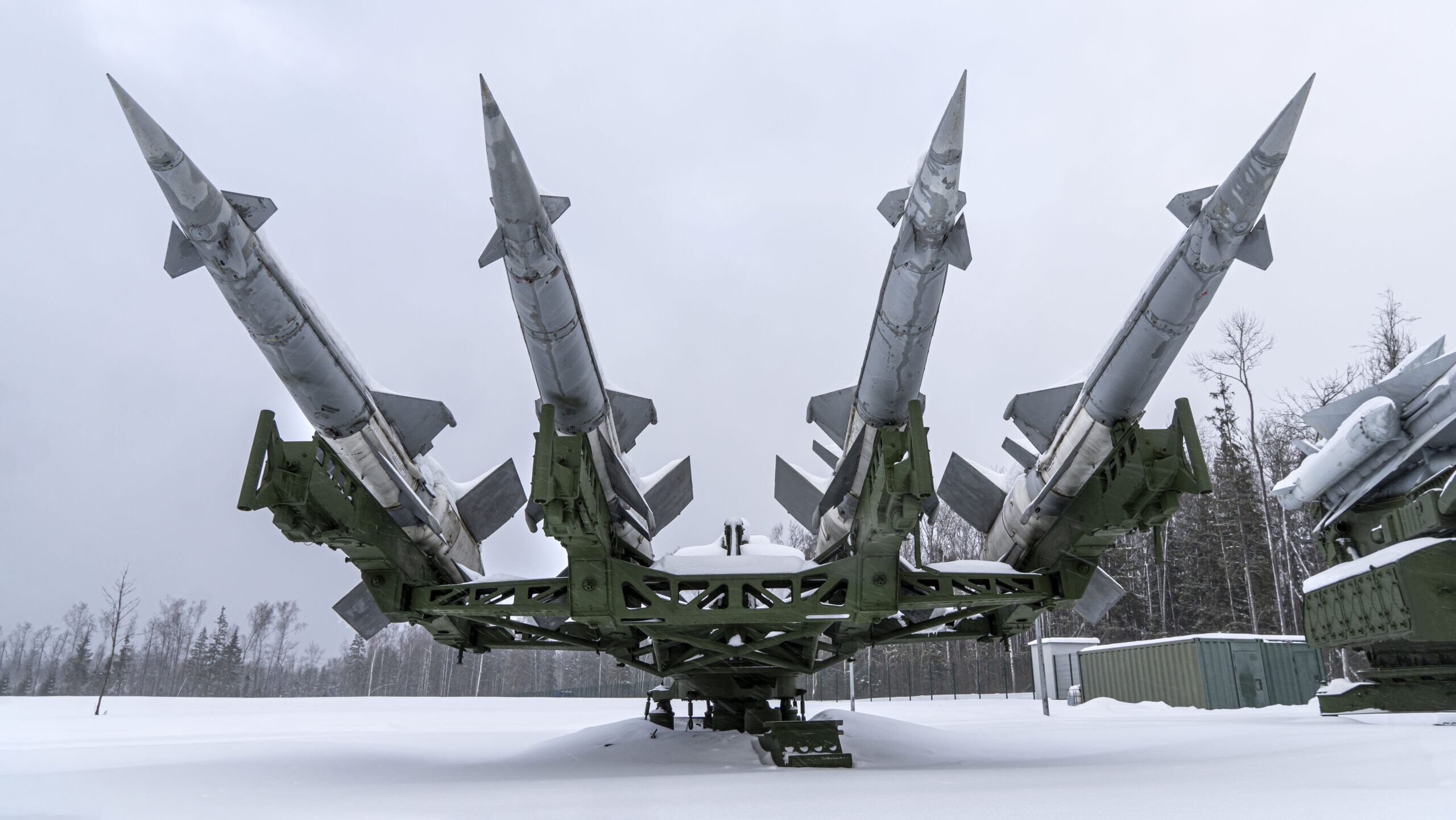
The ongoing conflict in Ukraine has provided the Russian military with significant combat experience, prompting NATO to analyze Moscow's adaptations in warfare. However, the future threat from Russia may hinge more on its ability to replicate successful strategies across different units rather than merely adapting them. This shift in focus is crucial for NATO's military planning.
NATO's current assessments emphasize what Russia has learned, such as advancements in unmanned systems and electronic warfare. Yet, the real challenge lies in whether newly formed Russian units can sustain and reproduce these capabilities after personnel changes and casualties. Understanding this distinction will help NATO refine its intelligence and operational strategies against Russian forces.
Looking ahead, NATO must develop a new intelligence framework that prioritizes force-generation capabilities over traditional assessments. This includes monitoring changes in military education, training standards, and the performance of newly formed units. By doing so, NATO can gain early insights into the evolving capabilities of the Russian military, which may not be immediately evident through conventional inventories.
Editor's Note
As the conflict in Ukraine continues, NATO faces the challenge of accurately assessing the evolving capabilities of the Russian military. The focus on reproducibility rather than mere adaptation is essential for understanding how Russia might leverage its combat experience in future engagements. This shift in intelligence priorities could significantly impact NATO's strategic planning and readiness.






























Leave a comment